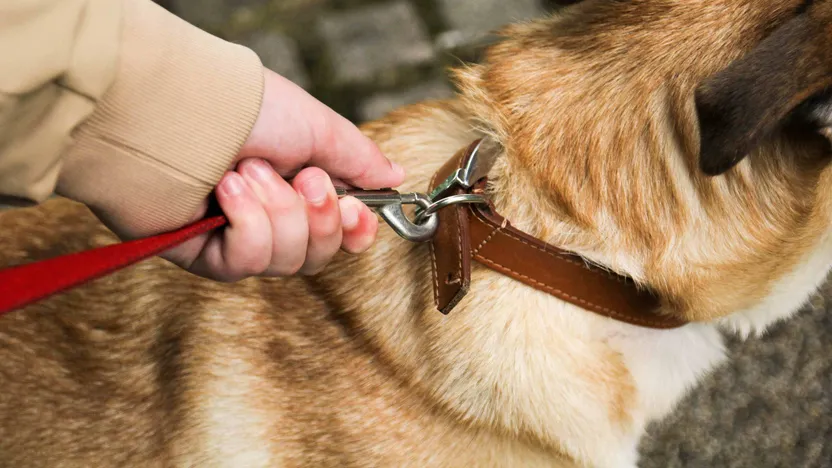
Dog collar, lead and harness buying guide
'/%3E%3C/svg%3E)
Guide written on 25 September 2026 by:
Pauline, Self-taught DIYer, Leeds
Important features
- Length
- Size
- Material
- Shape
- Comfort
Best sellers in this category
Choosing the right dog collar
Dog collars perform a number of different functions.
They can allow you to identify the dog using a dog tag – although bear in mind that this is no substitute to microchipping or id tattoos.
They allow you to attach a lead or long training lead for walks, work or for tying up your dog for brief periods.
They can be used for basic training, such as training a dog to walk to heel.
They help you to keep control or, in an emergency, to catch your dog (following all safety precautions).
Dog collars come in all sorts of materials, shapes and colours. They can be made of plastic, fabric, leather or stainless steel chain. In terms of design, they may be thin and discreet or wide and thick, such as specially designed sight hound collars.
Finding the right lead or harness for your dog
Dog leads must be used when out and about with your dog, whether you're going for a walk, travelling, going to the vet or heading for a family outing.
There is a wide range of dog leads on the market. Your choice will depend on the type of dog you have and the activities you practice together, as well as your own comfort while walking and handling. Here are a few criteria to consider when choosing a lead for a dog or puppy.
Length: short, long or rectractable.
Material: leather, plastic, cord or metal.
Shape: round or flat.
Dog harnesses are very fashionable these days and becoming more popular than traditional collars. Harnesses come in different designs with different attachment options (back or chest) to choose according to context (walk, work or sports).
Specialist harnesses can be purchased for various activities; for example, cycling with your dog, cani-cross, training or day-to-day walking. For any type of pulling activity (e.g. mushing) you will need a very specific type of harness designed to fit the shape of your dog perfectly and not interfere with your dog's movement.
To find the right size of harness, it is essential to measure your dog. For harnesses that must be assembled, this allows you to adjust the length of the straps; it also allows you to make sure there straps are the correct length on pre-assembled harnesses.
Price isn't the only factor to consider when choosing a dog harness: it is essential to ensure your furry friend's well-being by picking a model that does not rub.
Choosing a high-quality material will ensure your dog's comfort for activities (sport, relaxation, travelling, etc.) and guarantee their safety when outdoors.
Shop our dog leads
Best sellers in this category
You may be also interested in these guides
Guide written by:
Pauline, Self-taught DIYer, Leeds
With a handyman-father, I grew up with the soft sound of the sander and hammer on weekends. I am both manual and cerebral, I learned the basics of DIY and the customisation of furniture because I was passionate. The salvage mentality is a true way of life that allowed me to know how to use all the tools and products needed to give something a second life, from a sander to varnish. I have two favourite activities: the transformation of old furniture and decoration tips. I am always ready to lend a helping hand to revamp a table or to restore a mirror that was intended for the tip that will become a friend’s centrepiece. I’m convinced that it’s possible to reinvent an interior by small, regular modifications and I constantly research low-cost ideas.
'/%3E%3C/svg%3E)