Lacquer buying guide
'/%3E%3C/svg%3E)
Guide written on 6 February 2024 by:
Anne, Painter
Important features
- Lacquer pros and cons
- Acrylic lacquer
- Oil-based lacquer
- Alkyd lacquer
- Natural lacquer
- Different finishes
- Application
Best sellers in this category
What is lacquer?
Lacquer is a high-end solvent-based paint designed to provide a perfectly smooth finish to any surface it covers. Typically used indoors, including in rooms like kitchens or bathrooms, this type of paint can cover furniture, woodwork or walls, but it can also be used outdoors.
You can choose between acrylic lacquer, oil-based lacquer, alkyd lacquer or even natural lacquer, depending on your surface and the area you want to paint. Lacquer also offers a range of finishes from high gloss for a mirror effect, matt for a more paired down look or satin finish for a good compromise between the two. While lacquer has come a long way since its creation, it is still relatively tricky to apply and can only be applied to a surface that has been carefully prepped.
Shop our wall and ceiling paint
Lacquer: advantages and disadvantages
Pros | Cons |
Thanks to its special formula, lacquer reflects the light with a smooth finish that is quite unlike any other type of paint. | Lacquer can only be applied to a very carefully prepared surface or else all flaws will be highly visible. |
Lacquer is largely resin-based making it very resistant to scratches, impacts or scrapes. It can also deal well with UV rays and weathering, depending on the type you choose. It therefore helps to protect the surface it is applied to and provides a very durable finish. | It often requires a primer or undercoat before application. |
Once used only for wooden furniture and objects, lacquer can now be used from floor to ceiling on a wide range of surfaces including metal, provided you treat the surface first with a rust inhibitor. | Applying this type of paint requires a certain amount of skill. It needs to be applied evenly for the best results. |
Lacquer can be cleaned and some types can even be washed. |
Best sellers in this category
Acrylic, oil-based, alkyd or natural: which type of lacquer is right for you?
When it comes to picking a lacquer, you can choose between water-based, solvent-thinned and natural lacquers.
Acrylic lacquer
Acrylic lacquer is a water-based paint which essentially means it contains water instead of solvents, in addition to pigments and an acrylic resin binder.
Acrylic lacquer can be used outdoors but is best used indoors as it is practically odourless and has a low Volatile Organic Compound (VOC) content for a limited impact on the environment and your health. These paints offer faster drying times which is a bonus in terms of saving time, but can also be an inconvenience as it can prove impossible to correct any mistakes.
Oil-based lacquer
Oil-based lacquer is made up of organic solvents like white spirit or petroleum and a resin binder.
While oil-based lacquer is highly resistant and can be used indoors and outdoors, it does release a strong odour and has a very high VOC content.
Lacquer takes quite a long time to cure which is often seen as a disadvantage in paint; however, this allows you the time to touch up your surface if required.
Alkyd lacquer
The latest type of lacquer to hit the market, alkyd lacquer is made up of synthetic alkyd resins and water to combine the advantages of acrylic lacquer with the strength of an oil-based paint.
Suitable for indoor and outdoor use, alkyd lacquer is virtually odourless and releases fewer VOCs than oil-based lacquer.
Natural lacquers
Natural lacquers replace chemical binders with binders of natural origins. This type of lacquer is ideal for indoor use as it does not emit high concentrations of harmful VOCs.
Different lacquer finishes
While lacquer is known for its high gloss finish, it does also come in satin and matt finishes.
Gloss finish
High gloss finishes are designed to reflect the light for a mirror-like finish. This finish is also the most hardwearing. However, high gloss lacquer can only be applied to a flawless surface as the slightest imperfection will be clearly visible.
Satin finish
A satin finish offers a good middle ground between gloss and matt. It is designed to reflect the light without being too shiny.
Matt finish
Used mainly indoors, a matt finish gives lacquer a more understated look. Any flaws in the surface will also be less noticeable.
Shop our gloss paint
How to apply lacquer
Prepare your surface and tools
The key to a good result lies with careful surface preparation. Your surface must be completely smooth. Any cracks must be filled with a multi-purpose filler and any lumps and bumps sanded down. Don't hesitate to apply a surface-appropriate primer which will help the lacquer to adhere properly.
Painting tools
Lacquer can be applied using a lacquer roller as well as an edging paint pad or paint brush designed for oil-based paints.
Applying the paint
Just about any DIYer should be able to apply lacquer. However, if you want perfect results, you need to follow a few rules.
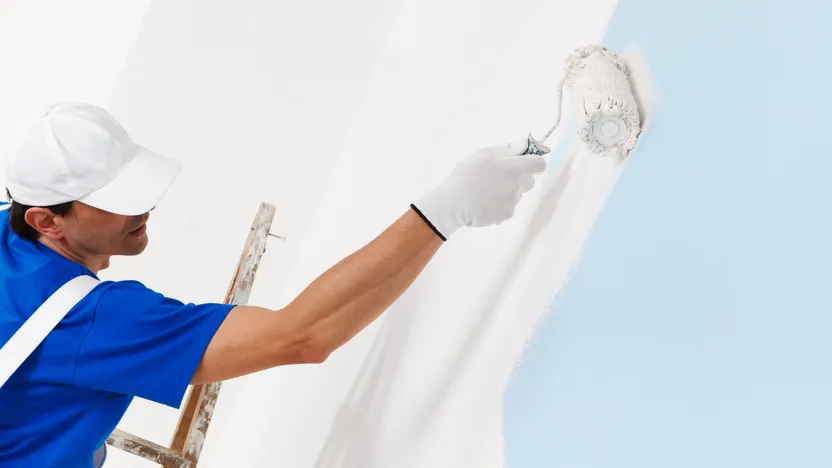
Apply the first coat using a roller. Be careful not to overload the roller and use criss-cross strokes.
Be sure to spread the lacquer as far as possible before reapplying paint to the roller.
Leave the paint to dry according to the manufacturer's instructions,
Sand down the surface lightly and dust off using a soft brush.
Remove any remaining dust using a damp cloth or a cloth dipped in white spirit.
Apply a second coat using a roller or paint pad (which requires a bit more skill to use).
In some cases, you will have to sand down the surface again once the second coat is dry before applying a third coat.
Shop our paint rollers
You may be also interested in these guides
Guide written by:
Anne, Painter
After 8 years of trade, I turned professional: I trained myself to be a painter and carpet fitter, either on my own or with 16 year old comrades. 9 months later, following vocational training, I created my company. I’m a self-taught DIYer and decoration enthusiast, I love to find and restore furniture and to create unique decoration pieces. I completed the renovation of my sister’s house with my niece: electrics, tiling, plasterboard...we did it all. And today, if I can share my experience I'm happy to do it. Good Luck.
'/%3E%3C/svg%3E)