Installing a heater for an aquarium is useful for reproducing the natural living conditions of fish, especially tropical species. Some rules must be respected both when choosing the right equipment and during its use.
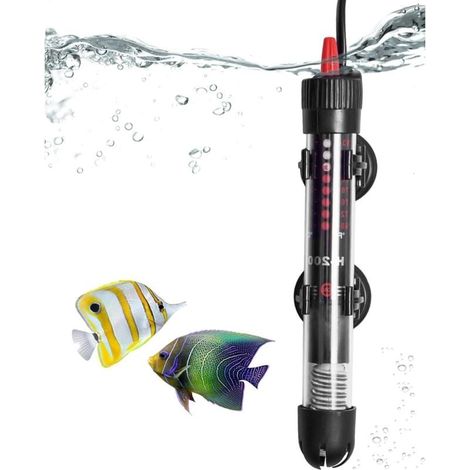
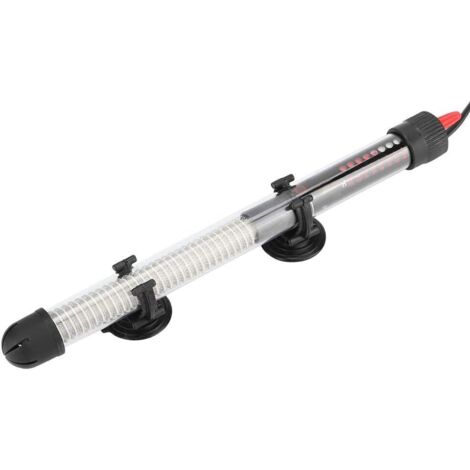
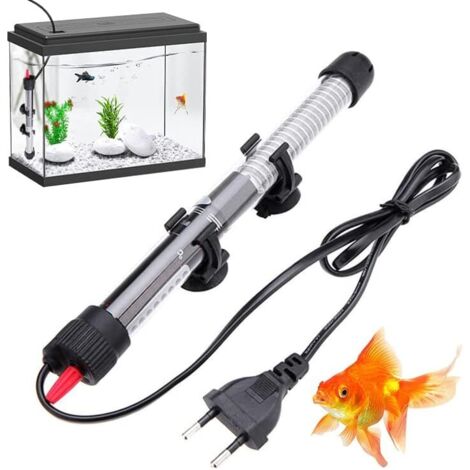
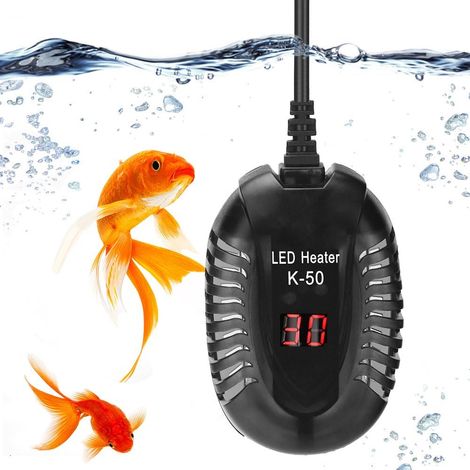
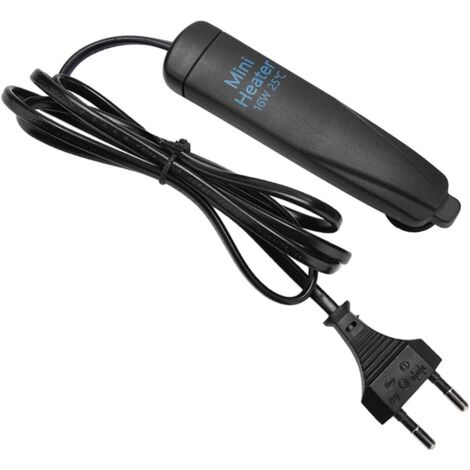
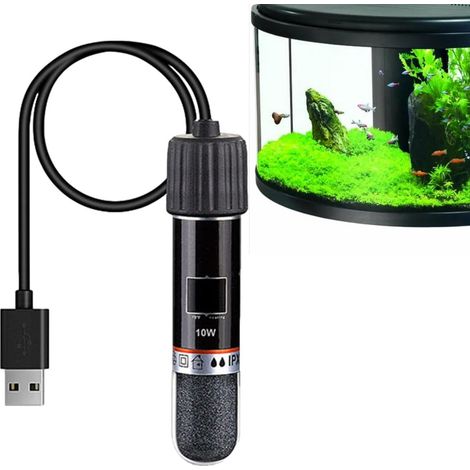
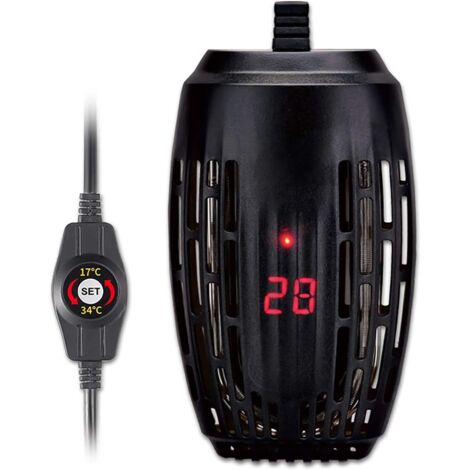
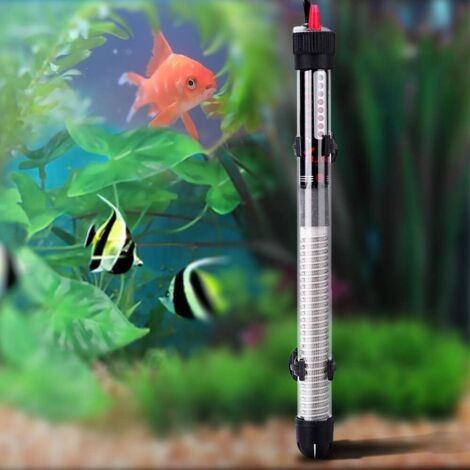
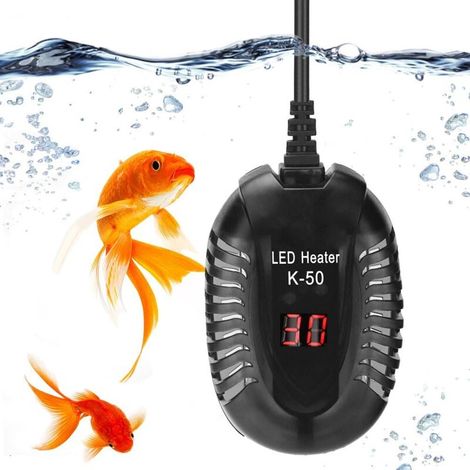
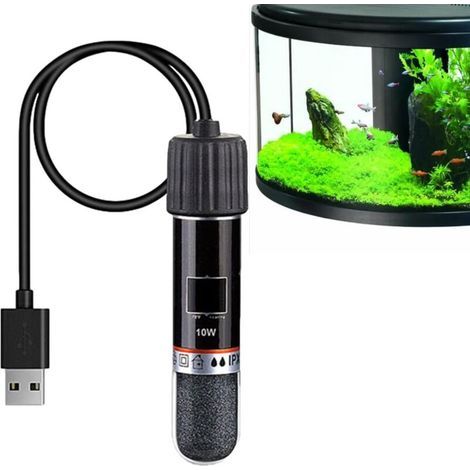
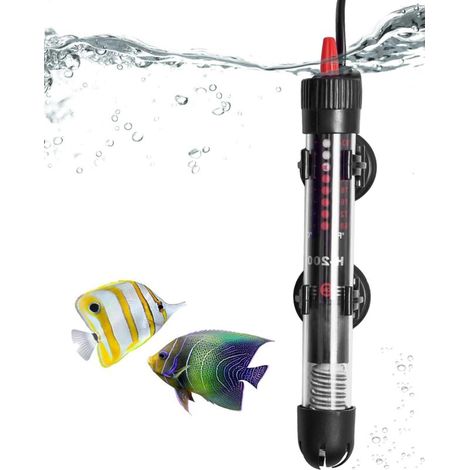
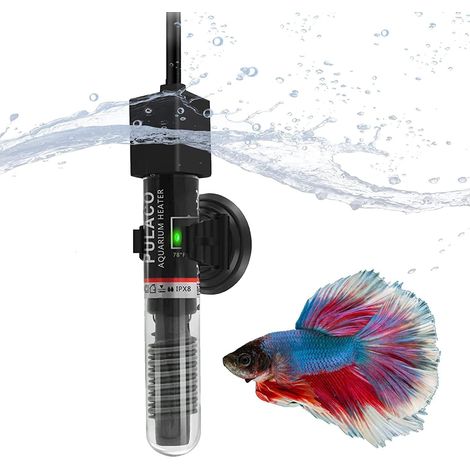
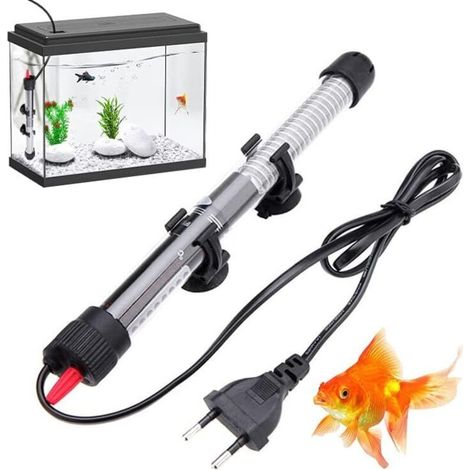
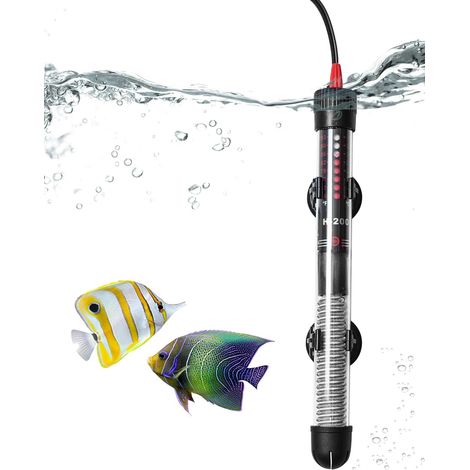
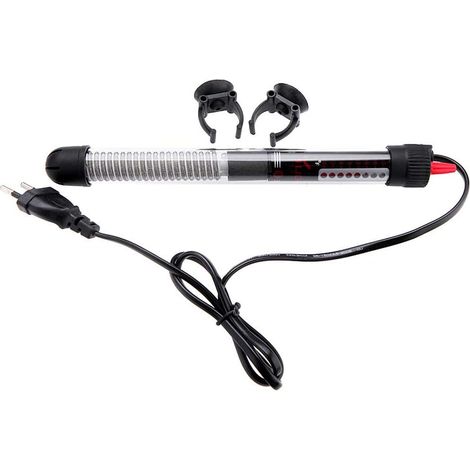
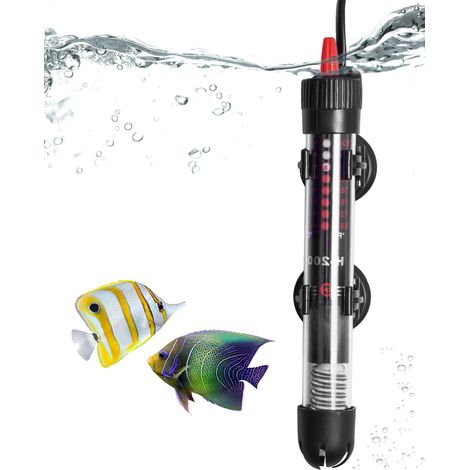
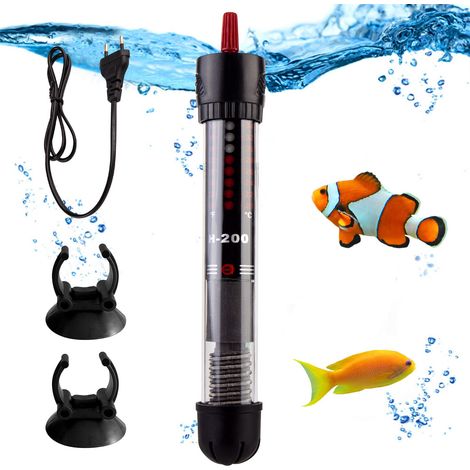
Heating equipment for aquariums often comes in the form of a sealed heating tube equipped with an integrated thermostat.
However, the available equipment differs in a few points:
- some operate with an integrated battery or batteries, while others must be plugged into a power outlet;
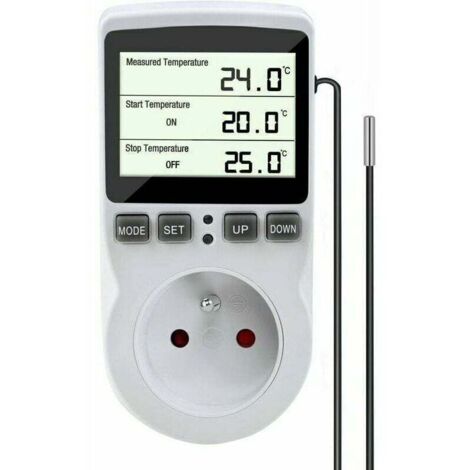
- they may be equipped with a bimetallic or electronic thermostat.
The power of the equipment required depends not only on the capacity of the aquarium but also on the ambient temperature:
- a power of 1 W/l is sufficient if the tank is located in a room tempered at 19 °C;
- a power of 1.5 W/l is recommended if the ambient temperature is between 15 °C and 18 °C;
- a power of 2.5 W/l is necessary if the room temperature is at 13 °C or 14 °C;
- if the ambient temperature is below 13 °C, the aquarist has the option between installing two immersion heaters or adjusting the heating of the room.
Some rules must be respected for the installation and use of the aquarium heating device:
- it is preferable to install it in a zone of turbulence (near the air diffuser or the filter outlet) to optimize the heat distribution in the tank;
- when using the device for the first time, it is advisable to leave it in the water for about 20 min before turning it on to allow it to accurately assess the temperature;
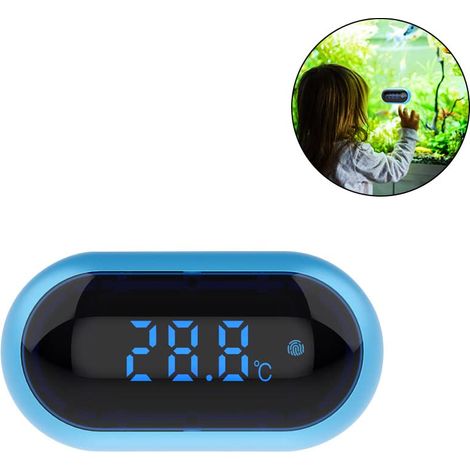
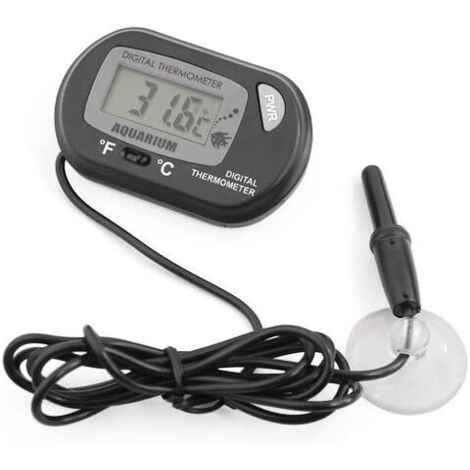
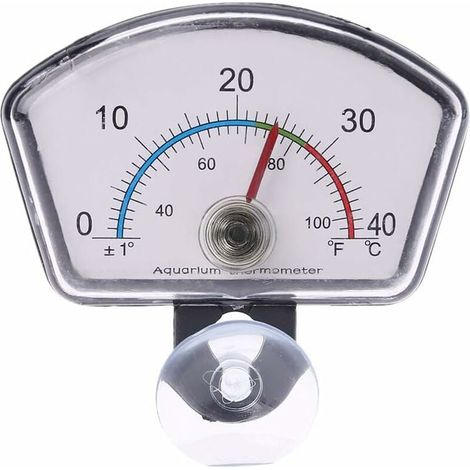
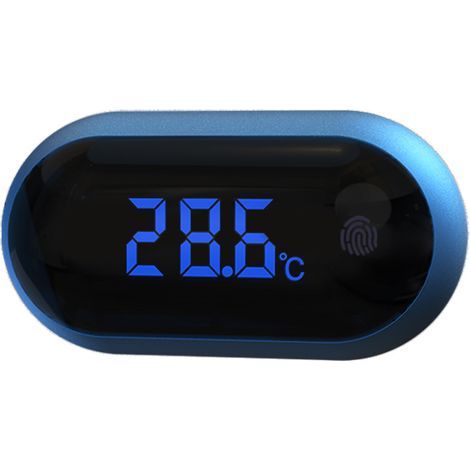
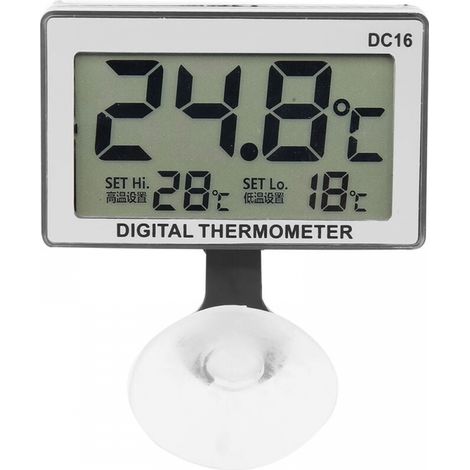
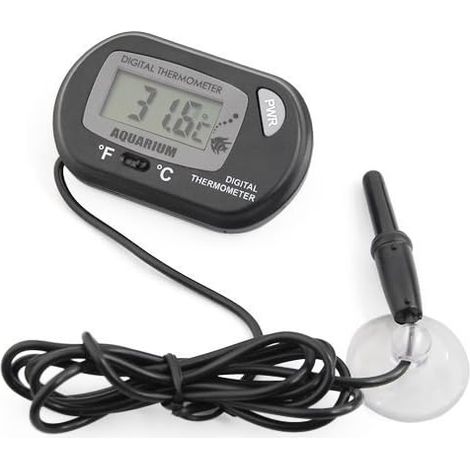
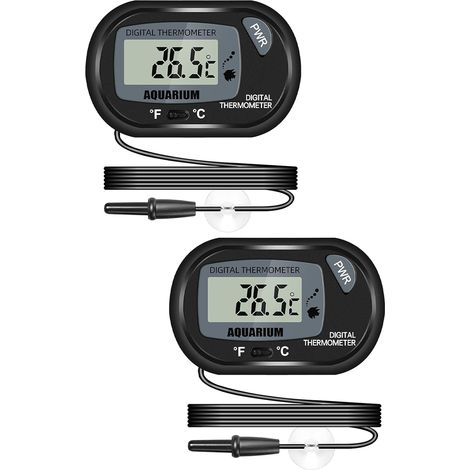
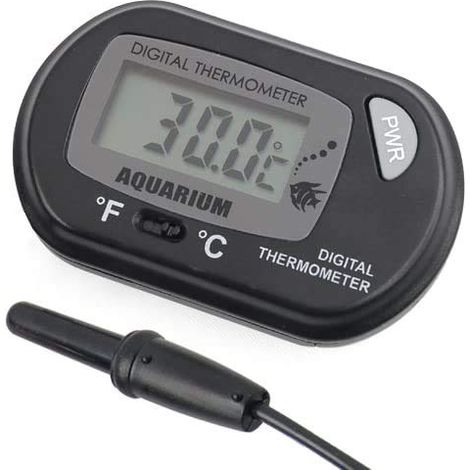
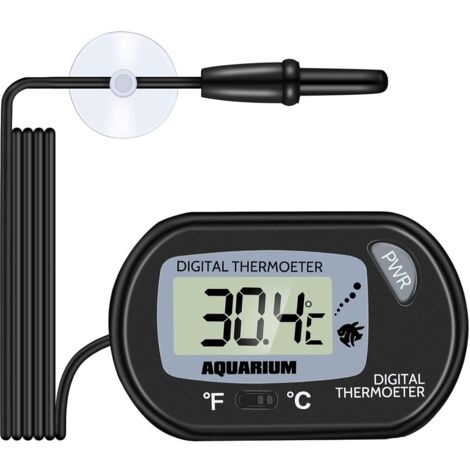
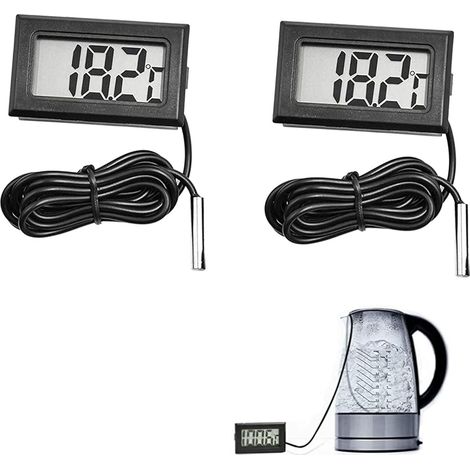
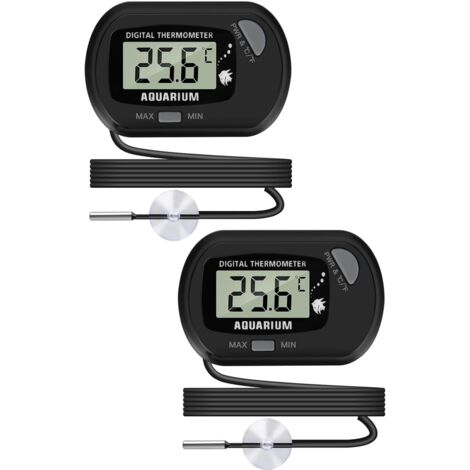
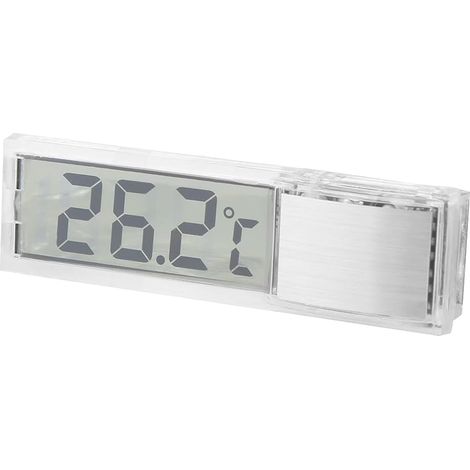
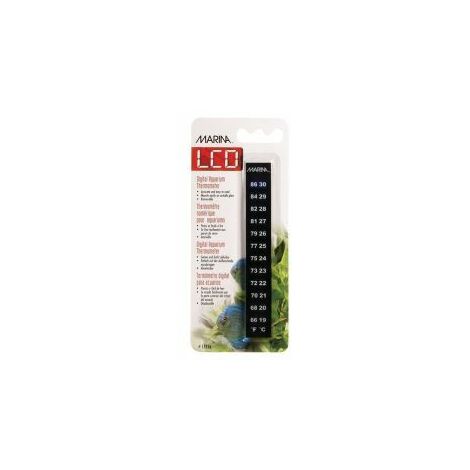
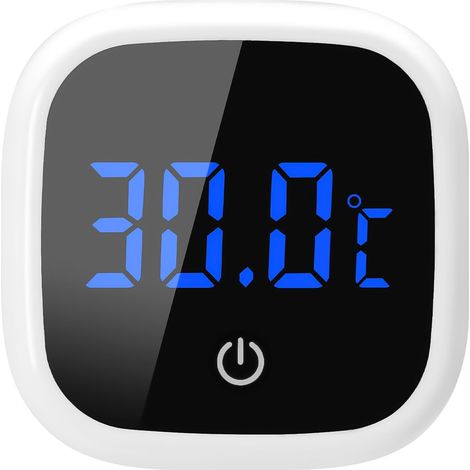
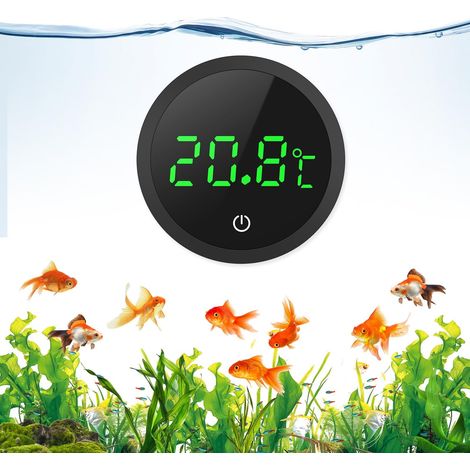
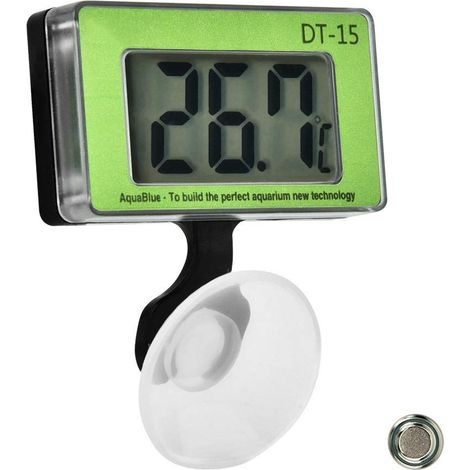
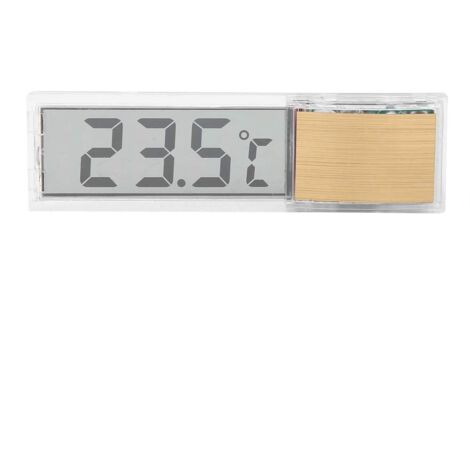
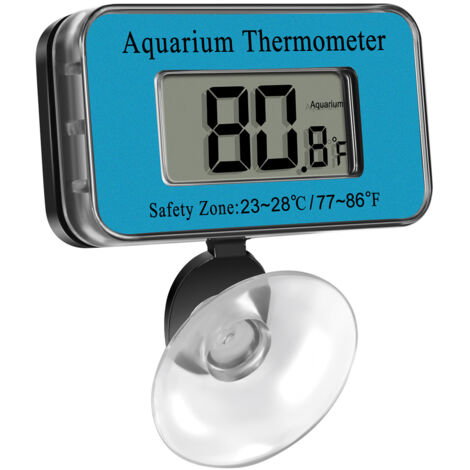
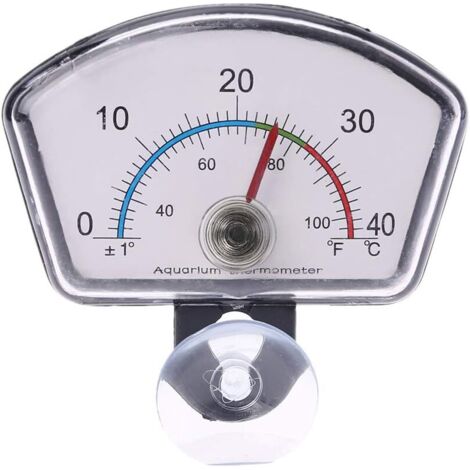
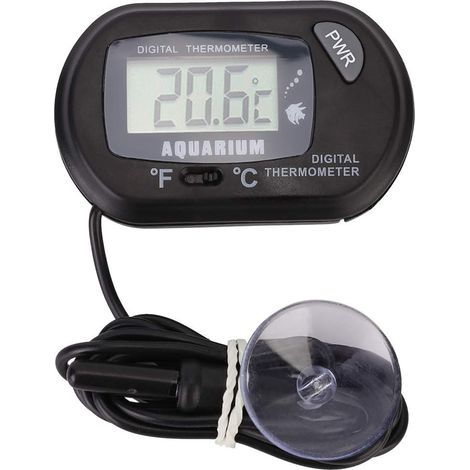
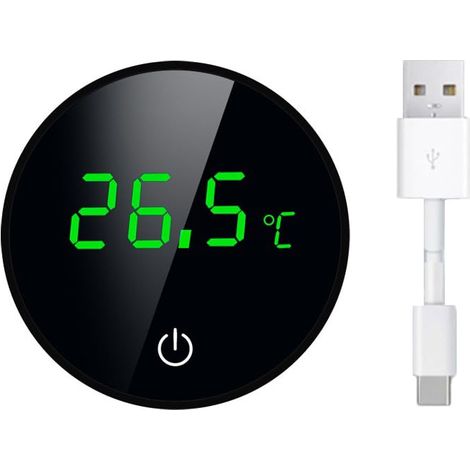
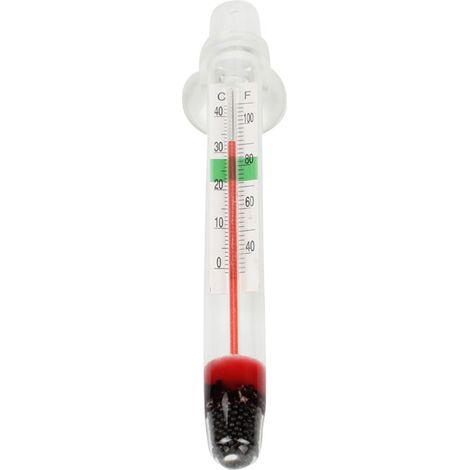
- a daily check of the water temperature allows for the detection of any possible failure of the equipment and to ensure the well-being of the fish.
The temperature setting must take into account the needs of the fish:
- 21 °C to 22 °C for the guppy;
- 24 °C to 25 °C for most tropical species;
- 27 °C to 28 °C for discus.
Thus, the choice of heating equipment for an aquarium depends on the volume of water to be heated, the temperature of the room where the tank is located, and the species intended to live there. It may be wise to install two low-power devices for a more even heat distribution and to prevent a possible failure.
'/%3E%3C/svg%3E)












'/%3E%3C/svg%3E)