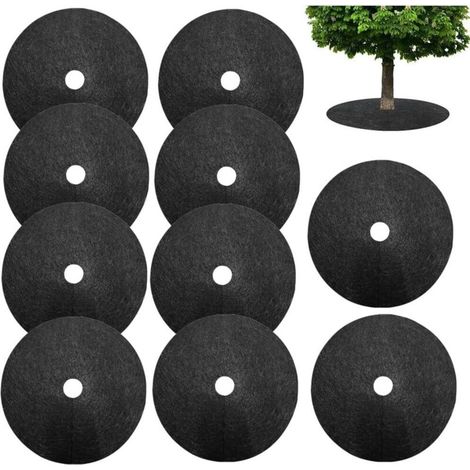
Mulching helps retain moisture while protecting plants against the proliferation of weeds. To be laid at the foot of crops or shrubs, mulches are of organic or mineral origin. It is also possible to opt for a fabric mulch.
Mulching is a technique with multiple advantages. Indeed, it allows to:
- reduce, or even prevent, the development of weeds and their regrowth;
- limit watering by slowing down the evaporation of moisture from the soil, by absorbing water, and by retaining moisture;
- improve soil fertility, as some materials decompose over time and provide nutrients;
- protect roots from frost.
Mulches are generally laid at the foot of plants or over a larger area. Just use a hoe and it’s done!
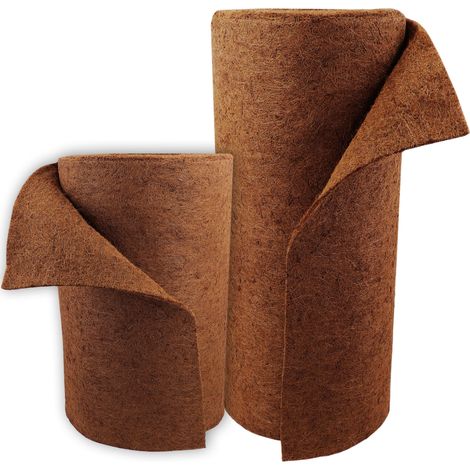
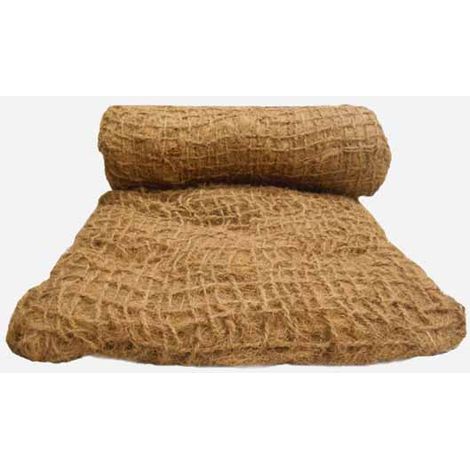
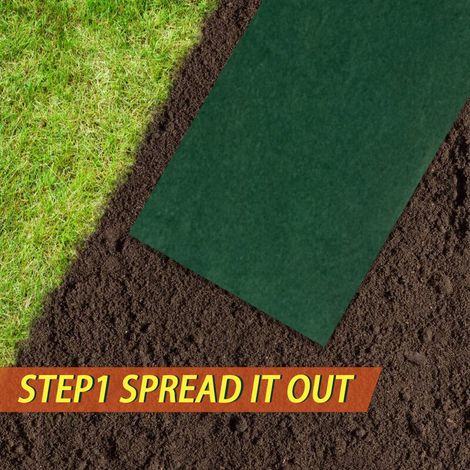
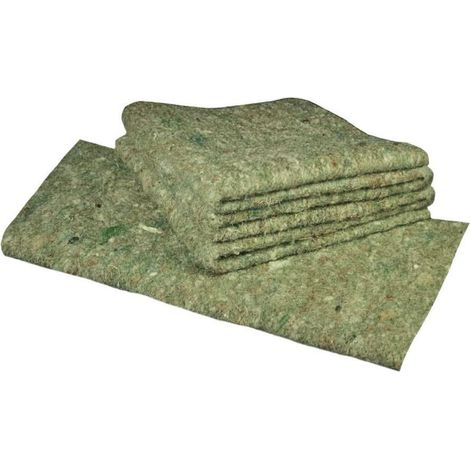
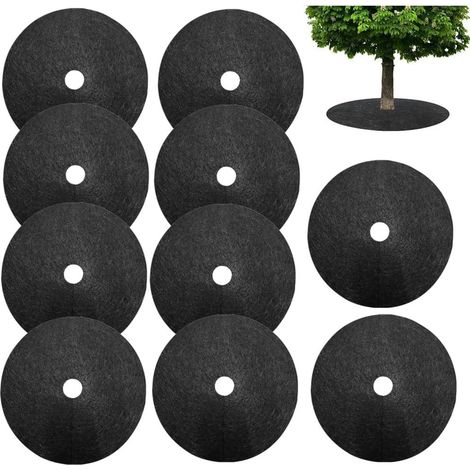
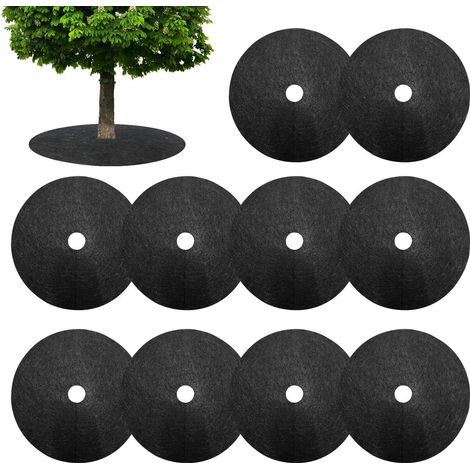
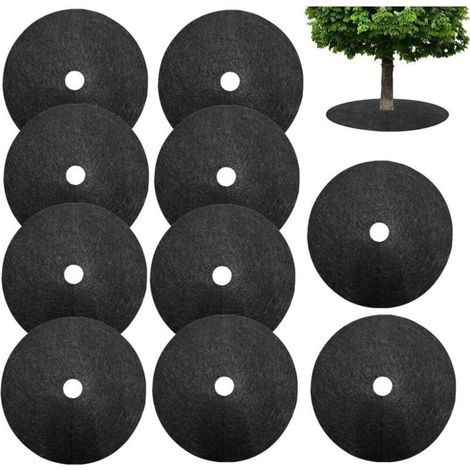
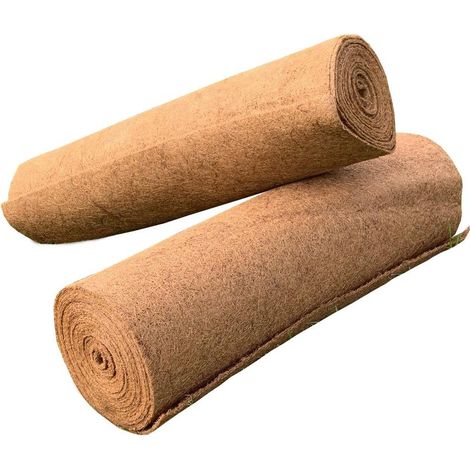
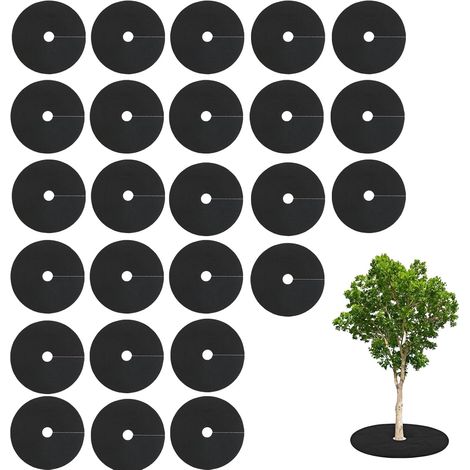
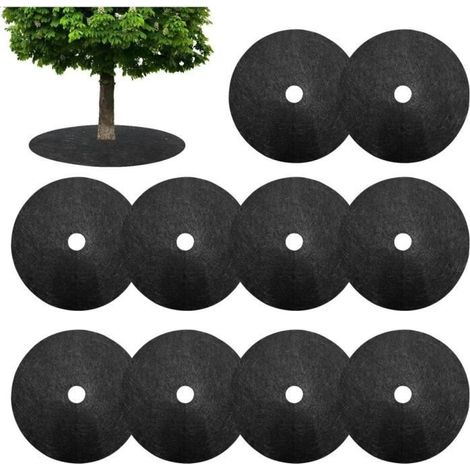
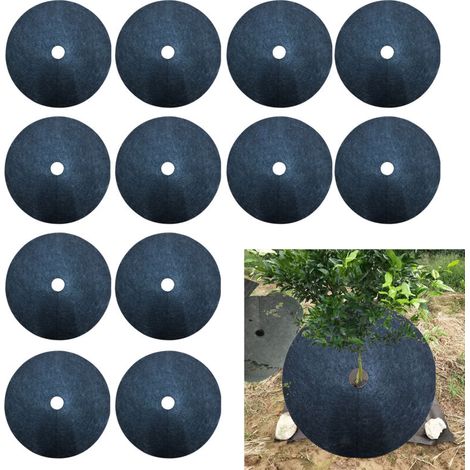
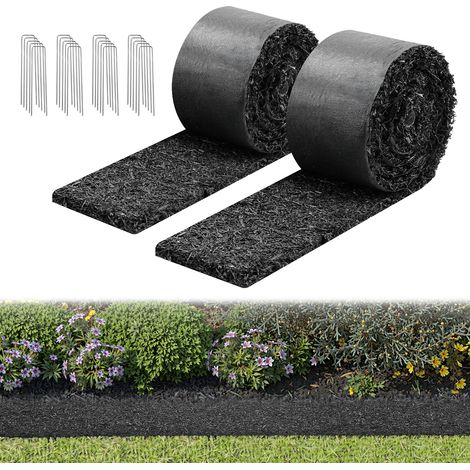
To mulch a path, scattered plants, or a slope, it is appropriate to choose suitable materials. Perfect for large areas, fabric mulchings are made of plastic or of organic origin. They cover slopes while reducing the risks of erosion and sliding. The plastic films are durable and available in black or green.
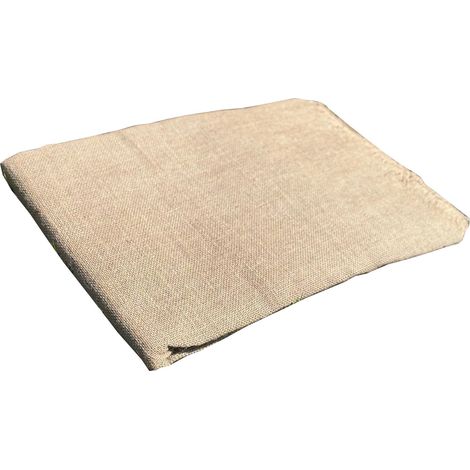
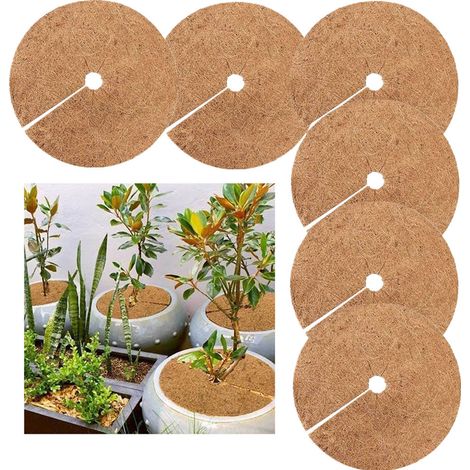
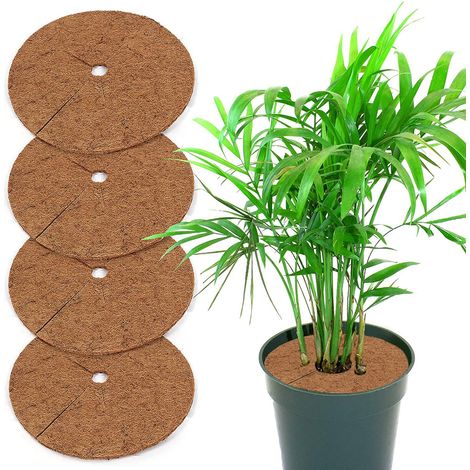
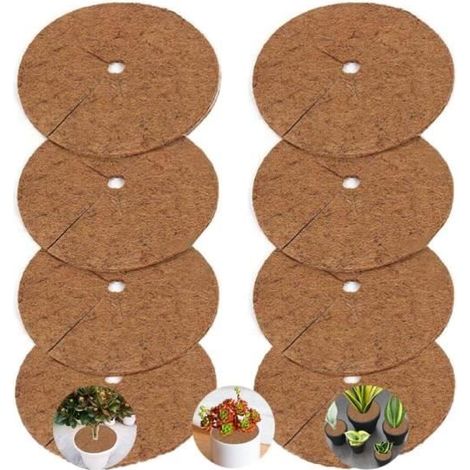
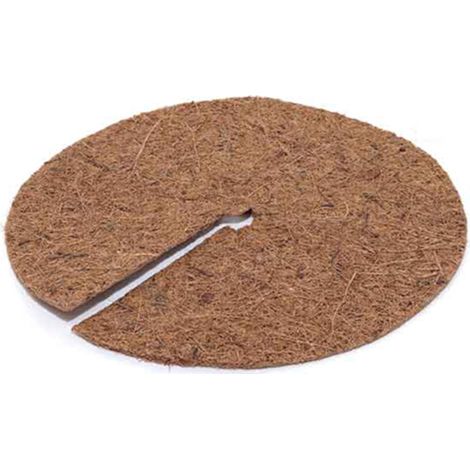
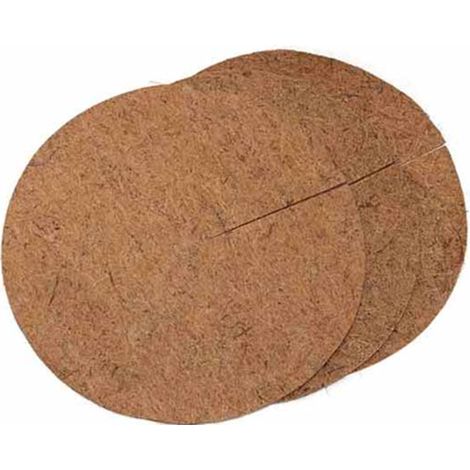
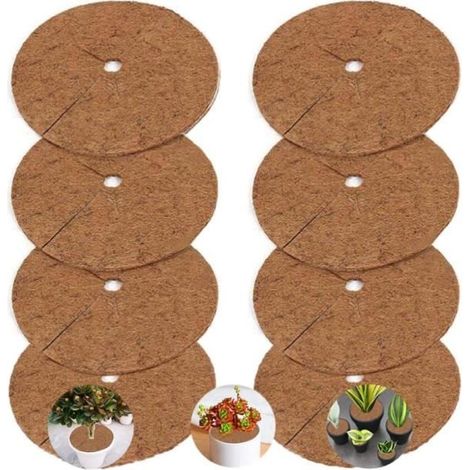
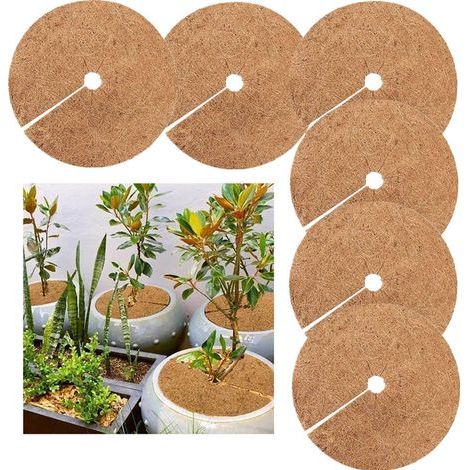
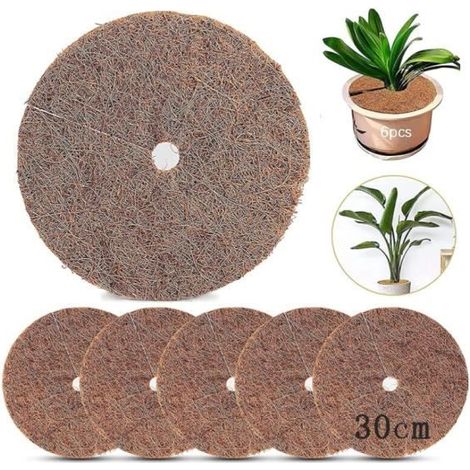
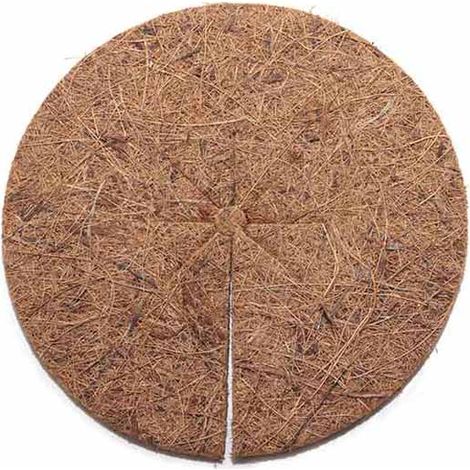
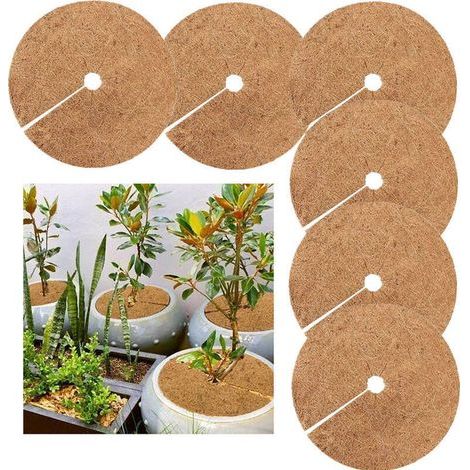
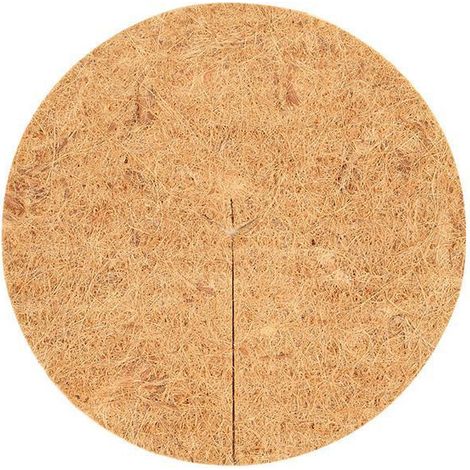
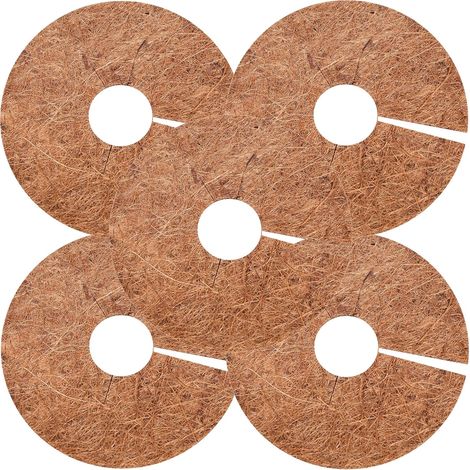
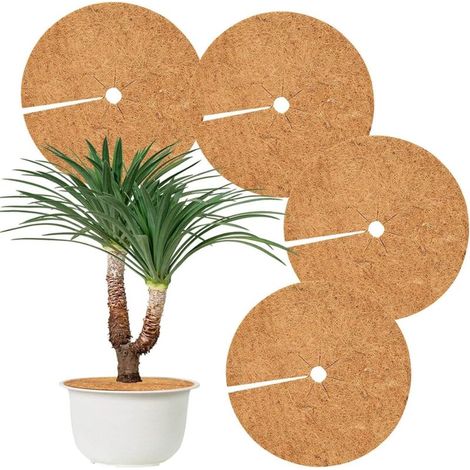
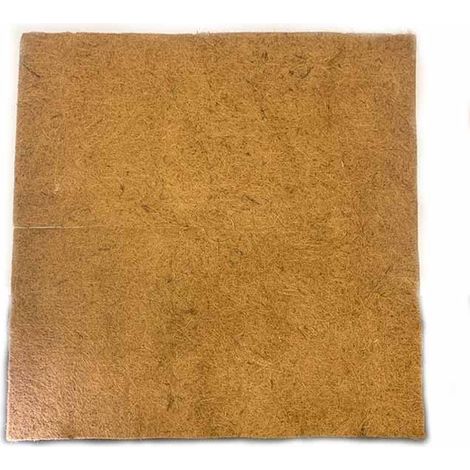
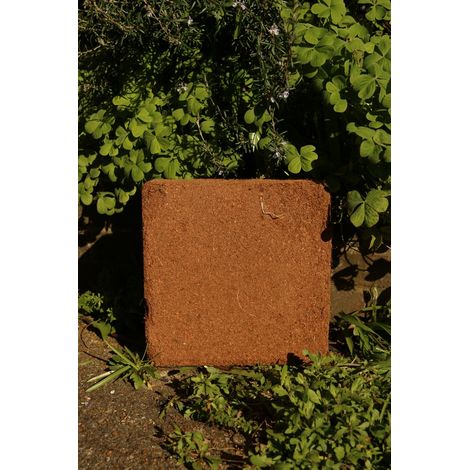
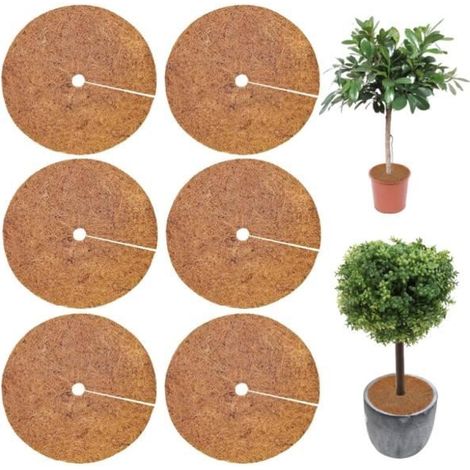
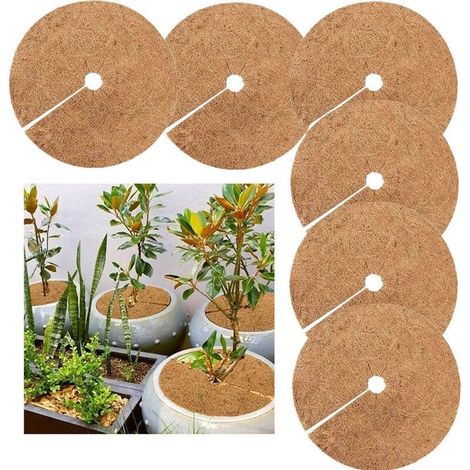
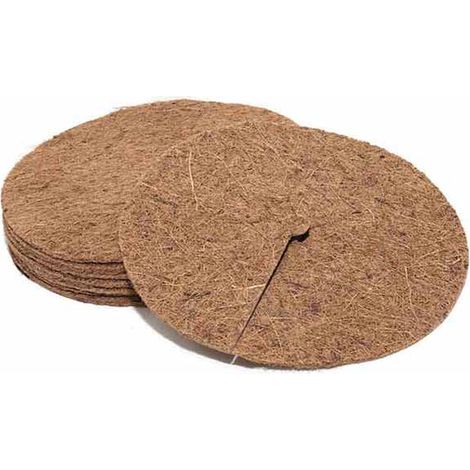
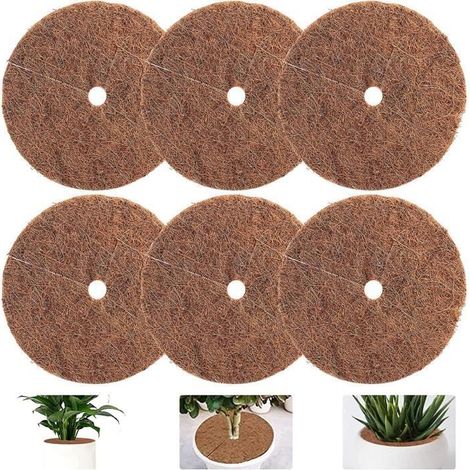
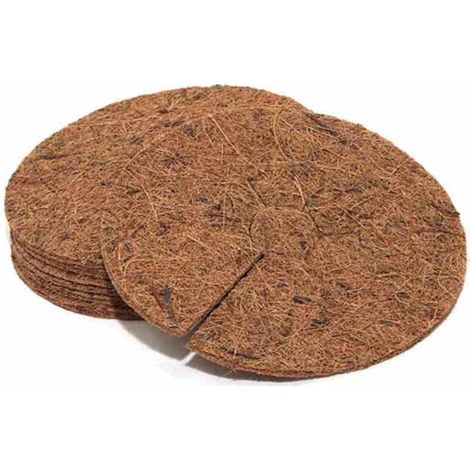
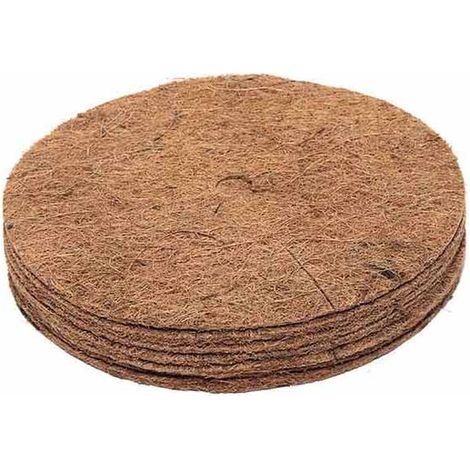
Organic fabrics are available in flax, coconut wool, etc. They disintegrate over time.
Mulches of mineral origin have an excellent lifespan. Convenient, they do not require any regular material input. In addition, soil moisture is well preserved. The most widespread mineral mulchings include:
- slate: blue-black color and particularly resistant;
- pebbles: available in a multitude of colors, sizes, and shapes;
- pumice: rust-colored, durable, and rot-resistant.
Organic mulches are biodegradable. Decomposing materials enrich the soil. However, a regular input is necessary. Here are the most used materials:
- grass clippings: to be used only after wilting;
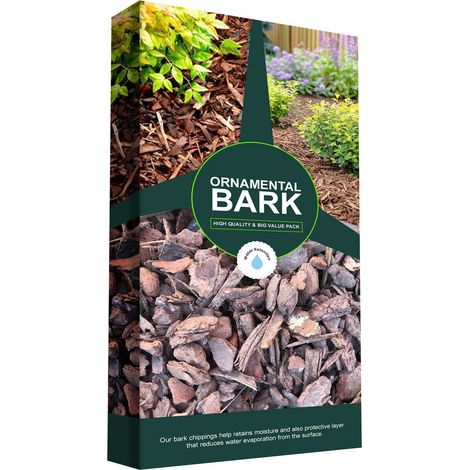
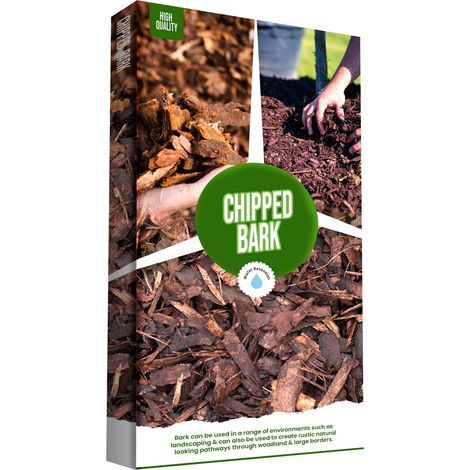
- pine barks: they acidify the soil;
- straw: affordable and very effective;
- compost: more effective to make the soil fertile;
- linen straw: durable.
However, it should be noted that natural reseeding is impossible in case of mulch use.













'/%3E%3C/svg%3E)
'/%3E%3C/svg%3E)