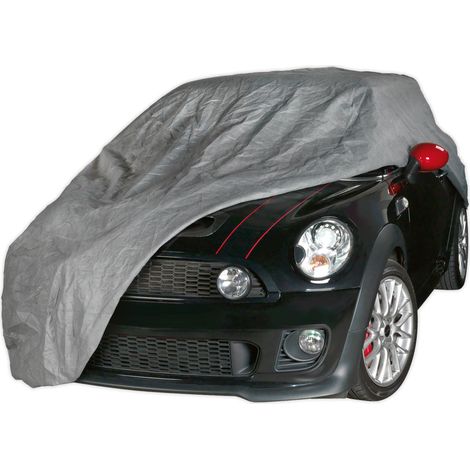
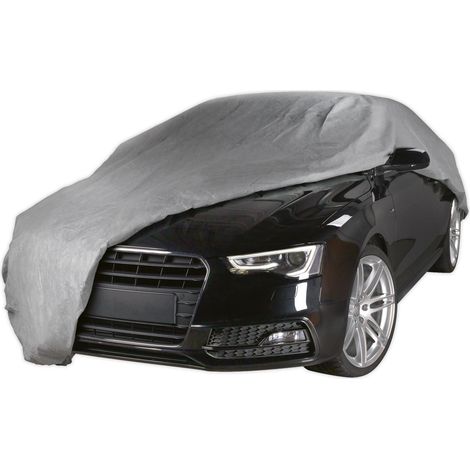
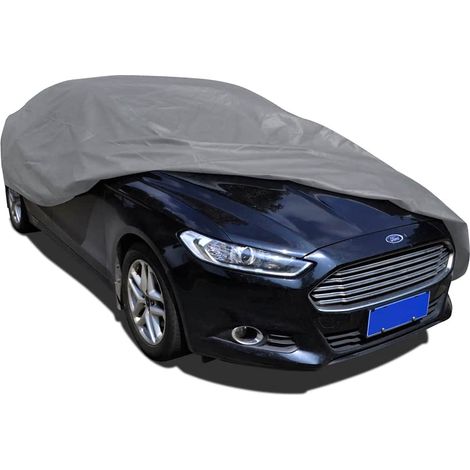
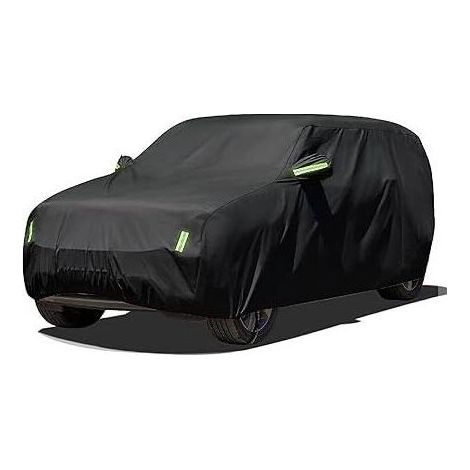
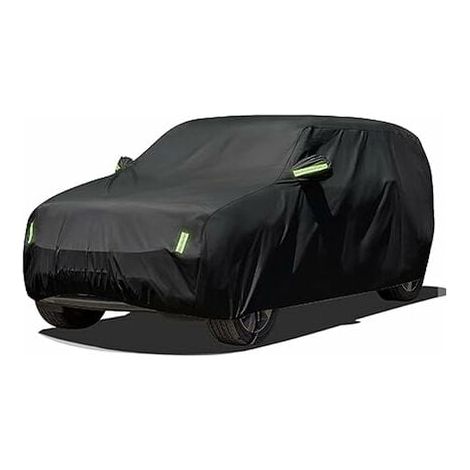
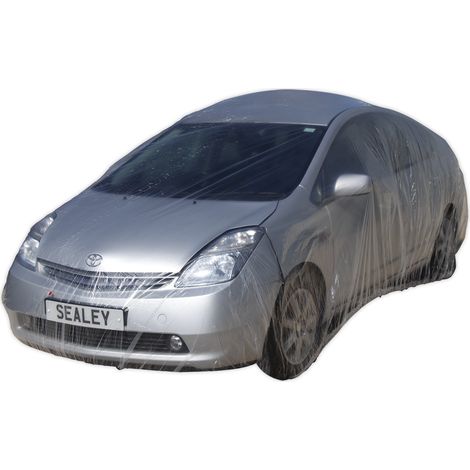
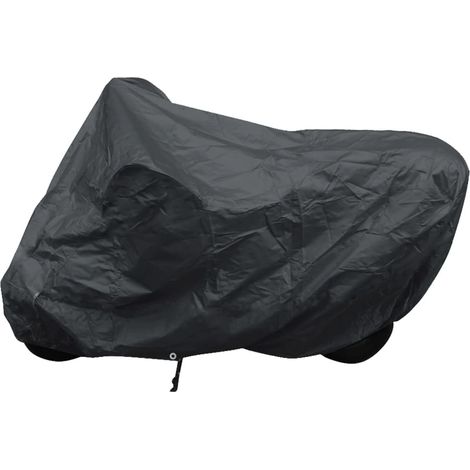
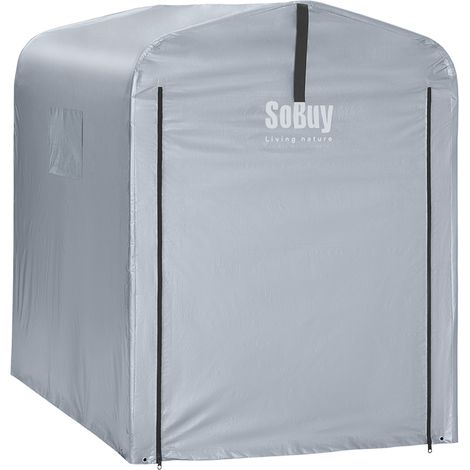
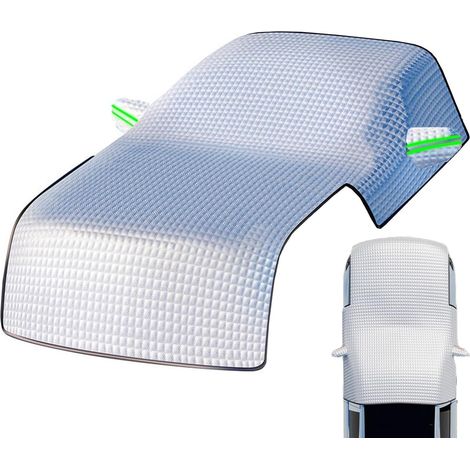
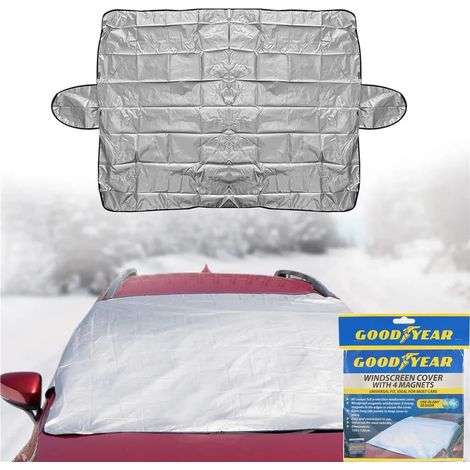
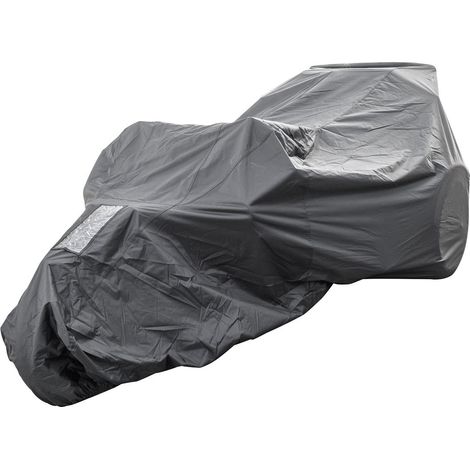
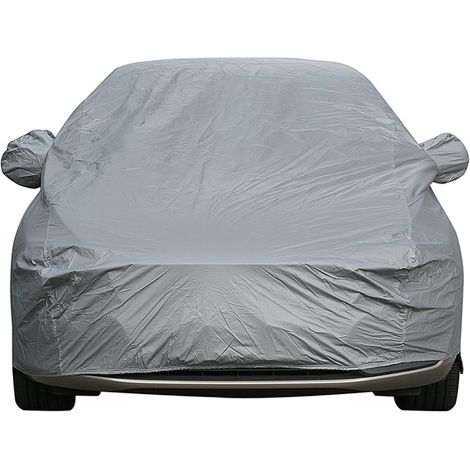
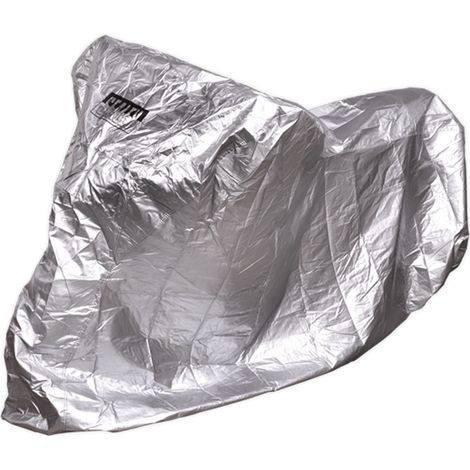
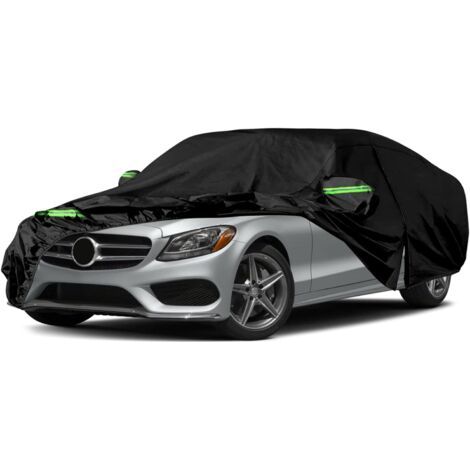
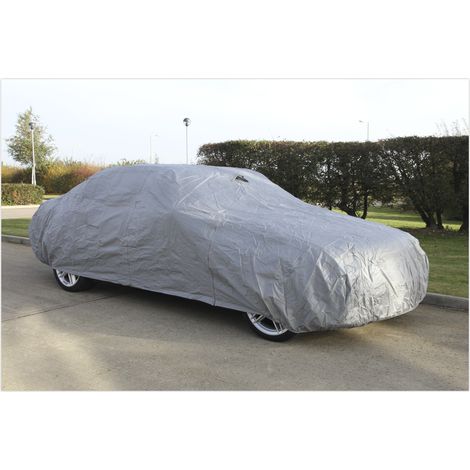
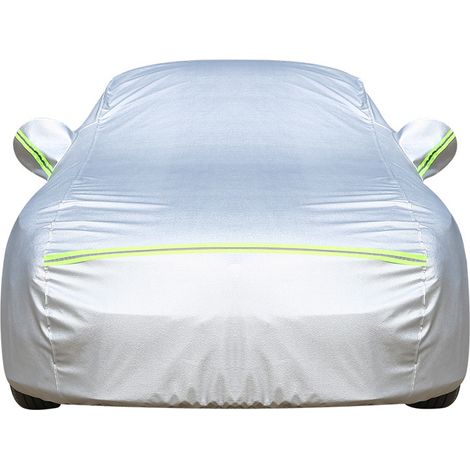
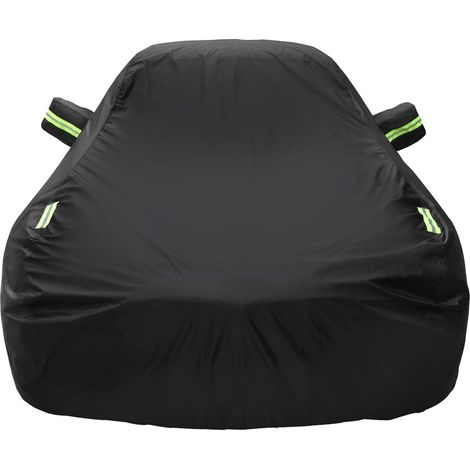
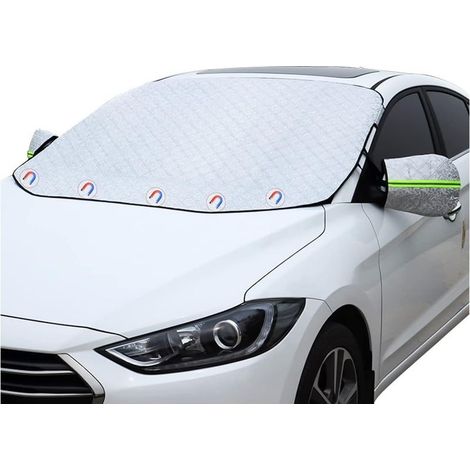
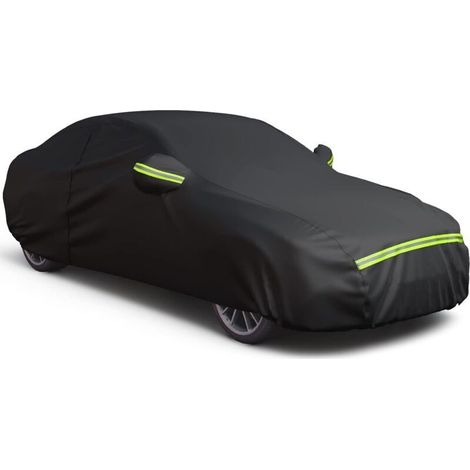
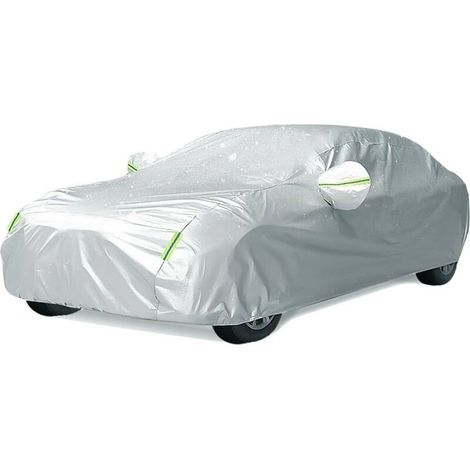
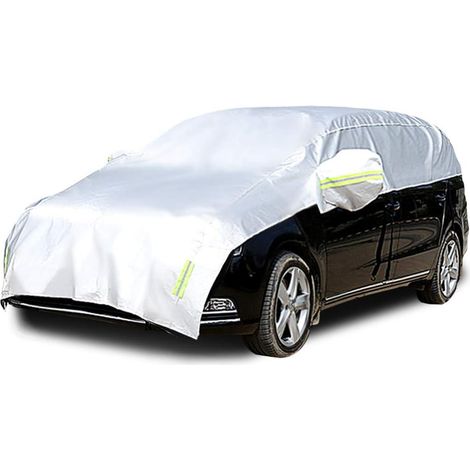
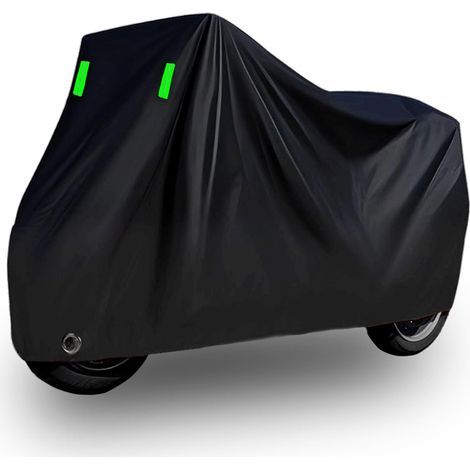
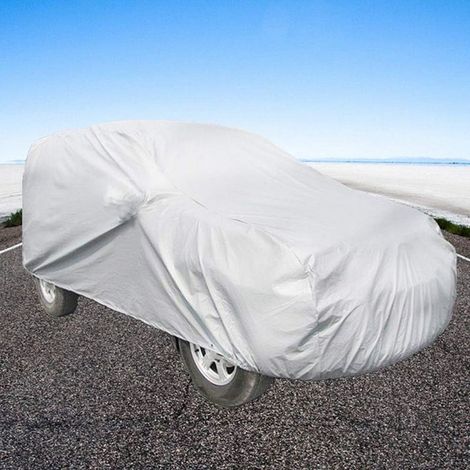
Choosing a cover for your vehicle is not always straightforward. This protective element can be woven, made of PVC, reinforced fibers, or plastic. It generally requires no particular maintenance and can have a remarkably long lifespan.
A vehicle cover is primarily used to:
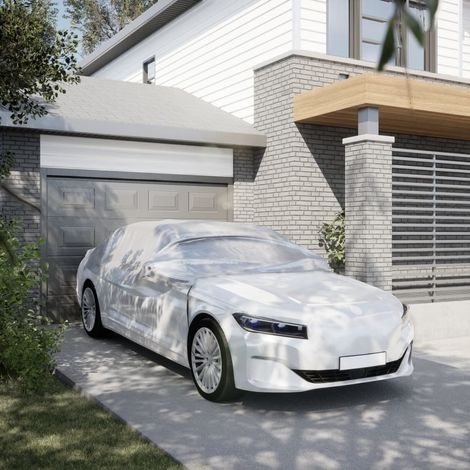
- cover it during outdoor stays;
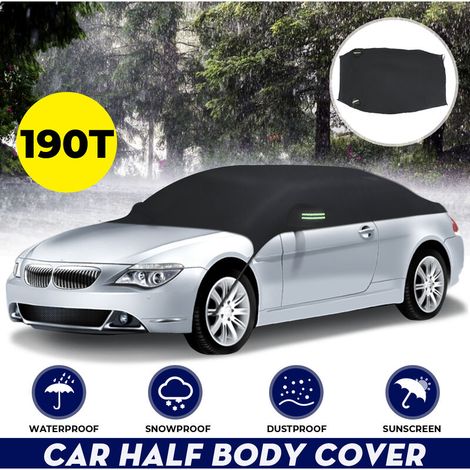
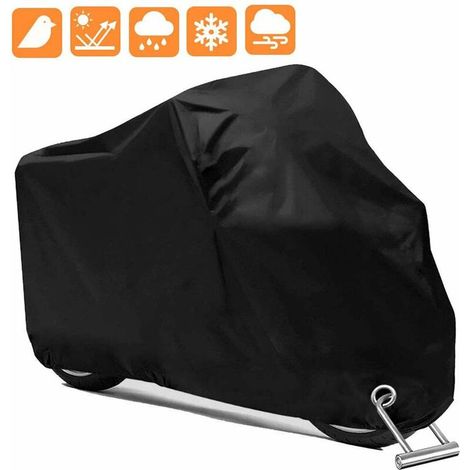
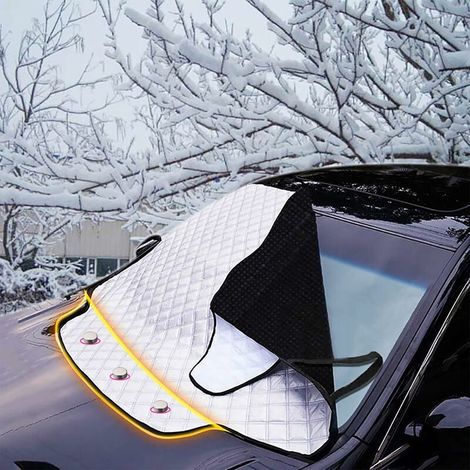
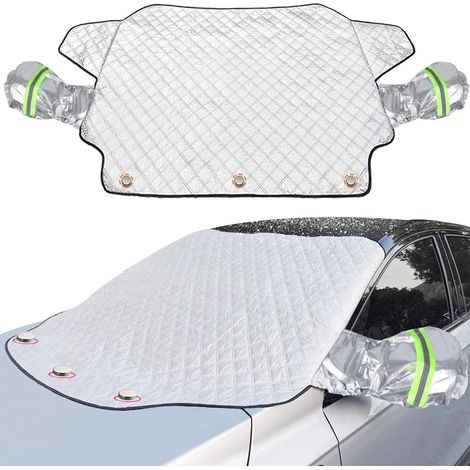
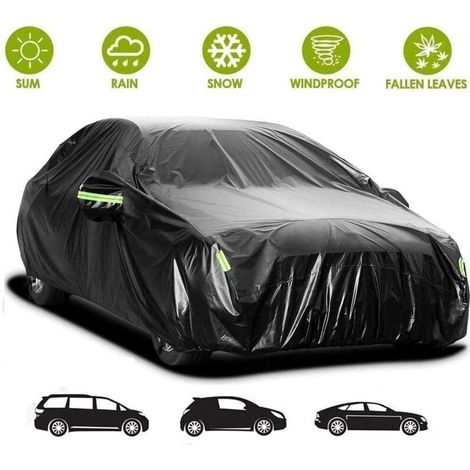
- protect from weather conditions (rain, snow, etc.) and sunlight;
- preserve the shine and improve the lifespan of the paint;
- prevent dirt from dust;
- limit dust infiltrations through the various openings present on the bodywork.
This protective element for cars is defined by various characteristics, including:
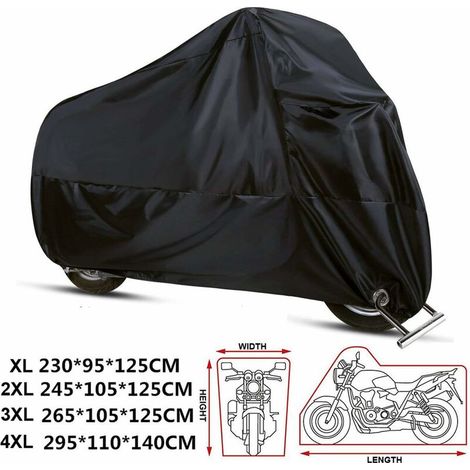
- its dimensions, to be chosen according to those of the vehicle;
- its thickness;
- its material;
- its weight per unit area, i.e., the weight of the material used per determined surface;
- its intended use by the manufacturer, indoors, outdoors, or mixed;
- its level of water resistance;
- its eyelets;
- its different reinforcements;
- its resistance to temperatures, minimum and maximum;
- its reaction to fire;
- its color.
Due to their versatility, three materials are most often recommended for ensuring the protection of the car, namely:
- PVC, usable indoors as well as outdoors, benefiting from a remarkable lifespan and great strength for a reasonable price;
- polyethylene (PE), suitable for use both indoors and outdoors, standing out for its waterproofness;
- polypropylene, very resistant and benefiting from a good lifespan. This material is also suitable for use both indoors and outdoors.
When choosing a vehicle cover, it is strongly advised:
- to take the most accurate size possible, by measuring the dimensions of the car at the bodywork level;
- to avoid joints to limit dust entry and humidity infiltration;
- to prefer custom-made models for optimal security. Easier to use, this type of product benefits from a great longevity due to the absence of folds and joints.
To find the cover suited to your vehicle, it is important to precisely determine your needs. In addition to the dimensions of the car, the future user must also consider the conditions of use of the product (outdoors, under the sun, for wintering, etc.) and the lifespan of the chosen material.
















'/%3E%3C/svg%3E)