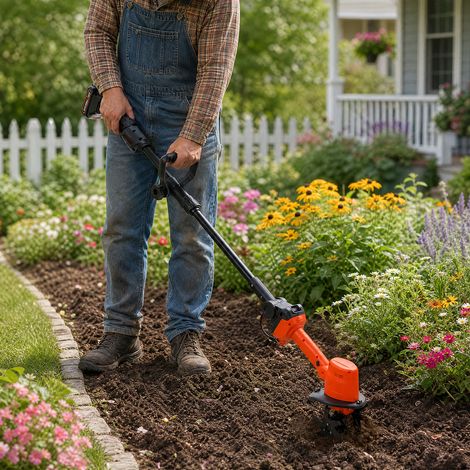
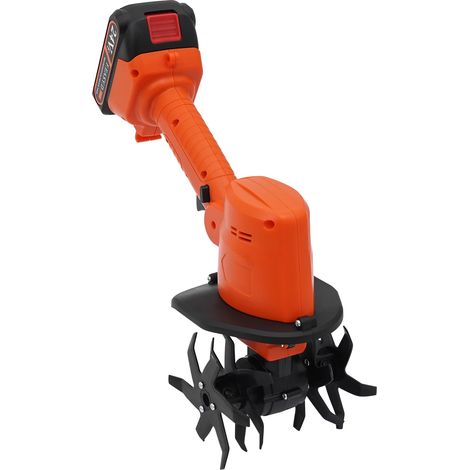
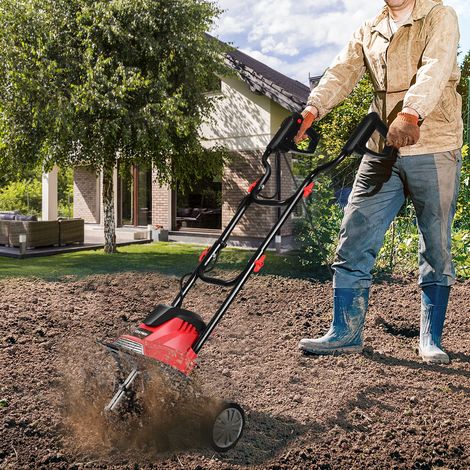
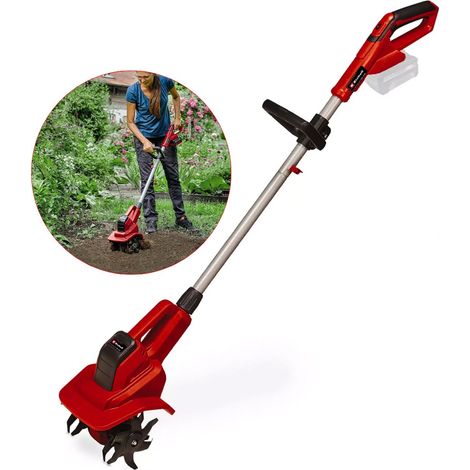
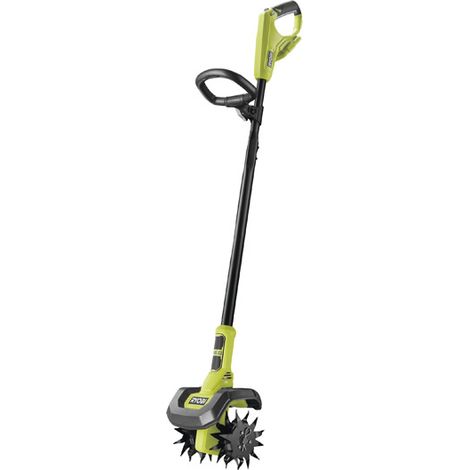
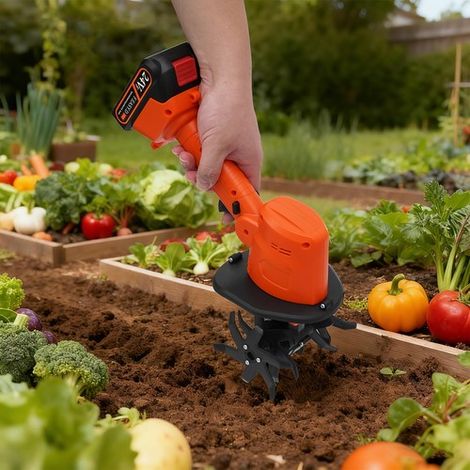
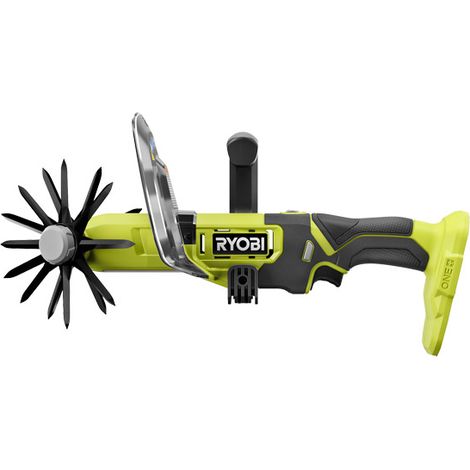
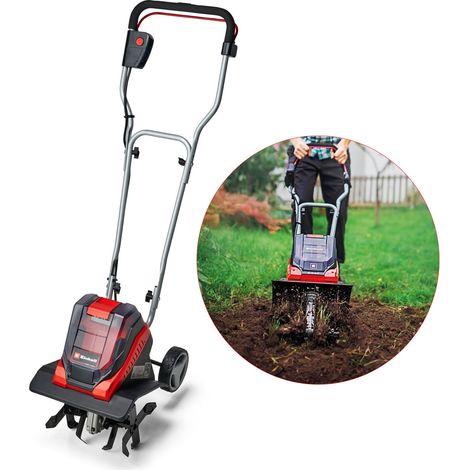
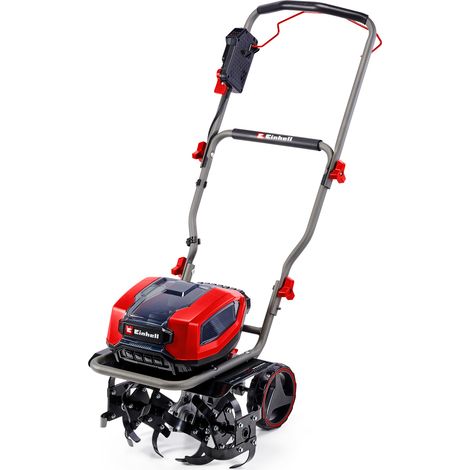
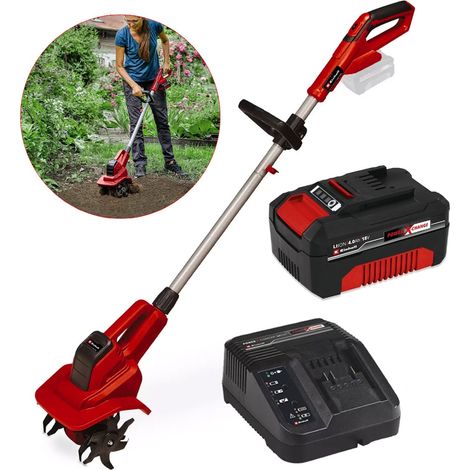
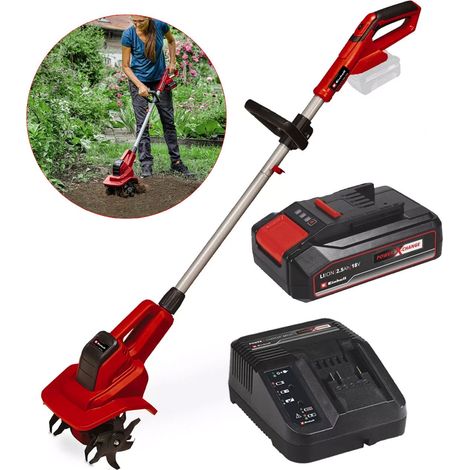
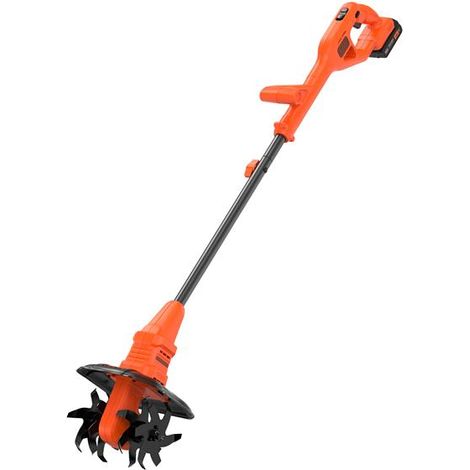
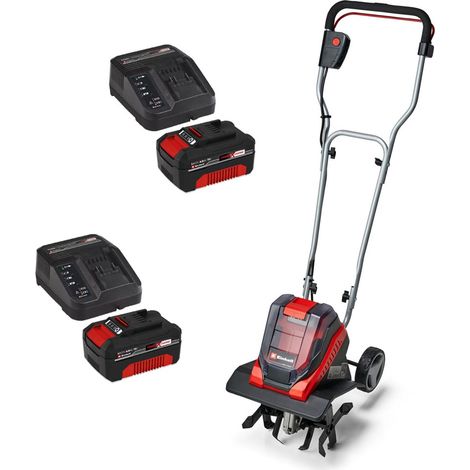
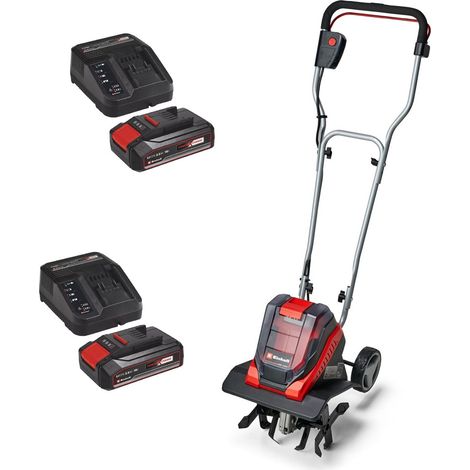
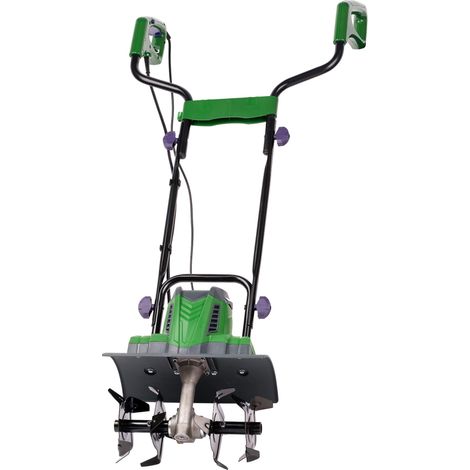
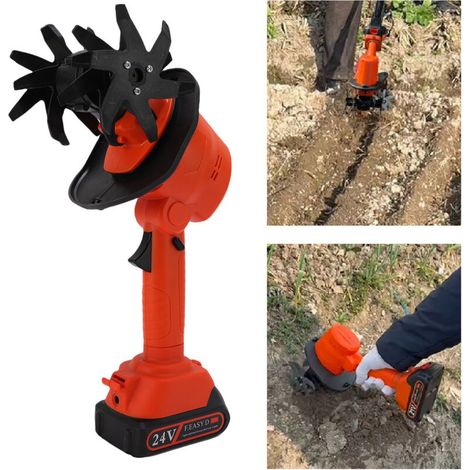
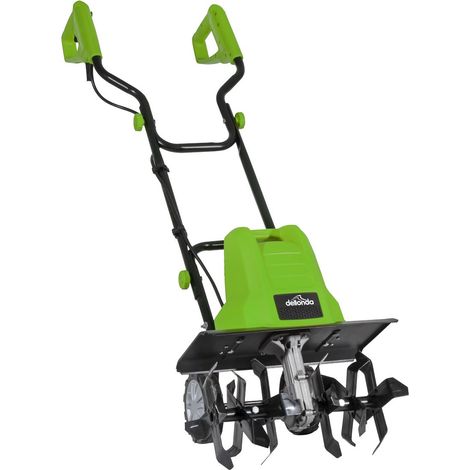
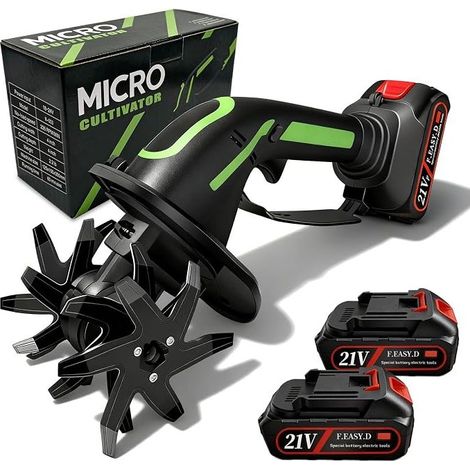
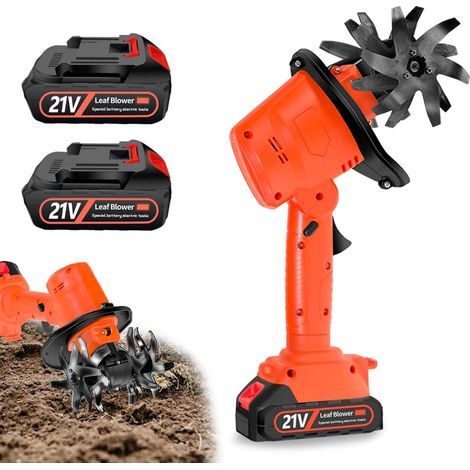
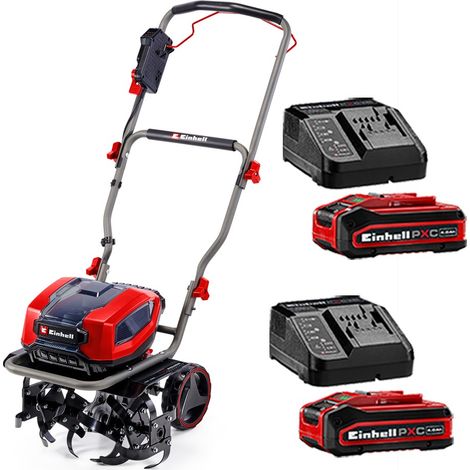
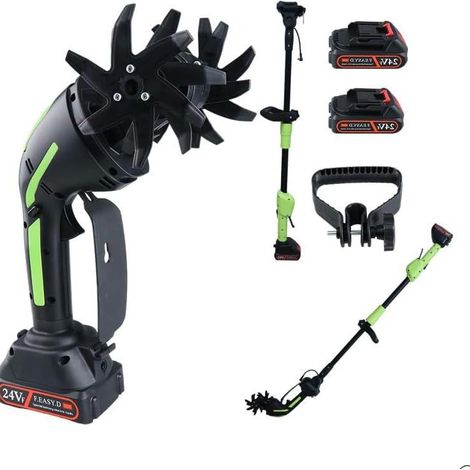
The tiller allows for loosening the soil thanks to its blades. Equipped with a gasoline thermal engine or an electric motor, it greatly facilitates the work of gardeners. Two-in-one models are also available to serve as cultivators.
Some information should be kept in mind about electric tillers:
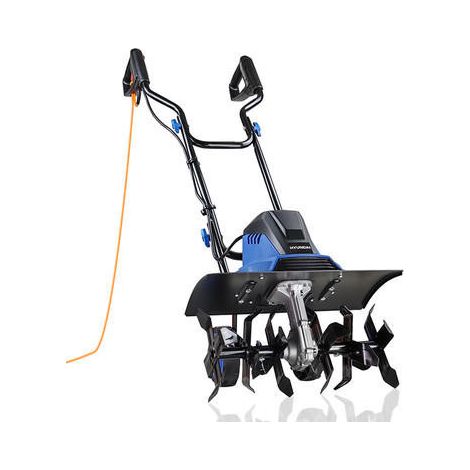
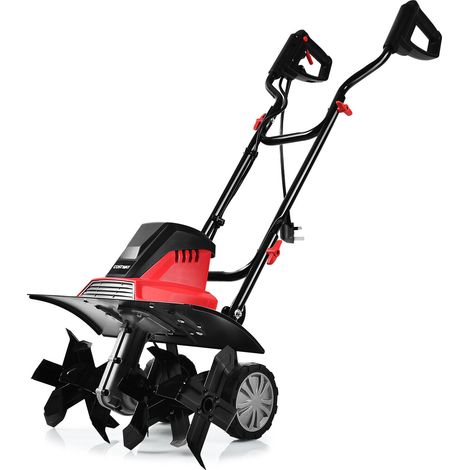
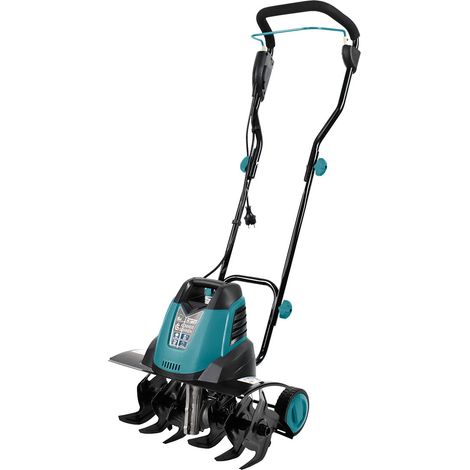
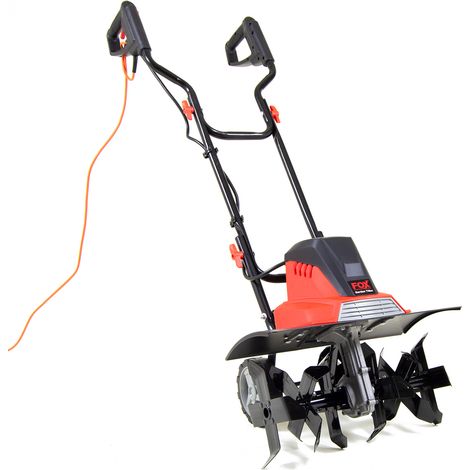
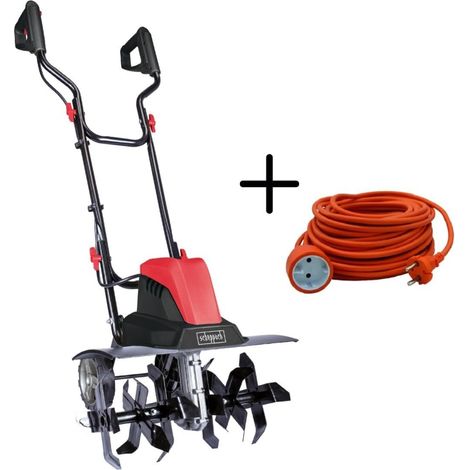
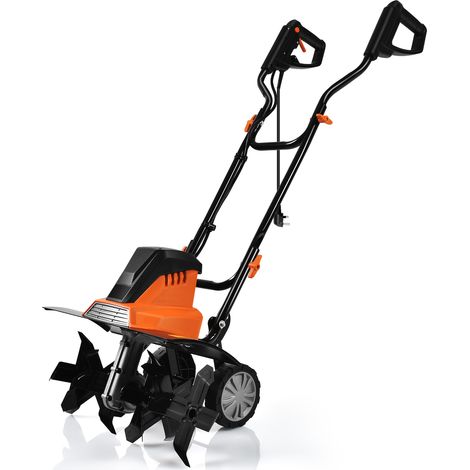
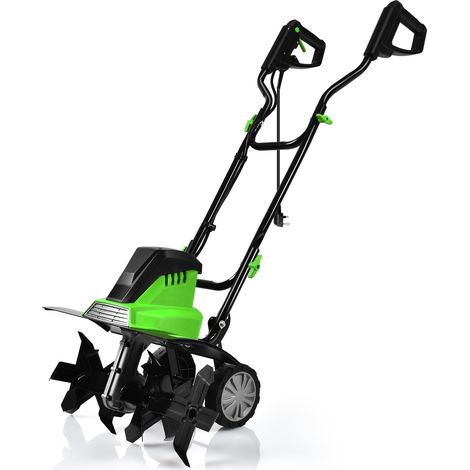
- they are wired and must be plugged into a power outlet, the use of an extension cord may be necessary;
- they are suitable for small gardens;
- they are appreciated for their lightness and maneuverability.
Thermal versions also have some characteristics worth noting:
- they are equipped with a 2-stroke or 4-stroke gasoline engine;
- their power ranges from 5 hp to 7 hp;
- they start with a pull starter, but high-end models are equipped with an electric starter;
- they require regular maintenance such as checking the oil level (4-stroke engine) and replacing the spark plug.
Several parameters should be considered when choosing a tiller:
- the working width depending on the number of blades (70 cm for 4 blades, 90 cm for 6 blades, and 110 cm for 8 blades);
- the availability of 3 speeds (2 forward and 1 reverse) is an advantage for quick passes;
- a 5 hp model is suitable for an area less than 1,000 m², while 7 hp is suitable for 3,000 m²;
- a large displacement engine offers more torque;
- pin-mounted blades are convenient;
- an adjustable handlebar optimizes user comfort;
- rear tine models called “rotavators” benefit from high torque and provide consistent tilling.
Ultimately, the choice of a tiller depends on the area to be tilled as well as the level of comfort (starter, adjustable handlebar, engine torque, number of speeds, etc.) sought.












'/%3E%3C/svg%3E)
'/%3E%3C/svg%3E)