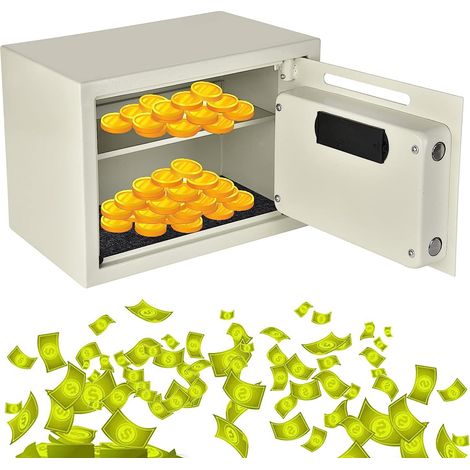
A safe is useful for sheltering valuables such as jewelry, cash, or important documents. There are models with keys, codes, biometric systems, built-in, or free-standing options to meet all requirements.
Safes are distinguished by their mode of installation.
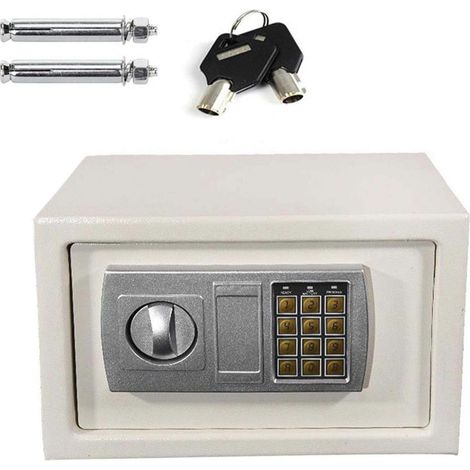
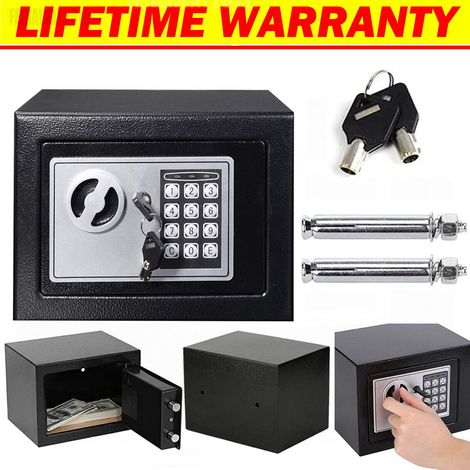
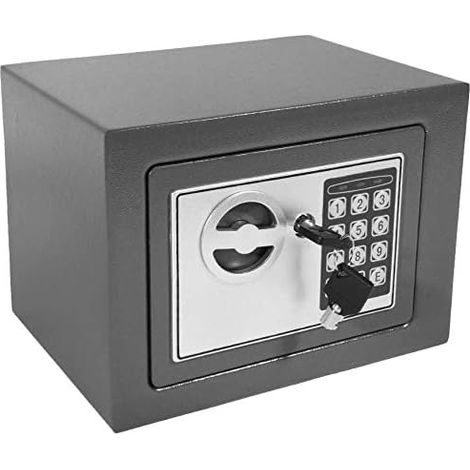
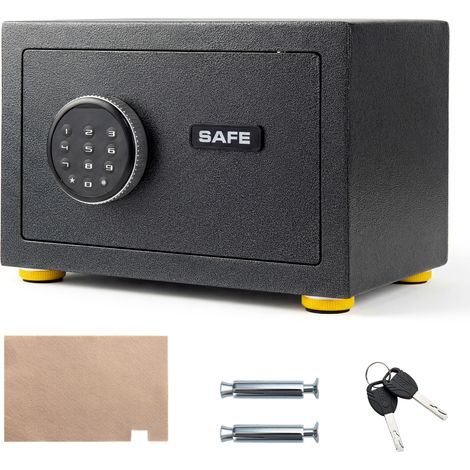
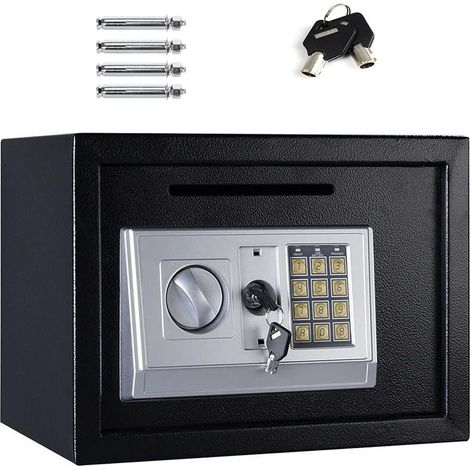
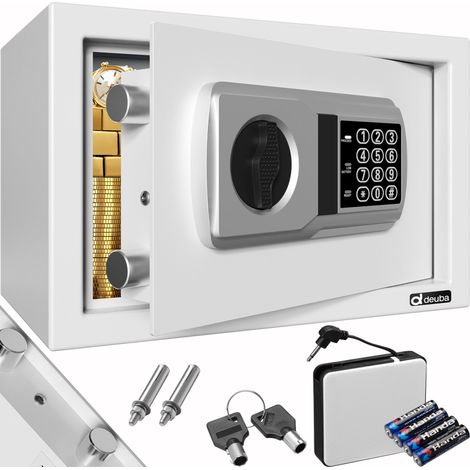
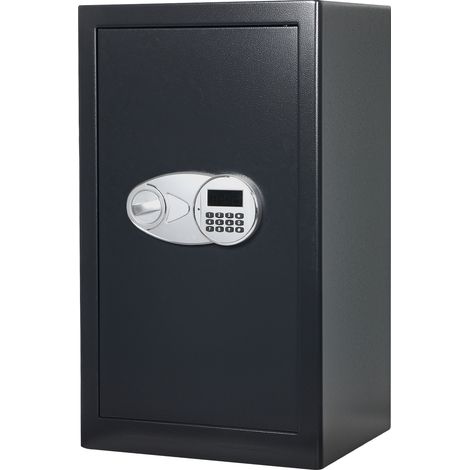
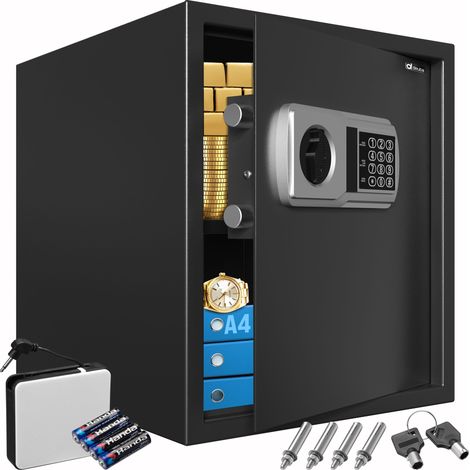
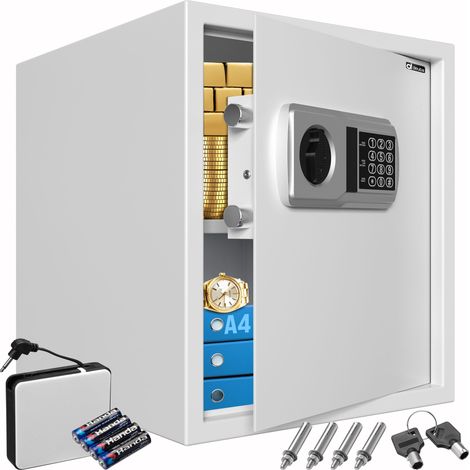
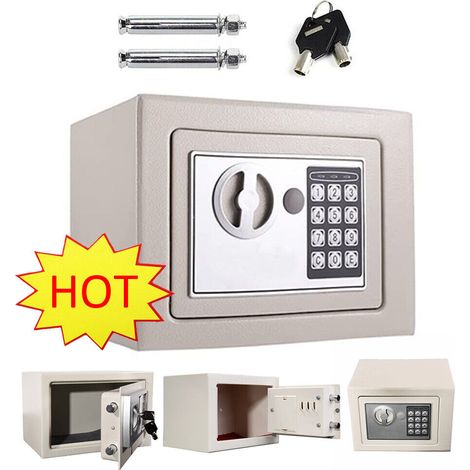
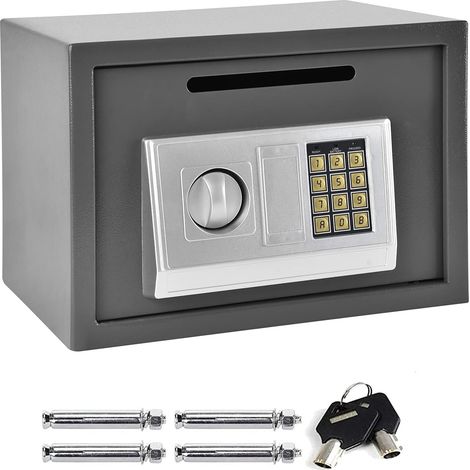
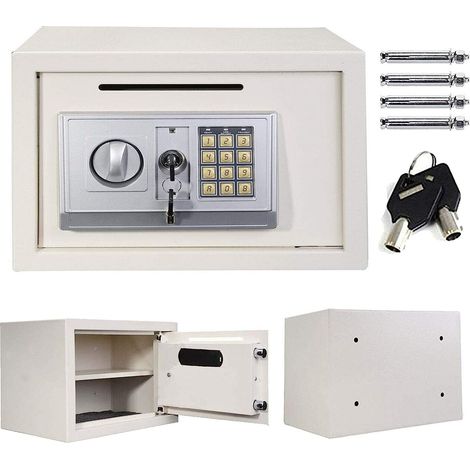
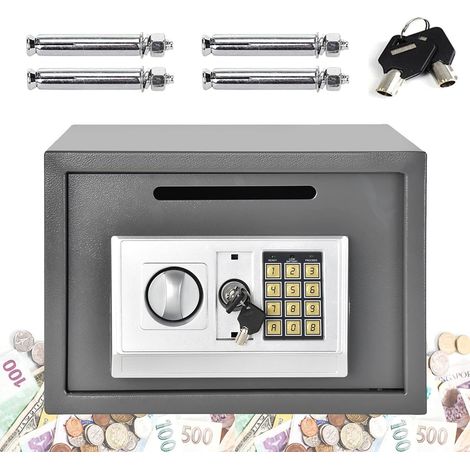
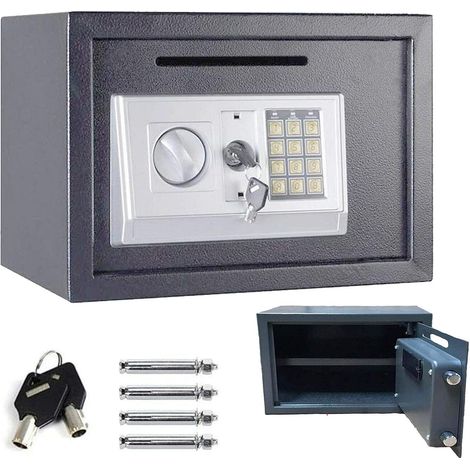
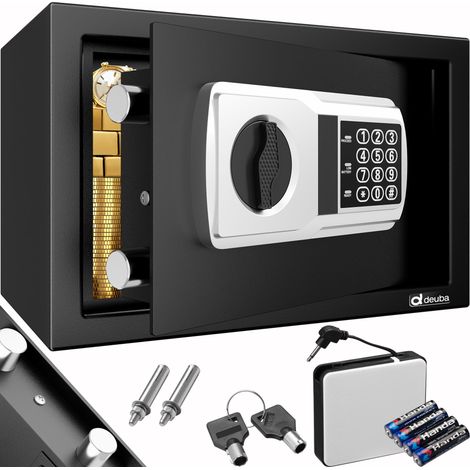
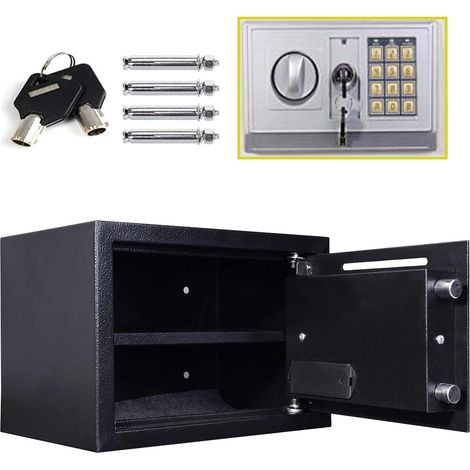
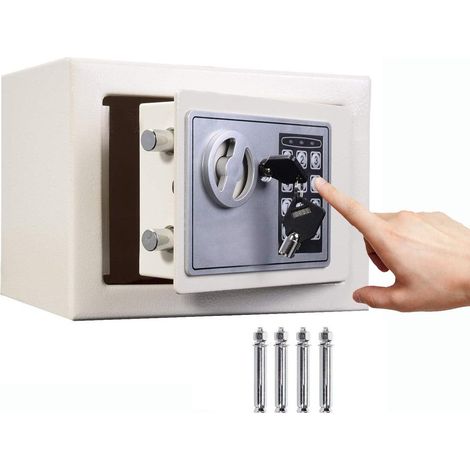
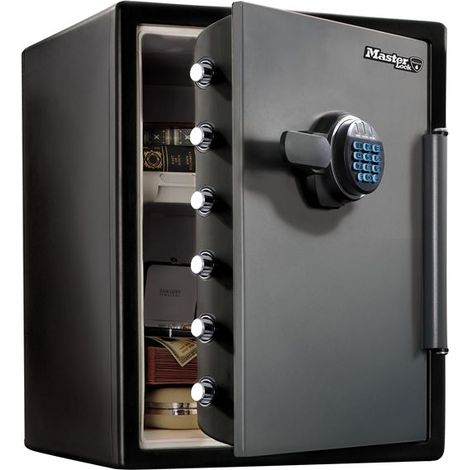
- Free-standing models are designed to be fixed to the floor. It is recommended to bolt them to the floor with concrete anchors to withstand any attempt at being torn out. This type of equipment has pre-drilled walls to accommodate the fixing device. Of course, the floor must be solid.
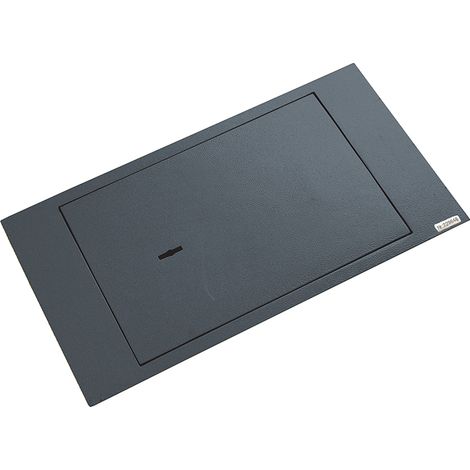
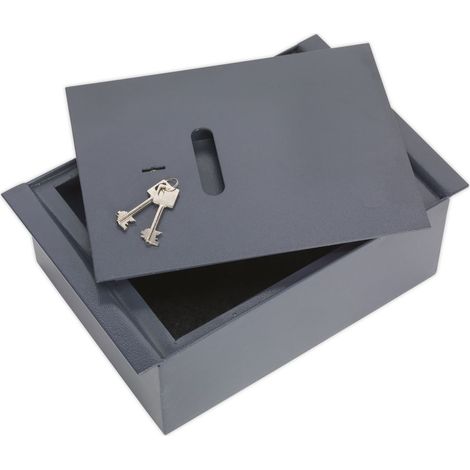
- Built-in models have the advantage of being easy to conceal. It is preferable to plan their location from the construction stage. Their installation requires a wall that is both thick and solid.
The available options vary by their locking system.
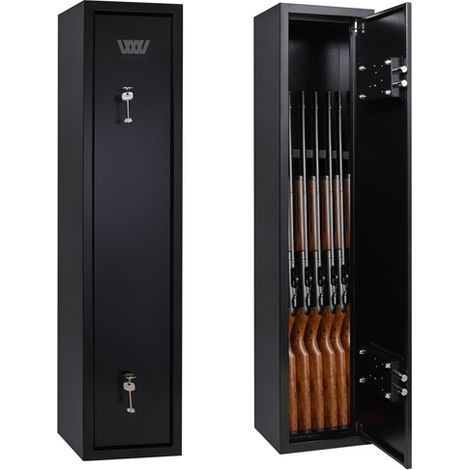
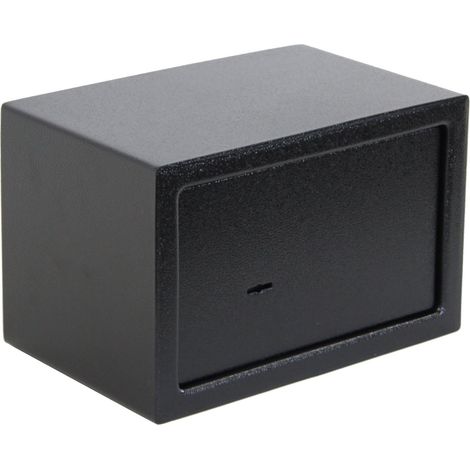
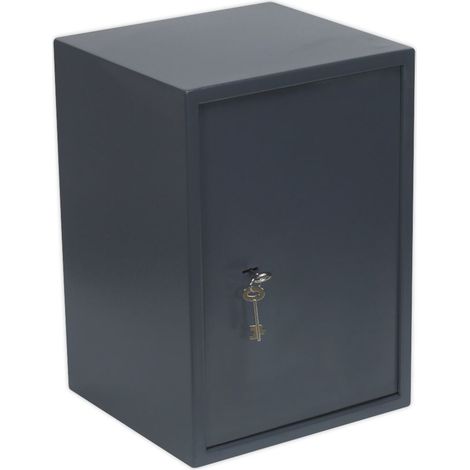
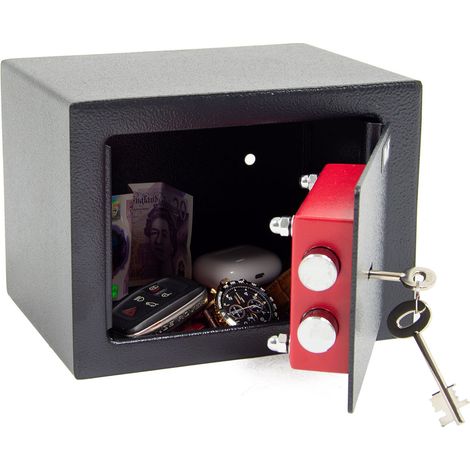
- Key models are the simplest. The user must take precautions to avoid losing the key.
- Some models are equipped with a dial that the user turns to compose the combination that opens the door. Others feature a key and a combination dial to optimize the security of the stored items.
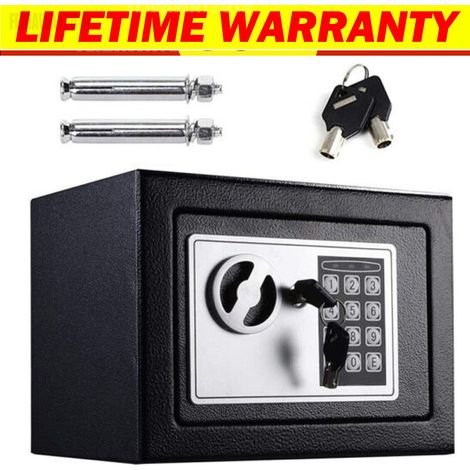
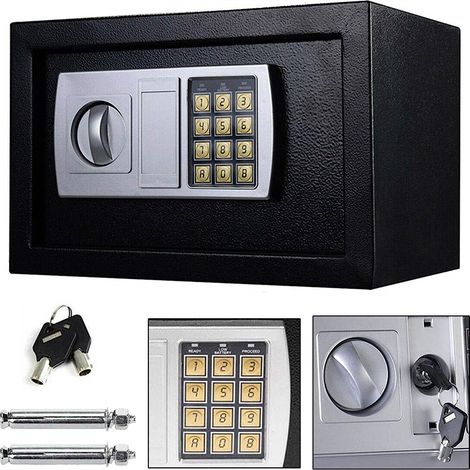
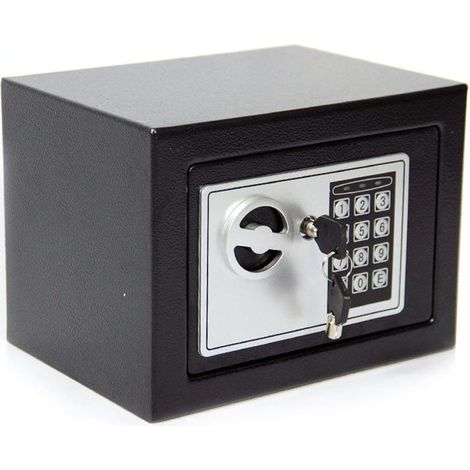
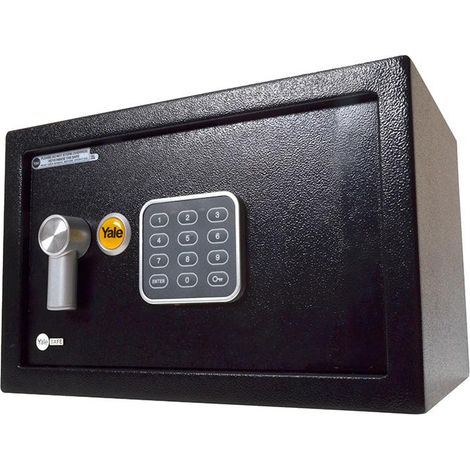
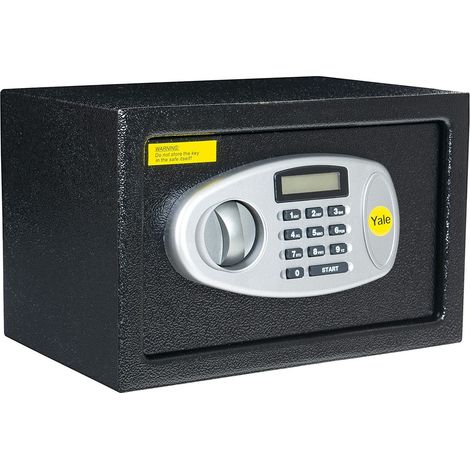
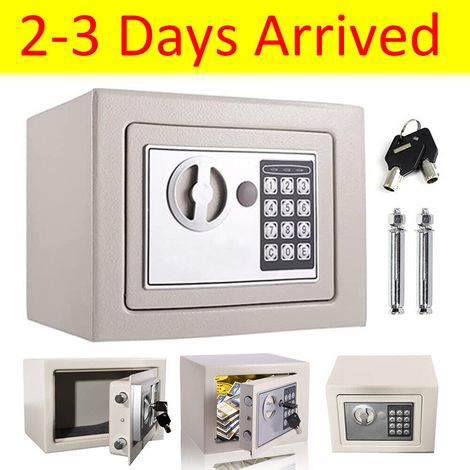
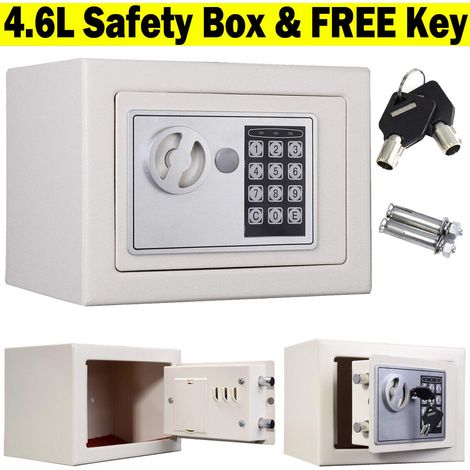
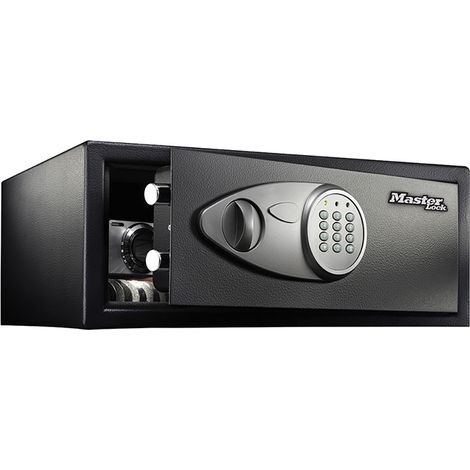
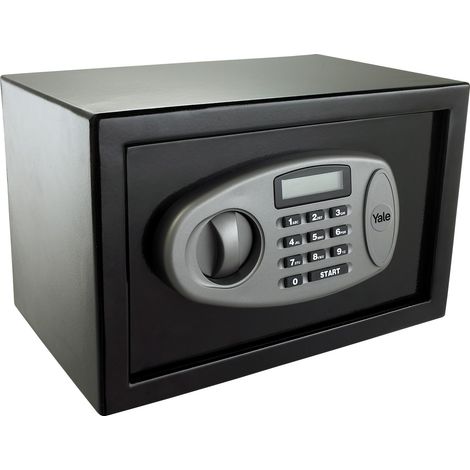
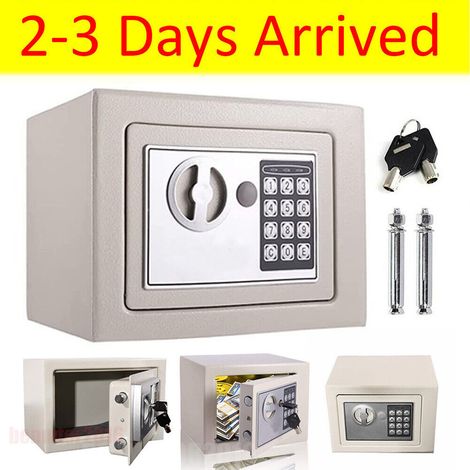
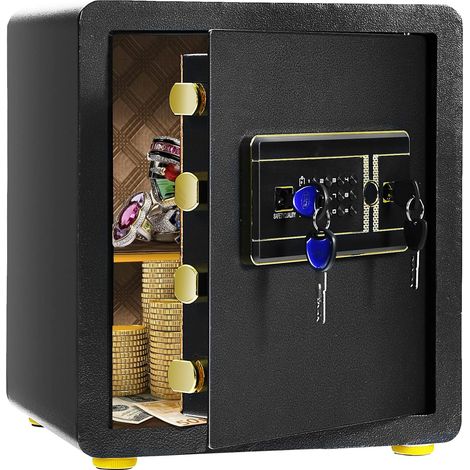
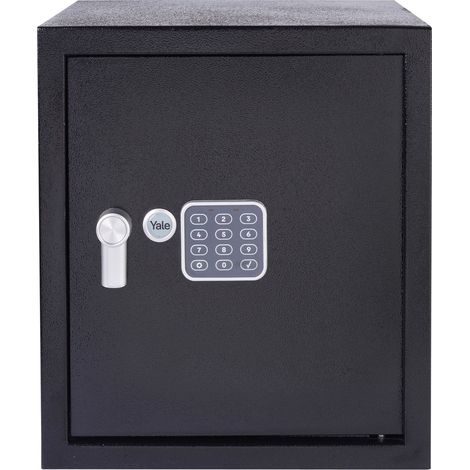
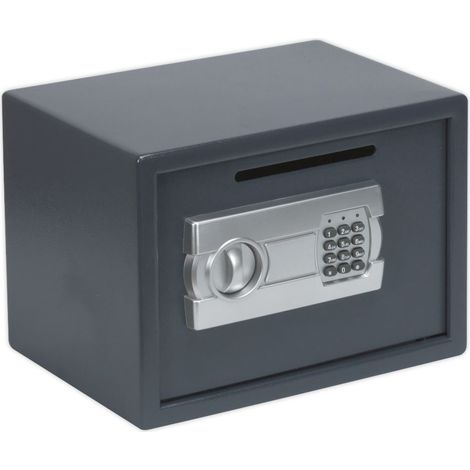
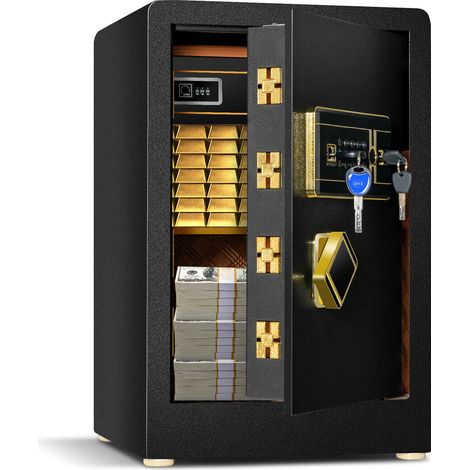
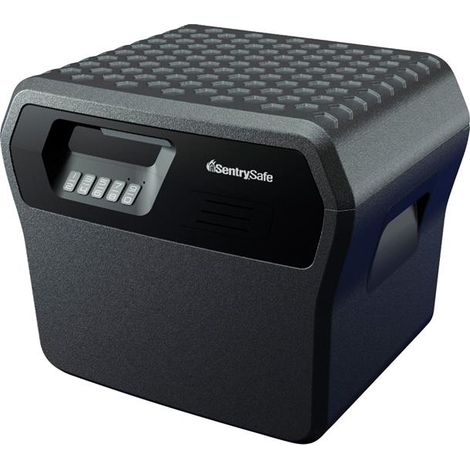
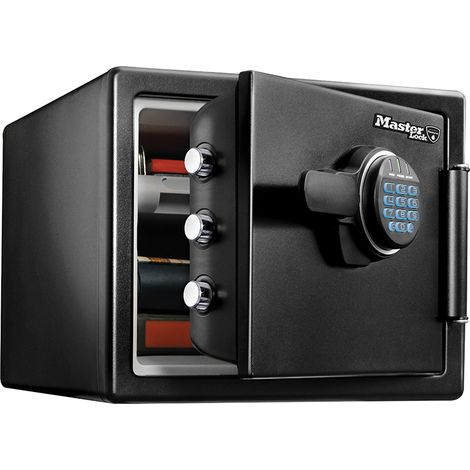
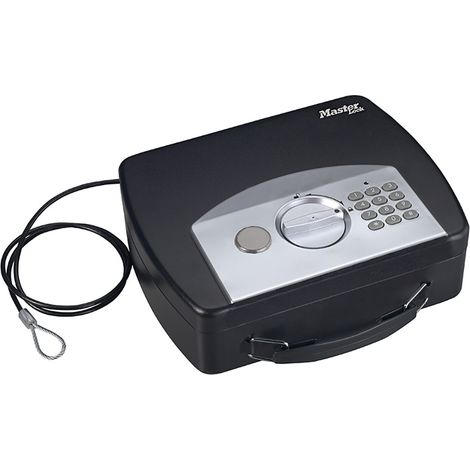
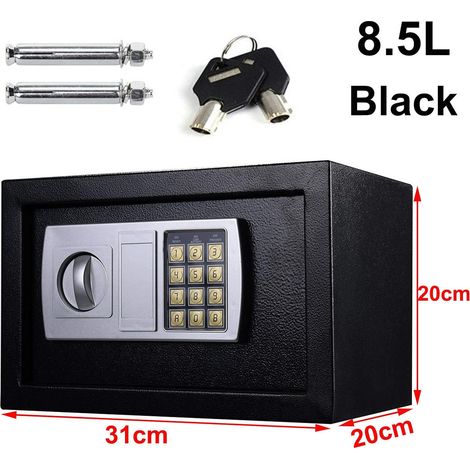
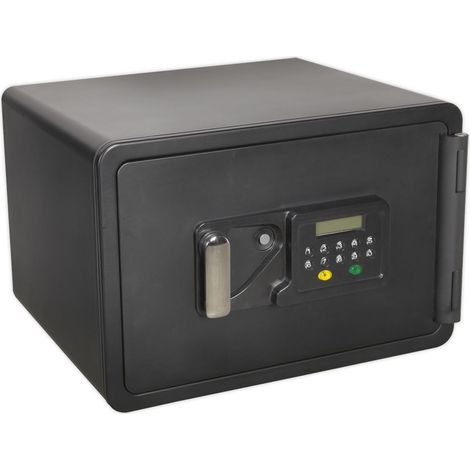
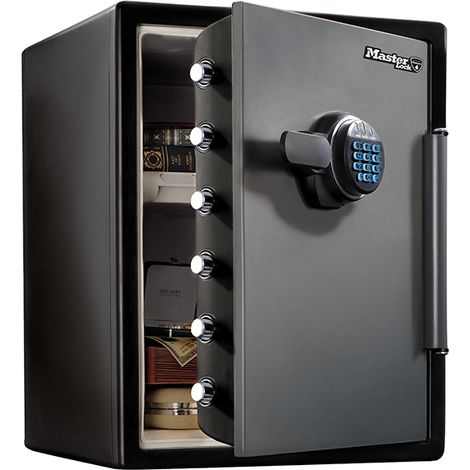
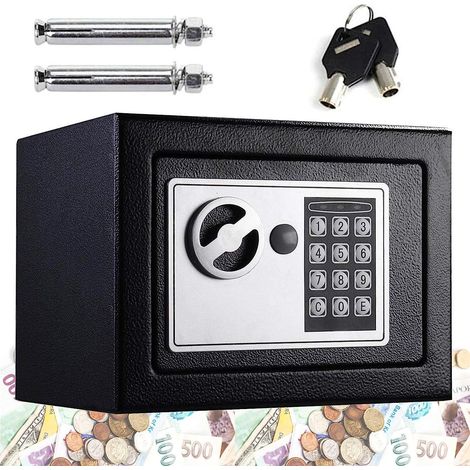
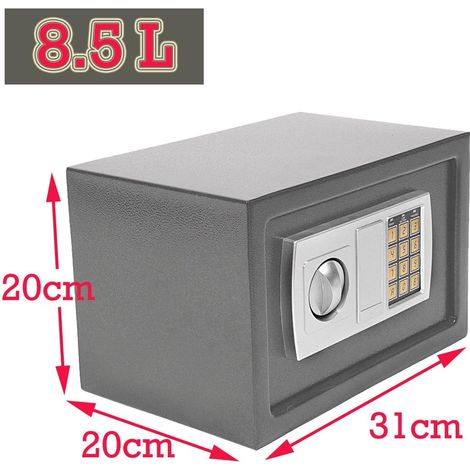
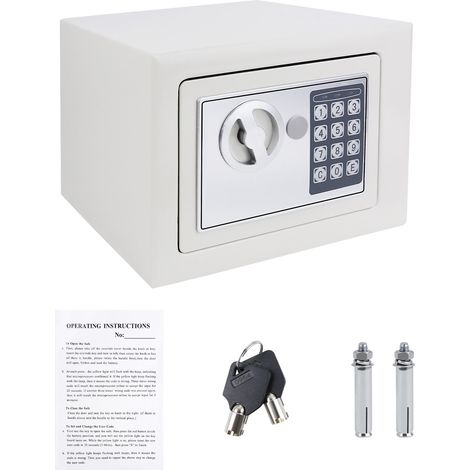
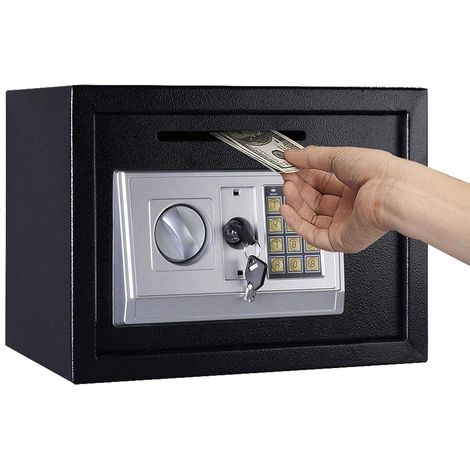
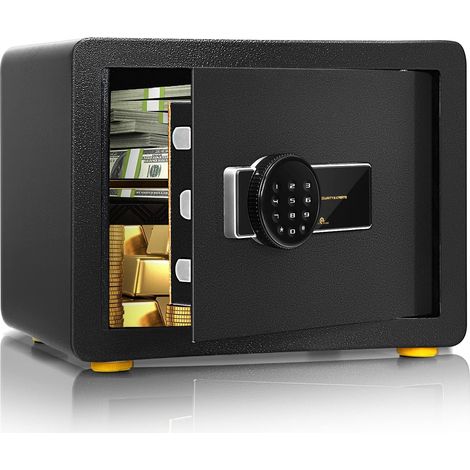
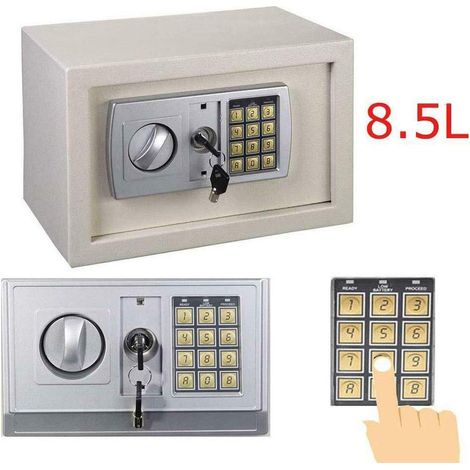
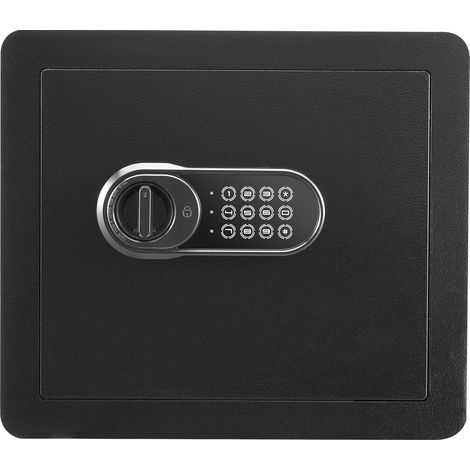
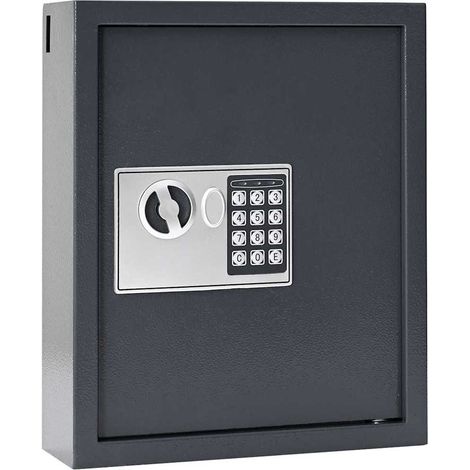
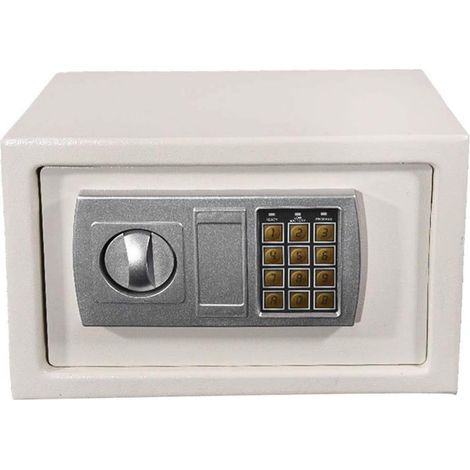
- Digital models are equipped with an electronic combination locking system. The user must enter a numerical code to open the door. This type of equipment allows multiple people (who know the code) to use the same device. Moreover, emergency keys are available in case the user forgets the code.
- Models with a biometric locking system are simple to use. It’s the user’s fingerprint that opens the door.
Some parameters to consider in choosing a safe:
- the level of protection is measured by the resistance of the material to being torn out, sawed, cut with a grinder, or torched, and to being opened with a crowbar;
- the thickness of the door frame;
- the number of bolts (parts engaged in the lock strike plate upon closing) and their size;
- the quality of the hinges.
The available models are subject to standards:
- the standard EN 1443-1 concerning material resistance;
- the standard EN 1047 concerning resistance to thermal shock, fire, and dropping;
- the A2P standard concerning resistance to a forced opening attempt(* for 5 min, ** for 10 min, *** for 15 min).
If the installation mode influences the choice of the safe, the nature, size, and value of the items to be protected should also be considered.












'/%3E%3C/svg%3E)
 team
team'/%3E%3C/svg%3E)
'/%3E%3C/svg%3E)
'/%3E%3C/svg%3E)