Filter by
Metal detectors
332 productsOpt for a metal detector with a frequency of 6.5 kHz or higher for better detection of deep objects and precise metal discrimination.
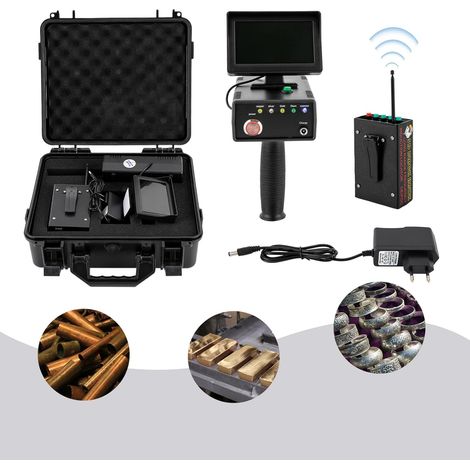
£8 offered
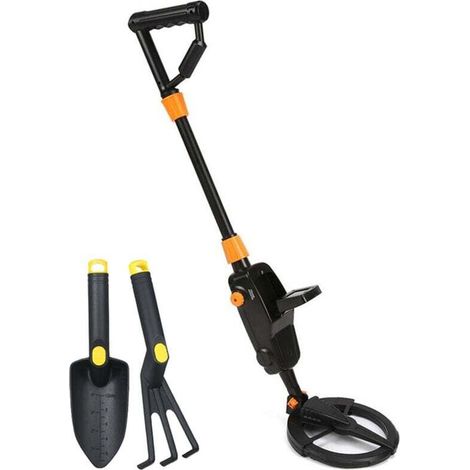
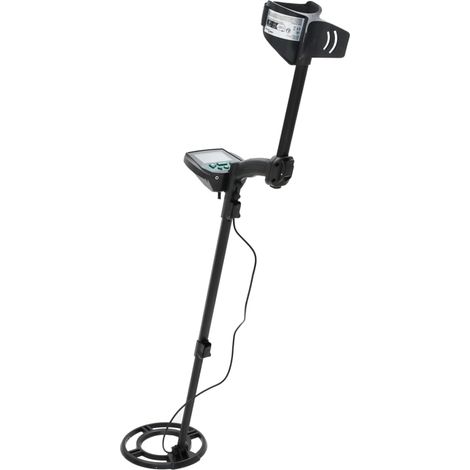
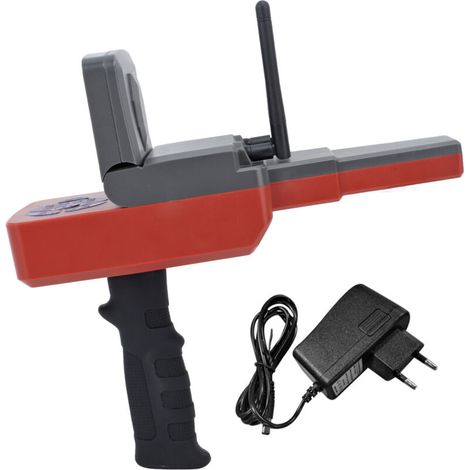
Metal Detector, Gold Detector, Metal Detector for Gold, Silver, Copper and Diamonds, Around 1200m, Depth 30m, 3D LED Display, 2000mAh Lithium Battery, Black
Free shipping
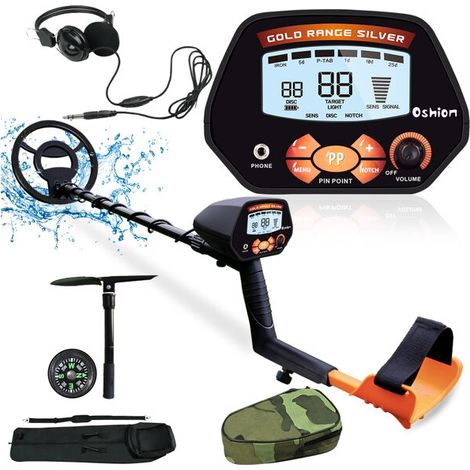
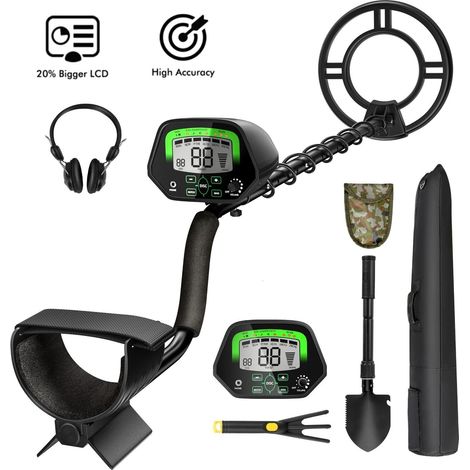
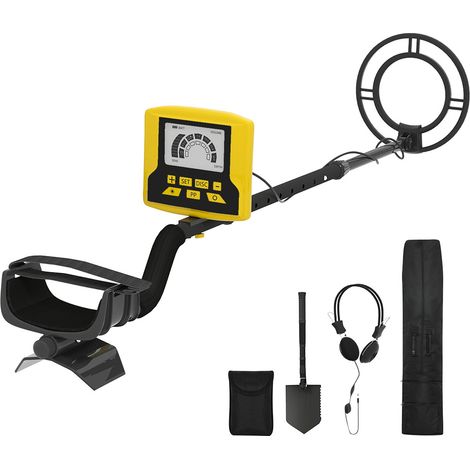
MDA1 Metal Detector Orange Contains Helmet, Bag, Iron Plug New Metal Detector Waterproof LCD Discrimination Mode 10 Inch Metal Detector Treasure Finder Tool With
Free shipping
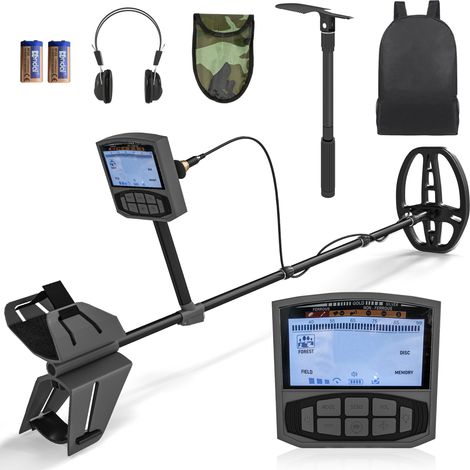
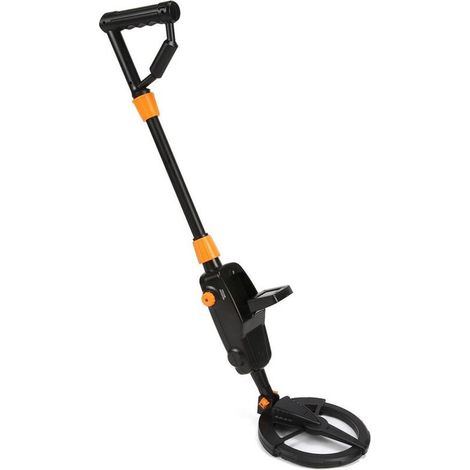
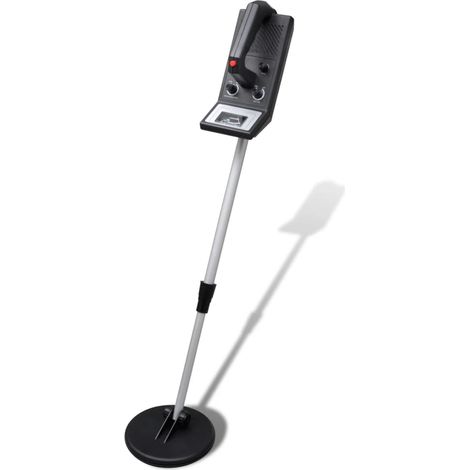
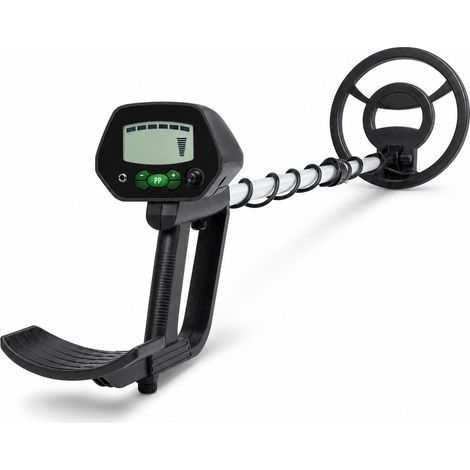
The underground metal detector, can detect gold, silver and copper MD1008A (delivered without batteries)
Free shipping
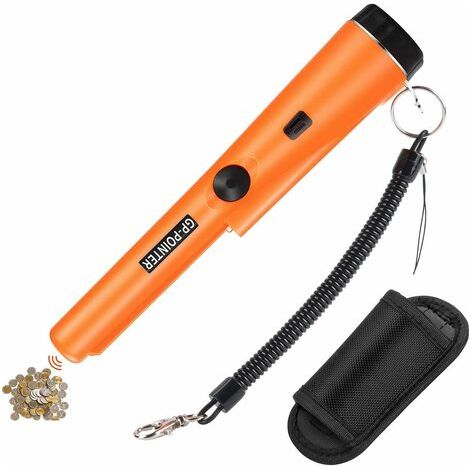
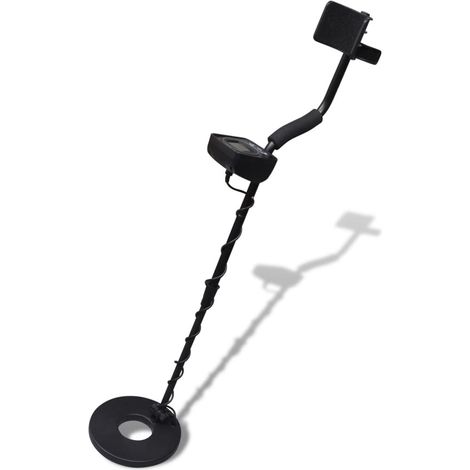
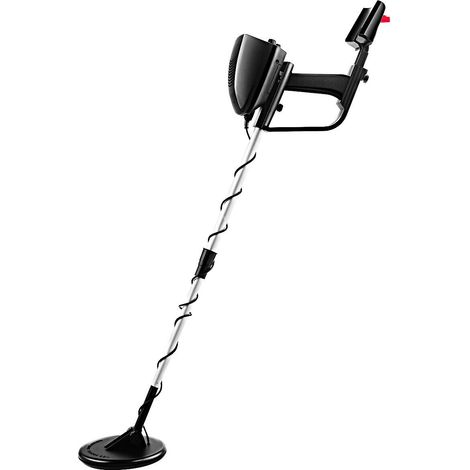
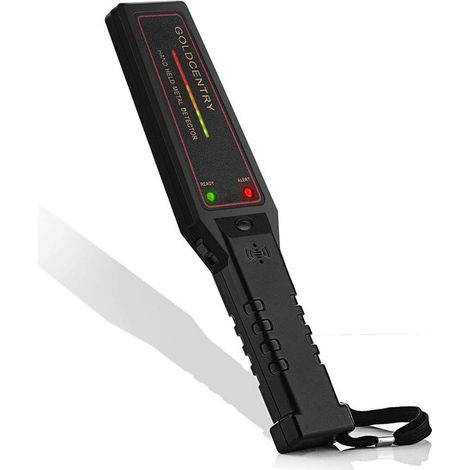
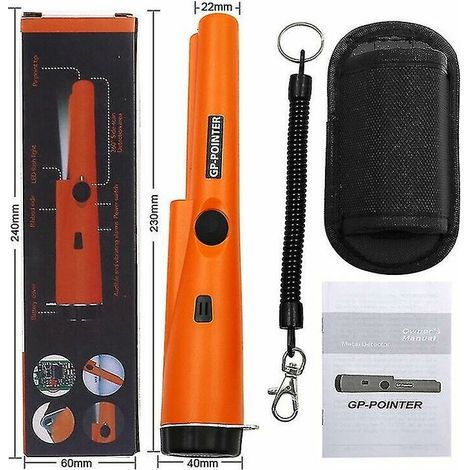
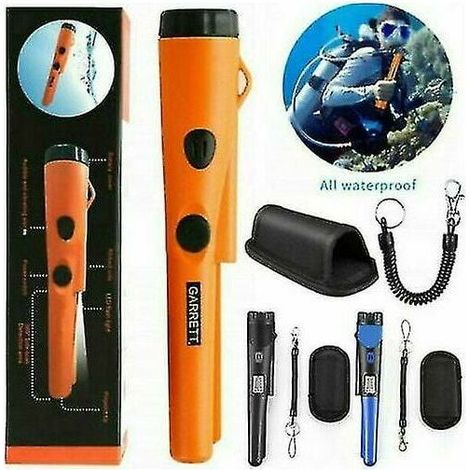
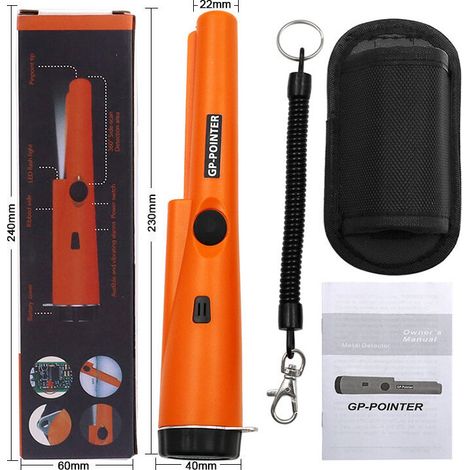
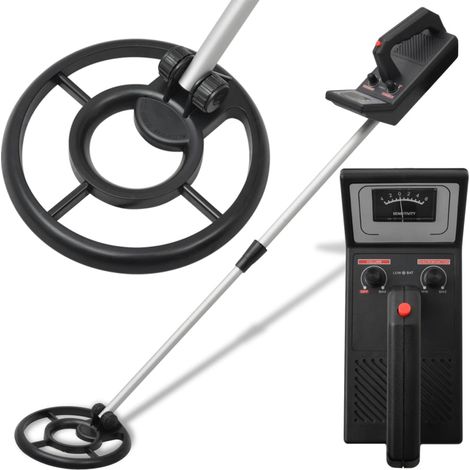
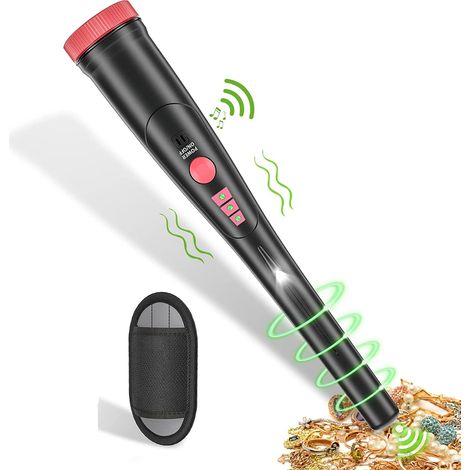
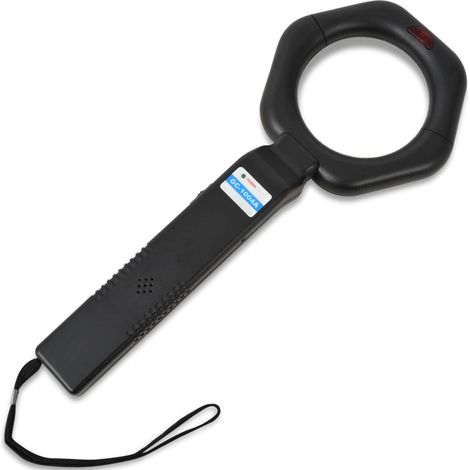
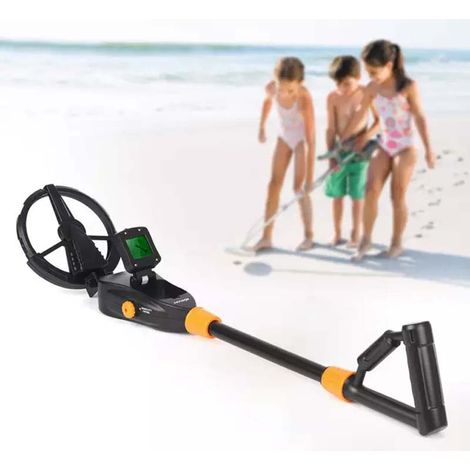
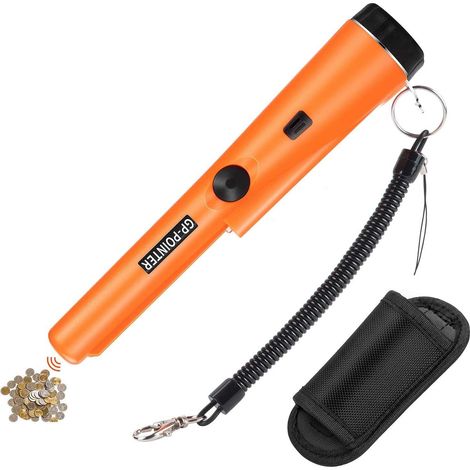
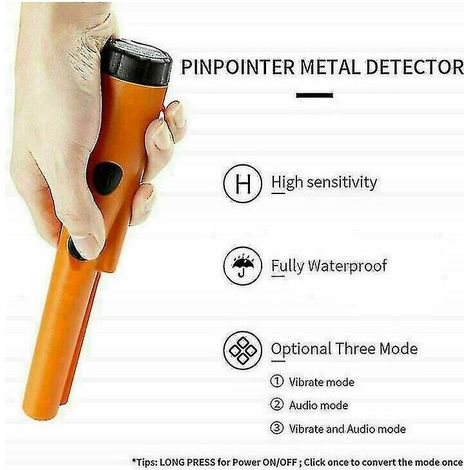
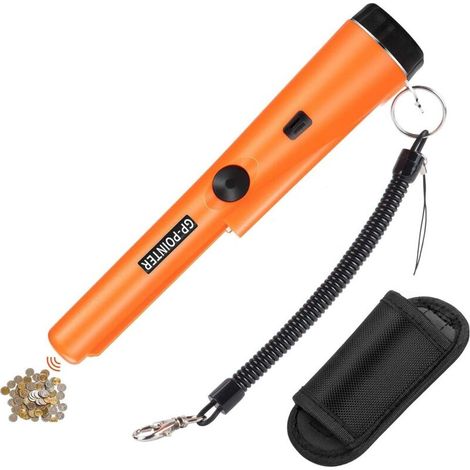
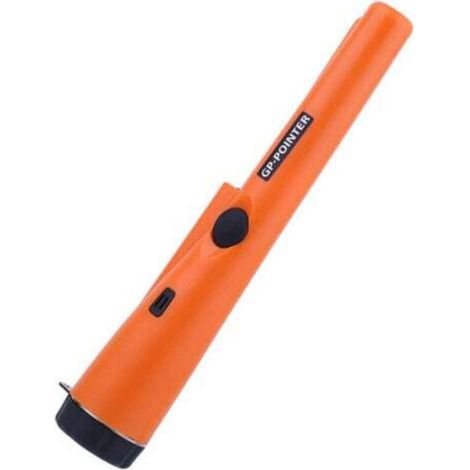
![[NEVER USED] Garrett Pro-Pointer Metal Detector – 9V Power Supply – 30-Hour Battery Life – Maximum Sensitivity – Waterproof for Outdoor Use (1/4)](https://cdn.manomano.com/pim-media/images/medium/e57b560d3abd81988f5a046f020d87649f837b8b.jpg)
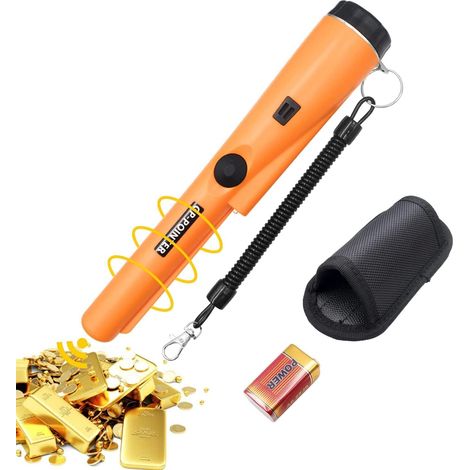
![[NEVER USED] Garrett Pro-Pointer Metal Detector – 9V Power Supply – 30-Hour Battery Life – Maximum Sensitivity – Waterproof for Outdoor Use (1/4)](https://cdn.manomano.com/pim-media/images/medium/b65ac1e2c813beb58a3ab8016ce0d7e2840be9b4.jpg)
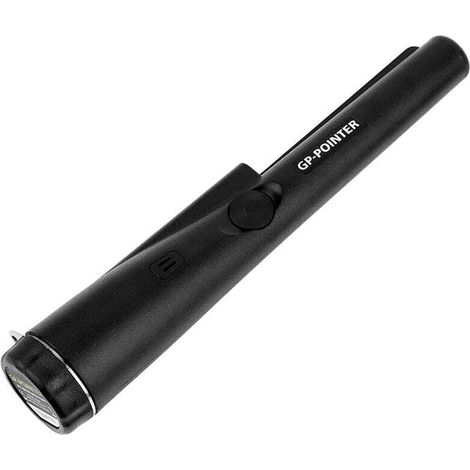
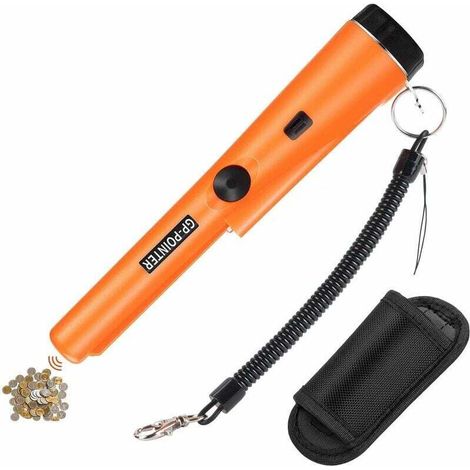
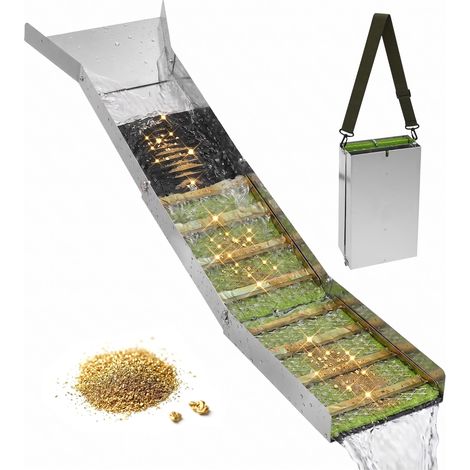
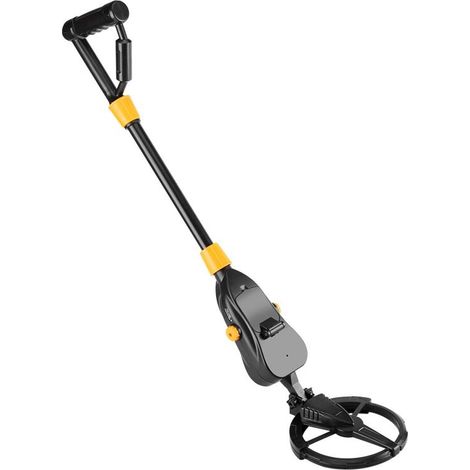
Narrow down your search
Advice from
Wall chaser buying guide
When installing cables or pipes, it's often necessary to cut slots into the wall – and that's where wall chasers come in. Designed to cut chases into concrete, wood or plaster, these tools can even be connected to a vacuum cleaner to keep your workspace free of dust. Looking for a wall chaser? Let's cut to the 'chase'!
'/%3E%3C/svg%3E)
Narrow down your search
Other categories for you
'/%3E%3C/svg%3E)