Outdoor kitchens are perfect for hosting barbecues or preparing delicious meals while enjoying the great outdoors. They also help avoid the back-and-forth between inside and outside during relaxing times in the garden lounge.
It's important to carefully consider your habits before choosing the style of this outdoor equipment. Indeed, an installation:
- fixed and built in brick, stone, or concrete is perfect for a big grilling enthusiast or for those who spend a lot of time outdoors, all year round;
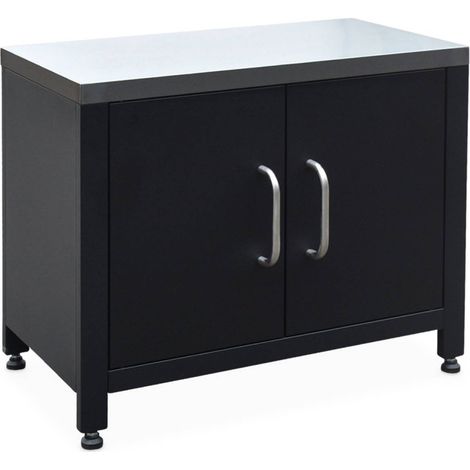
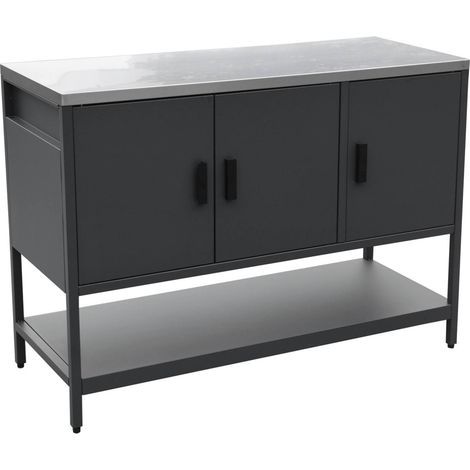
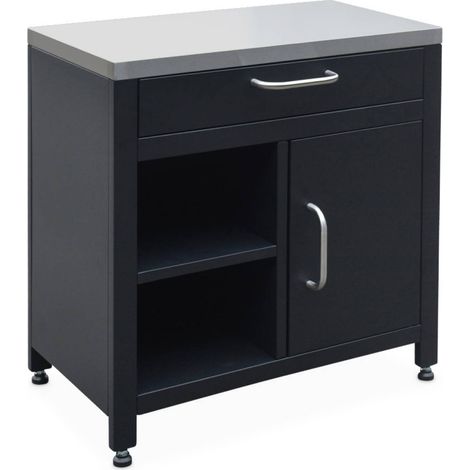
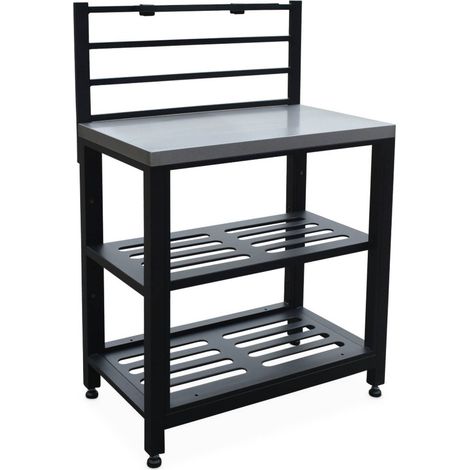
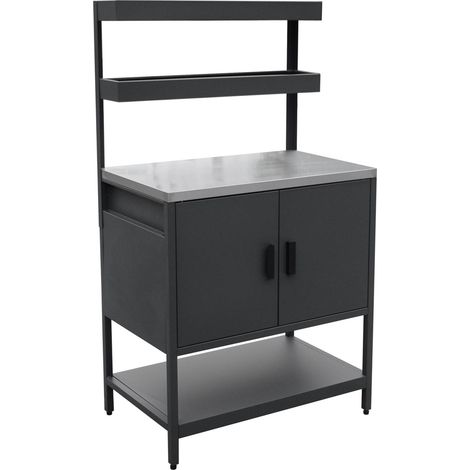
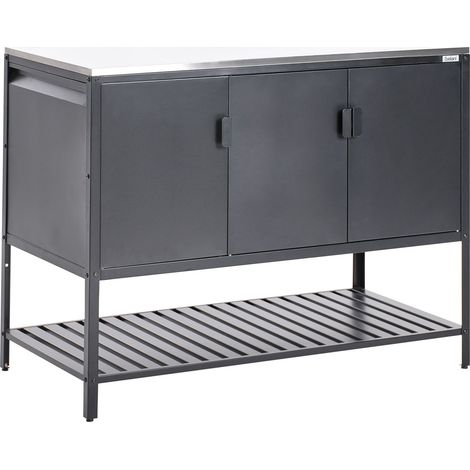
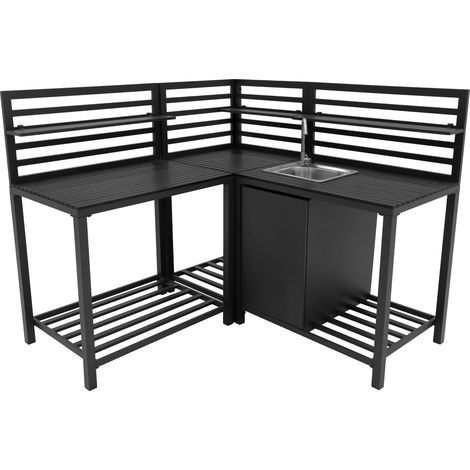
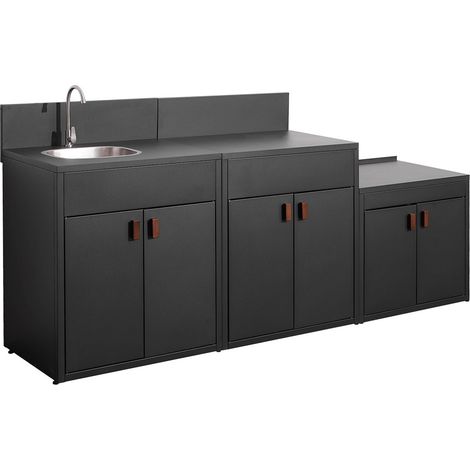
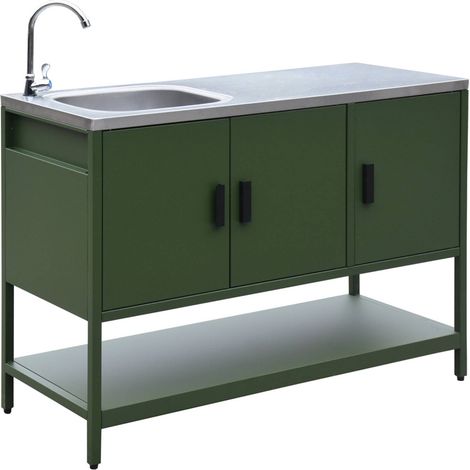
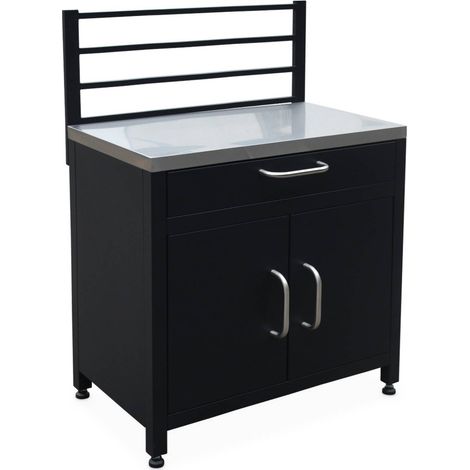
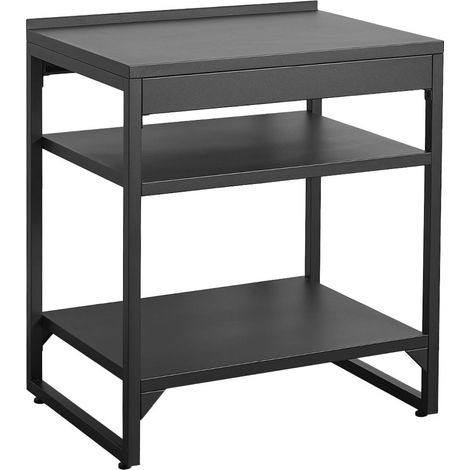
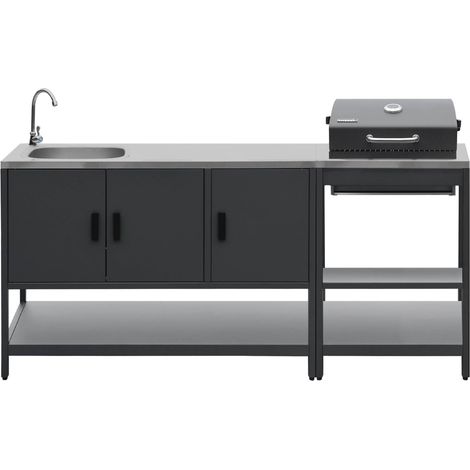
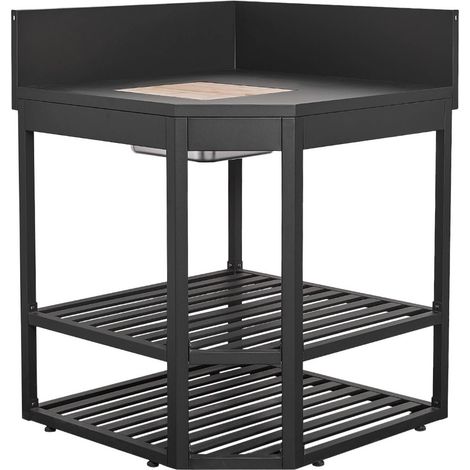
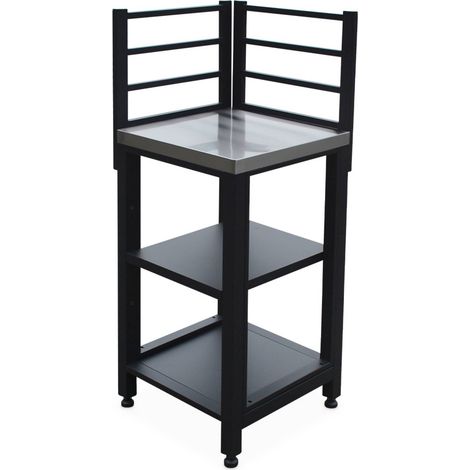
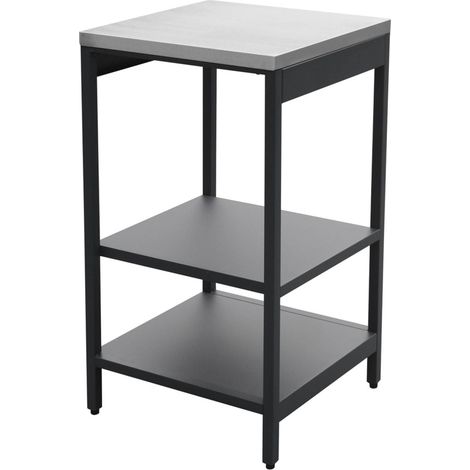
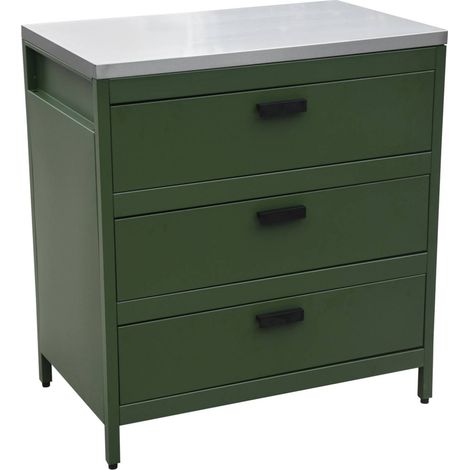
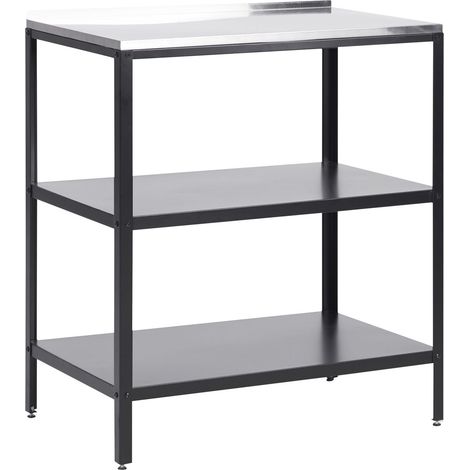
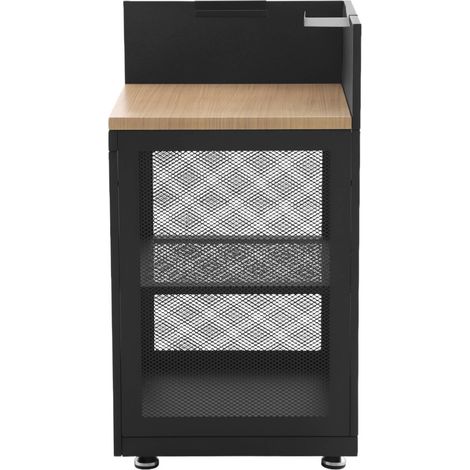
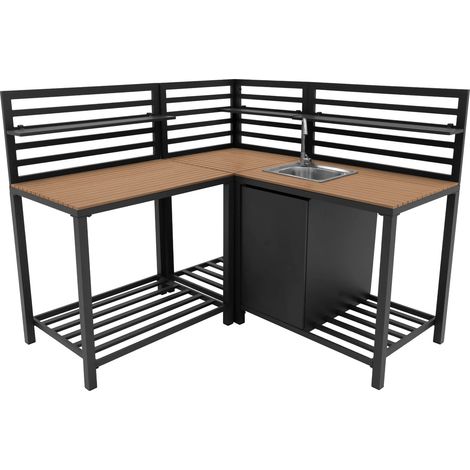
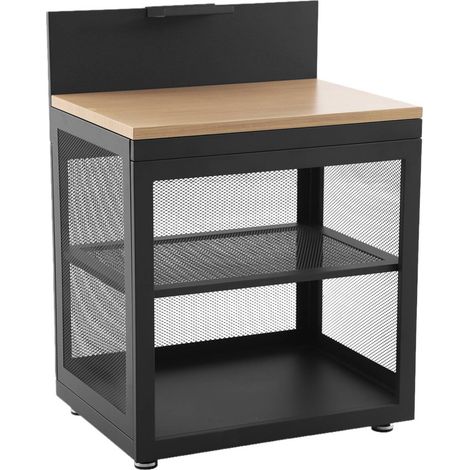
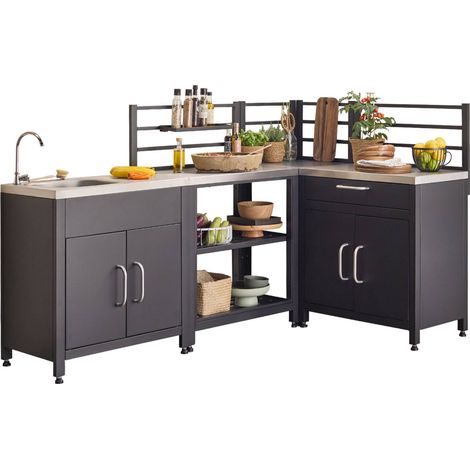
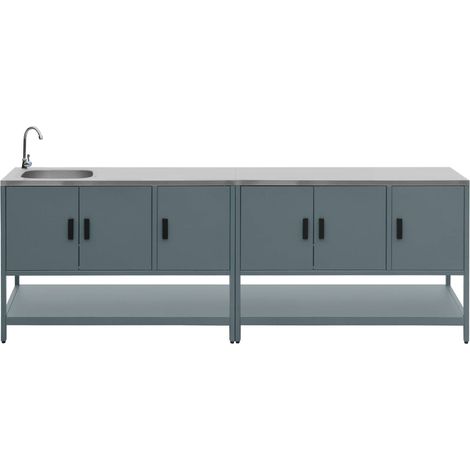
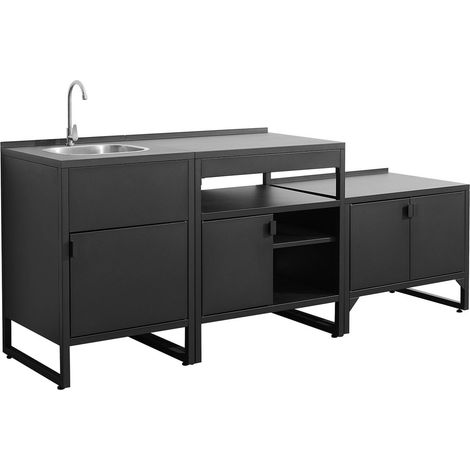
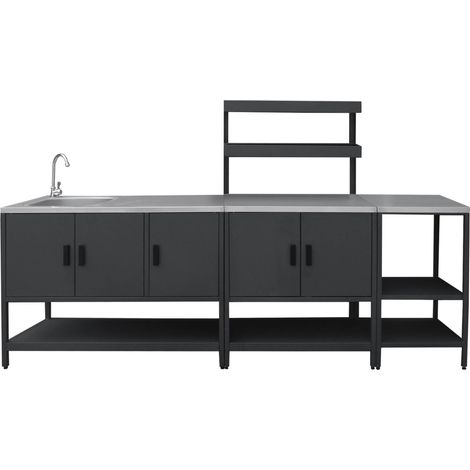
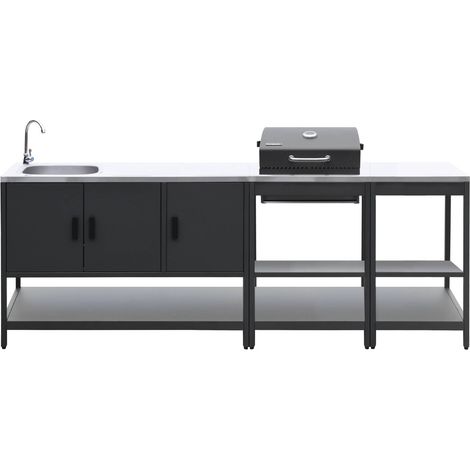
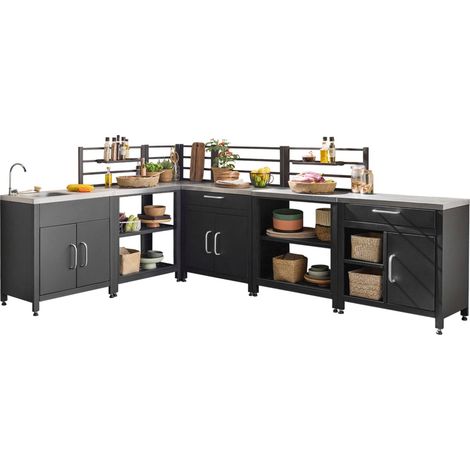
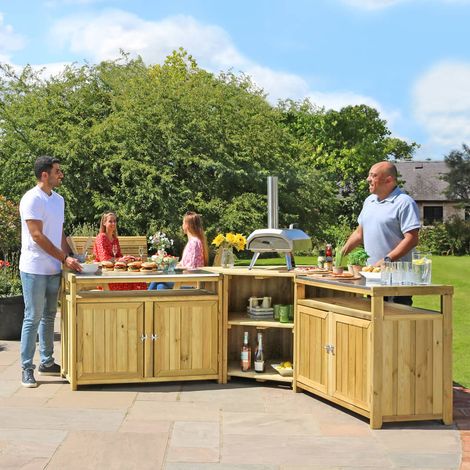
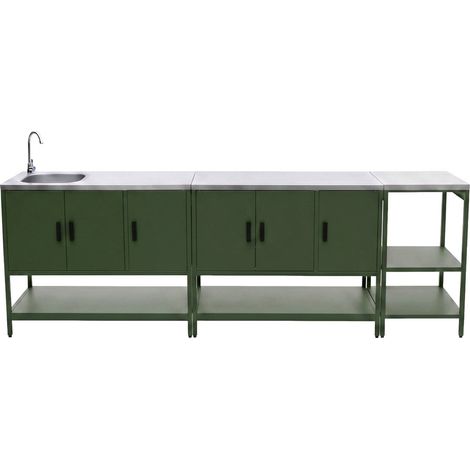
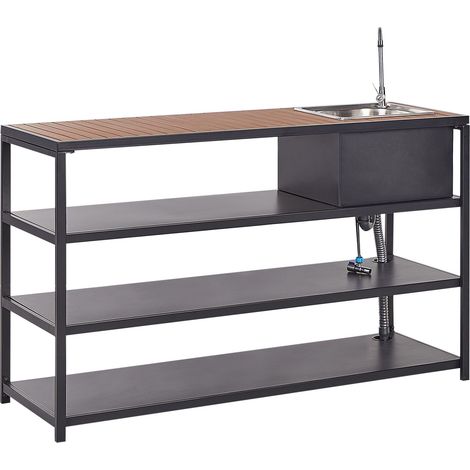
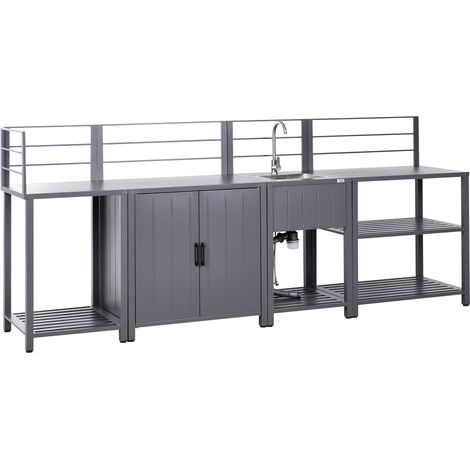
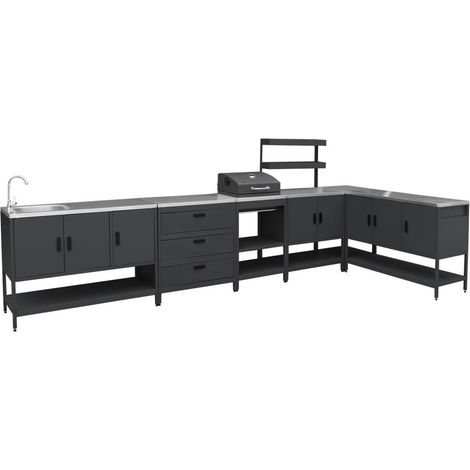
- modular is suitable for cooking enthusiasts who appreciate functional and adaptable elements or custom equipment;
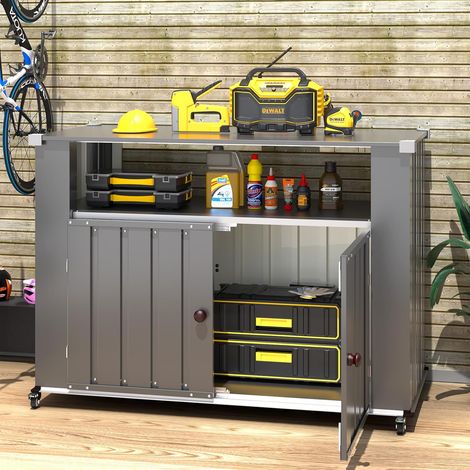
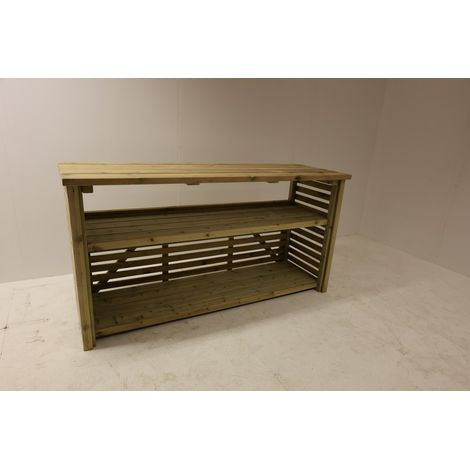
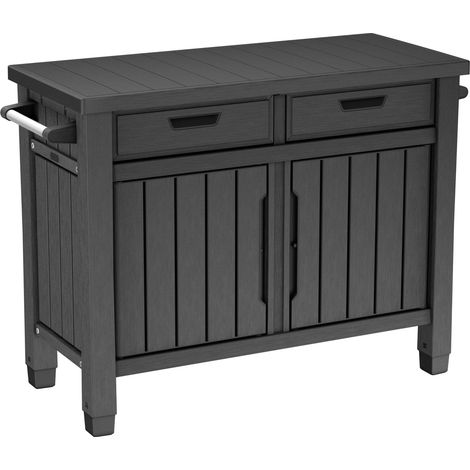
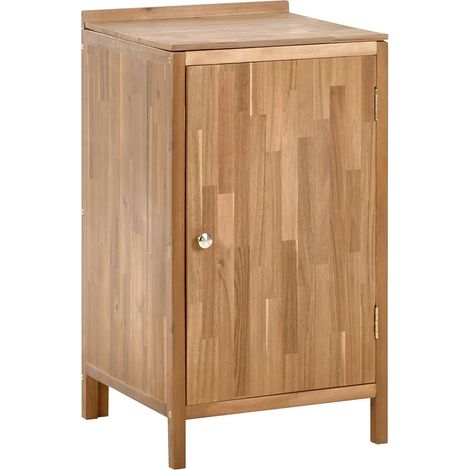
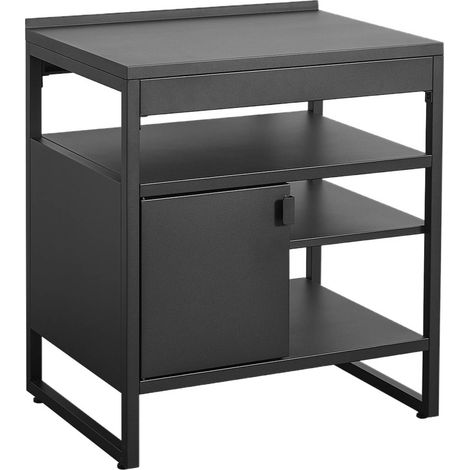
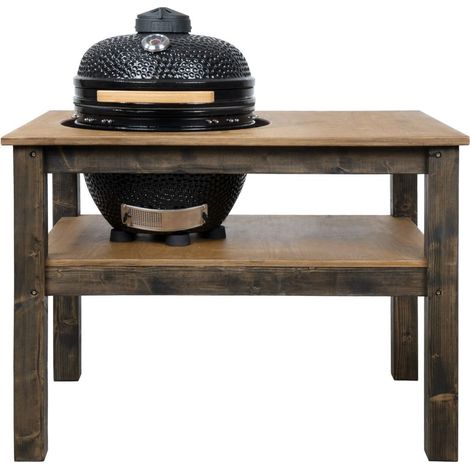
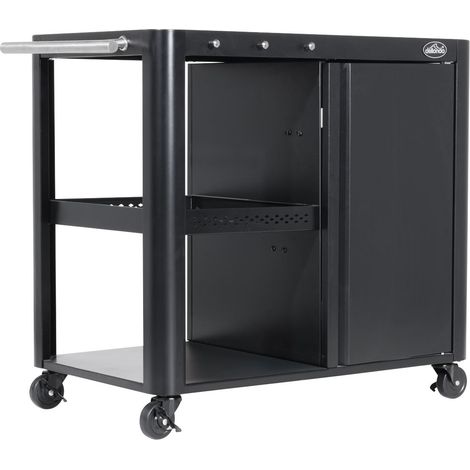
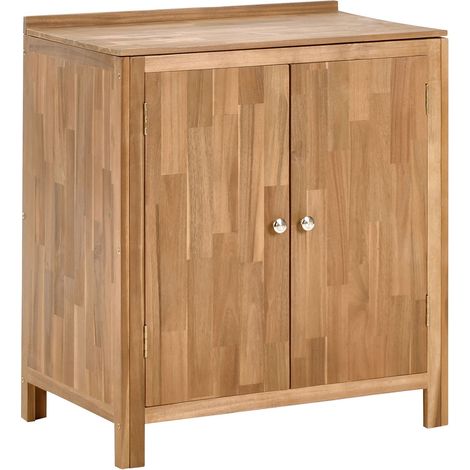
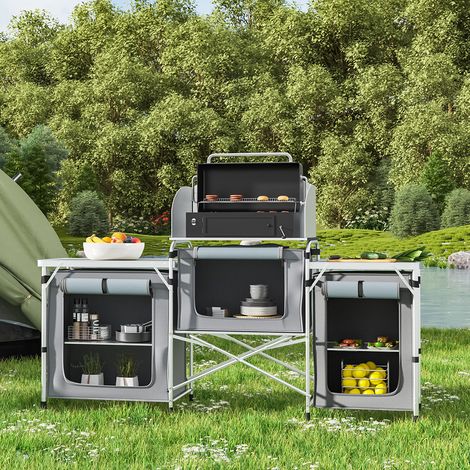
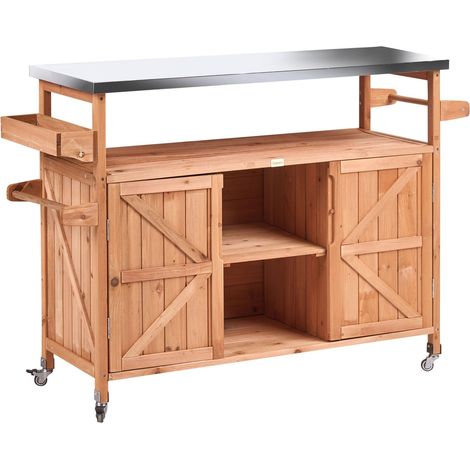
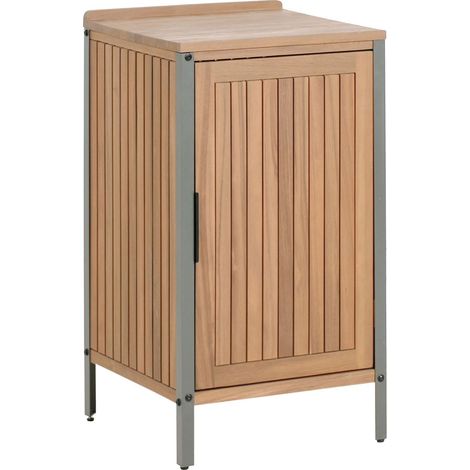
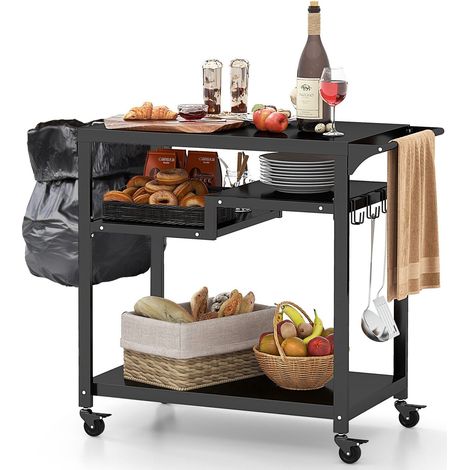
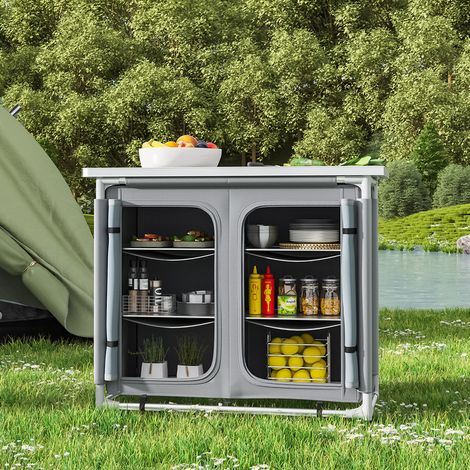
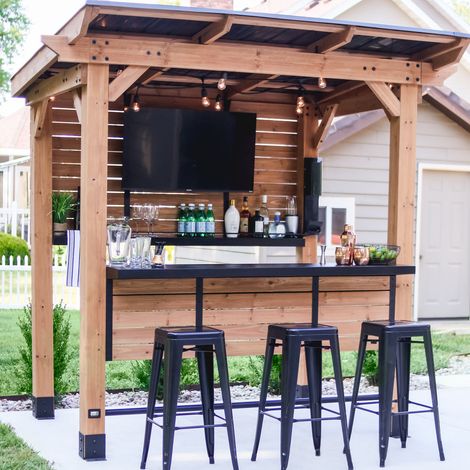
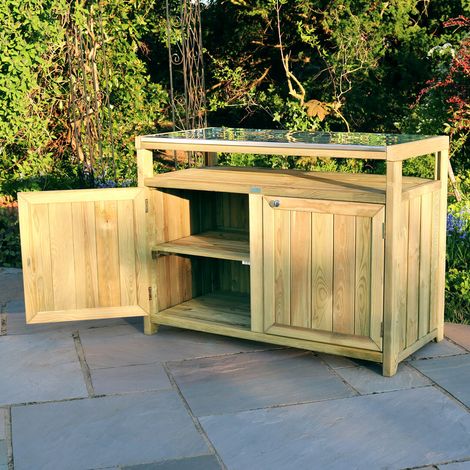
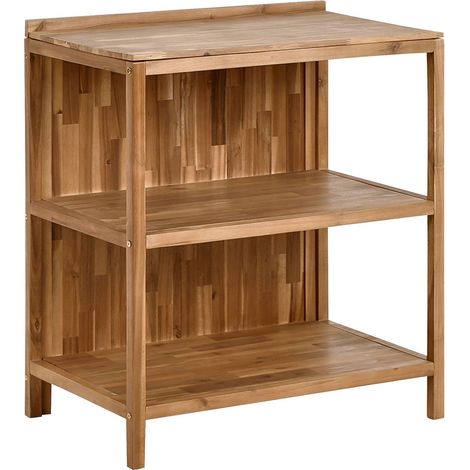
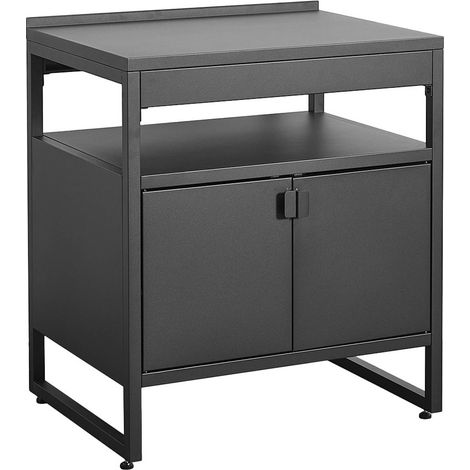
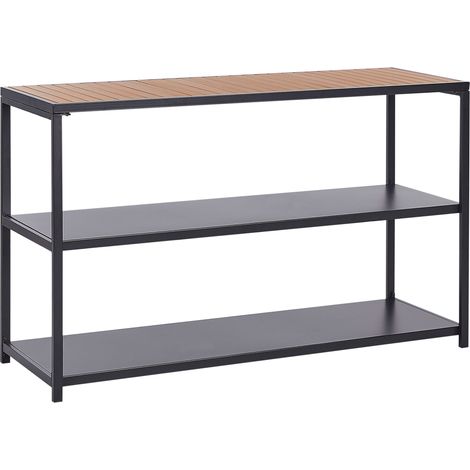
- portable (in wood or metal) is recommended for cooks who only venture out in autumn or summer. They can then enjoy their outdoor space for the rest of the year.
Just like indoors, an outdoor kitchen requires various accessories to ensure its autonomy. It should include:
- equipment designated for cooking (grills, oven, or plancha);
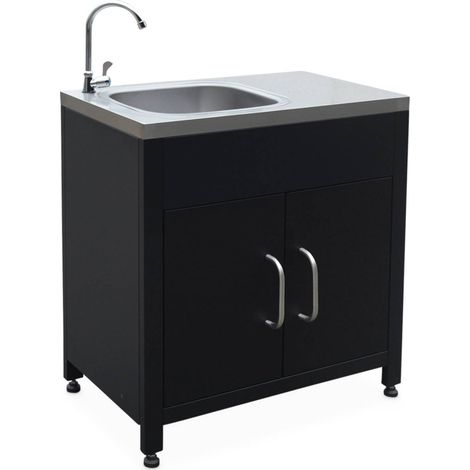
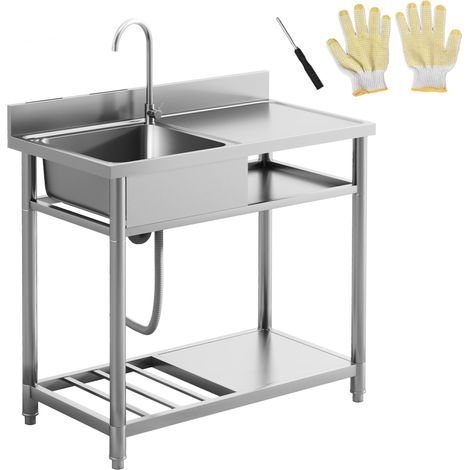
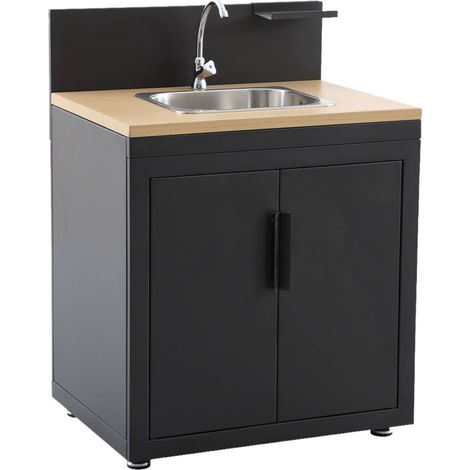
- a sink for quickly washing and rinsing food or utensils;
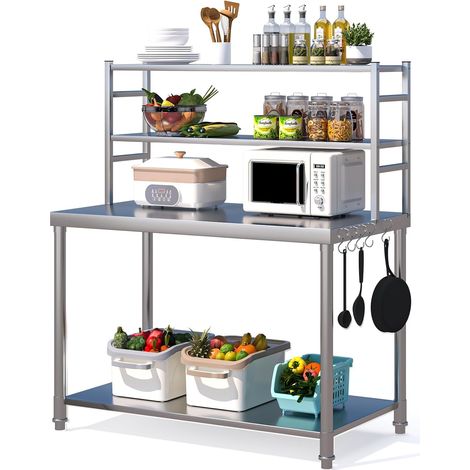
- a work surface for preparation and serving;
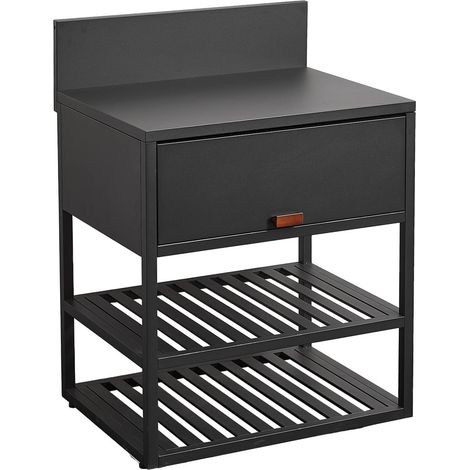
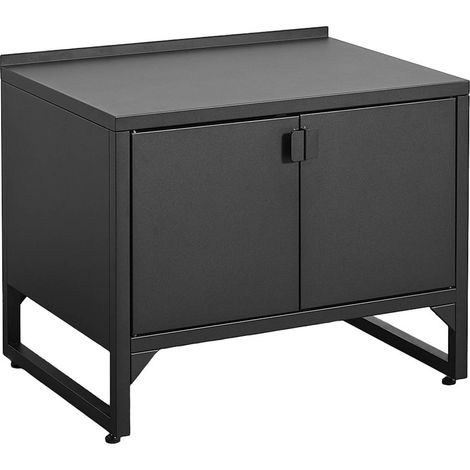
- storage spaces to protect condiments, utensils, and dishes from the weather without having to go inside.
This area can notably be equipped with:
- a barbecue, the great ally of grilling enthusiasts (which can be replaced by a wood-fired oven);
- a wood-fired oven, allowing the preparation of gratins, stews, bread, or pizzas;
- a plancha, the quintessential equipment for easy recipes, exotic cuisines, and quick meals. Easy to clean and maintain, it is often recommended for healthier cooking methods.
An outdoor kitchen must be functional and autonomous while remaining friendly and welcoming. Its location thus depends on the property's layout and the available space. Depending on the case, it can be installed:
- against a wall or in an L-shape to demarcate a specific area;
- in a corner of the garden or on the terrace;
- a few steps from the indoor kitchen or in an outbuilding;
- near the pool or the dining area.
Concretely, the habits and taste of the user determine the style, location, and energy source of the outdoor kitchen. According to their needs and resources, this space can thus be fixed or removable, operate on wood, charcoal, gas, or electricity.
'/%3E%3C/svg%3E)