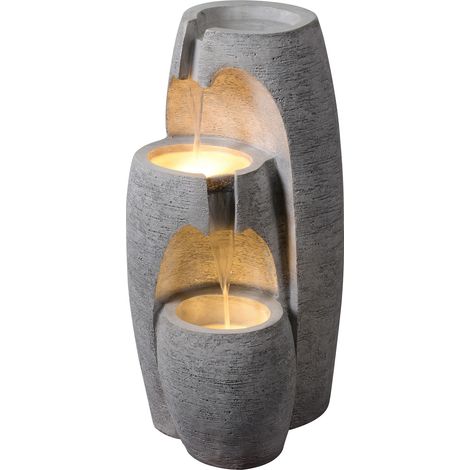
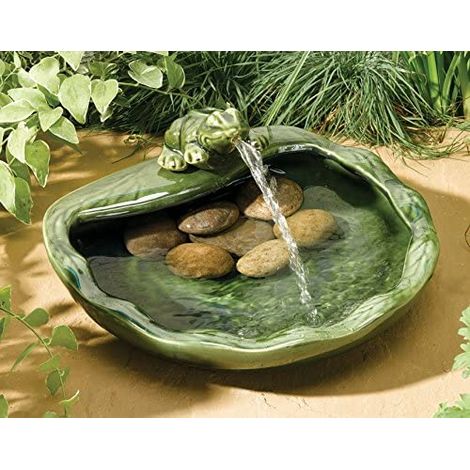
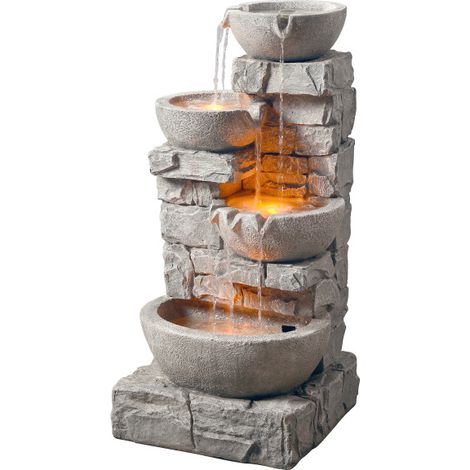
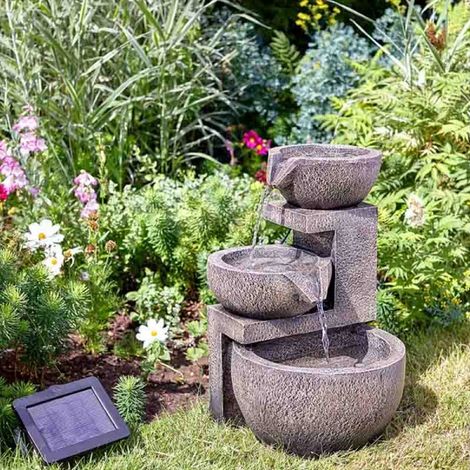
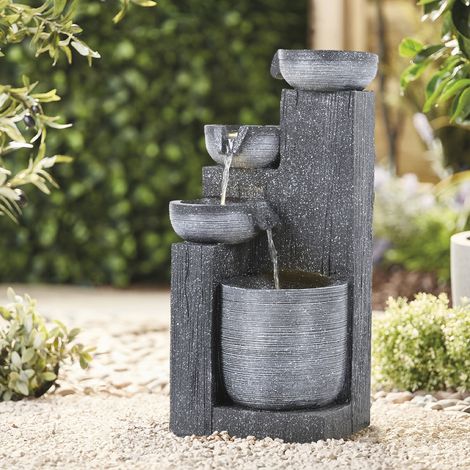
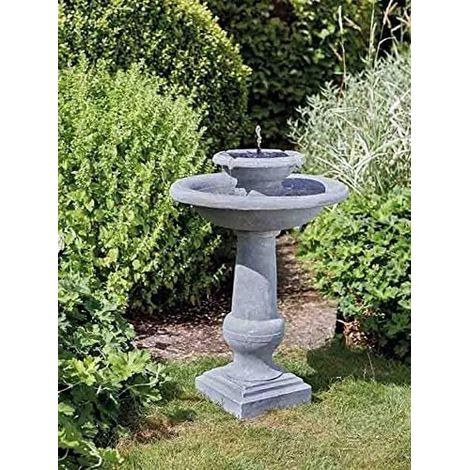
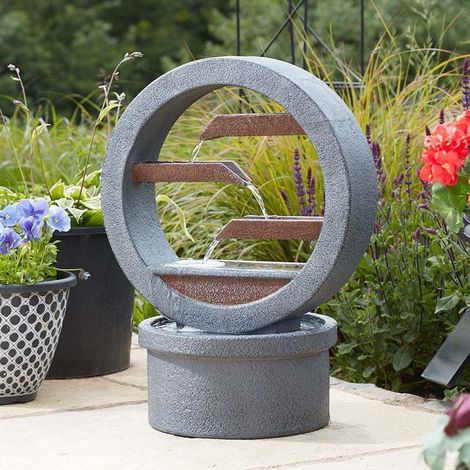
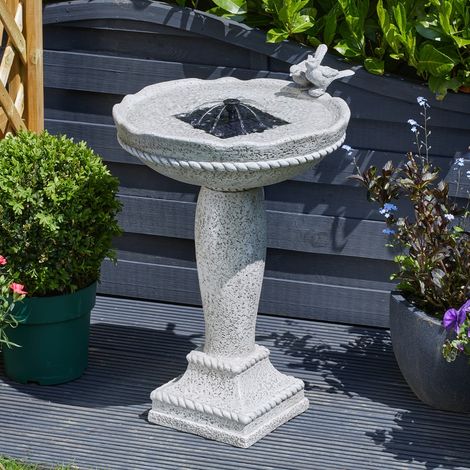
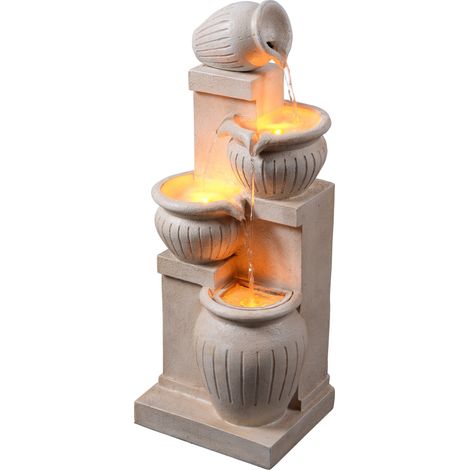
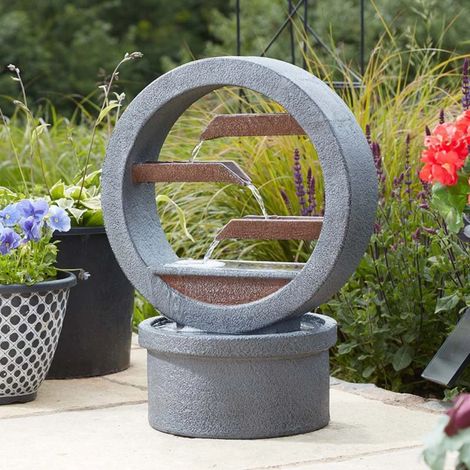
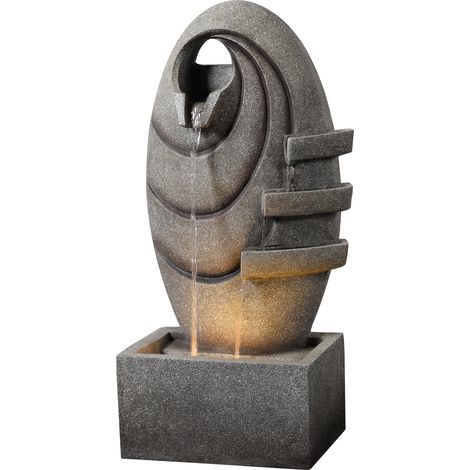
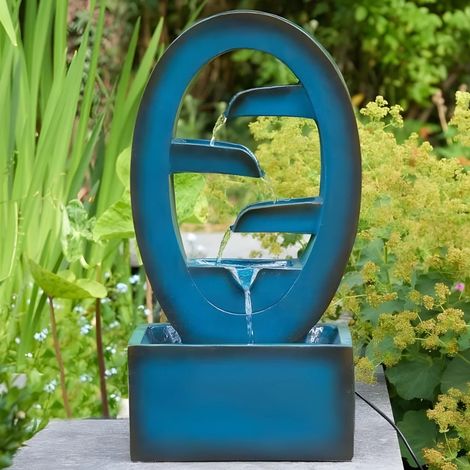
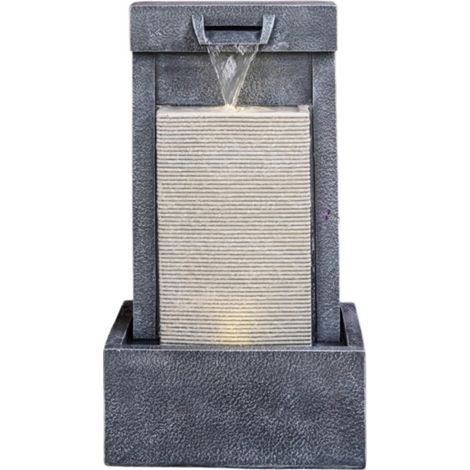
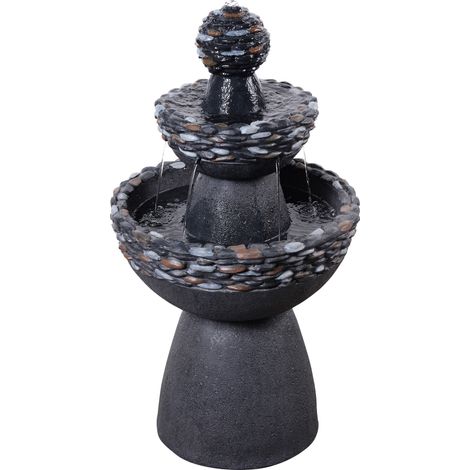
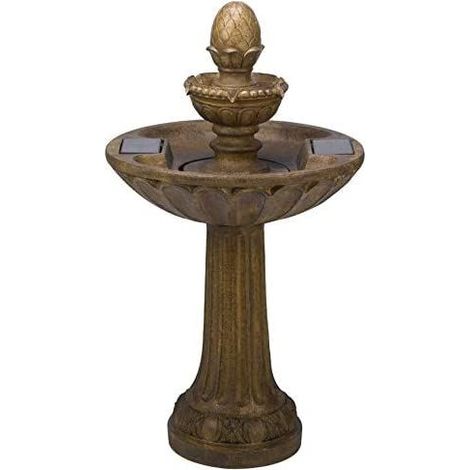
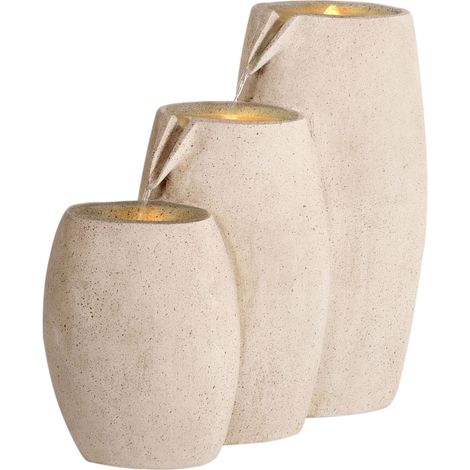
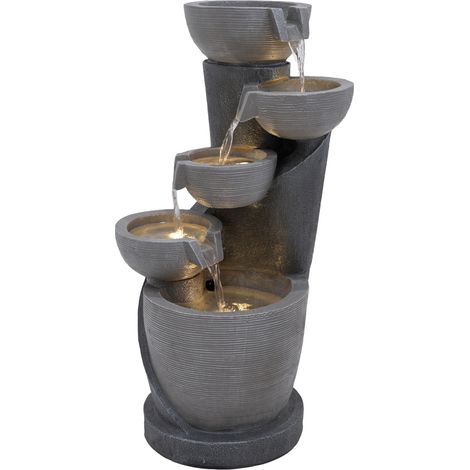
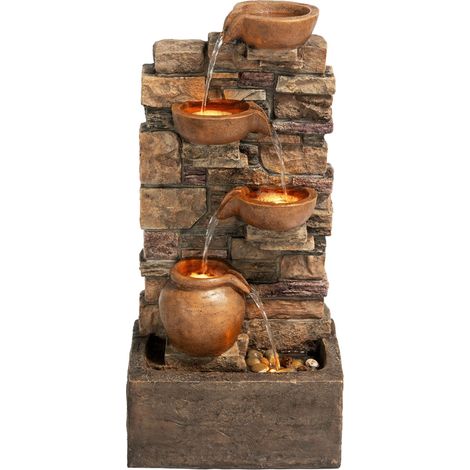
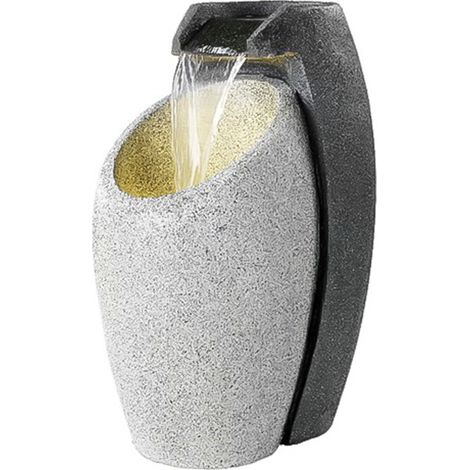
A garden fountain is an accessory that allows for personalization of outdoor space decoration. Available in natural or reconstituted stone, cast iron, fiberglass, or wood, the models on offer feature a classic or modern design to suit all tastes.
The available kits include various elements:
a structure in wood, metal, cast iron, resin, concrete, or resin that constitutes the decorative element;
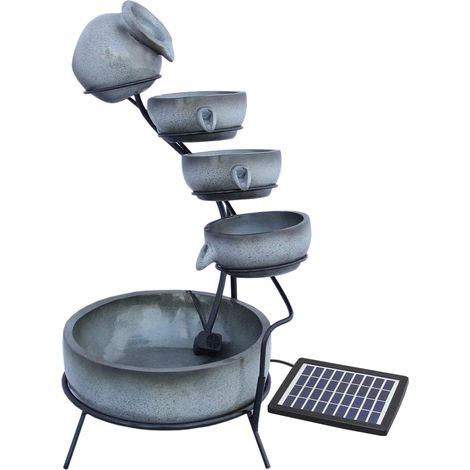
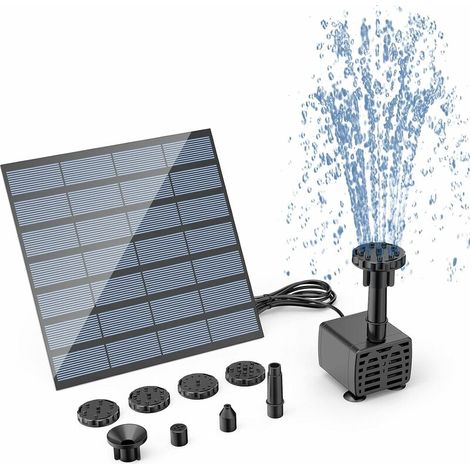
a pump to circulate water through a closed circuit;
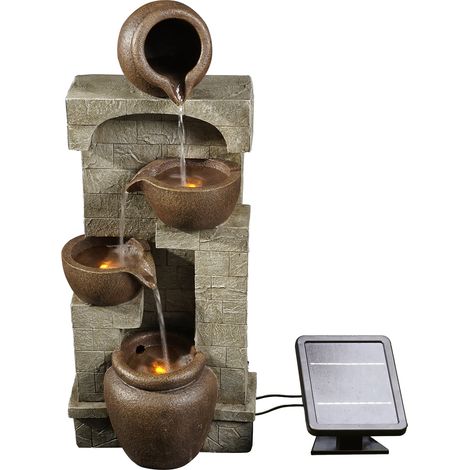
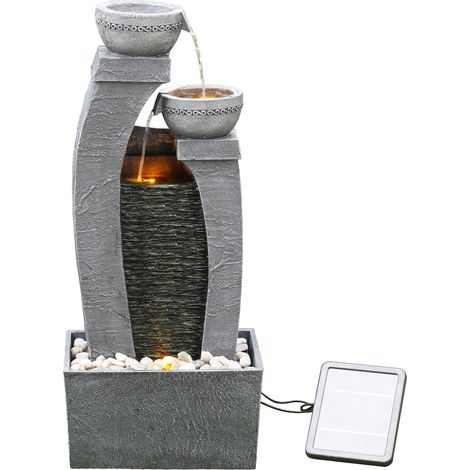
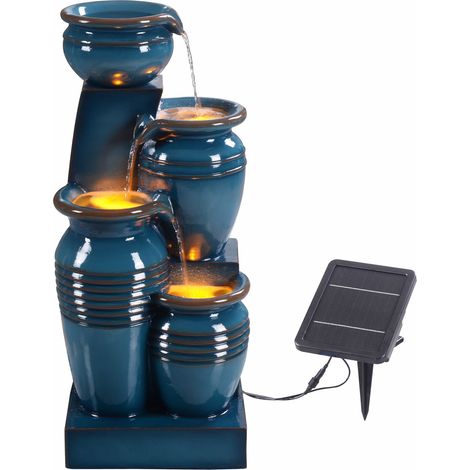
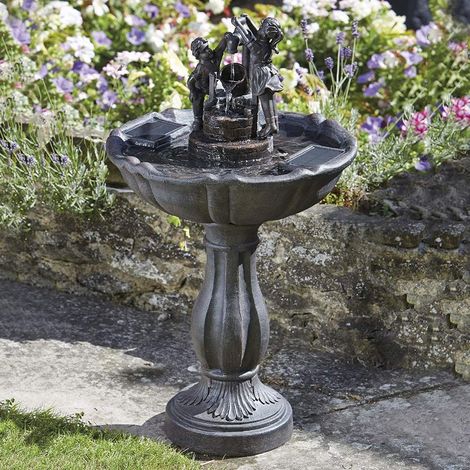
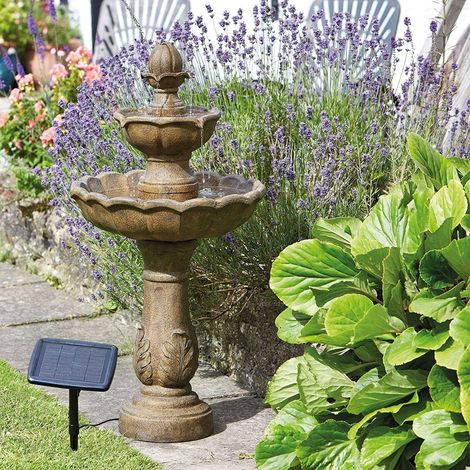
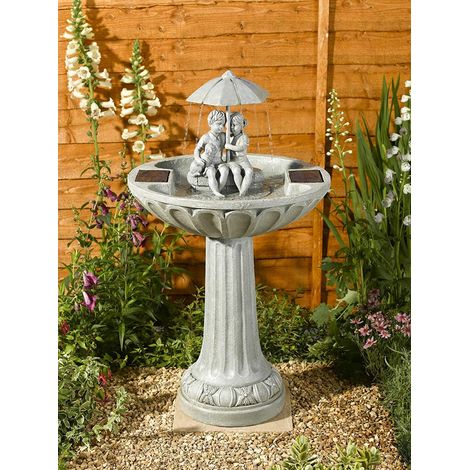
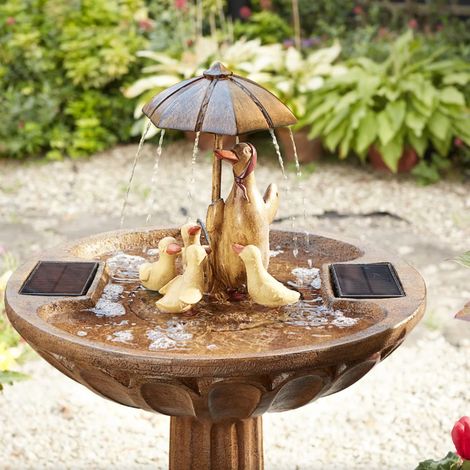
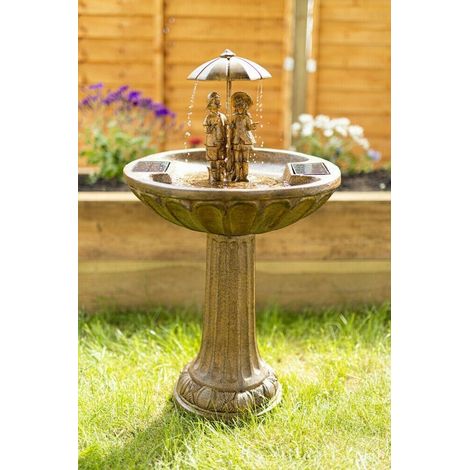
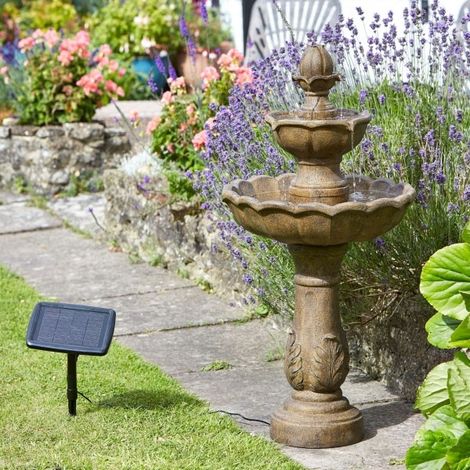
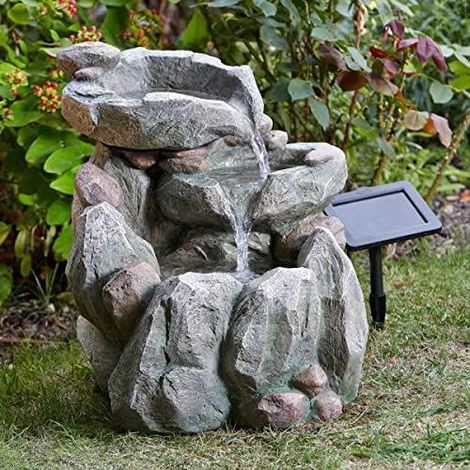
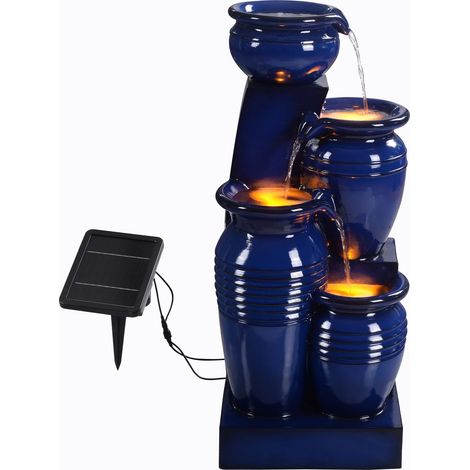
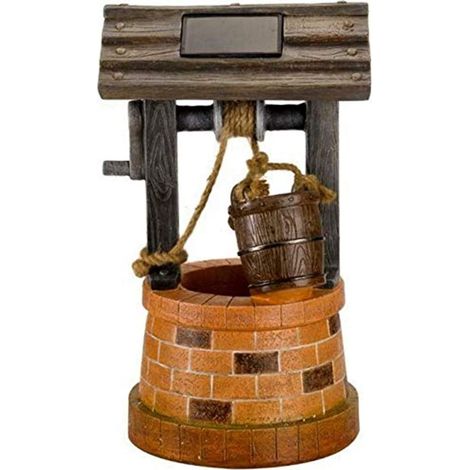
some kits are powered by a battery connected to a photovoltaic panel for autonomous operation.
The materials used to make garden fountains each have their advantages.
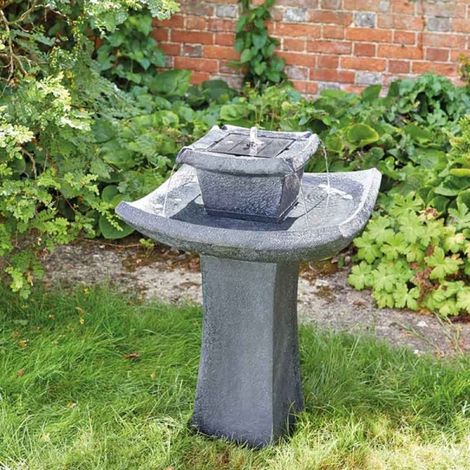
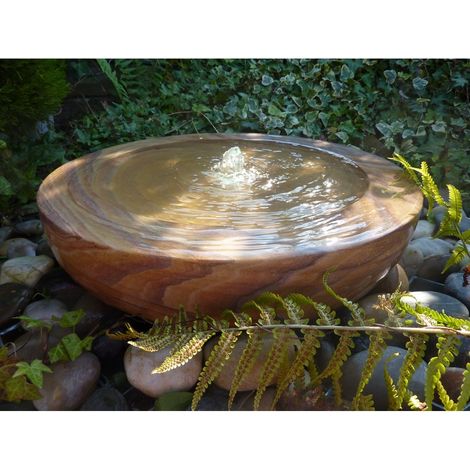
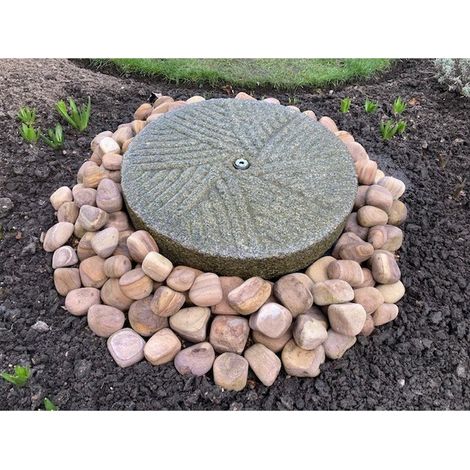
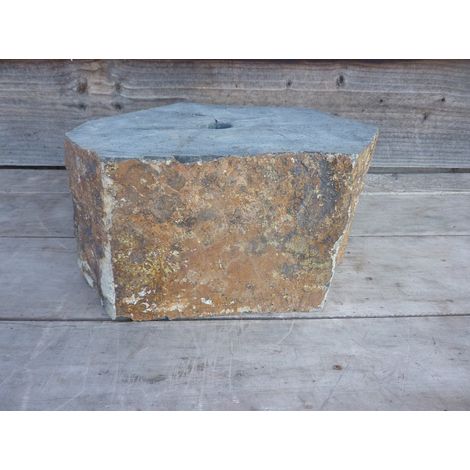
Stone models have the advantage of being durable, elegant, and timeless. Various shapes and finishes are possible.
Reconstituted stone models are lightweight, making them easier to handle. They are also appreciated for their more affordable price.
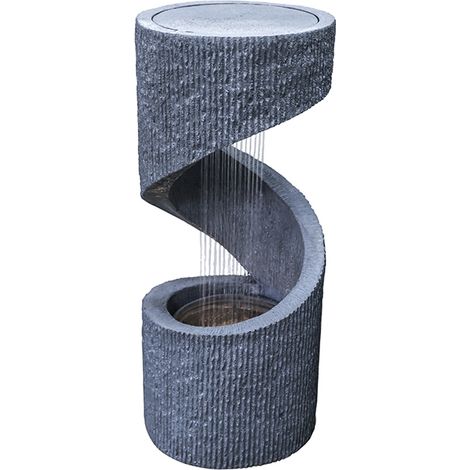
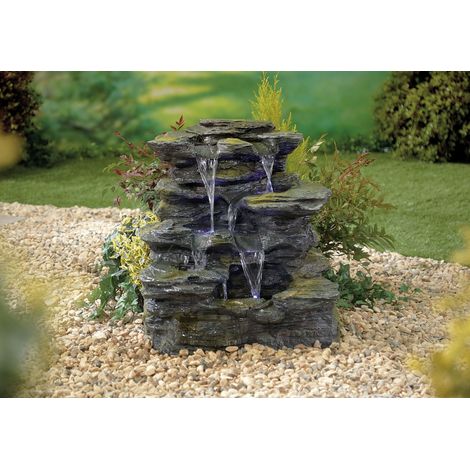
Concrete versions are sturdy and available in different shapes. Some imitate natural stone.
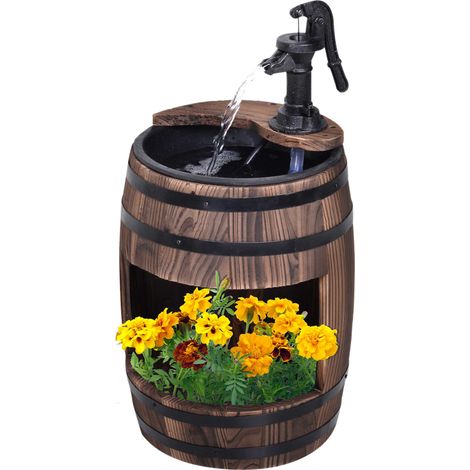
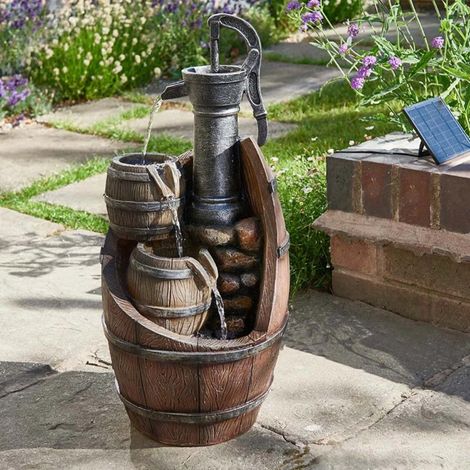
Wood models are typical of alpine landscapes.
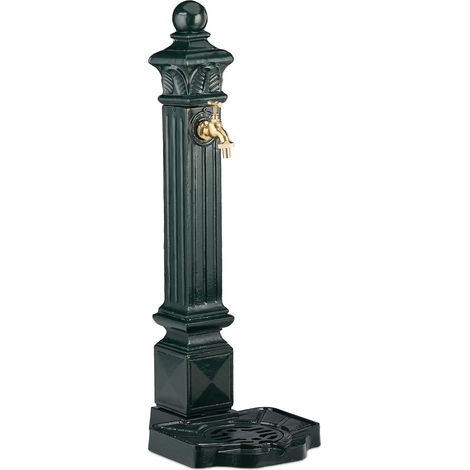
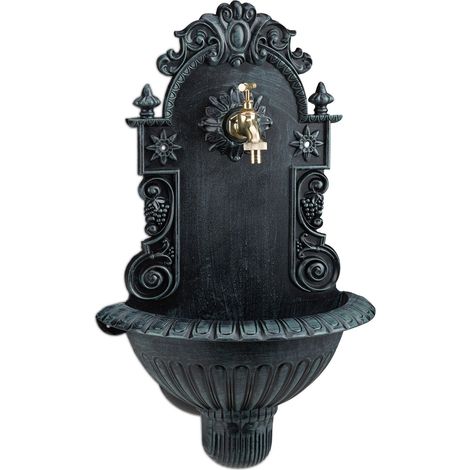
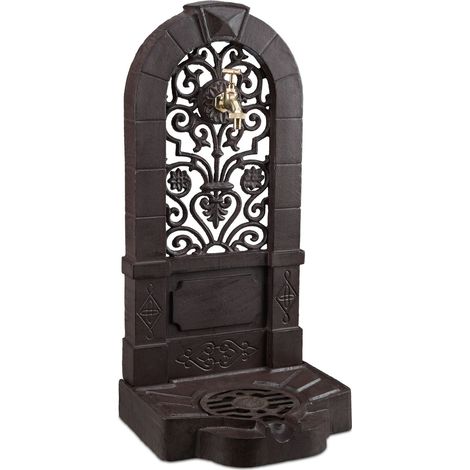
Cast iron versions captivate with their authenticity and durability.
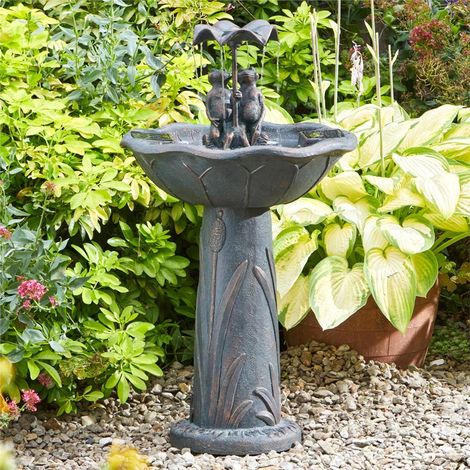
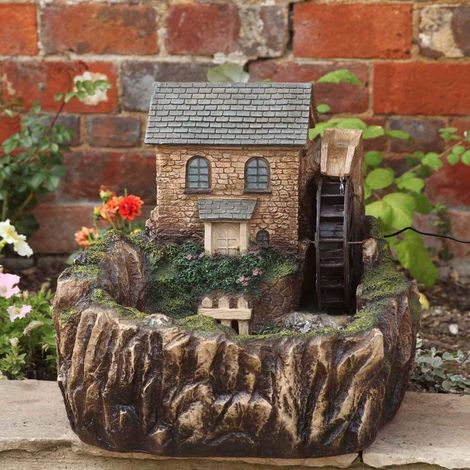
Resin references imitate wood, stone, or cast iron. They must be securely fixed, especially in windy areas.
Several parameters need to be considered when choosing a garden fountain.
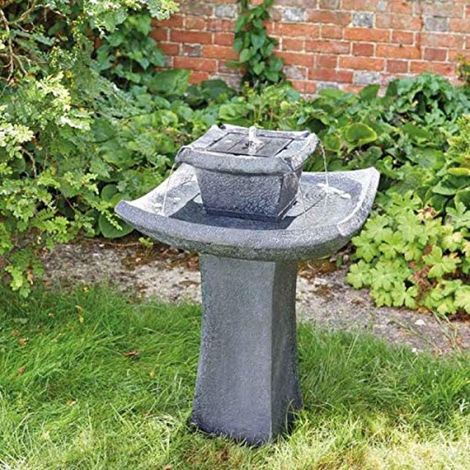
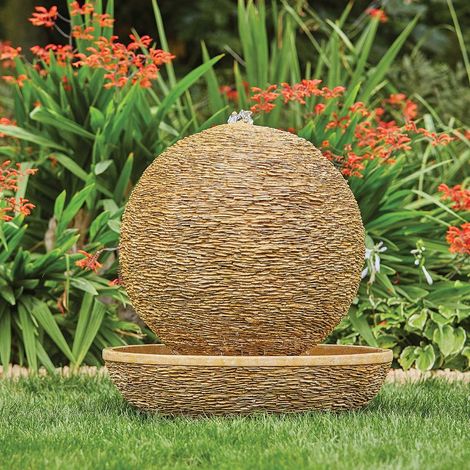
Some models are intended to be placed at the center of the garden. They are suitable for large spaces.
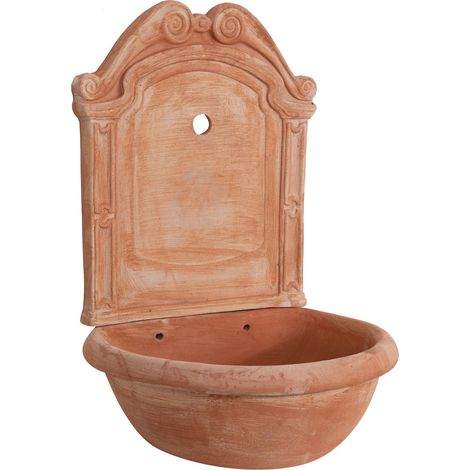
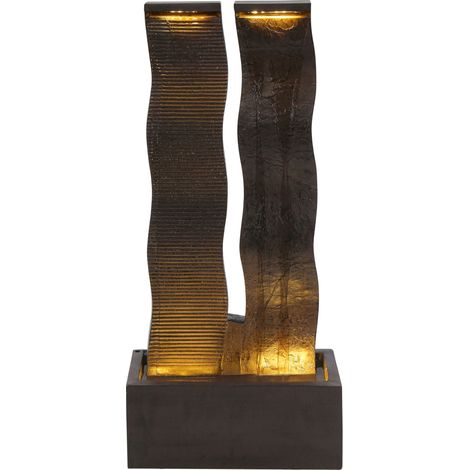
Others are specially designed to be attached to a wall. They are preferred for small gardens.
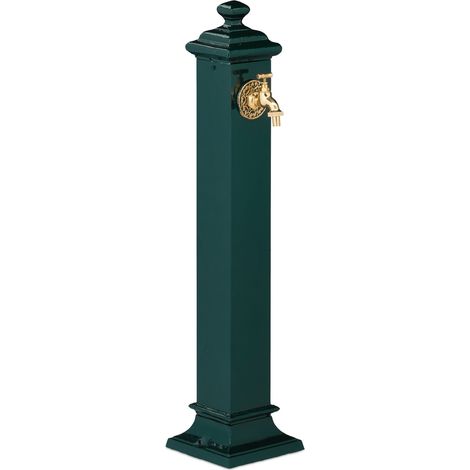
Models equipped with a faucet must be connected to the household's potable water network. This is not the case for closed-circuit models.
The water tank capacity must be carefully considered to avoid the pump running dry. It thus depends on the time it takes for the water to circulate through the circuit and return to its starting point.
In the case of a pump that needs to be plugged into a mains outlet, power supply must be brought close to the installation in a casing with an IP65 protection rating.
No matter which garden fountain is chosen, the pump must be easily accessible in case of failure requiring repair, but also for maintenance (cleaning of the filter) and winterizing. Indeed, it is preferable to remove it and store it indoors when snow is expected.
















'/%3E%3C/svg%3E)
'/%3E%3C/svg%3E)