To nourish and ensure good growth of plants, the use of a soil fertilizer is necessary. This applies to both indoor and outdoor plants. For this purpose, various plant fertilizers can be used.
Fertilizer helps to keep the soil fertile. It also ensures the survival of flowers, vegetable gardens, shrubs, and fruit trees. Currently, it is possible to distinguish two main categories of fertilizers:
- the mineral fertilizer which is more commonly called "chemical fertilizer" due to its high nutrient content. The elements that make it up have been filtered and processed in a factory in order to optimize the yield of the final product;
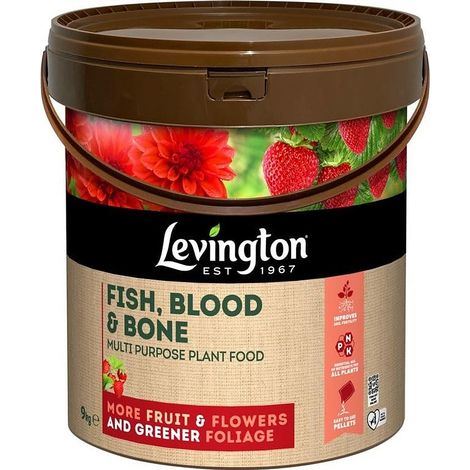
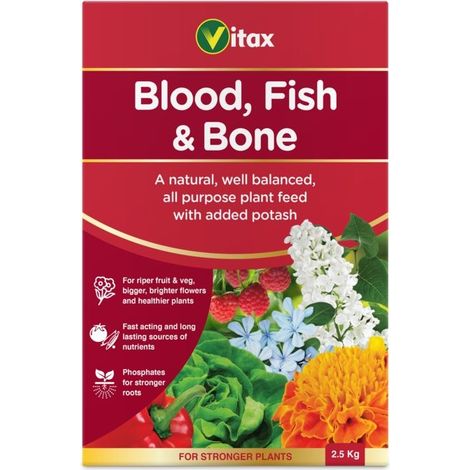
- the natural fertilizer which is a biological or organic fertilizer. It is made from an animal substance (manure, bone residues, feathers, horn…) accompanied or not by a plant substance.
Moreover, the state of the fertilizer determines its speed of action:
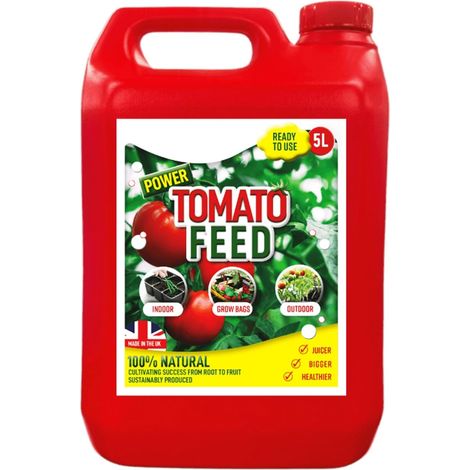
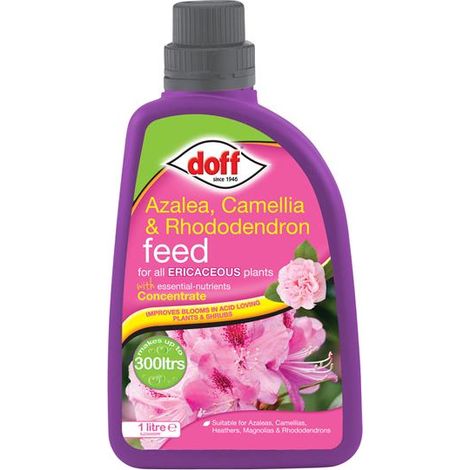
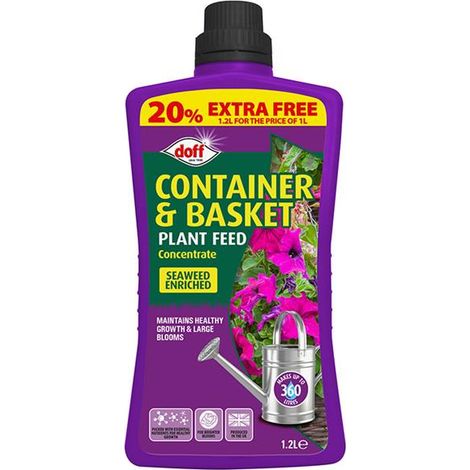
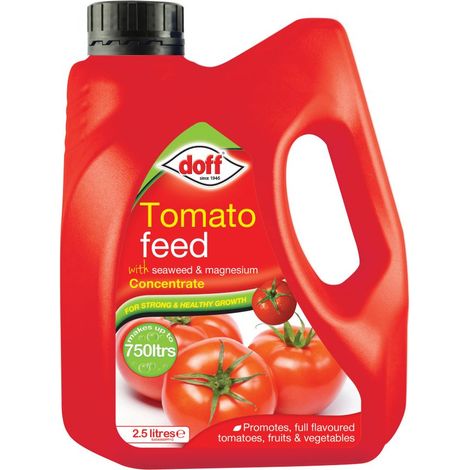
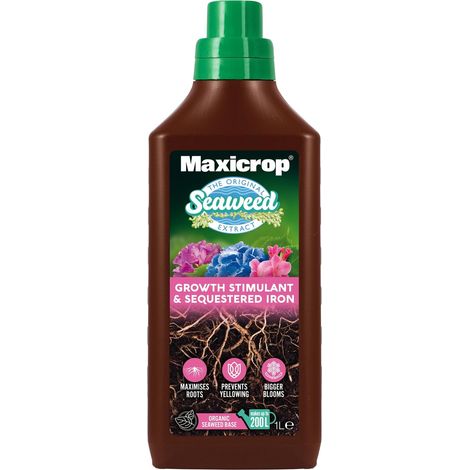
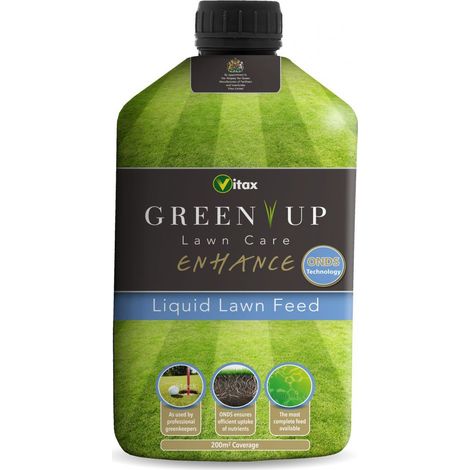
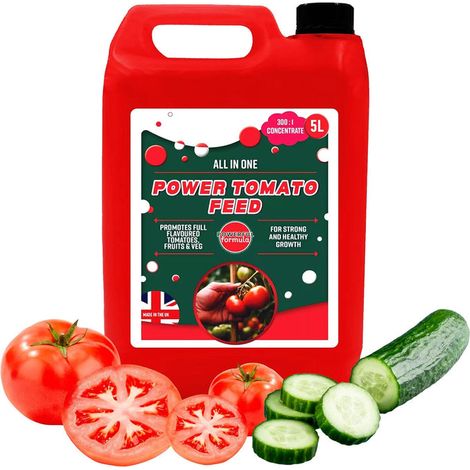
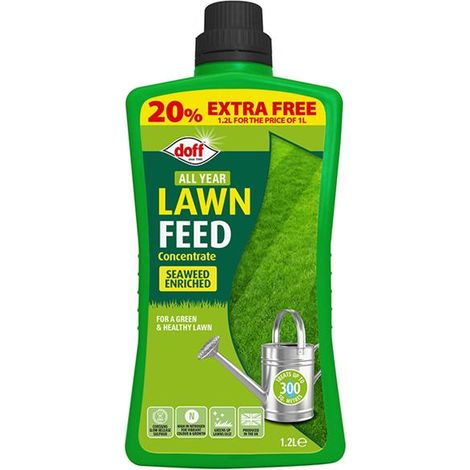
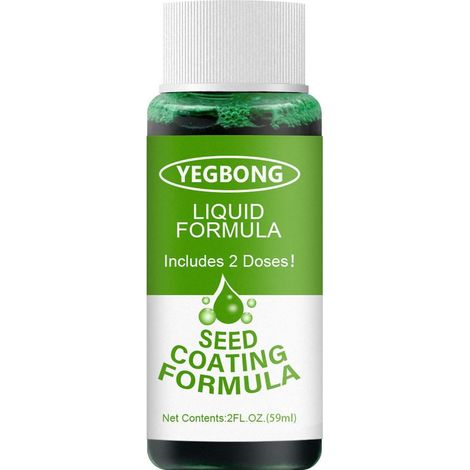
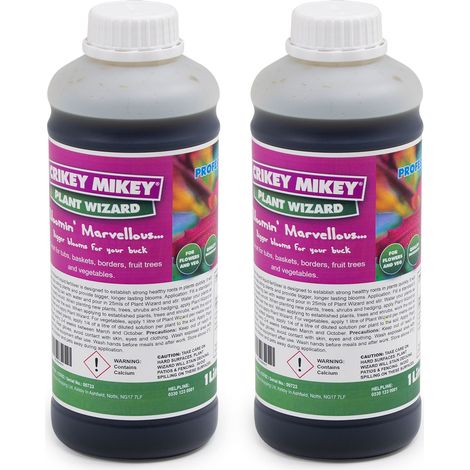
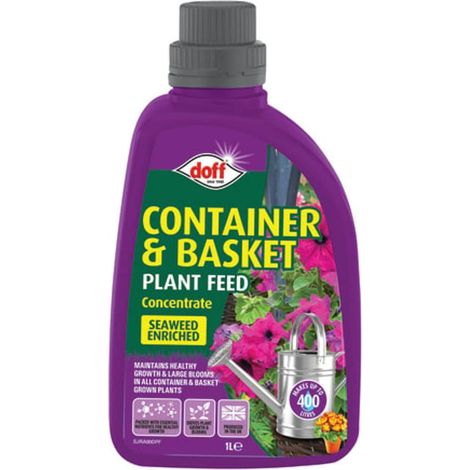
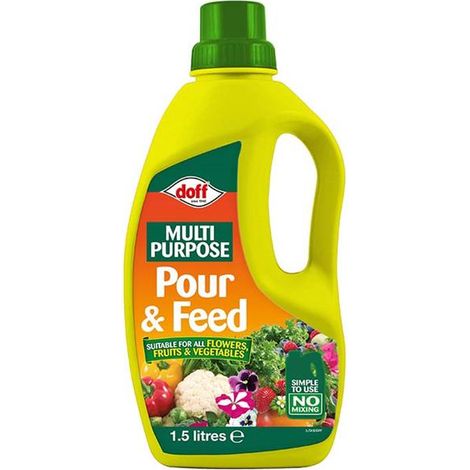
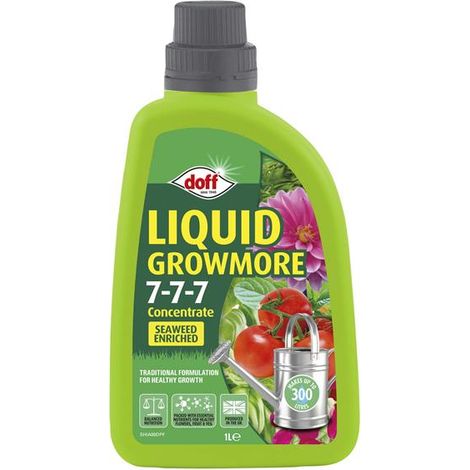
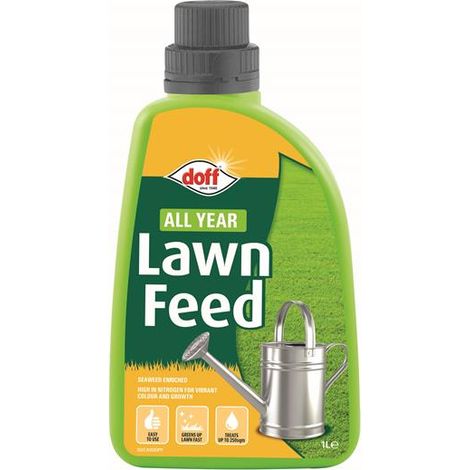
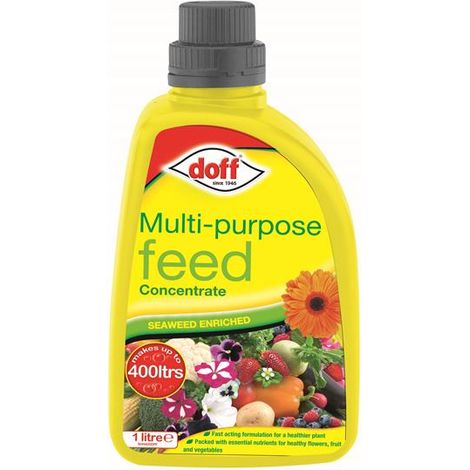
- the liquid plant fertilizer acts after a few days by spreading inside the soil;
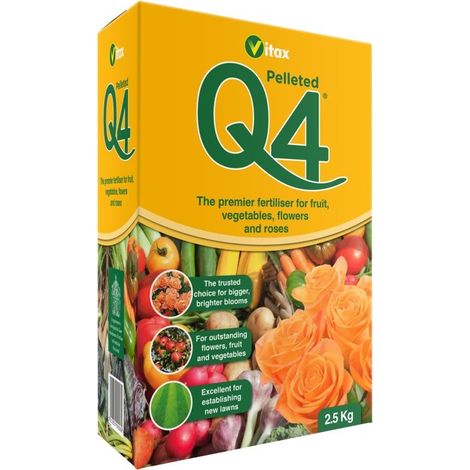
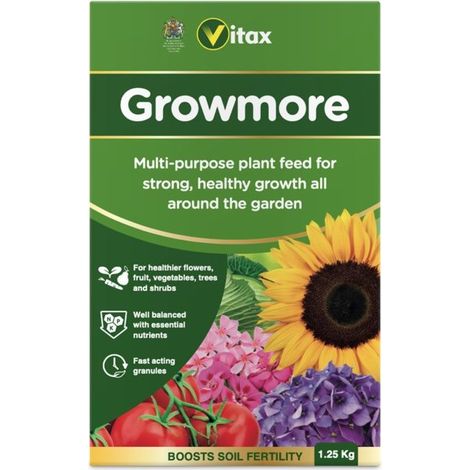
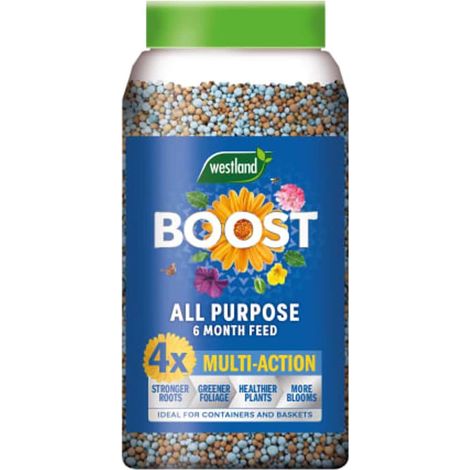
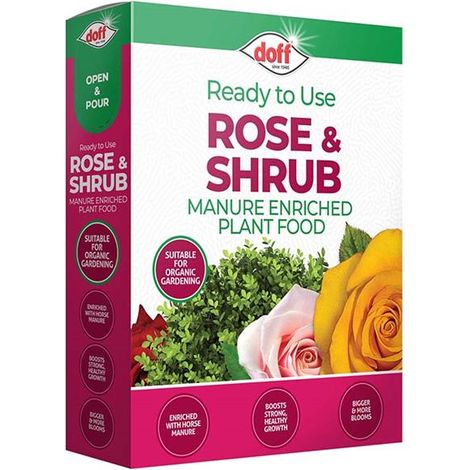
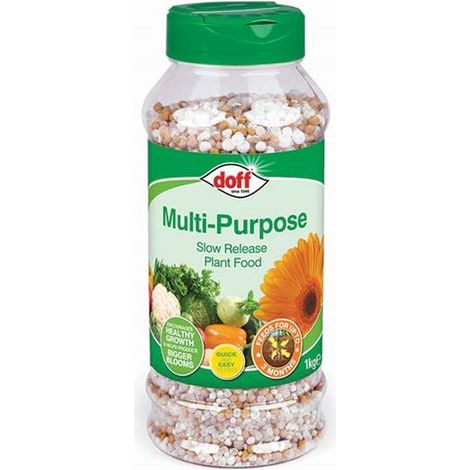
- the powder or granulated fertilizer does not disintegrate until several weeks after its application.
To grow healthily, a plant needs nutrients that it absorbs through its roots. Among other substances, these basic nutrients consist essentially of:
- nitrogen, symbolized by N. This element is necessary for the growth of plants. Nitrogen should be prioritized to accelerate the production of fruits and vegetables;
- phosphorus, symbolized by P. Plants use this element to develop their roots, but also during fertilization periods. Phosphorus is especially recommended to improve fruiting;
- potassium, symbolized by K. In addition to developing several organs of the plants, potassium allows plants to resist more against the cold and parasites.
Consequently, it is important to select the type of fertilizer according to the state in which the plant is.
In short, it is not necessary to be an agronomy engineer to use plant fertilizer. However, it is imperative to respect the doses recommended by the manufacturer to avoid polluting the environment.


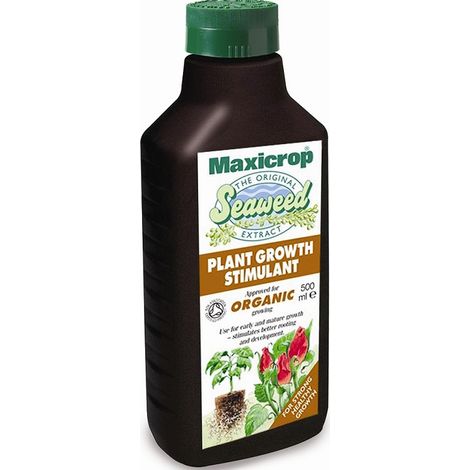


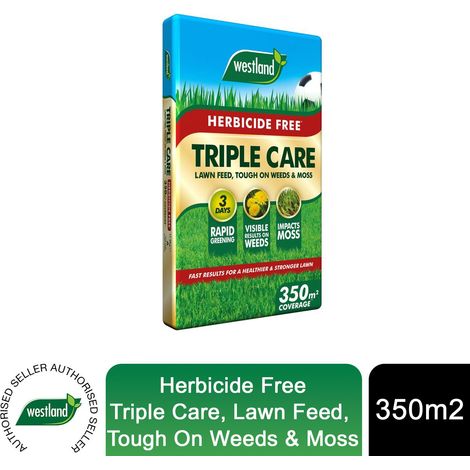

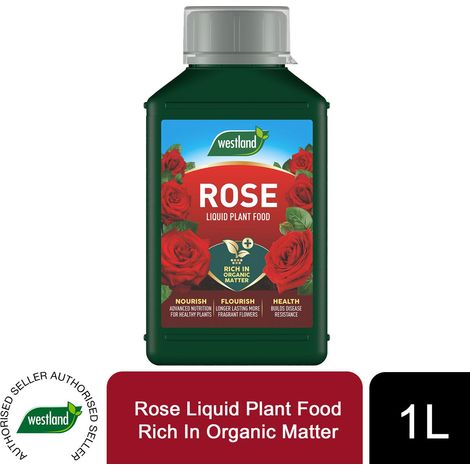
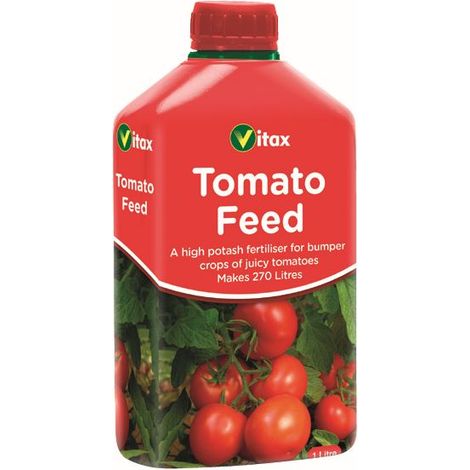

















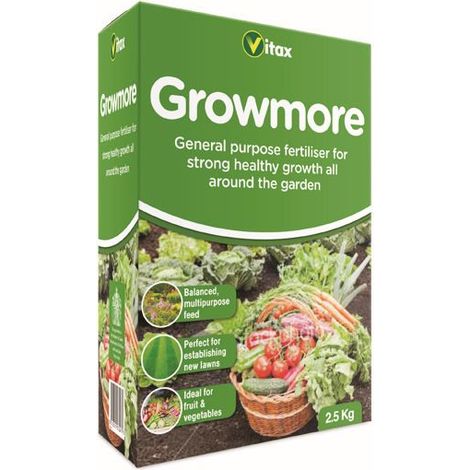
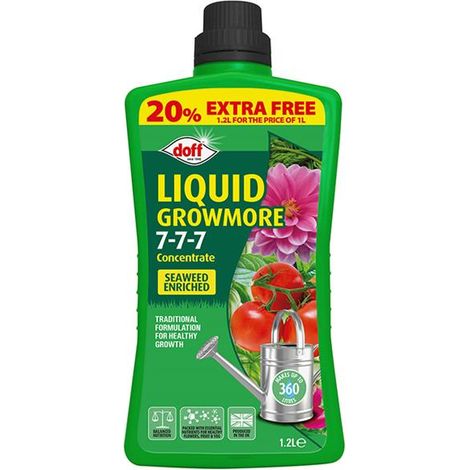
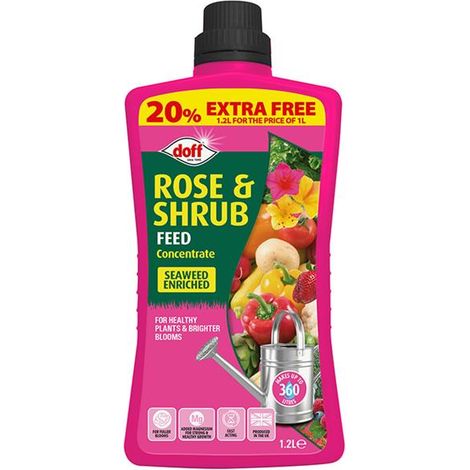
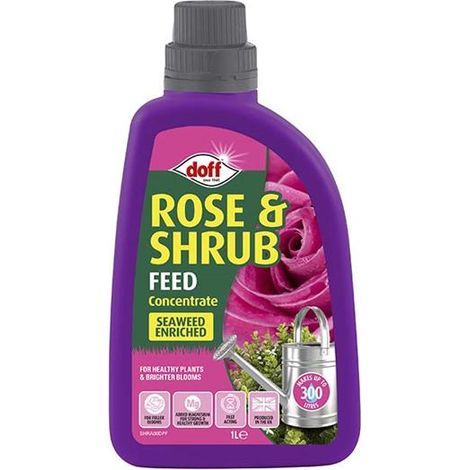



'/%3E%3C/svg%3E)
'/%3E%3C/svg%3E)