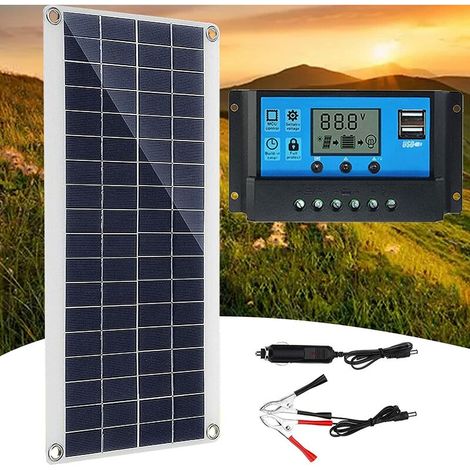
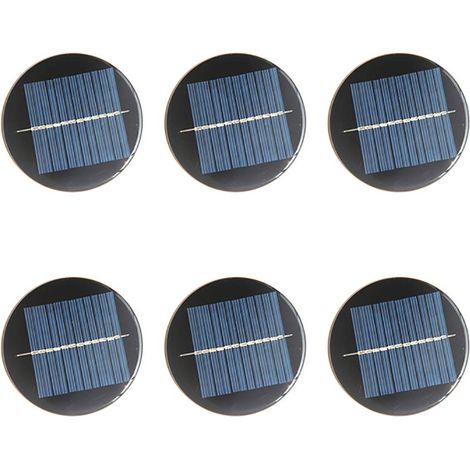
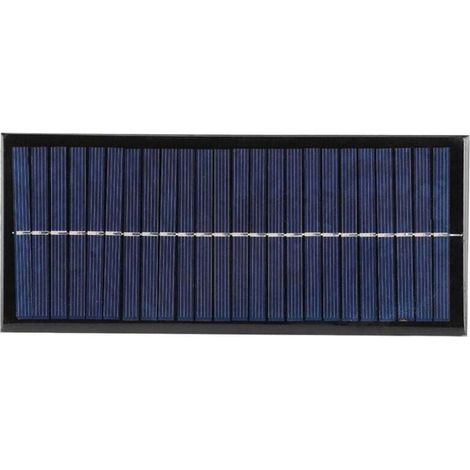
Installing photovoltaic solar panels allows for the generation of clean electricity to meet the needs of a household, and even to sell the surplus production. Available models are made of polycrystalline, monocrystalline, or amorphous silicon, and they vary in terms of their surface area and efficiency.
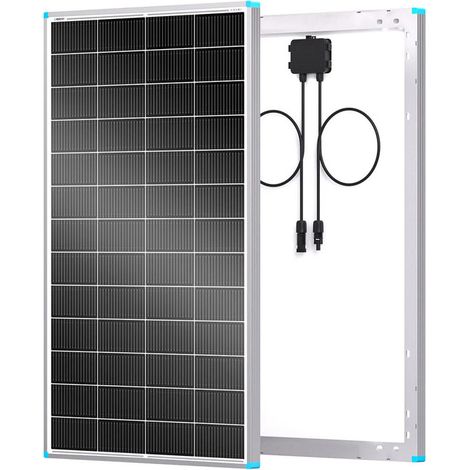
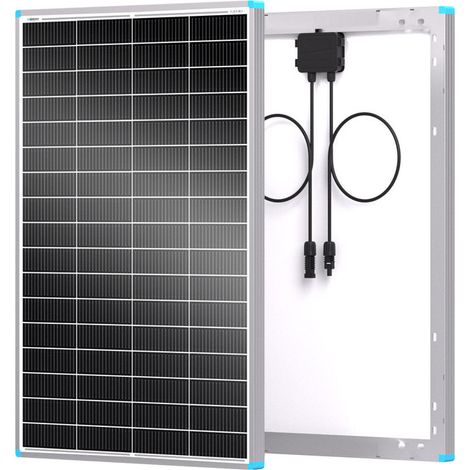
Photovoltaic panels consist of four types of components:
- photovoltaic cells connected in series and parallel each producing 0.5 V;
- a metal grid and a conductive plate to collect the electrical current produced by the cells;
- a transparent glass plate covering everything;
- a metal chassis that protects them from shocks while ensuring they are securely attached to the roof.
There are three types of photovoltaic solar panels.
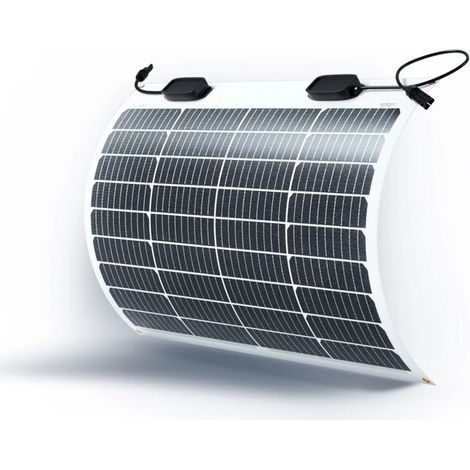
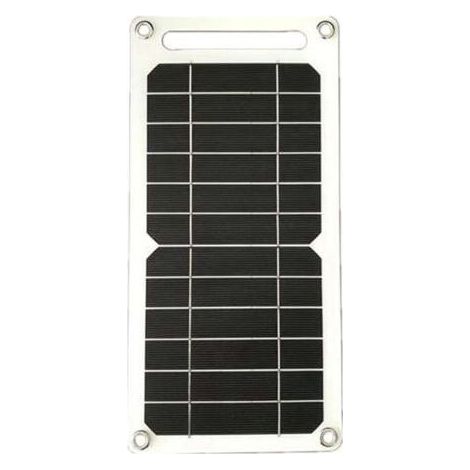
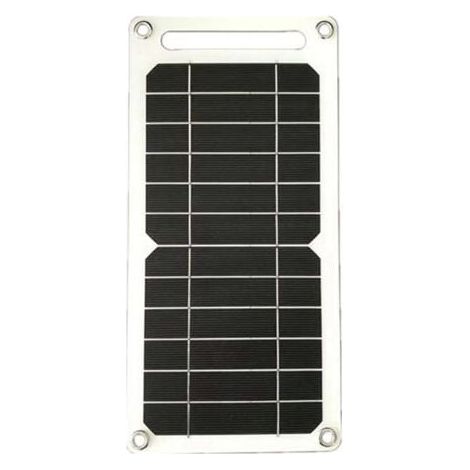
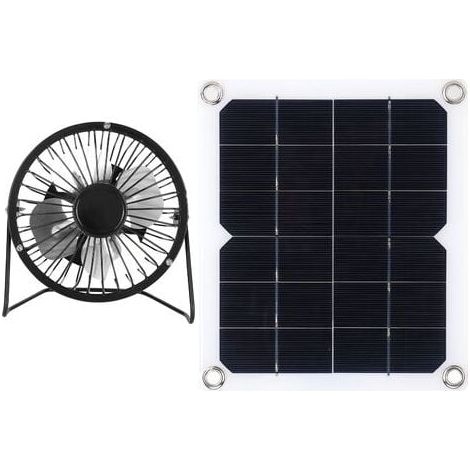
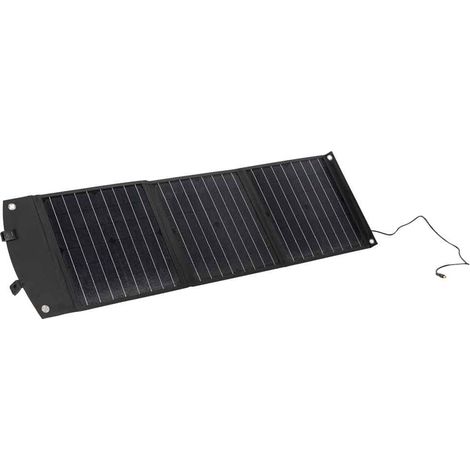
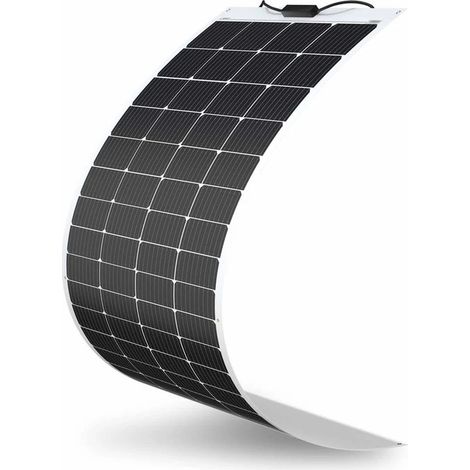
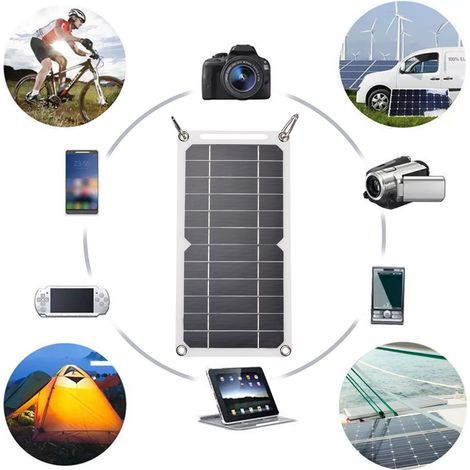
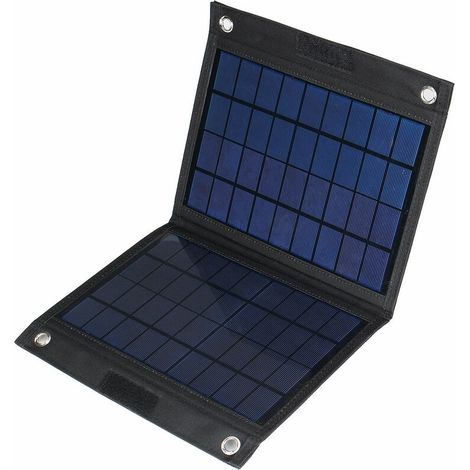
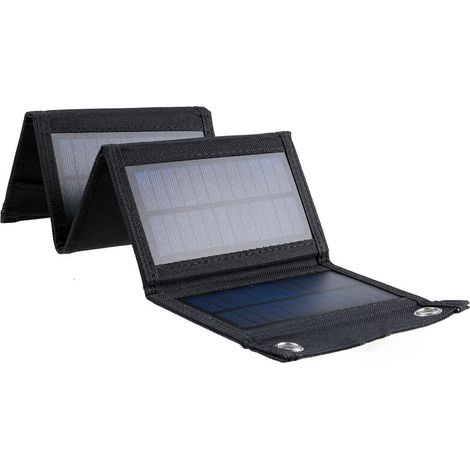
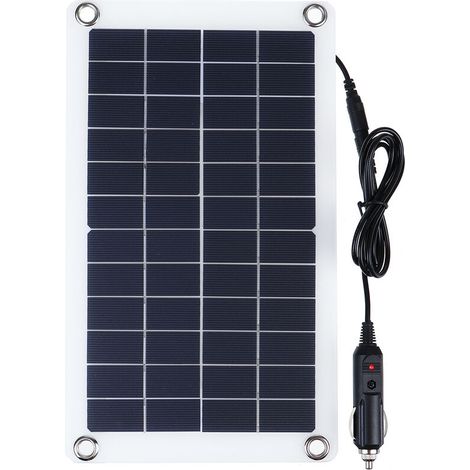
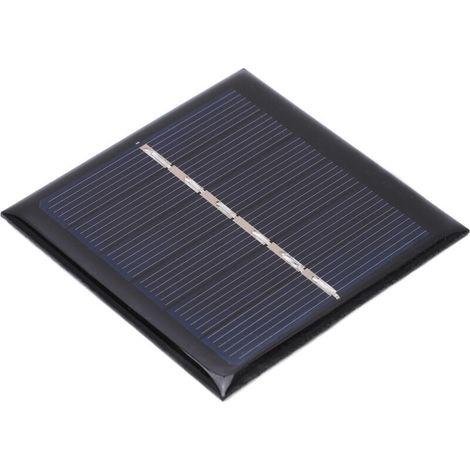
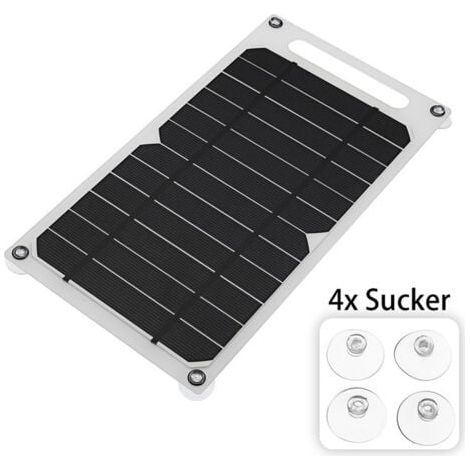
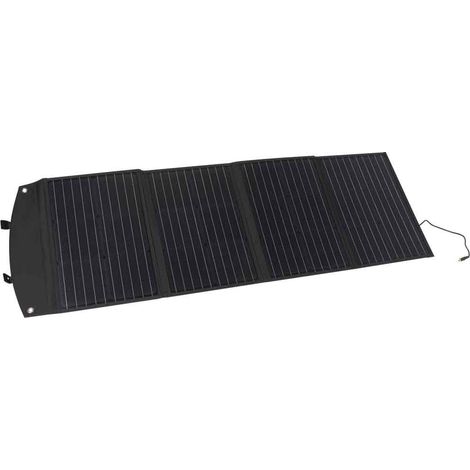
Amorphous silicon models are appreciated for their affordable price. They generate about 60 Wc/m² (peak power per square meter) and thus have an efficiency of 6%. This type of equipment has the advantage of functioning even under diffuse light. It is suitable for a flexible support, and therefore, for nomadic use.
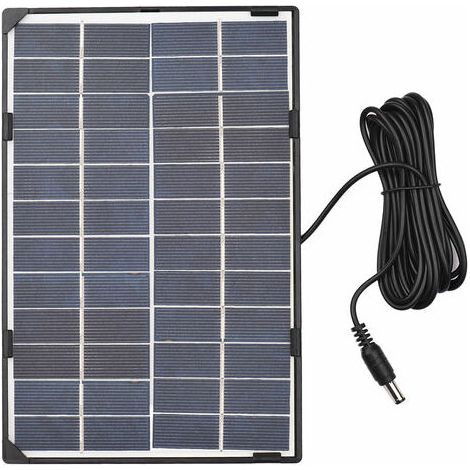
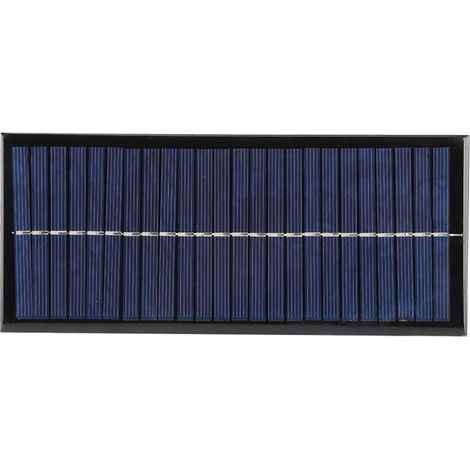
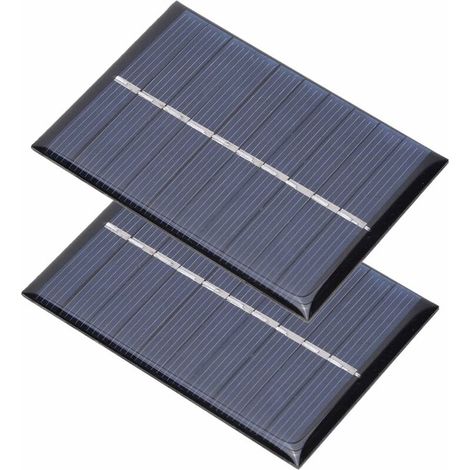
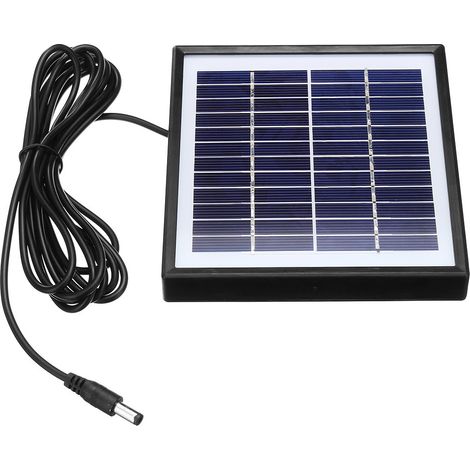
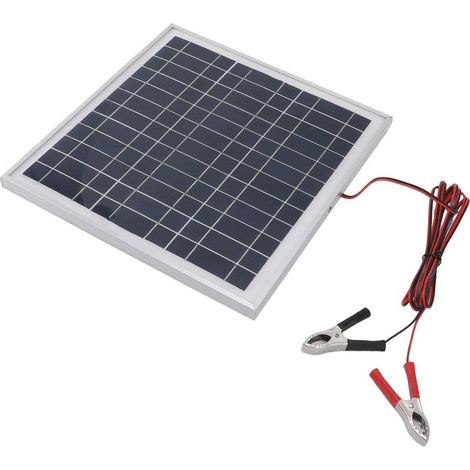
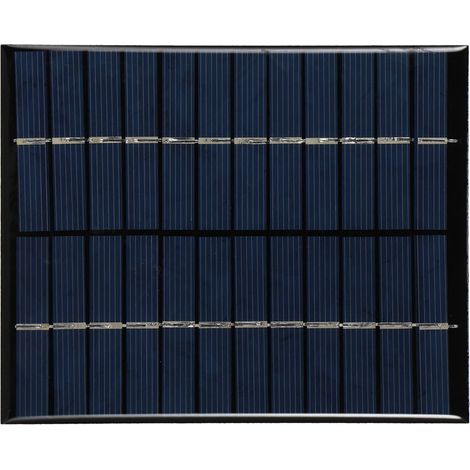
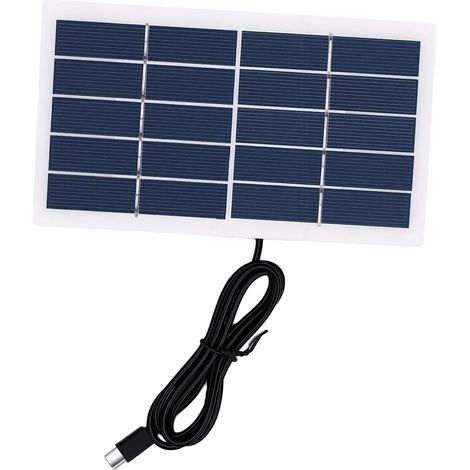
Polycrystalline silicon models exhibit a power of 100 Wc/m², or an efficiency of nearly 15%. They are identifiable by the blue spots that become visible when exposed to light. This type of equipment is efficient in clear weather.
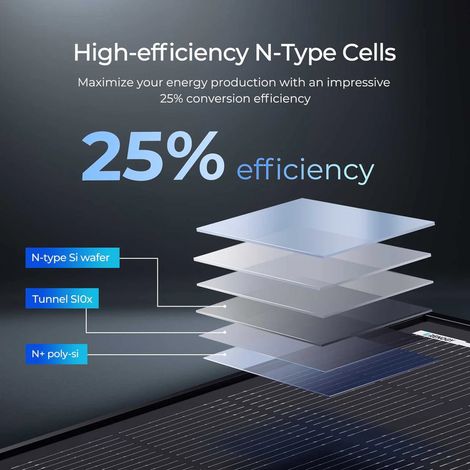
Monocrystalline silicon models are the most powerful, with an efficiency ranging from 16% to 24%.
Various parameters must be considered to determine the size of the photovoltaic panels to be installed.
The peak power per square meter (Wc/m²) depends on the technology used by the chosen equipment. For information, this variable corresponds to the power provided by the device with light of 1,000 W (similar to that of the sun) and at a temperature of 25 °C.
The amount of energy (kWh) to be produced over the year. Users must therefore properly assess their needs.
The sunlight of the region depends on the geographical location. In the south, productivity can reach 1,250 kWh/kWc/m² as opposed to 850 kWh/kWc/m² in the north.
The available space for installing the device. This parameter is important as this type of equipment occupies space.
It is worth noting that orientation affects the efficiency of these devices. The ideal is to orient them due south at an angle of 35° to the horizontal.
Thus, the choice of photovoltaic solar panels depends primarily on the location of the home (sunlight and orientation) and the household's energy needs (amount of energy to be produced and technology).



















'/%3E%3C/svg%3E)
'/%3E%3C/svg%3E)