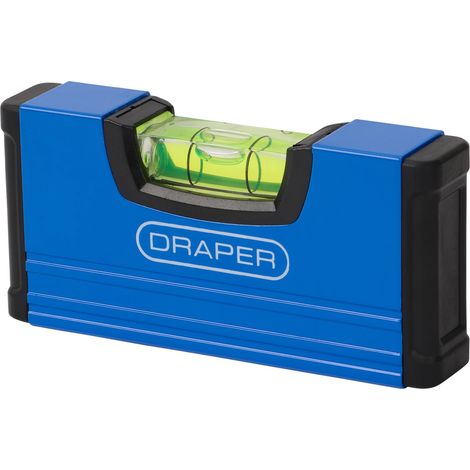
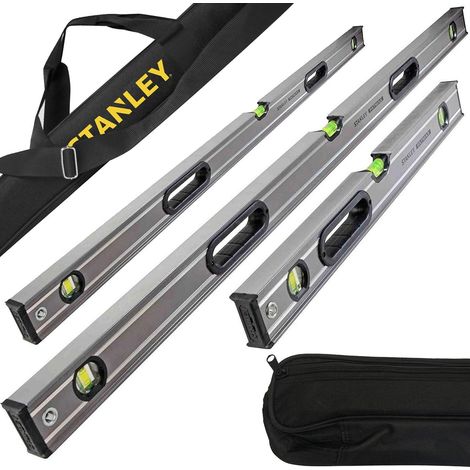
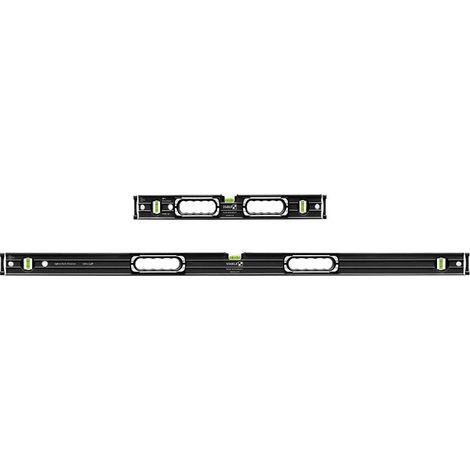
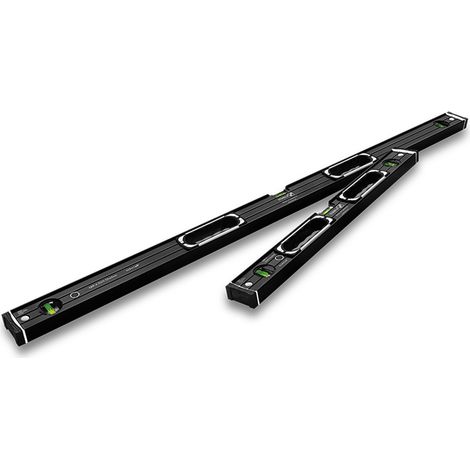
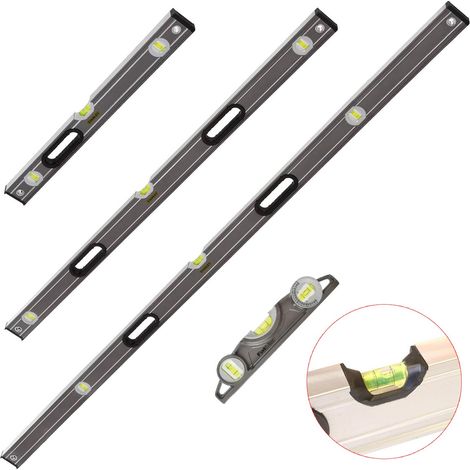
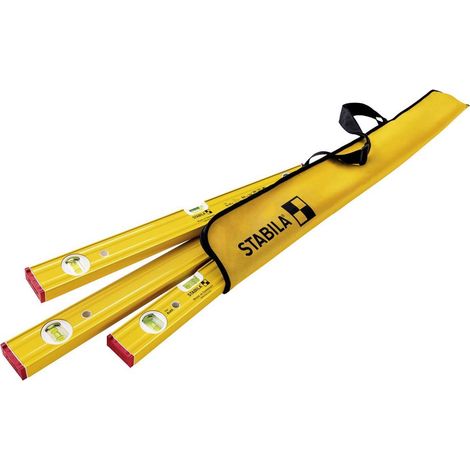
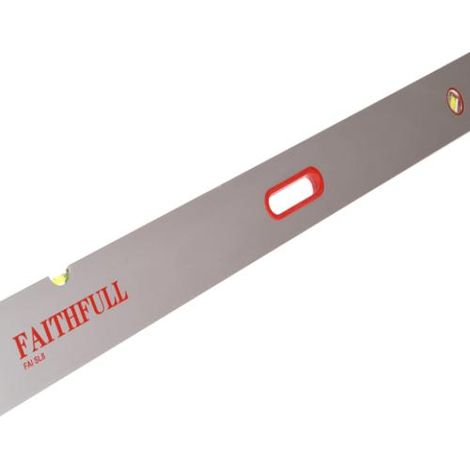
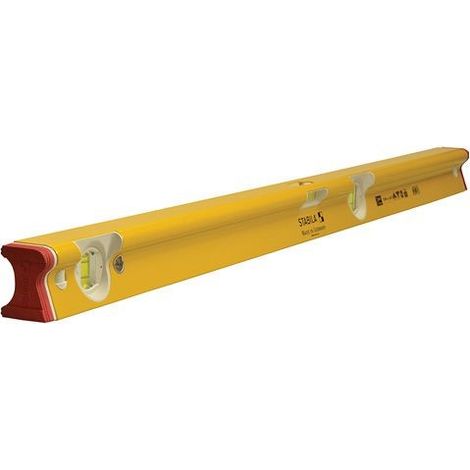
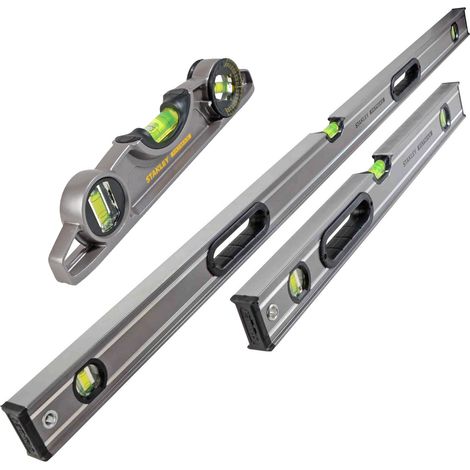
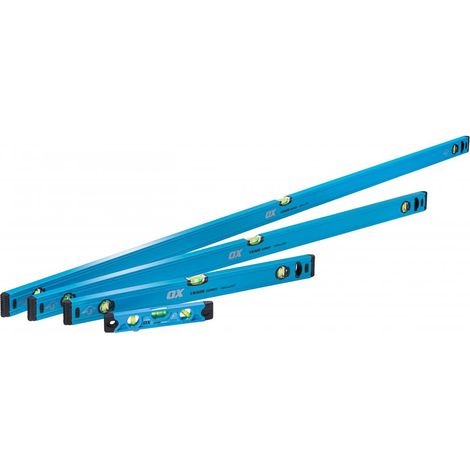
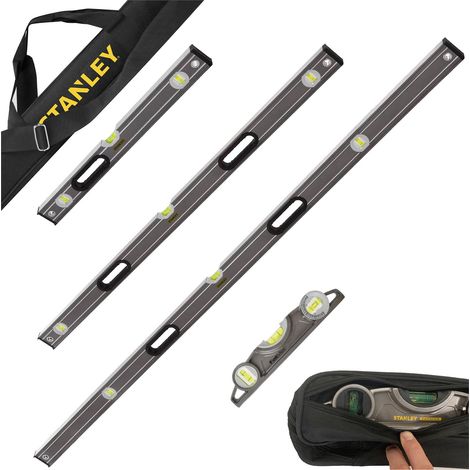
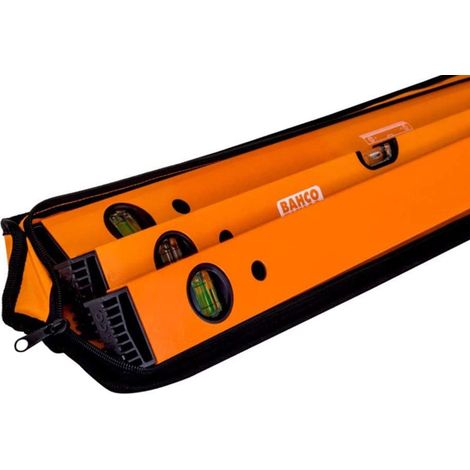
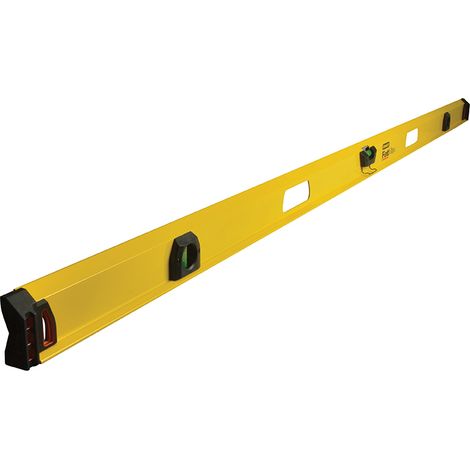
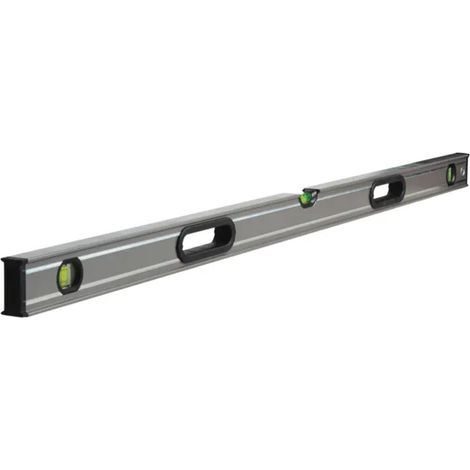
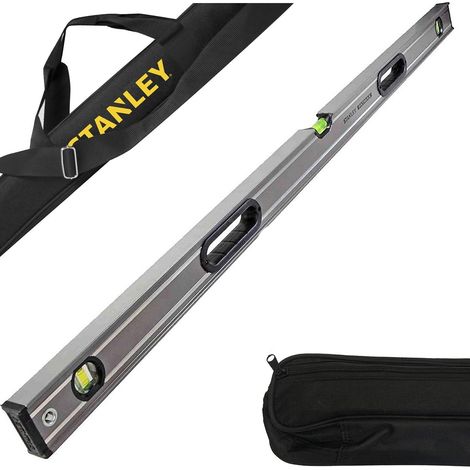
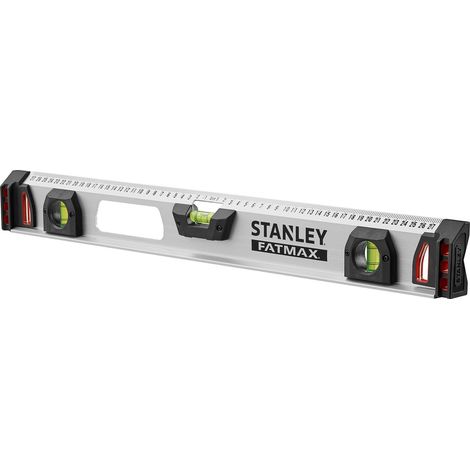
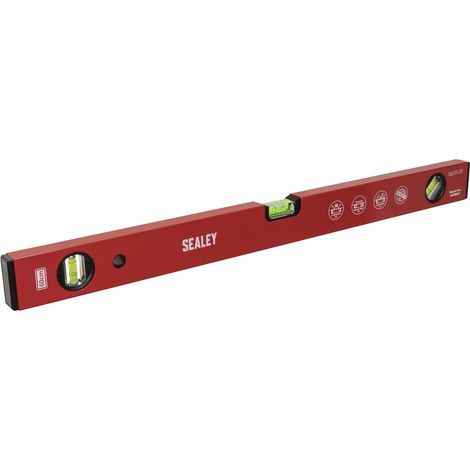
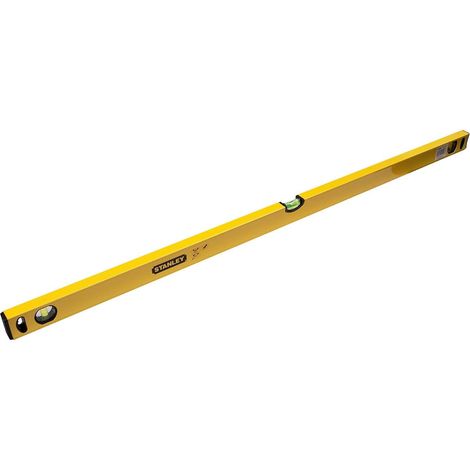
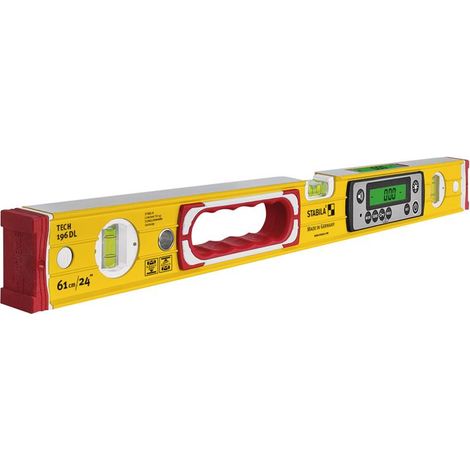
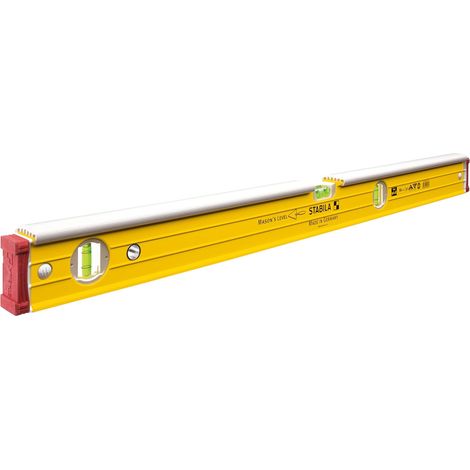
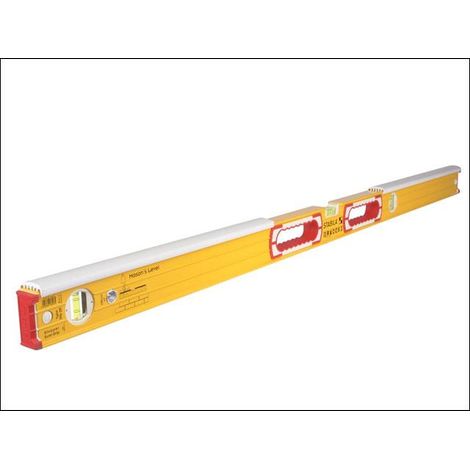
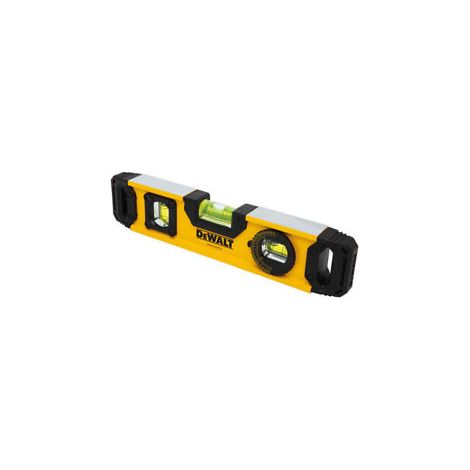
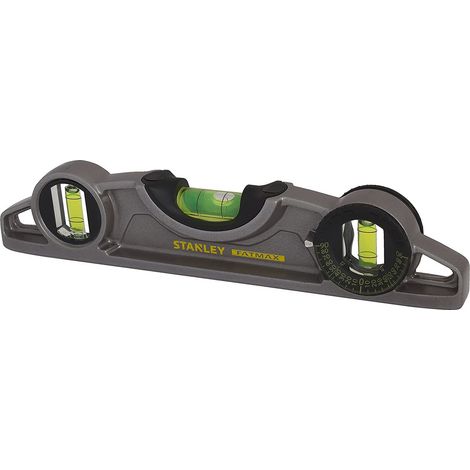
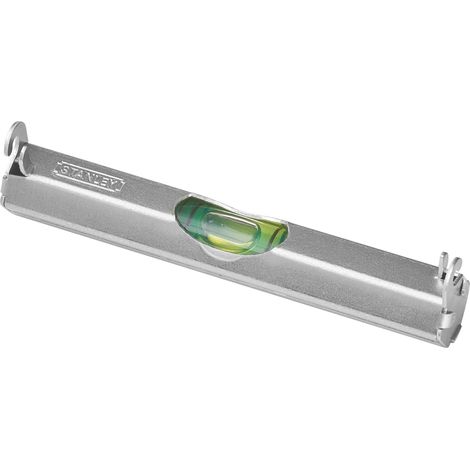
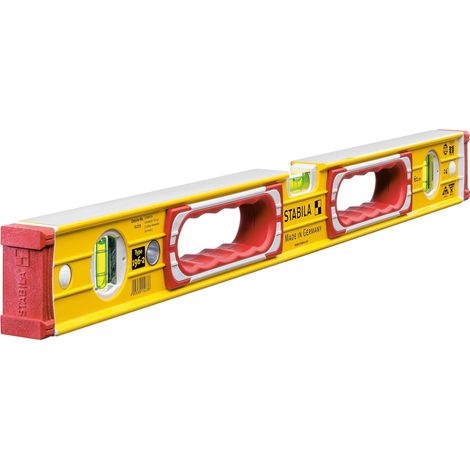
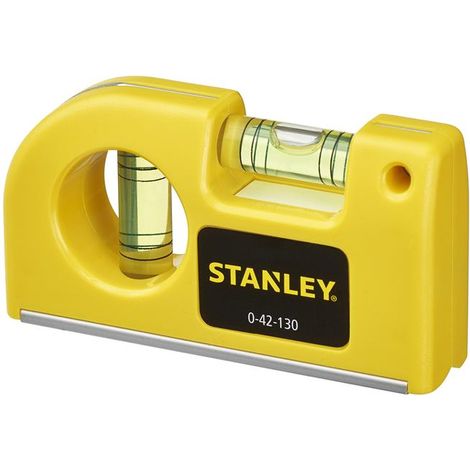
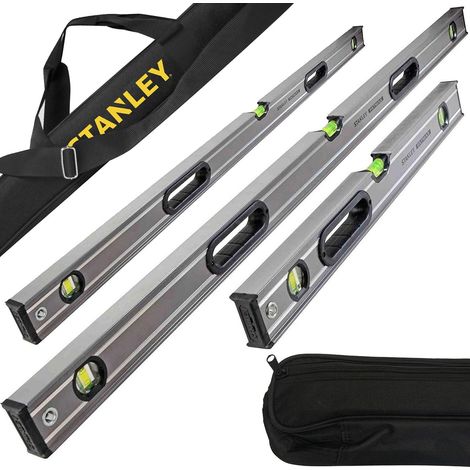
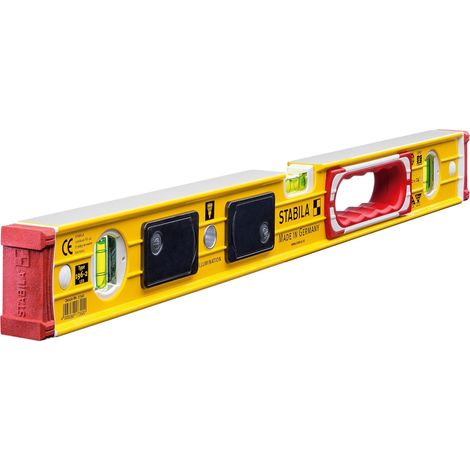
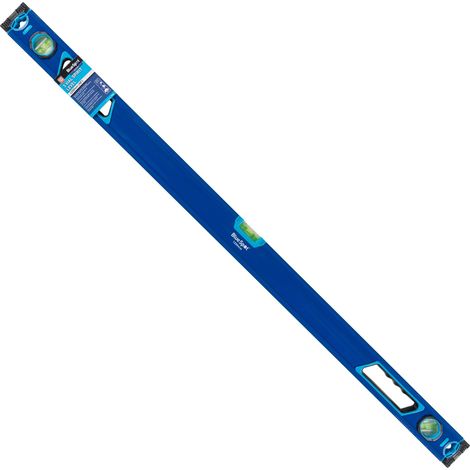
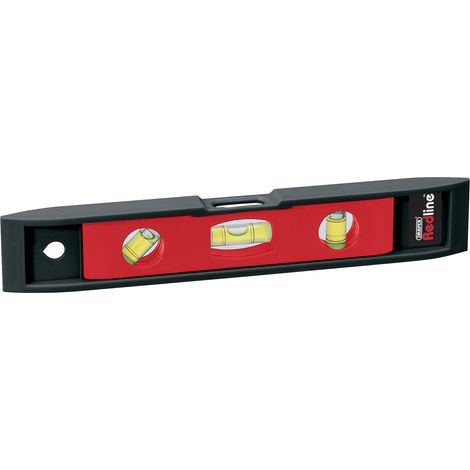
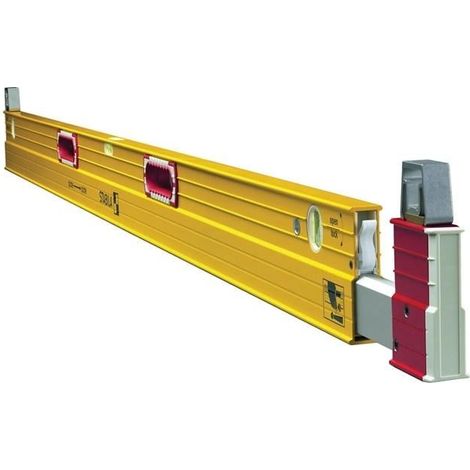
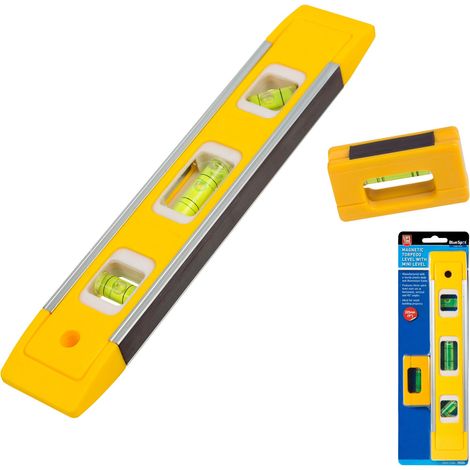
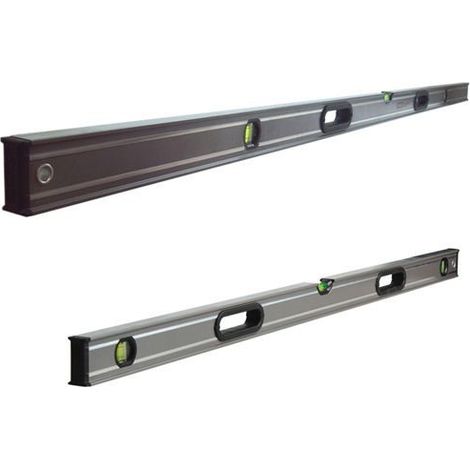
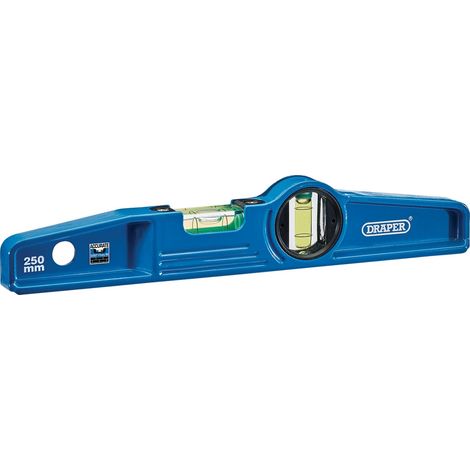
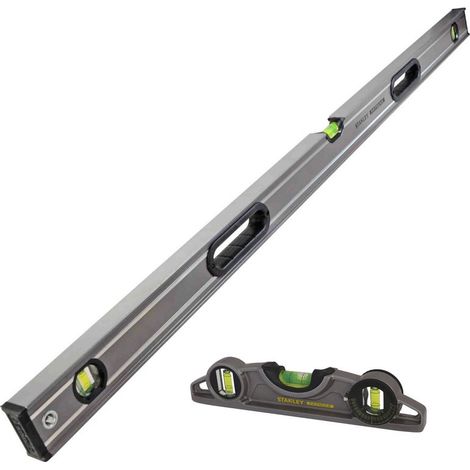
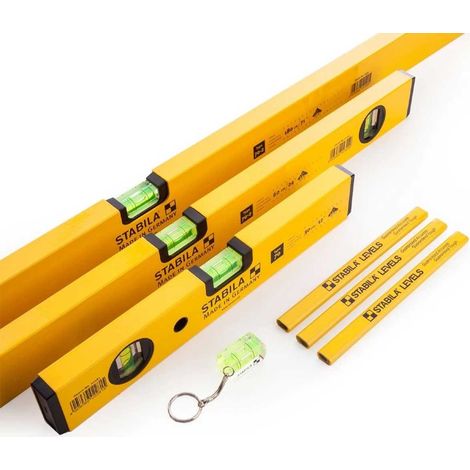
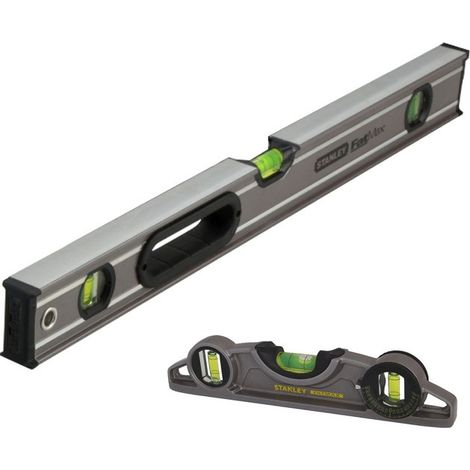
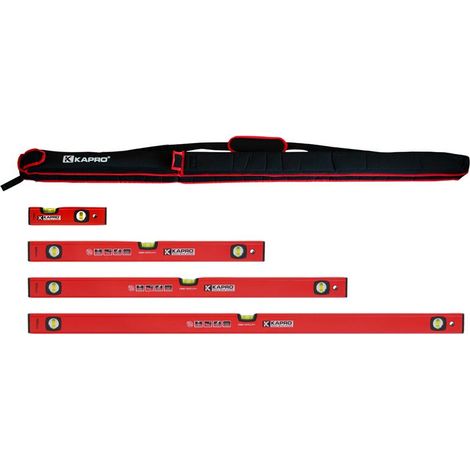
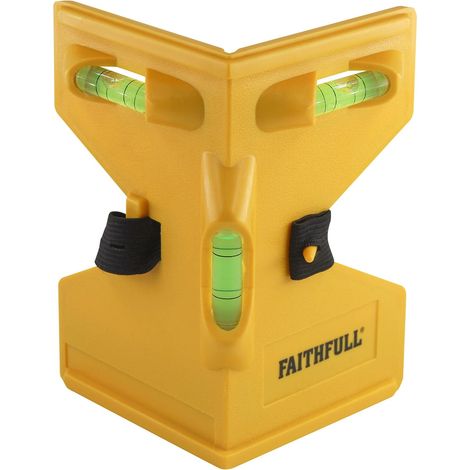
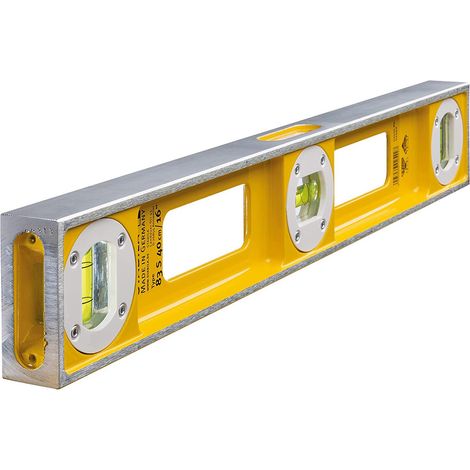
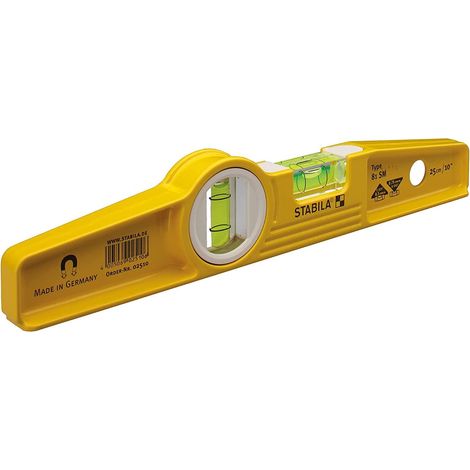
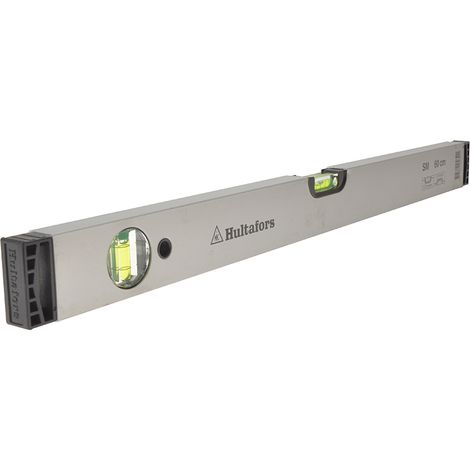
The spirit level is a tool used for checking the verticality and horizontality of a masonry work. It is especially essential for installing a wall shelf, laying tiles in the bathroom, or building a small wall in the garden.
There are several types of levels suitable for the tasks to be carried out, including:
- the standard bubble model, the most widespread, used to quickly verify the perfect horizontality or verticality of a structure;
- the version equipped with vials designed to control 45° inclinations;
- the laser model allowing for the analysis of reference points at a distance.
The operating principle of the classic model is quite simple; it is equipped with:
- a chassis with a flat base;
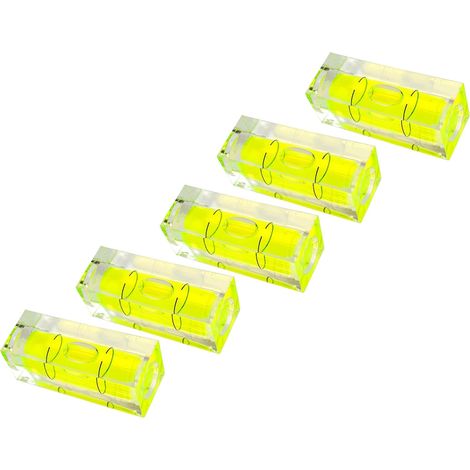
- a vial filled with colored liquid, attached to the chassis and containing an air bubble;
- two lines located on either side of the air bubble, indicating, based on its position, whether the structure on which the instrument rests is perfectly vertical or horizontal.
In case of hesitation between several models, certain parameters can be decisive. Masons particularly recommend:
- to prefer graduated versions for more precision, opting systematically for the smallest measurements (for example: half a millimeter per meter);
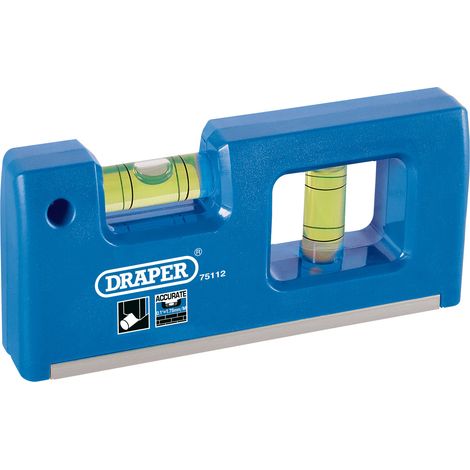
- to choose a compact and ergonomic instrument for confined spaces, allowing the user to check the flatness of their work without encountering accessibility problems;
- to use magnetized models for indoor work or on metallic supports.
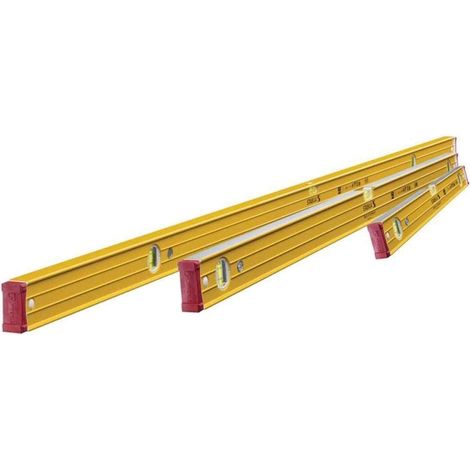
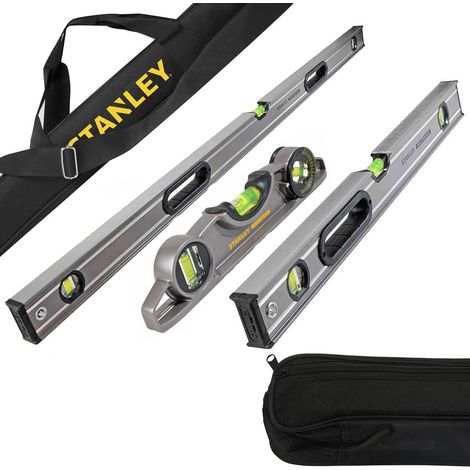
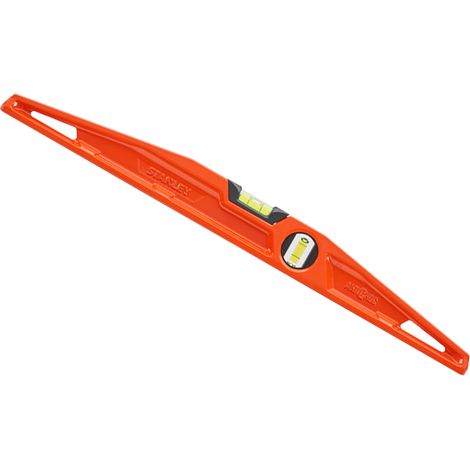
The spirit level comes in different forms depending on the work to be done. There are small, large, and models equipped with two or three vials. Professionals advise:
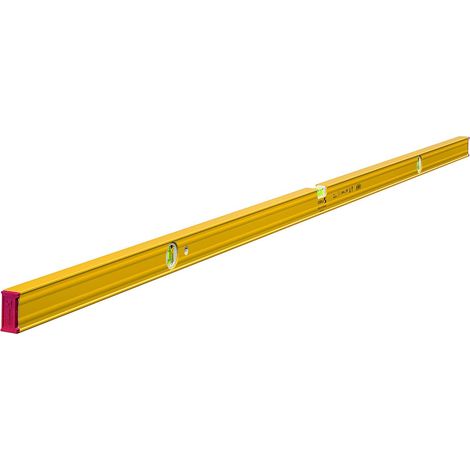
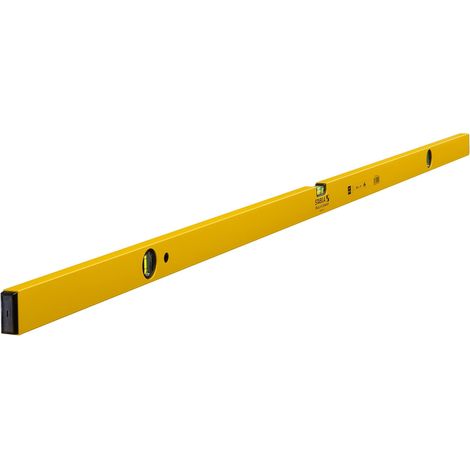
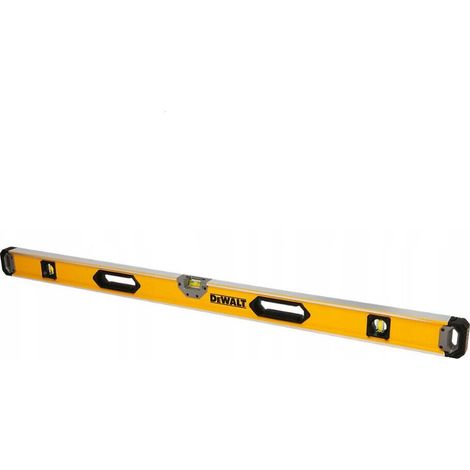
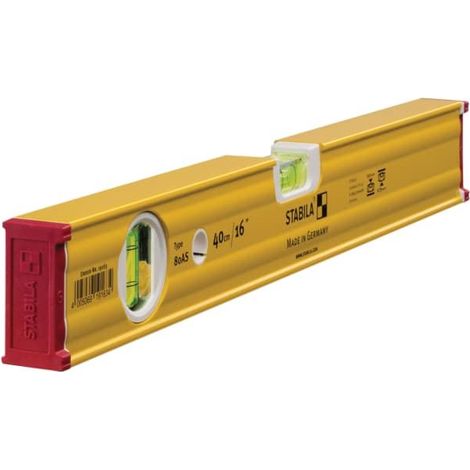
- to choose rectangular versions (with metal or plastic chassis) having at least two vials and a length of 40 cm to facilitate reading the instrument during indoor work;
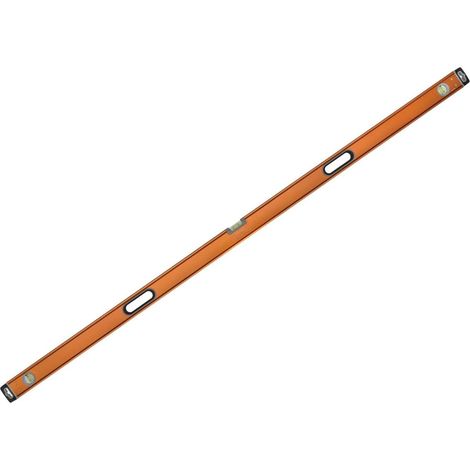
- to opt for a trapezoidal chassis model measuring at least 40 cm and containing two to three vials for outdoor work. Generally, their chassis is made of metal for more robustness. Thus, the instrument can withstand intensive use on an outdoor site and allow for the construction of large structures. It is strongly recommended to adapt the size of the instrument to the scope of the work.
The choice of a spirit level primarily depends on its future conditions of use. For more accuracy, it is better to opt for a model with half-millimeter per meter graduations. Furthermore, compact instruments are more suited for tight spaces.