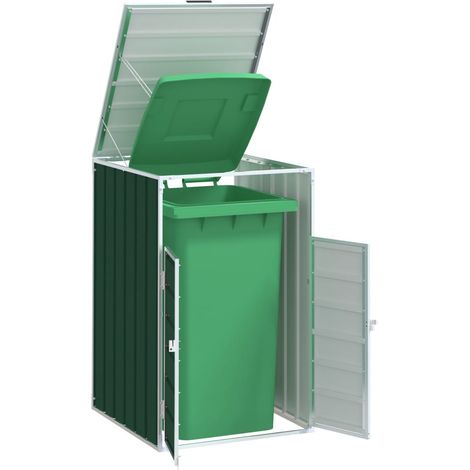
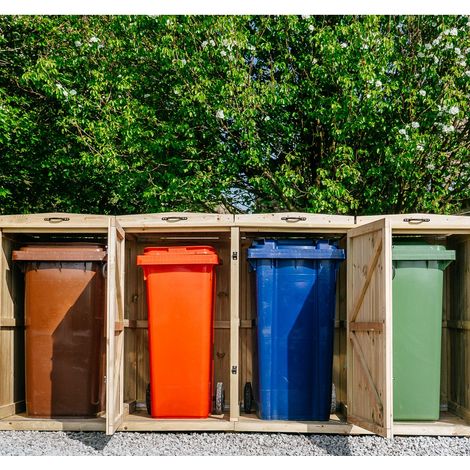
Trash can shelters are used to protect the bin that contains household garbage outside the house. Besides the bad smell, keeping waste inside can lead to health risks for the residents. Garbage indeed provides a breeding ground for microbes and other pathogenic microorganisms.
Modern trash cans are often designed to withstand outdoor conditions. However, trash can shelters are essential for:
- not harming the aesthetics of the house or property;
- containing the proliferation of pathogenic microorganisms;
- repelling stray cats and dogs as well as unwanted animals (martens, raccoons, ferrets, moles, etc.) that can knock over the trash can.
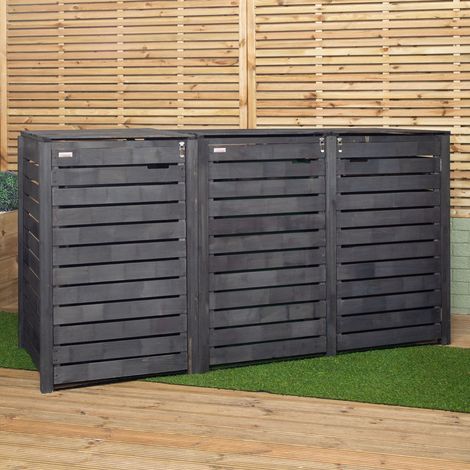
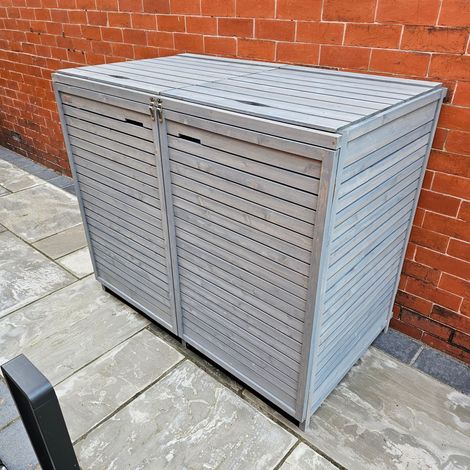
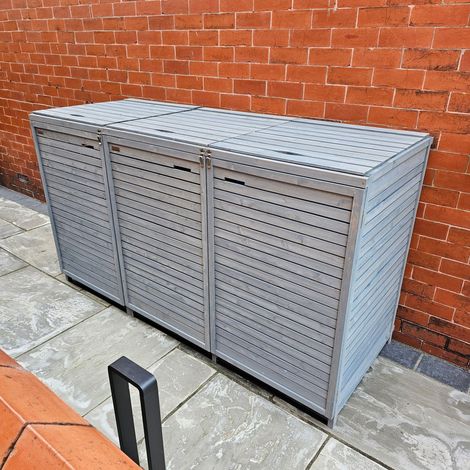
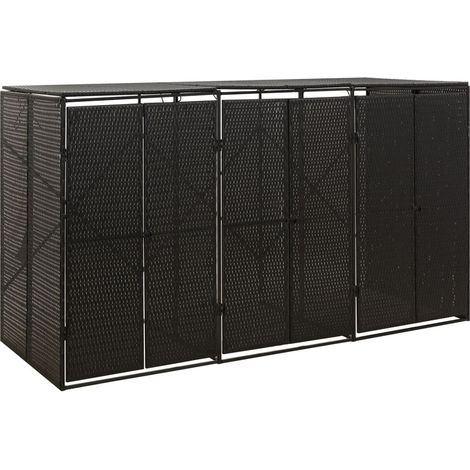
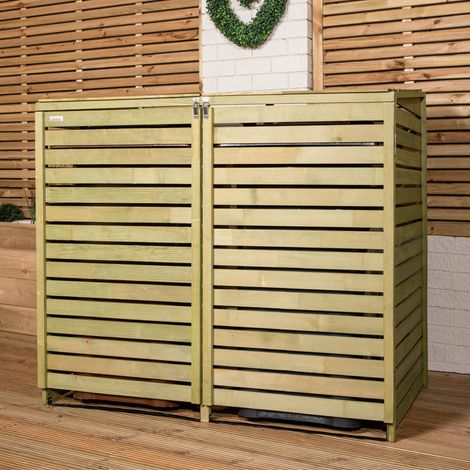
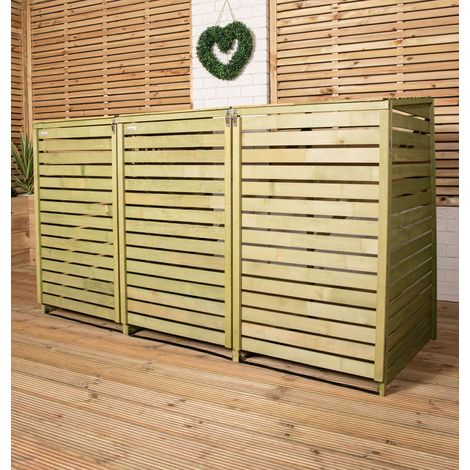
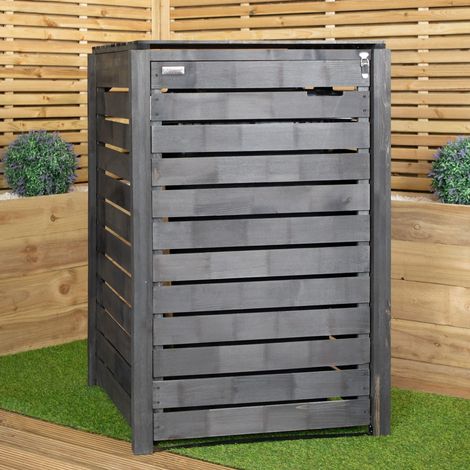
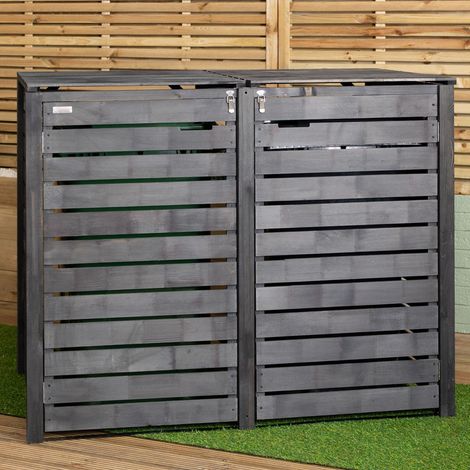
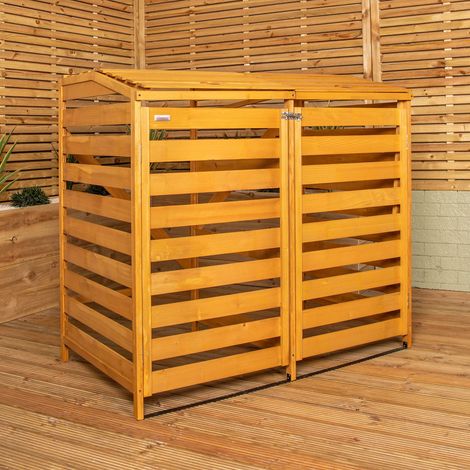
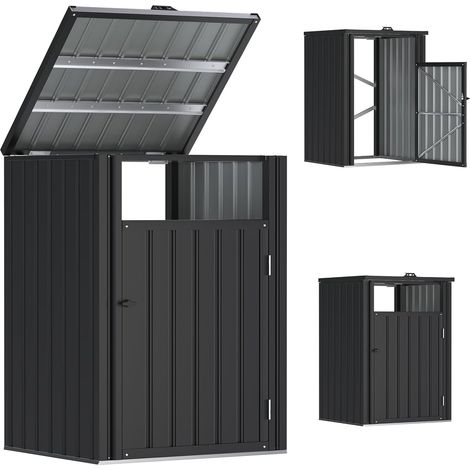
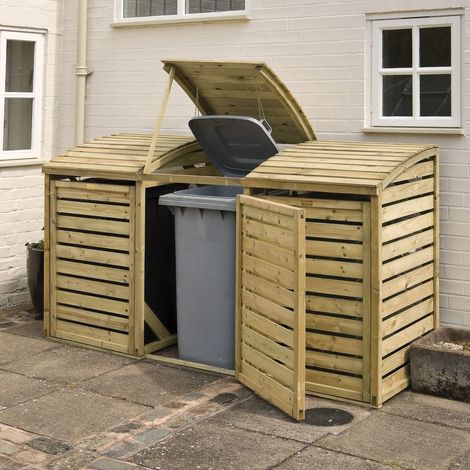
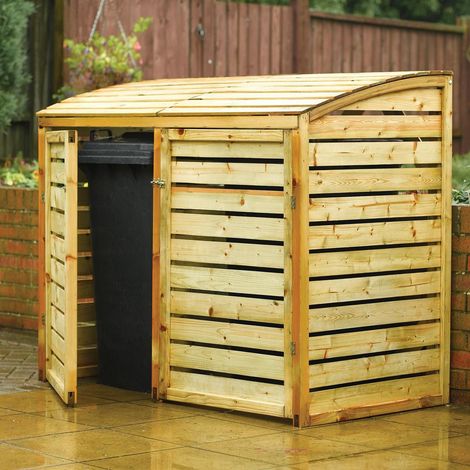
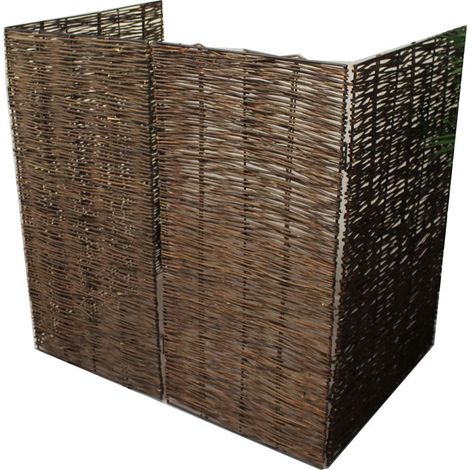
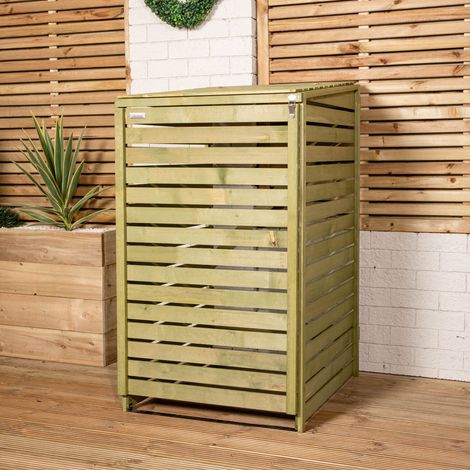
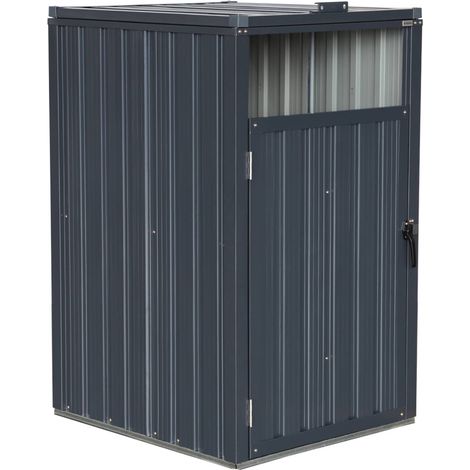
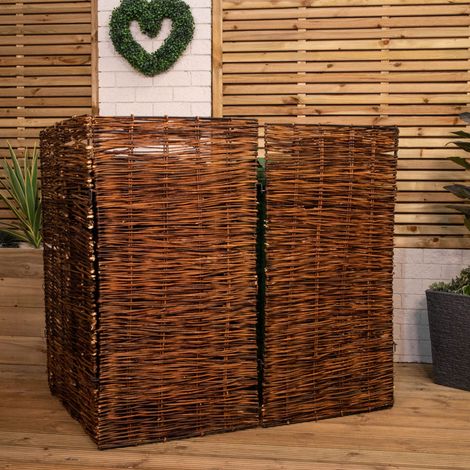
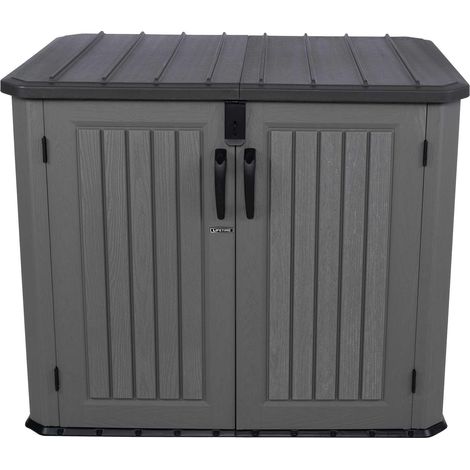
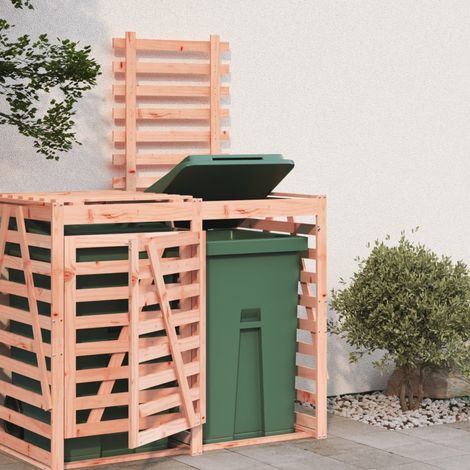
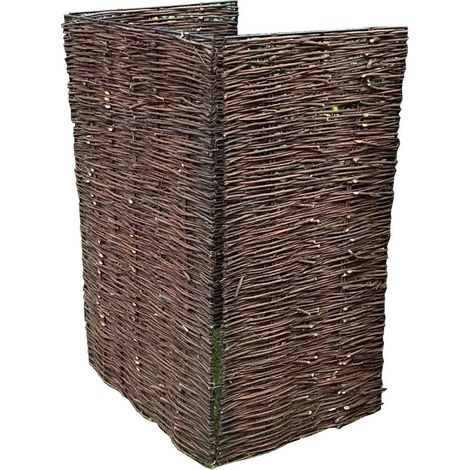
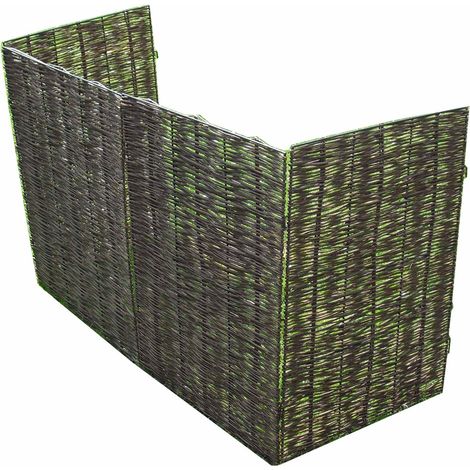
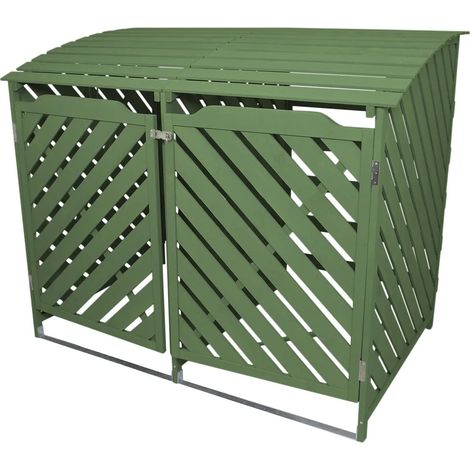
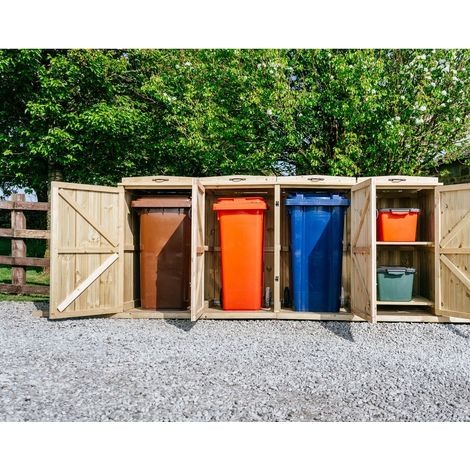
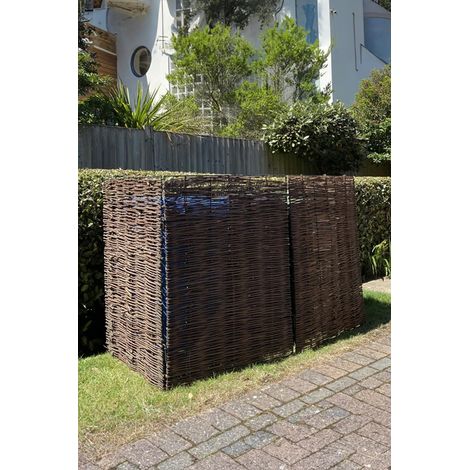
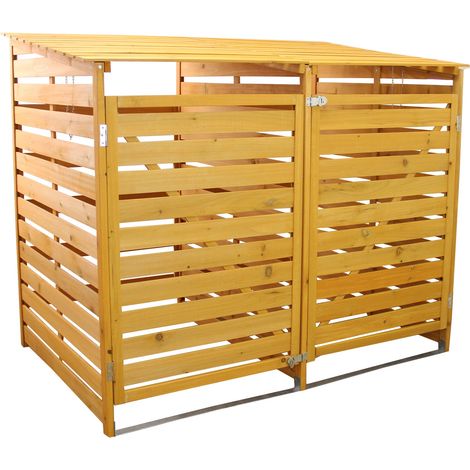
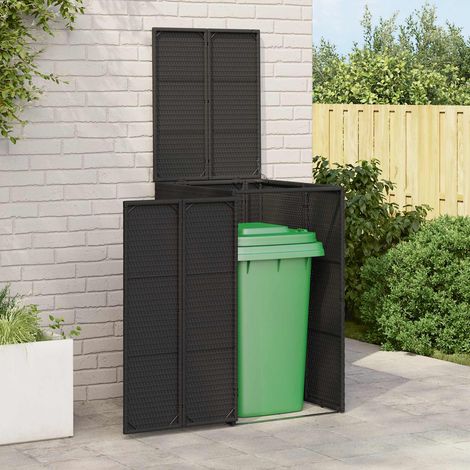
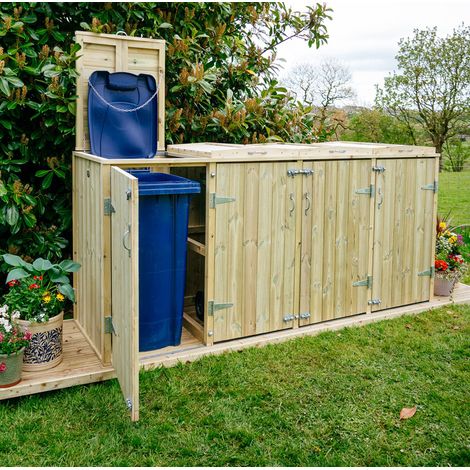
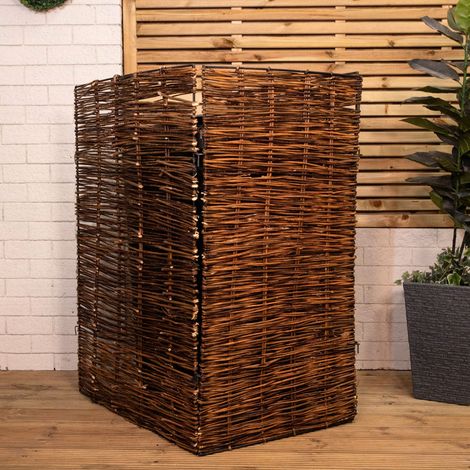
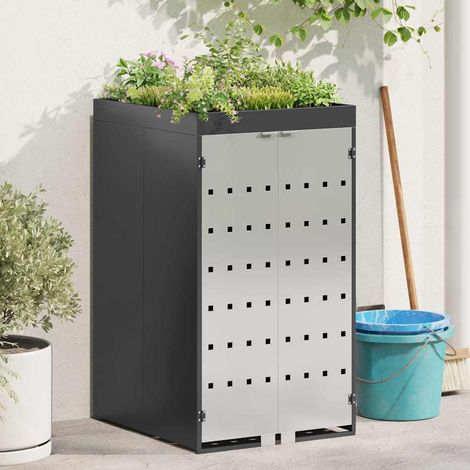
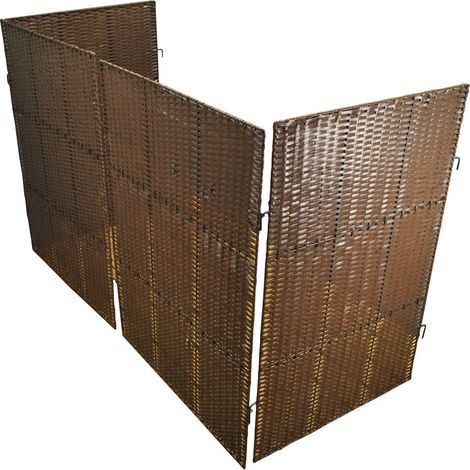
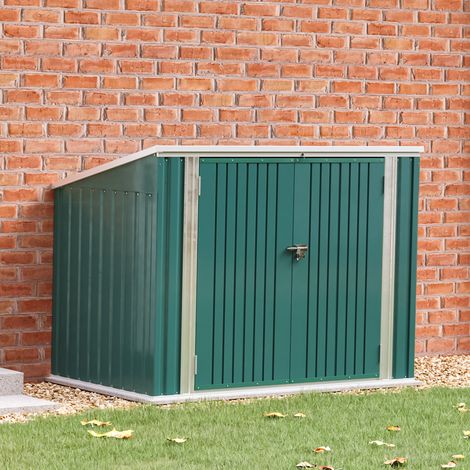
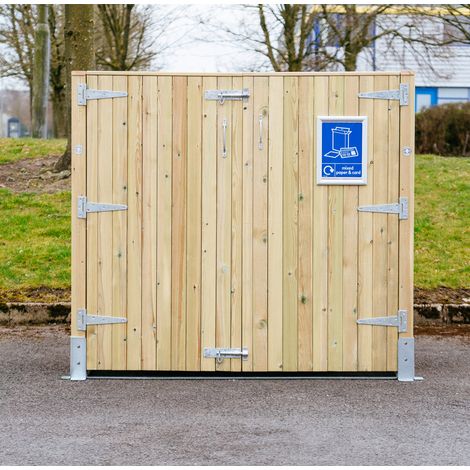
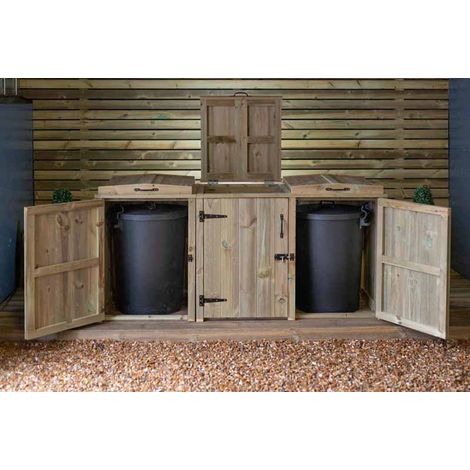
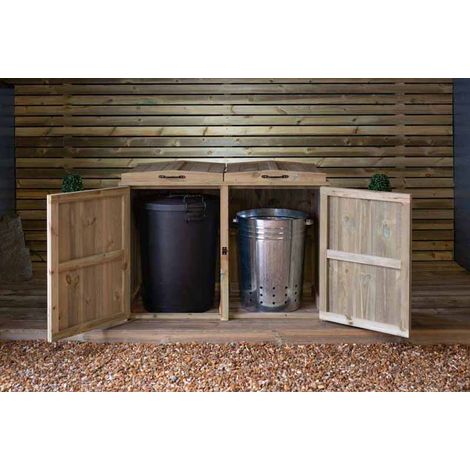
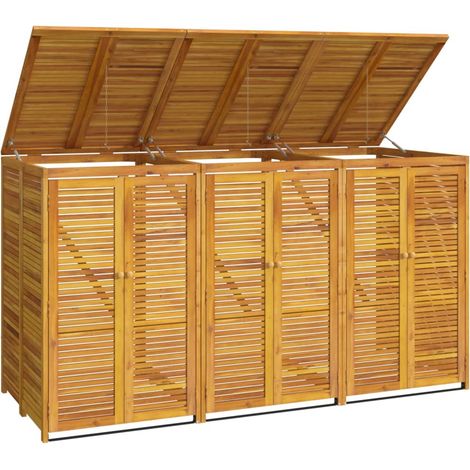
Trash can shelters are most commonly made of wood, PVC, or resin. Wooden models:
- are aesthetic and functional, but tend to fade over time;
- suit a period residence or a Provencal-style building;
- do not withstand outdoor weather conditions when the material is not treated;
- require regular maintenance (sanding, varnishing, painting, etc.) to improve their lifespan.
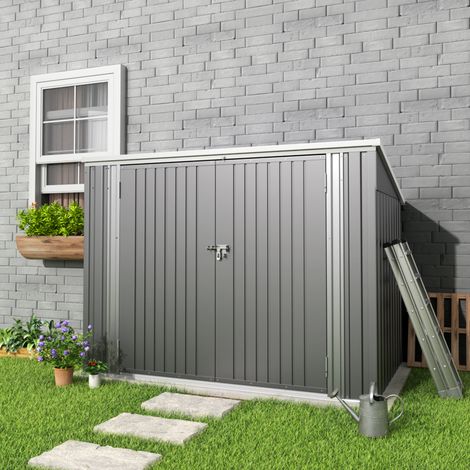
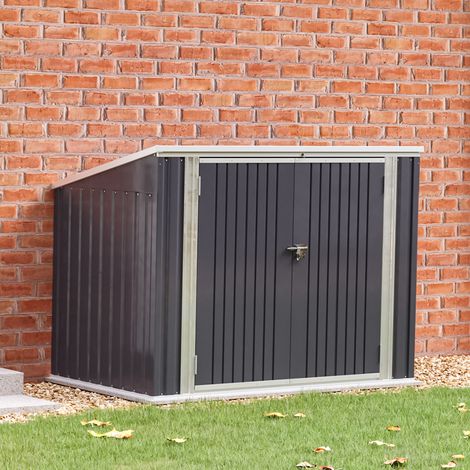
Due to the characteristics of the material, PVC trash can shelters:
- are suitable for outdoor use;
- prove to be lighter, more manageable, and practical;
- do not absorb bad odors emitted by the garbage due to their airtightness;
- lack the refined character of wood.
A trash can shelter is notably defined by:
- its capacity, mainly depending on the capacities of the trash cans used (models from 120 to 240 L are the most common among individuals);
- its dimensions, requiring a check of the height and width of the bin to be protected to avoid any surprises;
- the presence or absence of a floor, an essential element to ensure the shelter’s waterproofness and prevent runoff water from reaching the waste, then contaminating everything around;
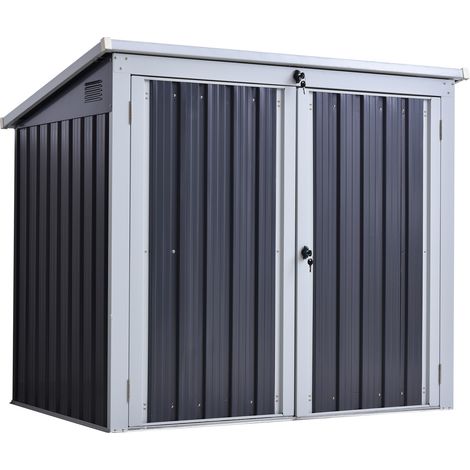
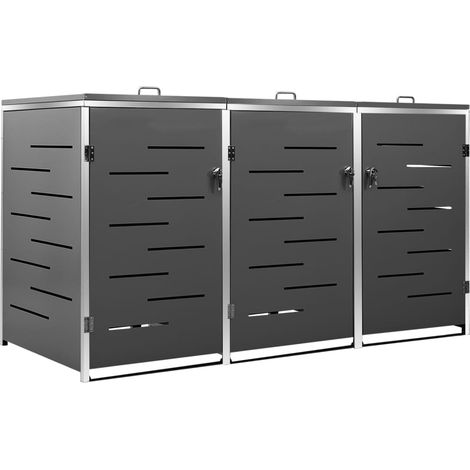
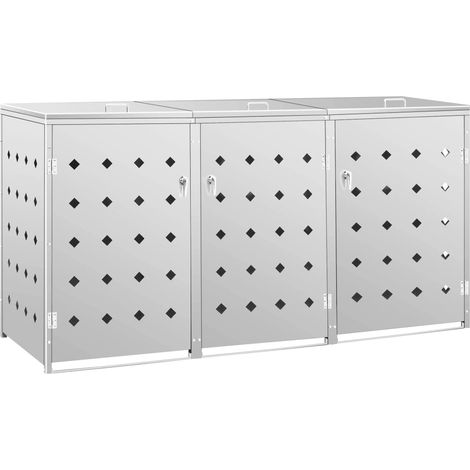
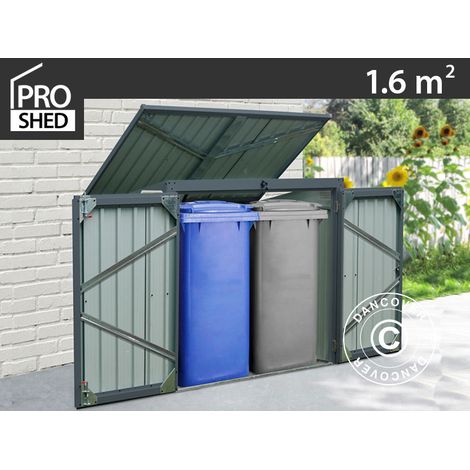
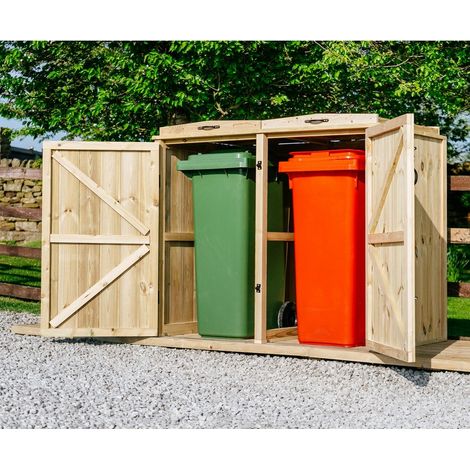
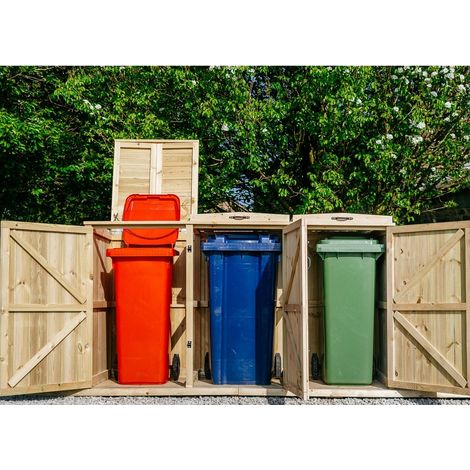
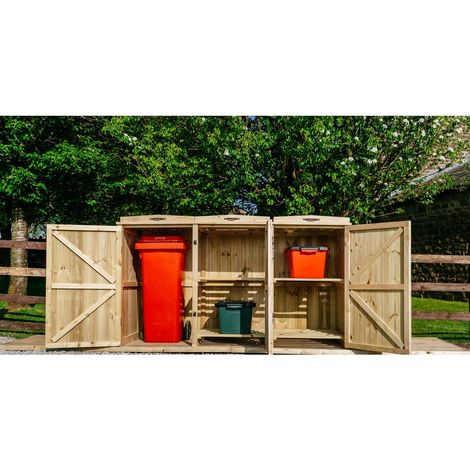
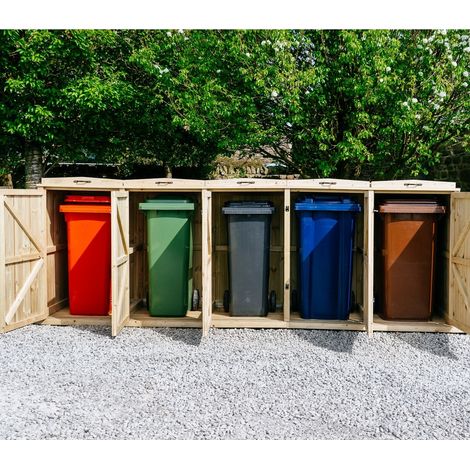
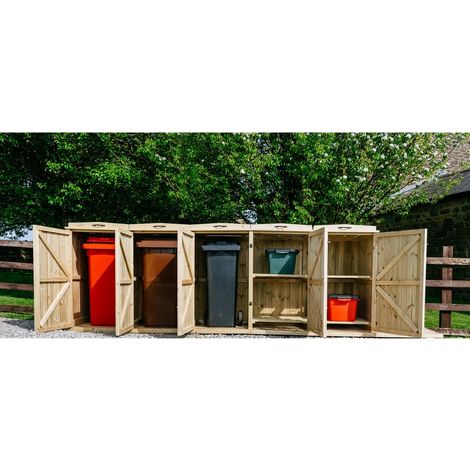
- the number of compartments, indicating the number of trash cans that can be contained within the shelter. It is better to choose a model with at least two compartments to be able to sort household waste selectively.
To choose a trash can shelter model, it is essential to consider the size of the container and the climatic conditions prevailing in the region (whether sunny, rainy, windy, etc.). The presence of pests, which can knock over the trash can, must also be taken into account.












'/%3E%3C/svg%3E)