A scroll saw is essential for cutting wooden pieces along a curve. Whether electric or manual, it allows luthiers, cabinetmakers, marquetry artists, and model-making enthusiasts to carry out precision work.
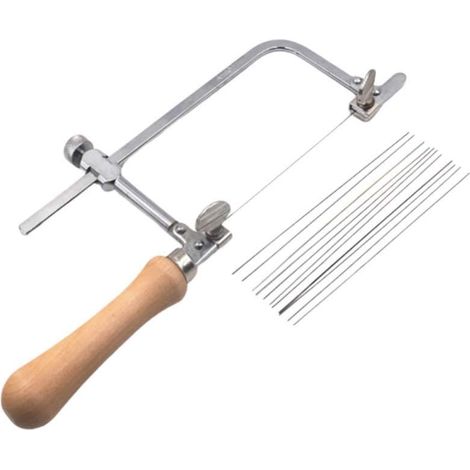
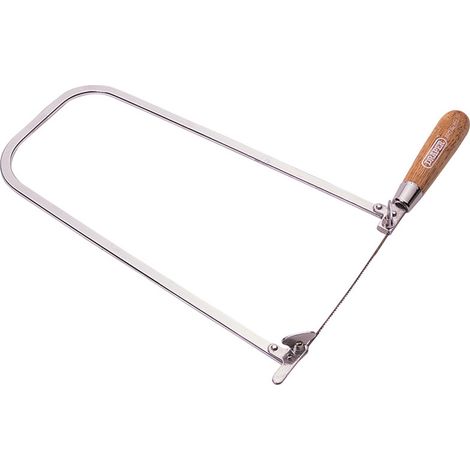
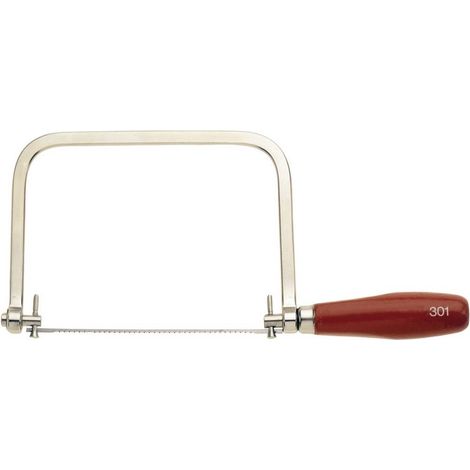
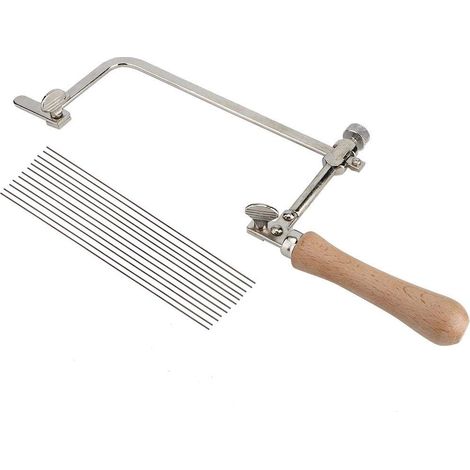
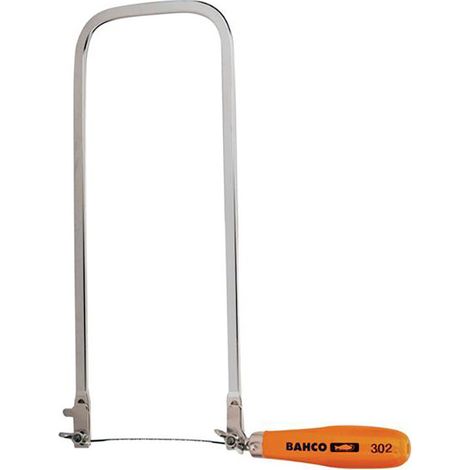
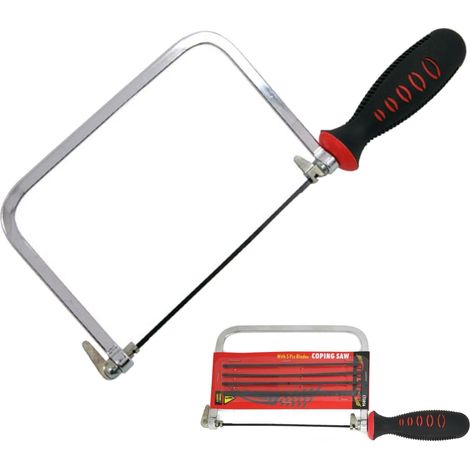
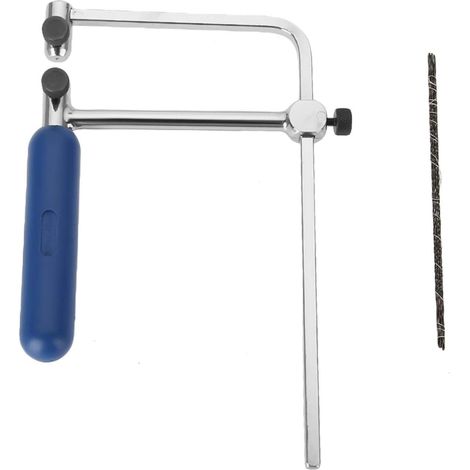
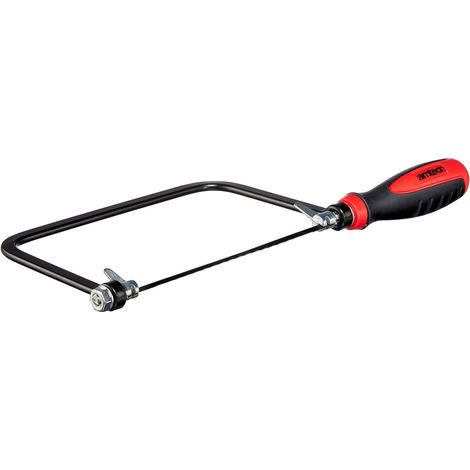
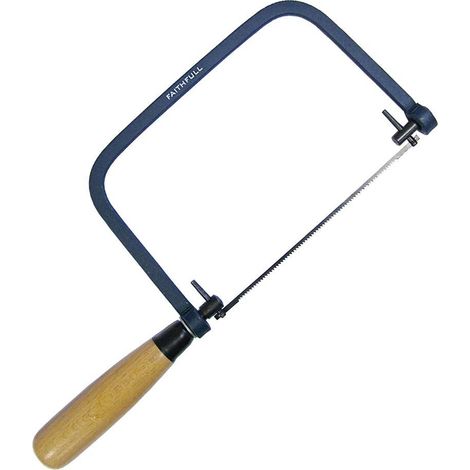
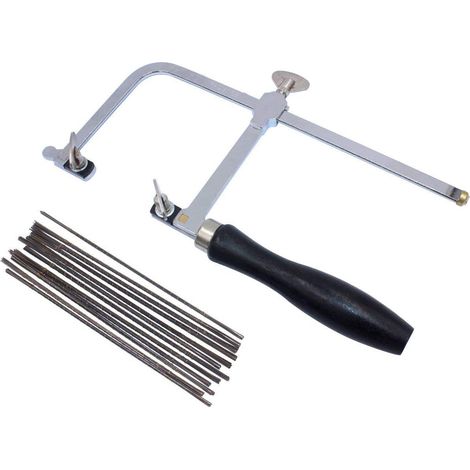
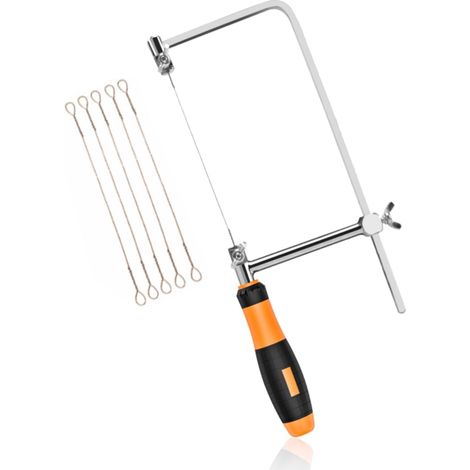
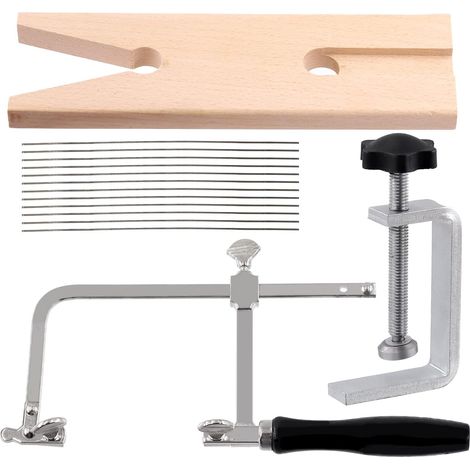
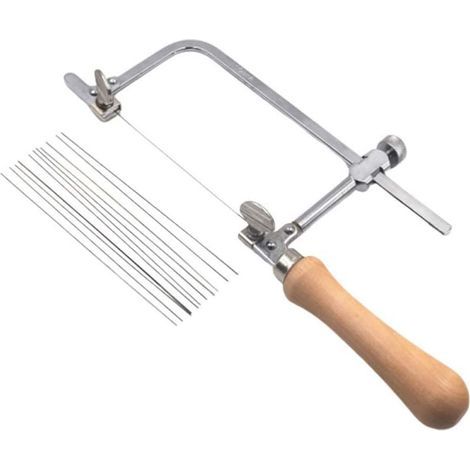
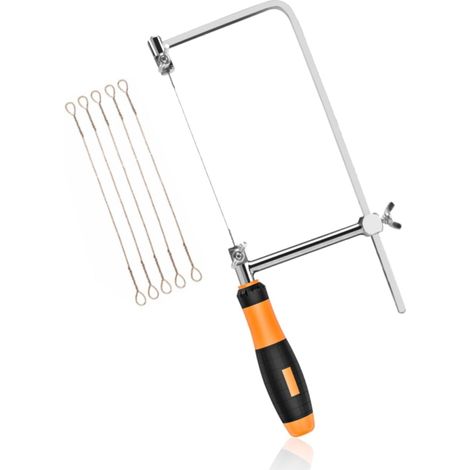
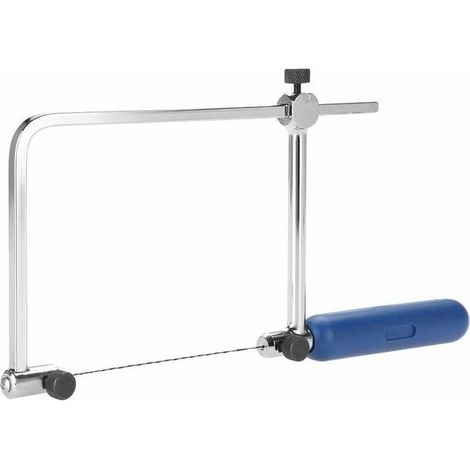
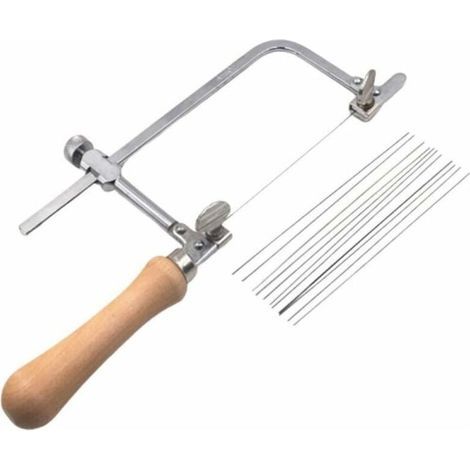
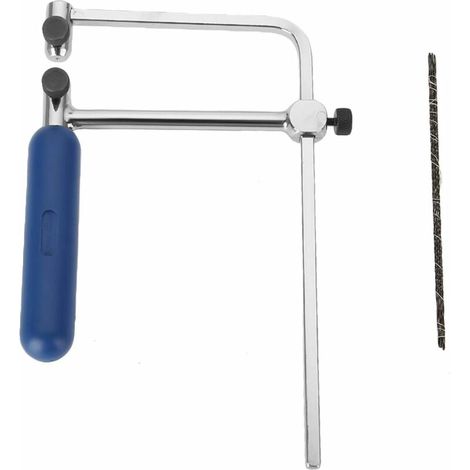
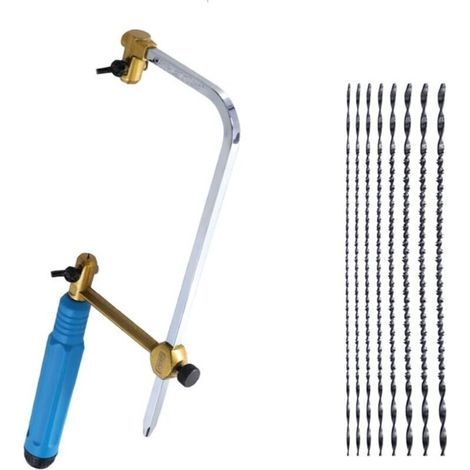
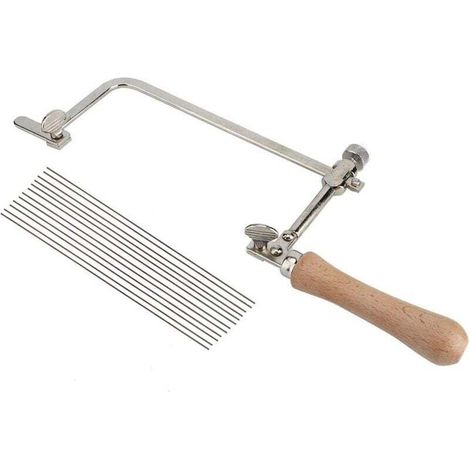
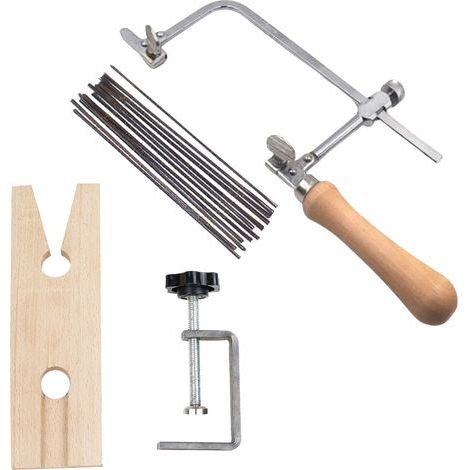
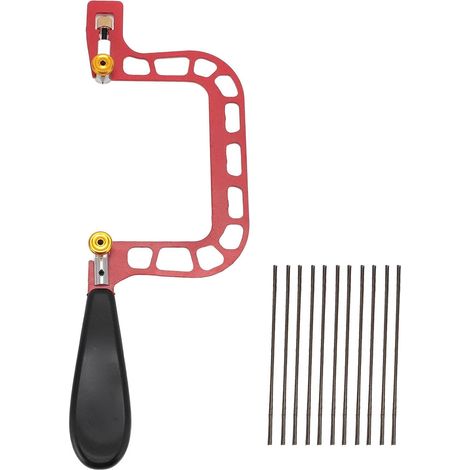
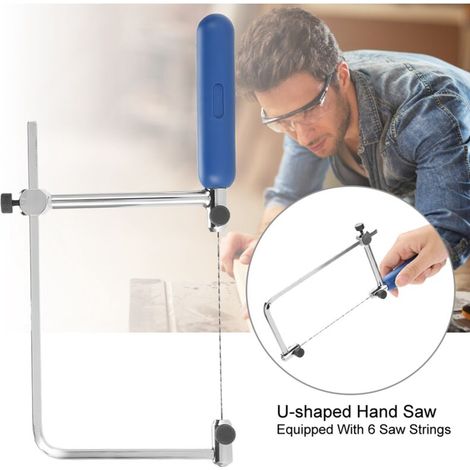
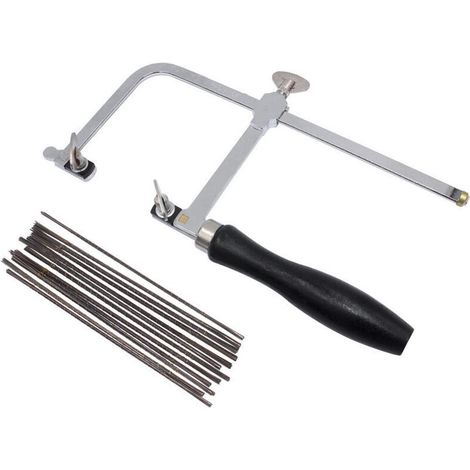
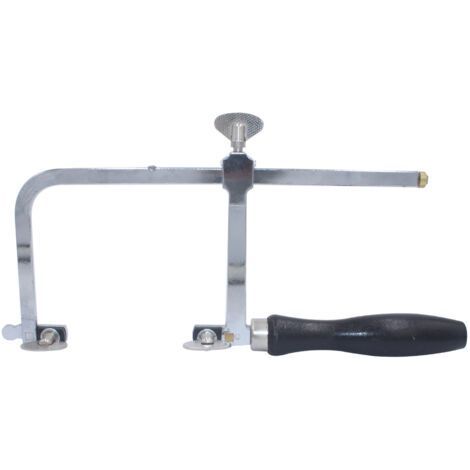
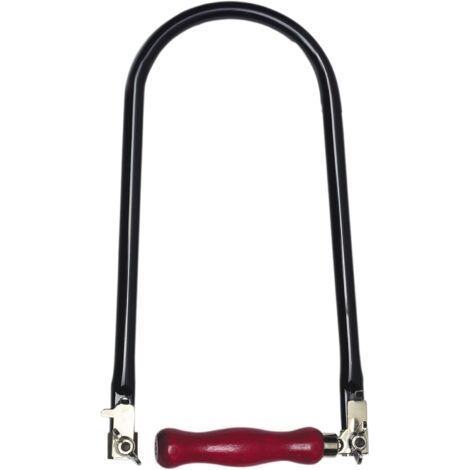
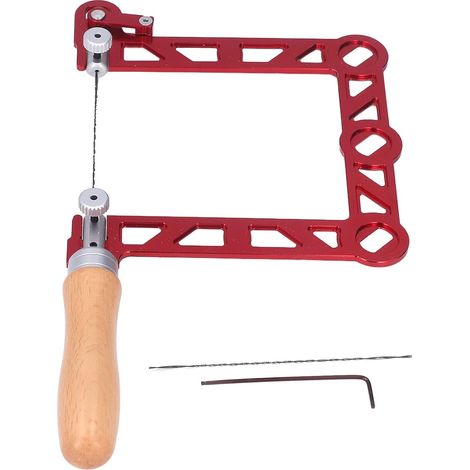
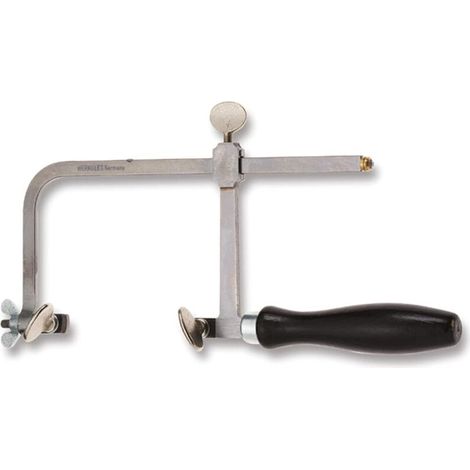
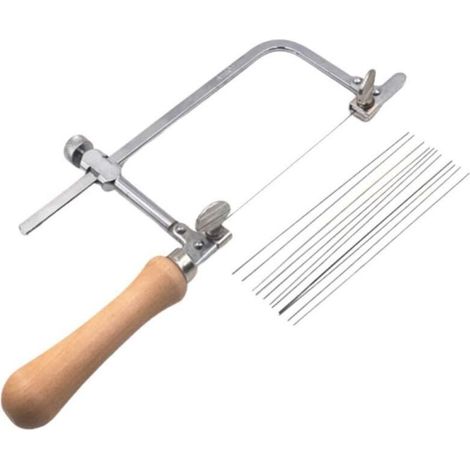
The manual scroll saw is a lightweight handheld tool that is manipulated perpendicularly to the material being cut, making back-and-forth movements along a pre-established path. It includes the following elements:
a U-shaped metal frame with an ergonomic handle that facilitates handling;
a blade attached at both ends of the U-frame using pins with butterfly screws, a blade clamp, or a cam tension. Some models use a lever tension system.
It comes in various models to meet the needs of users:
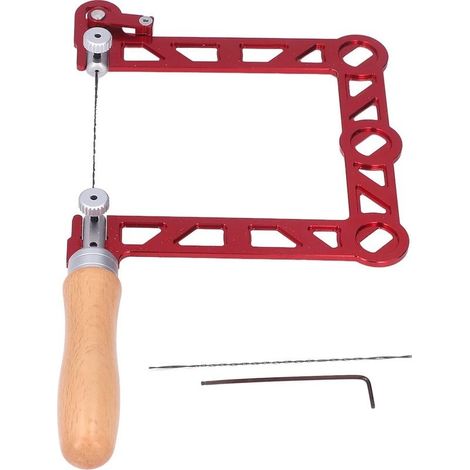
versions intended for jewelers, commonly called jeweler's saws, are equipped with a small goose neck with a depth of 8 to 13 cm and weigh about 50 g for the lightest ones;
models designed for cabinetmakers, marquetry artists, or luthiers come with a goose neck with a maximum depth of 30 cm.
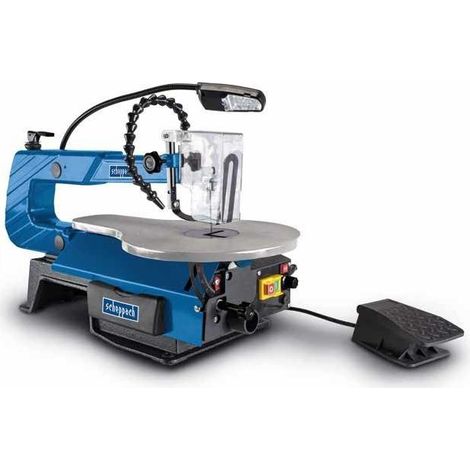
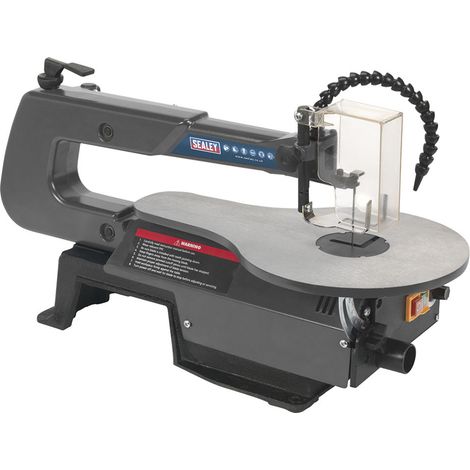
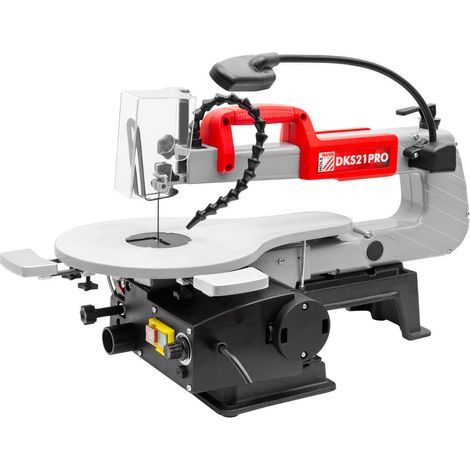
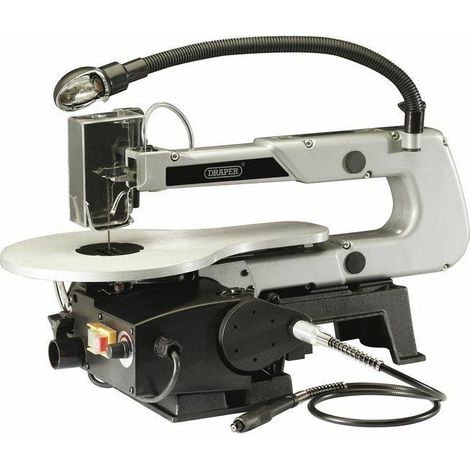
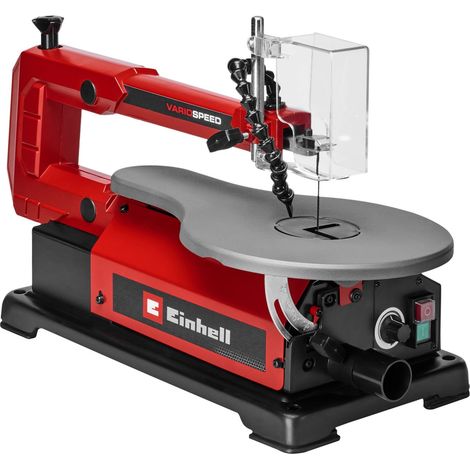
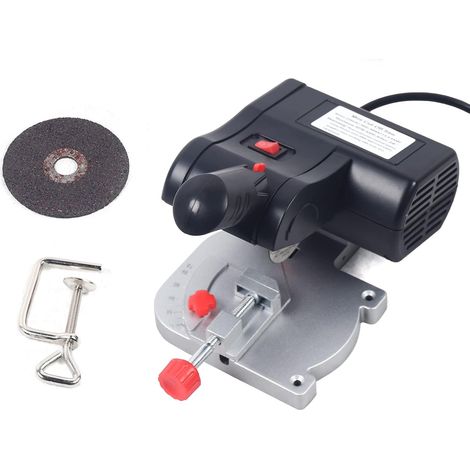
The electric scroll saw also consists of the following elements:
a horizontal aluminum cast table tiltable up to 45° to make beveled cuts;
an electric motor that drives the blade in its back-and-forth motion necessary for cutting;
a hold-down clamp to secure the piece being cut;
a dust collector outlet or a blower to remove dust generated from cutting;
a speed control to adjust the speed depending on the task at hand;
adaptors to attach various types of blades (pin blades, plain-end blades, etc.);
a lamp to illuminate the workpiece;
a guard to protect the user from debris;
a foot pedal;
a magnifying glass for precision work;
a miter guide.
It has the following characteristics:
a goose neck with a depth of 30 to 60 cm;
an electric single-phase motor (230 V) from 70 W to 200 W;
a means to attach it to a workbench or legs;
a speed of 900 to 1,400 strokes per minute.
The scroll saw is chosen based on the work to be performed (depth of the goose neck, etc.) and the frequency of use (manual or electric model).

















'/%3E%3C/svg%3E)
'/%3E%3C/svg%3E)