To receive high-quality image and sound on a television, suitable and compatible TV reception equipment is necessary.
There are several methods of broadcasting television channels, and the TV reception equipment must be compatible with the chosen system. The TV reception equipment generally includes the antenna and its support, the cables and connectors linking the antenna to the television, a possible adaptor or decoder, and an amplifier.
The antenna is the basic piece of TV reception equipment, as it is necessary to receive DTT (Digital Terrestrial Television) or satellite television. In the case of TV reception via cable or the Internet, antennas are not necessary, and decoders are usually provided by the operator.
The antenna can thus be a DTT antenna or a satellite dish, also called a satellite antenna.
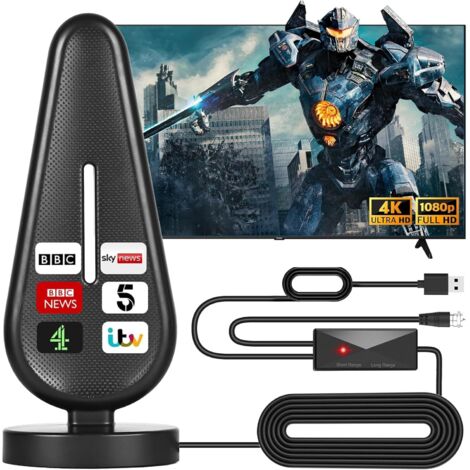
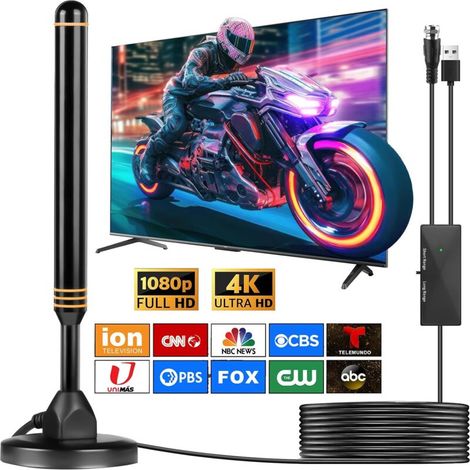
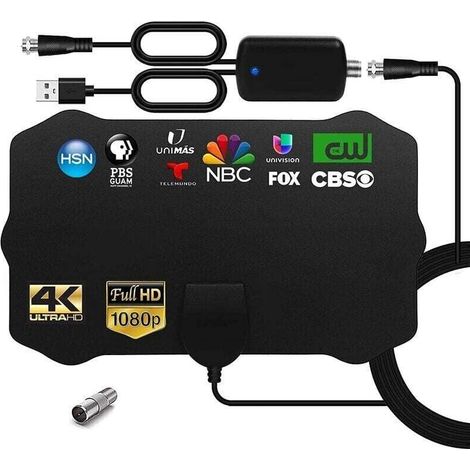
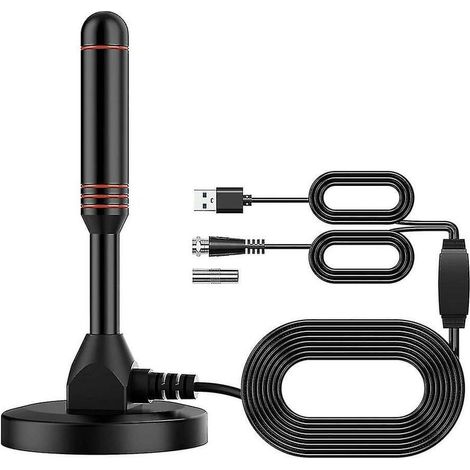
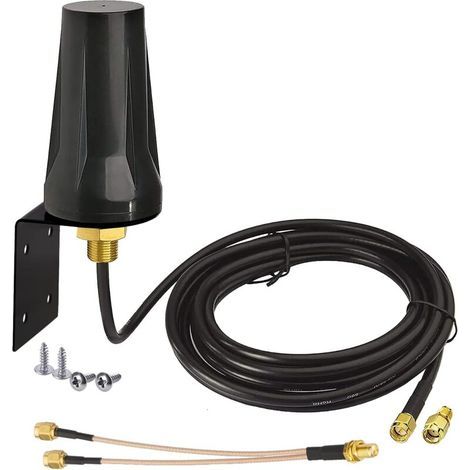
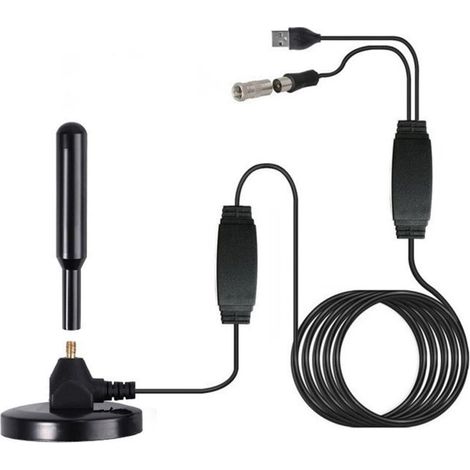
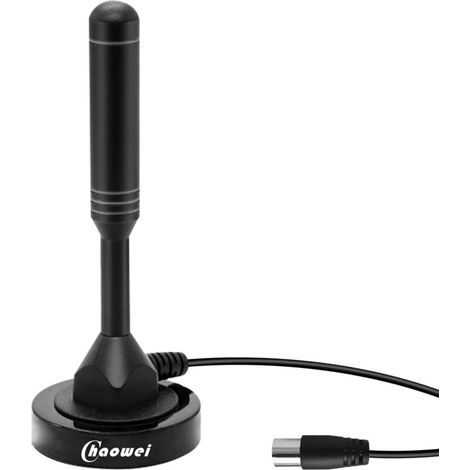
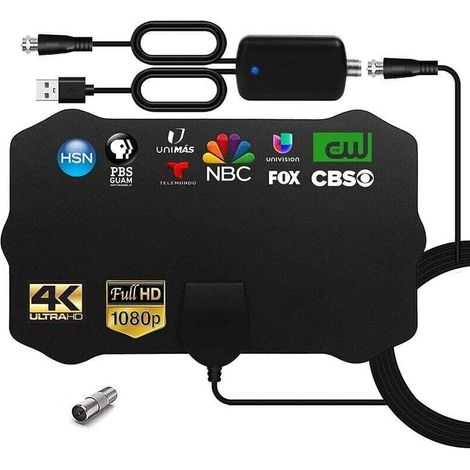
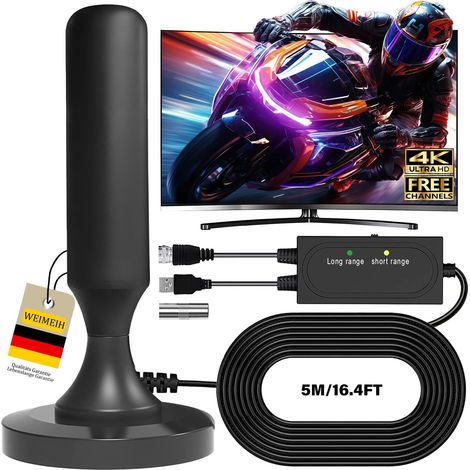
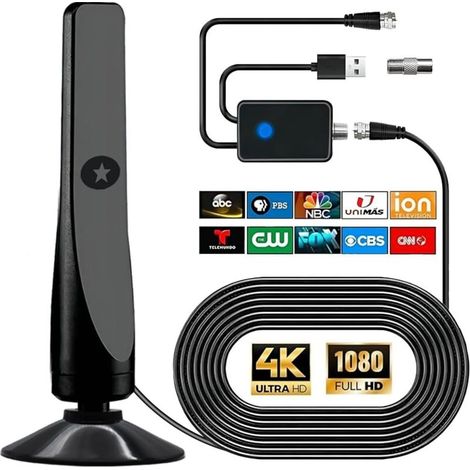
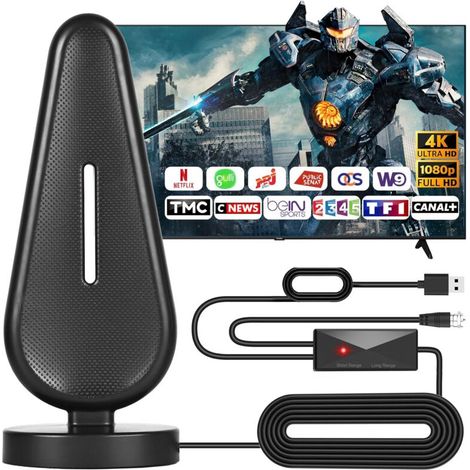
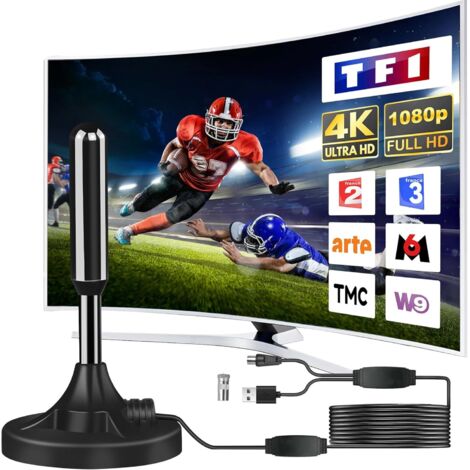
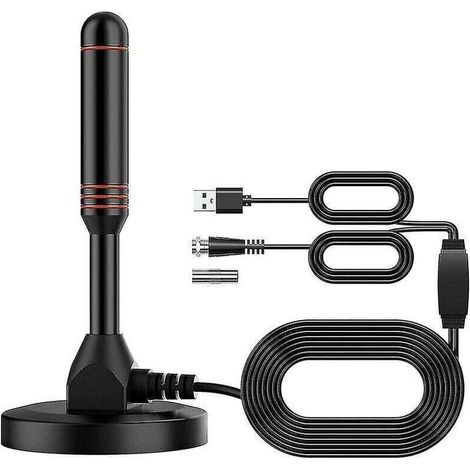
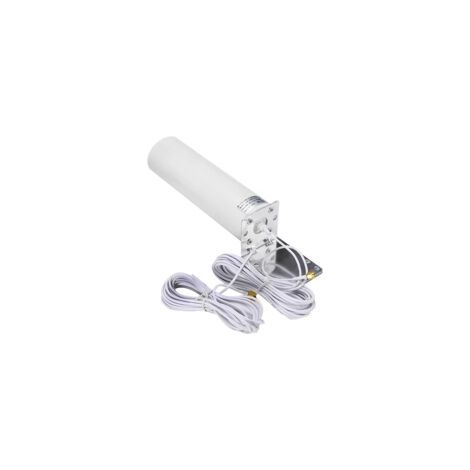
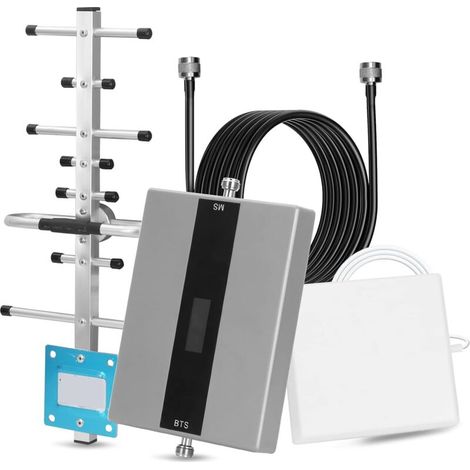
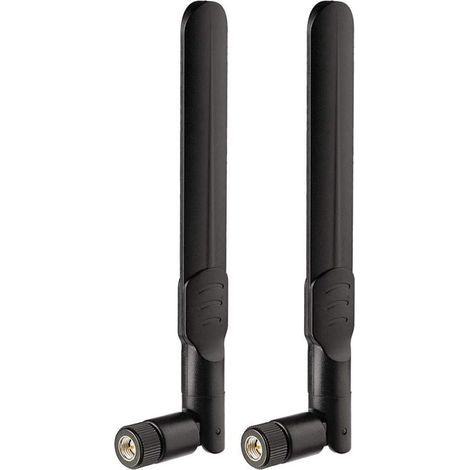
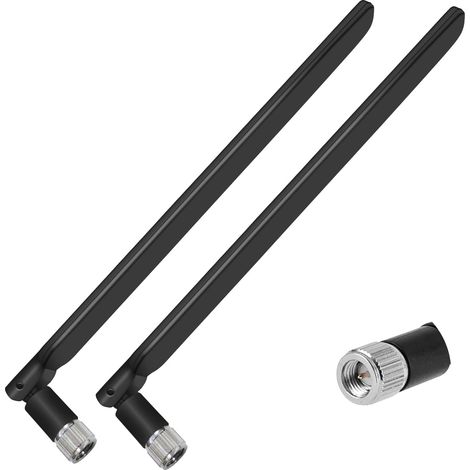
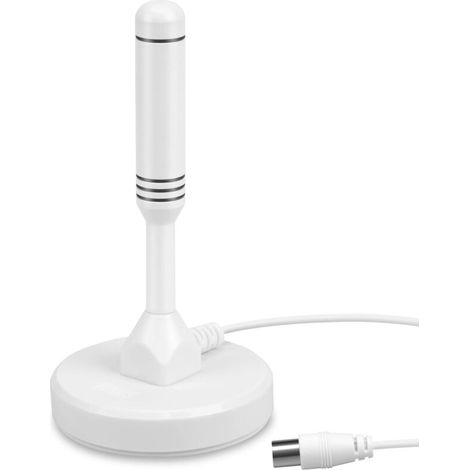
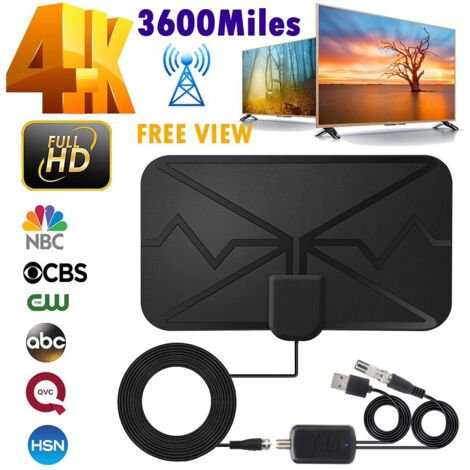
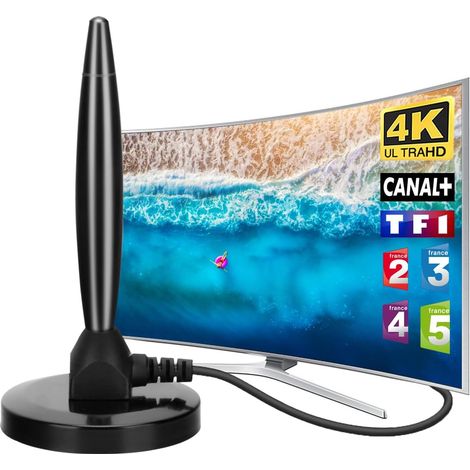
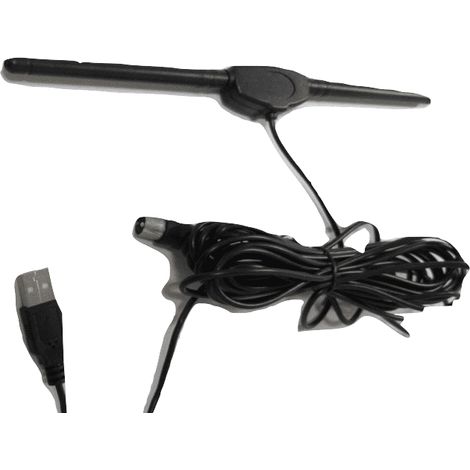
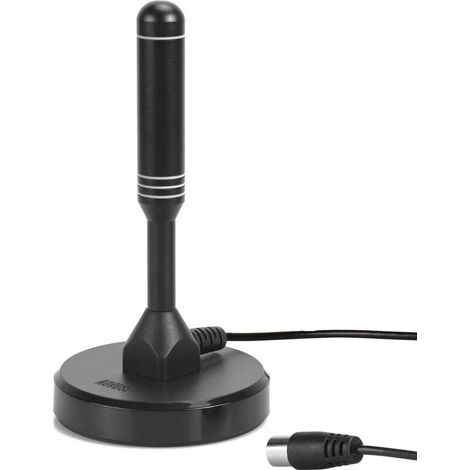
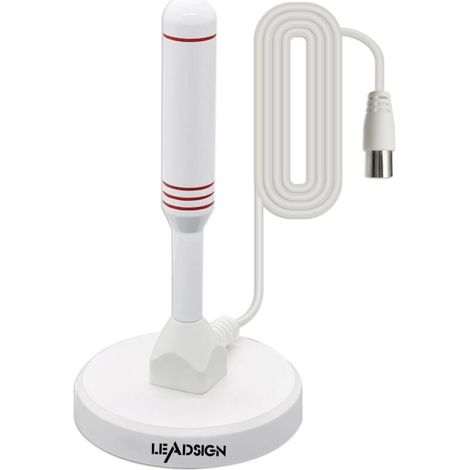
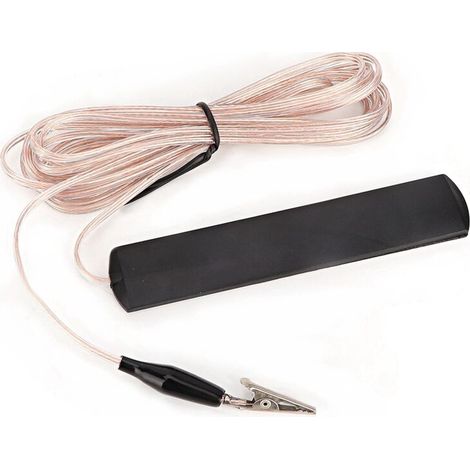
In the case of the DTT antenna, it can be either indoor or outdoor, depending on the distance from the transmitter and the quality of reception. There are different forms of DTT antennas:
- the yagi antenna, which is the best known;
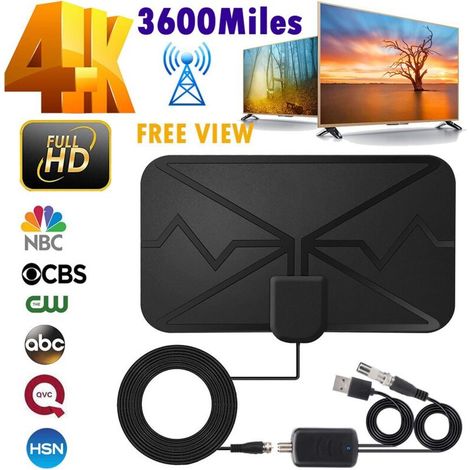
- the flat DTT antenna also available on the market.
A satellite antenna must be installed outdoors. Its most known version is the satellite dish of different dimensions (50cm, 60cm, 90cm in diameter or more). There are also models of flat satellite antennas, which are more recent.
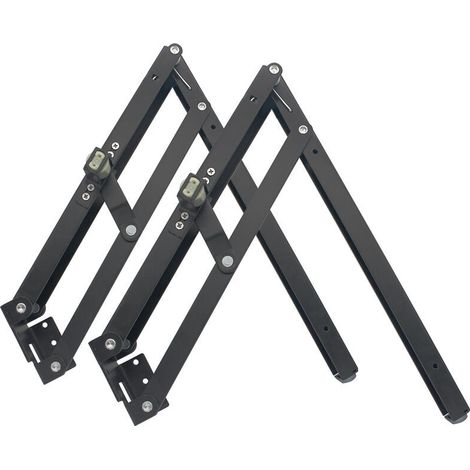
The installation of satellite antennas generally requires supports, including angled arms, brackets, or wall mounts. Satellite antennas are equipped with one or more TV reception heads, also called LNB heads, to capture one or more satellites and receive the corresponding channels.
The DTT decoder or adaptor, also called TV receiver, is a device that allows a television incompatible with the DTT or satellite digital system to receive TV channels. It can work with or without a card and offer interesting features such as the recording of shows.
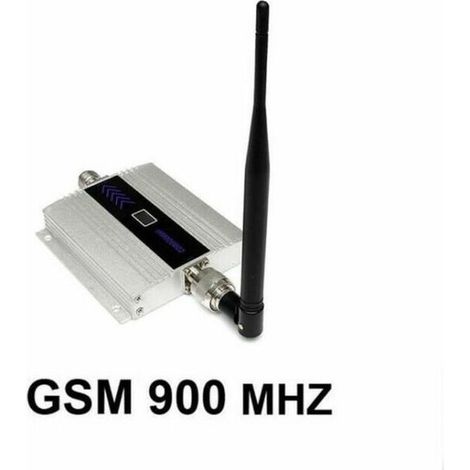
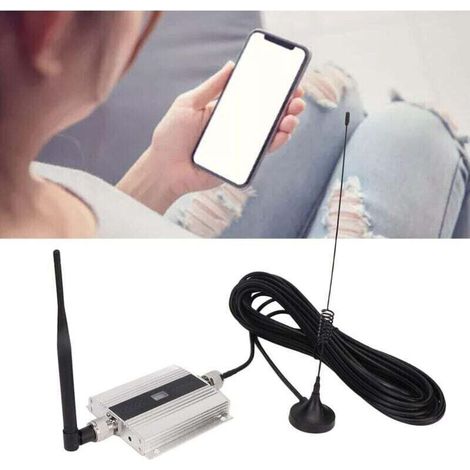
In cases where the reception is poor, it is possible to add a DTT or satellite antenna amplifier to improve reception. This device will be installed between the antenna and the television.
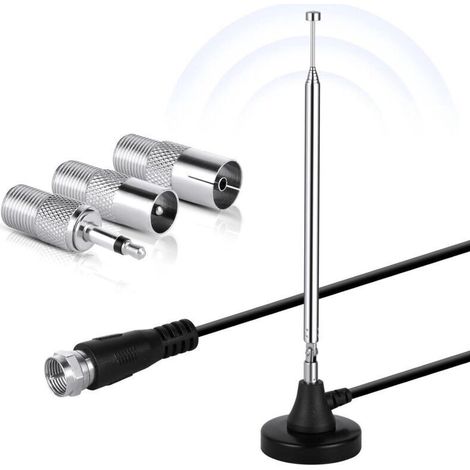
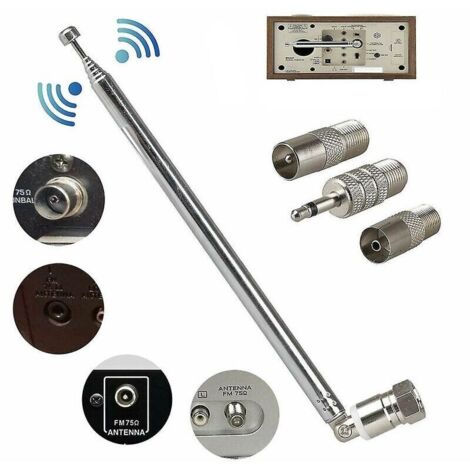
The cables and plugs allow connecting the antenna to the television and to the adaptor or TV receiver. It involves a coaxial cable of variable length, an F connector, a TV plug male or female.
TV reception equipment can be installed more or less easily depending on the case, but the intervention of a technician may be necessary to ensure the adjustment and good reception of the desired television channels.
'/%3E%3C/svg%3E)

















'/%3E%3C/svg%3E)