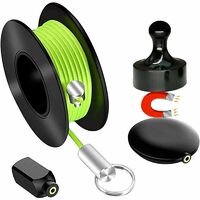
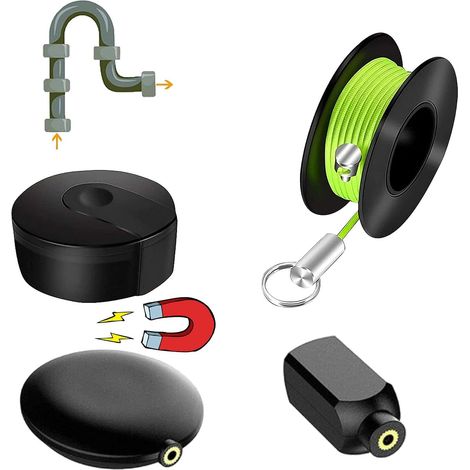
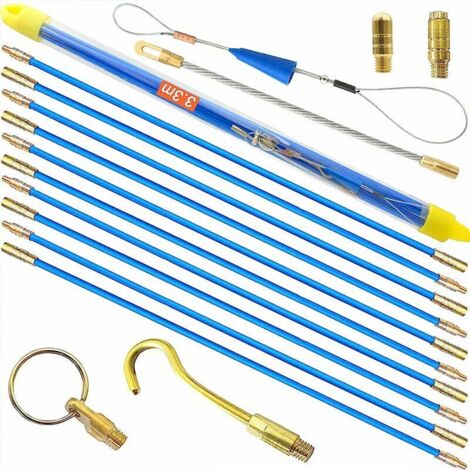
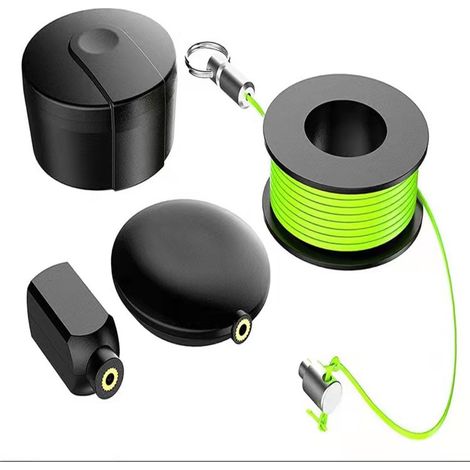
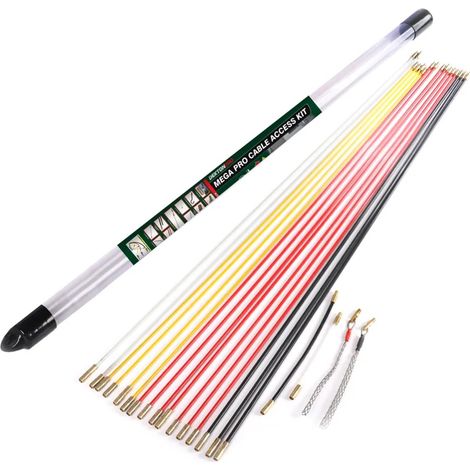
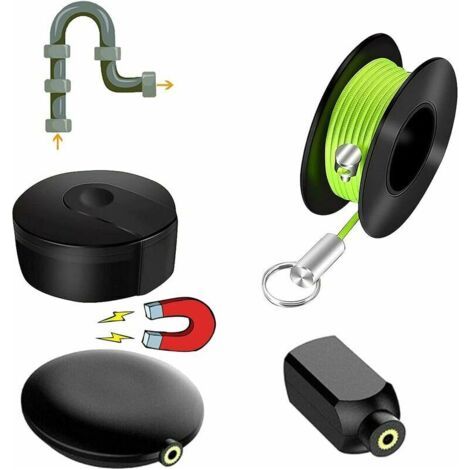
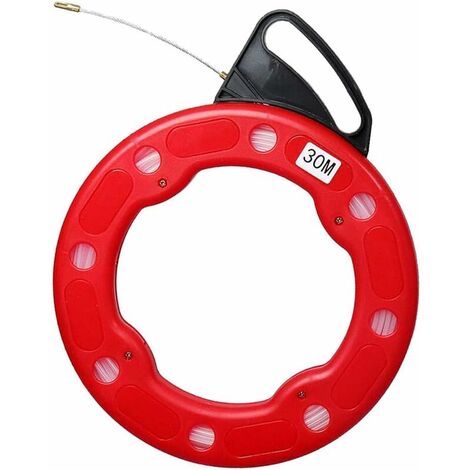
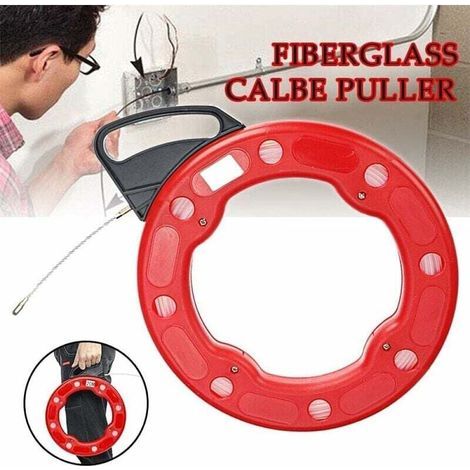
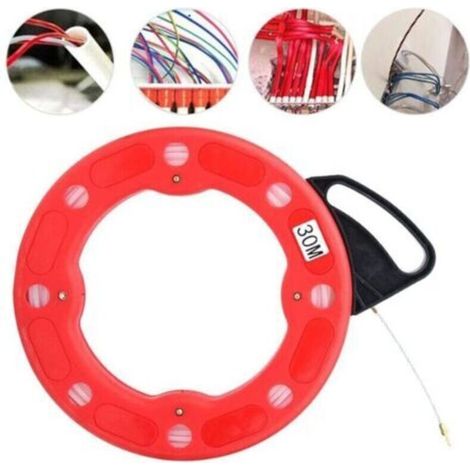
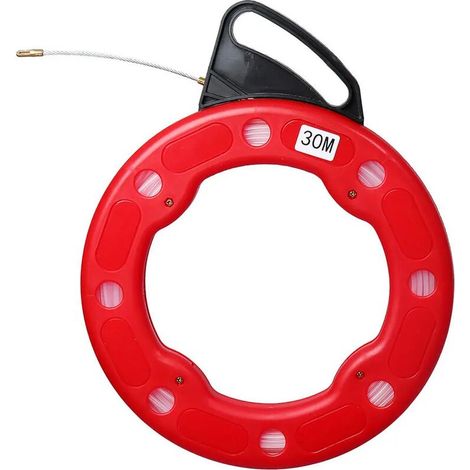
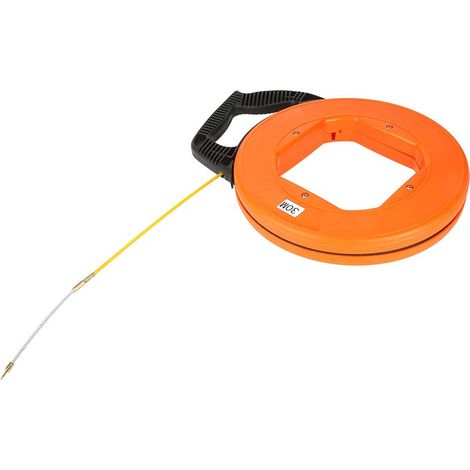
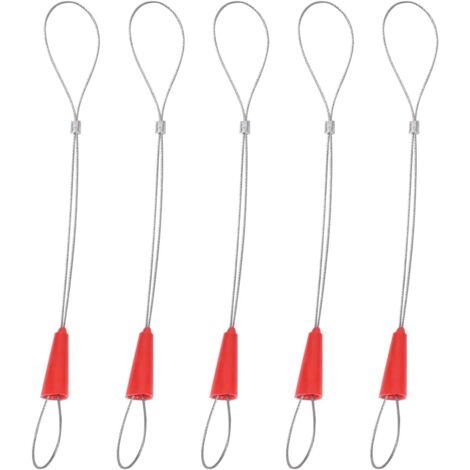
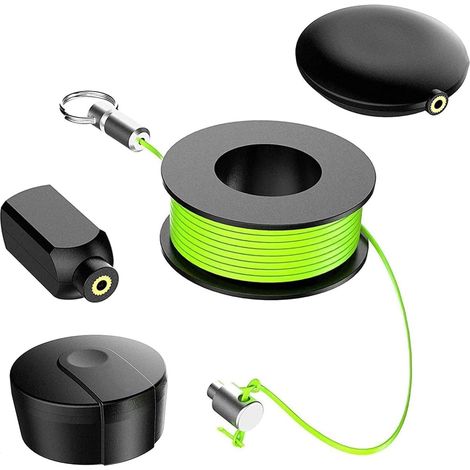
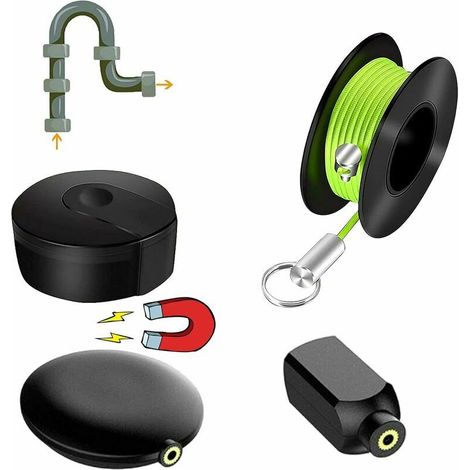
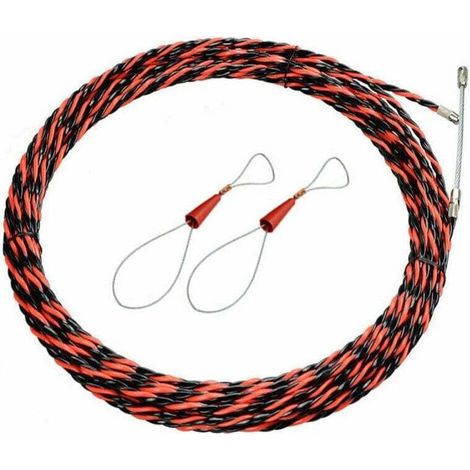
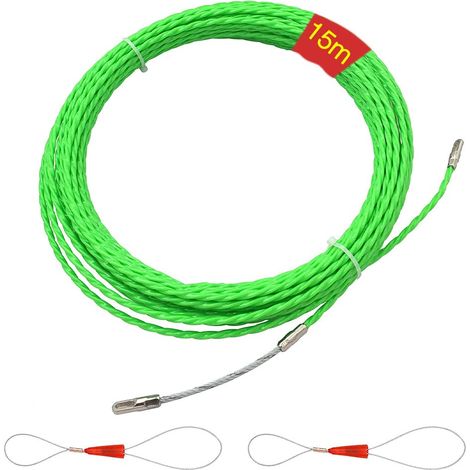
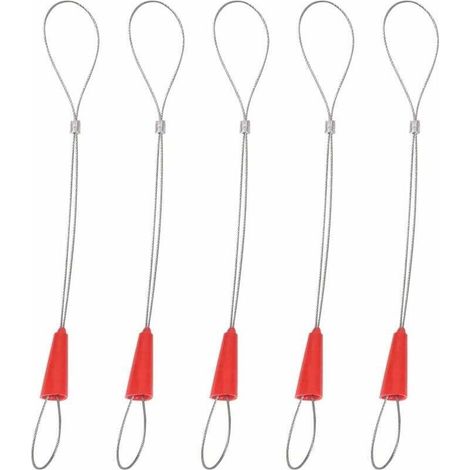
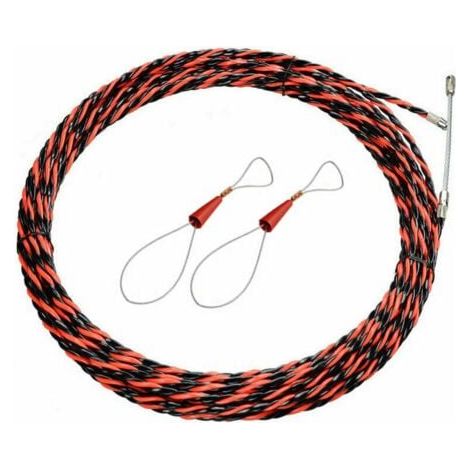
During the installation of electrical wiring as part of a renovation, it sometimes becomes necessary to run one or more cables inside the electrical conduits. To accomplish this, the use of an electrician's fish tape, also called a cable puller or more commonly an electrician's snake, is essential.
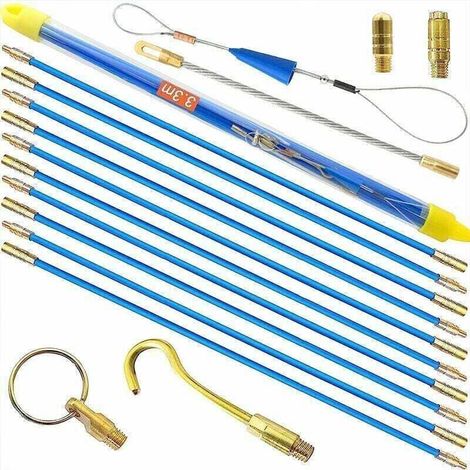
There are several types of fish tapes that each play an important role in easily running electrical cables. The choice of the right tool should meet 3 different criteria:
- its ease of progress in straight and curved conduits;
- its pushing force;
- its resistance to pulling.
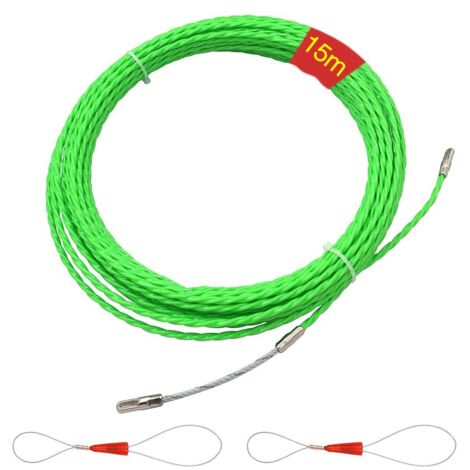
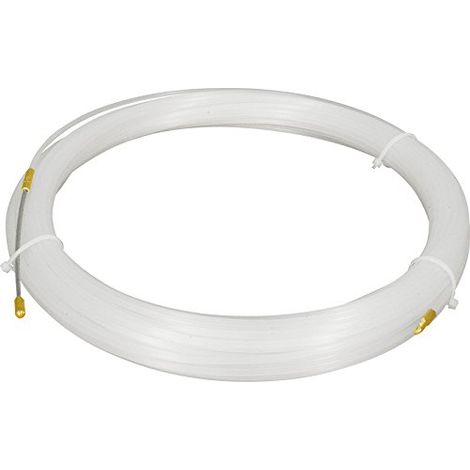
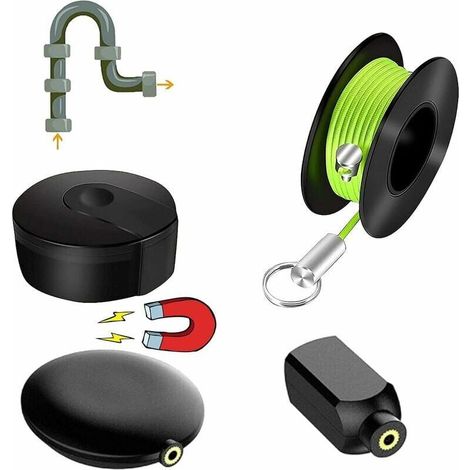
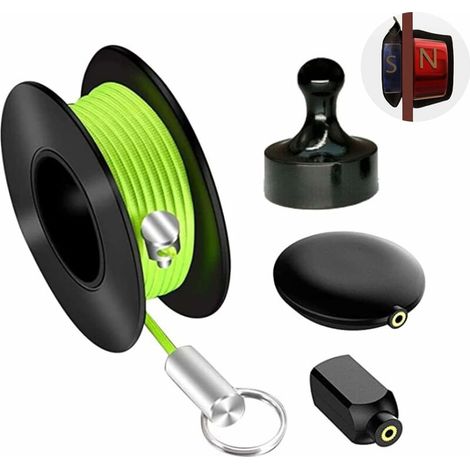
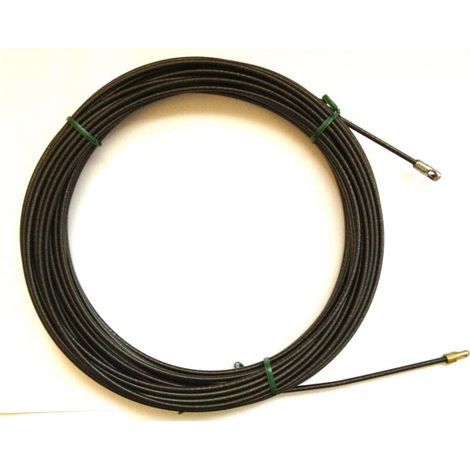
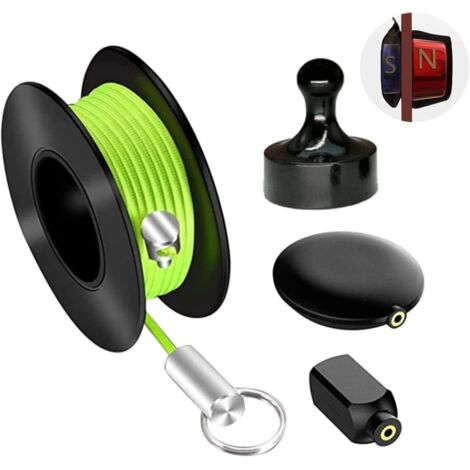
The nylon fish tape, with a diameter ranging from 3 to 6 mm, resembles a polyamide plastic rope capable of easily slipping through electrical conduits. This electrician's fish tape is suitable when the conduit is not too crowded and has few bends.
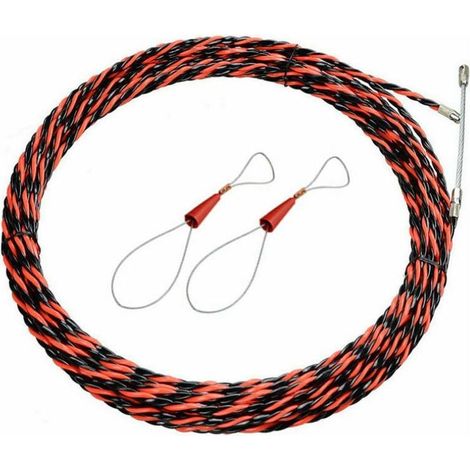
The polyester needle has a diameter of 3 to 8 mm. The thicker it is, the more push force it has, making it easier to progress inside the conduits. Additionally, this electrician's needle can pass through curves more or less easily.
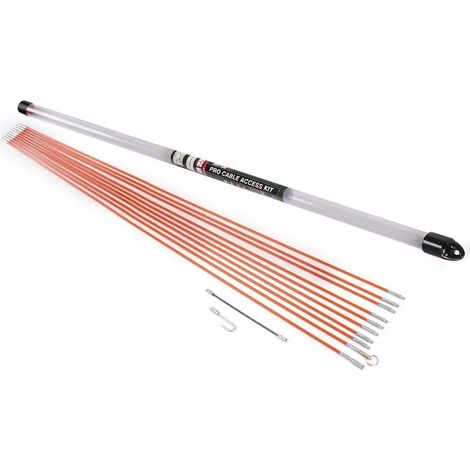
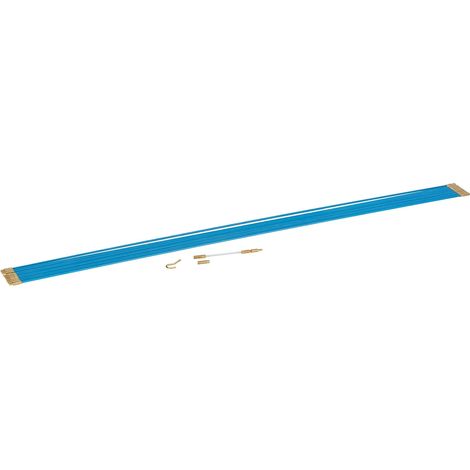
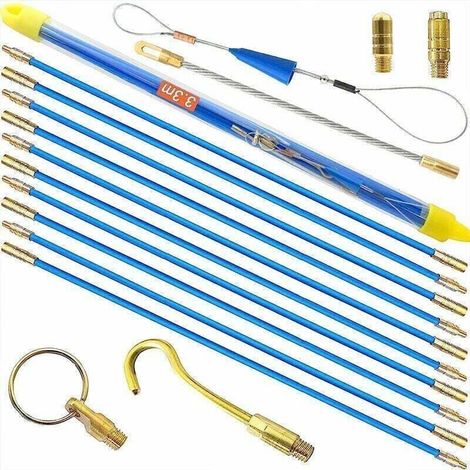
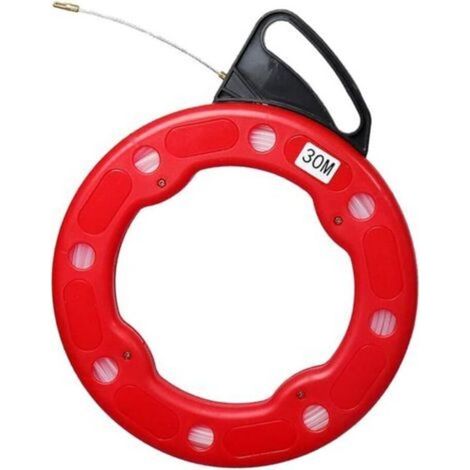
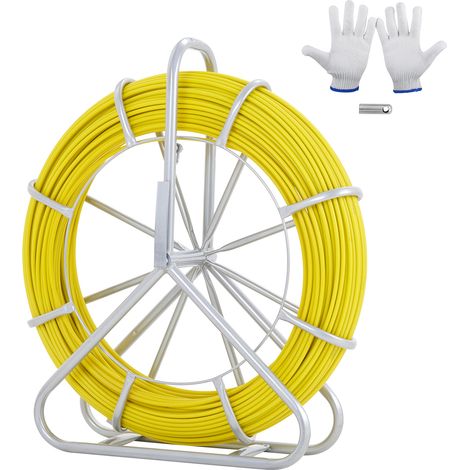
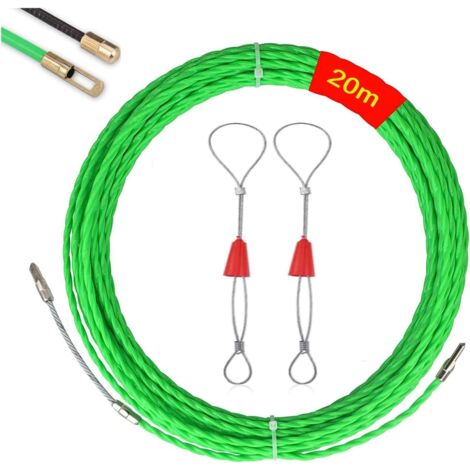
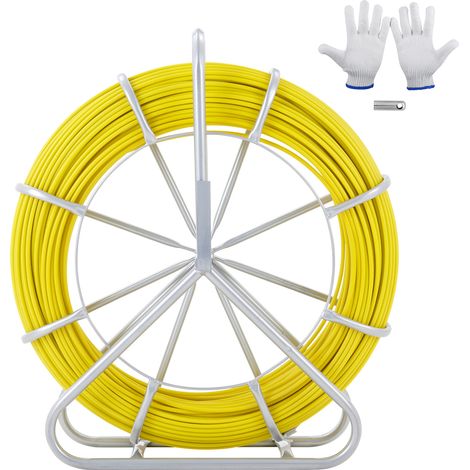
The fiberglass needle has a diameter of 3 to 11 mm. It allows for the pulling of a wire or electrical cable of the same diameter. This tool remains flexible while offering efficient pushing performance. This electrician's fish tape is often used for connecting a home to fiber optic. Since it is not very resistant to pulling, it is advisable not to exert too much force when pulling the electric wire to avoid breaking.
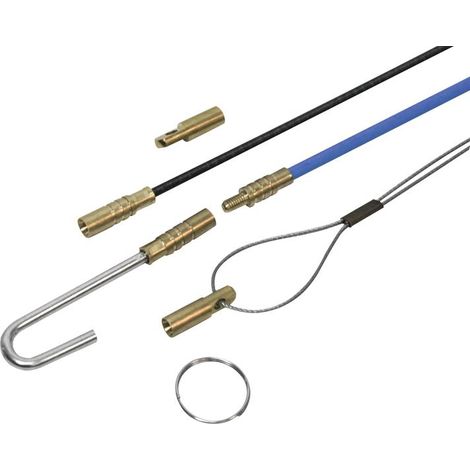
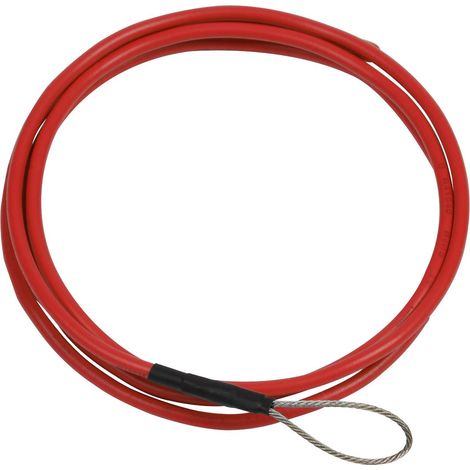
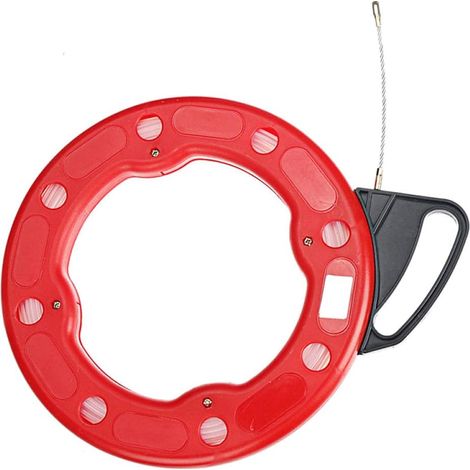
The steel needle has good performance. The diameter of this cable puller ranges from 1 to 19 mm. Thanks to its resistance to pulling, it is used for complicated work.
The perlon pulling cord is made of semi-crystalline polyamide. With a unique diameter of 4 mm, it has a tensile strength of 900 N. Friction against the conduit walls is low thanks to its smooth surface.
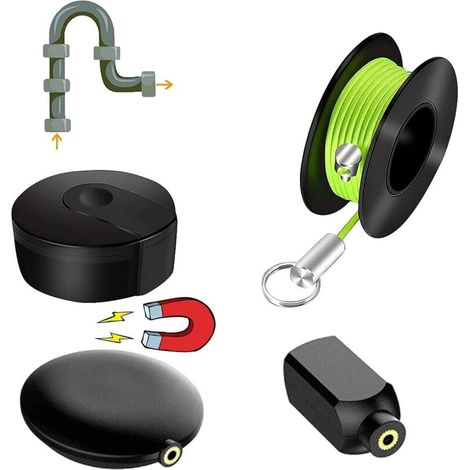
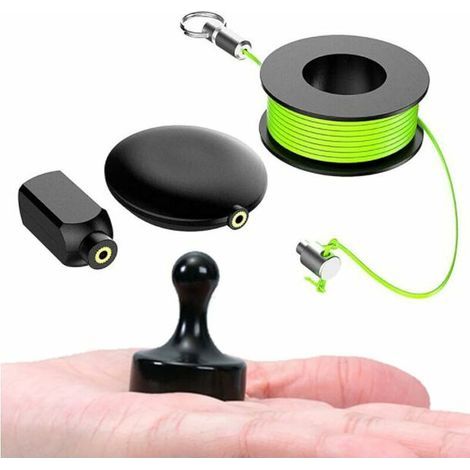
Finally, various electrician's fish tapes are available depending on the job to be done and the configuration of the conduits.
'/%3E%3C/svg%3E)






















'/%3E%3C/svg%3E)