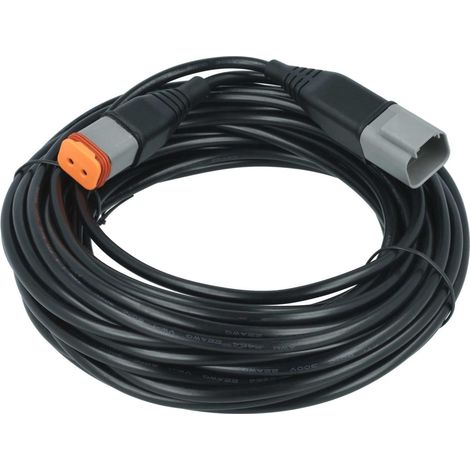
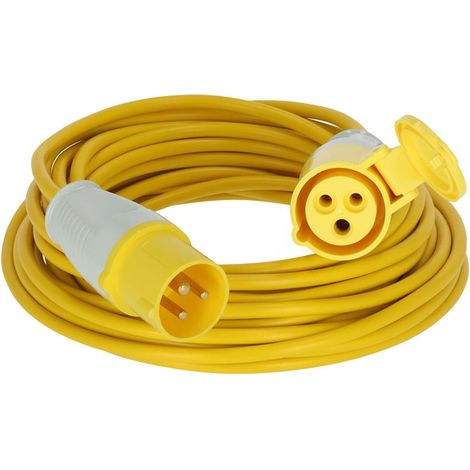
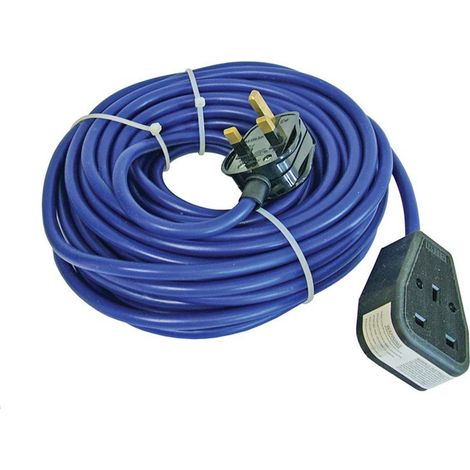
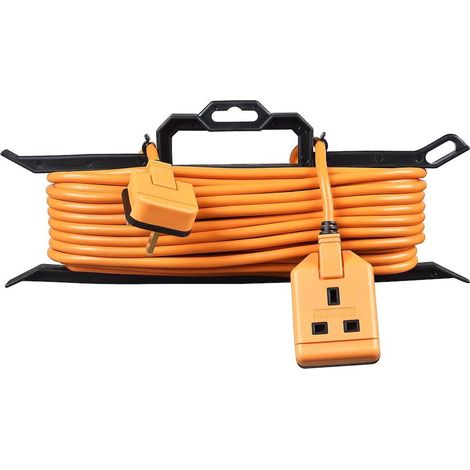
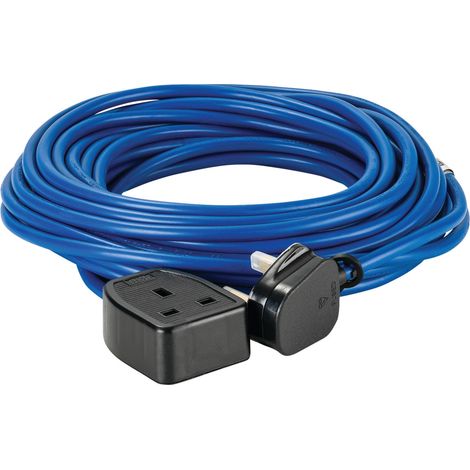
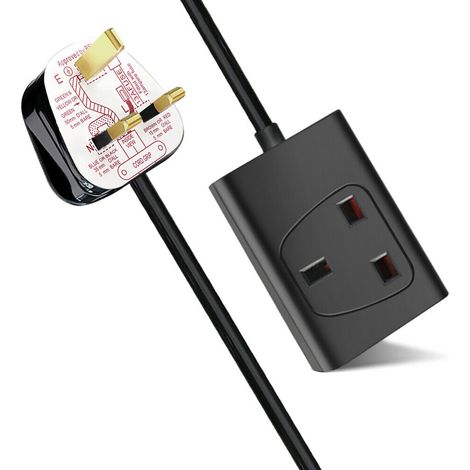
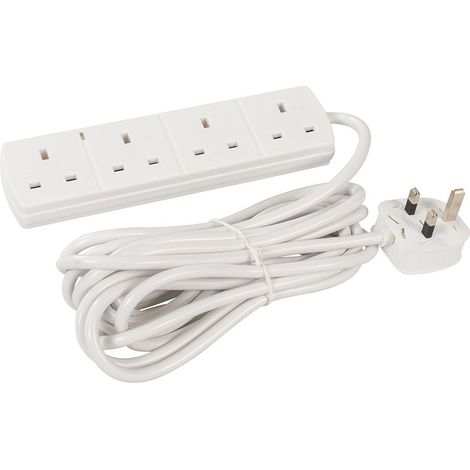
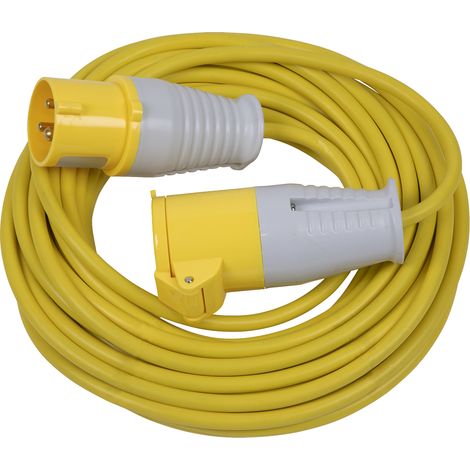
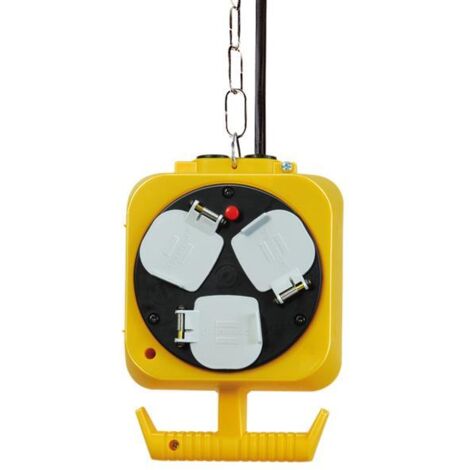
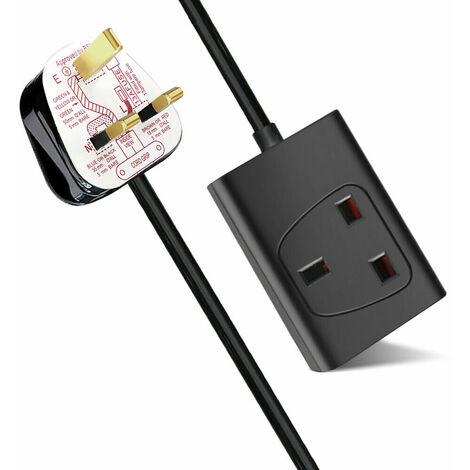
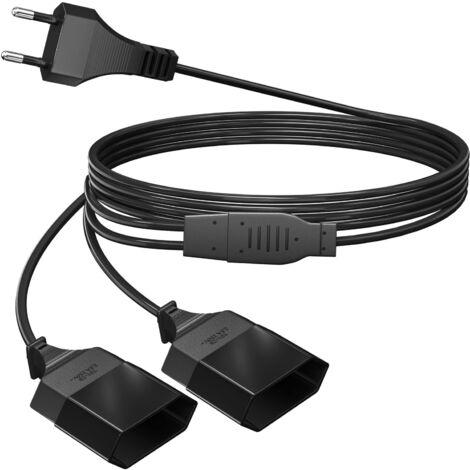
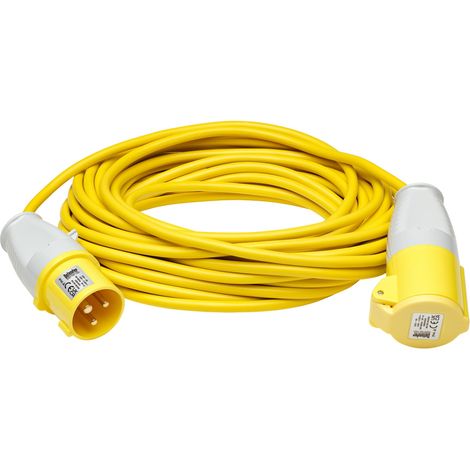
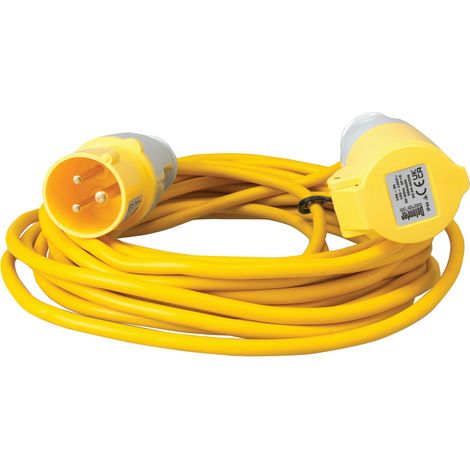
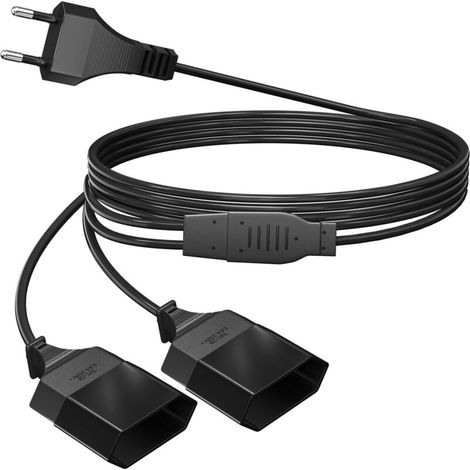
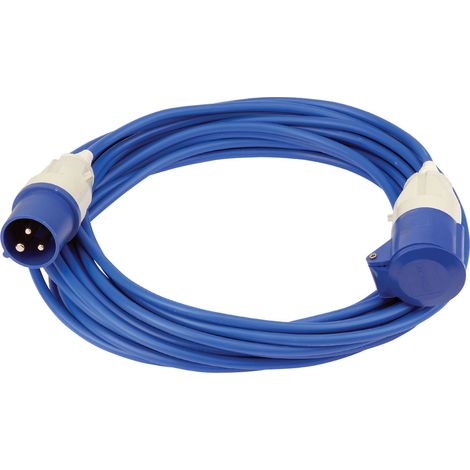
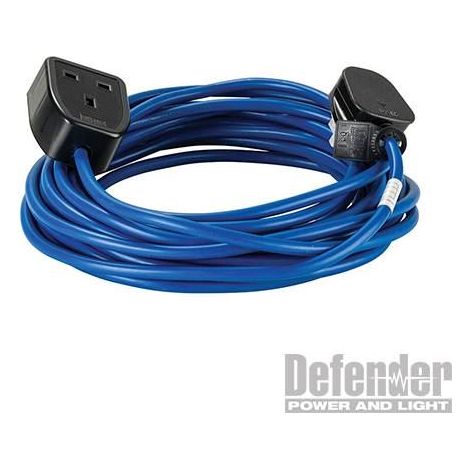
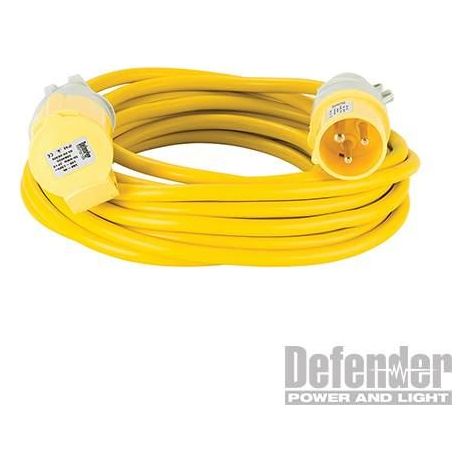
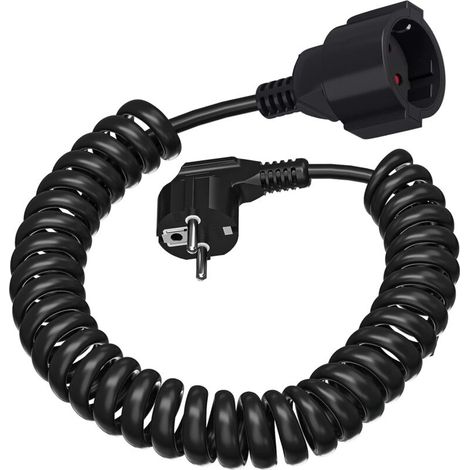
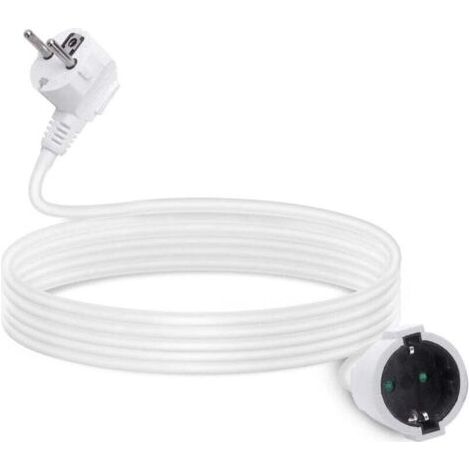
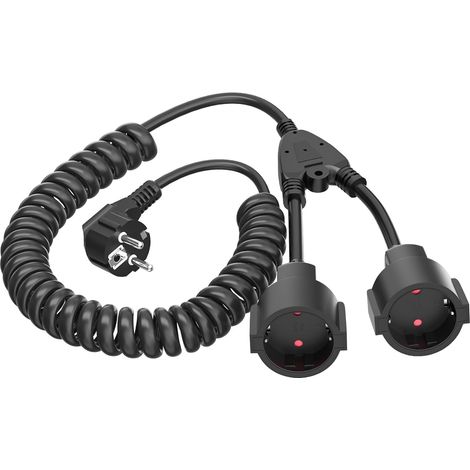
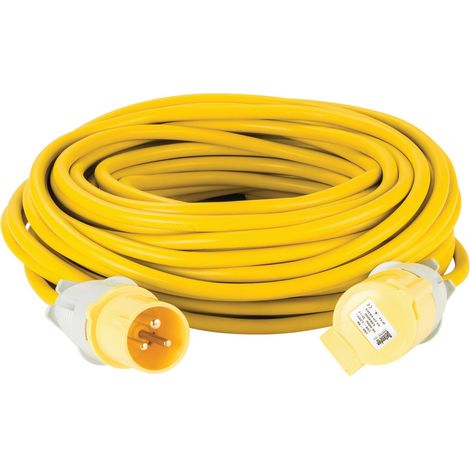
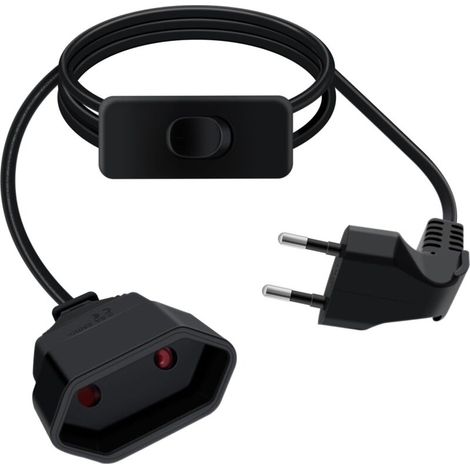
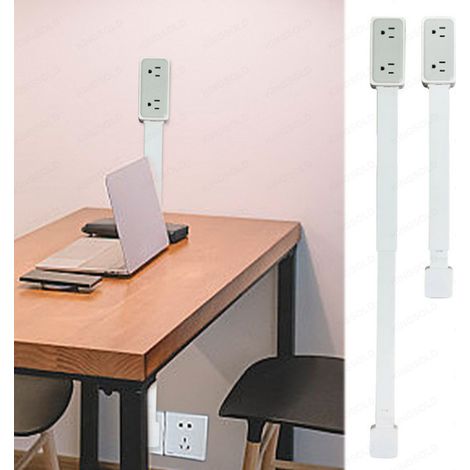
Indispensable at home or on construction sites, an extension cord allows you to move the power source as you wish without having to do any renovation work. It is particularly useful when you plan to use an electrical device far from the socket or while moving.
An extension cord allows, for instance:
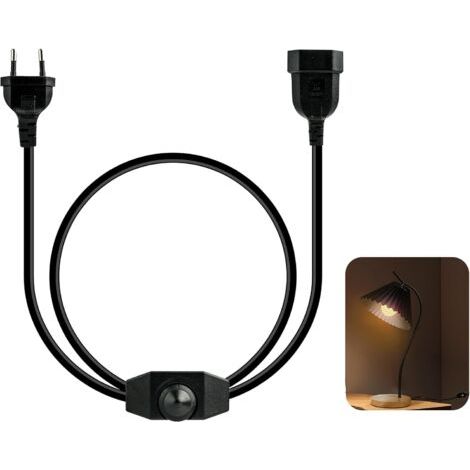
- to plug in a table lamp whose cord is too short and use it anywhere in the house;
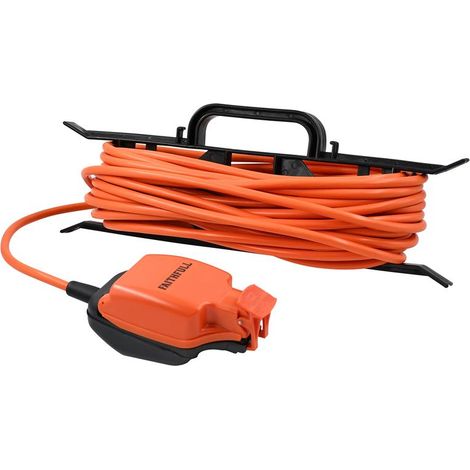
- to mow the lawn, even over a fairly large area, or even to the back of the garden;
- to improvise an installation for electrical devices. This accessory is thus very appreciated during raclette evenings.
In general, this type of extension cord:
- is compact, practical, and easy to install;
- is suitable for small DIY projects and domestic uses;
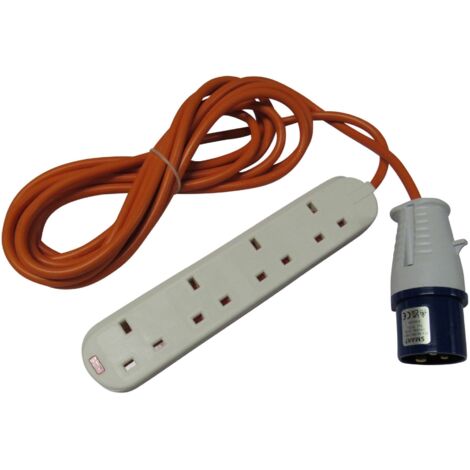
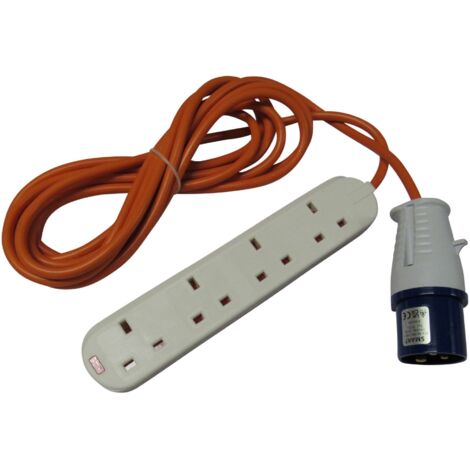
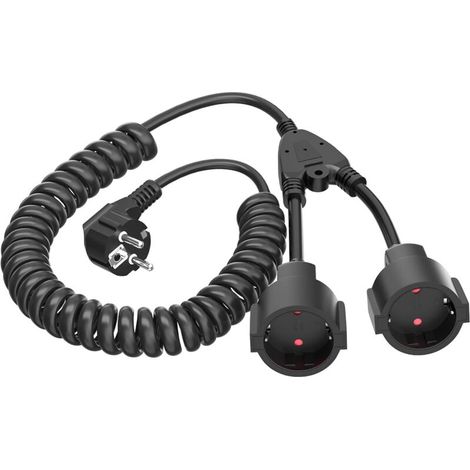
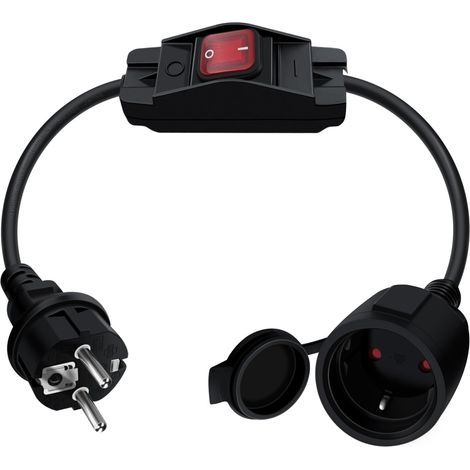
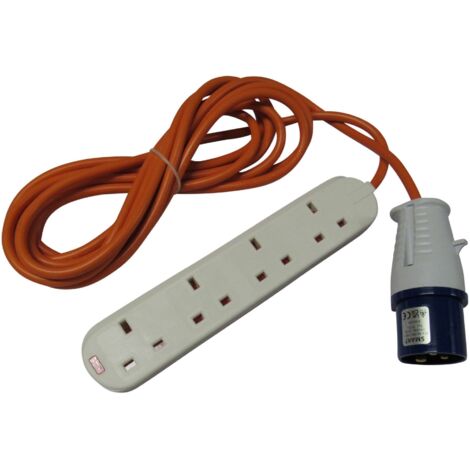
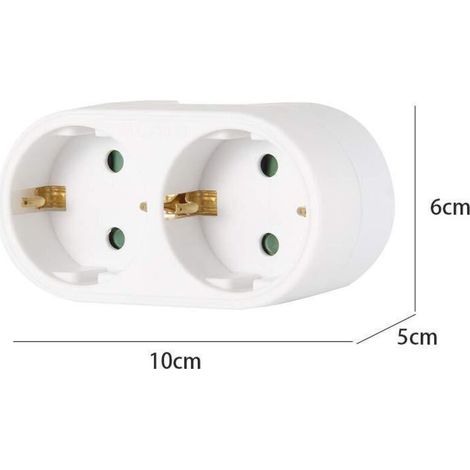
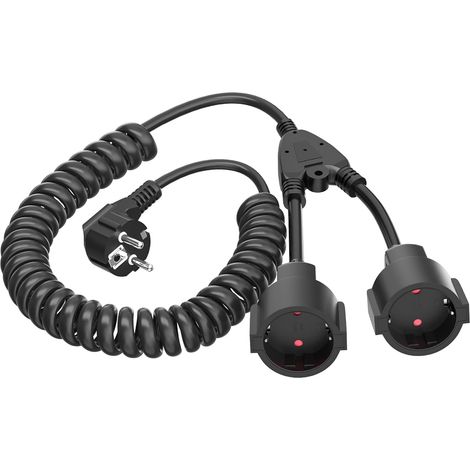
- comes in a multi-socket version and can be equipped with a switch, surge protector, or thermal protection;
- is available in several lengths. However, it is highly recommended to anticipate its daily use to avoid cluttering with a model that is too long. Moreover, the presence of knots in the wires causes premature wear of the accessory (risk of overheating, melting of the insulating sheath, short-circuit, etc.) and involves numerous risks for users (falling, dust accumulation, electrocution due to the melting of the insulation, etc.).
Professionals generally recommend choosing the cable of an extension cord according to its usage conditions. Thus, the cables:
- H05VV-F, with PVC sheath, are the most suitable for individuals and occasional DIYers due to their affordable price, but are prohibited for professional use;
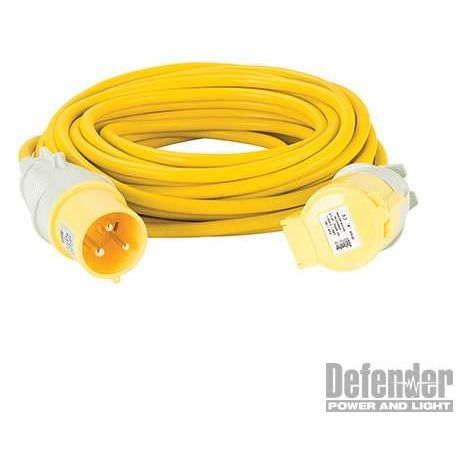
- H07RN-F are protected by a neoprene sheath, are resistant to moisture, and have a relatively long lifespan. They are thus suitable for camping and outdoor activities (to withstand bad weather).
An extension cord is above all characterized by the maximum power supported by the cable. This value is proportional to the cross-section of the conductors enclosed in the sheath. Thus:
- a cable with two or three wires of 1.5 mm² (respectively noted 2G1.5 and 3G1.5) provides a current up to 16 A, i.e., a maximum power of 3,500 W, which is more than sufficient for domestic use;
- for more powerful devices, it is better to opt for a 2.5 mm² conductor. Indeed, over the same length, the maximum admissible power for a 1.5 mm² cable is 1,000 W, compared to 1,500 W for a 2.5 mm² cross-section.
The choice of an extension cord essentially depends on the intended use and the usage conditions of the accessory. As an extension of a power source, it must be used in compliance with applicable standards and safety instructions.

















'/%3E%3C/svg%3E)