Flue fittings are used to evacuate smoke from various heating systems (pellet, oil, wood, etc.). They are made of stainless steel, aluminized iron, or enameled stainless steel, and generally have a diameter of 125, 139, 153, or 180 mm.
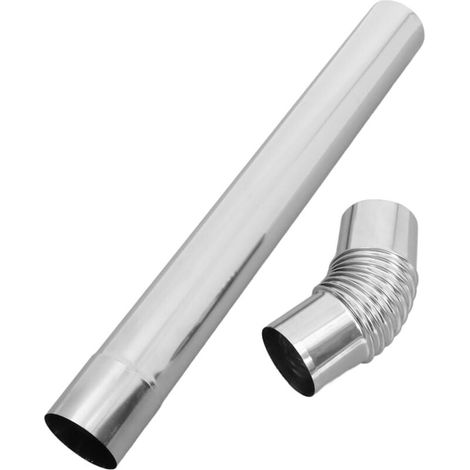
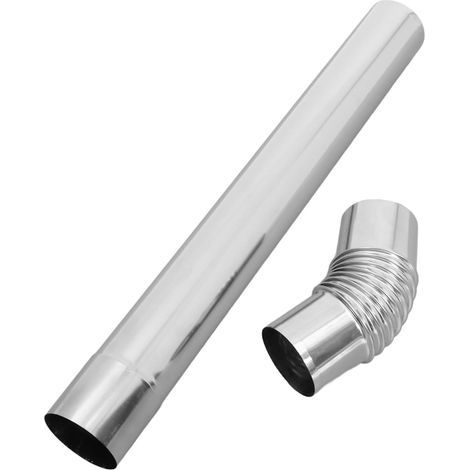
Flue fittings are placed on heating appliances that emit smoke (wood stove, oil or wood stove, etc.). The ducts designed for stoves come in different materials, configurations, and diameters to choose from based on the installation needs and requirements. They vary depending on the heating appliance, and can be rigid or flexible, insulated or single-walled. They can be placed in an old smoke evacuation system (brick and stone chimney) or outside, on the facade.
Flue pipes have various characteristics and perform different functions according to the needs. They come in the form of:
- three-way tee for connecting three pipes;
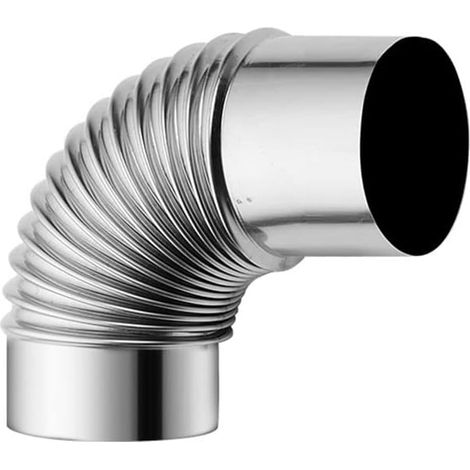
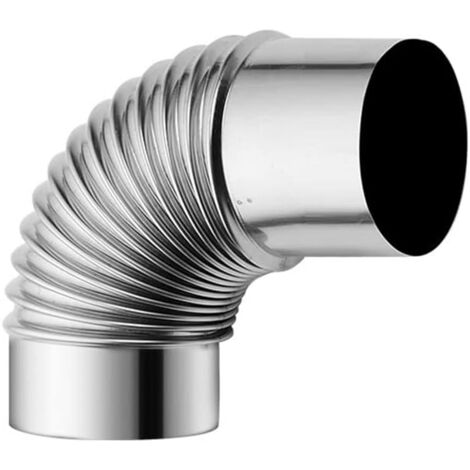
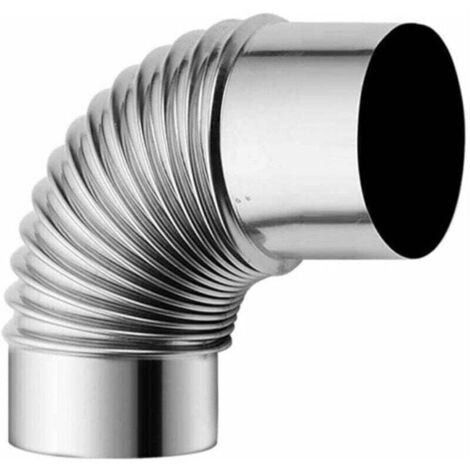
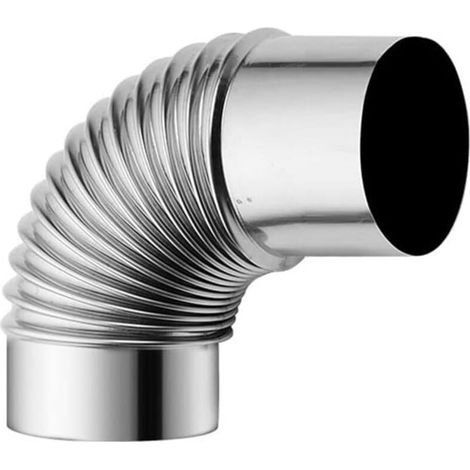
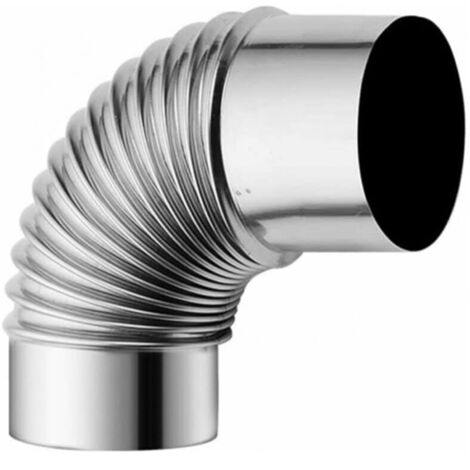
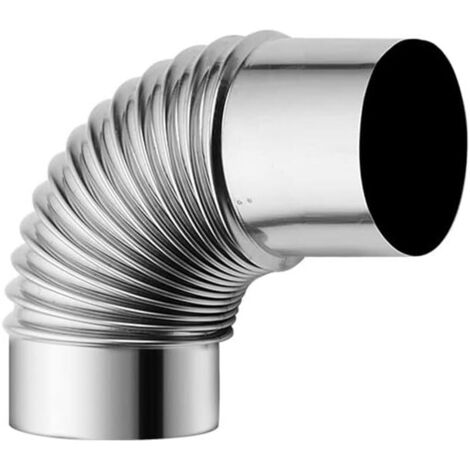
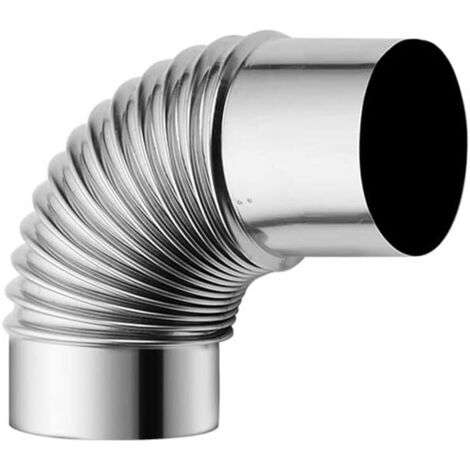
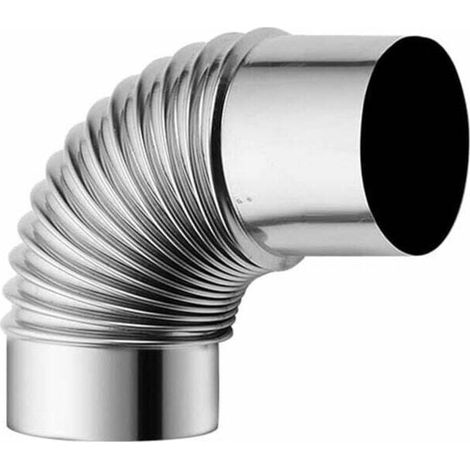
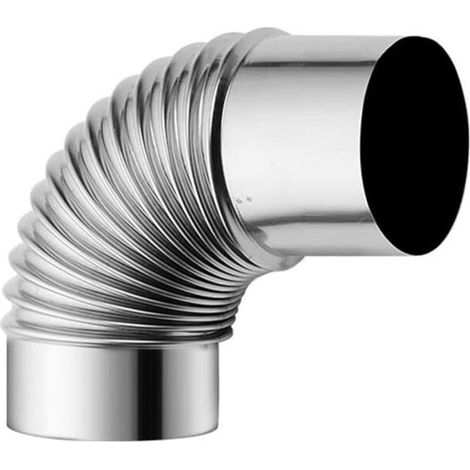
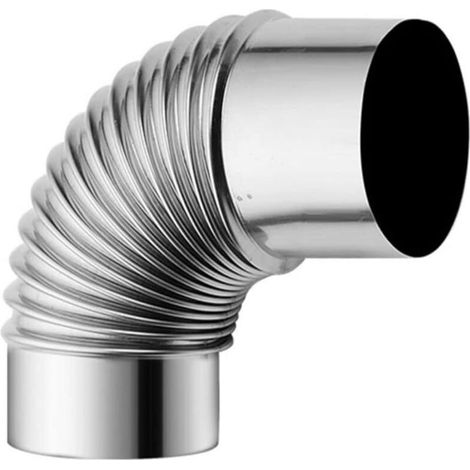
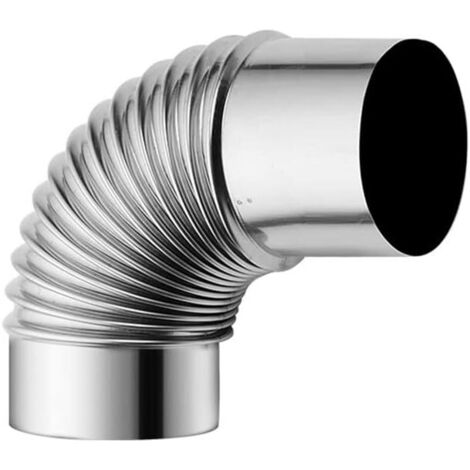
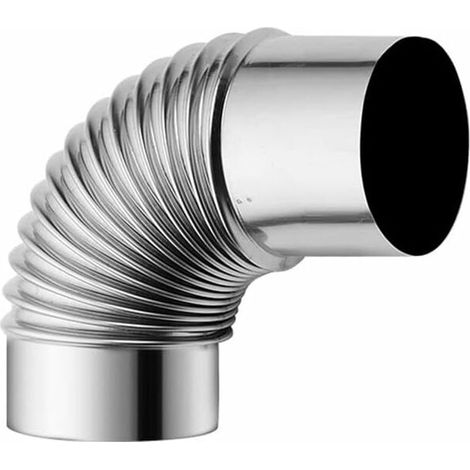
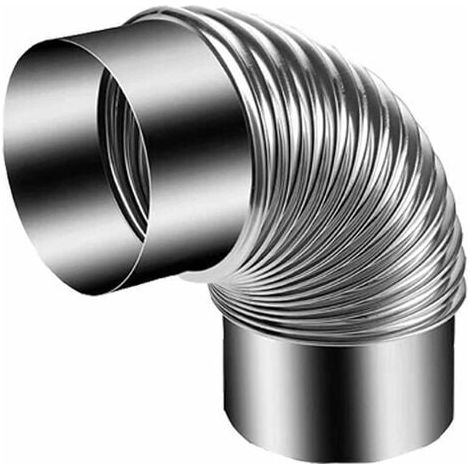
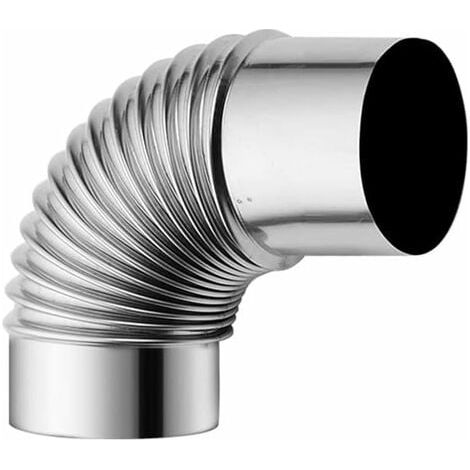
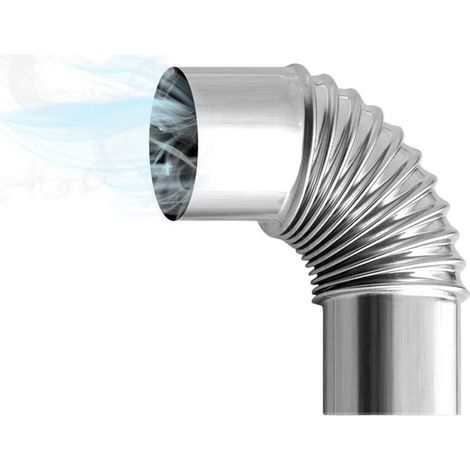
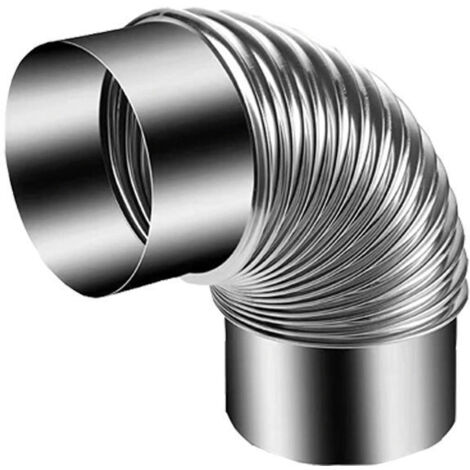
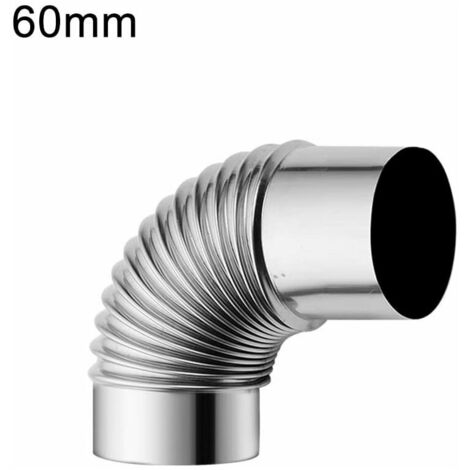
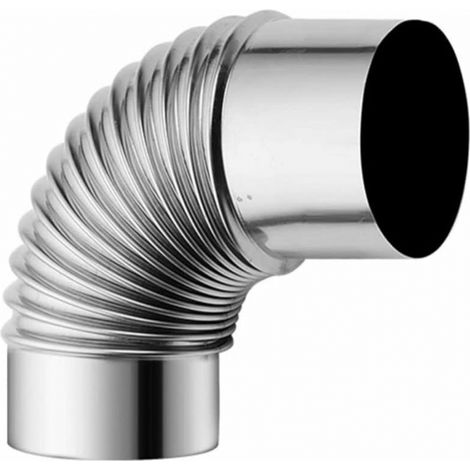
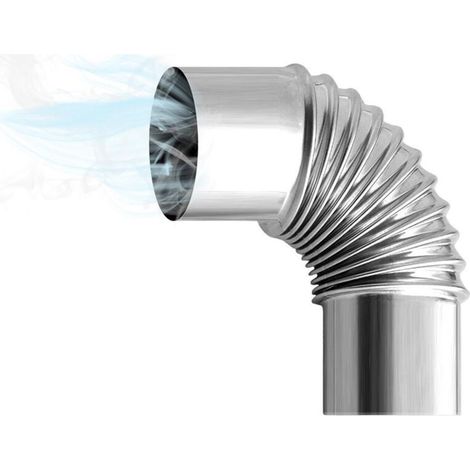
- angled fitting with elbows that have a different angle (45°, 60°, 72°, 90°);
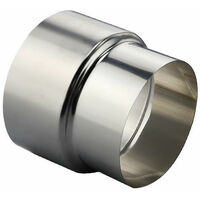
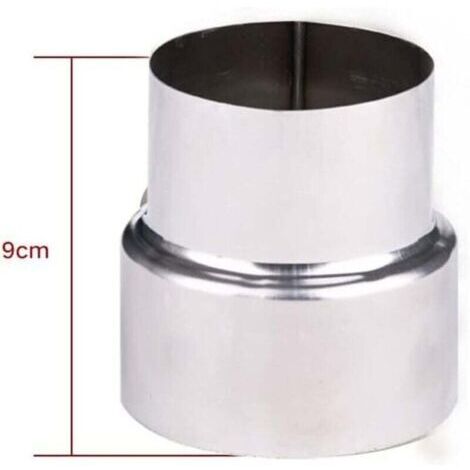
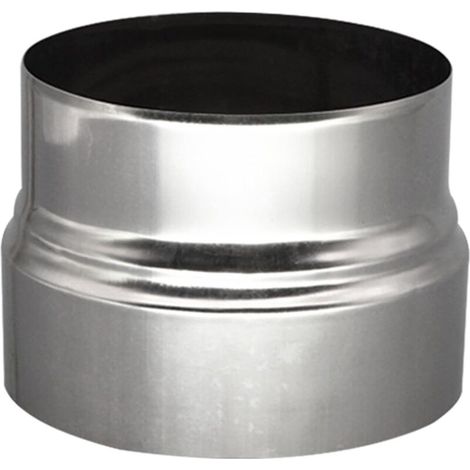
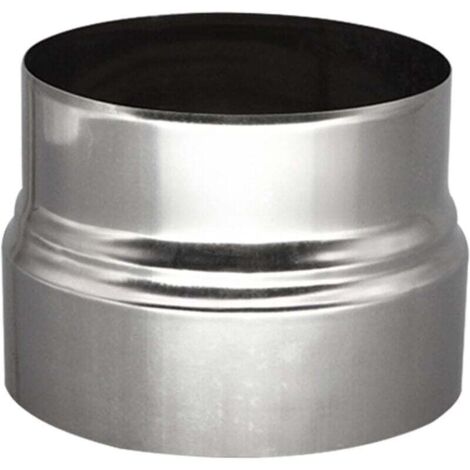
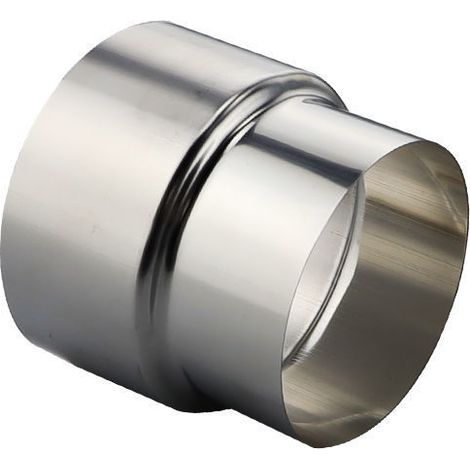
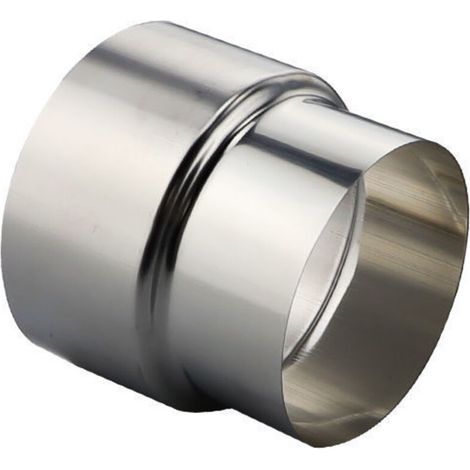
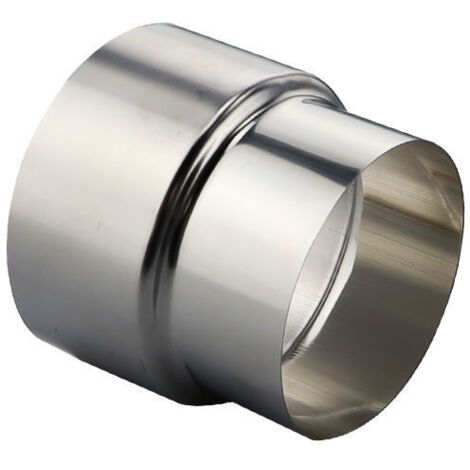
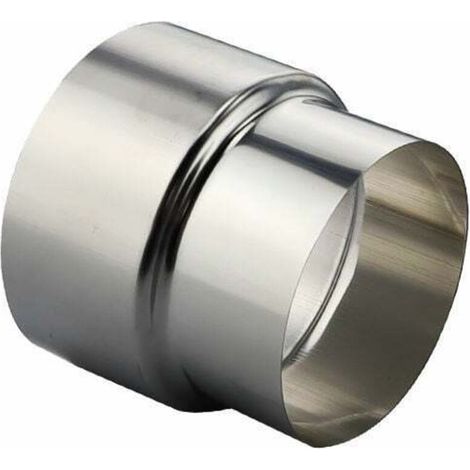
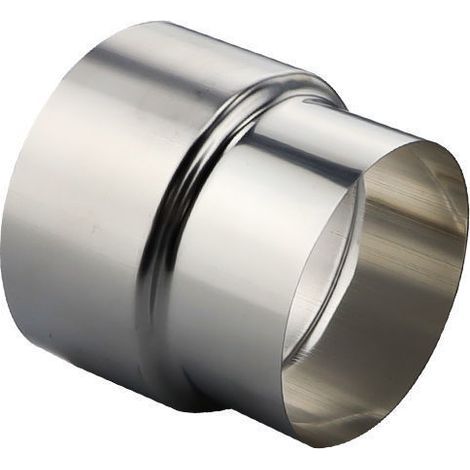
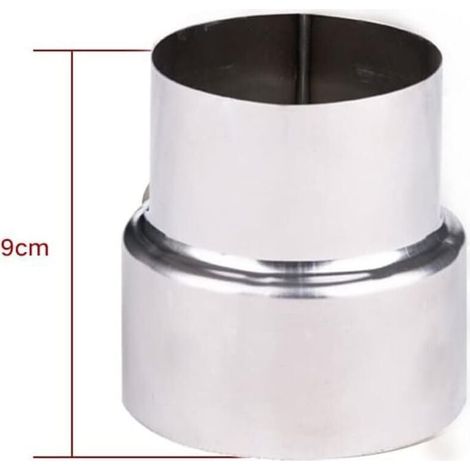
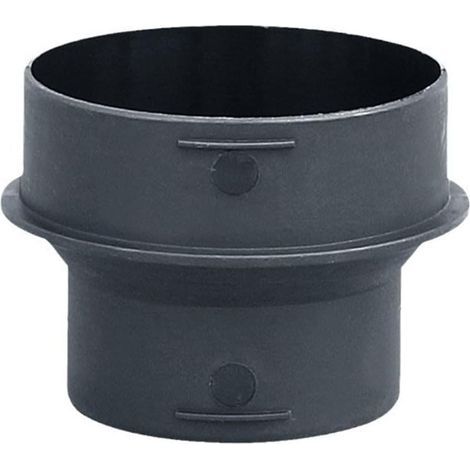
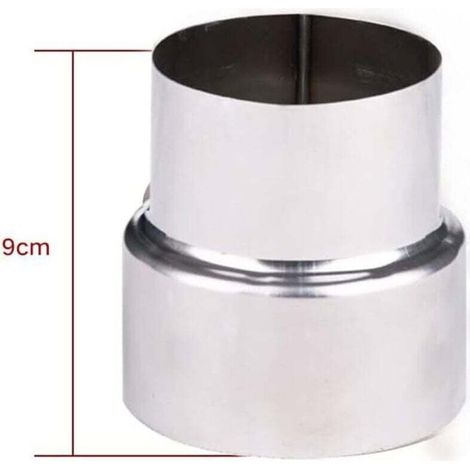
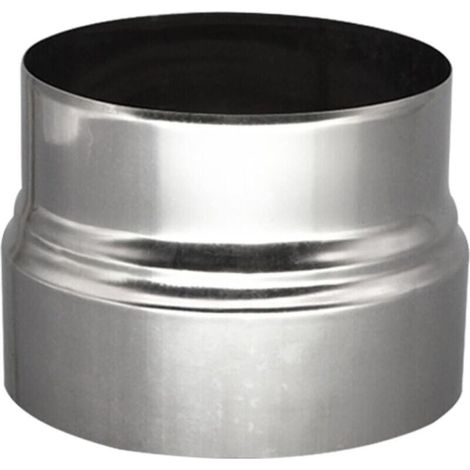
- sleeve to connect two pipes of the same diameter or configuration. It has a male-female, female-female, or male-male end;
- plug to block a pipe outlet;
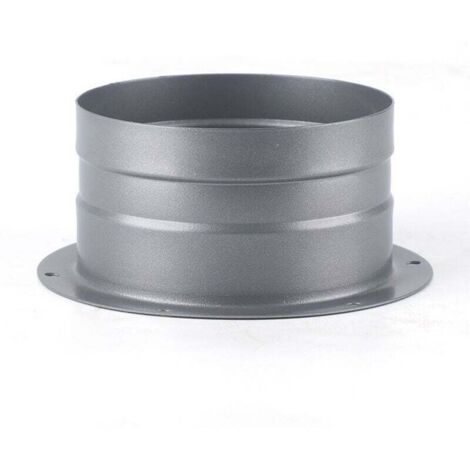
- collar that fits around the pipe against a wall;
- bistre-resistant fitting that eliminates the risk of bistration, as bistre is flammable.
Flue fittings are sold individually (stove pipes and fittings) or in kits (terminal kit, pellet stove kit, etc.). The choice of kits depends on the relevant standards and their installation. Chimney pipes can be made of aluminized iron (average lifespan), stainless steel, or enamel (optimal lifespan).
A chimney duct includes:
- a rigid or flexible liner;
- clamping flanges in the case of a rigid liner;
- fixing collars;
- a sealing plate;
- a lower fitting with a claw collar;
- a rain cap.
'/%3E%3C/svg%3E)






![[NEVER USED] Stainless steel stove pipe reducer, pipe connector, chimney pipe adapter – Ø80 mm/Ø60 mm (1 piece) (1/3)](https://cdn.manomano.com/pim-media/images/medium/4390e78086a037d5495d7b5ed3160a4992f4ed64.jpg)
![[NEVER USED] Stove Pipe Reducer 120mm to 110mm - Stove Connector - Stainless Steel - Chimney Pipe Reduction (1/4)](https://cdn.manomano.com/pim-media/images/medium/dd77fd1385d456c999b5684f2bb6667360f37060.jpg)


![[NEVER USED] 75 mm T-connector sleeve, accessory for diesel parking heater, for three-way air heater (1/4)](https://cdn.manomano.com/pim-media/images/medium/44276fe9d3b985e0d654875db7ec7ad49f55679a.jpg)
![[NEVER USED] 25mm ID Parking Heater Connector, 24mm Exhaust Pipe Assembly, for Webasto Diesel Heaters (1/4)](https://cdn.manomano.com/pim-media/images/medium/688ae3fd765ffbe767565601bcf1d3cfd3416194.jpg)


'/%3E%3C/svg%3E)