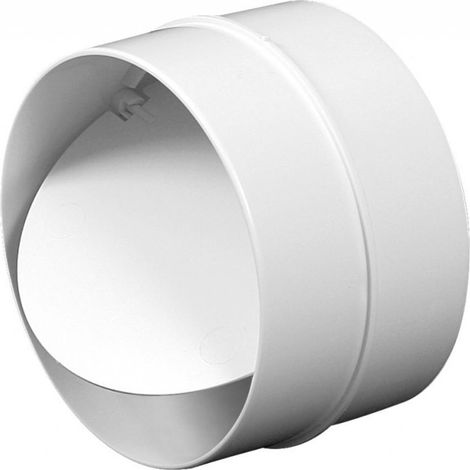
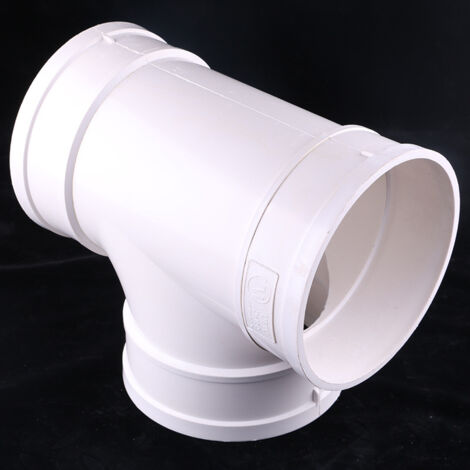
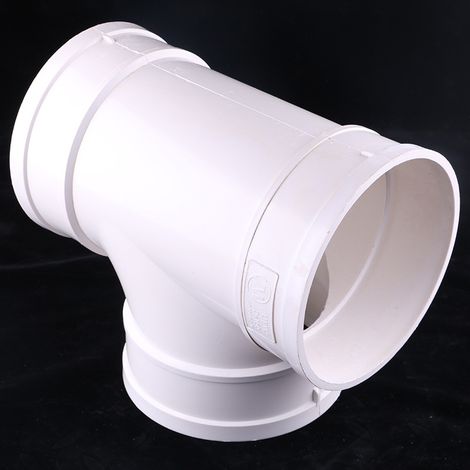
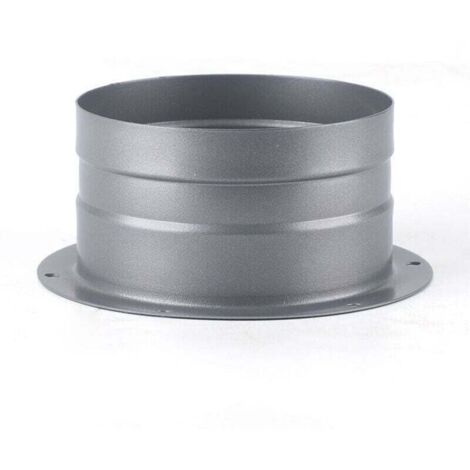
Setting up a VMC network requires connections and fittings that assemble together. Specific parts are necessary to carry out this type of installation and to start a VMC system. Indeed, the fittings serve to connect the ducts to other parts of the system. They must therefore be threaded and adapted to the diameter of the ducts to be screwed in.
There are also fittings that have a dual function:
- connecting to a duct;
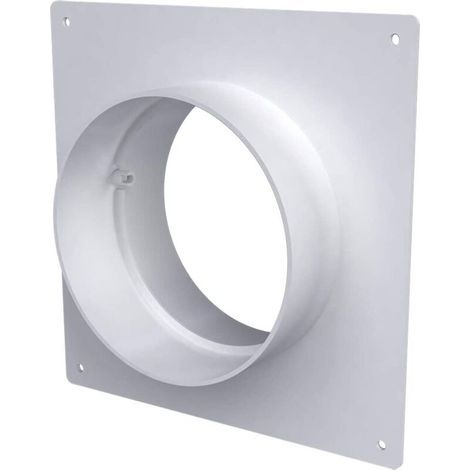
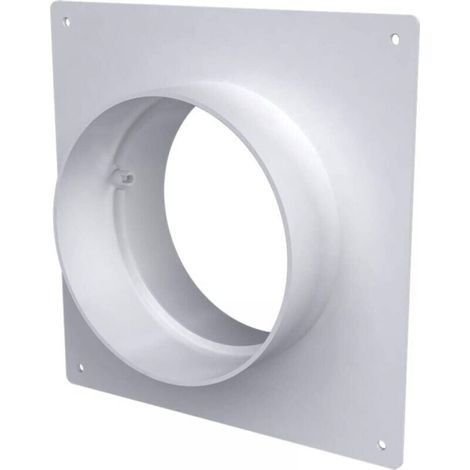
- connecting to an extraction vent on a wall.
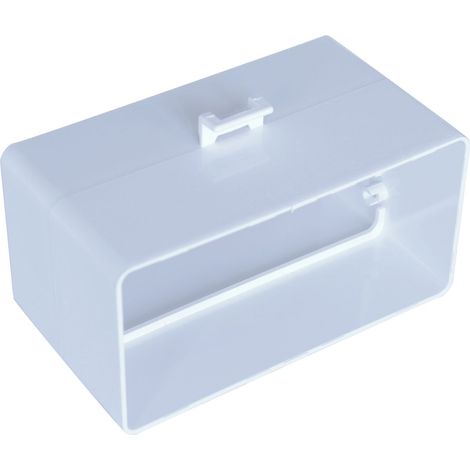
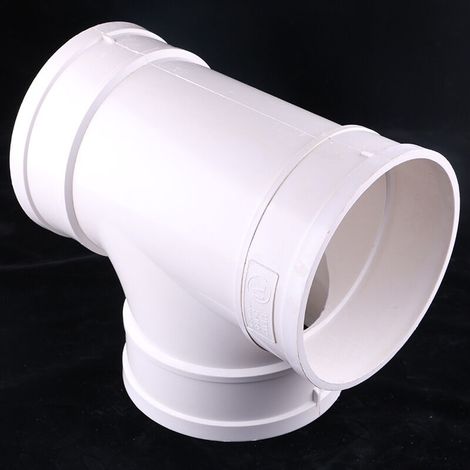
The fittings ensure the performance of the system. Therefore, it is essential to adapt the diameter of the exhaust vent, the VMC duct, and the junction box. Here are some of the parts that ensure the connection of the VMC network:
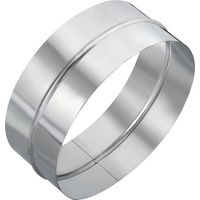
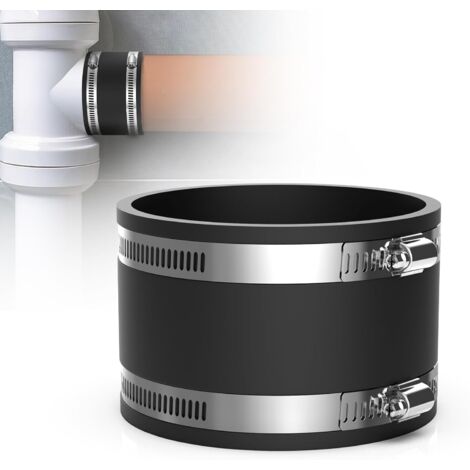
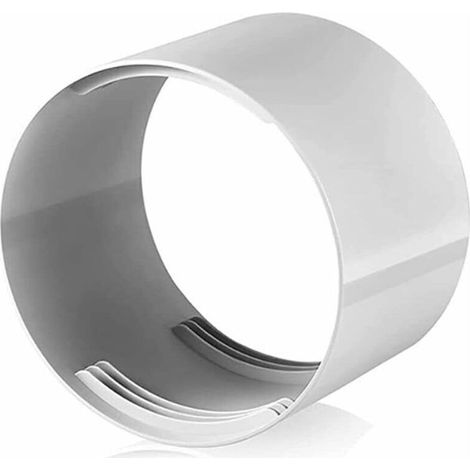
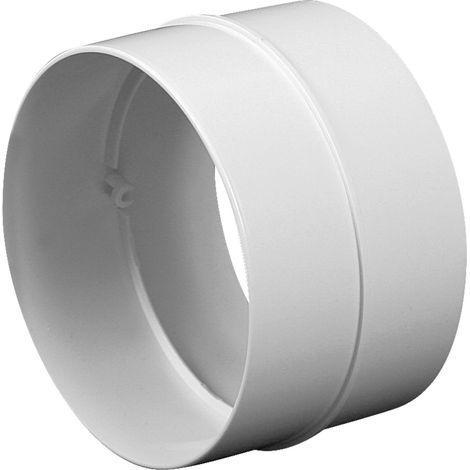
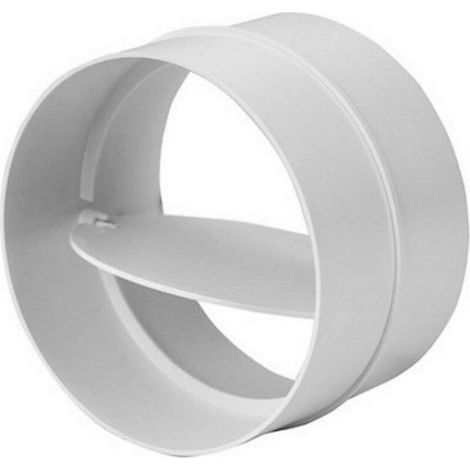
- sleeves: different from fittings, sleeves are used to connect two elements of variable lengths that are not screwed in. They are often used in renovations to modify the network or to install an extraction vent;
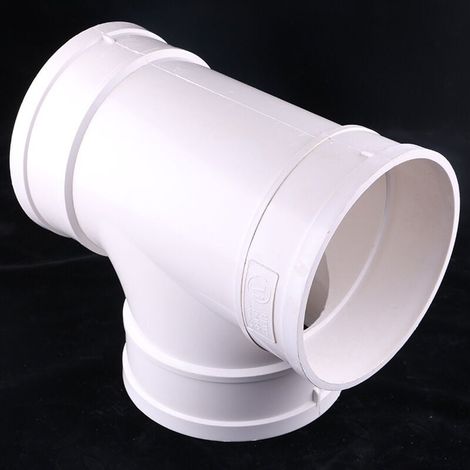
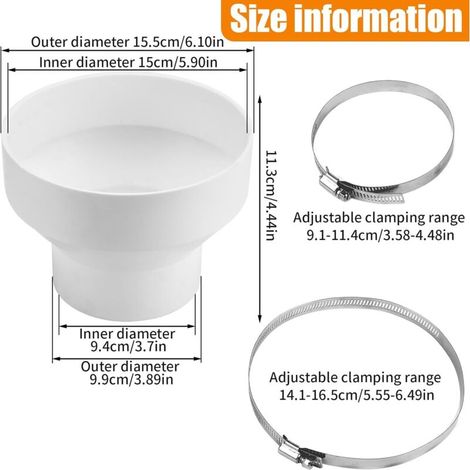
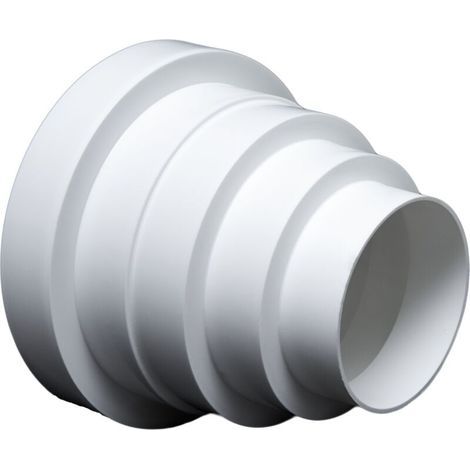
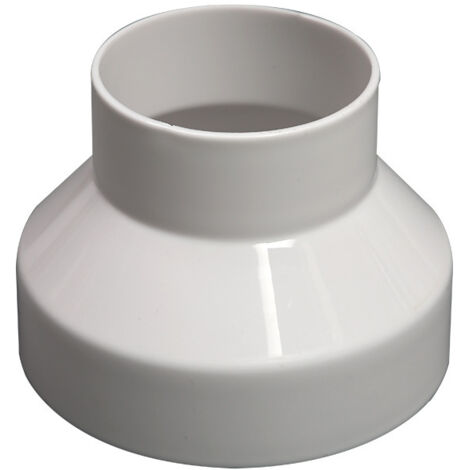
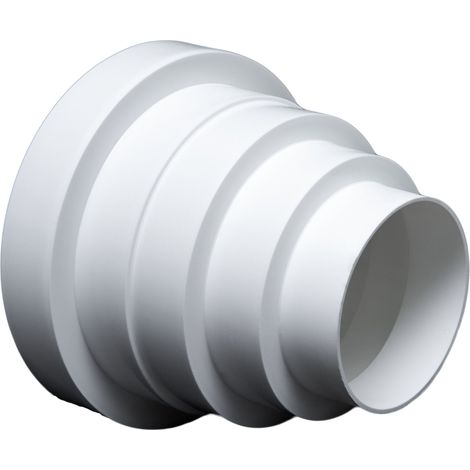
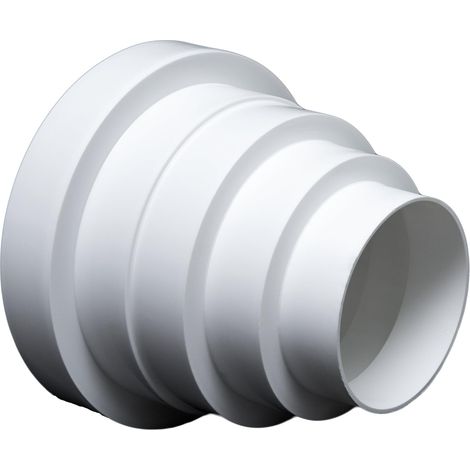
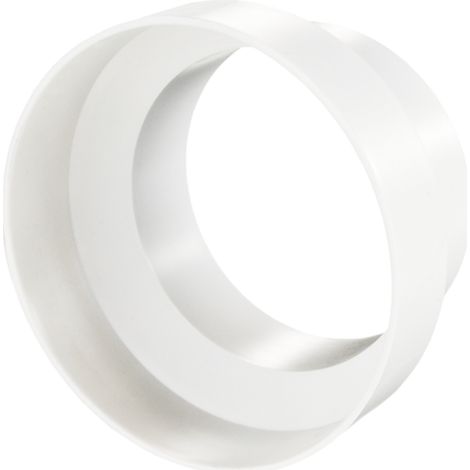
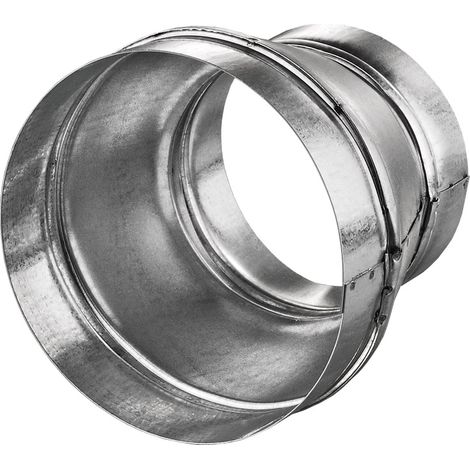
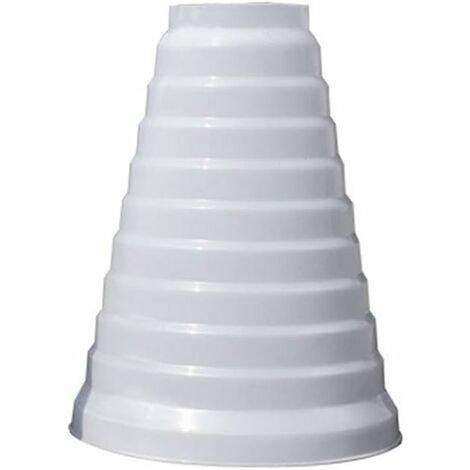
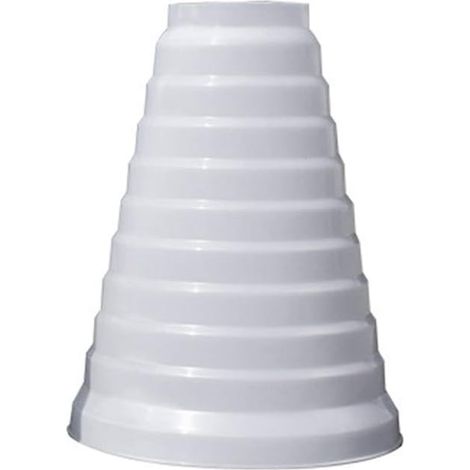
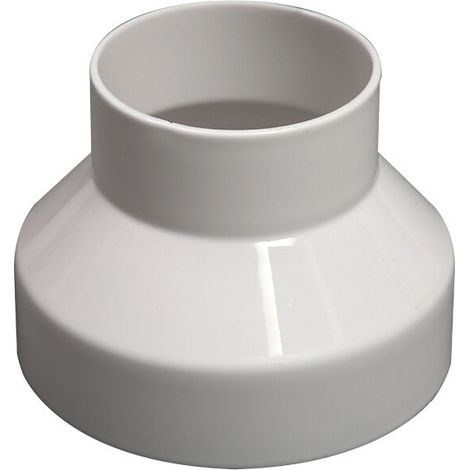
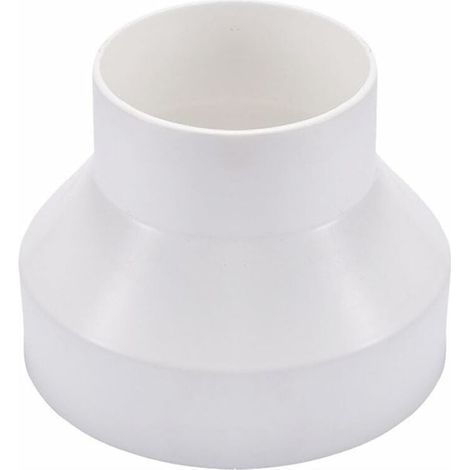
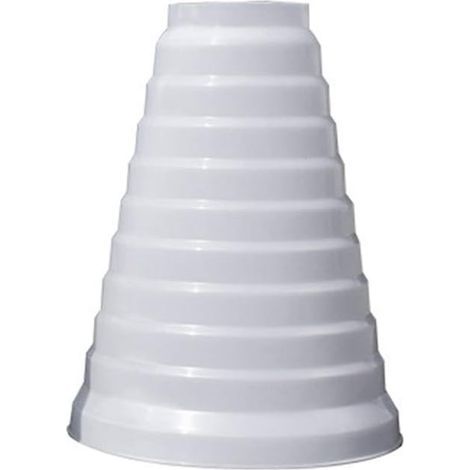
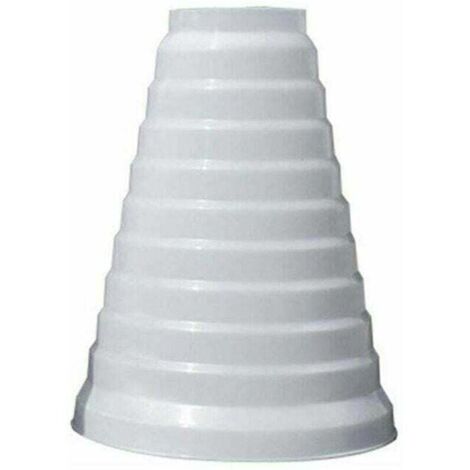
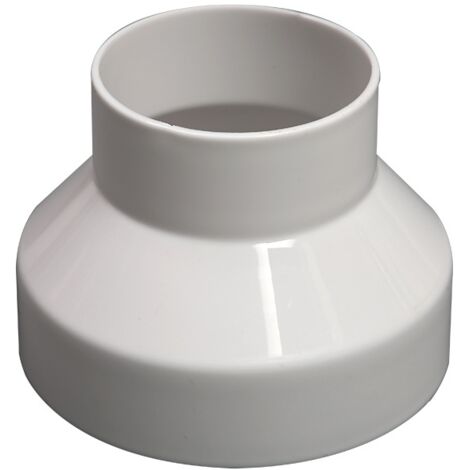
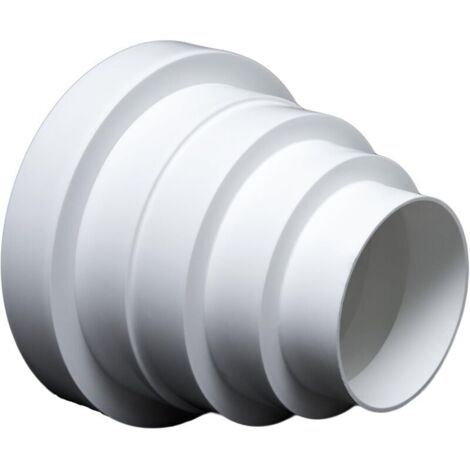
- reducers: they are used to connect two pieces of equipment with different diameters;
- roof outlets: to extract stale air from a dwelling, a roof outlet is indispensable. It is connected to the discharge duct of the extraction unit and then passes through the roof to ensure air evacuation. It consists of a fitting to insert the exhaust duct, a cover plate, and an anti-rain grille;
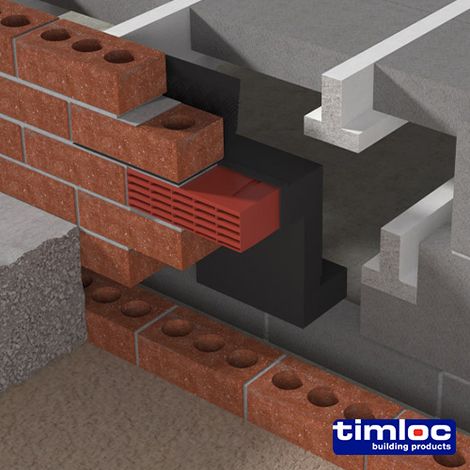
- sound traps: this equipment is useful to avoid noise disturbances and limit the noise generated by air circulation. It is an anti-noise device placed behind an extraction vent;
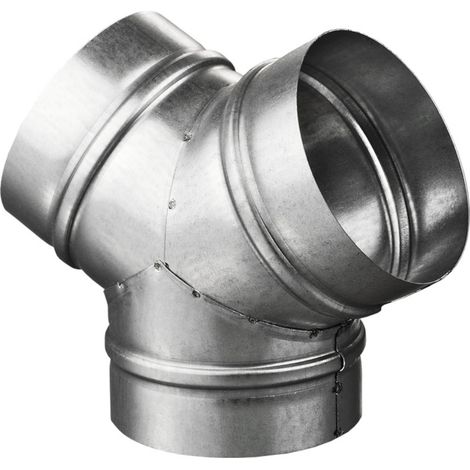
- distribution box: this element is used to distribute the airflow. Thanks to this accessory, it is possible to pull a single duct and distribute it among several exhaust vents.
Each element of the VMC system plays a specific role. Besides the fittings, the VMC network consists of VMC ducts, the extraction vent, and the air intake grills.
'/%3E%3C/svg%3E)


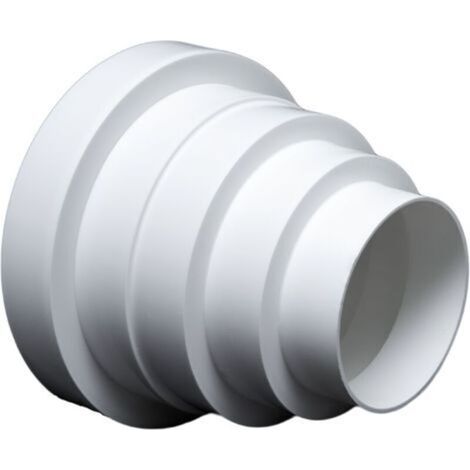

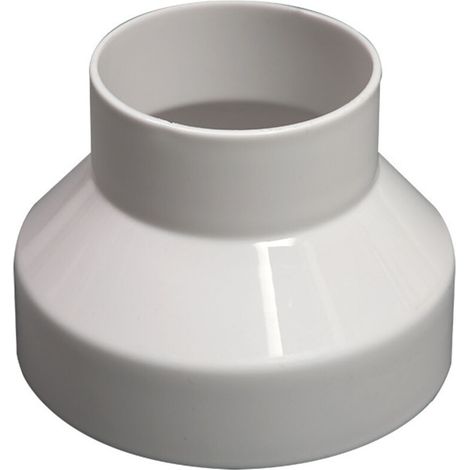







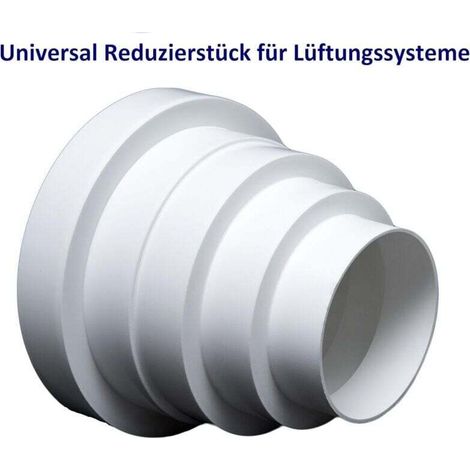
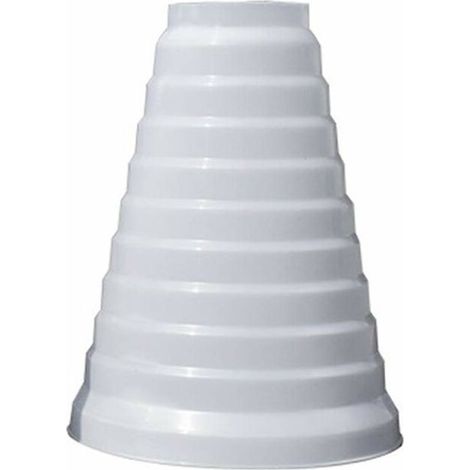
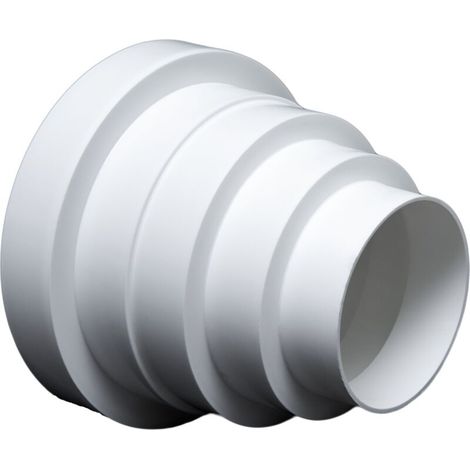


![[NEVER USED] Universal reducer for ventilation systems Ø 80-150 mm. Reducer fitting for reducing tubes Ø 80, 100, 120, 125, 150. Ventilation duct (1/3)](https://cdn.manomano.com/pim-media/images/medium/a0b2792cf56445b9efb68de6931aa1e2eef6a8a4.jpg)


![[NEVER USED] Duct adapters for ventilation ducts from 150 mm to 100 mm, exhaust fan adapters, duct reducers (1/4)](https://cdn.manomano.com/pim-media/images/medium/dc15ccd4a2c5bd102530621160682d39d09e2571.jpg)
![[NEVER USED] Pack of three Ø 150 mm wall mounting flanges – ABS ventilation duct connector – ventilation pipe connector/adapter (1/4)](https://cdn.manomano.com/pim-media/images/medium/6eabe98f87848c5b199a395b863760ceae2787e3.jpg)
'/%3E%3C/svg%3E)
'/%3E%3C/svg%3E)