Essential for protecting plants and gardens from pests, insecticides and plant treatments come in various forms and require certain precautions for their use.
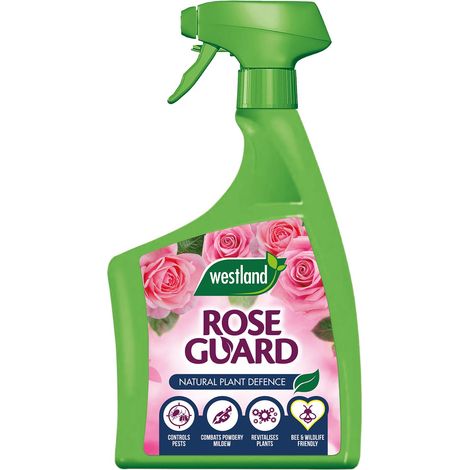
Insecticides and plant treatments are phytosanitary products designed to heal and protect plants against diseases and harmful pests. They are divided into several categories according to their targets, but the most well-known are:
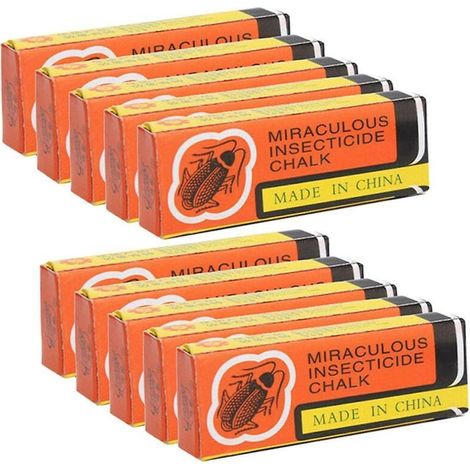
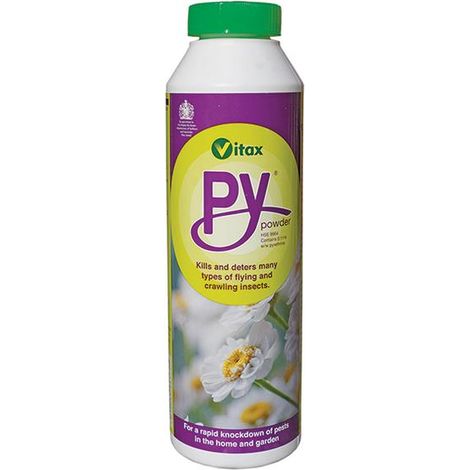
- insecticides to fight against insects;
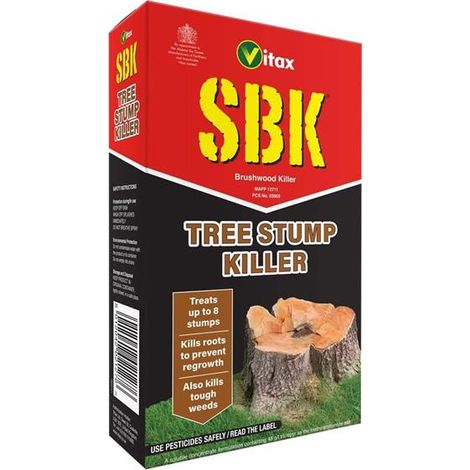
- herbicides against weeds and undesirable plants;
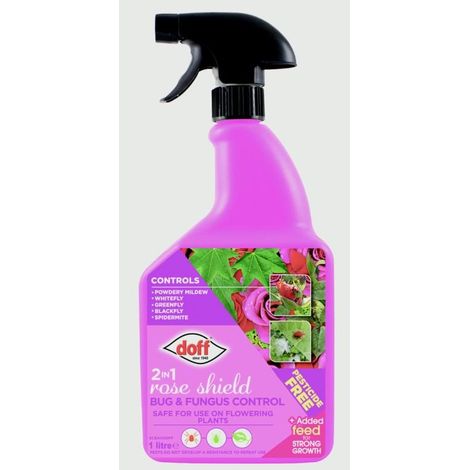
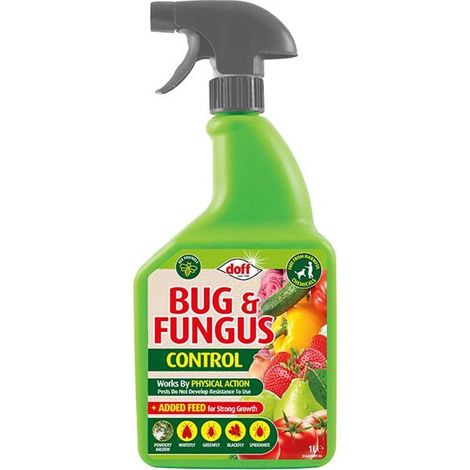
- fungicides to combat fungi;
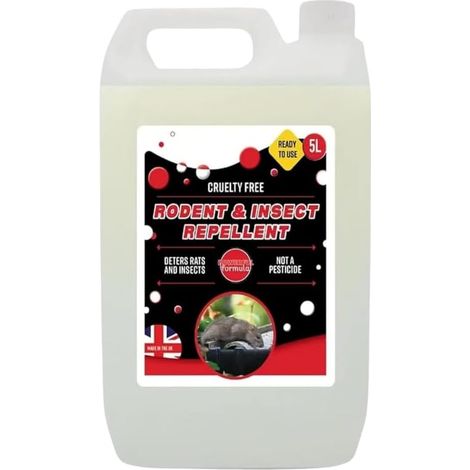
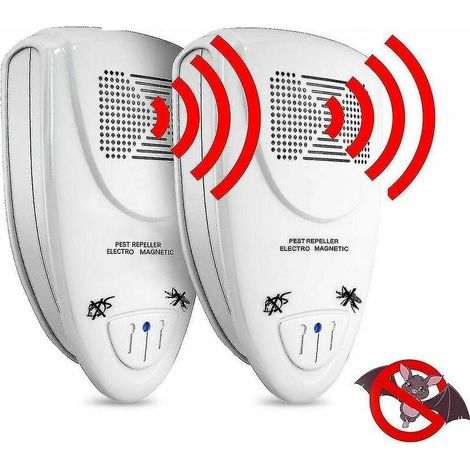
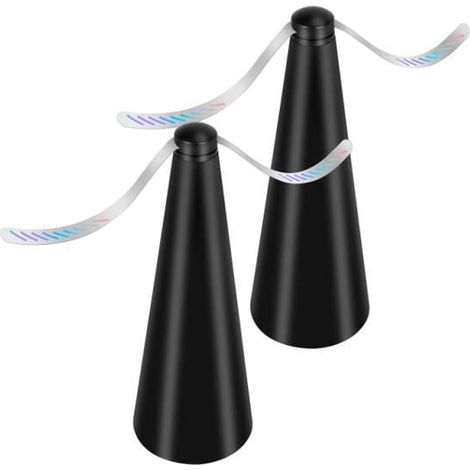
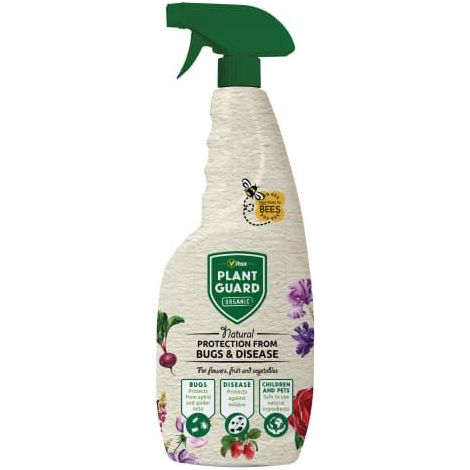
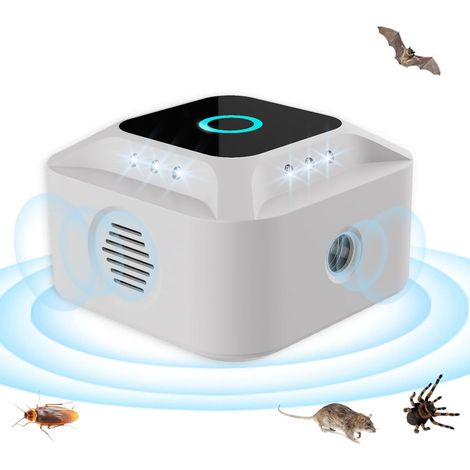
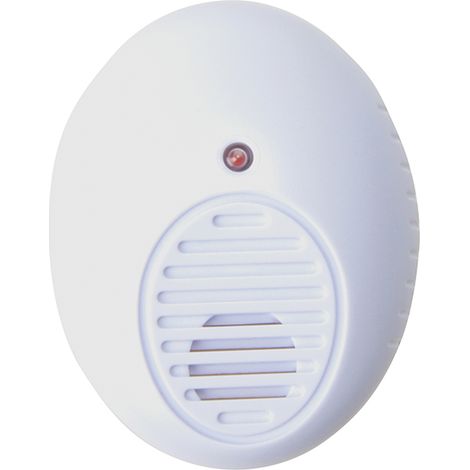
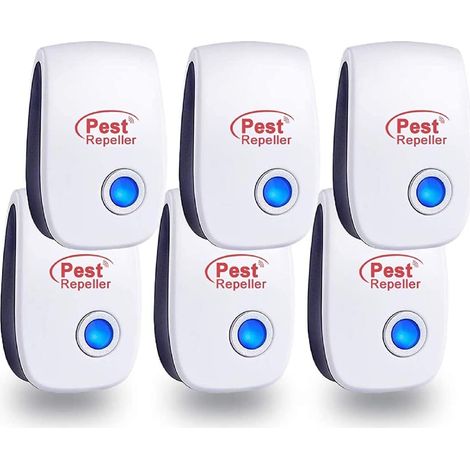
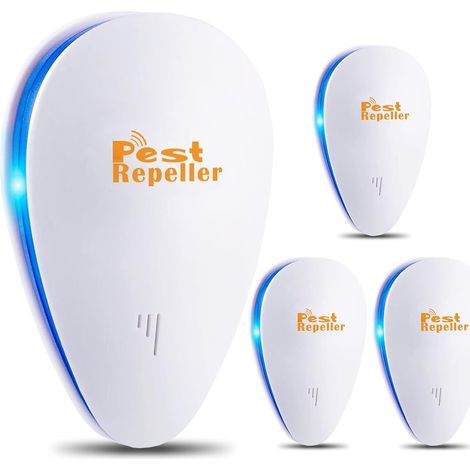
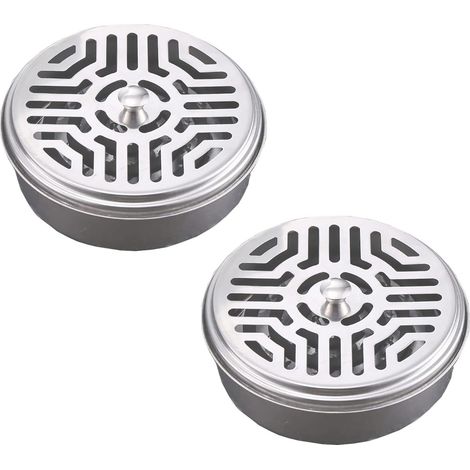
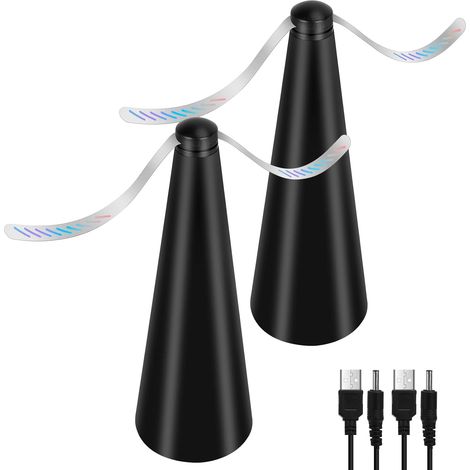
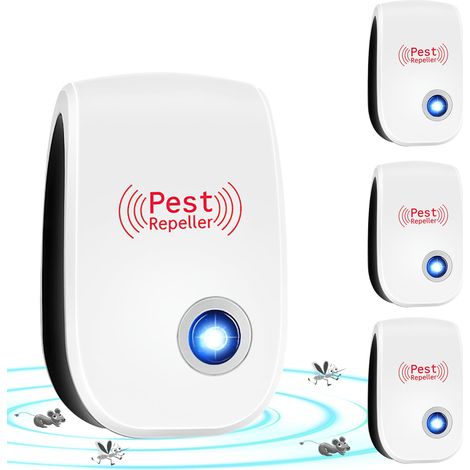
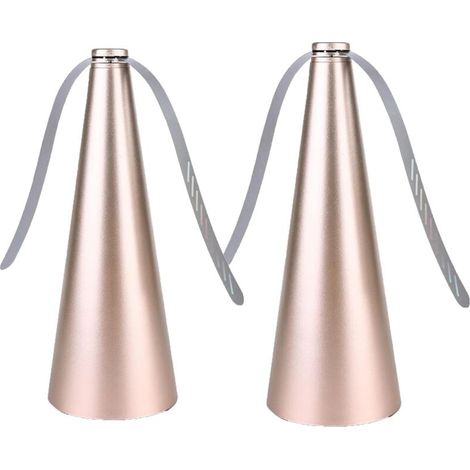
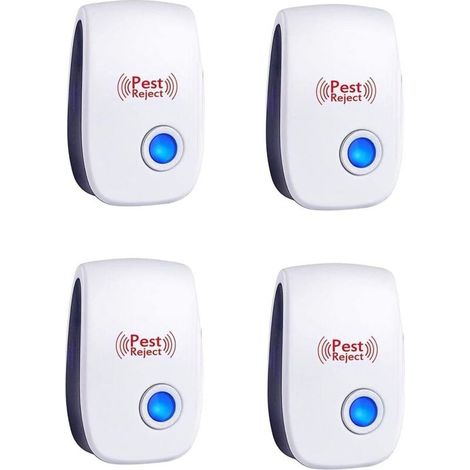
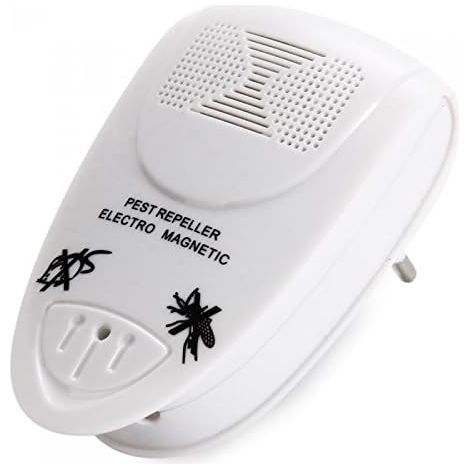
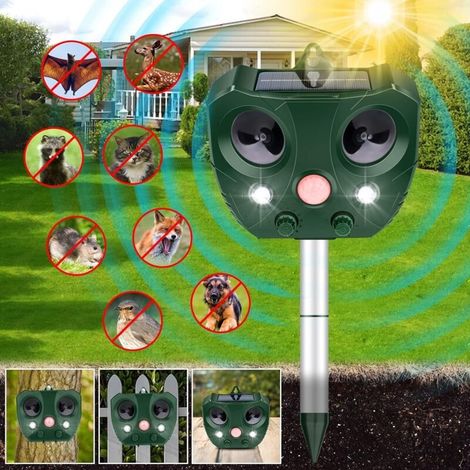
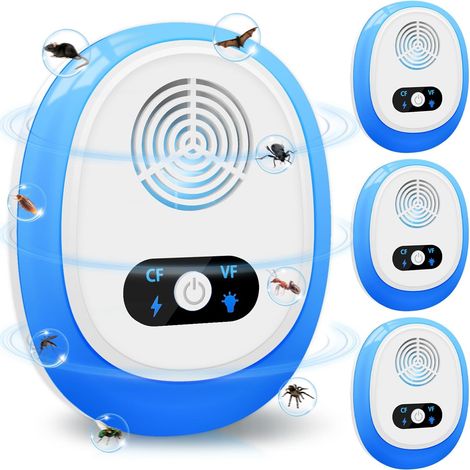
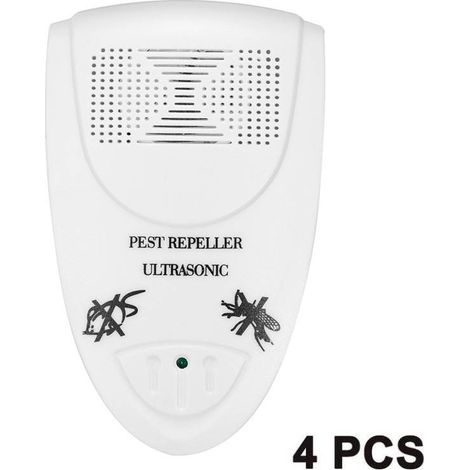
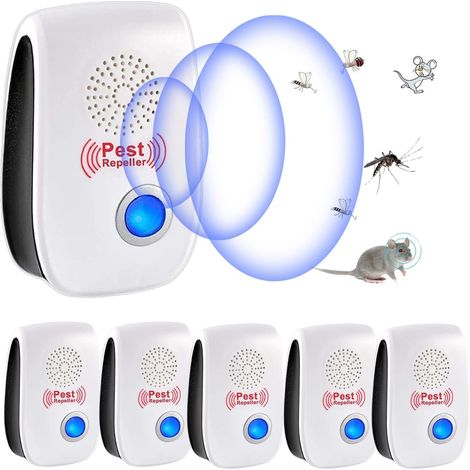
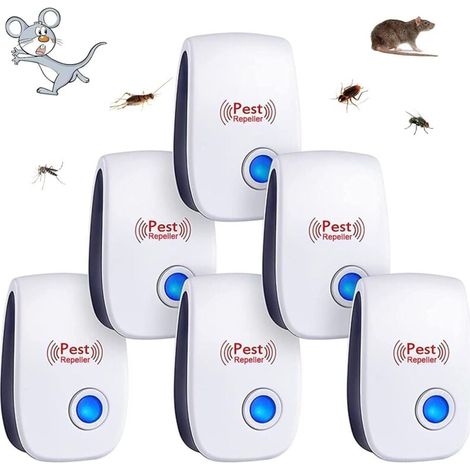
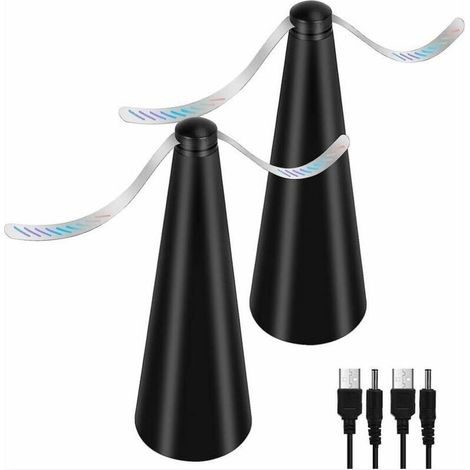
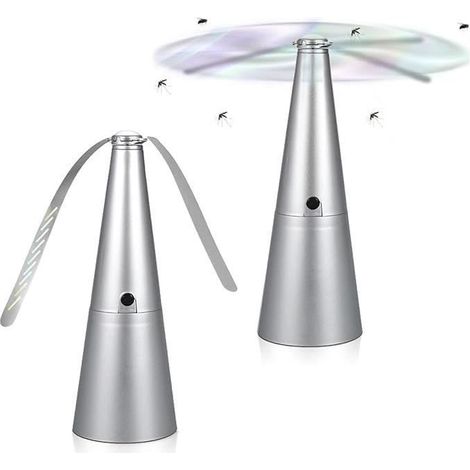
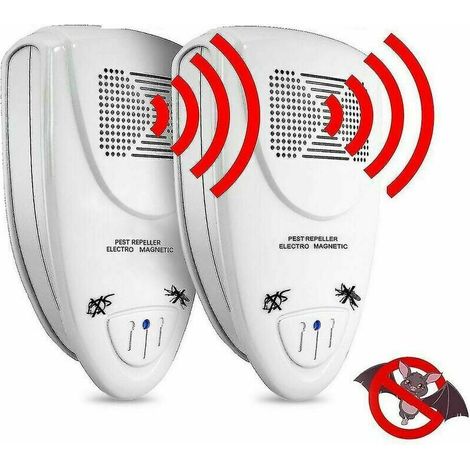
- repellents, which drive pests away from plants instead of eliminating them.
These pesticides can come in liquid form, powder, or granules ready to use or to mix with water. The instructions provided with the product allow us to know the application method of the phytosanitary product (spraying, spreading, watering…) and the specific dosage.
It is always advised to use masks, protective glasses, and gloves when handling phytosanitary treatment products.
Insecticides target different categories or species of insects and can be systemic, meaning they act and disseminate slowly, but have a long-lasting effect or fast-acting with quick results but are less persistent.
Fungicides are used against parasitic fungal diseases. They are generally contact products to be sprayed on the plant. They have a mineral or organic formulation.
As for herbicides, they eliminate weeds and other unwanted plants. They can be selective, destroying only certain unwanted plants or total, eliminating all plants in their path.
Biological control is also part of plant treatment. It involves not using chemical products but resorting to natural products or predators or living organisms that destroy the targeted pest. Parasitoids like the nematodes of white grubs or Bacillus thuringiensis that destroy the box tree moth are a good example. Plant-based natural repellents are also biological control tools, serving as alternatives to chemical repellents.
Insecticides and other plant treatments are effective in protecting gardens and plants but should be used with caution, especially due to their environmental effects.


































'/%3E%3C/svg%3E)
'/%3E%3C/svg%3E)