The tenon is the male part of a wooden construction piece designed to be inserted into the female cavity of another piece, called a mortise, and holds the two together through fitting. This assembly can be secured with a wooden dowel. Well-known for the construction of doors and beds, tenons are available in various sizes and in boxes of 1000 to 1800 pieces. There are numerous types of mortise and tenon joints, with or without dowels.
The mortise and tenon joint technique offers countless advantages, starting with the rigidity of the construction as well as the ease of assembly and disassembly, which facilitates any possible repair. For example, there is the pegged mortise and tenon joint, in which the dowel, round or square in shape, is chamfered at the end to facilitate its insertion. Another similar type of joint is one where the tenon part is slightly offset from the mortise, and the dowel tends to pull the crosspiece towards the post. This is called a drawbore dowel.
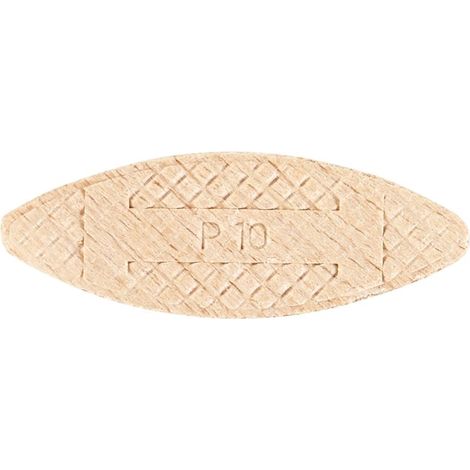
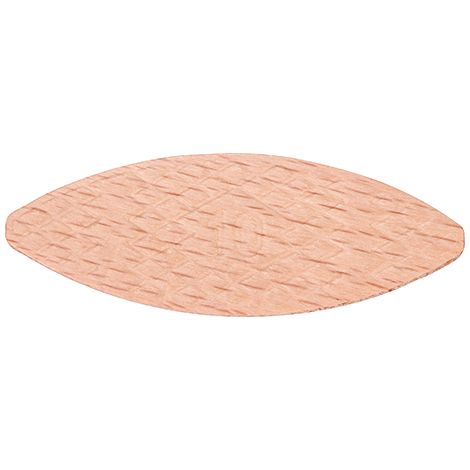
There is also the loose tenon and mortise joint, where the tenon is replaced by a separate piece called a loose tenon. This type of joint, which can be locked with dowels, offers the same strength as a true mortise and tenon joint. Additionally, there is the double mortise and tenon joint, a system achieving two tenons on the same piece where the crosspiece is thick or wide. It is often used for bed crosspieces. Lastly, there is the through-tenon and mortise joint, where the tenon is visible once assembled. It is often used for door crosspieces.
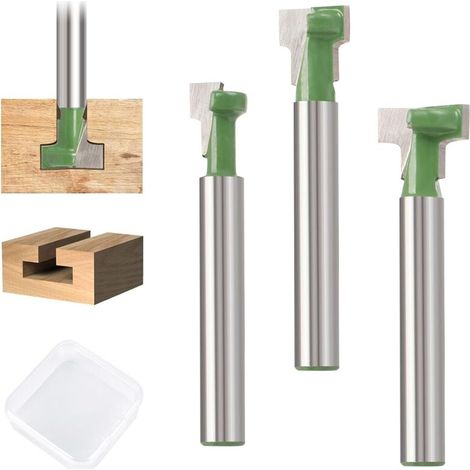
![[NEVER USED] 3pcs 8mm Shank Extra Long Milling Cutters, Wood Milling Cutter Extra-Long End Mill 8mm x 1/2" x 50.8mm, 8mm x 1/2" x 63mm, 8mm x 1/2" x 76mm (1/4)](https://cdn.manomano.com/pim-media/images/medium/2289f93abc62fd21eb3ca90d6848a641377c9c94.jpg)

'/%3E%3C/svg%3E)