Among the various available models, it is not always easy to find the rope most suited to one's installations. Depending on the intended use, certain characteristics may be favored by the future user. It is also possible to try to find the right balance between its functional and aesthetic nature.
In general, a rope is characterized by:
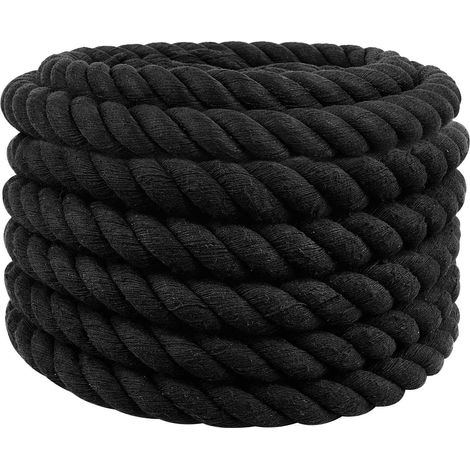
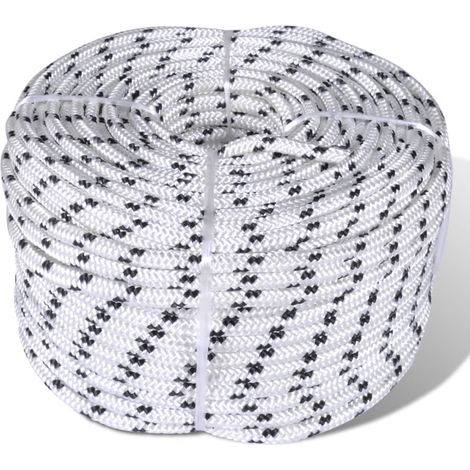
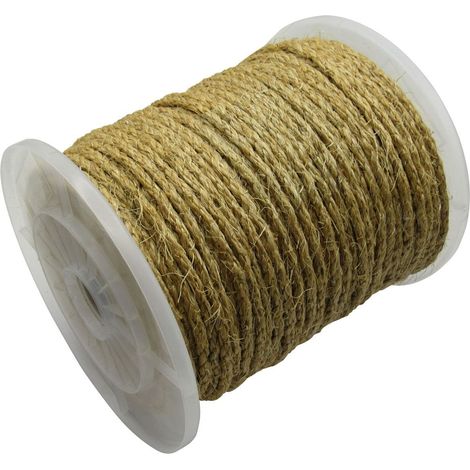
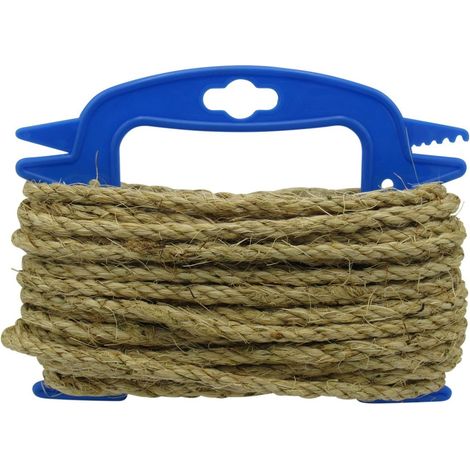
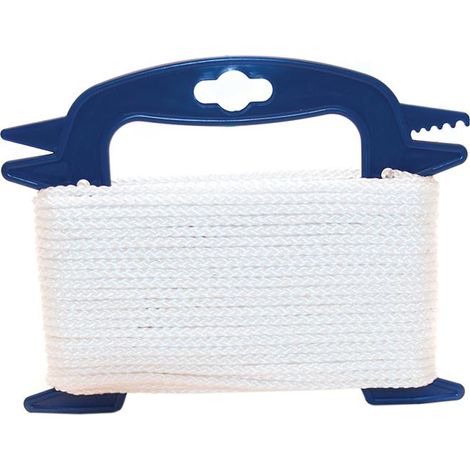
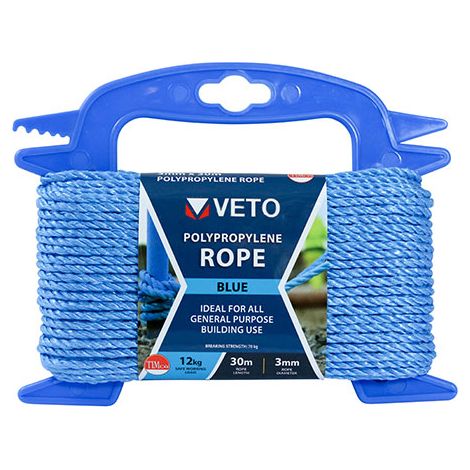
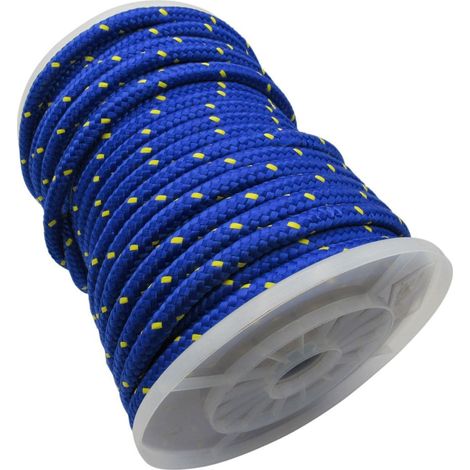
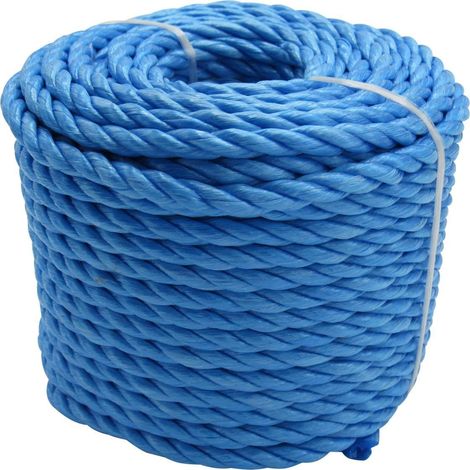
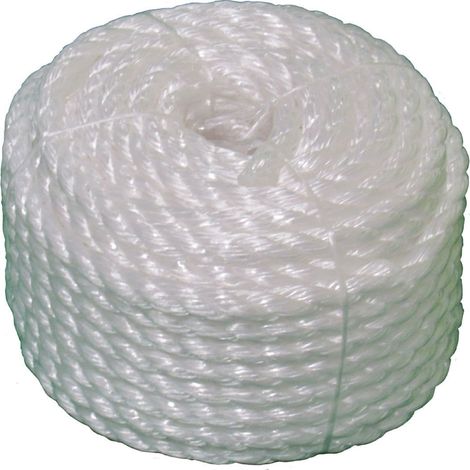
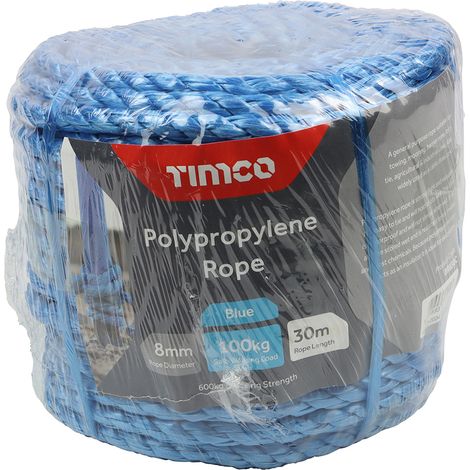
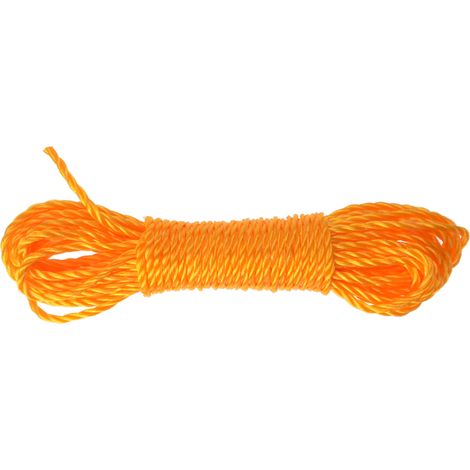
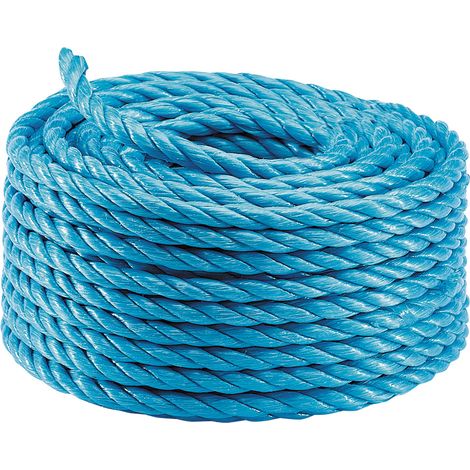
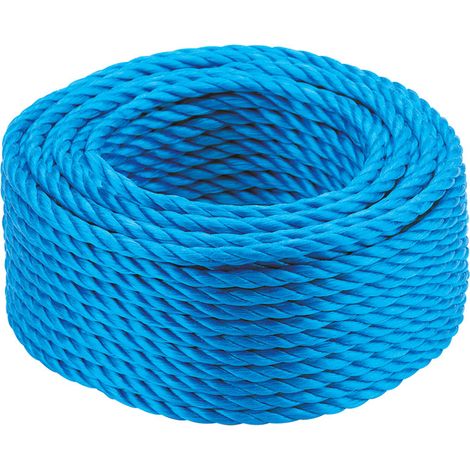
- its manufacturing material (polypropylene, hemp, polyamide, cotton, etc.);
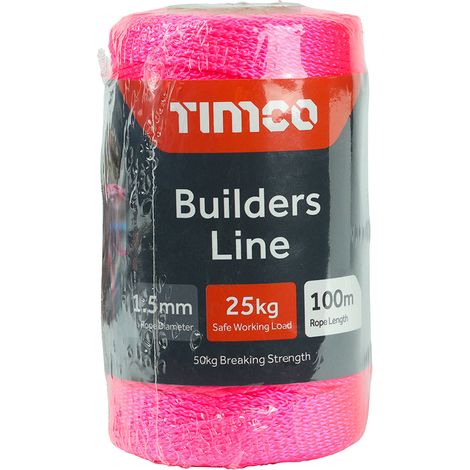
- its diameter, often expressed in mm;
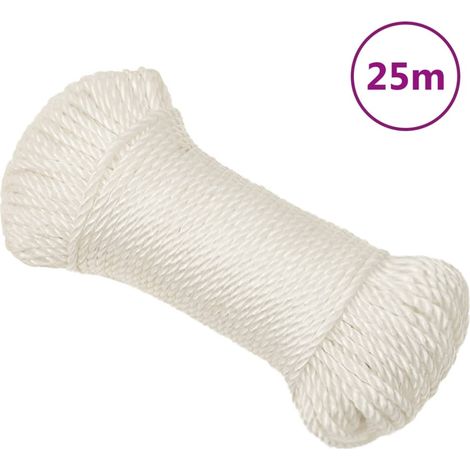
- its packaging, sold by the meter or in rolls of 10 to 200 m;
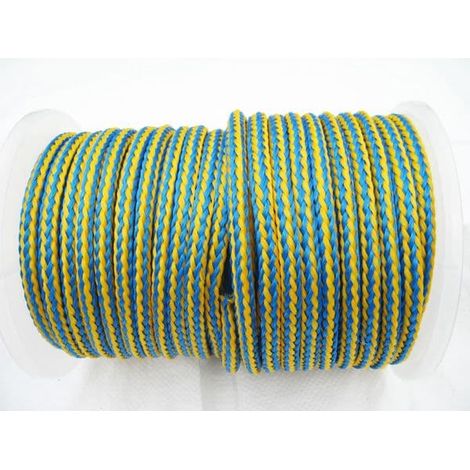
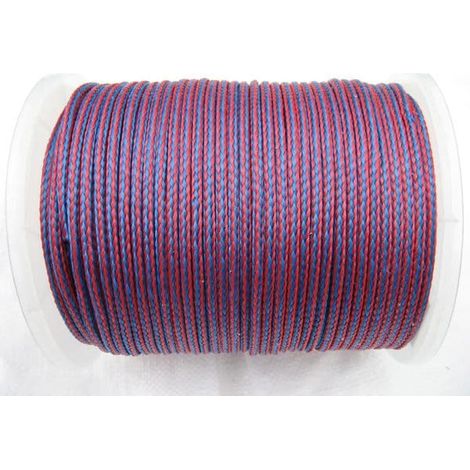
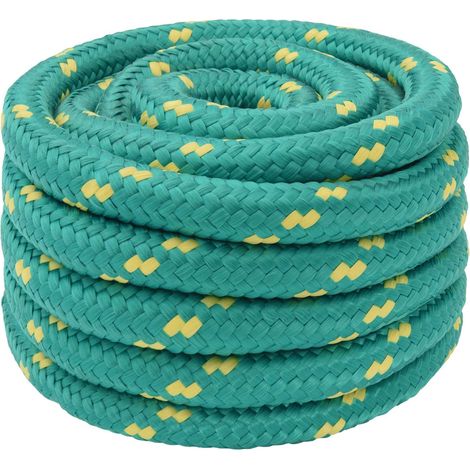
- its texture, related to its braiding technique (e.g., synthetic ropes with a hemp-like texture);
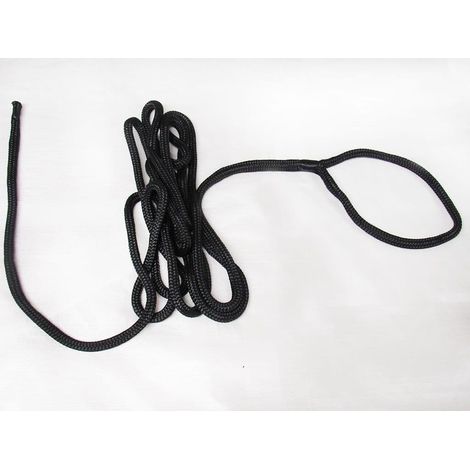
- its field of use. Many models are specifically designed for construction sites, handling, water sports, boats, masons, climbers, and speleologists, etc.
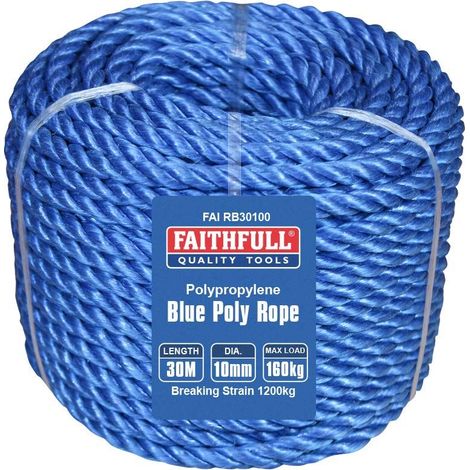
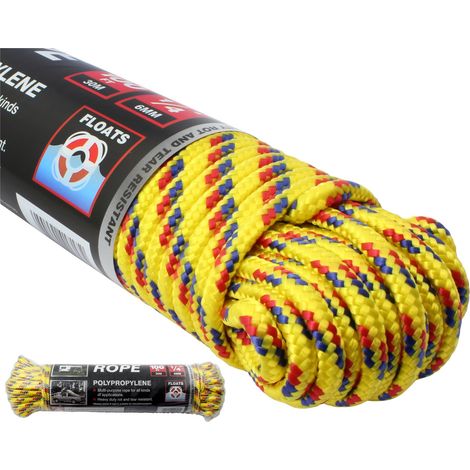
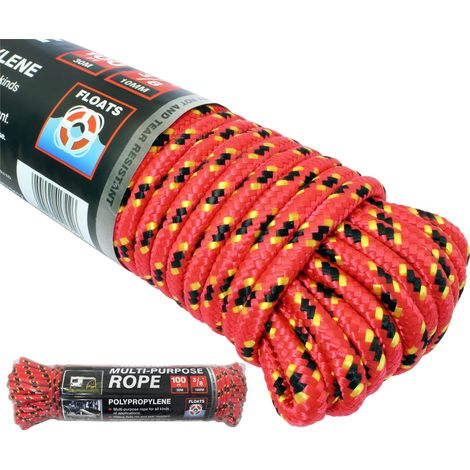
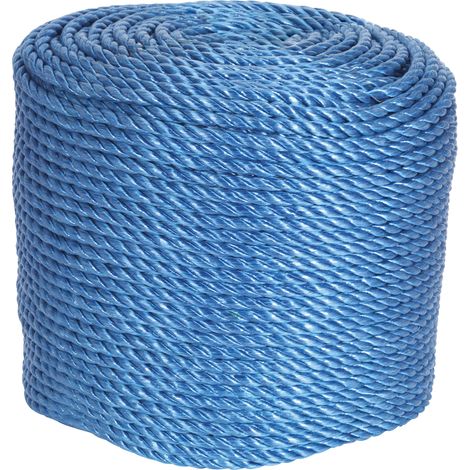
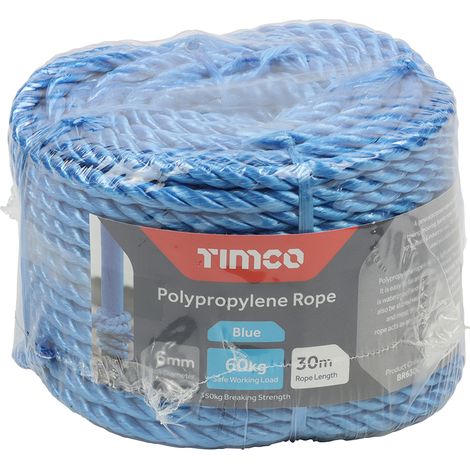
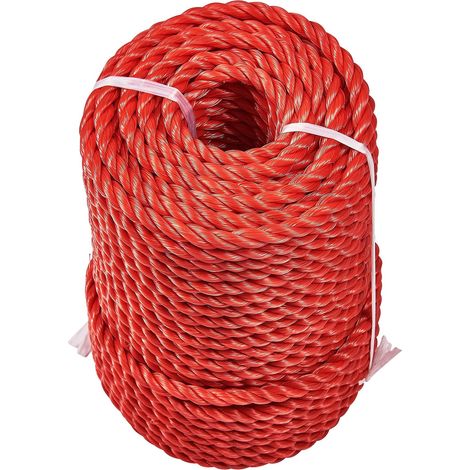
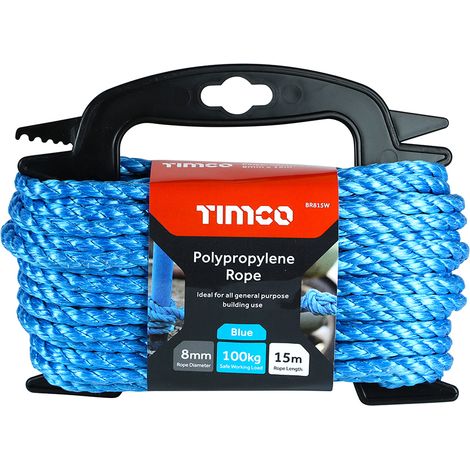
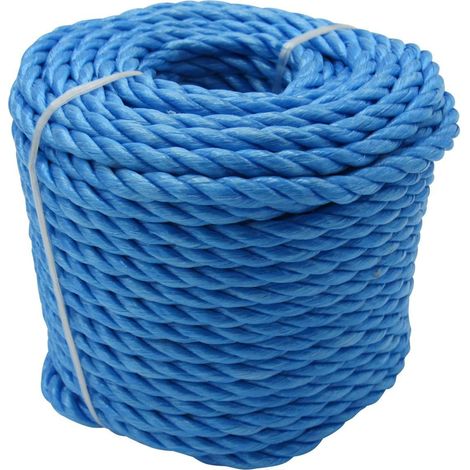
These elements can be made from various materials, such as polyester, polyamide or vegetable fibers like hemp. Easy to use, polypropylene:
- offers an excellent quality/price ratio;
- is practical on land and at sea;
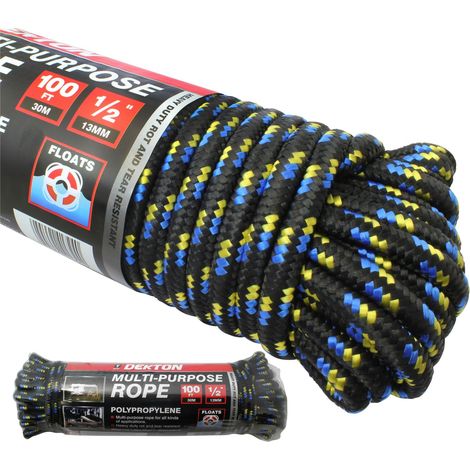
- can float, as the material is hydrophobic and very light, making it ubiquitous in navigation;
- is resistant to grease and similar dirt, keeping the rope clean and requiring no special maintenance;
- has strength proportional to the number of strands or spindles.
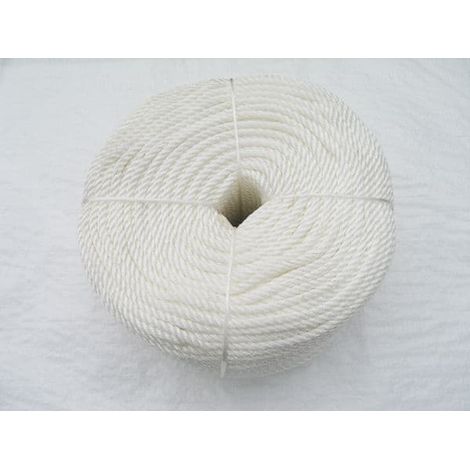
A polyamide rope:
- is flexible and very strong;
- demonstrates high resistance to abrasion and mechanical aggression by friction;
- has a particularly high breaking threshold in tensile elongation;
- is more heat resistant than polyester and is therefore suitable for camping, shutters, water sports, and lawnmower starters.
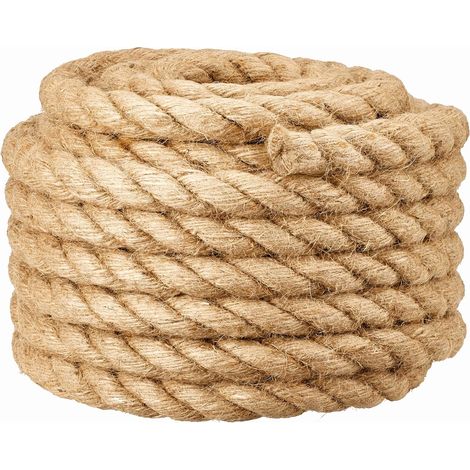
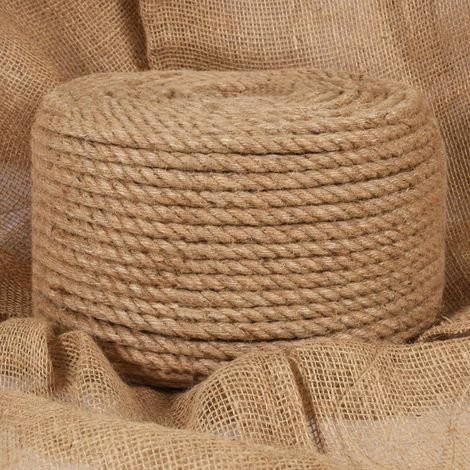
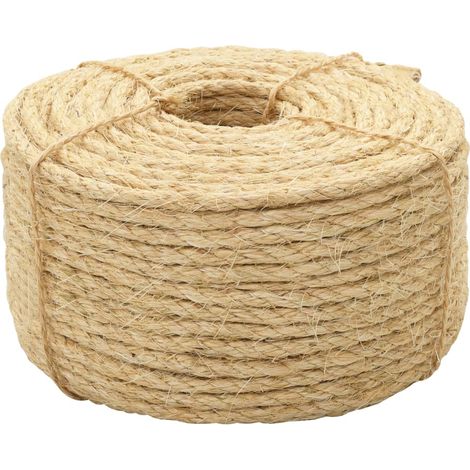
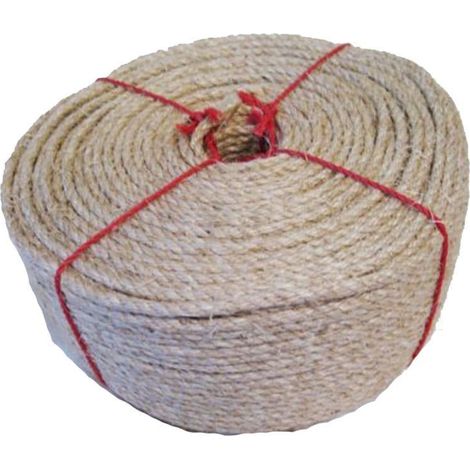
Hemp ropes stand out for:
- their timeless aesthetic;
- their robustness (pulleys models can support up to 2.5 tons) as well as their great resistance to traction and friction;
- their weight. Heavier than polypropylene or nylon, these accessories can sometimes be difficult to handle and are therefore not recommended for small construction projects or domestic tasks. Additionally, they become even heavier when in contact with water or humidity.
To make a wise choice of rope, it is essential to anticipate its use and the environment it will encounter. The buyer should therefore analyze the various constraints the material will undergo (humidity, friction, heavy loads, etc.) before making a choice.

















'/%3E%3C/svg%3E)