Lights and signaling for trailers are essential elements for securing a hitch. Cars must be equipped with them, and they are selected based on the trailer's size. Here’s an overview of the selection criteria to consider.
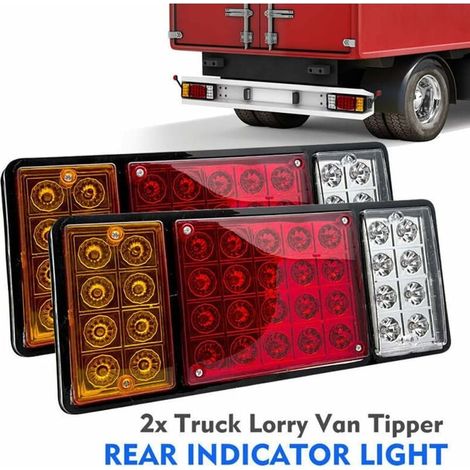
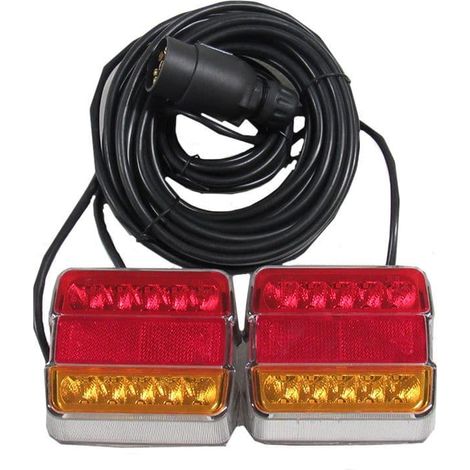
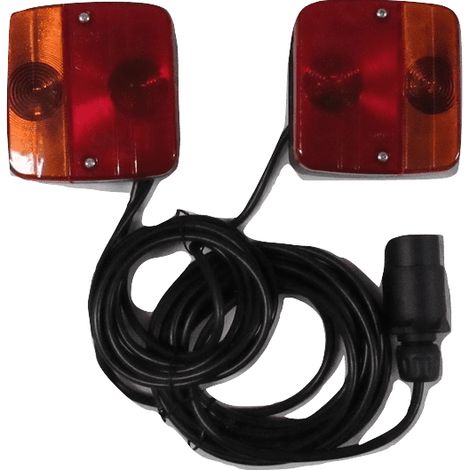
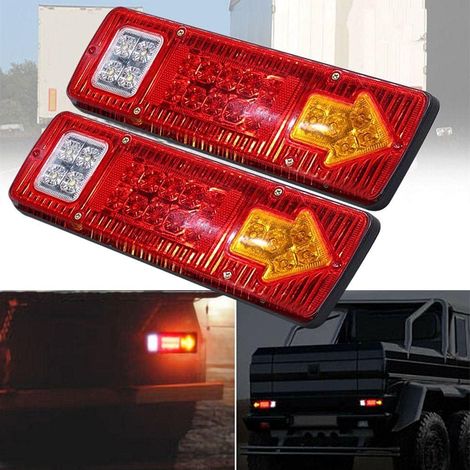
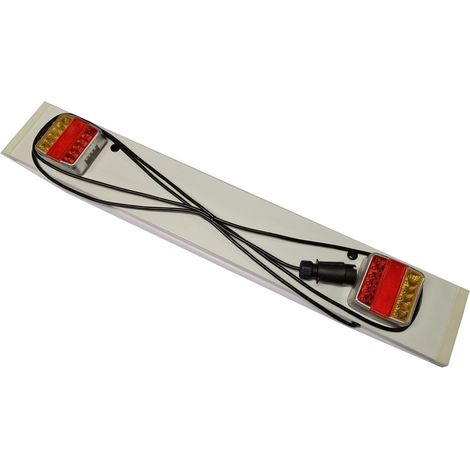
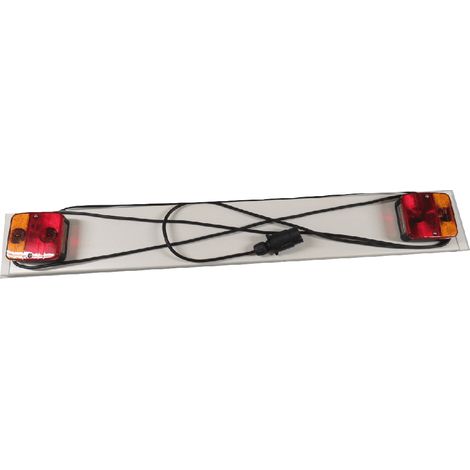
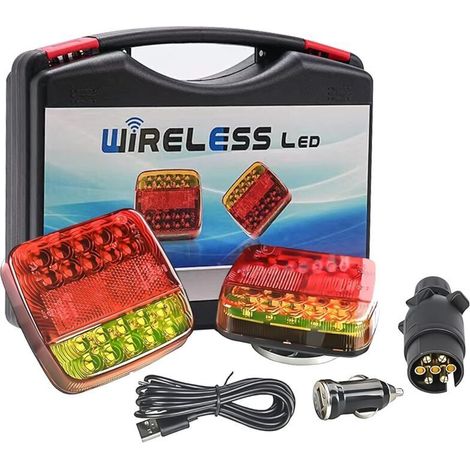
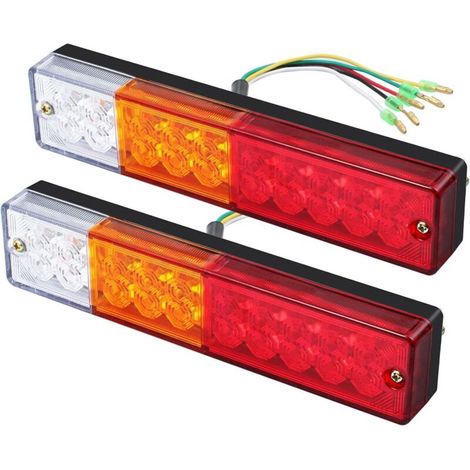
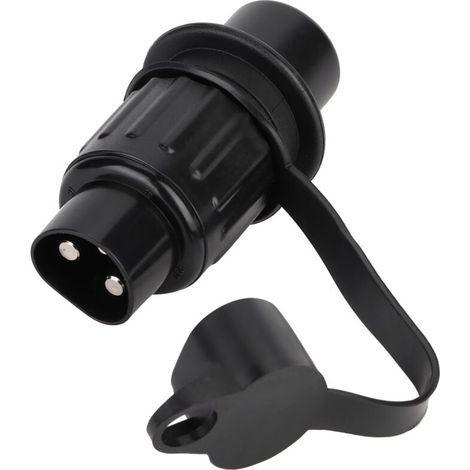
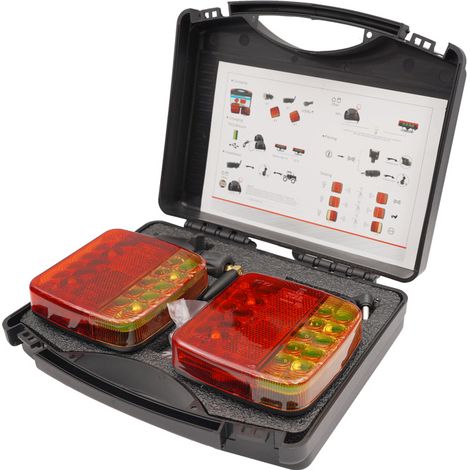
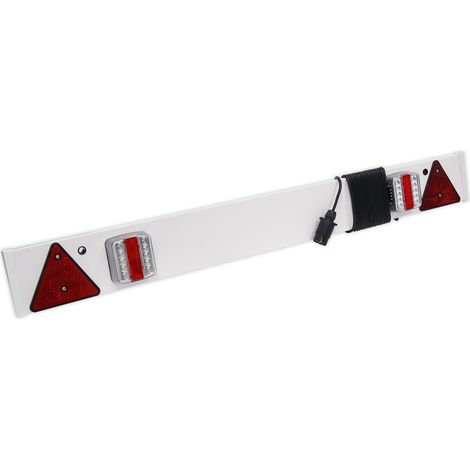
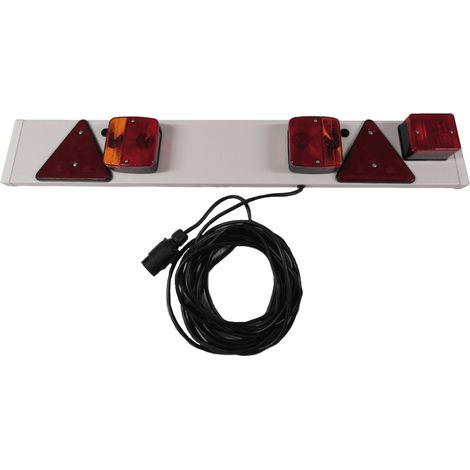
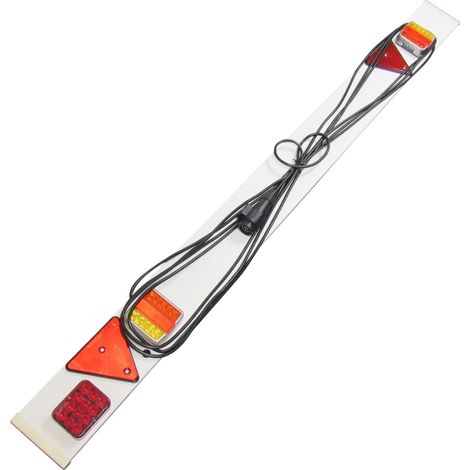
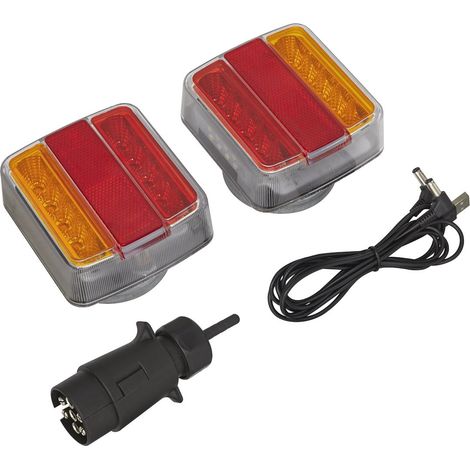
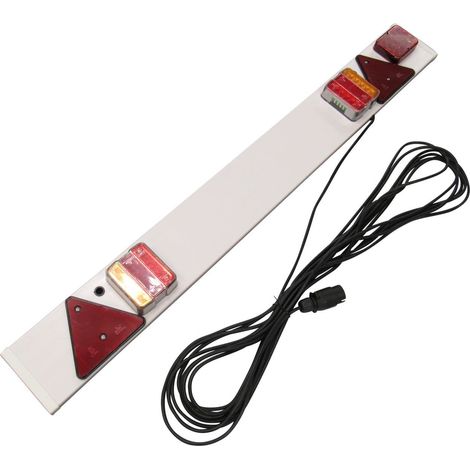
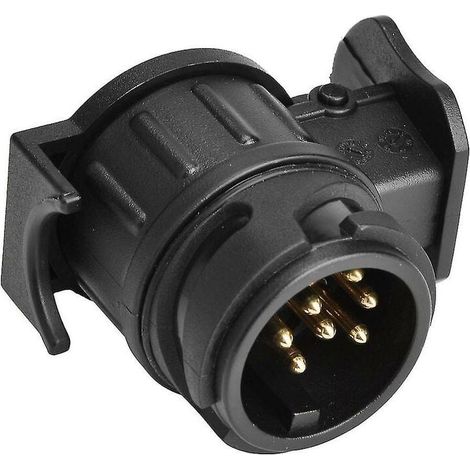
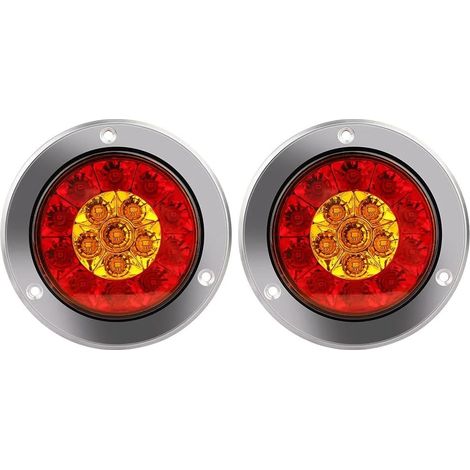
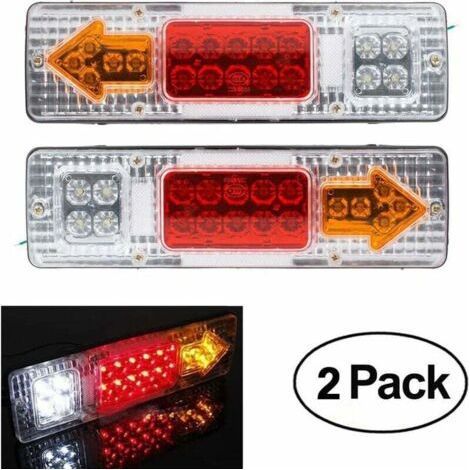
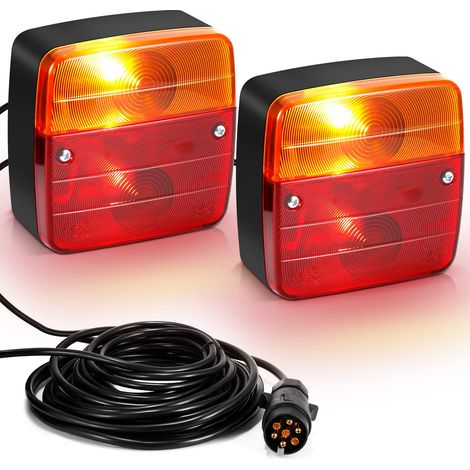
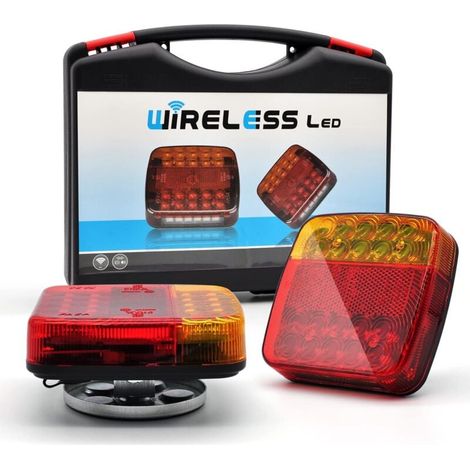
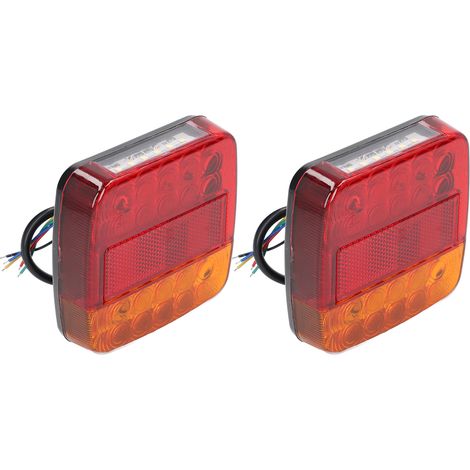
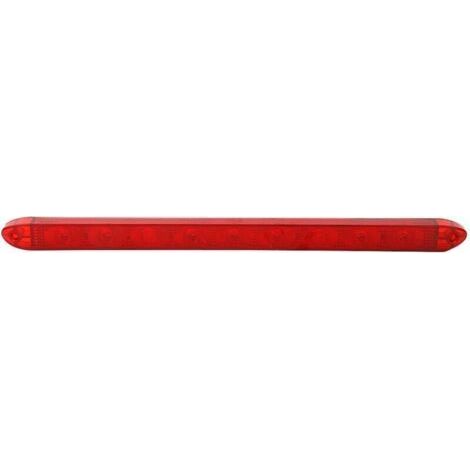
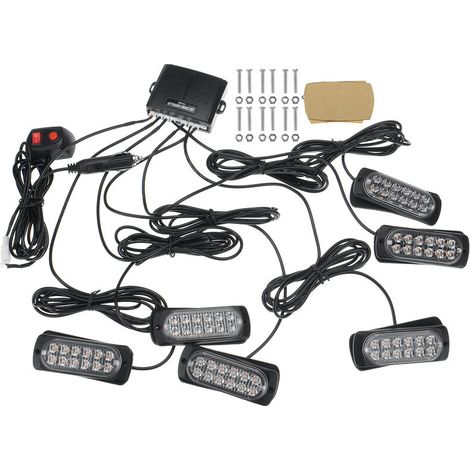
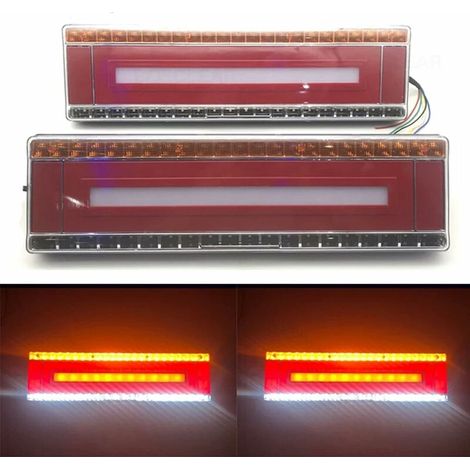
A trailer must have an electrical harness connected to the vehicle via a 12 V - 7 pin plug. As for the rear lights, they must replicate the vehicle's lighting and signals. Trailer lights include a crew ramp positioned at the rear of the trailer, which will be connected to its wiring.
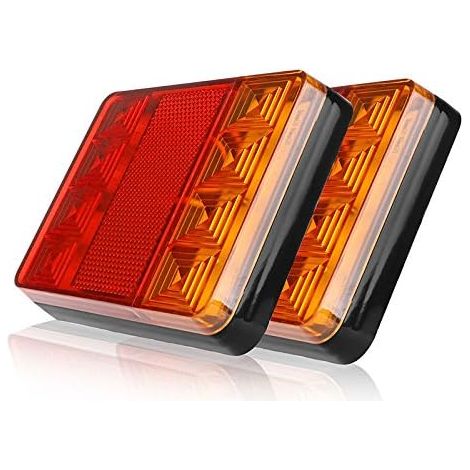
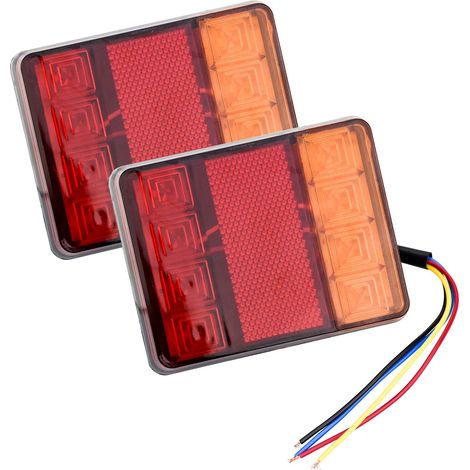
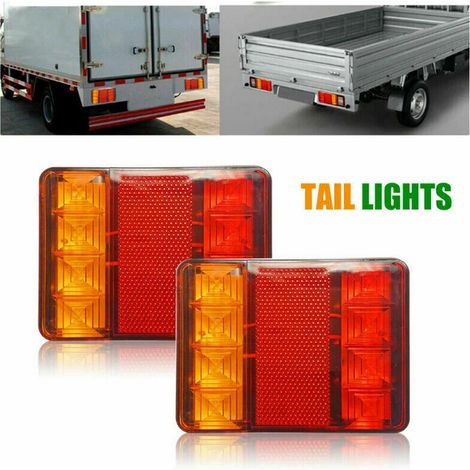
This rear crew ramp includes:
- a left rear light;
- a right rear light;
- a left indicator;
- a right indicator;
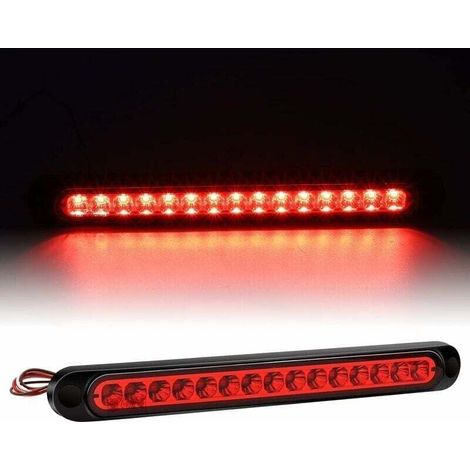
- a left brake light;
- a right brake light;
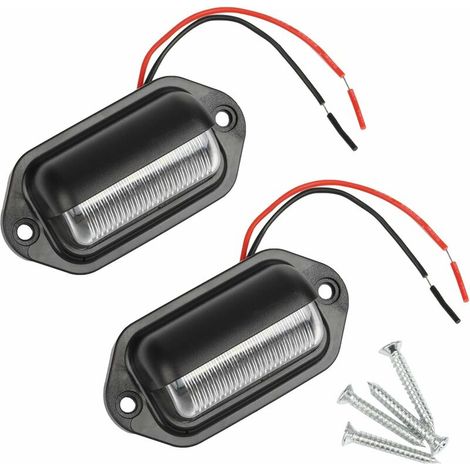
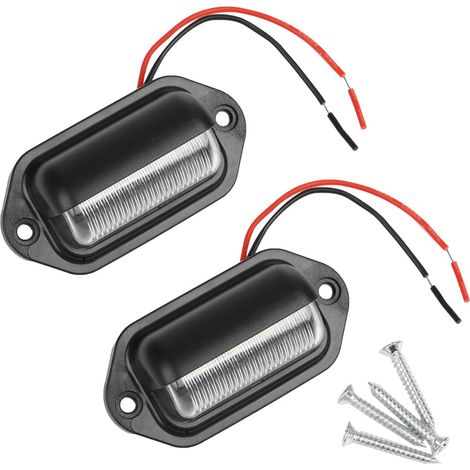
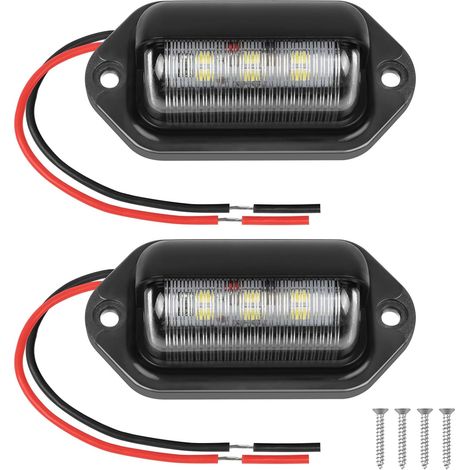
- a white light for the license plate;
- a reverse light.
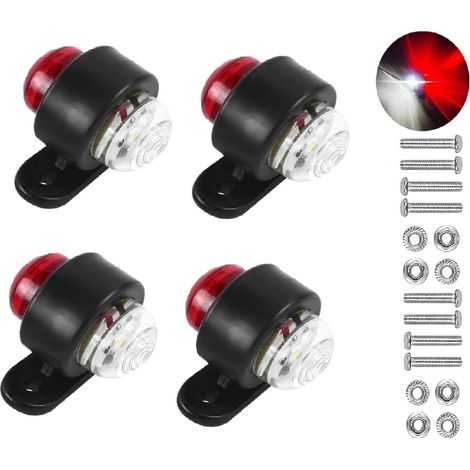
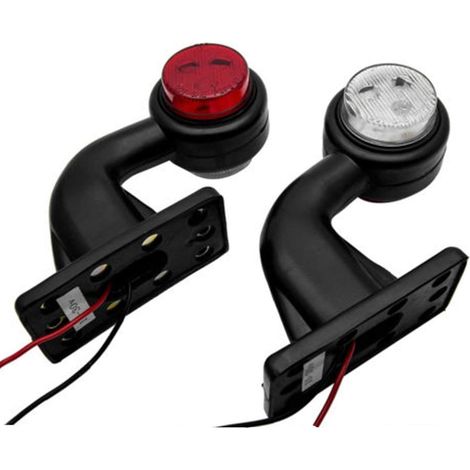
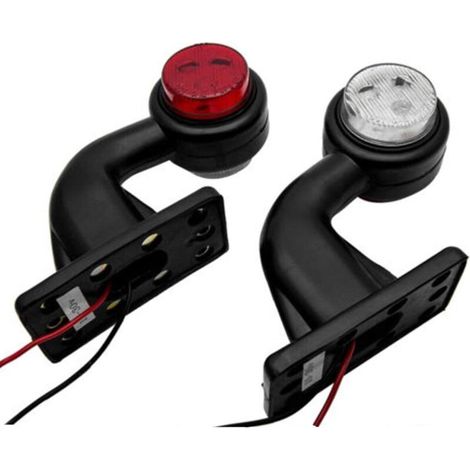
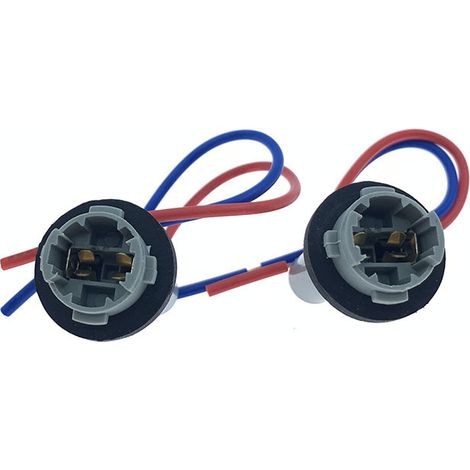
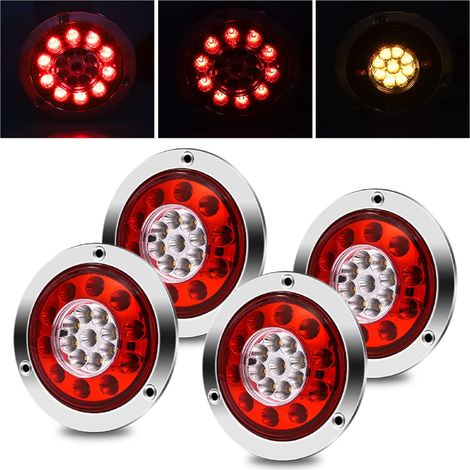
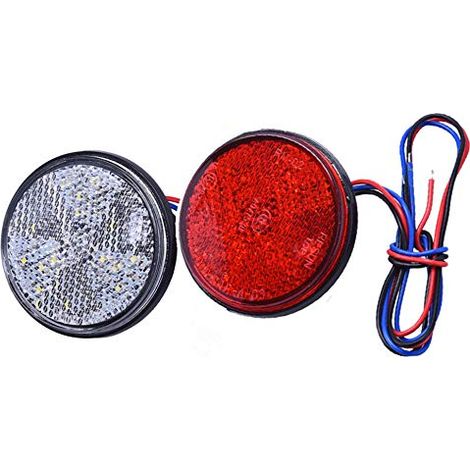
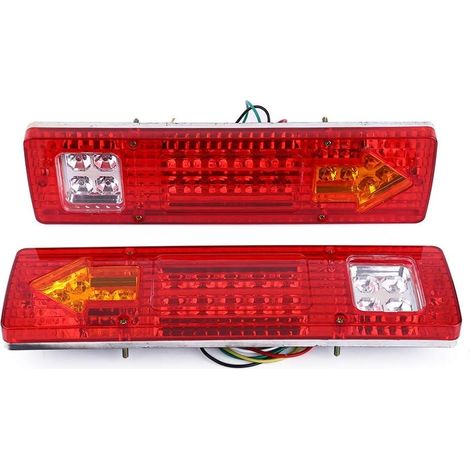
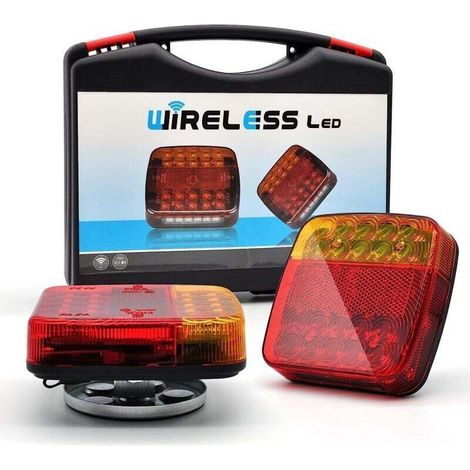
Each trailer light must be equipped with a multifunction lens cap to accommodate lighting on both the left and right sides of the trailer. LED lights of 12 or 24 V are common. In addition, on each side of the trailer, as far to the rear as possible, a position light with a red reflector must be present.
Depending on the trailer's size, an additional light is mandatory in some cases:
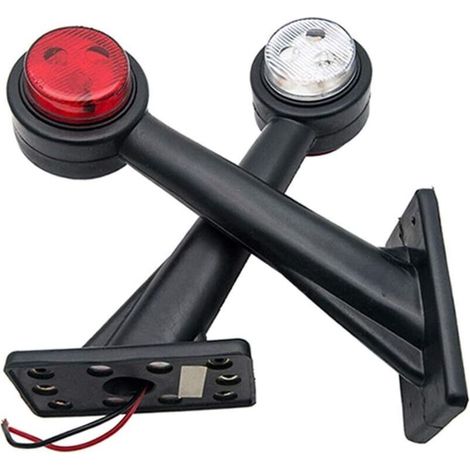
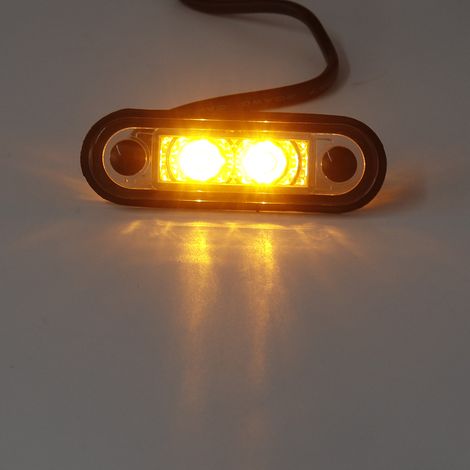
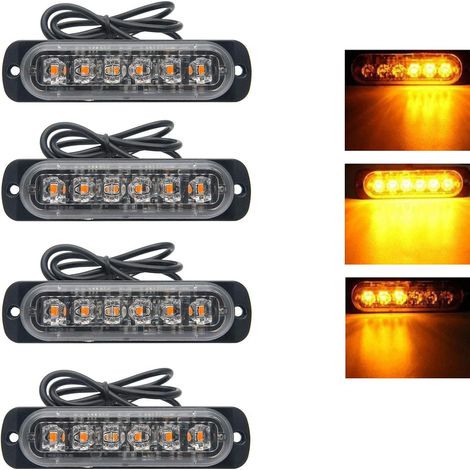
- a length greater than 1.80 m requires a position light equipped with a yellow reflector positioned as far forward as possible, on each side;
- a length exceeding 9.10 m requires a position light with a yellow reflector on each side, placed at an equal distance between the front and rear side lights;
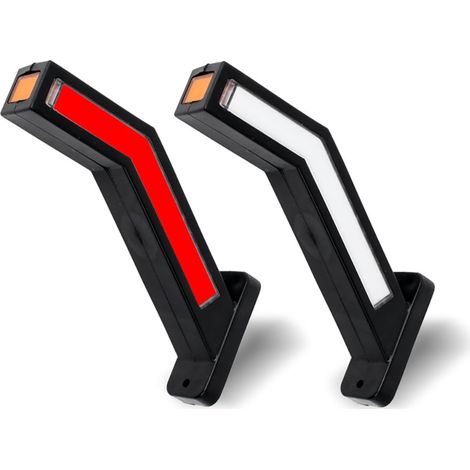
- a width of more than 2.03 m requires the installation of red marker lights at the rear and yellow ones at the front of the trailer.
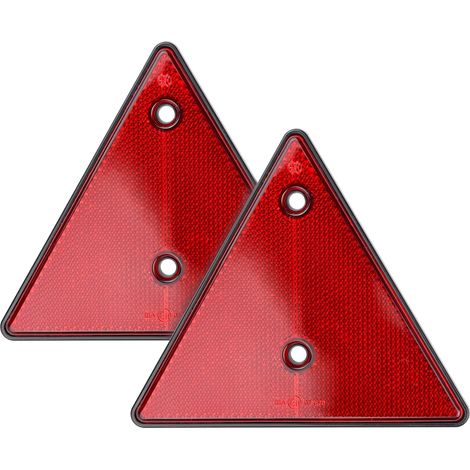
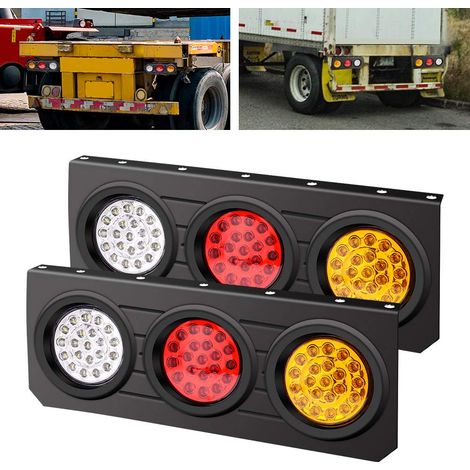
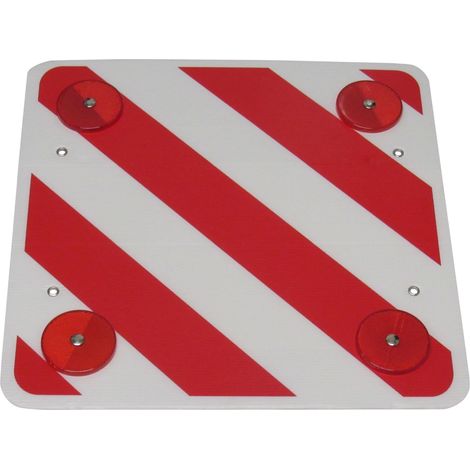
As for the signaling plates, they are mounted at the back of trailers and construction trucks. They are screwed on, withstand high-pressure washes, and maintain their retro-reflective properties even in case of scratches.











![[NEVER USED] Wireless Trailer Light Board, Magnetic Trailer Tail Light Kit, WiFi LED Light, Rechargeable Wireless Magnetic LED Trailer Tail Lights 12V 24V, Waterproof AIPERQ LED Trailer Lights (1/4)](https://cdn.manomano.com/pim-media/images/medium/4bd9240ec1983371aff3799dca6e5b9323adbf5d.jpg)




'/%3E%3C/svg%3E)