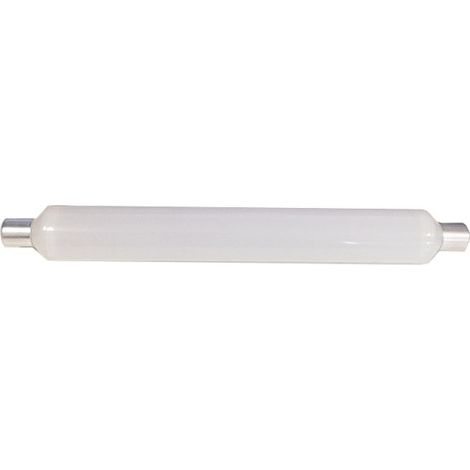
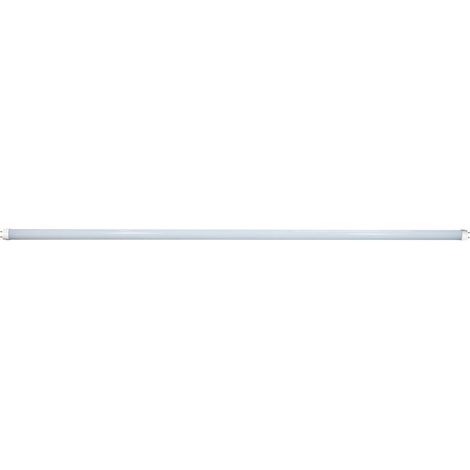
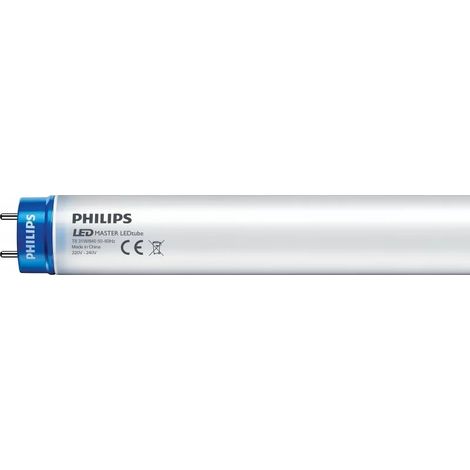
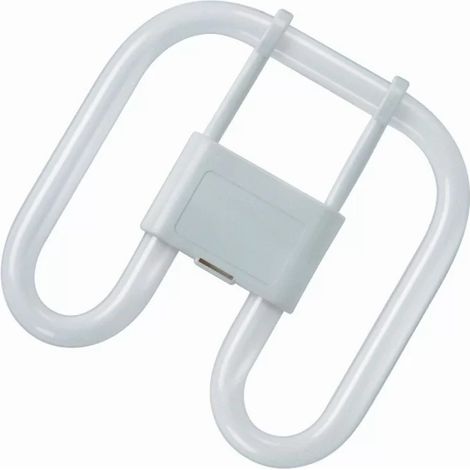
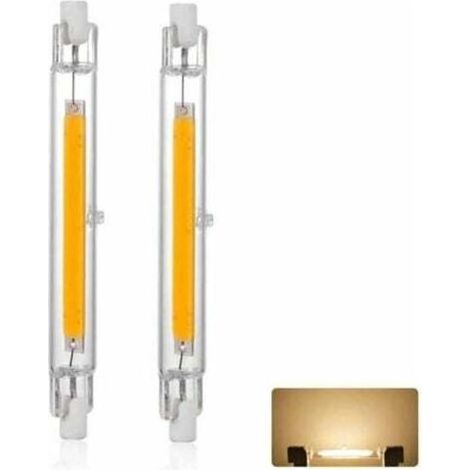
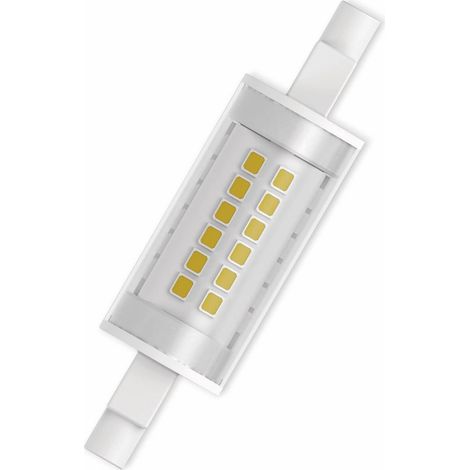
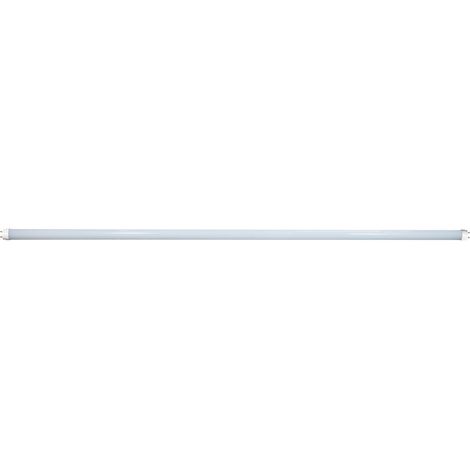
LED and compact fluorescent tubes are used to light up workplaces, but also certain areas of the home like the kitchen, bathroom, or garage. They come in various versions differentiated by their power, diameter, base, color, and ballast.
Compact fluorescent tubes have a few characteristics to be aware of:
- they are also called neon tubes;
- recent models no longer use neon gas, but contain argon and mercury vapor;
- their lifespan is around 12,000 hours, which is almost 10 years if they are used 3 hours a day;
- they produce a light output of 1,150 to 5,200 lm (lumens);
- the color temperature ranges from 2,700 to 6,500 K (Kelvin);
- their length varies from a few centimeters to 2 m;
- they do not emit heat, hence their use in kitchens and bathrooms.
LED tubes also present certain characteristics to be aware of:
- they allow for a 70% reduction in energy consumption (compared to an incandescent lamp);
- the most common T5 models have a length of 115 cm or 145 cm with a diameter of 16 mm;
- the most used T8 models have a length of 59 cm, 120 cm, or 150 cm with a diameter of 26 mm;
- T5 models are equipped with a G5 base (5 mm between the contact pins), while T8 models have a G13 base.
LED or compact fluorescent tubes differ in their color temperature:
- 2,700 K corresponds to a very warm white;
- 3,000 K corresponds to a warm white;
- 4,000 K corresponds to a cool white;
- 6,500 K corresponds to daylight.
The choice of an LED or compact fluorescent tube depends on the room to be lit, knowing that a color temperature between 3,200 and 4,000 K corresponds to industrial lighting. Conversely, one close to daylight is suitable for homes. Finally, colored tubes are available for varying the ambiance.
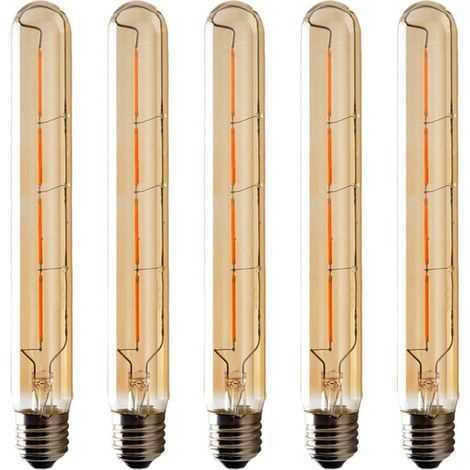



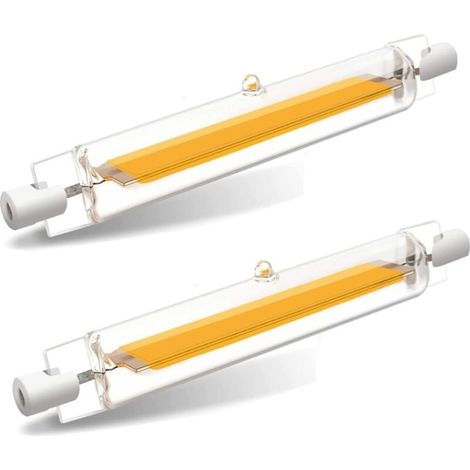





![Mini Tube LED Bulb 1W T28 Edison LED Filament Lamp E27 Screw Base 2200K Super Warm White Light Bulb for Decorative Use 80 lm, non-dimmable (brown glass), 220 V, pack of 6 [energy class G] (1/5)](https://cdn.manomano.com/pim-media/images/medium/6d3273dce2277a71e3cb7832b805565876636a4f.jpg)
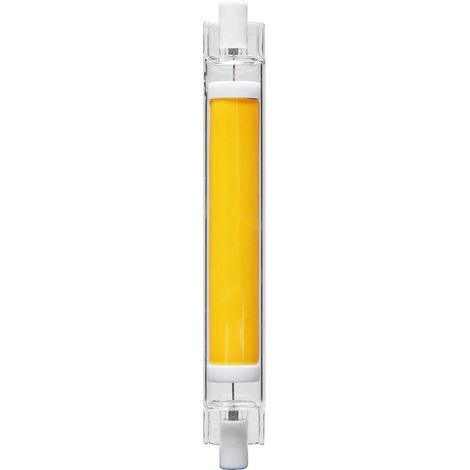
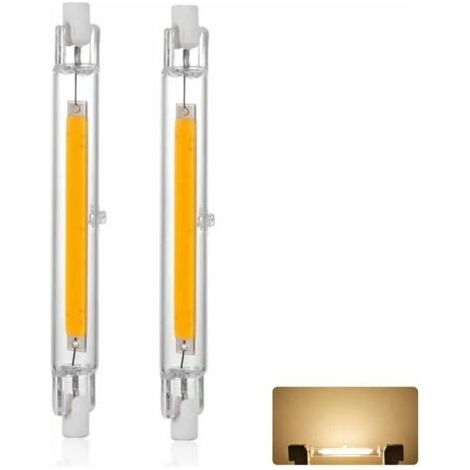

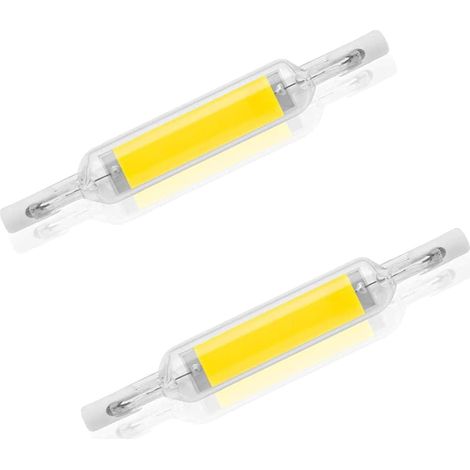
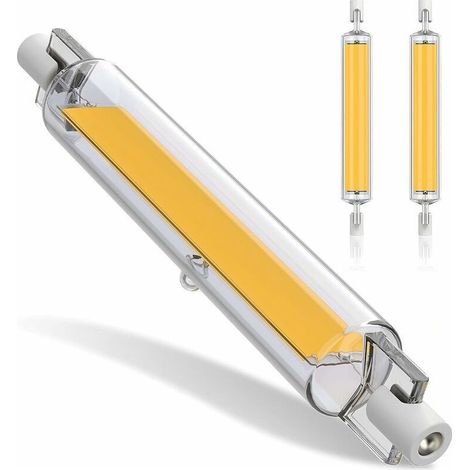



![Halogen Bulb R7S 118mm, R7S LED 118mm, LED Bulb R7S 118mm, R7S LED, LED R7S 118mm, Bulb R7S LED 118mm, Bulb R7S LED, LED R7S, LED Bulb R7S, Tube Bulb, R7S 118mm, 13W (Pack of 5) [Energy Class E] (1/5)](https://cdn.manomano.com/pim-media/images/medium/dc9f10b5ef80a480dbdc61c3bb61943d52758c37.jpg)

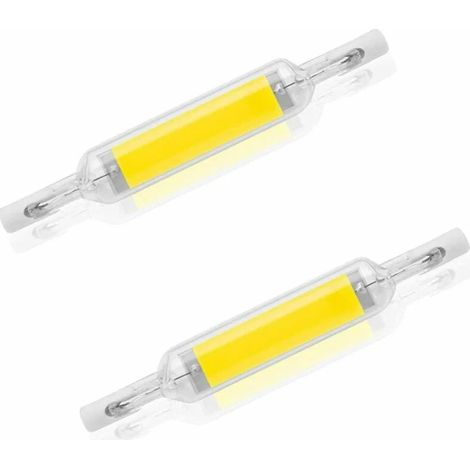
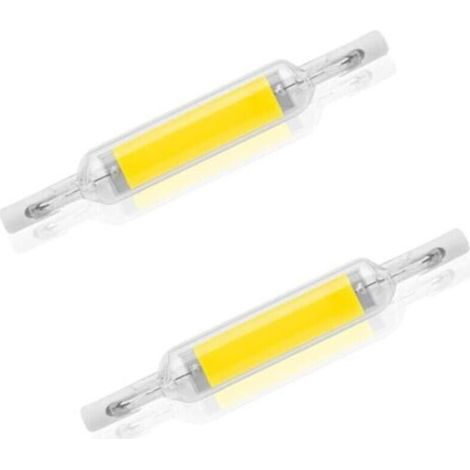
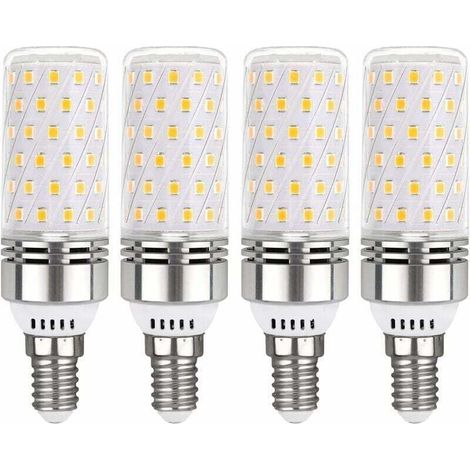
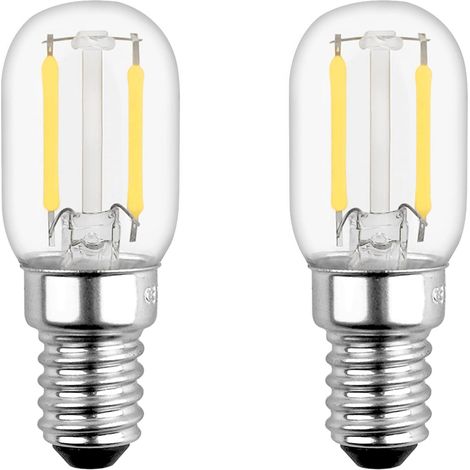
![E14 LED Bulb, 1W Mini Amber Glass Light Bulb, Soft Warm White 2200K, 10W-15W Equivalent, E14 LED Filament Bulb, Non-Dimmable, 95 Lumens, 2 Pack [Energy Class A] (1/5)](https://cdn.manomano.com/pim-media/images/medium/83fb4a44acf62a78b98451827a76527942747494.jpg)
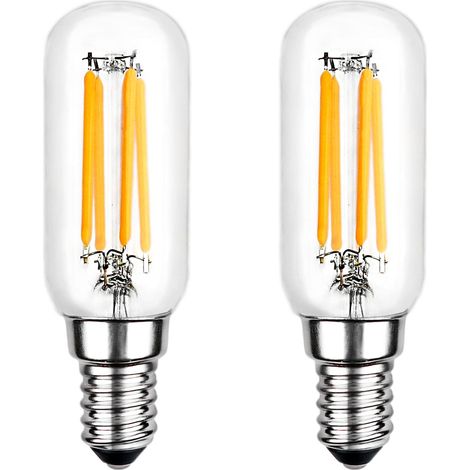
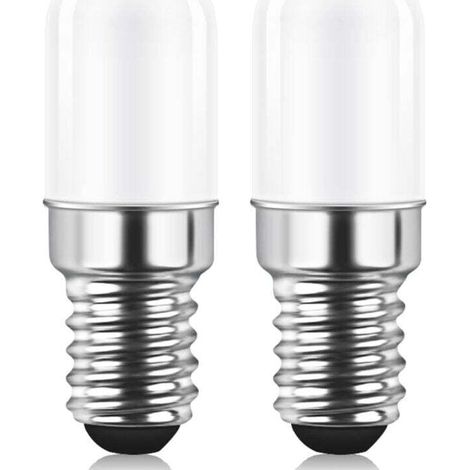
![E14 1W LED Refrigerator Light Bulb, T22, 15W E14 Incandescent Bulb Equivalent, Warm White 2700K, 230V, Small E14 LED for Refrigerator/Salt Lamp/Night Light for Kids, 2 Pack [Energy Class F] (1/5)](https://cdn.manomano.com/pim-media/images/medium/cfcb7e09a8a003bcf04520ff8c2a456eb82ba858.jpg)

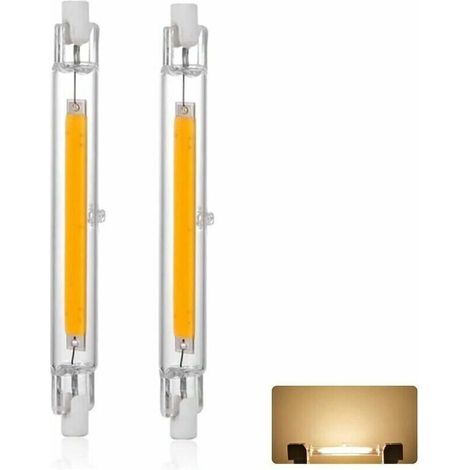
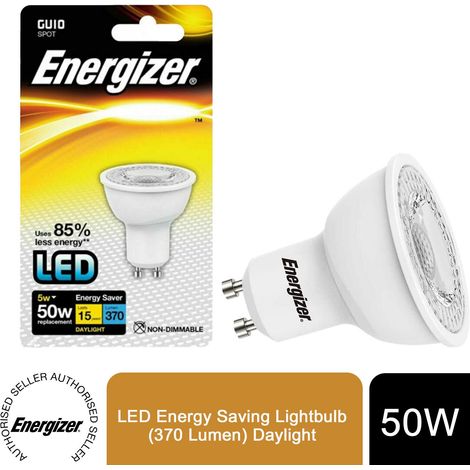
![GU10 LED lamp 5W 220V 400 lumens, 120 degree beam angle, opal diffuser, 6000k (X6, cool white) [Energy class A++] (1/4)](https://cdn.manomano.com/pim-media/images/medium/872b292285baebed693efbe5cb7e11c8cb849b98.jpg)

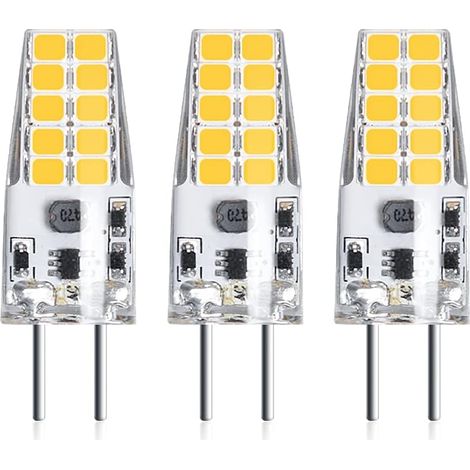
![3-PCS 3W 12V G6.35 LED Bulb T3/T4/T5 G6.35/GY6.35 Base Warm White 3000K Replacement for 30W Halogen Bulb for Under Cabinet Light Desk Lamp [Energy Class F] (1/5)](https://cdn.manomano.com/pim-media/images/medium/a76133b1c376efd3c54097ffb2b55a64a94606a5.jpg)
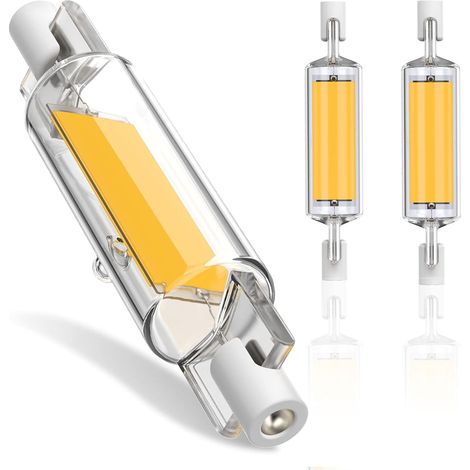

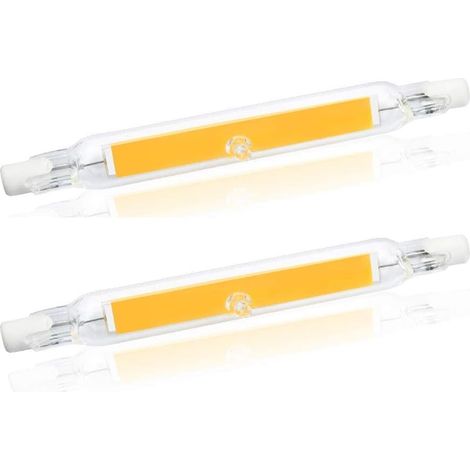
![R7s 118mm LED Bulb, Non-dimmable, Cool White 6000K, 9W equivalent to 125W halogen lamps, 1300LM, R7s Base LED linear light for spotlight and wall light, 2 Pieces [Energy Class E] (1/5)](https://cdn.manomano.com/pim-media/images/medium/df57553ec109d7606bec2a18e170efb7488cb404.jpg)

'/%3E%3C/svg%3E)
'/%3E%3C/svg%3E)