You may also like





Compare with similar items
Product information
Description
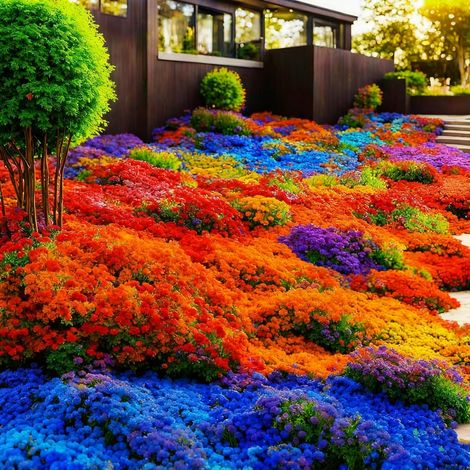
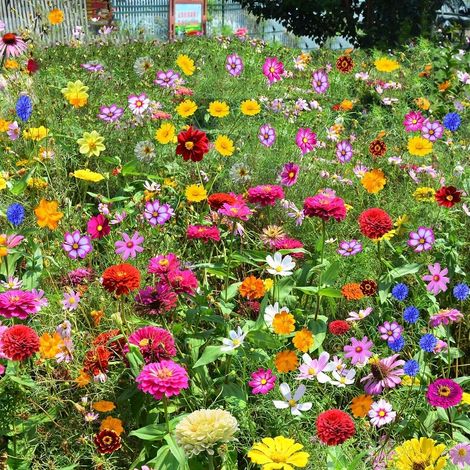
Main Features: Type: Mix of annual and perennial flower seeds Net Weight: 150 g Coverage Area: Approximately 30–50 m² (depending on sowing density) Composition: Various mix of wildflower seeds (annual, biennial, and perennial) Colors: Red, pink, yellow, orange, blue, purple, white Sowing Time: March to May (spring) or September to October (autumn) Flowering: June until the first frost (staggered flowering over several months) Plant Height: 20–100 cm depending on species Location: Full sun to partial shade Hardiness: Suitable for most climates in France Description: This mix of wildflower seeds has been specially designed to easily create a colorful and natural flower meadow. Composed of a selection of various annual and perennial flowers, it offers a rich and staggered flowering from spring to autumn. Ideal for large areas, natural gardens, slopes, borders, or for creating a refuge for pollinators. Easy to sow, it is suitable for both beginners and experienced gardeners. Indicative Composition of the Mix: The mix may include, among others, the following species: Annuals: Cornflower (Centaurea cyanus), Marigold (Calendula officinalis), Love-in-a-mist (Nigella damascena), Baby's breath (Gypsophila elegans) Perennials: Oxeye daisy (Leucanthemum vulgare), Perennial cornflower (Centaurea montana), Perennial flax (Linum perenne), Bladder campion (Silene vulgaris), Yarrow (Achillea millefolium) Uses: Flower Meadow: Creating large, natural flower areas Slopes and Borders: Greening hard-to-reach areas Refuge for Pollinators: Attracts bees, bumblebees, butterflies, and other beneficial insects Natural Garden: Ideal for ecological landscaping Beds and Borders: Creating natural color accents Sowing and Cultivation: Soil Preparation: Clear: Remove weeds, stones, and plant debris. Loosen: Scarify the surface to 5–10 cm, without digging deep (wildflowers prefer poor soils). Level: Rake to obtain a flat, fine surface. Sowing: Time: Spring sowing: March to May, after the last frosts. Autumn sowing: September to October, for early flowering the following spring. Density: 3–5 g/m² for a dense and flowering result. Method: Mix seeds with fine sand (1:5) to facilitate even distribution. Sow broadcast in two crossing passes (length then width). Lightly rake to incorporate seeds 0.5–1 cm deep. Press down with a roller or by light trampling to ensure good soil contact. Water in a fine spray if the soil is dry. Care: Watering: Water regularly until germination (2–3 weeks). Once plants are well established, watering is generally not necessary (except during prolonged drought). Weed Control: At the beginning of the crop, remove the most vigorous weeds. Wildflowers will gain the upper hand after a few weeks. Fertilization: No fertilization required. Wildflowers prefer poor soils. Overly nutrient-rich soil promotes leaf growth at the expense of flowers. Mowing: End of season: After flowering (October-November), mow to 10–15 cm height or scythe. Leave the cut material for a few days to allow seeds to fall. In spring: Rake off the residue to encourage new growth. Flowering: Annual flowers bloom in the first year (about 8–12 weeks after sowing). Perennial flowers bloom mainly from the second year, ensuring lasting flowering over several years. Tips: For a long-lasting flower meadow, it is best to sow in spring (March-May) or autumn (September-October). Avoid overly shady or too wet areas. Do not use chemical herbicides or fertilizers, which disturb the natural balance. Leave some dry stems over winter to shelter beneficial insects (insects, birds). For continuous flowering, sow on several areas with staggered timing. Packaging: Resealable bag with 150 g of wildflower seed mix.
Features
- BrandBEAFACE
- OrganicYes
- Flower colourMulticolour
- Intended useOutdoor
- ExposureSun
What to plant and sow in June
'/%3E%3C/svg%3E)
'/%3E%3C/svg%3E)