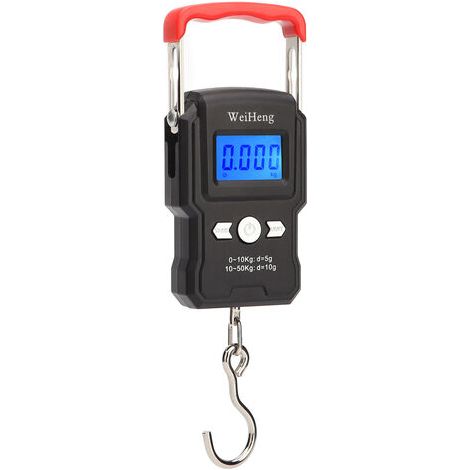
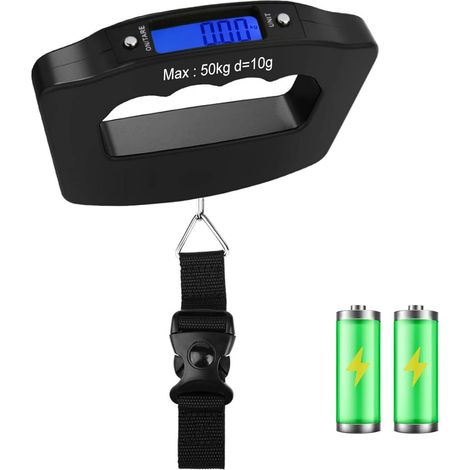
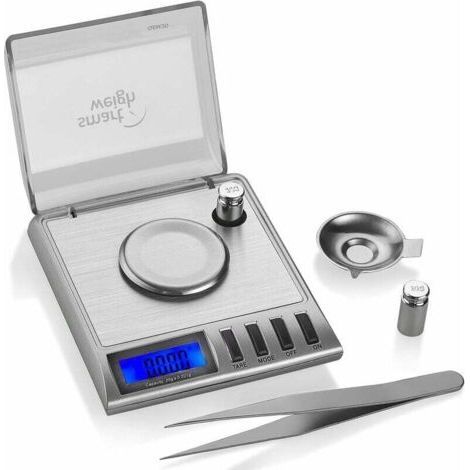
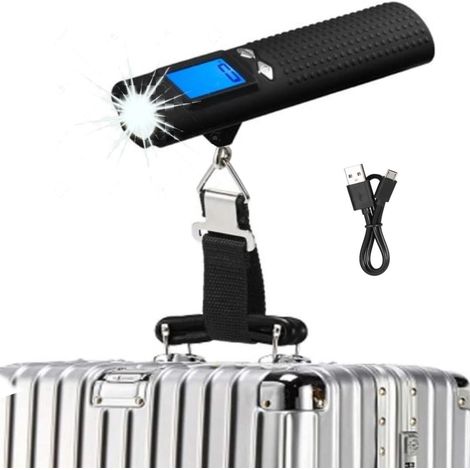
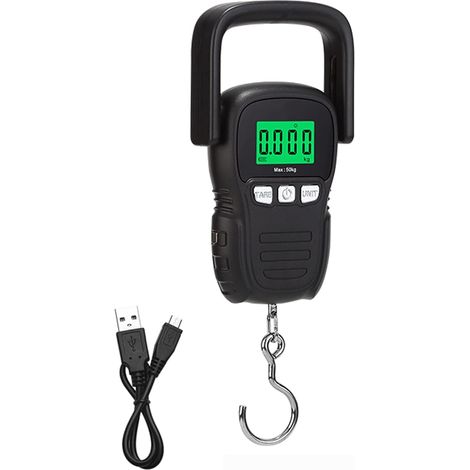
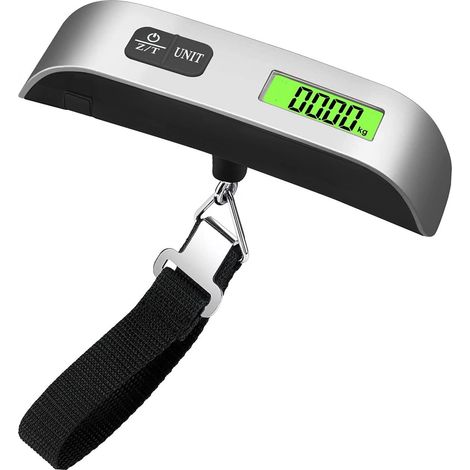
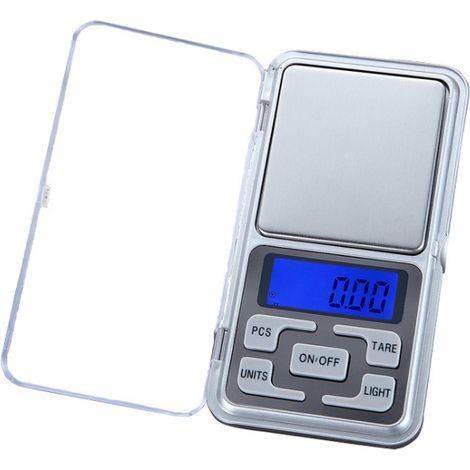
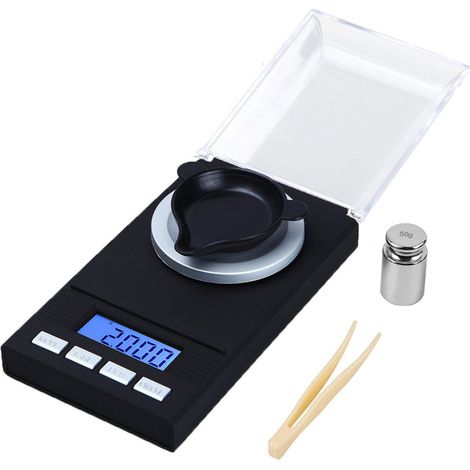
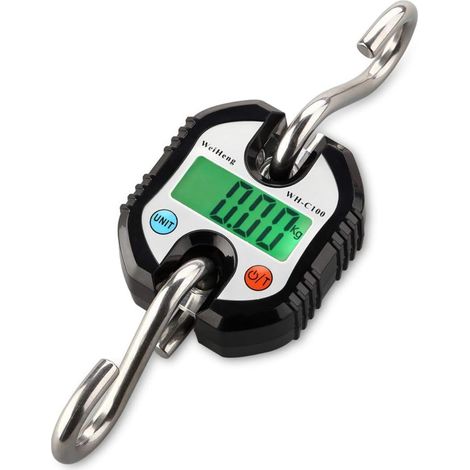
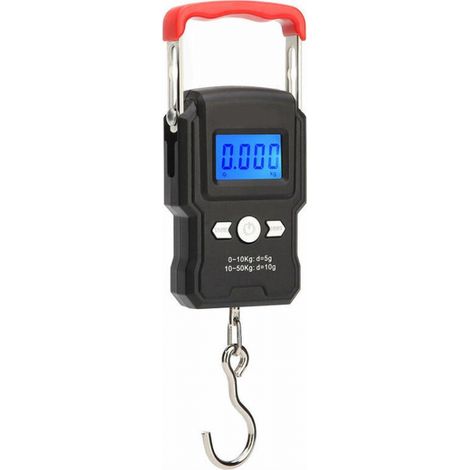
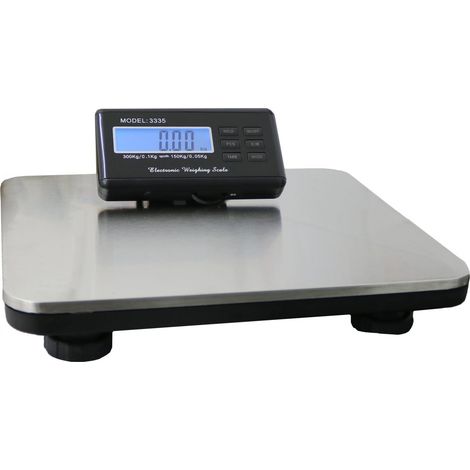
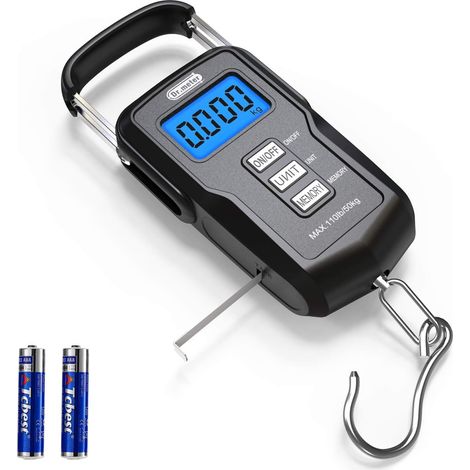
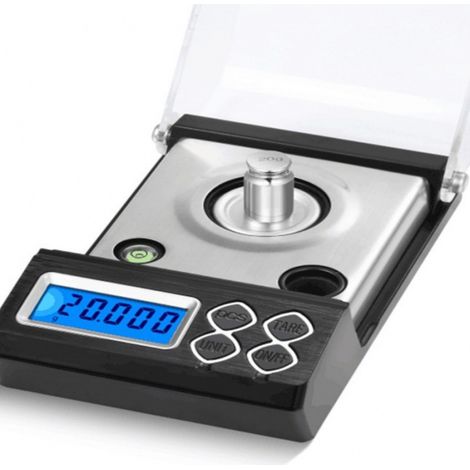
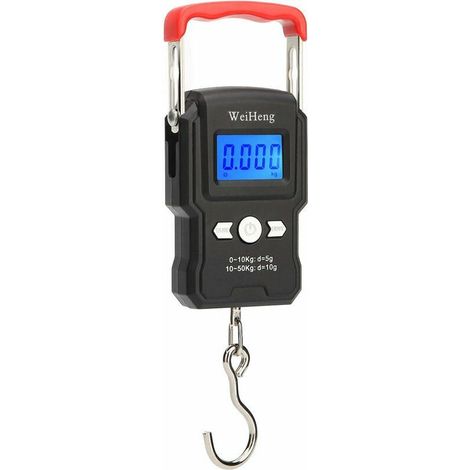
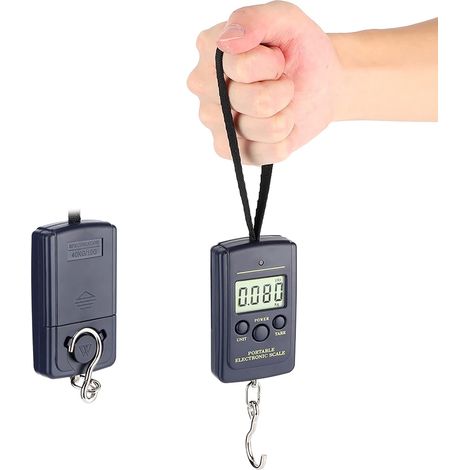
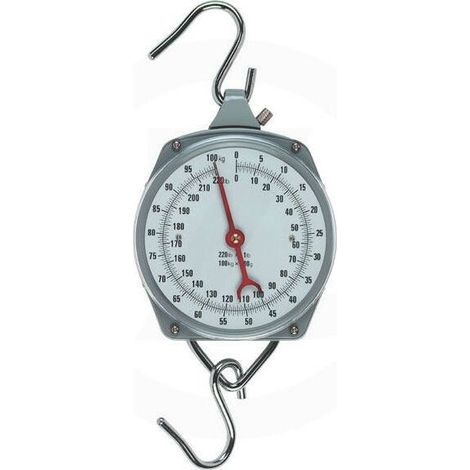
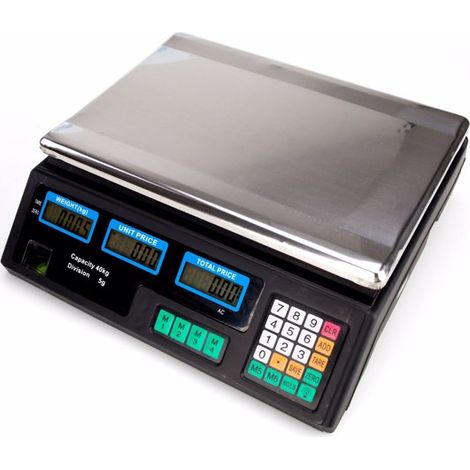
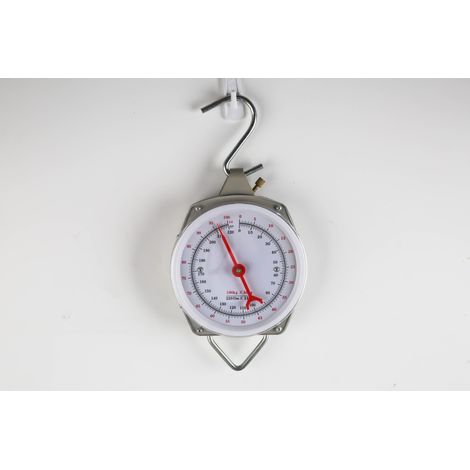
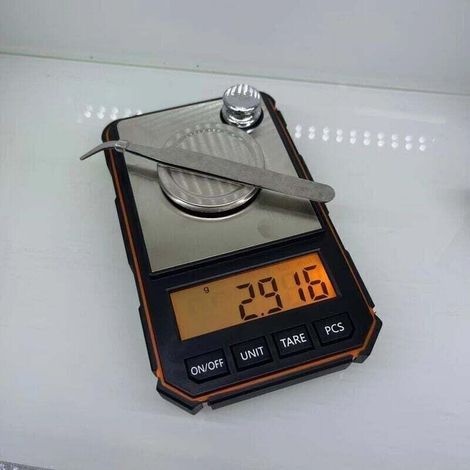
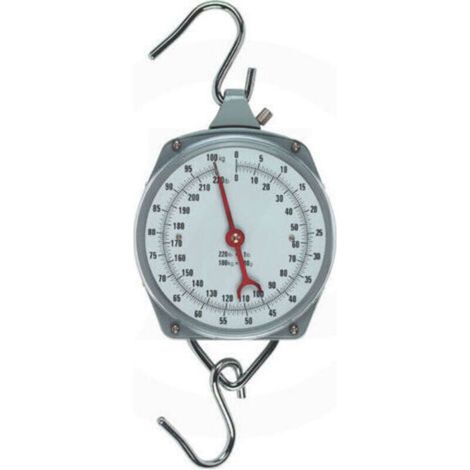
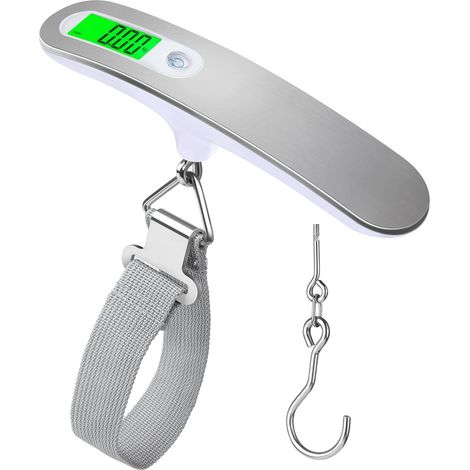
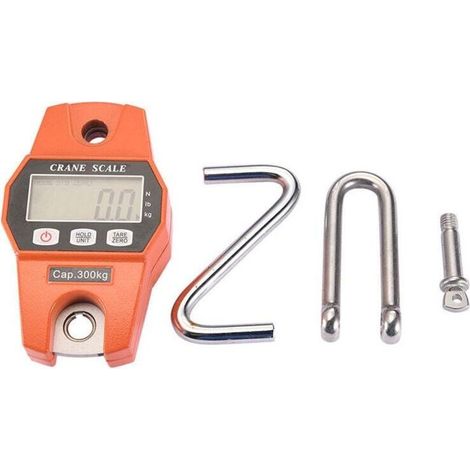
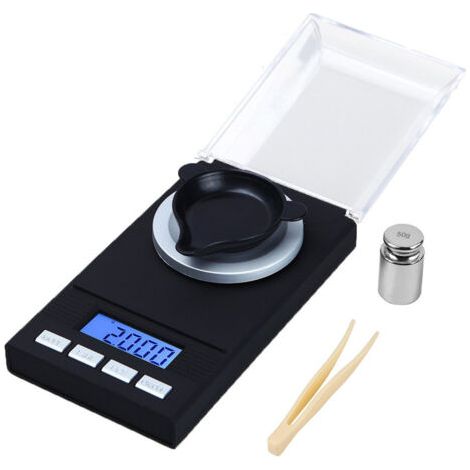
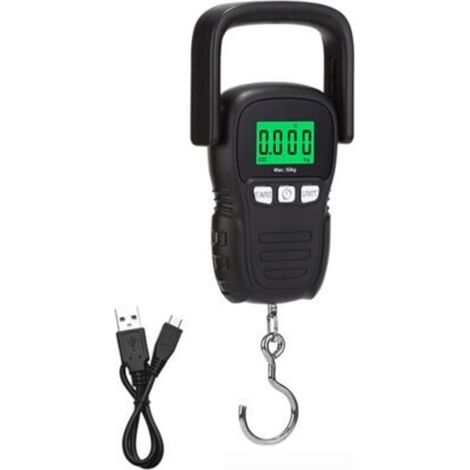
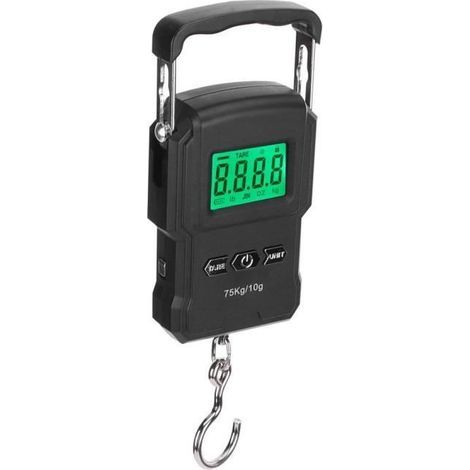
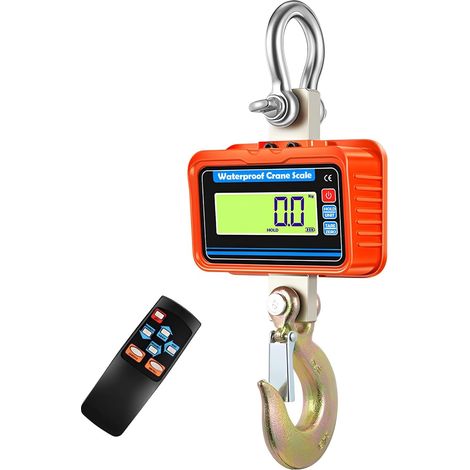
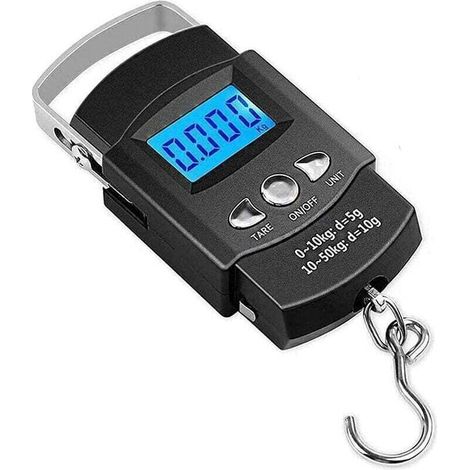
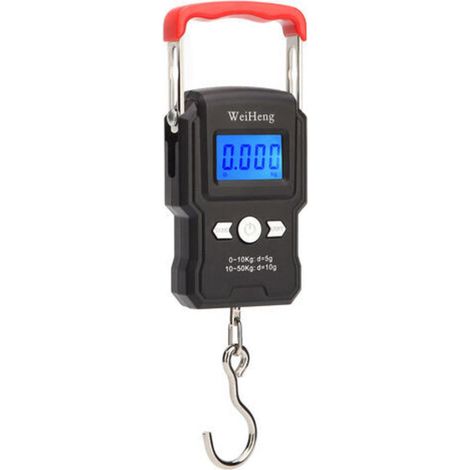
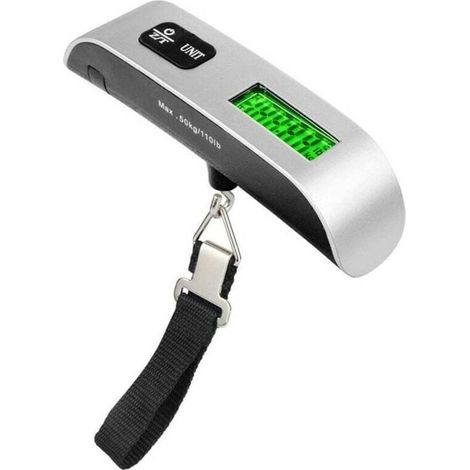
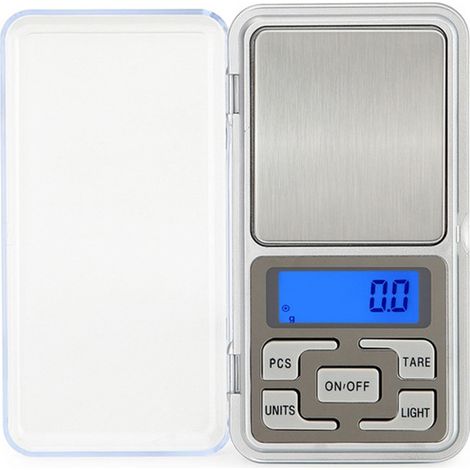
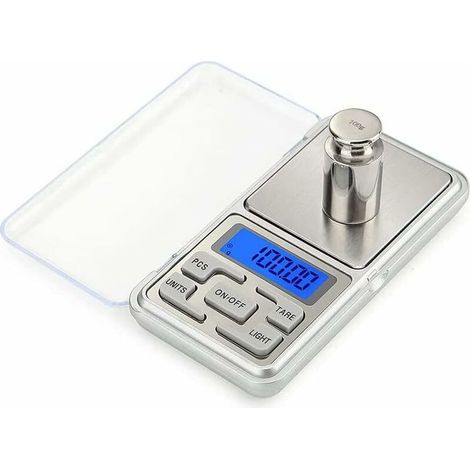
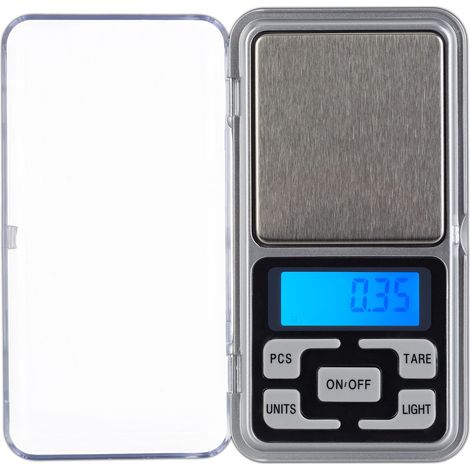
Scales and balances are instruments used to measure an object’s weight. The former respond to pressure, while the latter operate by stretching. In both cases, the physical strain exerted on the tool is translated into a unit of mass. Depending on the model, they can display values in grams (g) or kilograms (kg).
The utility of this type of instrument is defined by its maximum weighing capacity. Therefore, before any purchase, it is necessary to:
- determine the maximum load to be weighed, depending on the intended use of the device;
- provide a safety margin to avoid damaging the tool or accelerating its wear;
- ensure that the device's maximum range does not limit its possible applications. It is strongly advised to take a margin of at least 100% to limit risks.
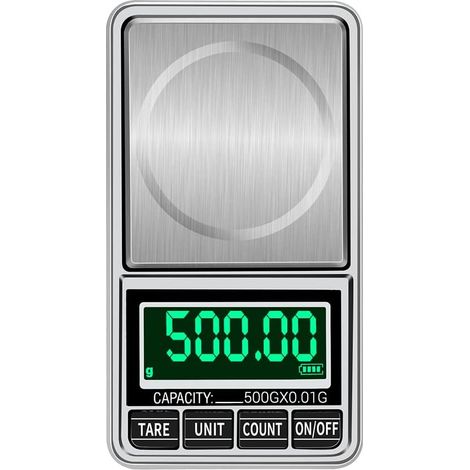
A weighing tool is also characterized by its accuracy (also called actual scale division or reading division). This refers to the smallest weight measurable with the instrument. It is important to allow for a safety margin by choosing a model that is more precise than the estimated needs. In practice, it is better to:
- choose a device offering a precision of 1 g to benefit from a reading division of at least 2 g;
- select an instrument with a precision of 0.1 g to achieve an actual scale division of 0.2 g.
Scales and balances can particularly be used in:
- the agri-food sector;
- the industrial field;
- laboratories;
- for weighing parcels;
- the medical world.
Electronic weighing instruments have now become the standard in the market. Indeed, unlike mechanical versions, they:
- are remarkably precise;
- allow for a multitude of functionalities in addition to the simple action of weighing (such as calculation functions);
- use strain gauges to convert the pressure or extension exerted by the weighed object into an electrical signal;
- can be connected like various modern electronic devices (this way, the user has the possibility of recording the data on a dedicated terminal to create a curve following the weight evolution of the weighed objects).
Scales and balances should be chosen based on their use. It is better to opt for a model that can support a large load for occasional uses. In this way, it will no longer be necessary to acquire another instrument if the objects to be weighed are heavier. However, it is not essential to invest in this type of device if the tool is intended for light loads.





















'/%3E%3C/svg%3E)
'/%3E%3C/svg%3E)