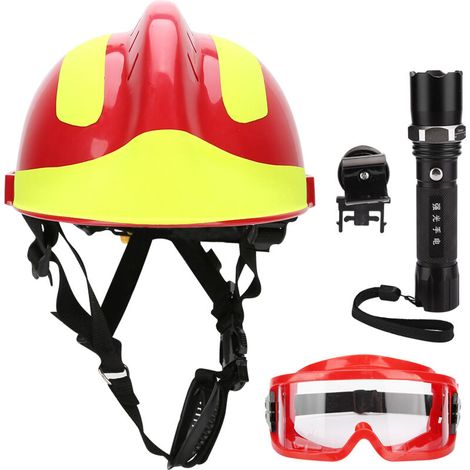
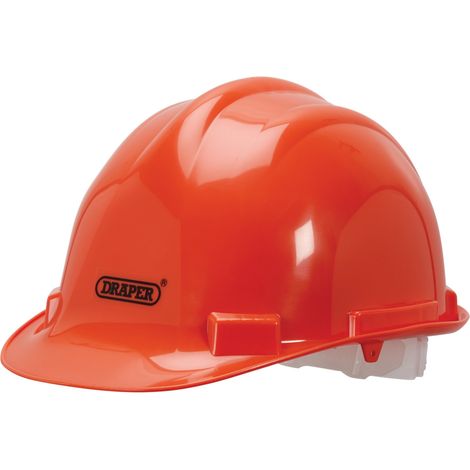
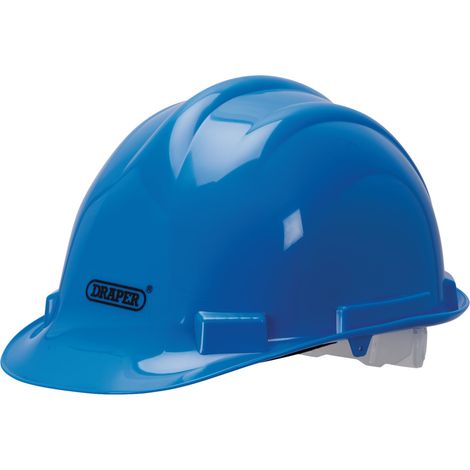
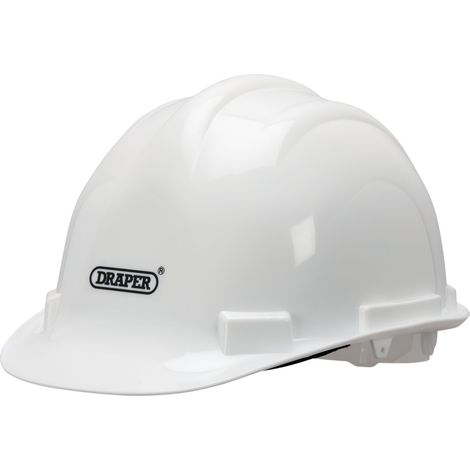
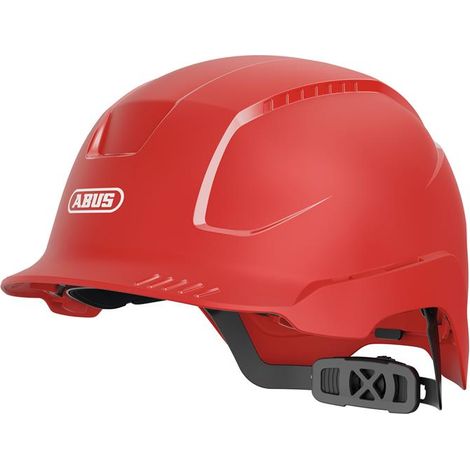
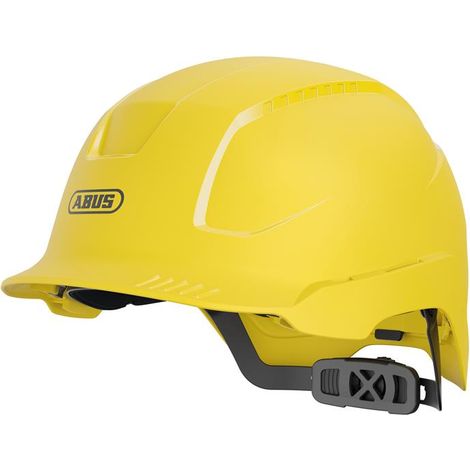
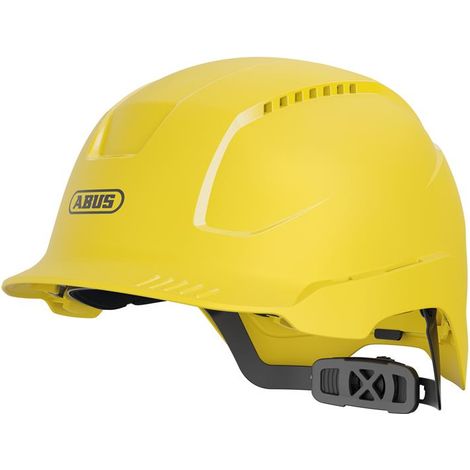
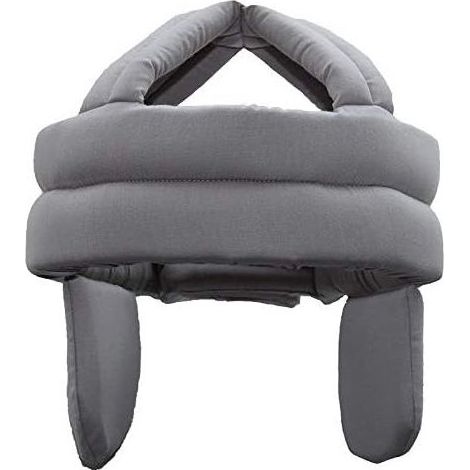
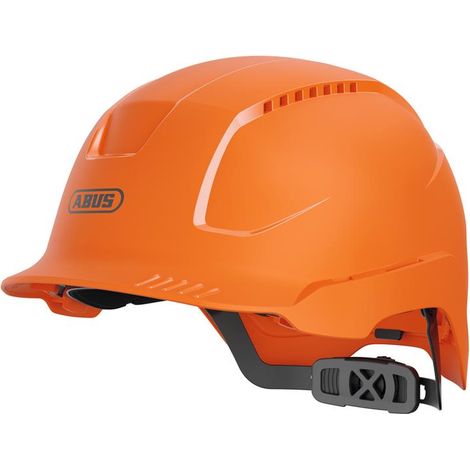
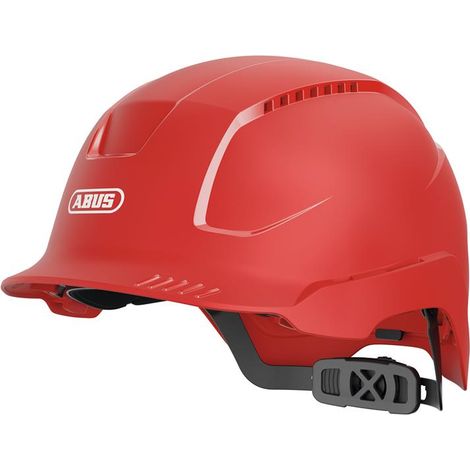
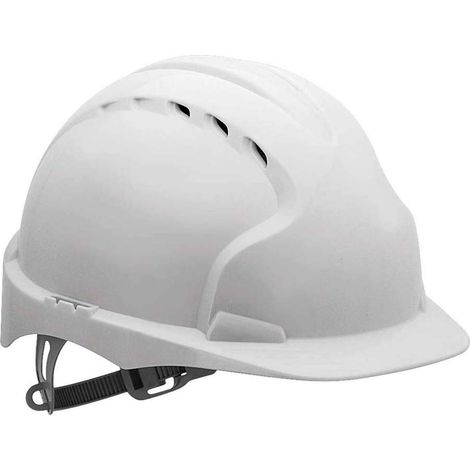
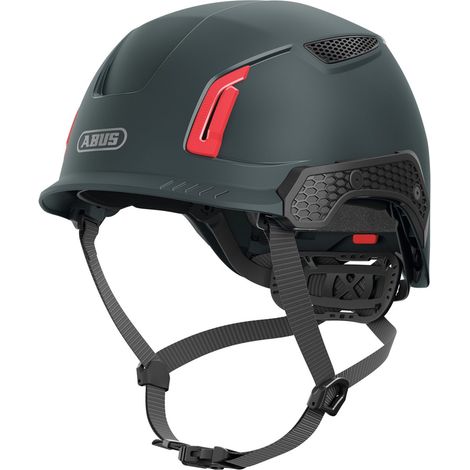
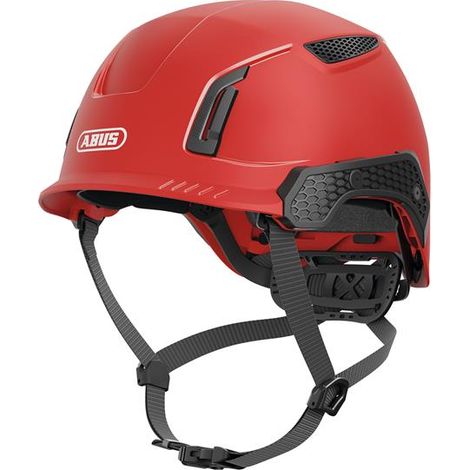
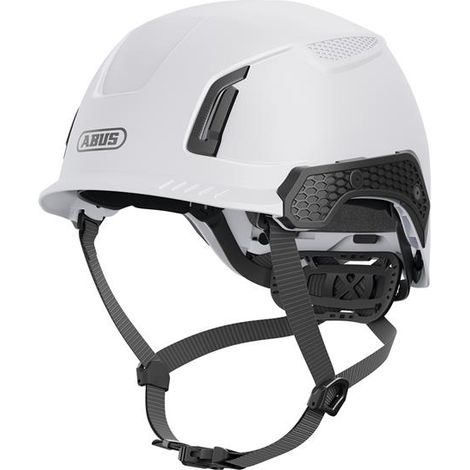
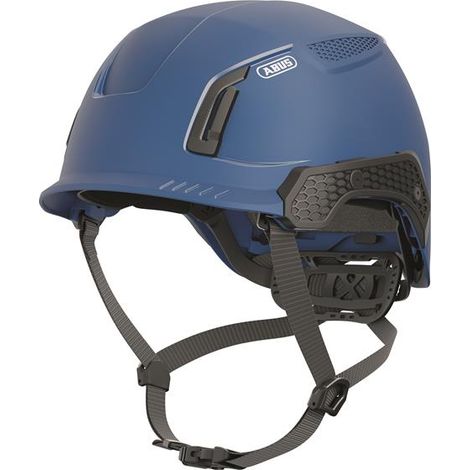
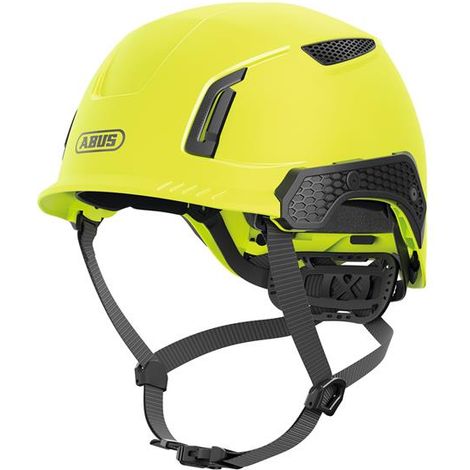
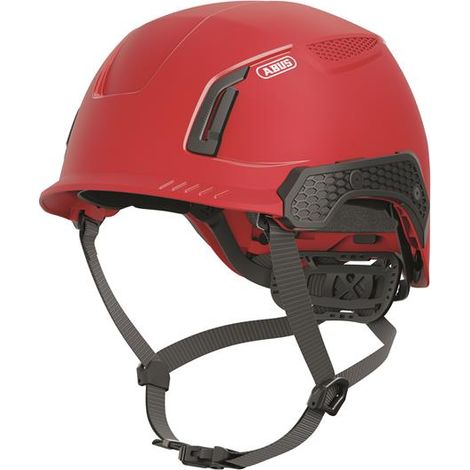
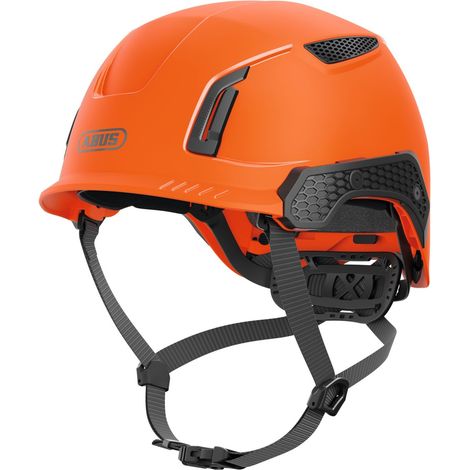
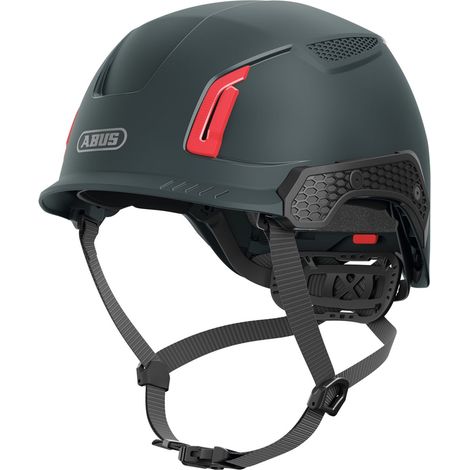
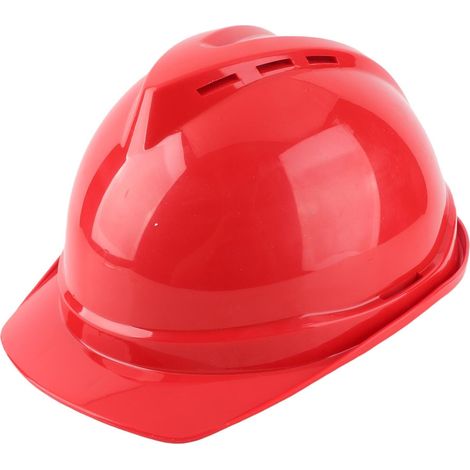
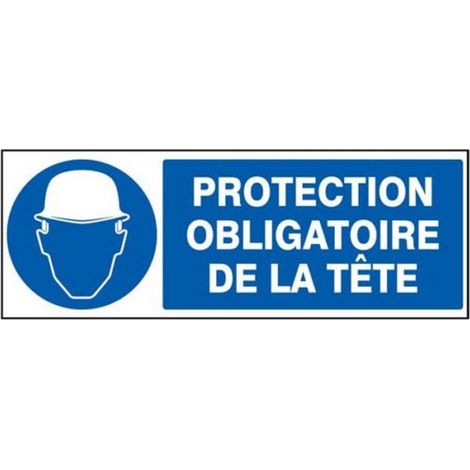
Helmets are useful for protecting DIY enthusiasts, construction professionals, and those working in forests from possible head injuries. Construction helmets, bump caps, and forestry helmets are part of the essential personal protective equipment for workers in high-risk professions.
The helmet is useful for protection against:
- falling objects;
- projections;
- in the event of a fall by the user;
- impacts with hard objects (such as beams), that are sharp or pointed;
- electrical shocks.
The choice of this protective accessory depends on the activity:
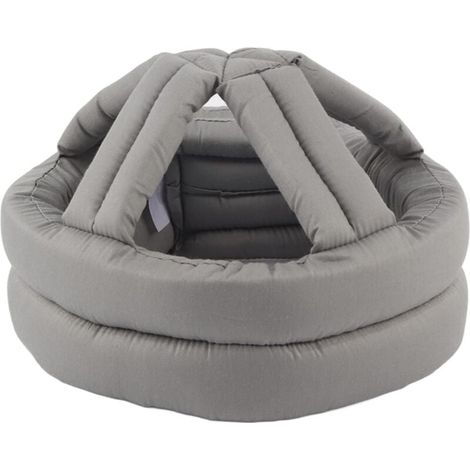
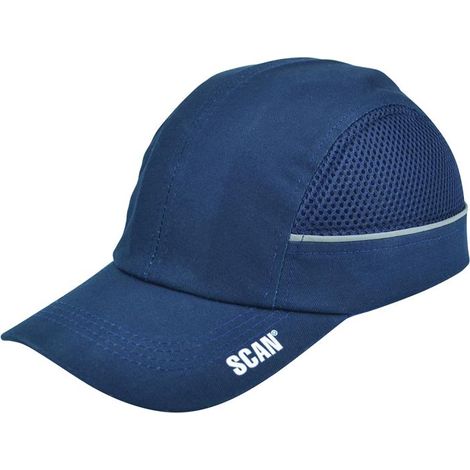
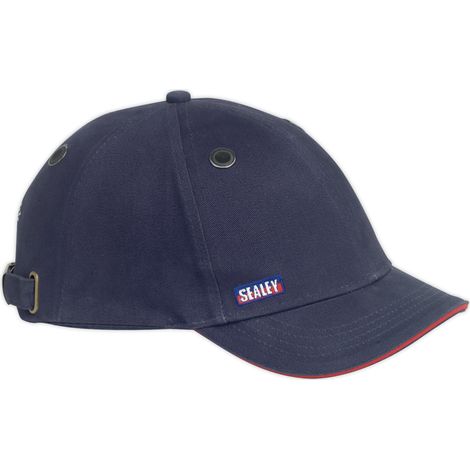
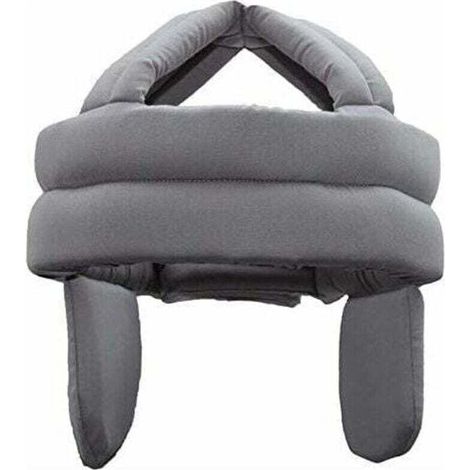
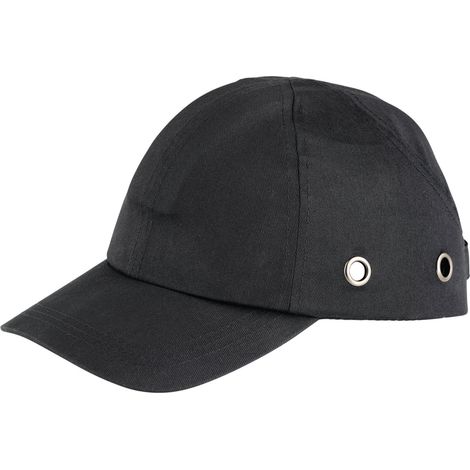
- the bump cap for domestic work or in an industrial environment;
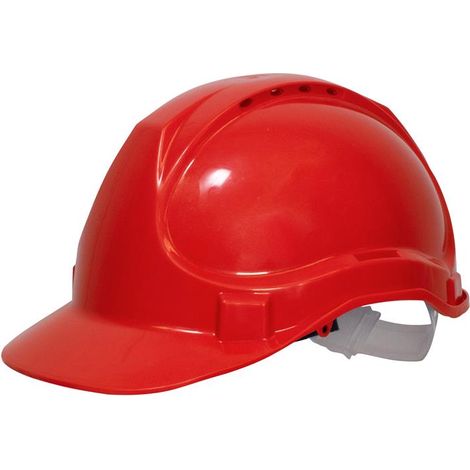
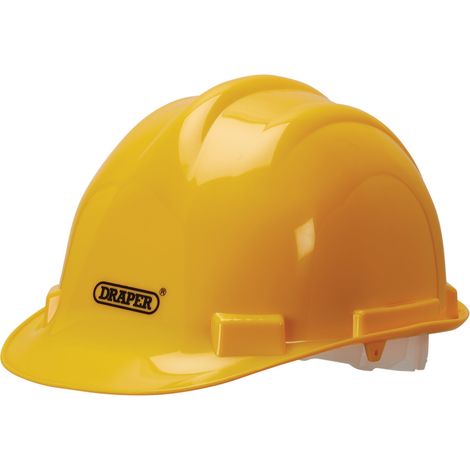
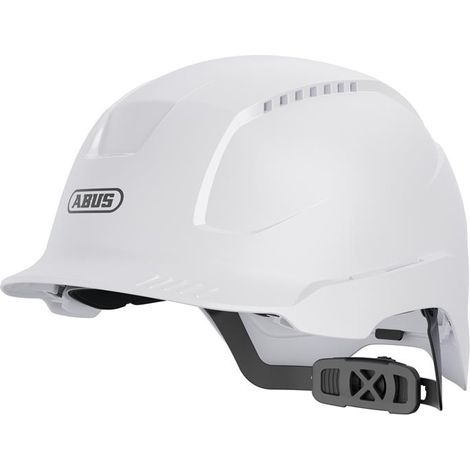
- the standard model for people working on construction sites;
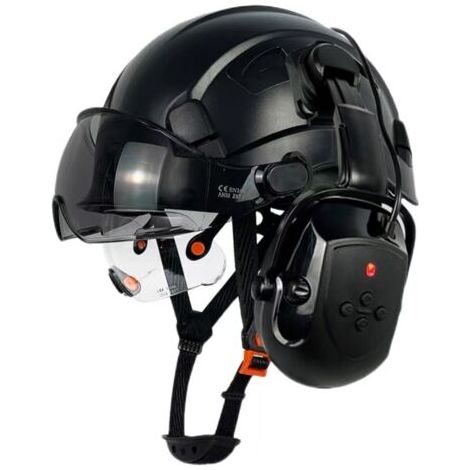
- high-performance models if the risk of accidents is high;
- electrically insulated versions for electrical professionals;
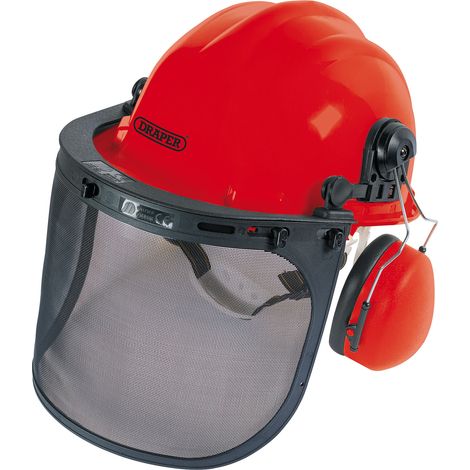
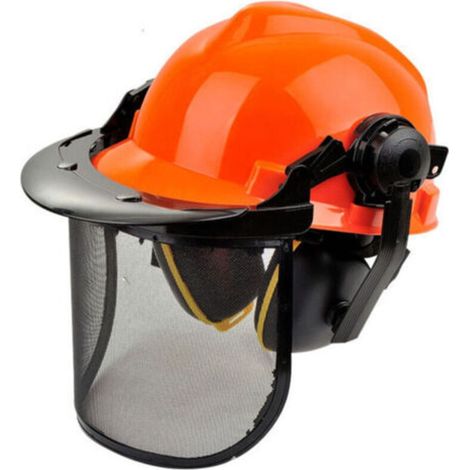
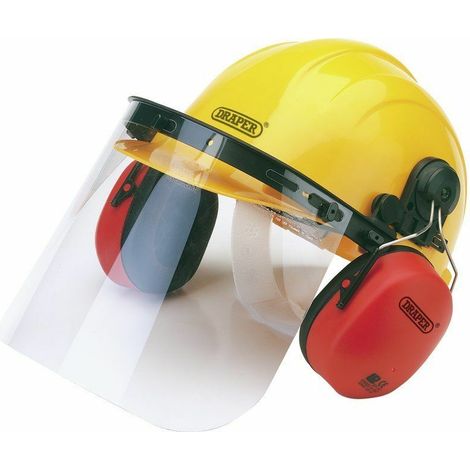
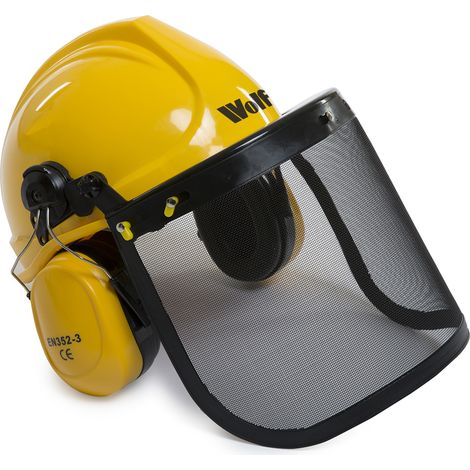
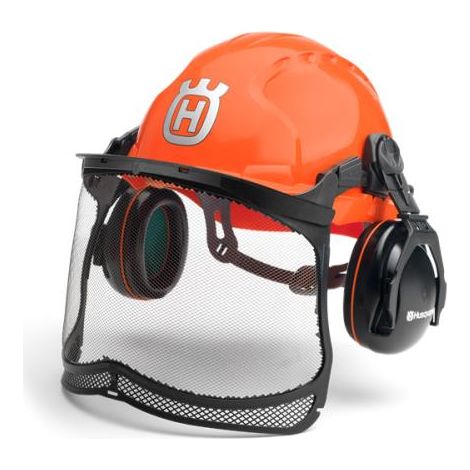
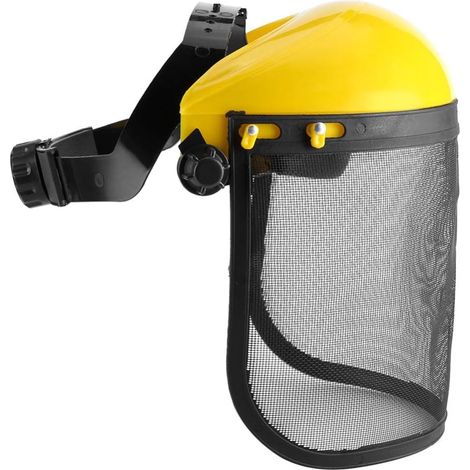
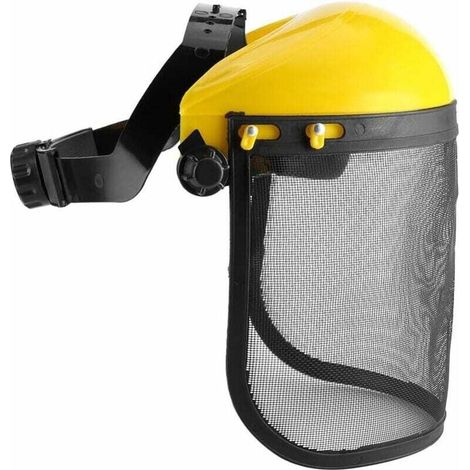
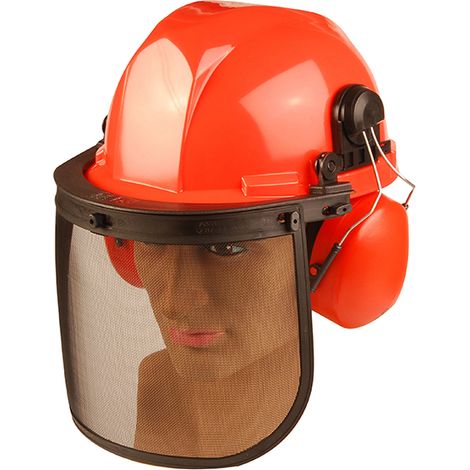
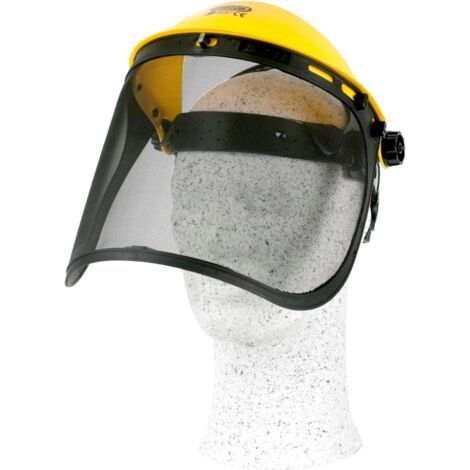
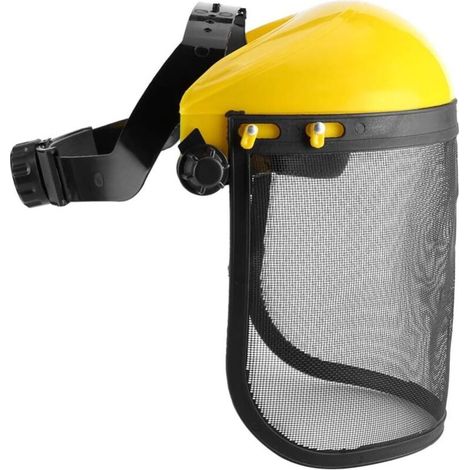
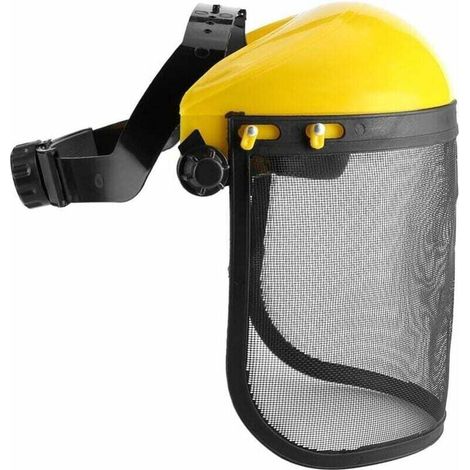
- forestry models for tree pruning or logging work.
These protective accessories must comply with quality and safety standards:
- NF EN 397 or NF EN 397 A1 for the standard protection model;
- NF EN 14052 for the high-performance version;
- NF EN 397 for models that can protect the user from an electric current of 440 V;
- NF EN 13087 for versions capable of protecting the wearer from an electric current of 1,000 V to 1,500 V;
- NF EN 1731, NF EN 352-3 and NF EN 397 for forestry models.
The forestry model differs from others by its elements:
- the helmet designed to protect the wearer's head;
- the visor to protect their eyes;
- the noise-canceling earmuffs for their ears.
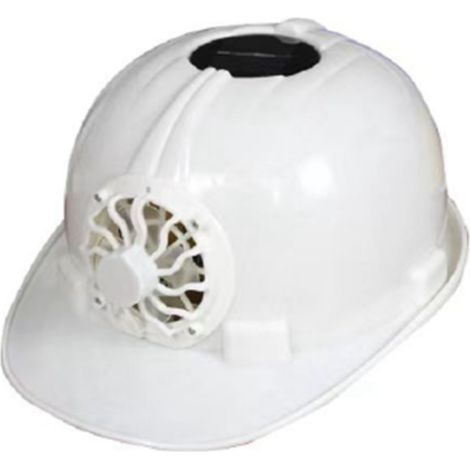
Ultimately, the choice of helmet depends on the activity performed. It should be noted that manufacturers can add options such as protection against projections of molten metal, corrosive materials, or high and low temperatures.











'/%3E%3C/svg%3E)
'/%3E%3C/svg%3E)