The headboard is both a bedding accessory and a full-fledged decorative element. You will choose it in accordance with the style of the room and from various materials and sizes.
Which headboard to choose to match the style of your room?
There are many styles of headboards:
- Contemporary or design, the headboard follows current trends, which in the 2020s translates into natural materials and rounded shapes.
- Baroque, the headboard adopts a more fanciful style.
- Oriental, it is inspired by travel, with leather, perforated wood and original shapes.
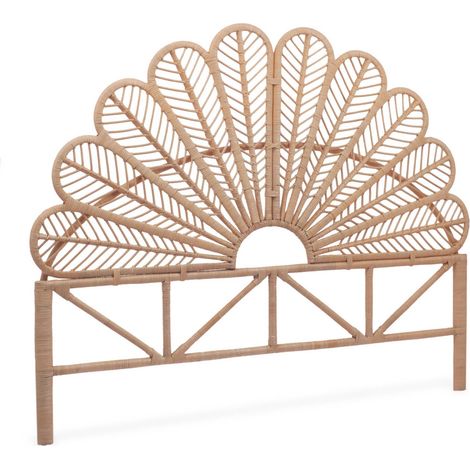
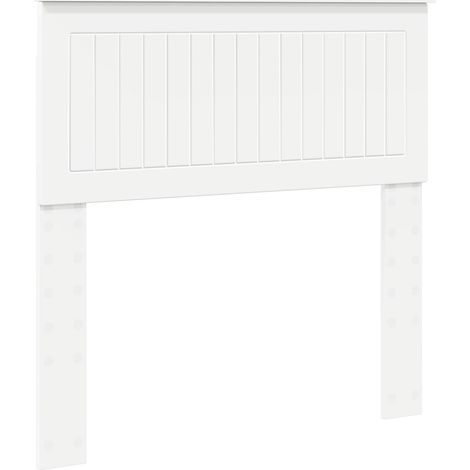
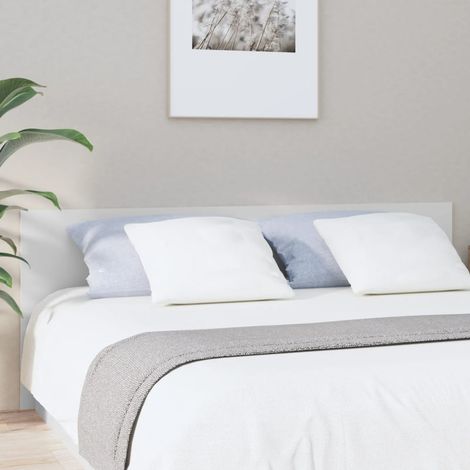
- Scandinavian, the headboard features cleaner lines, natural materials (rattan, wood, etc.) and light colors (white, gray, etc.).
Which covering to choose for your headboard?
The headboard comes in different materials that influence its aesthetics, comfort, and price.
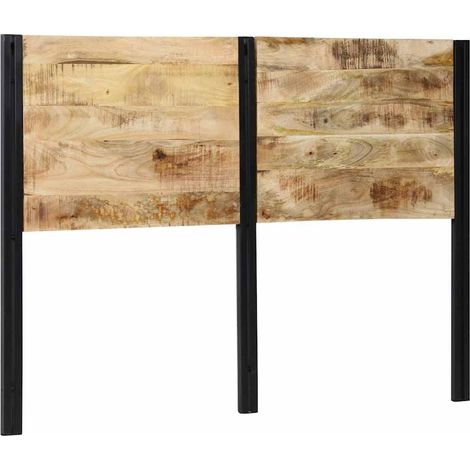
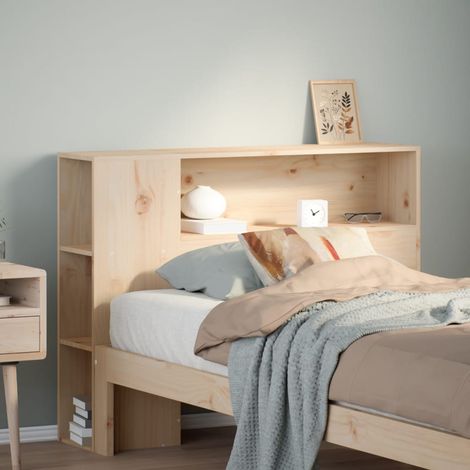
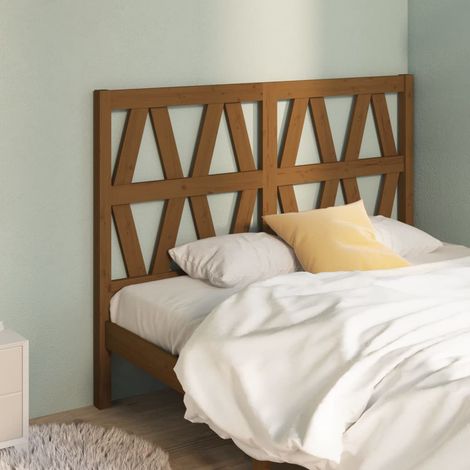
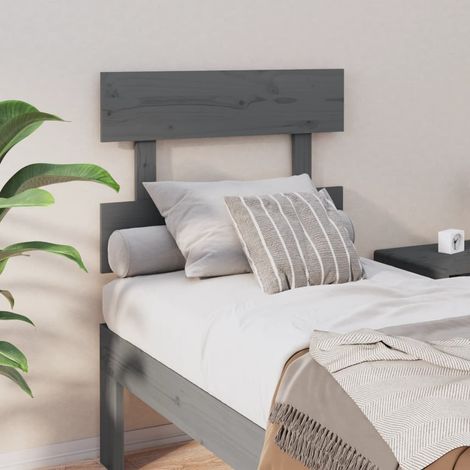
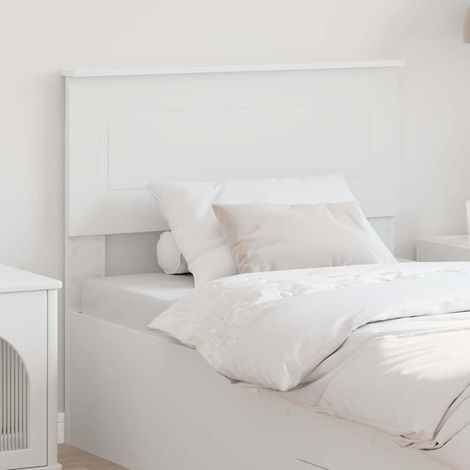
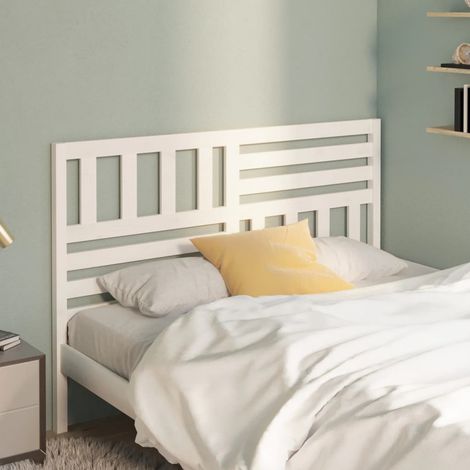
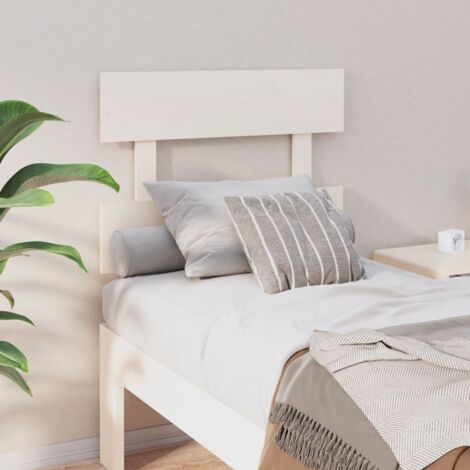
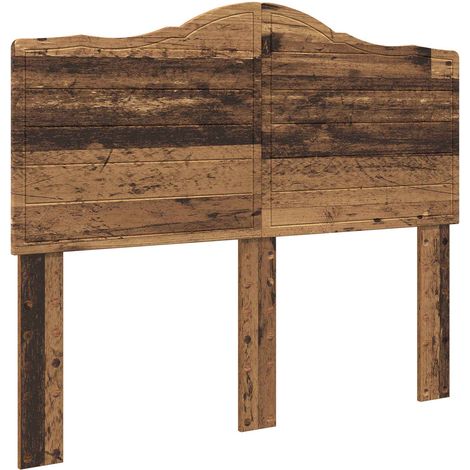
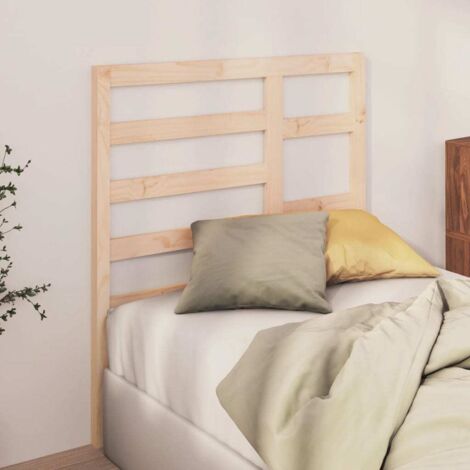
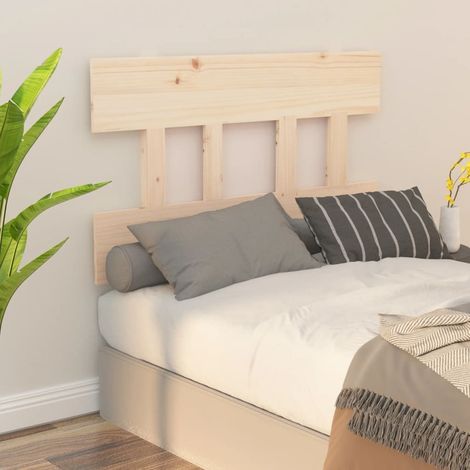
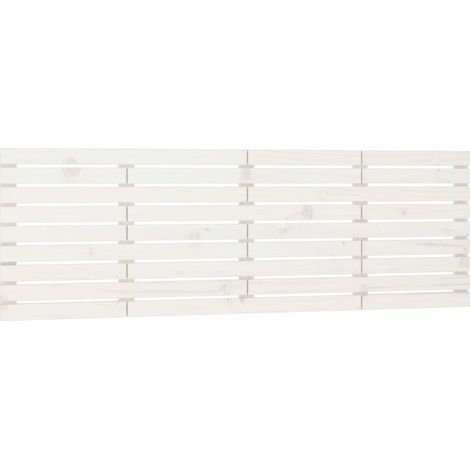
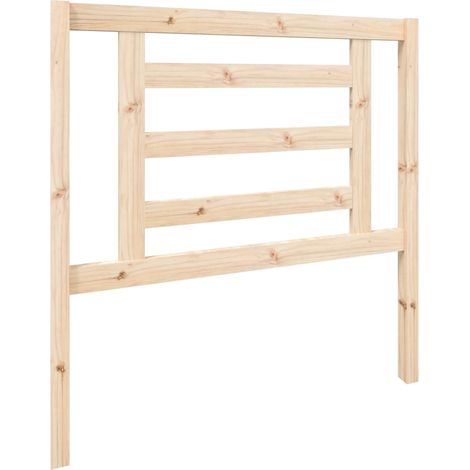
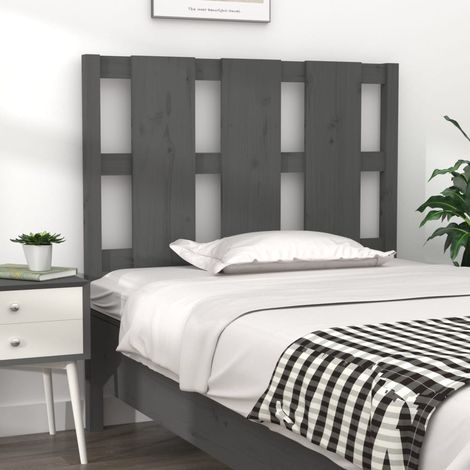
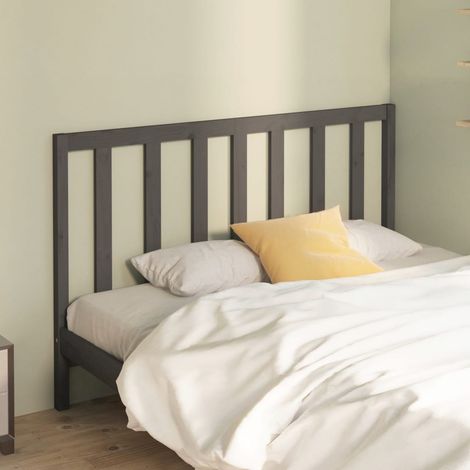
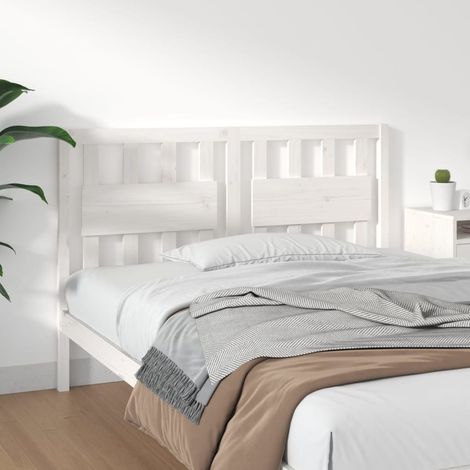
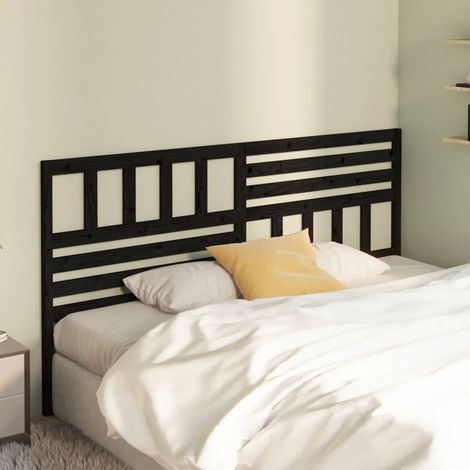
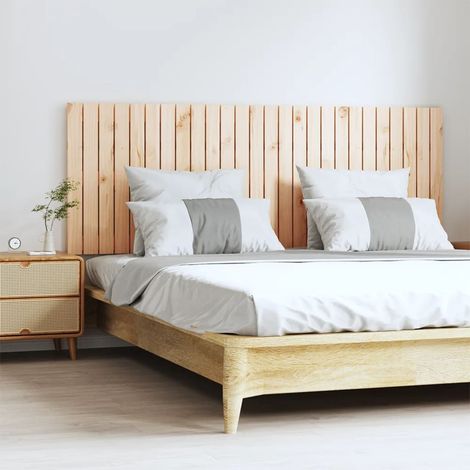
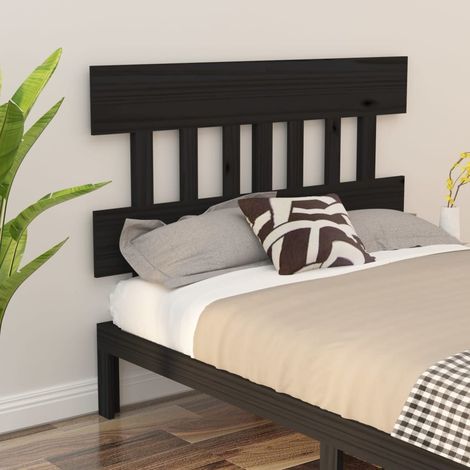
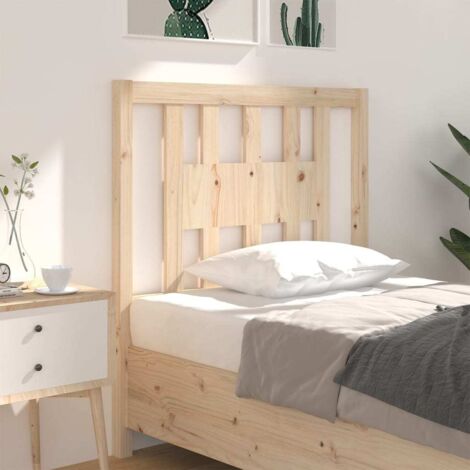
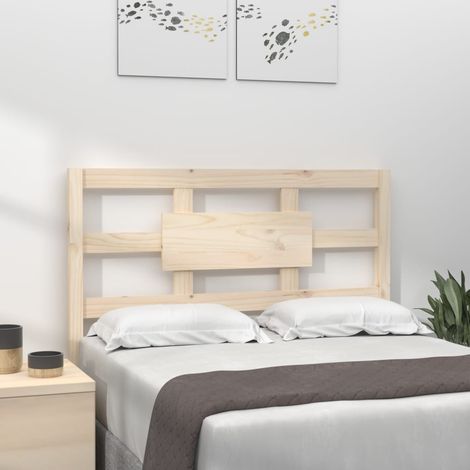
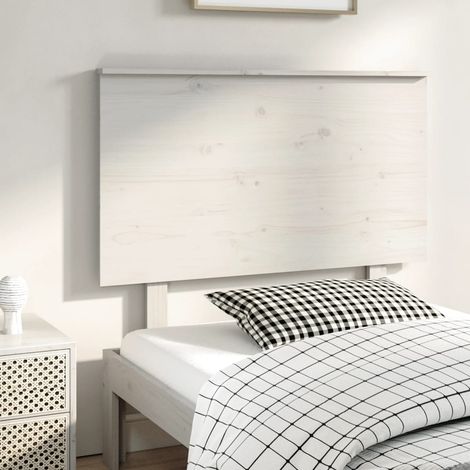
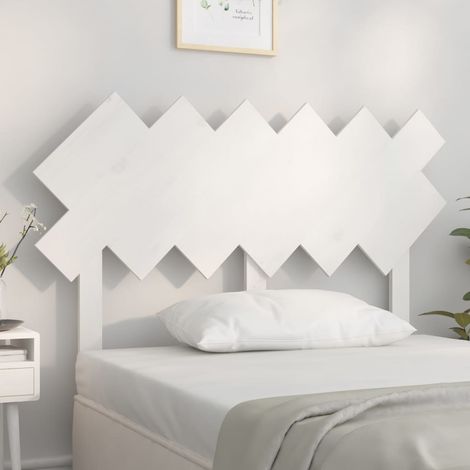
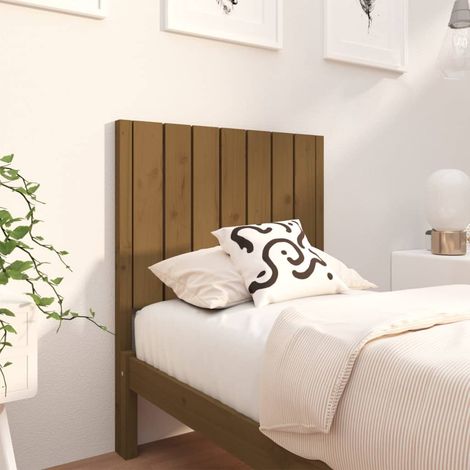
- In wood, whether it is solid, exotic, or particleboard, the headboard fits almost all decorating styles and is easy to maintain.
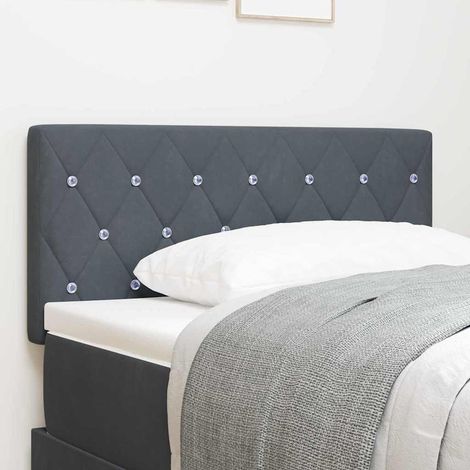
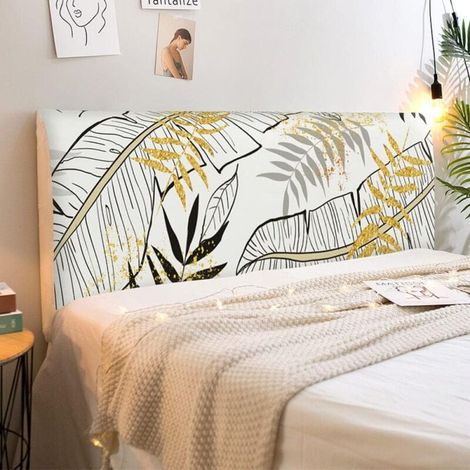
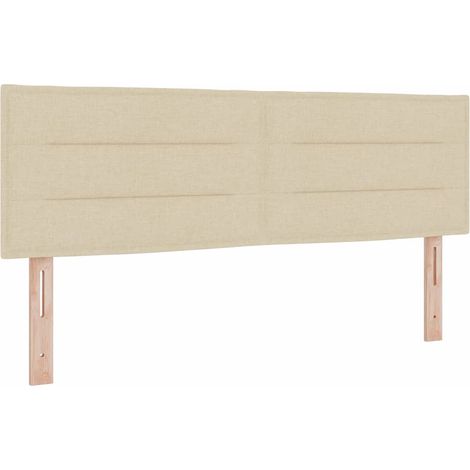
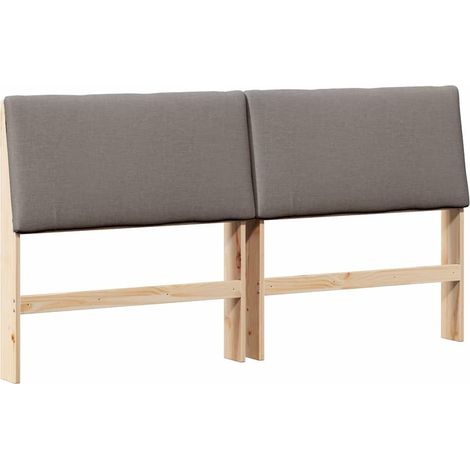
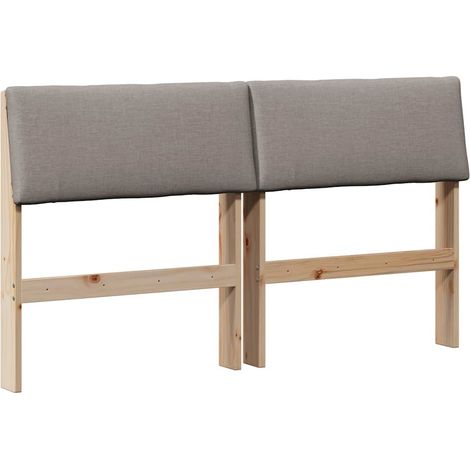
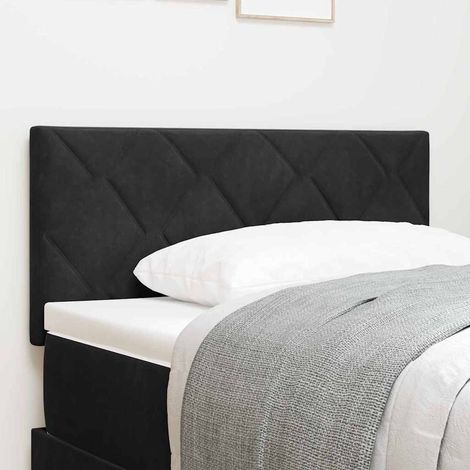
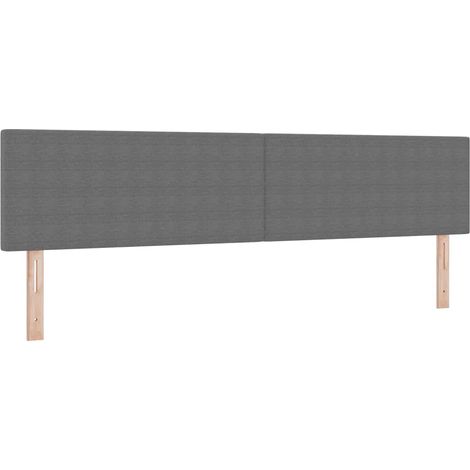
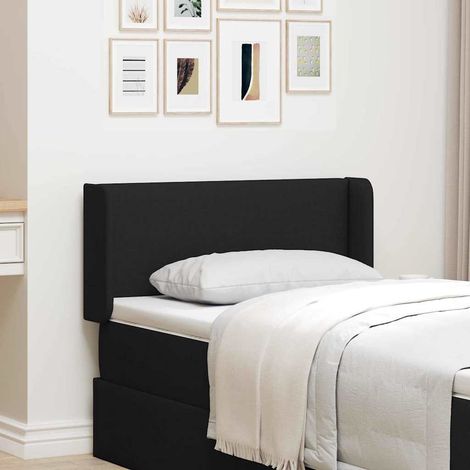
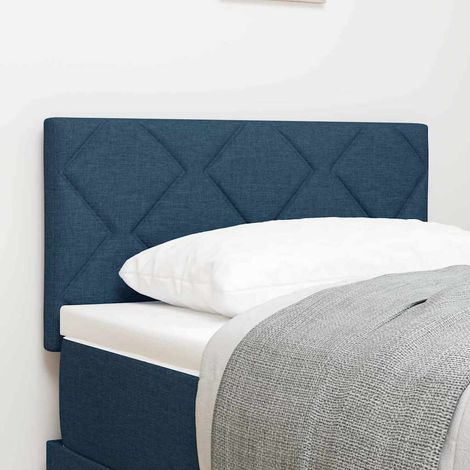
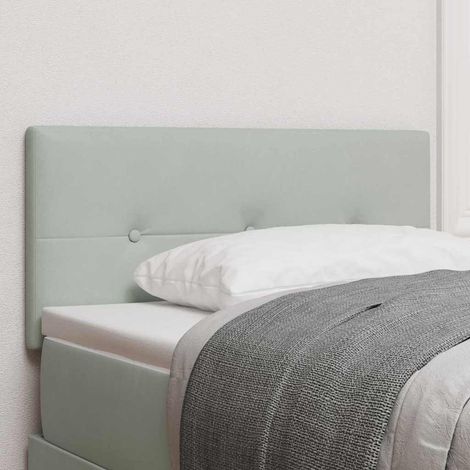
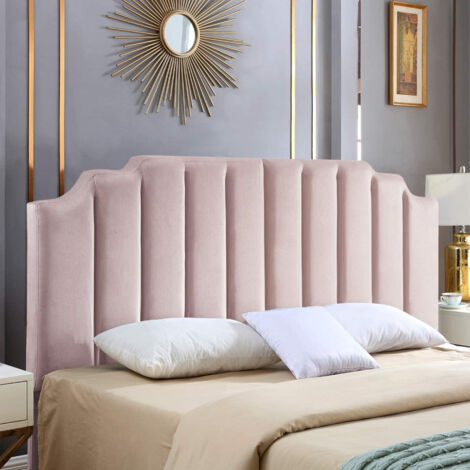
- Tufted, the headboard can be in fabric (cotton, velvet, satin, etc.) or PVC, the latter being easier to maintain. Also called a padded headboard, it is particularly comfortable to lean against in a sitting position. You can also opt for a fabric headboard cover, which slips on and off at will and can be machine washed.
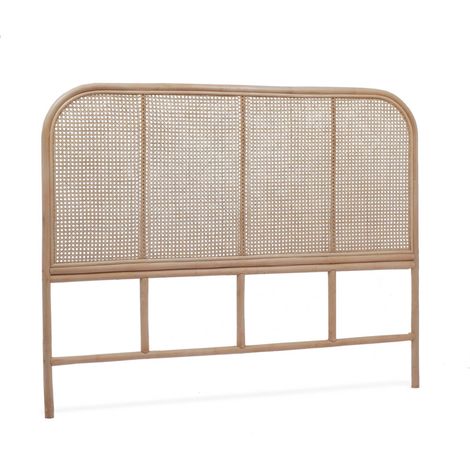
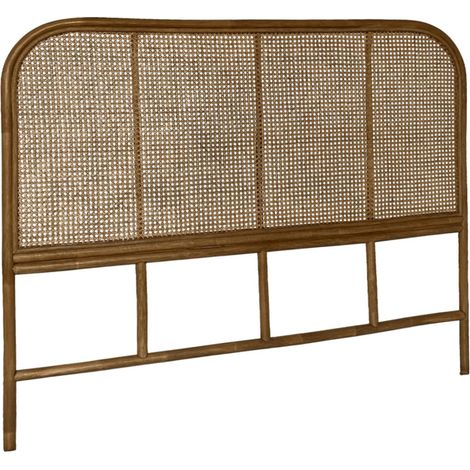
- In rattan or polyrattan (a synthetic rattan), the headboard brings a zen and natural touch to the room. The transparency of its caning adds lightness by avoiding a block effect.
- In leather or faux leather (less expensive), it gives the room a luxurious look and ages over time. However, be aware of the maintenance involved with leather.
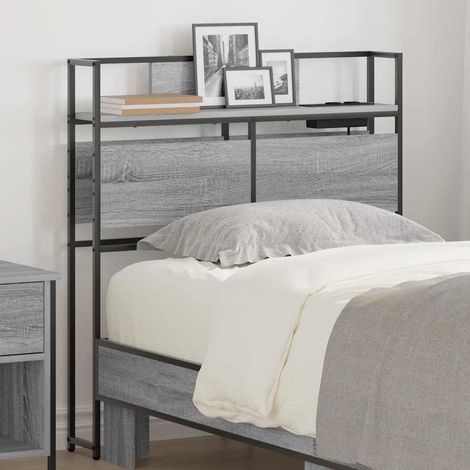
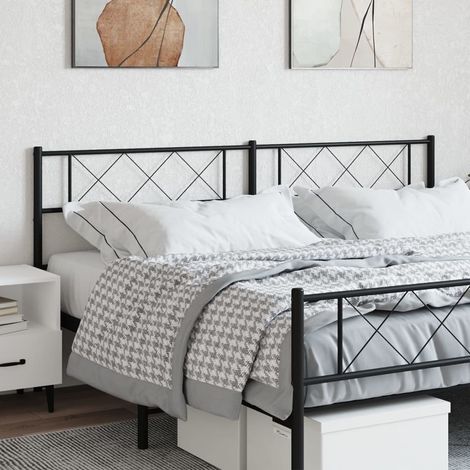
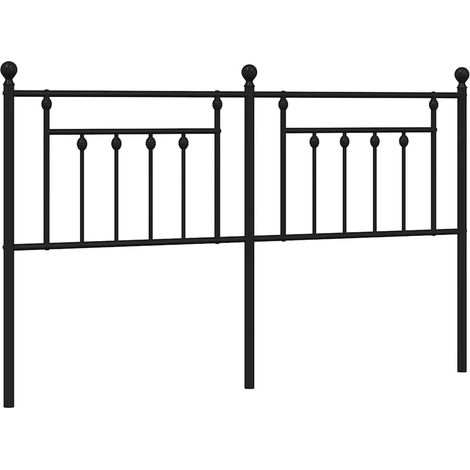
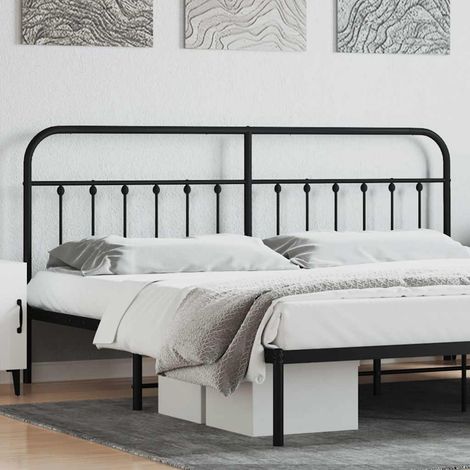
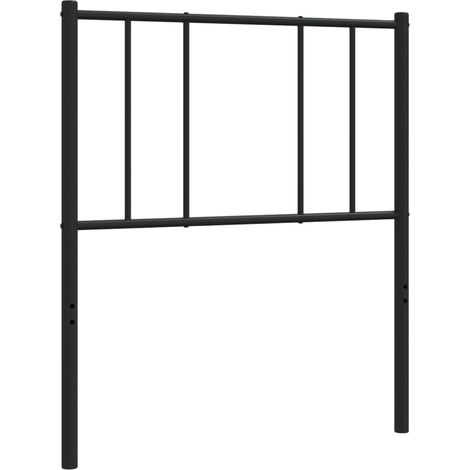
- In metal or wrought iron, the headboard takes on numerous shapes and colors (black, gold, etc.) to give elegance and sometimes a vintage aspect to the room.
How to choose the functionalities of your headboard?
Originally intended to insulate the sleeper from the cold wall, the headboard today is mainly decorative. But it can add other functionalities, both aesthetic and practical, especially if space is at a premium, for example:
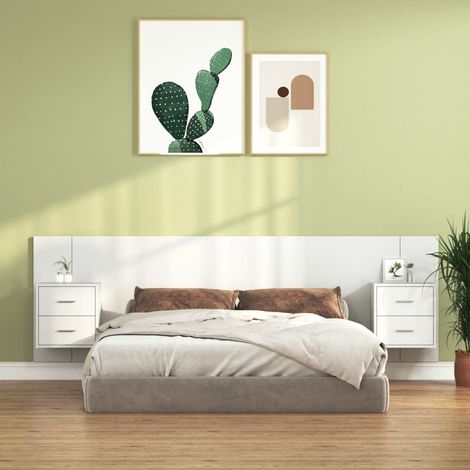
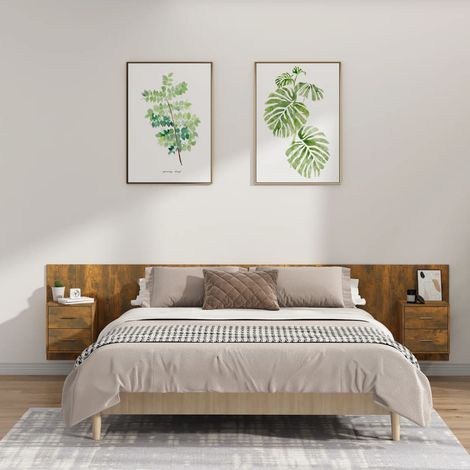
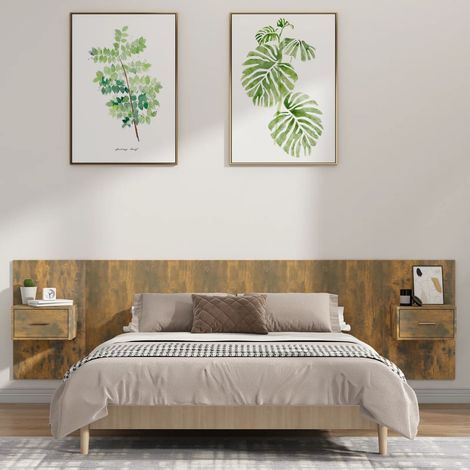
- Some headboards come with integrated nightstands, also serving as bedside tables.
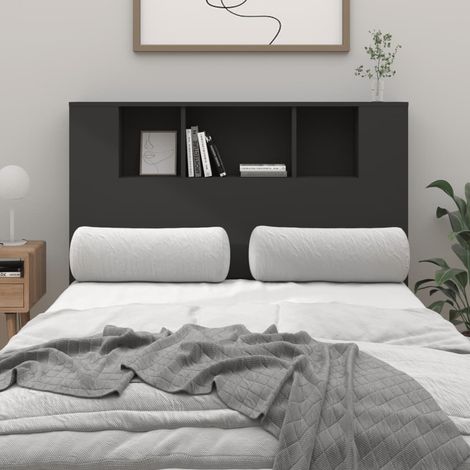
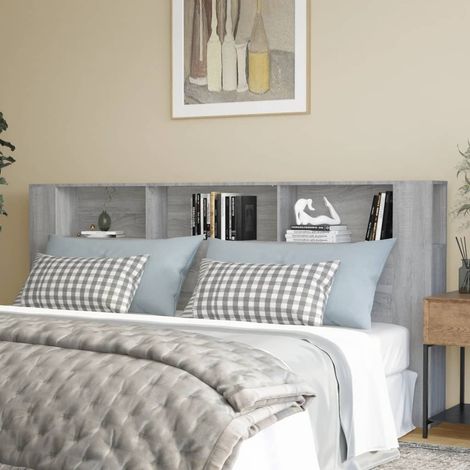
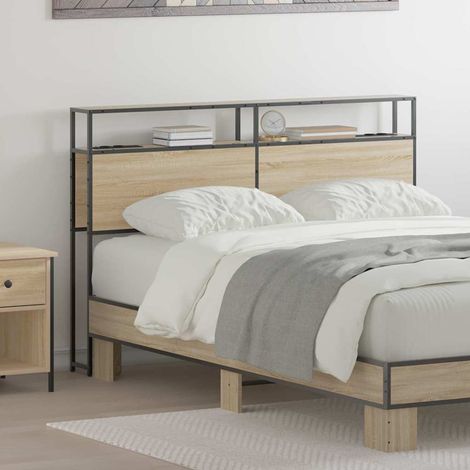
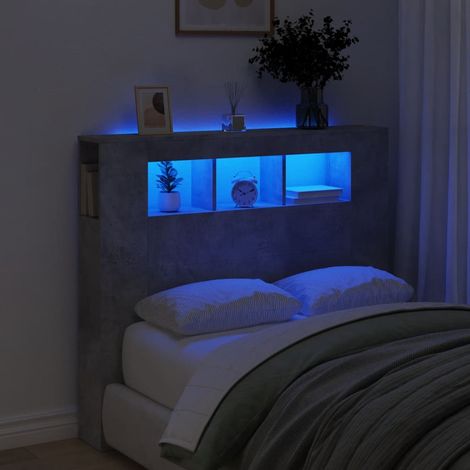
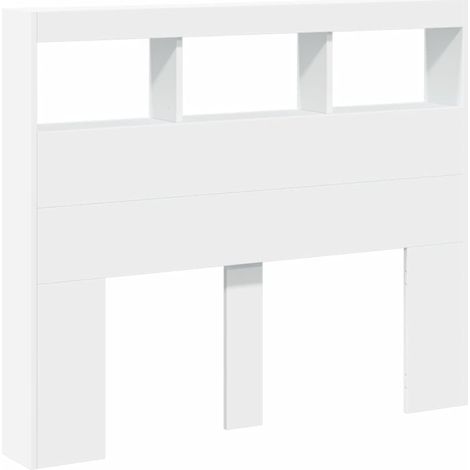
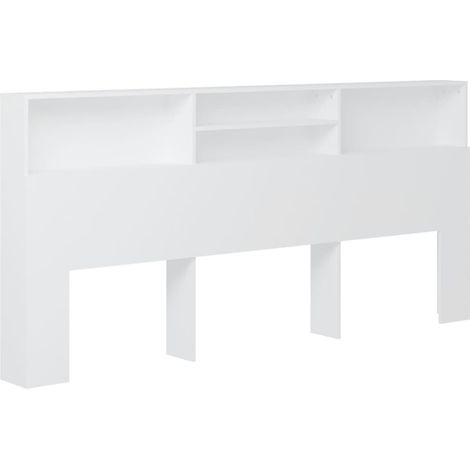
- A nightstand library headboard incorporates one or several shelves for storing your books.
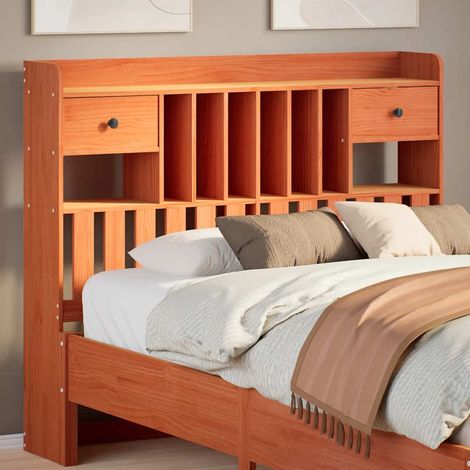
- Other models of headboards feature storage in the form of cupboards, drawers, or shelves.
Which dimensions to choose for your headboard?
The headboard adapts its dimensions to those of the bedding:
- In height, the headboard should be at least 30 to 50 cm taller than the bedding to allow you to lean back comfortably. But nothing prevents you from opting for an XXL format.
- In width, the headboard will adapt to the exact dimensions of the bedding (i.e., 90 cm, 140 cm, 160 cm, 180 cm, 200 cm), or exceed it more or less widely on each side.
How to install a headboard?
The headboard can be positioned on the wall and/or floor in different ways:
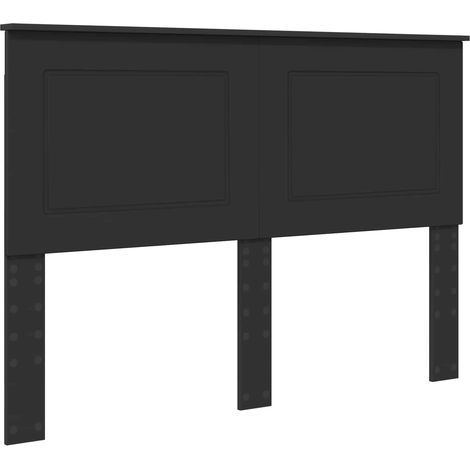
- The headboard can be directly placed on the floor, provided it is sufficiently stable. In the absence of a wall, opt for a library or storage headboard that can also serve as a room divider.
- When it is light, the headboard can be adhesive for easy installation.
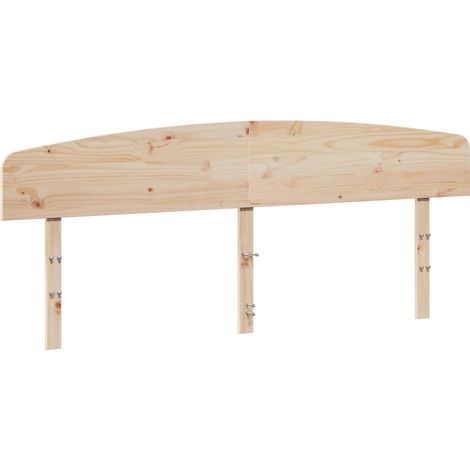
- The headboard can also be screwed directly onto the bed frame if both are designed for this purpose. Or screwed to the wall, but always carefully following the manufacturer's instructions.



'/%3E%3C/svg%3E)
'/%3E%3C/svg%3E)