Used to lift the car when replacing a flat tire or to perform certain repairs, the jack is essential for all motorists, both private individuals and transporters. Mechanical, hydraulic, or pneumatic, this lifting equipment is suitable for all needs.
Mechanical jacks are the most common.
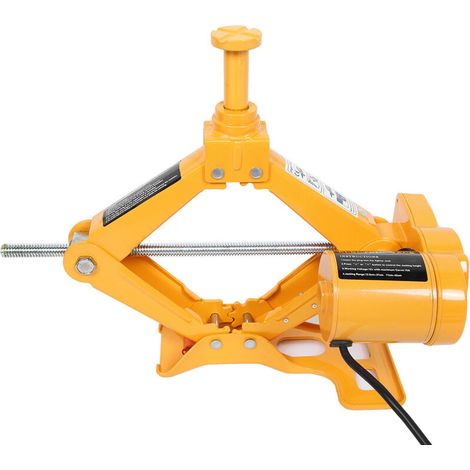
- The scissor jack is provided at the time of vehicle purchase. Shaped like a diamond, this mechanical jack is equipped with a threaded rod. To lift the car, simply turn the rear part of the crank clockwise. This model has a very small footprint.
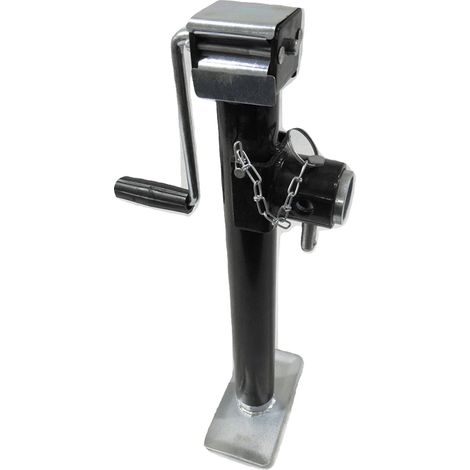
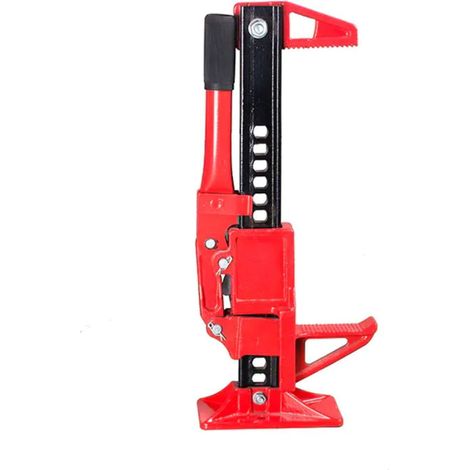
- Easy to use, the rack and pinion jack is also equipped with a crank. Its lifting capacity of up to 15 tons makes it suitable for heavy vehicles such as 4x4s and agricultural machinery.
Hydraulic jacks come in different versions.
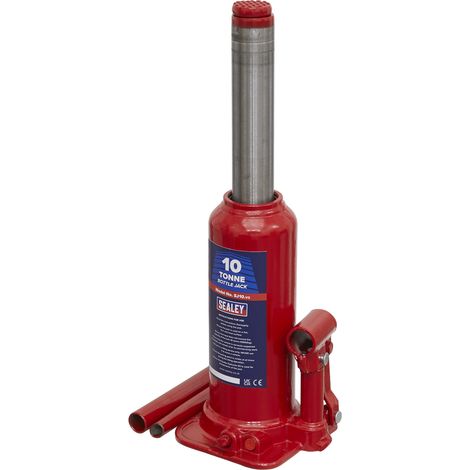
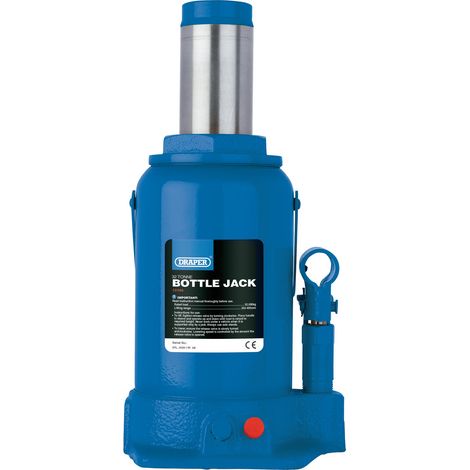
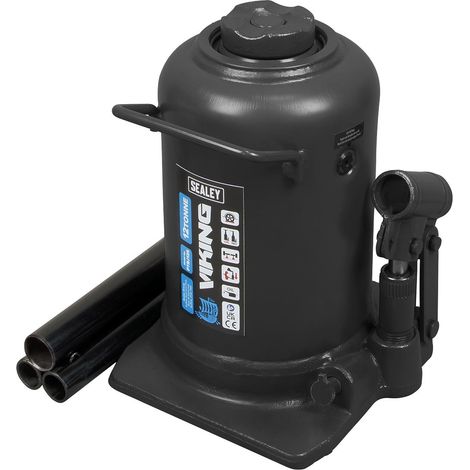
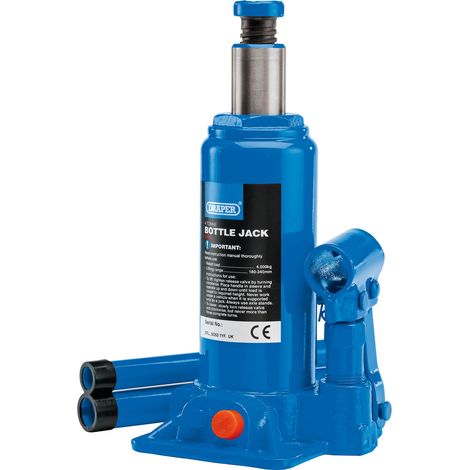
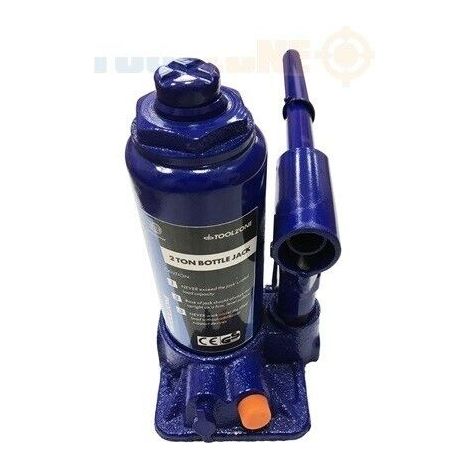
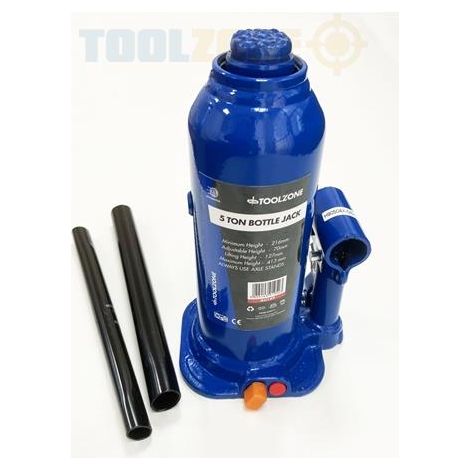
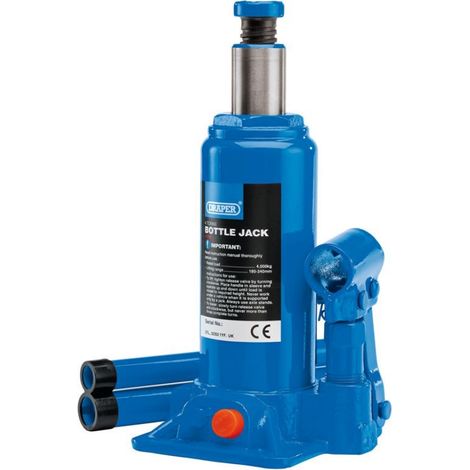
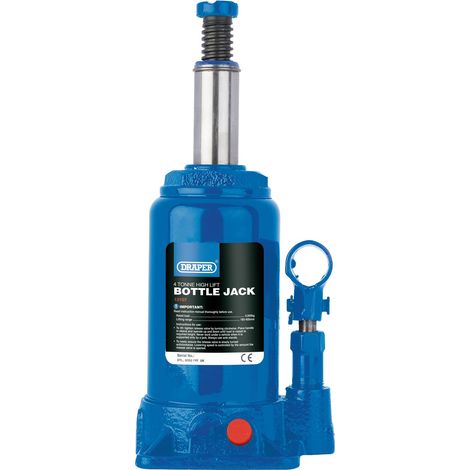
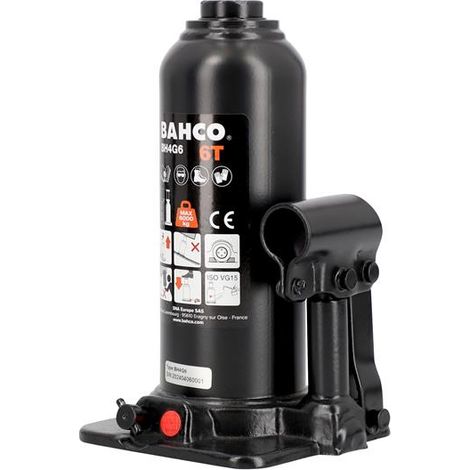
- The bottle jack, being compact and lightweight, easily finds its place in the trunk. This type of hydraulic jack can lift up to 20 tons, but its shape makes it unsuitable for low or lowered vehicles like sports cars.
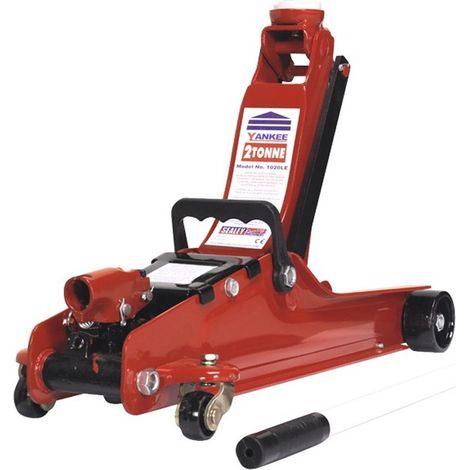
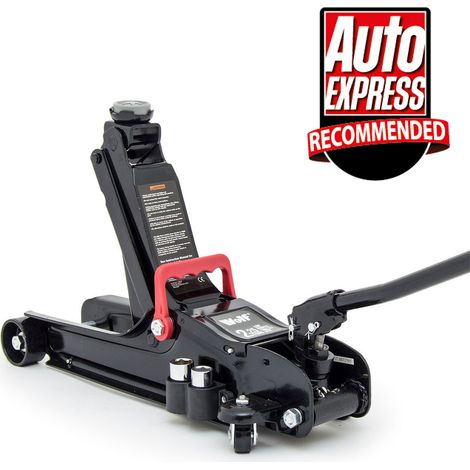
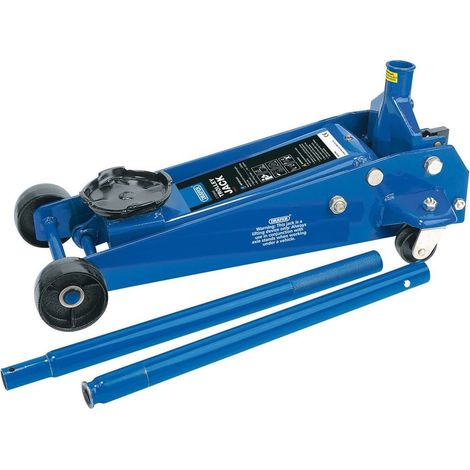
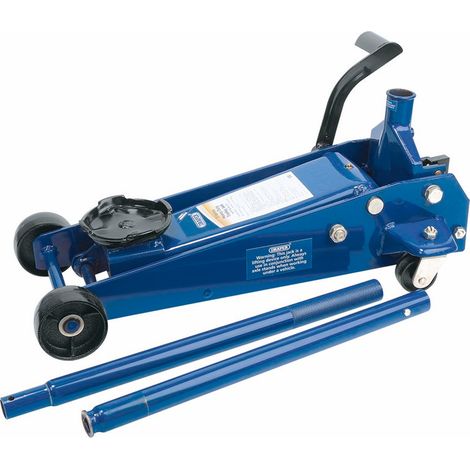
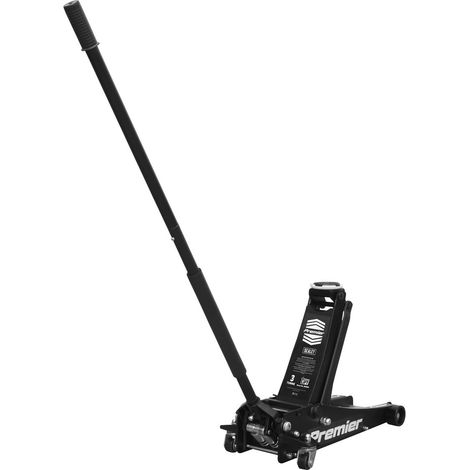
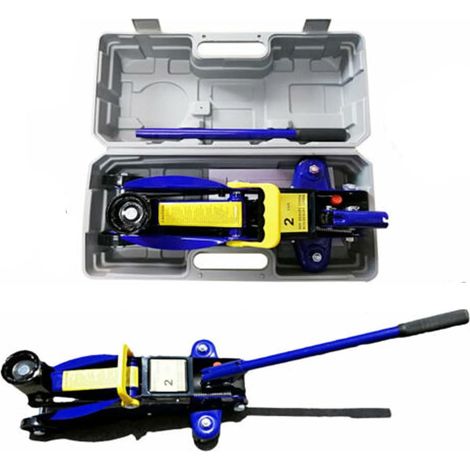
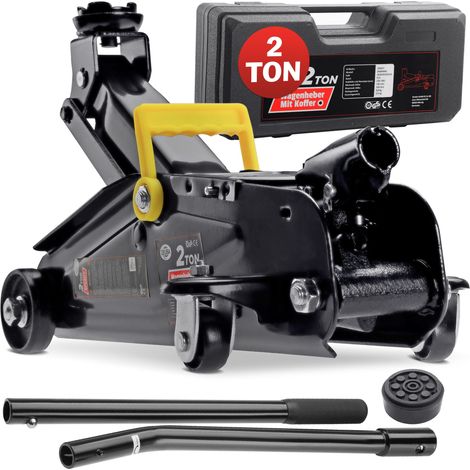
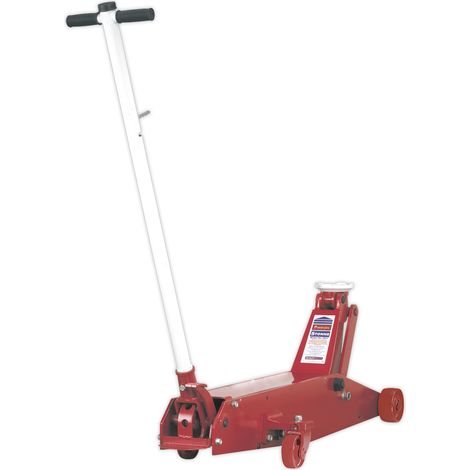
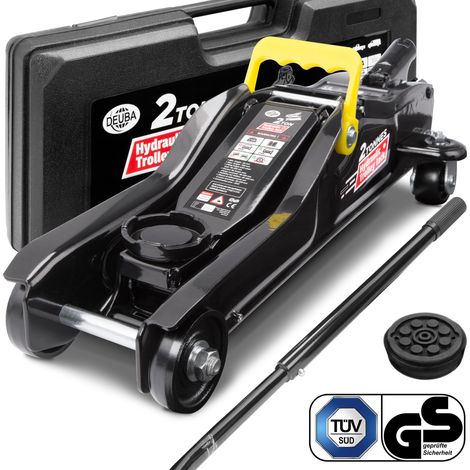
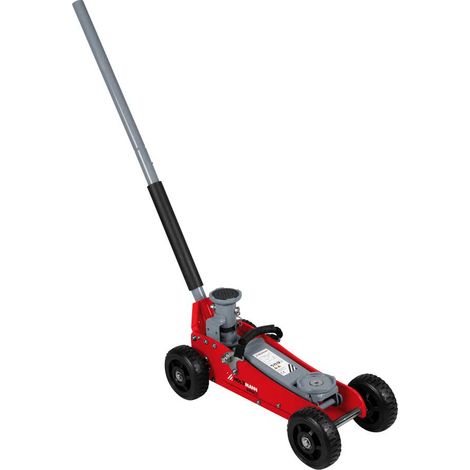
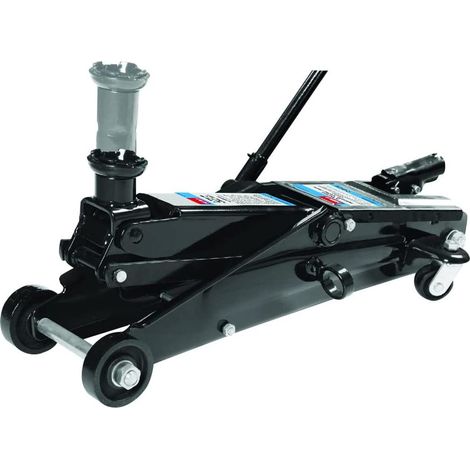
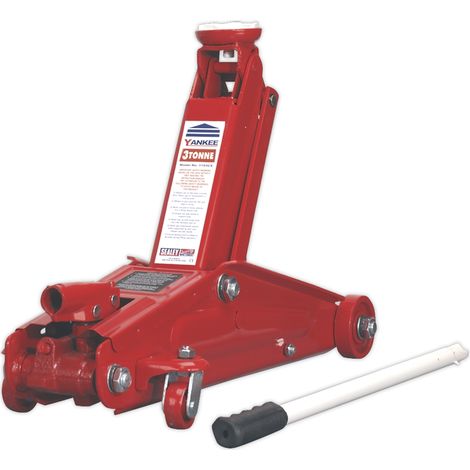
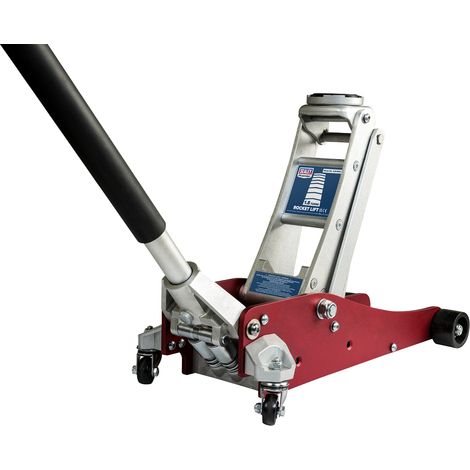
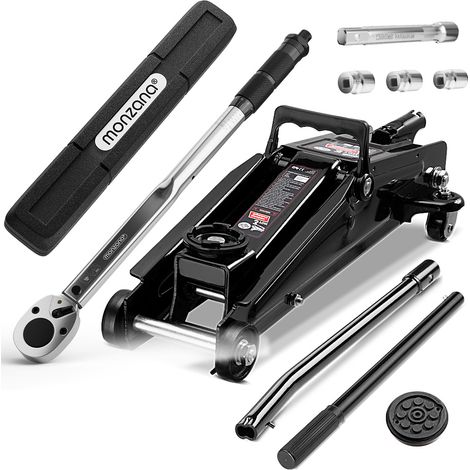
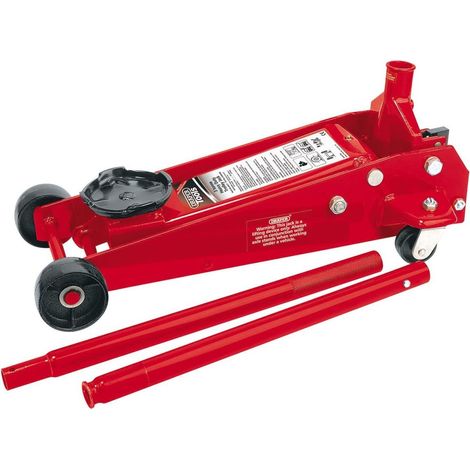
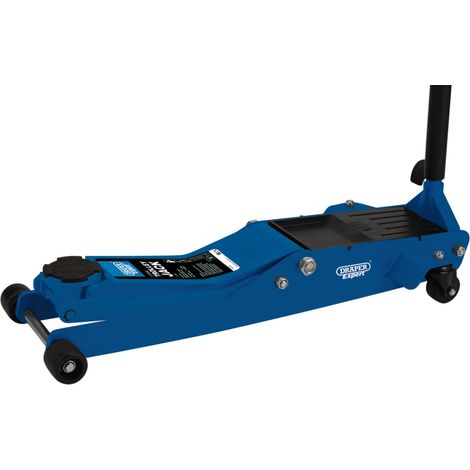
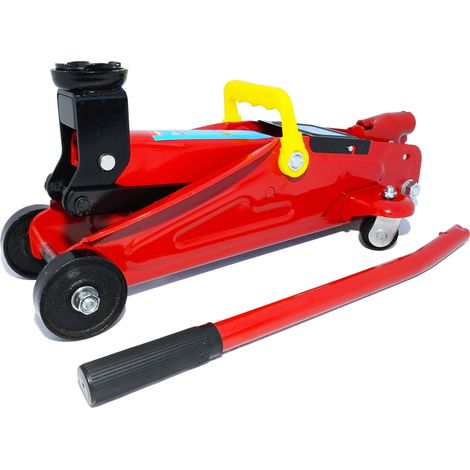
- The floor jack is often used in workshops. Its load capacity is about 2 to 3 tons, but can reach 5 tons for models designed for 4x4s and heavy trucks. Its steering wheels facilitate movement.
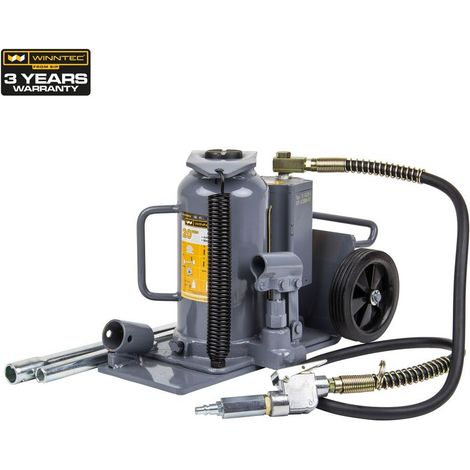
Pneumatic jacks are intended for professionals and mechanics enthusiasts. Their air compressor greatly simplifies lifting the vehicle.
- Air cushion pneumatic jacks have a load capacity limited to 3 tons.
- Hydropneumatic or oleopneumatic models have a greater load capacity, capable of reaching 30 tons.
Each jack is characterized by its maximum lifting load.
- For greater safety, it is advisable to choose a jack whose lifting capacity is greater than half the weight of the vehicle.
- If a model capable of supporting 1.5 tons is sufficient to safely lift a passenger car, a device capable of lifting 2 to 3 tons is recommended for a utility vehicle.
In summary, the choice of jack largely depends on the characteristics of the vehicle to be lifted. Finally, it should never be forgotten that this equipment is to be used on a hard, perfectly flat and dry surface.































'/%3E%3C/svg%3E) team
team'/%3E%3C/svg%3E)
'/%3E%3C/svg%3E)
'/%3E%3C/svg%3E)
'/%3E%3C/svg%3E)