Filter by
Delivery
Price (£)
Reviews
Brands
Head print
Handle material type
Electricians screwdrivers
16 products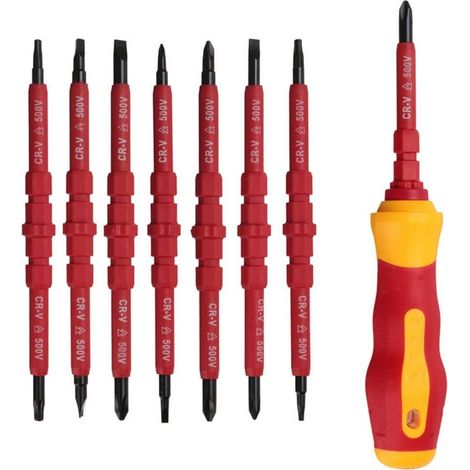

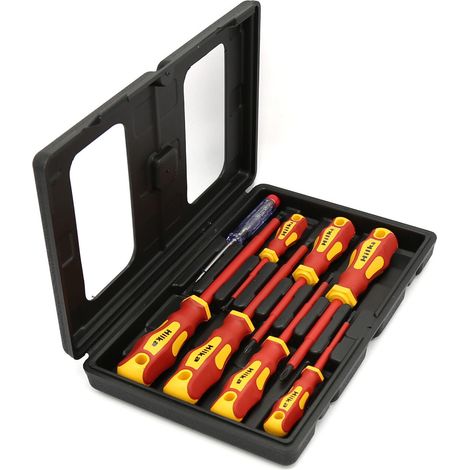
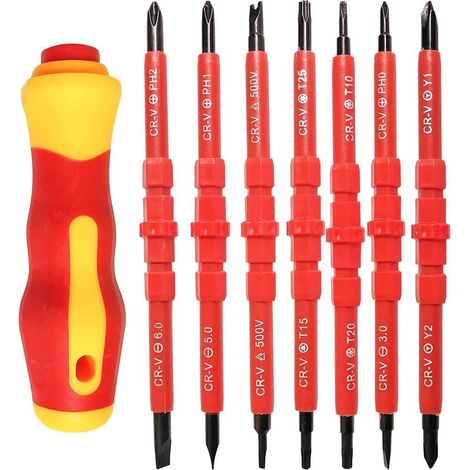
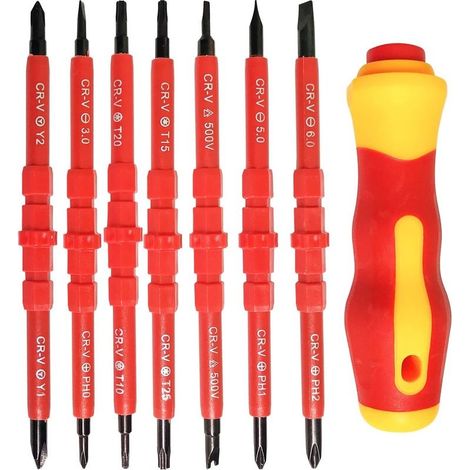
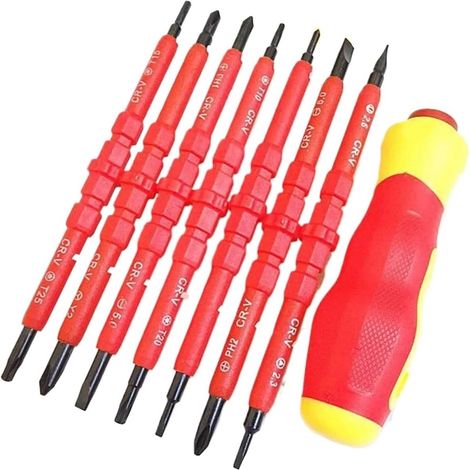
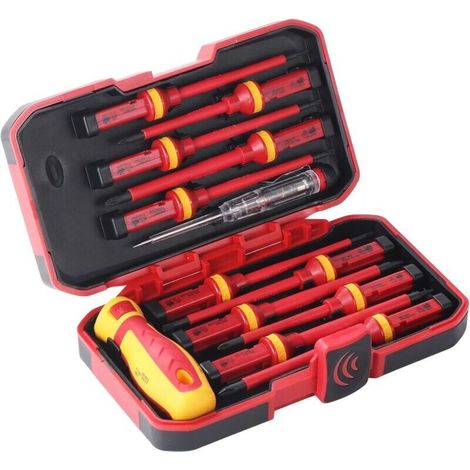
7Pcs 500V Insulated Electrician Screwdriver Set with Tester Screwdriver, Insulated Screwdriver with Handle, Interchangeable Magnetic Insulated Screwdriver, Repair Tool Kit
Free shipping

#1 in sales
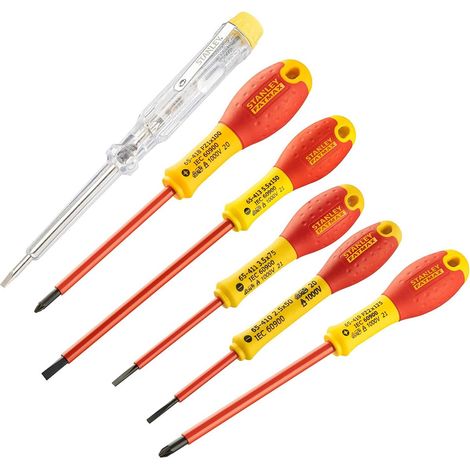
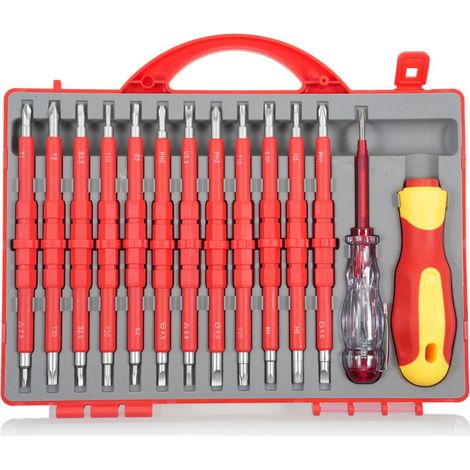
Stanley FatMax 6-Piece Insulated Screwdriver Set (1000V) with Tester – Electrician Tools Including Phillips, Pozidriv, and Test Probe
39
Free shipping
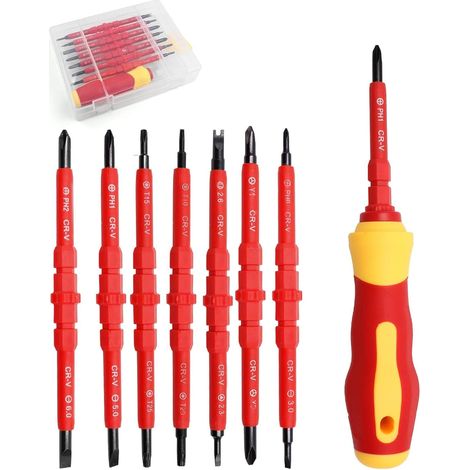
7 in 1 Magnetic Screwdriver Kit Insulated Electrician Screwdriver Insulated Screwdriver with Multi-function Handle Interchangeable Magnetic Insulator Screwdriver
Free shipping

Set of 7 Insulated 500V Electrician Screwdrivers with Tester Screwdriver, Insulated Screwdriver with Handle, Replaceable Magnetic Insulated Screwdriver, Repair Tool Kit
Free shipping




Narrow down your search
Other categories for you
'/%3E%3C/svg%3E)