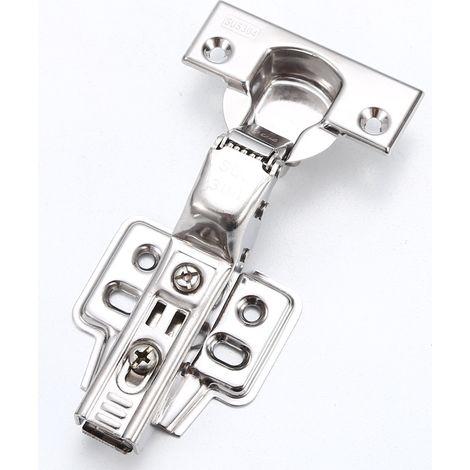
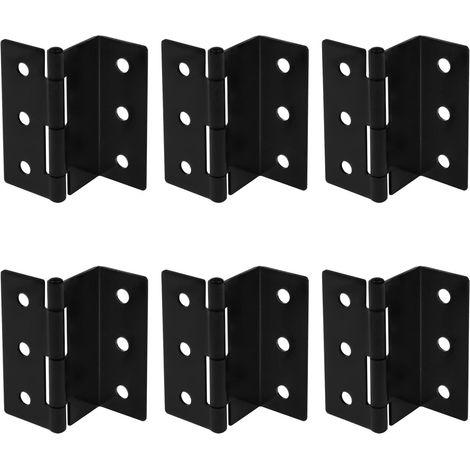
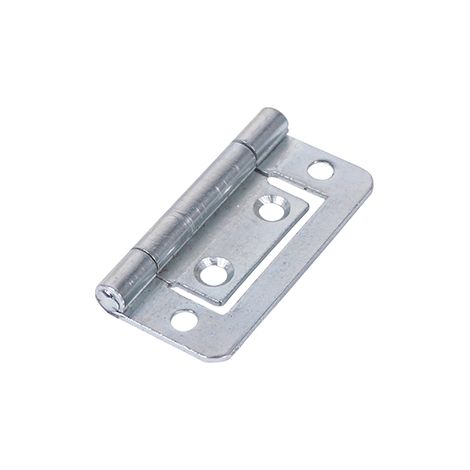
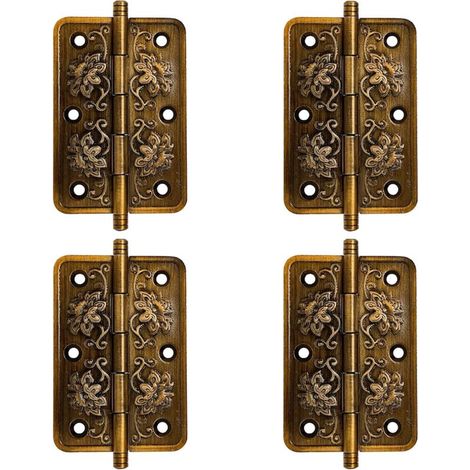
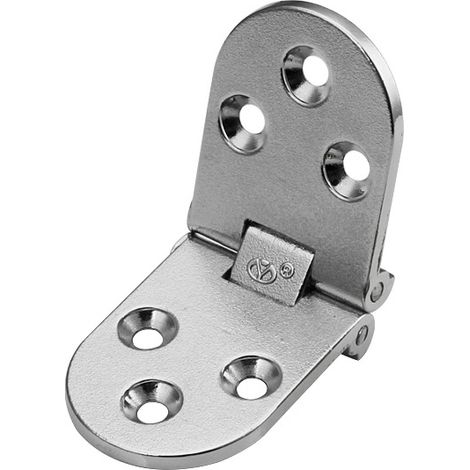
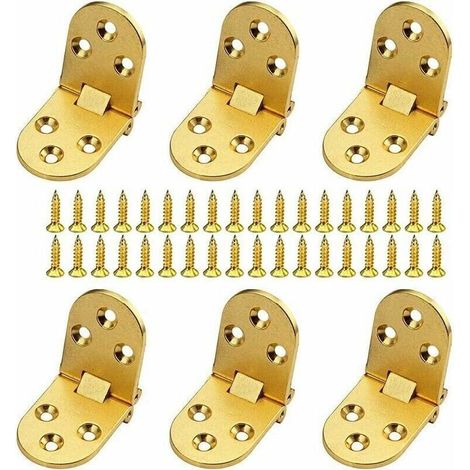
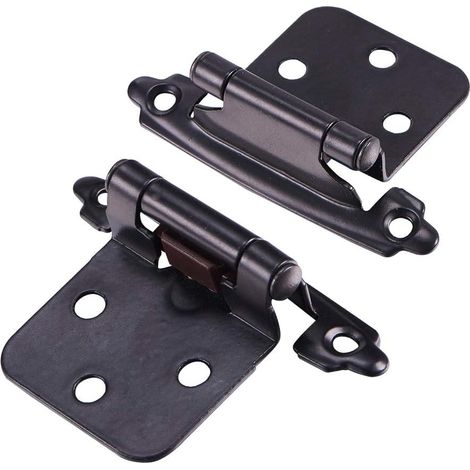
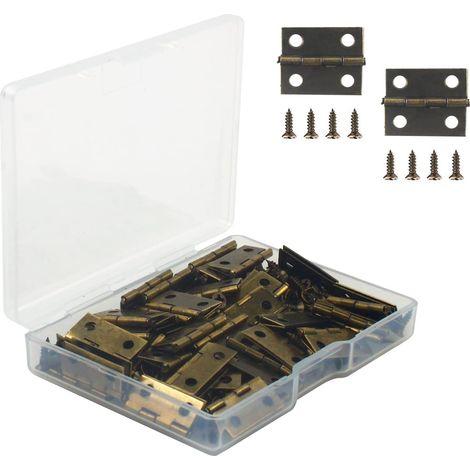
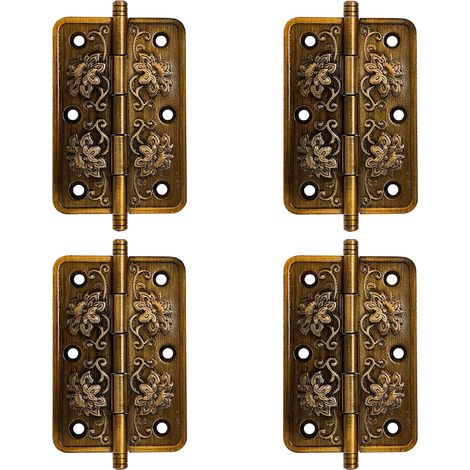
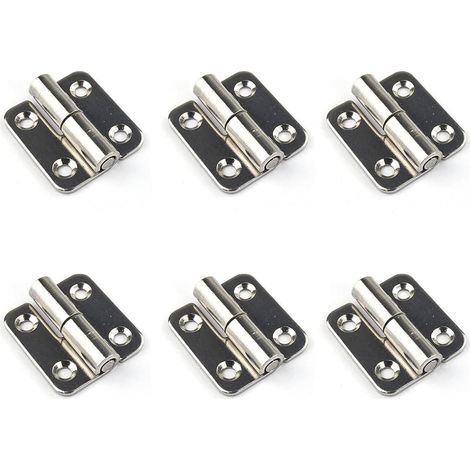
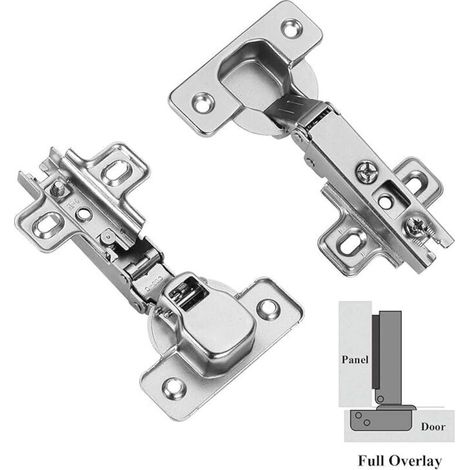
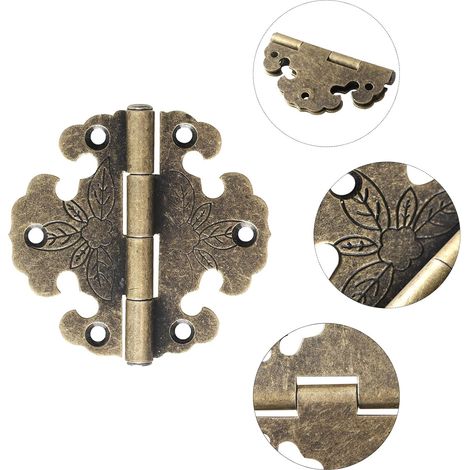
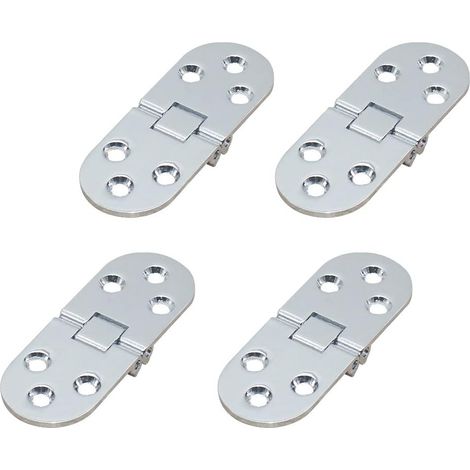
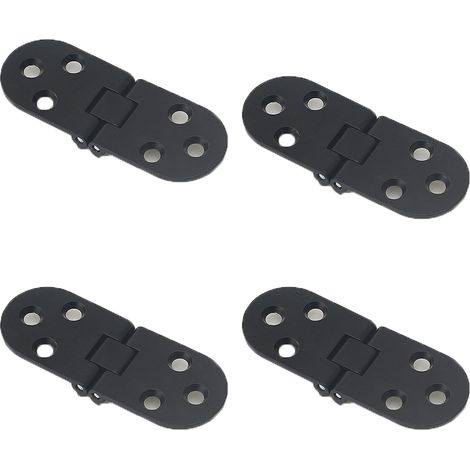
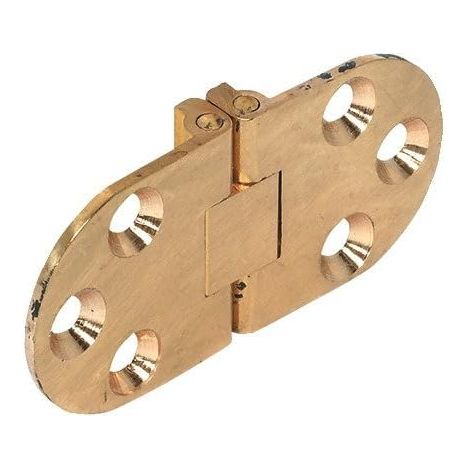
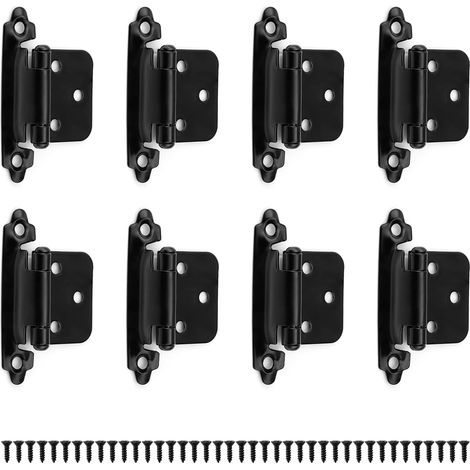
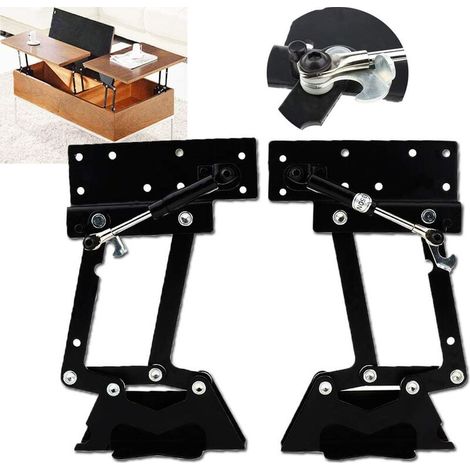
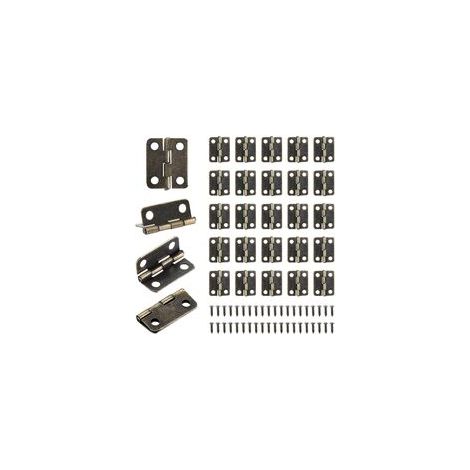
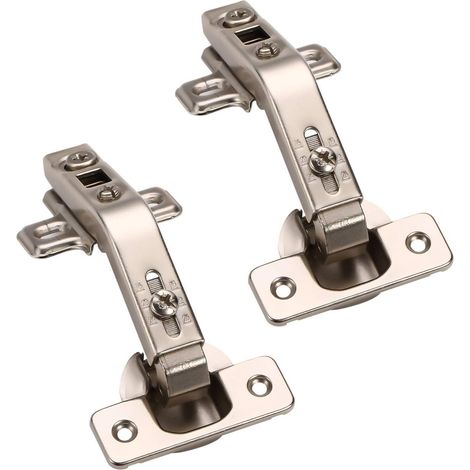
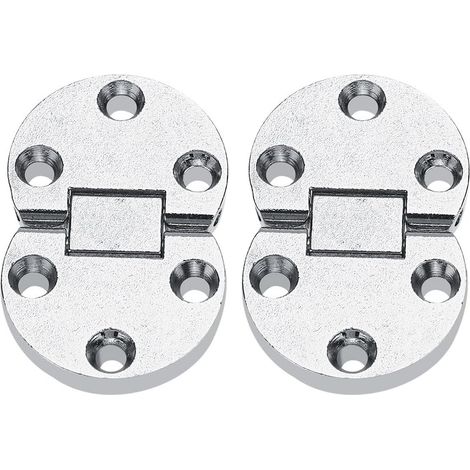
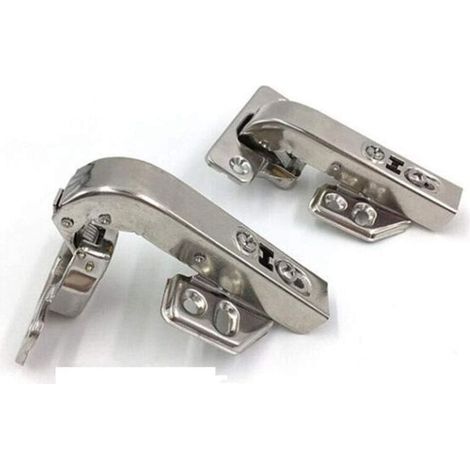
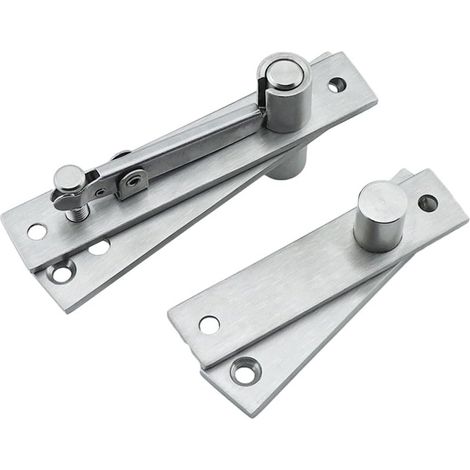
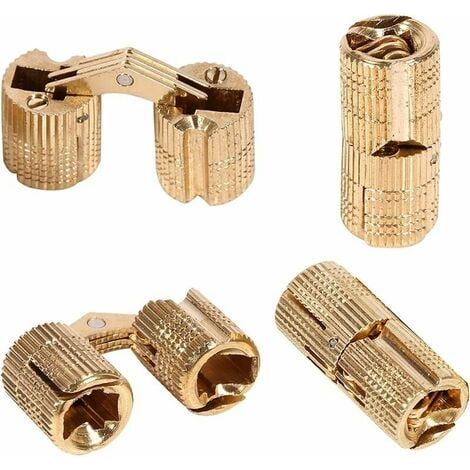
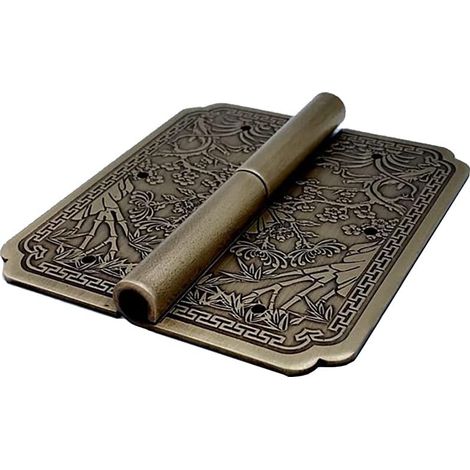
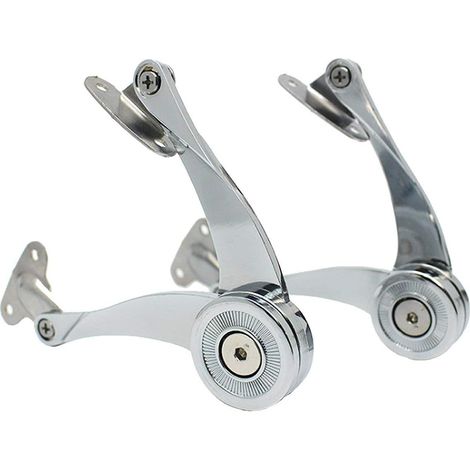
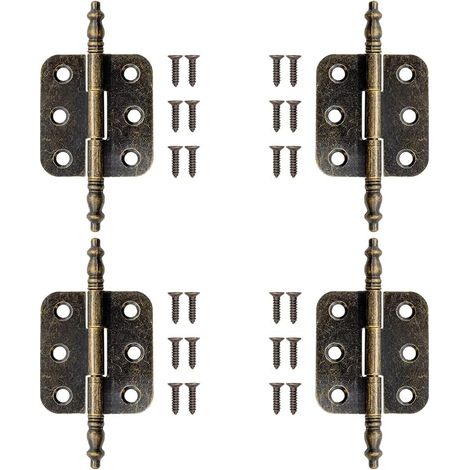
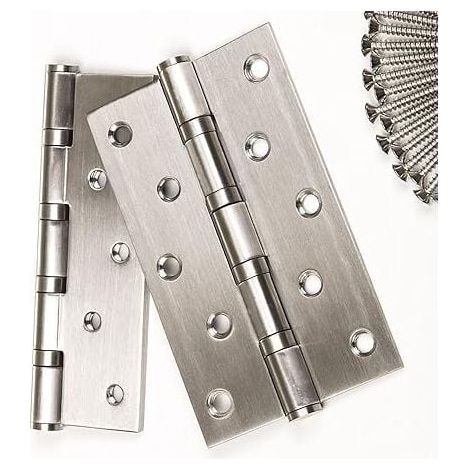
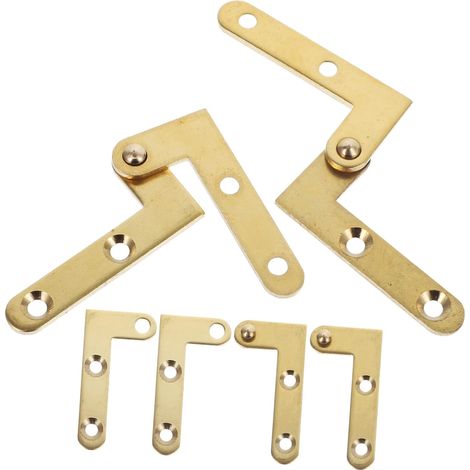
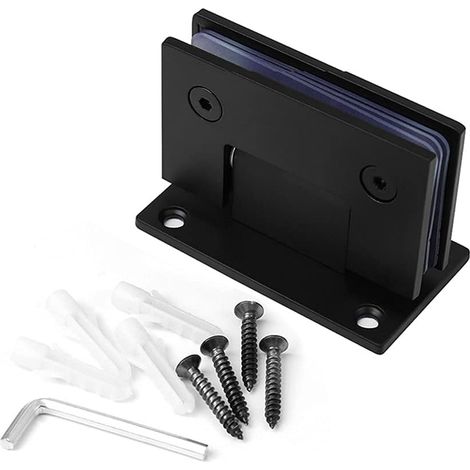
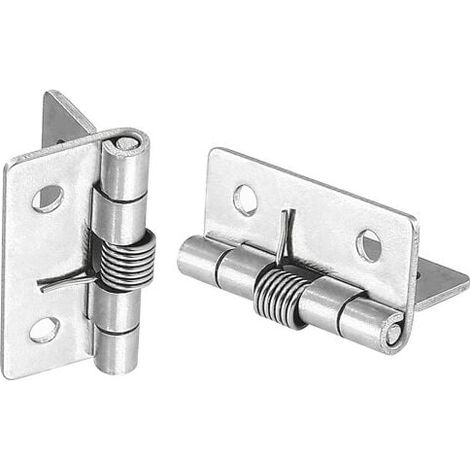
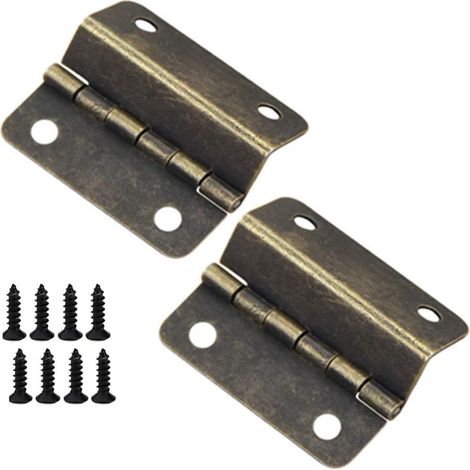
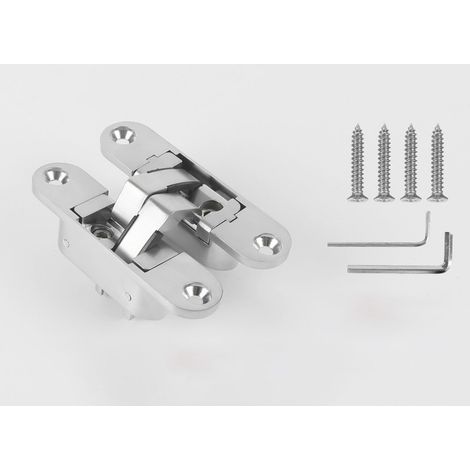
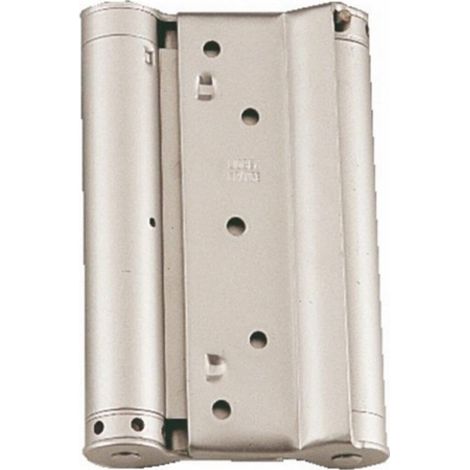
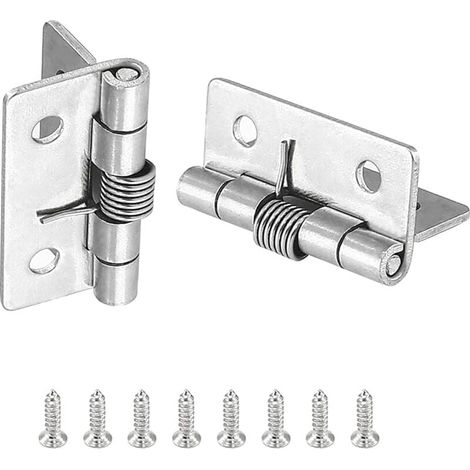
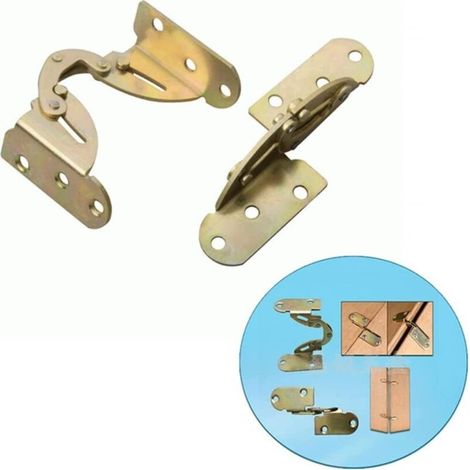
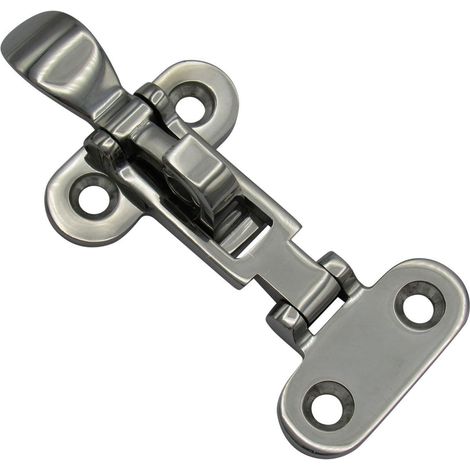
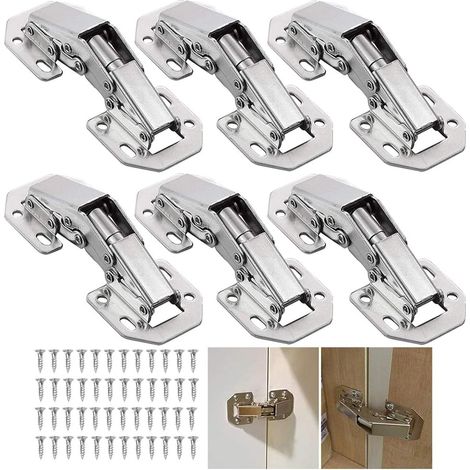
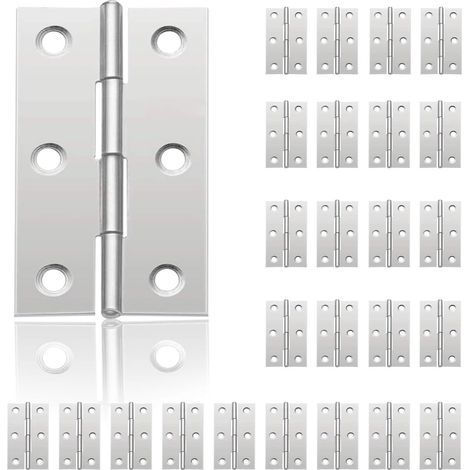
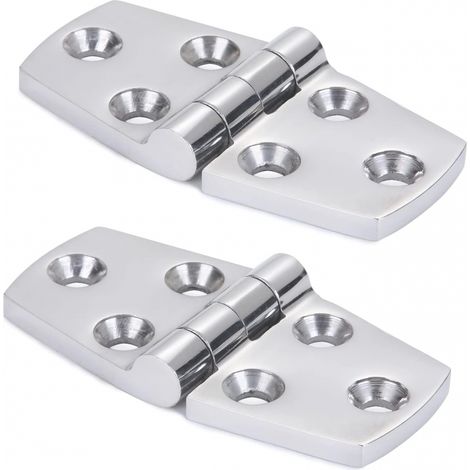
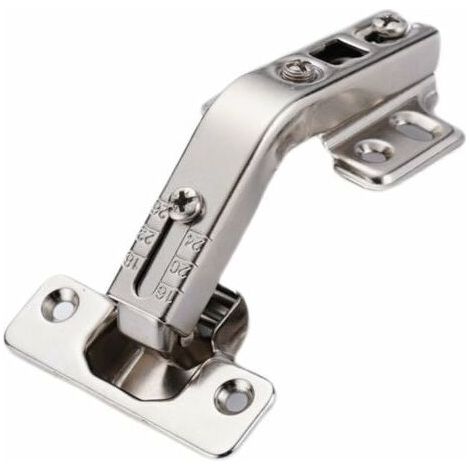
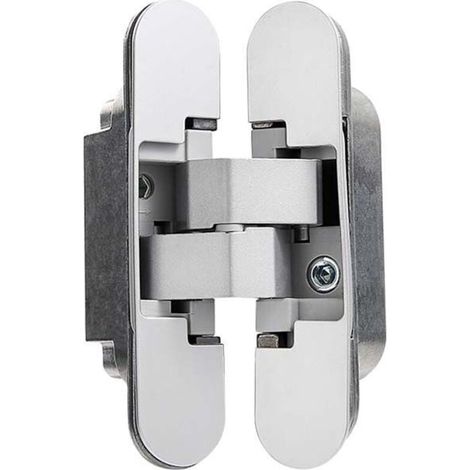
Furniture hinges are essential elements for opening/closing the doors of storage. Made of brass or stainless steel, they can be compass or piano hinges. Depending on the model, these pieces can be visible or hidden.
The hinge is:
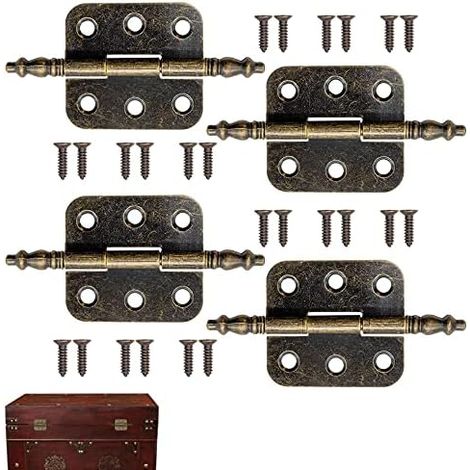
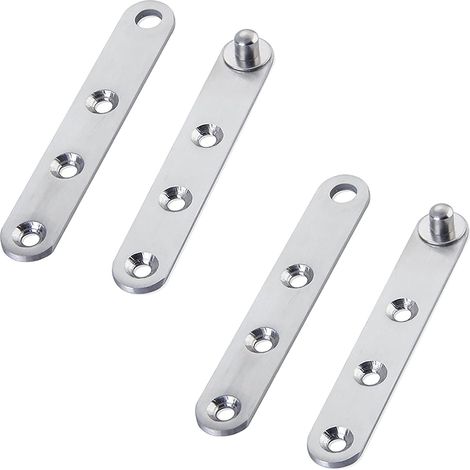
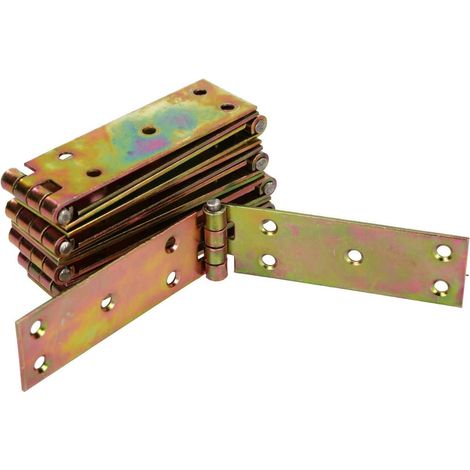
- by definition, a rotating hardware consisting of two blades assembled by a pin, allowing the opening and closing of a given element;
- most often made of metal, particularly in brass, stainless steel, bichromated steel or nickel-plated, etc.;
- used in joinery, cabinet making, and layout joinery;
- mounted on a hatch door, cupboard, toy chest or jewelry box, etc.
To ensure the rotation of the panel forming the leaf, this accessory is formed of three parts:
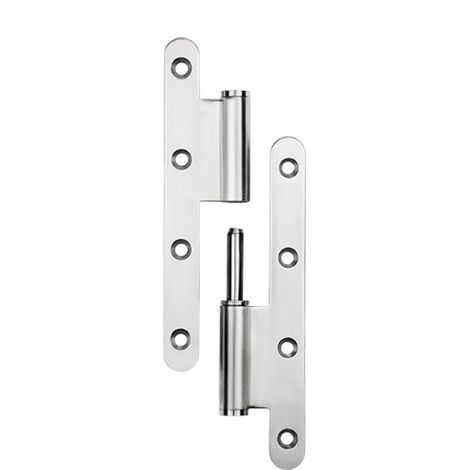
- the hinge plate, the fixed part mounted on the stationary element of the connection, the frame of a door for example;
- the pintle, the piece acting as the pivot axis, also called a dowel, pin, or peg;
- the hinge, the part supporting the mobile element. Sometimes, it is also called the leaf.
The term "charnon" is also used to designate the articulated parts to the pivot axis, i.e., the leaf and the hinge plate. This accessory is formed of a pintle and two charnons. These are composed of:
- a flat part commonly called “wing” or “board”;
- nodes. When they are in an odd number, it is a female charnon. The male charnon is thus characterized by an even number of nodes.
To choose the right model for one's furniture, it is important to consider various criteria.
- The support represents the most suitable fixation. Models to be screwed are more suitable for concrete or wood, while welded versions should be preferred on metal.
- The location of installation, either indoors or outdoors (opt for a stainless steel model in this case).
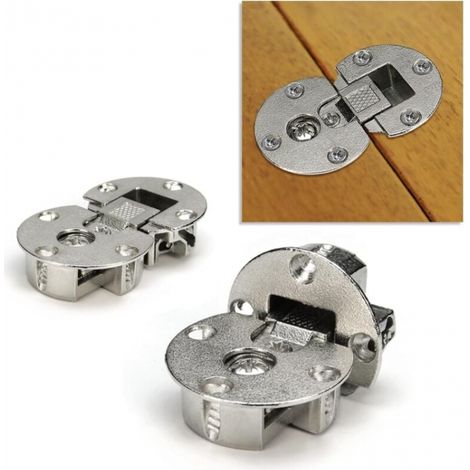
- The type of installation, surface mounted or recessed (very common in layout joinery and on kit furniture).
- The mechanical specifics of the accessory. It is very important to take into account the mobile load and the capacities of the considered part. Thus, brass models used in cabinet making are not designed to support the weight of a door leaf.
The choice of a furniture hinge depends primarily on the material constituting the door. The size and weight of the element to be articulated are also to be considered. The part risks indeed to deform or fail if the supported load exceeds its maximum capacity.






![[2pcs] Cabinet Hinge 180 Degree Hinge 90 Degree Hinge Soft Close Cabinet Corner Door [4 Holes] (1/5)](https://cdn.manomano.com/pim-media/images/medium/8eab91092651be98282c03e64b29335daec0ba26.jpg)












'/%3E%3C/svg%3E)
'/%3E%3C/svg%3E)