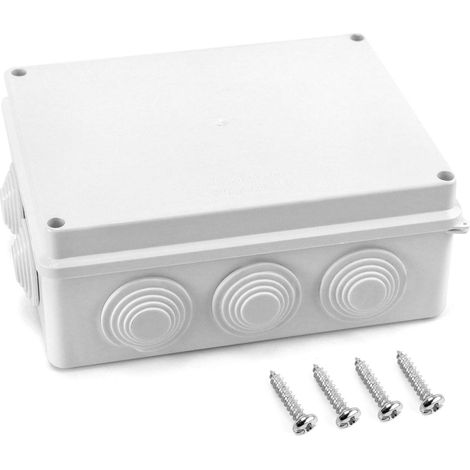
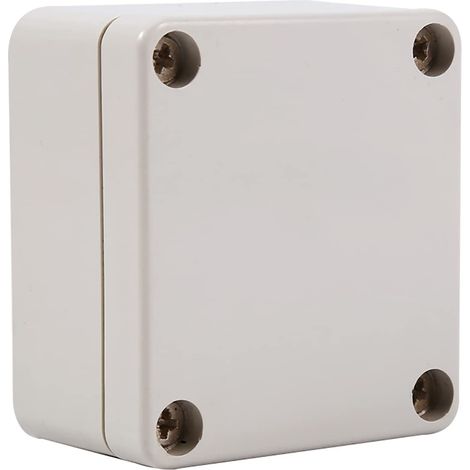
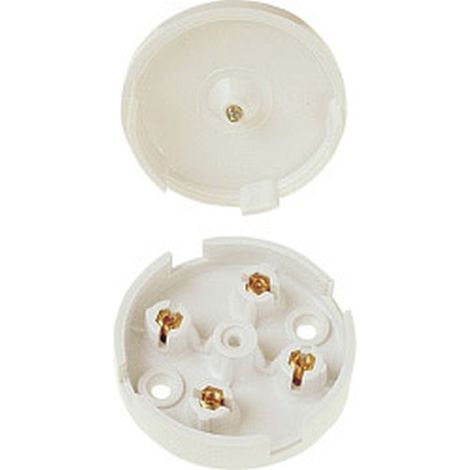
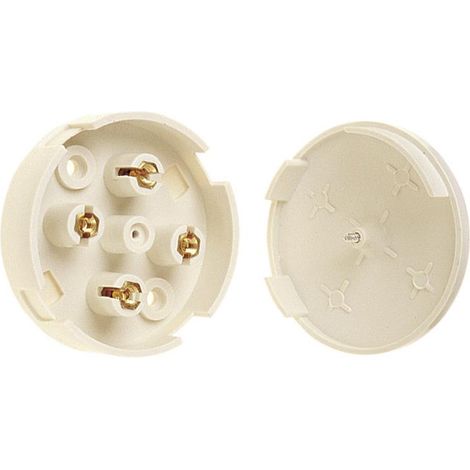
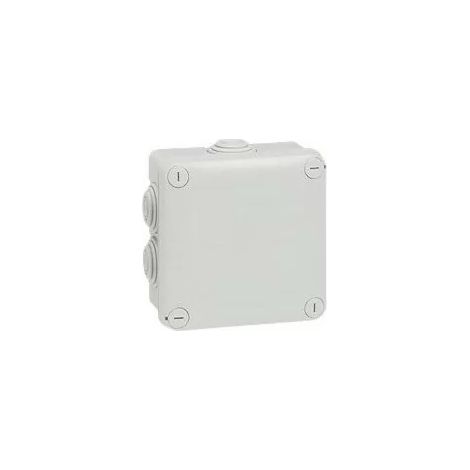
A junction box is an accessory within which connectors housing multiple electrical wires are stored. Whether surface-mounted or recessed, it prevents direct contact with the connectors and electrical cables.
There are various reasons for installing a junction box:
- this equipment is useful for housing connectors in cases where the length of the cables is insufficient;
- it is also indispensable if the user wishes to install additional light fixtures or electrical outlets.
Different types of junction boxes are available.
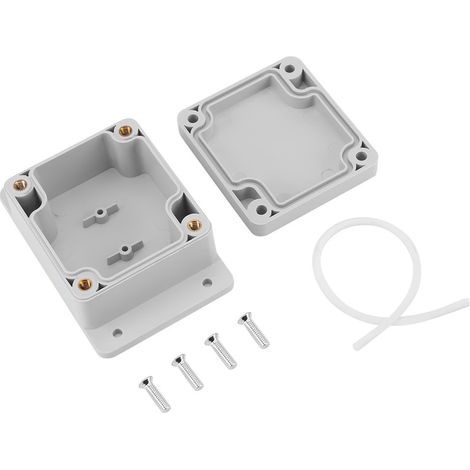
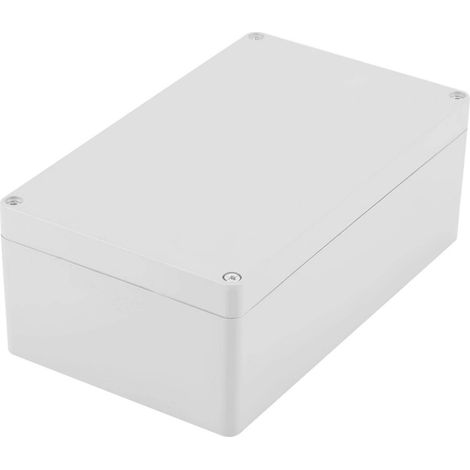
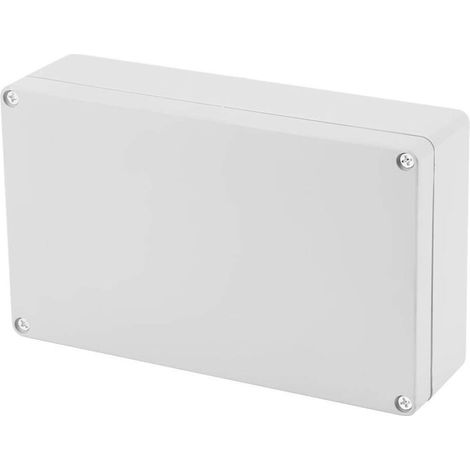
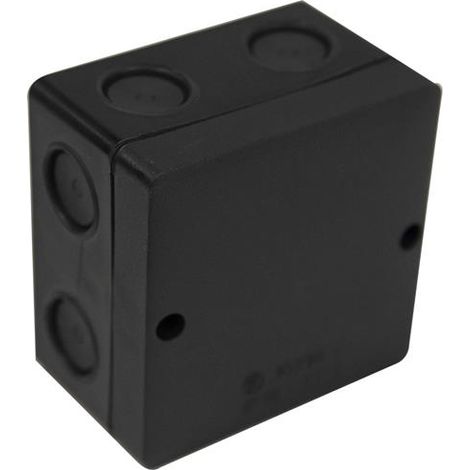
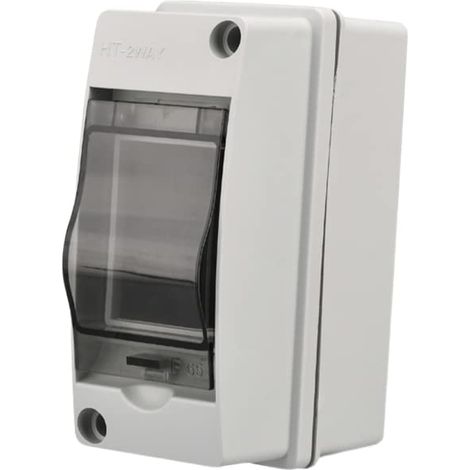
- Surface-mounted models are visible. Easy to install, they are suitable for renovation work and for exposed circuits (wires hidden in ducts).
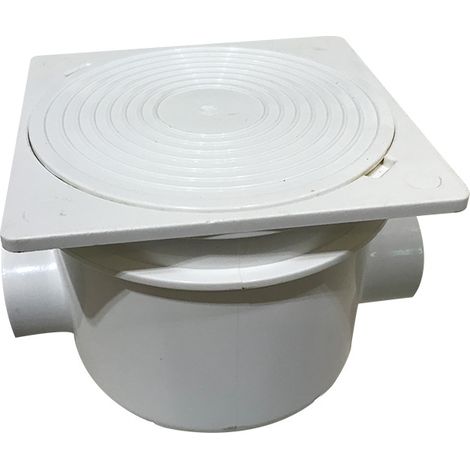
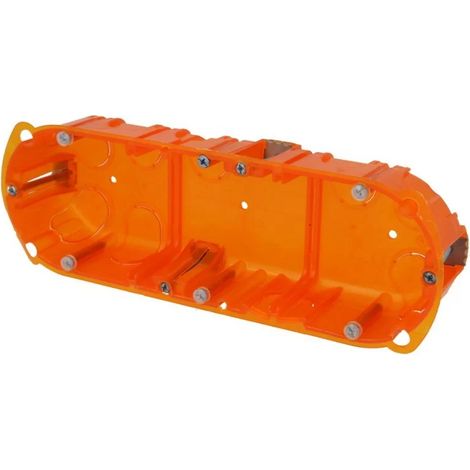
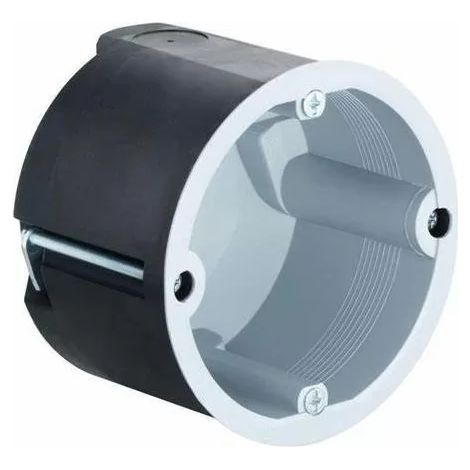
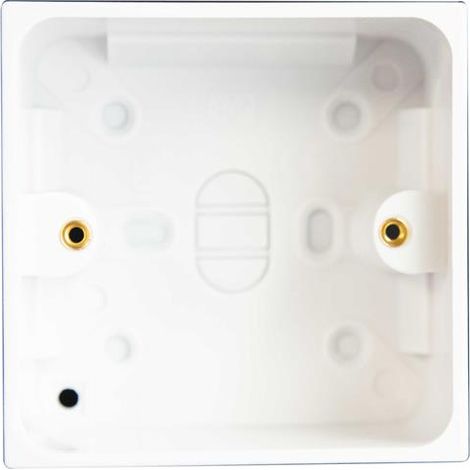
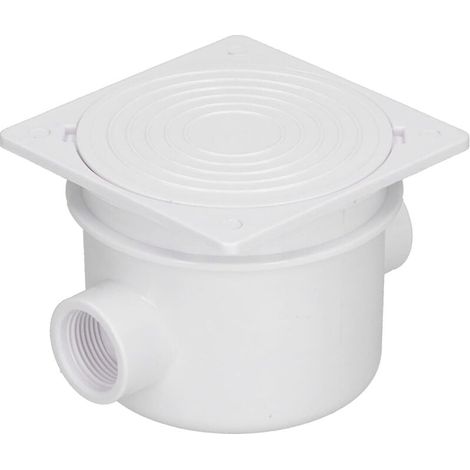
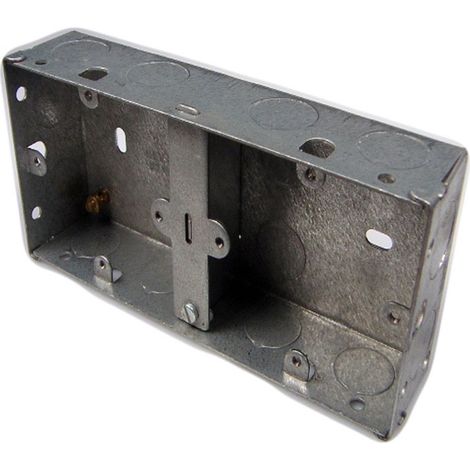
- Recessed models are appreciated for their aesthetics. Indeed, as their name suggests, they are embedded in the wall.
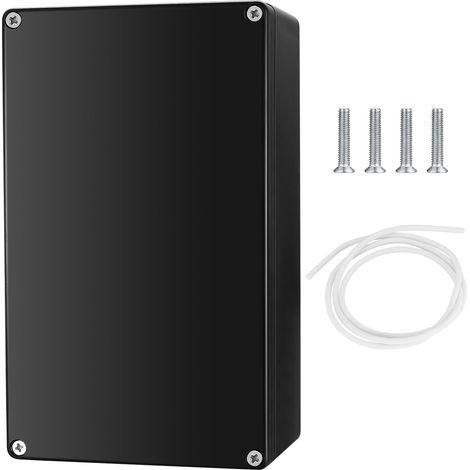
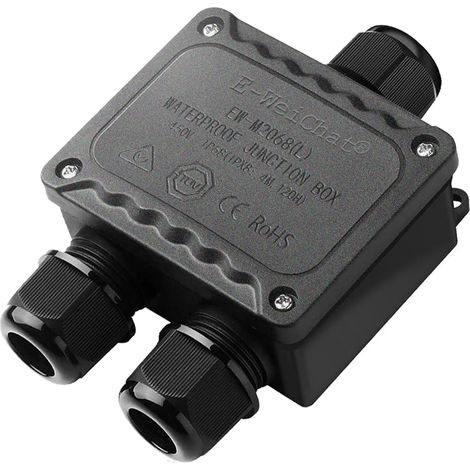
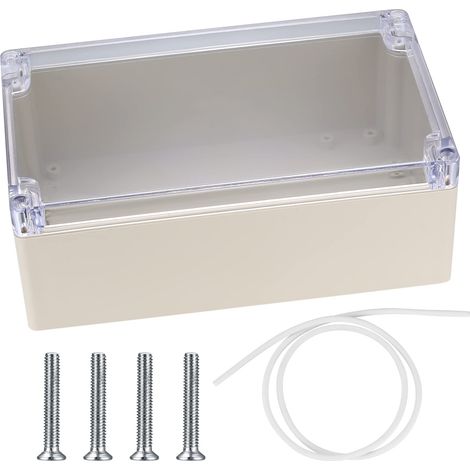
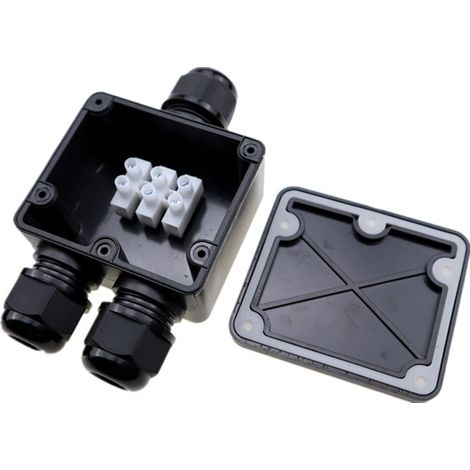
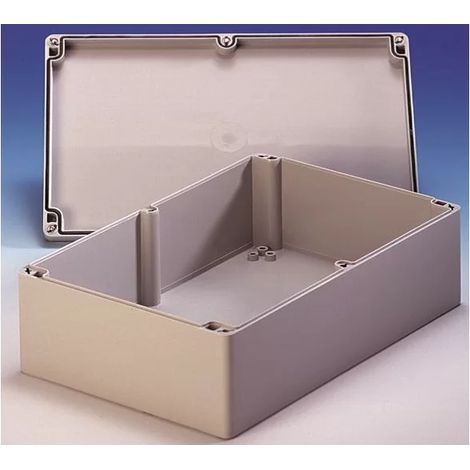
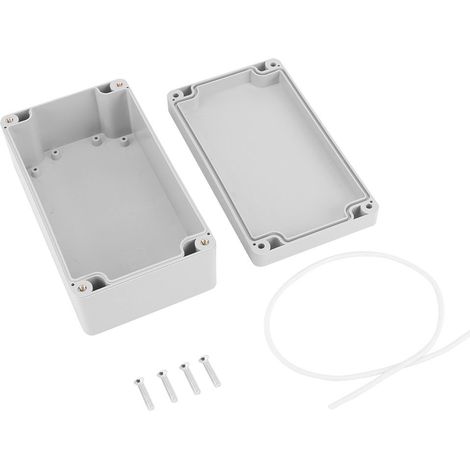
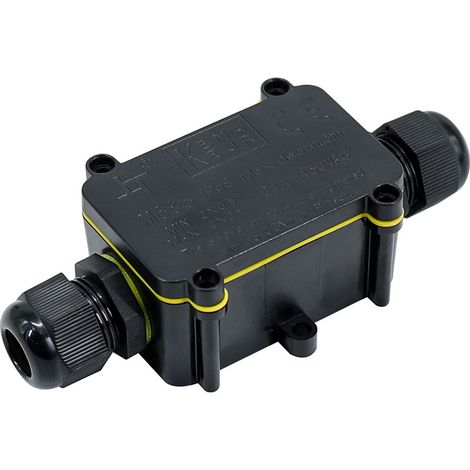
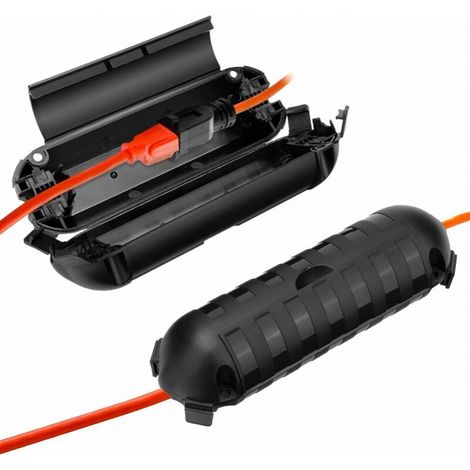
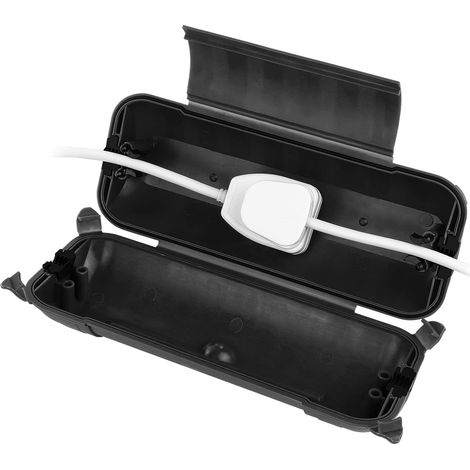
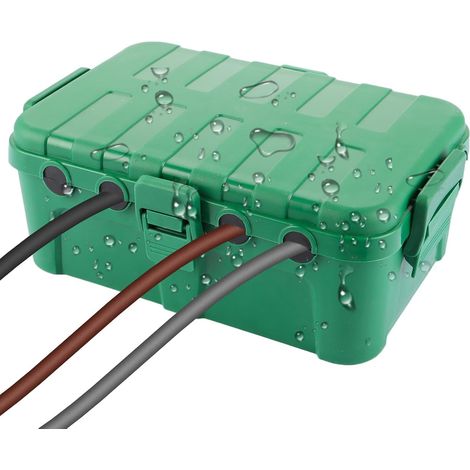
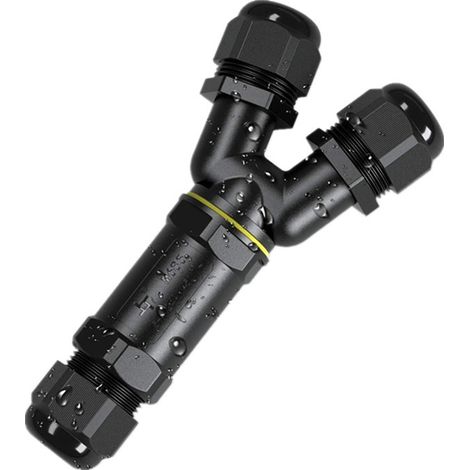
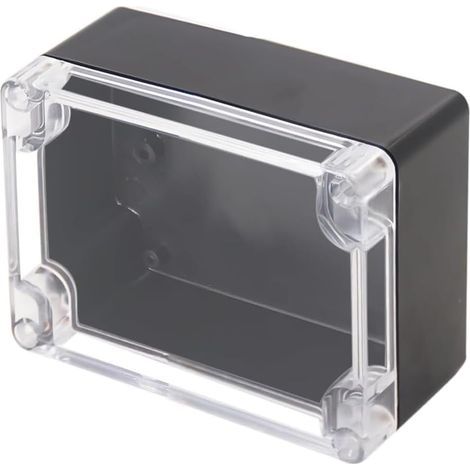
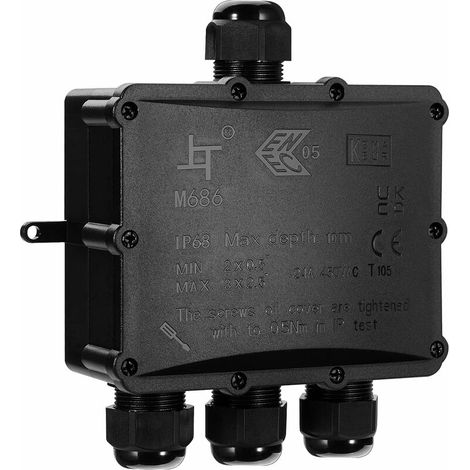
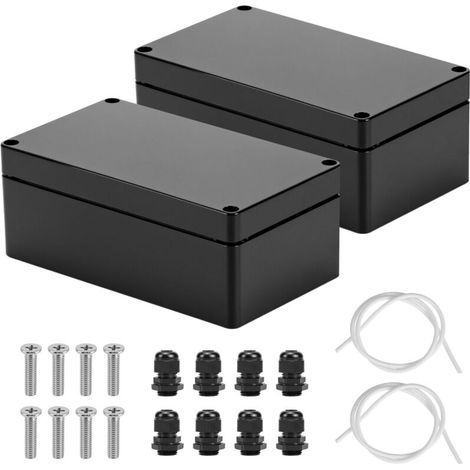
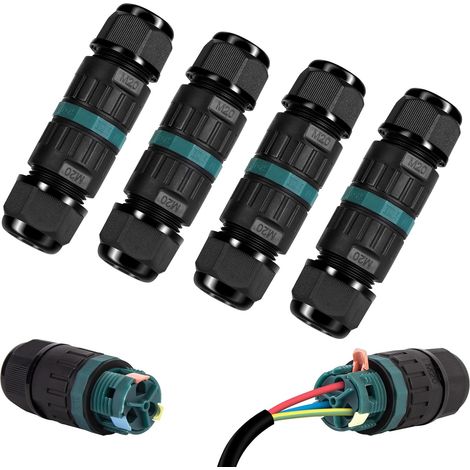
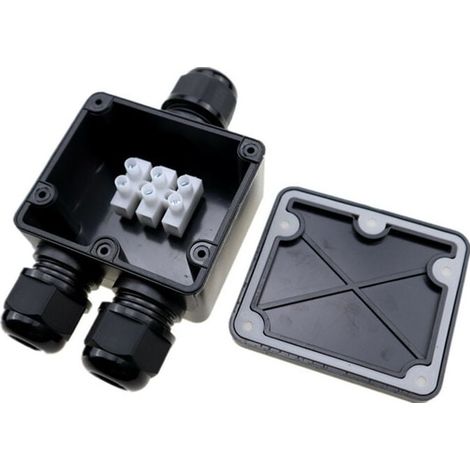
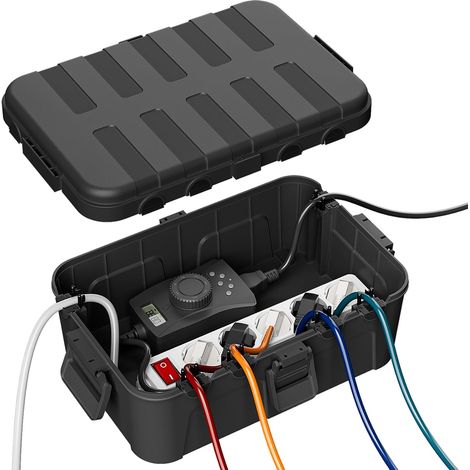
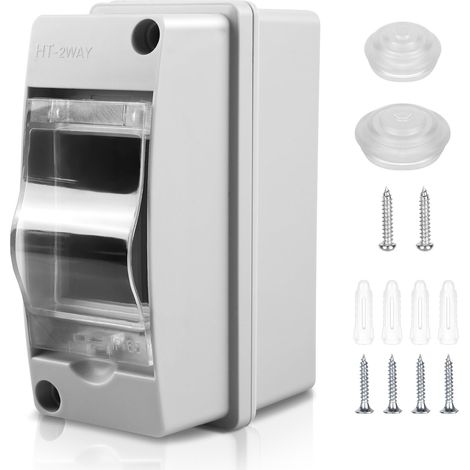
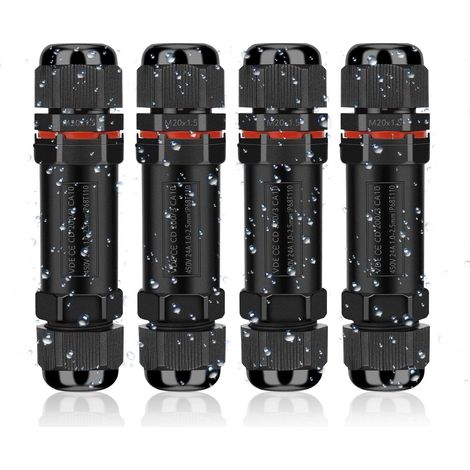
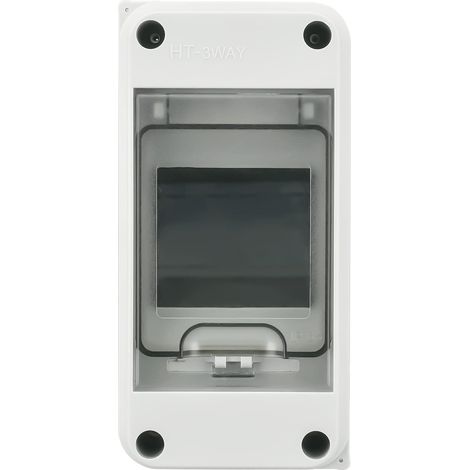
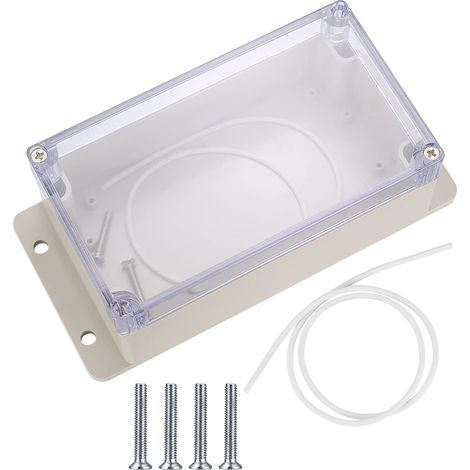
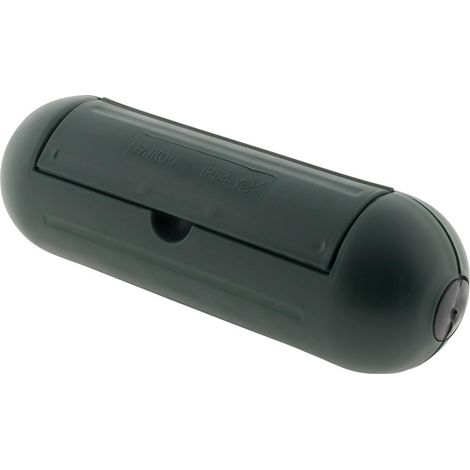
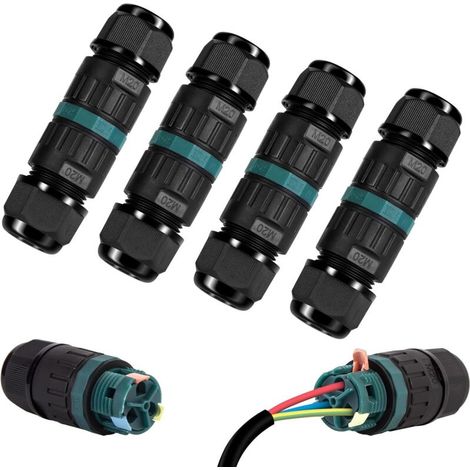
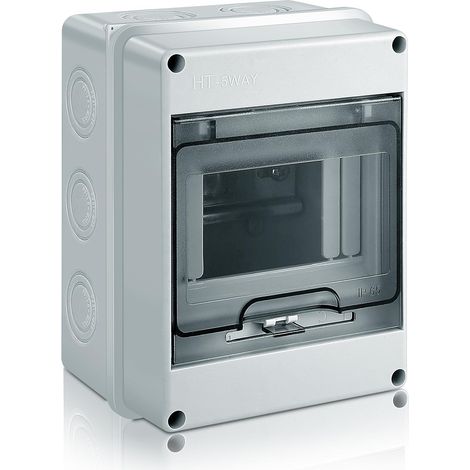
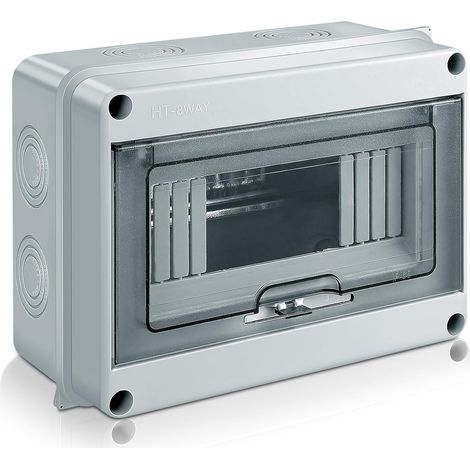
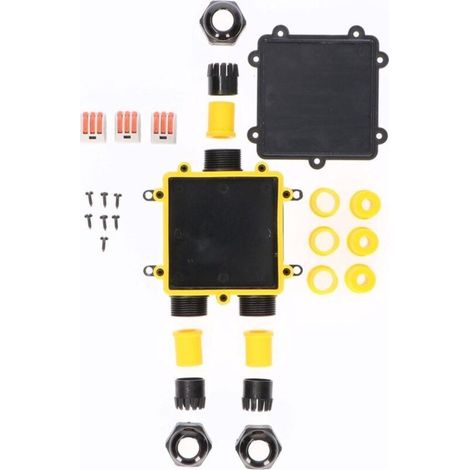
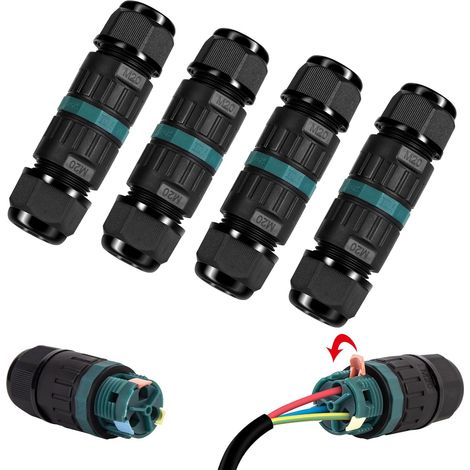
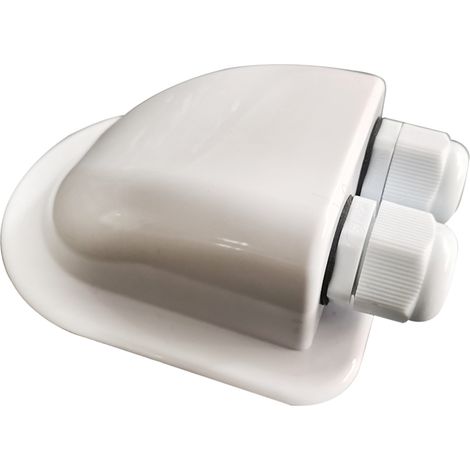
- Waterproof models are intended for outdoor electrical installations or in damp rooms. They protect wires and connectors from water and dust.
- Models for attics are mainly used to create electrical octopuses. They can be installed in attics, false ceilings, or technical floors.
Some tips are useful during the installation of a recessed electrical junction box:
- it is recommended to switch off the power to avoid electrocution;
- the user must then mark the grooves and the location of the accessory before cutting them with a circular saw;
- the third step consists of inserting the electrical cable conduits into the box before sealing it in the cavity using plaster;
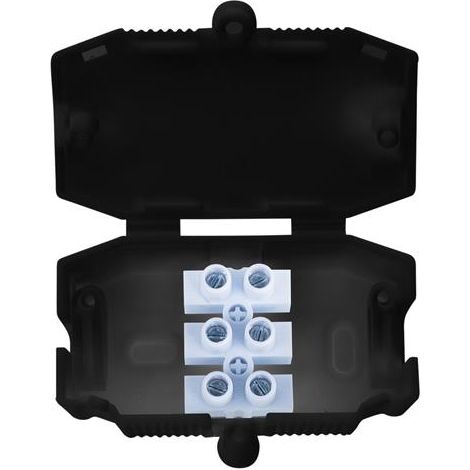
- the conductors are connected using connection terminals inside the box;
- a test is necessary before filling the grooves.
Some parameters need to be considered when installing a junction box:
- this equipment is prohibited in volumes 0 and 1 of the bathroom;
- it can be installed in volume 2, but it must be watertight (at least IPX5) to prevent accidents;
- it can be installed in all other rooms (bedroom, living room, WC, kitchen, etc.) and corridors;
- one tip is to place them in closets, outbuildings, or the laundry room for aesthetic reasons;
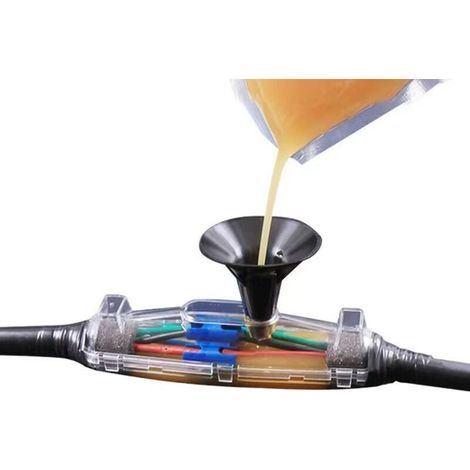
- the use of electrical gel enhances the watertightness of the box.
Ultimately, the choice of a junction box depends on its use, but also on its location (bathroom, attics, ceiling, outdoors, recessed or not).













'/%3E%3C/svg%3E)