You may also like




Compare with similar items
Often purchased together
Product information
Description
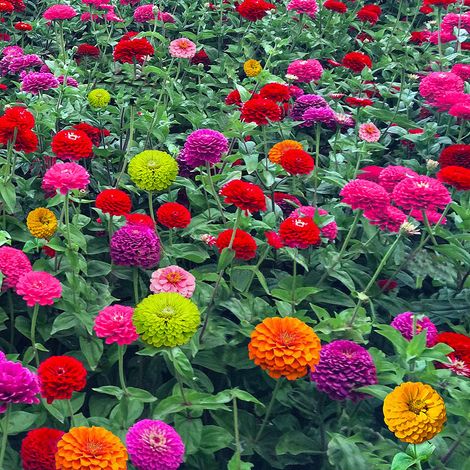
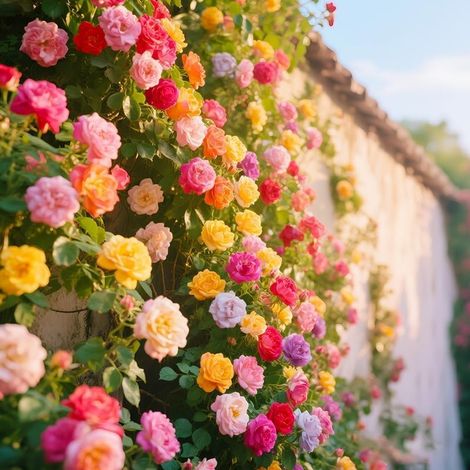
Main Features: Botanical Name: Dahlia variabilis (Hybrids) Type: Perennial tuberous plant, grown as annual Number of Seeds: 300 Sowing Time: March to April (under cover) or April to May (outdoors after frost) Flowering: July until the first frost (October-November) Height: Low variety: 30–50 cm Flower Diameter: 5–15 cm depending on variety Flower Color: Mix of bright colors (red, pink, yellow, orange, white, purple) Flower Form: Single, semi-double, or double depending on variety Location: Full sun Hardiness: Not hardy (freezes in winter) Description: Dahlias are among the most generous flowers of the summer and autumn garden. Their bright colors and diverse forms brighten beds from July until the first frost. Very easy to grow from seed, they offer abundant flowering in the first year. Ideal for beds, borders, window boxes, and cut flower bouquets. Plant Characteristics: Foliage: Bright green, sometimes purplish depending on variety Flowers: Very diverse: single, semi-double, double, ball-shaped, cactus-flowered, etc. Flowering: Abundant and continuous, from July until frost Growth: Upright, bushy Uses: Ornamental: Beds, borders, window boxes, pots Cut Flowers: Long vase life (5 to 7 days) Attracts Pollinators: Bees, bumblebees, butterflies Mass Effect: Ideal for color accents in the garden Sowing and Cultivation: Sowing: Time: Pre-cultivation under cover: March to April, in trays or pots. Maintain a temperature of 18–22°C. Direct sowing outdoors: April to May, directly in place after the last frosts. Depth: Sow seeds 0.5–1 cm deep, lightly cover with fine soil. Germination Temperature: 18–22°C Germination Time: 7 to 14 days Transplanting: When seedlings have 3–4 leaves, transplant into individual pots. Plant outdoors in May-June, after the last frosts. Planting Spacing: Outdoors: Low varieties: 30–40 cm Medium varieties: 40–50 cm Large varieties: 50–60 cm In pots: For low varieties, choose a pot with at least 30–40 cm diameter. Cultivation and Care: Soil: Rich in organic matter, deep, and well-drained. Improve with compost before planting. Location: Full sun. Dahlias need sun for abundant flowering. Watering: Regular, especially in dry periods. Water at the base to avoid wetting the foliage (risk of powdery mildew). Keep the soil evenly moist but avoid waterlogging. Fertilization: After flowering begins, apply a potassium-rich fertilizer (specifically for flowering plants) every 2–3 weeks. Support: For large varieties and those with large flowers, install a support from planting to support the stems. Care: Regularly remove faded flowers to prolong flowering and encourage the formation of new buds. Diseases: Susceptible to powdery mildew in humid summers. Ensure adequate spacing between plants for good air circulation. Avoid wetting the foliage. Harvesting Cut Flowers: Time: Cut flowers in the morning when they are fully open. Method: Use clean pruning shears. Cut with a long stem. Place stems immediately in water. Vase Life: 5 to 7 days, change water every 2 days. Storing Tubers (for perennial varieties): Outdoors: In regions with mild climates (Southern France), a thick mulch layer may suffice. Digging: In cold regions, dig up the tubers after the first frost. Let them dry, then store in a cool, dry, frost-free place (cellar, garage) in vermiculite or sand. Tips: Dahlias sown under cover from March flower earlier and more abundantly than those sown directly outdoors. For staggered flowering, sow successively every 3–4 weeks. Low varieties are perfect for pot cultivation on balconies or terraces. Dahlias are very generous: a single plant can produce dozens of flowers throughout the summer and autumn. They attract bees, bumblebees, and butterflies, contributing to biodiversity in the garden. Packaging: 300 seeds.
Features
- BrandBEAFACE
- OrganicYes
- Intended useOutdoor
- ExposureSun
- Planting / Sowing PeriodApril
What to plant and sow in March
'/%3E%3C/svg%3E)
'/%3E%3C/svg%3E)