Aquatic plants and fish require dissolved oxygen to survive in a body of water. To enhance the oxygen content of a pond, it is crucial to use an aeration device suitable for the existing ecosystem.
In a body of water that contains neither aquatic plants, algae, nor fish, oxygen naturally comes from the water's contact with the air at the surface. The installation of an aeration system becomes essential only when the pond hosts living organisms. Specifically, fish like the Koi carp need a minimum oxygen content of 4 mg per liter of water. To this end, there are 2 main solutions to artificially aerate a water point or garden pond:
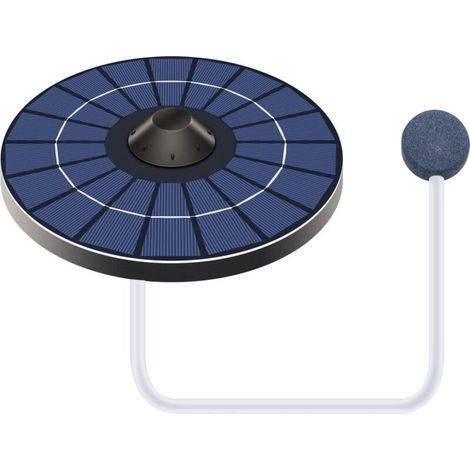
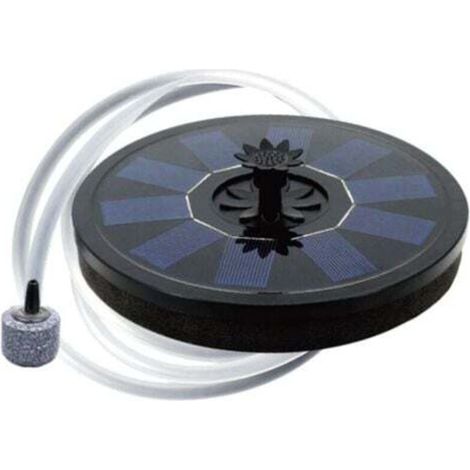
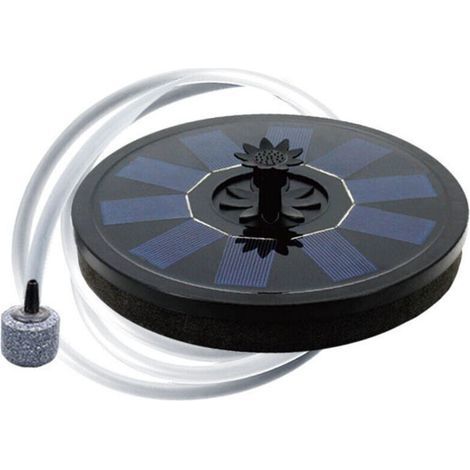
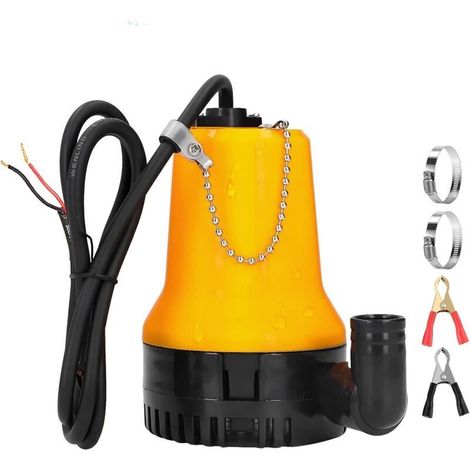
- with a fountain-type aerator, the water movement created allows oxygen to circulate and prevents the water from becoming stagnant. This movement promotes the production of dissolved oxygen to allow the entire ecosystem to breathe. Besides its decorative aspect, this type of pond aeration helps control the algae found on the water's surface;
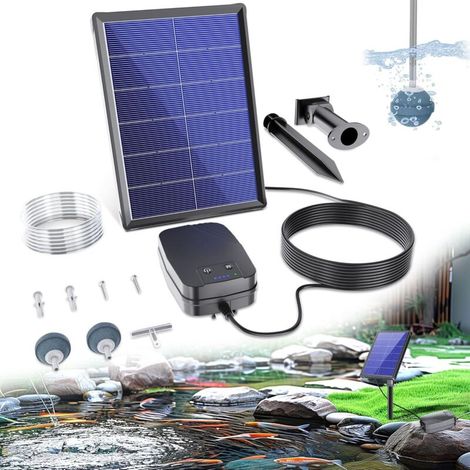
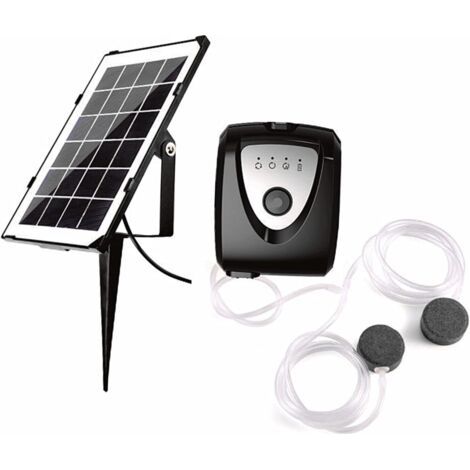
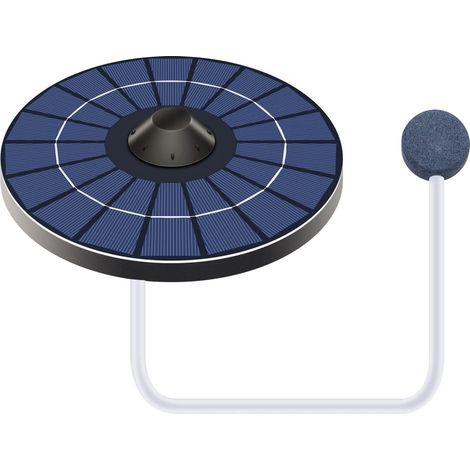
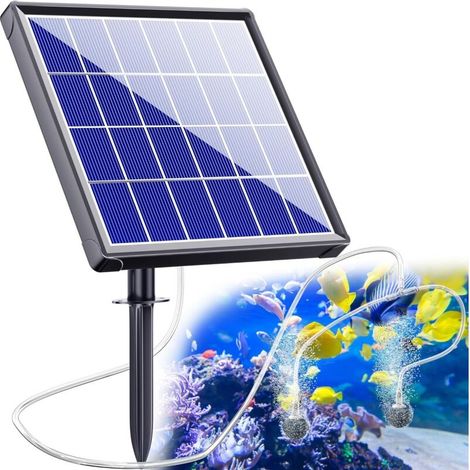
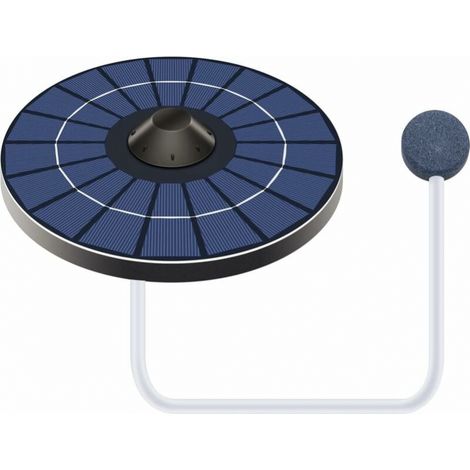
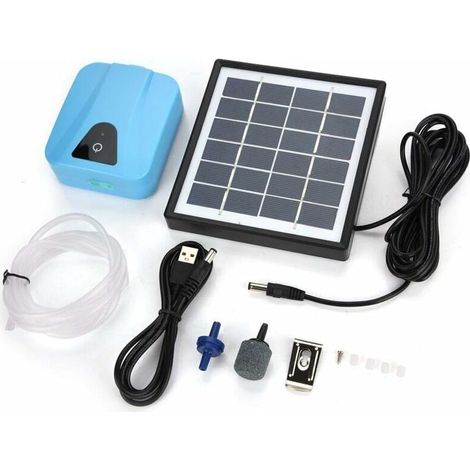
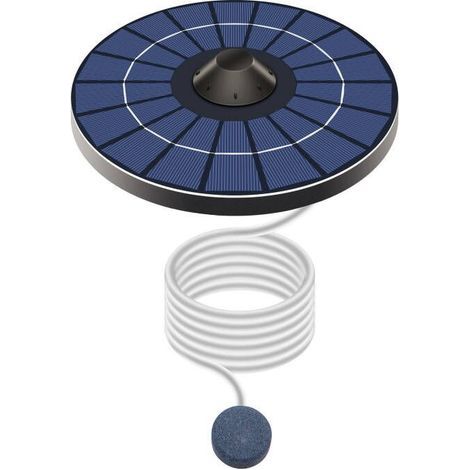
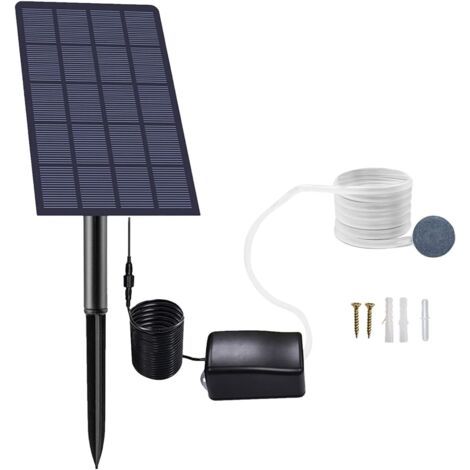
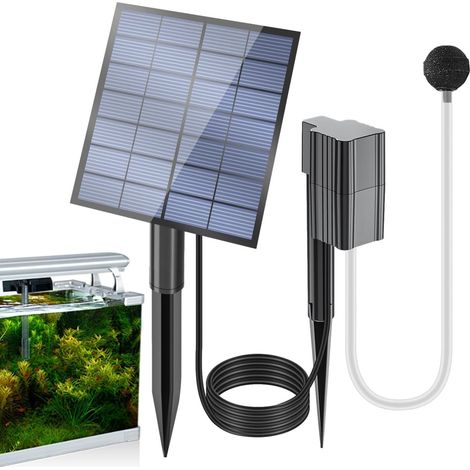
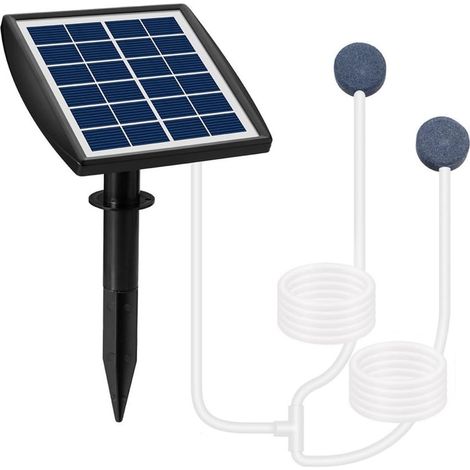
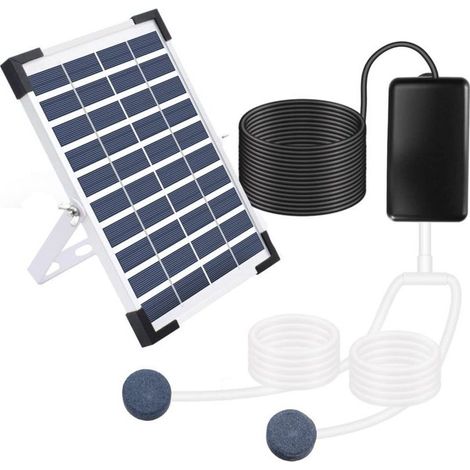
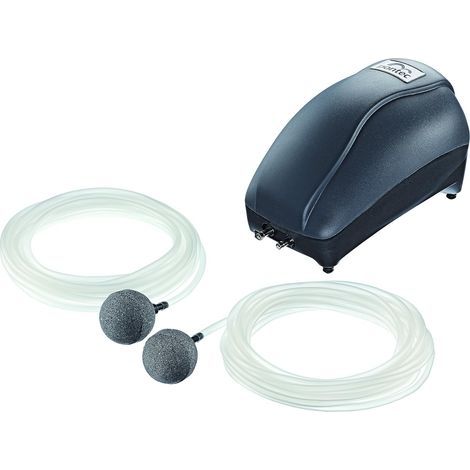
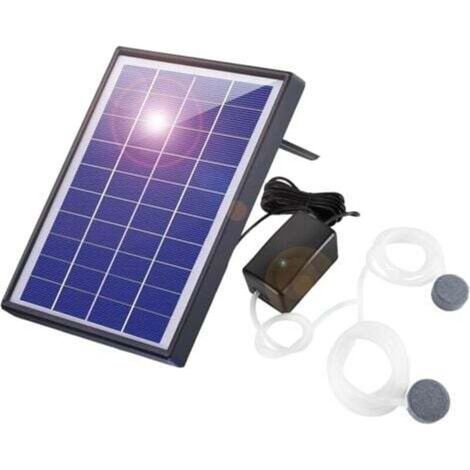
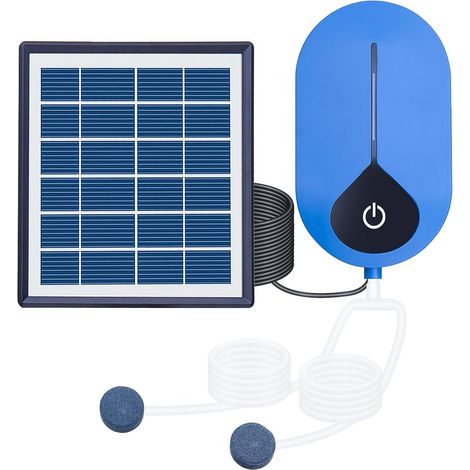
- with an air diffusion aerator, an air diffuser powered by a compressor is installed at the bottom of the pond. This system optimizes the oxygenation of the pond since the process takes place in depth to gradually spread to the entire pond.
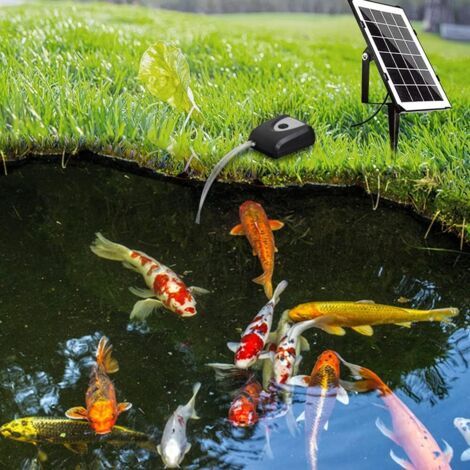
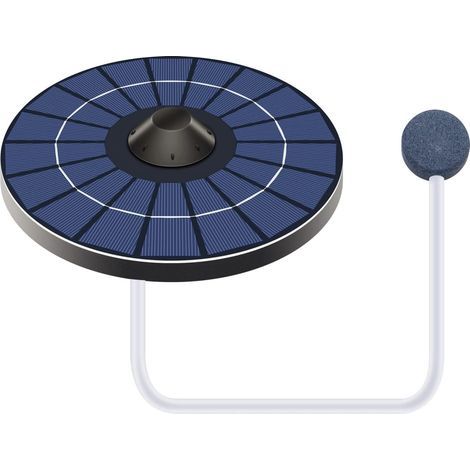
Both of these devices operate using electric power supplied by the grid or with solar panels optionally coupled with a battery.
In both cases, it is mainly the water movement that plays an important role in the oxygen renewal cycle. It is through this cycle that oxygen can enter the pond while harmful gases produced by decaying dead organisms can escape. Additionally, a pond aerator helps to reduce water temperature drops when the external temperature decreases.
To conclude, balance is essential for allowing an artificial or natural ecosystem to remain healthy. Using a pond aeration device is one of the solutions that contribute to improving the living conditions of living organisms in a pond.

'/%3E%3C/svg%3E)