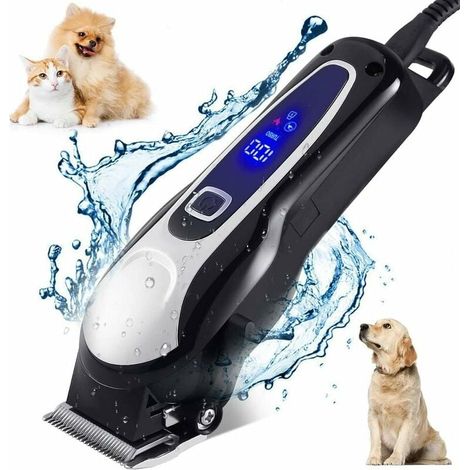
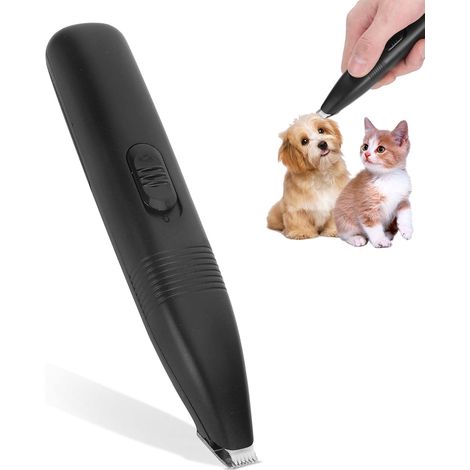
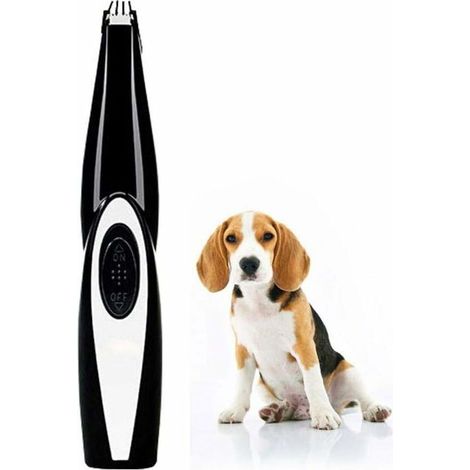
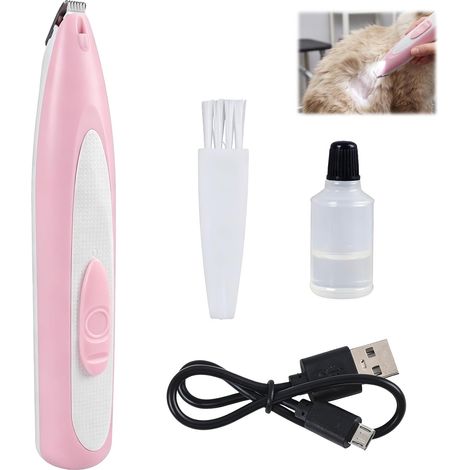
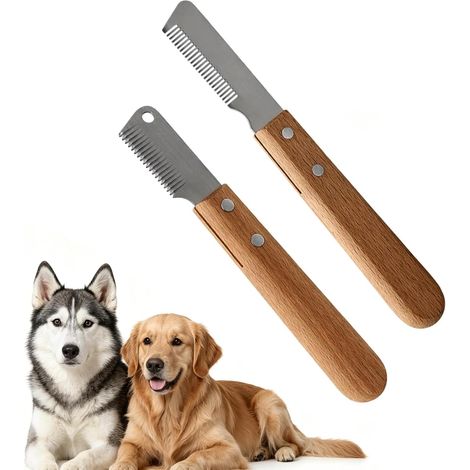
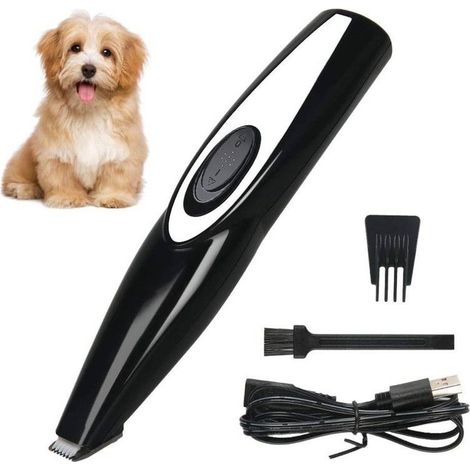
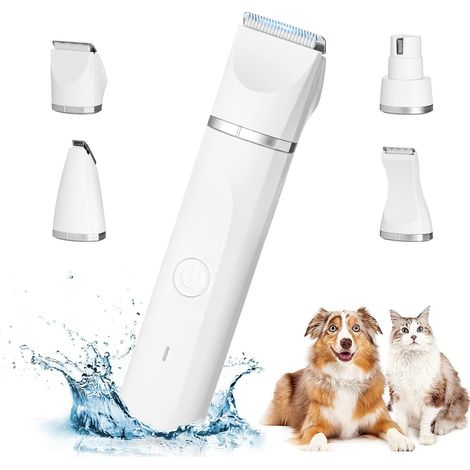
A dog clipper is useful for shortening the fur during hot periods, but also for getting rid of tangled hair. Available in both corded and cordless, the models are described as professional or semi-professional.
The selected dog clipper must be suited to the type of hair to be cut:
- The so-called semi-professional models are suitable for dogs with long and thin hair like the Coton de Tulear, Yorkshire, Afghan Hound, or King Charles. Indeed, these breeds have little undercoat and are thus easier to clip.
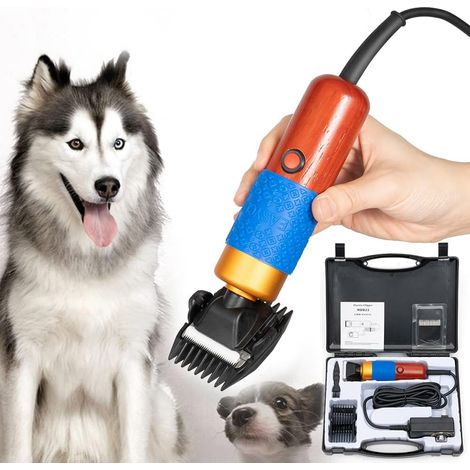
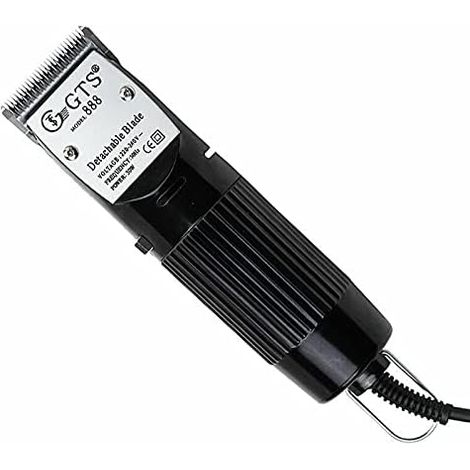
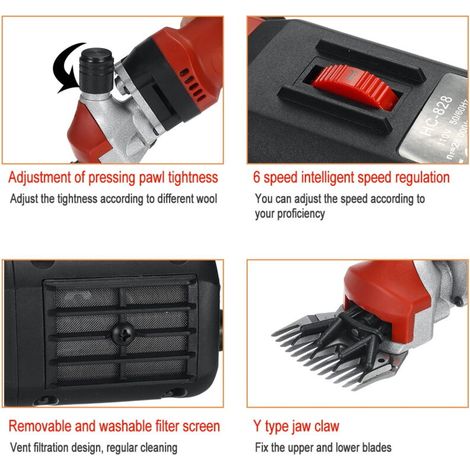
- Professional models (used by groomers) are recommended for clipping dogs with hard and woolly hair such as the Maltese Bichon, Pyrenean Shepherd, or Briard. These devices with very sharp blades are also essential for clipping thick-haired breeds with undercoats, such as the Westie or English Cocker. They are also suitable for dogs with curly hair like the Poodle or the Barbet.
The available equipment should be accompanied by certain accessories.
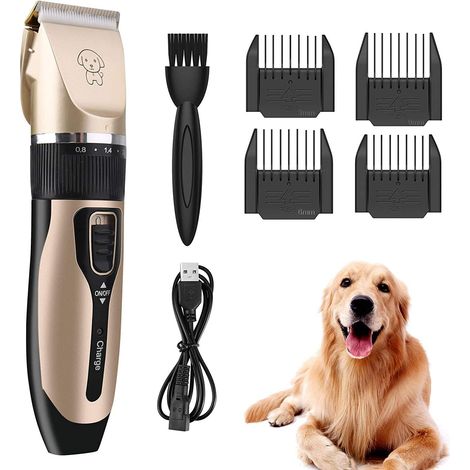
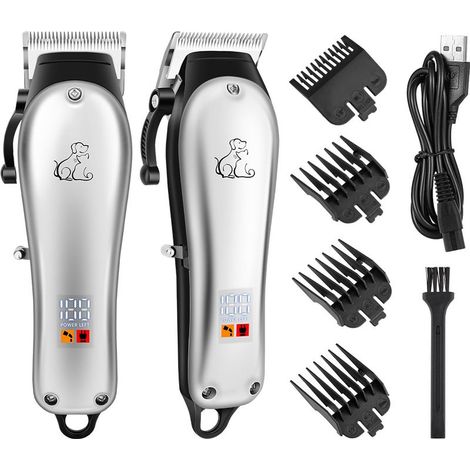
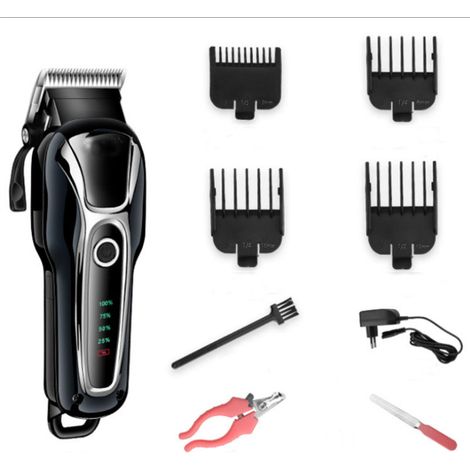
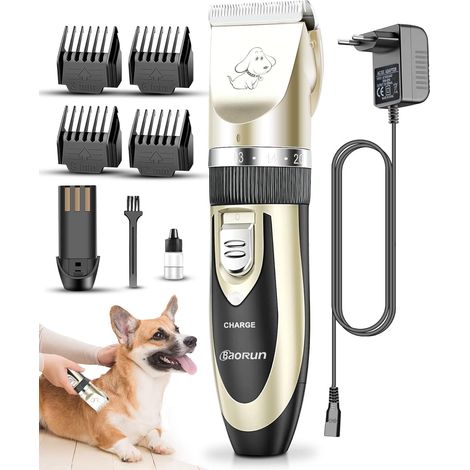
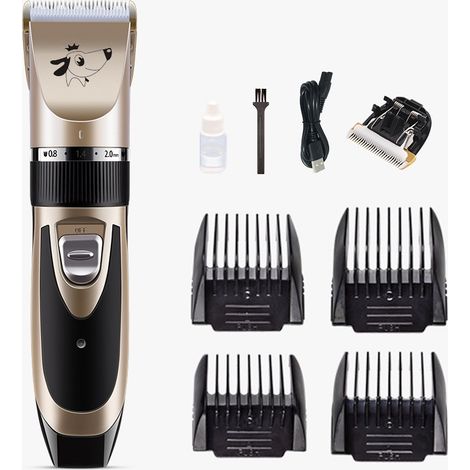
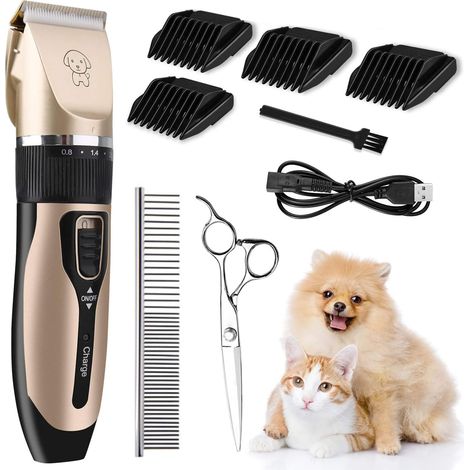
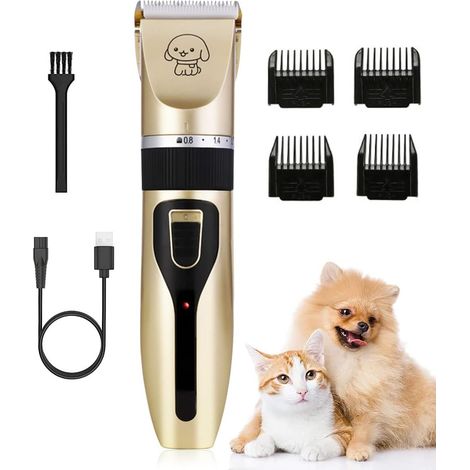
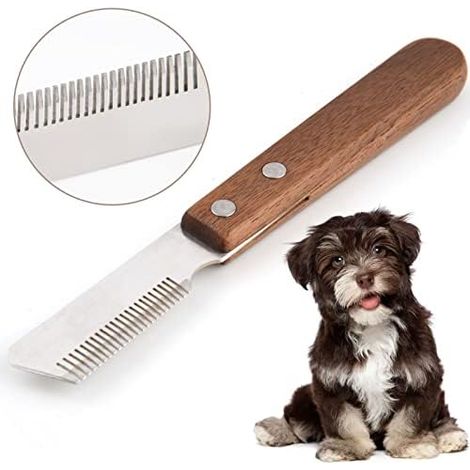
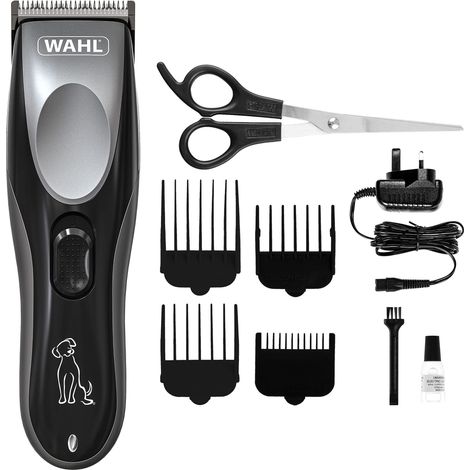
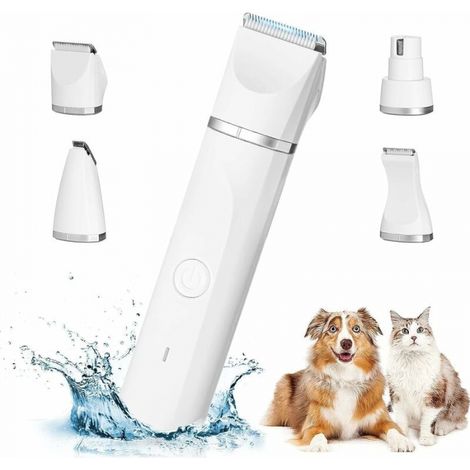
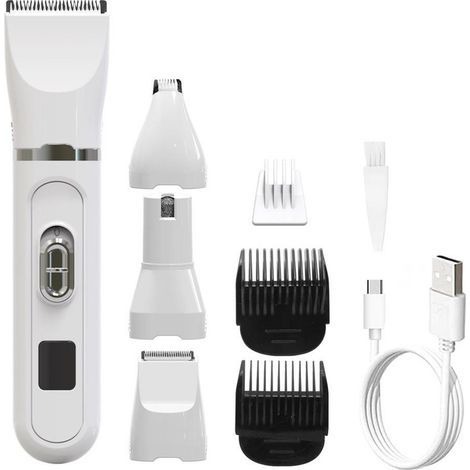
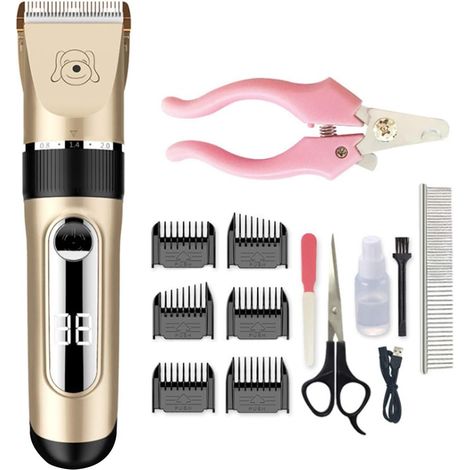
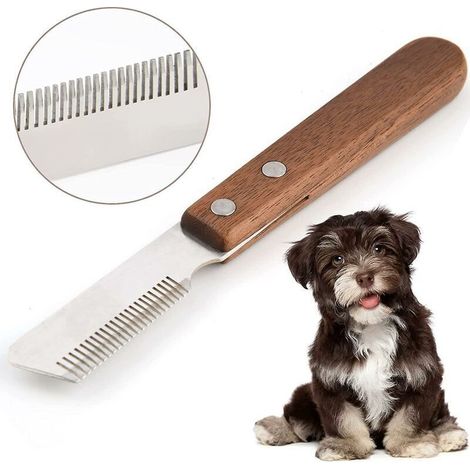
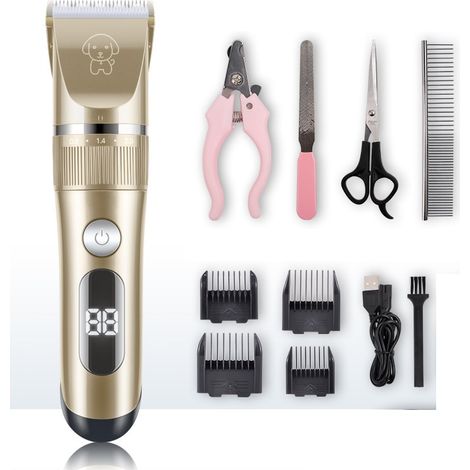
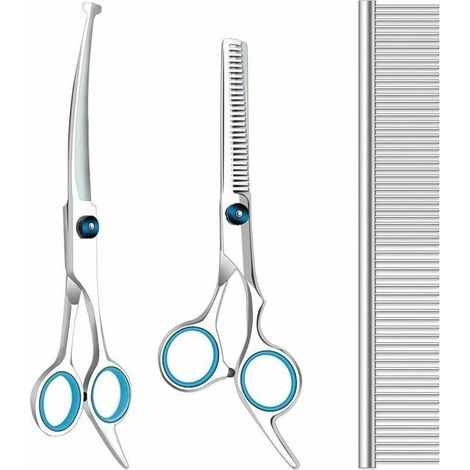
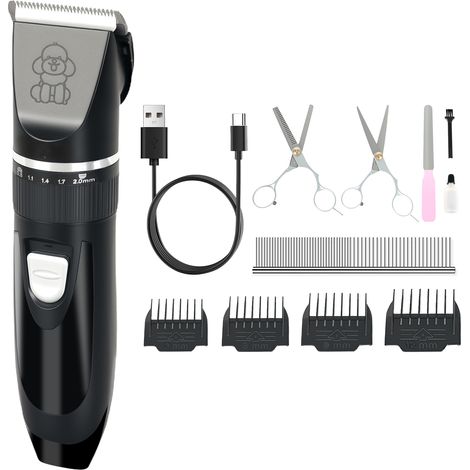
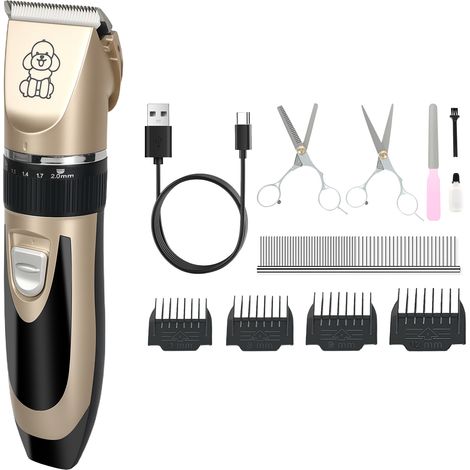
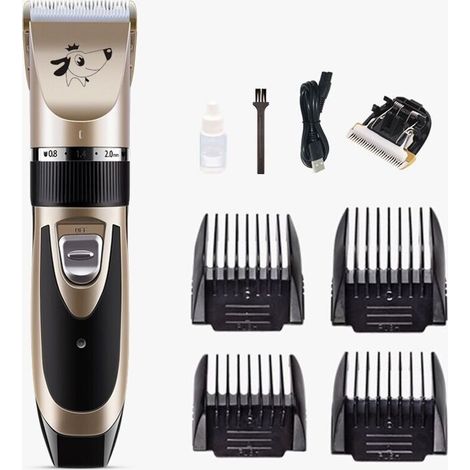
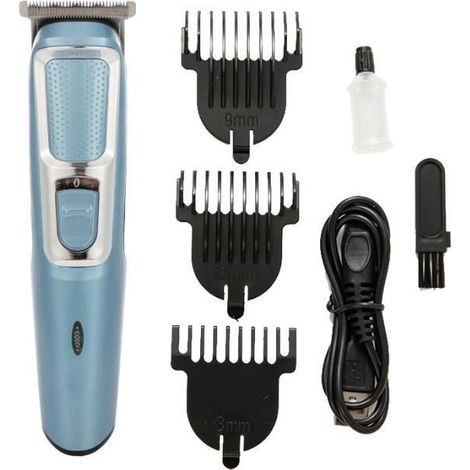
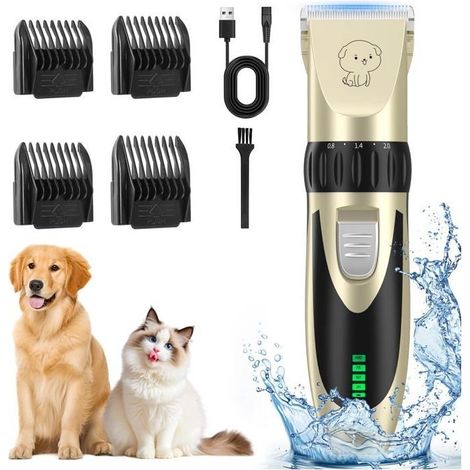
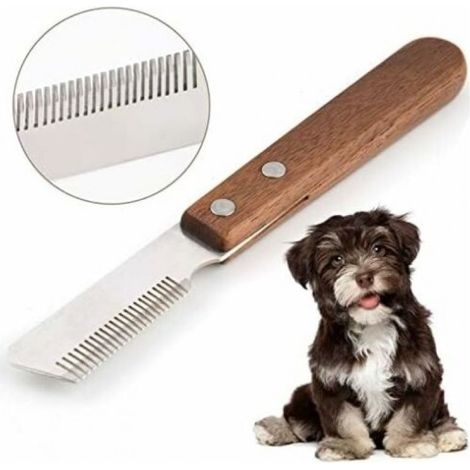
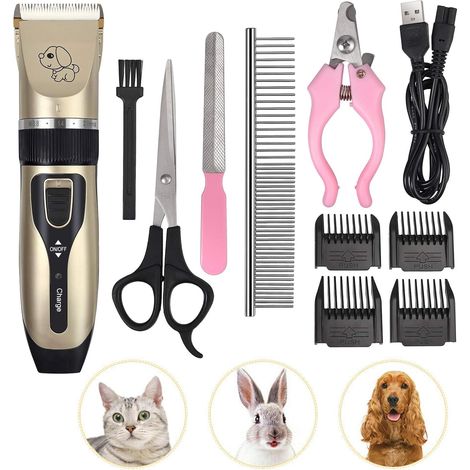
- Removable combs to facilitate clipping. Versions equipped with fine teeth are a great help for clipping fine hair that tends to tangle.
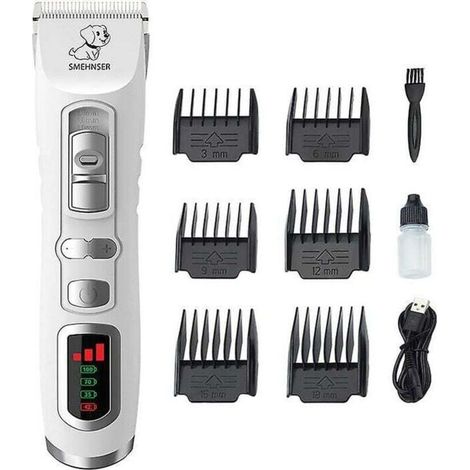
- Clipper guards for adjusting the cut. They come in different models. A higher-number guard is recommended for dogs with long hair.
Choosing the right equipment involves respecting certain criteria:
- a quiet clipper is advised for dogs that are afraid of noise;
- some equipment comes with two or more speeds;
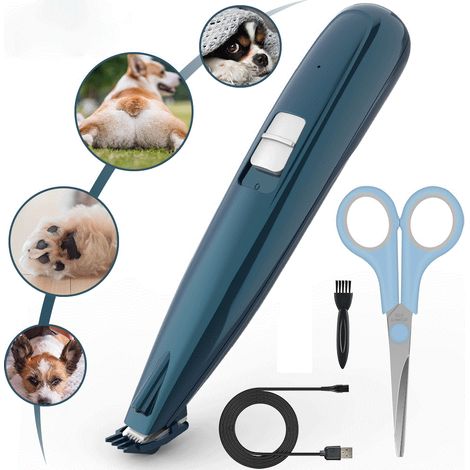
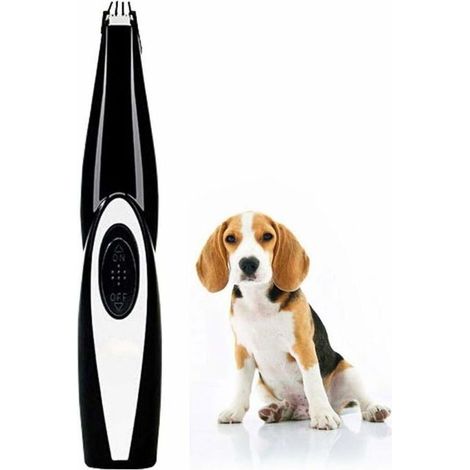
- cordless models offer great freedom of movement, thus making it easier to finish the head, legs, and tail;
- battery life is an important selection criterion;
- the cooling capacity of the equipment and the quality of the blades are also essential for clipping a large dog because of the relatively long operating time;
- a heavy clipper can become tiring over time.
Some advice is also useful for clipping a dog:
- a good shampoo is necessary for washing;
- a thorough brushing is essential to remove knots;
- it can be useful to leave the clipper on near the dog for a while to reassure them before clipping;
- clipping starts at the top of the back and continues towards the head.
Ultimately, the choice of a dog clipper depends on the breed of the animal and the frequency of use of the equipment.















'/%3E%3C/svg%3E)