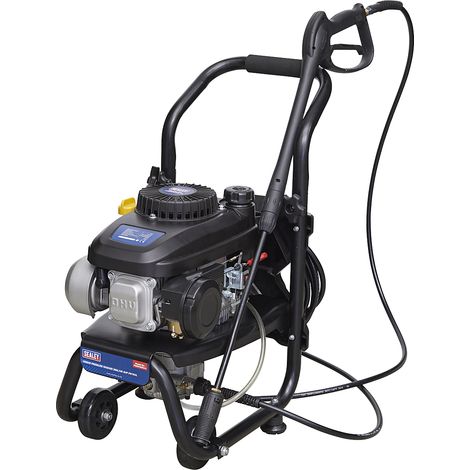
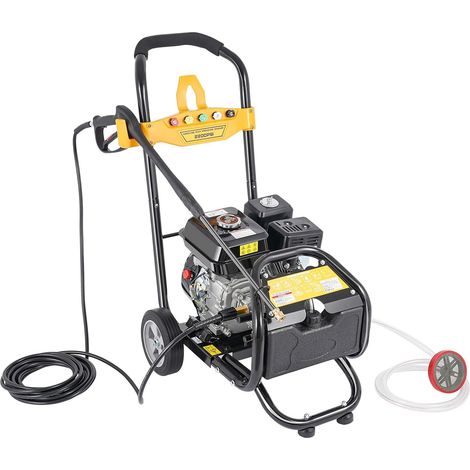
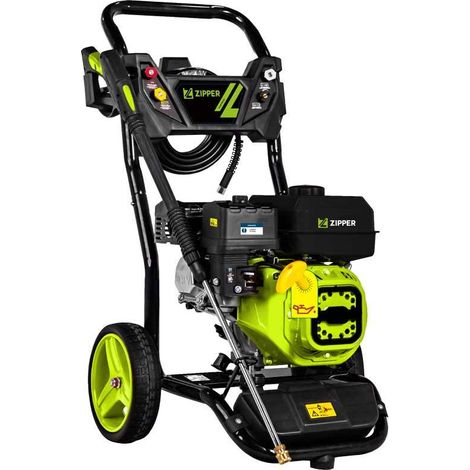
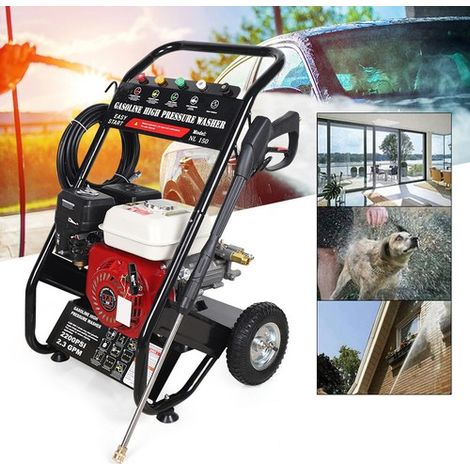
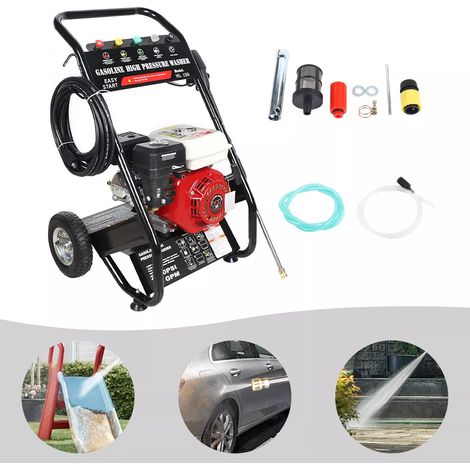
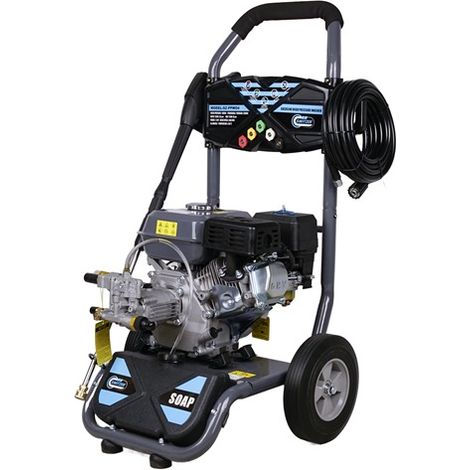
To thoroughly and regularly clean professional equipment, facades, concrete, or other surfaces, the most efficient equipment is the thermal high-pressure cleaner equipped with an engine and nozzles and operating with either hot or cold water.
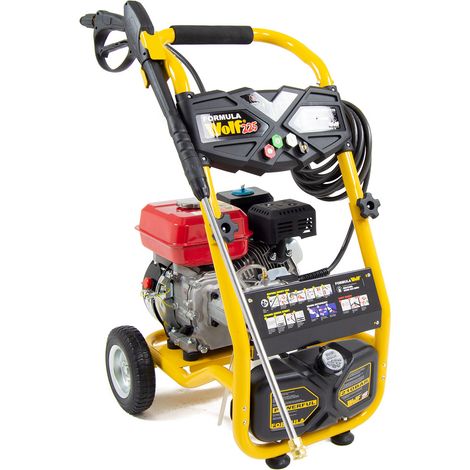
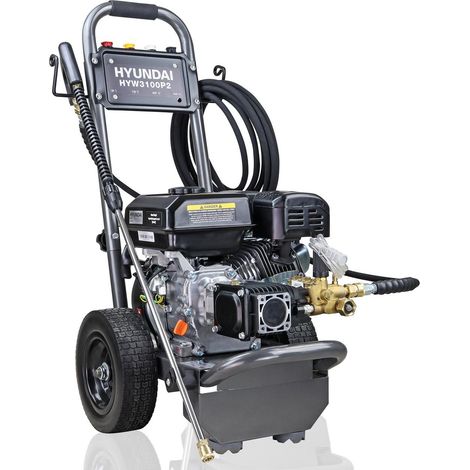
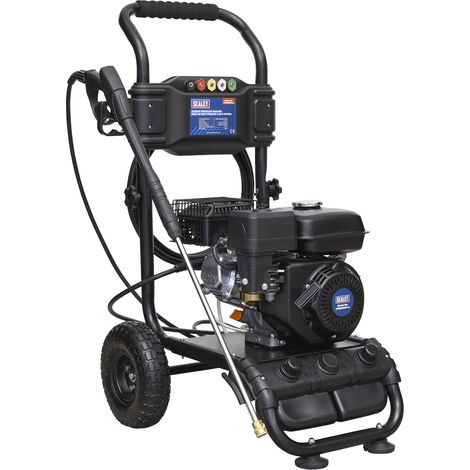
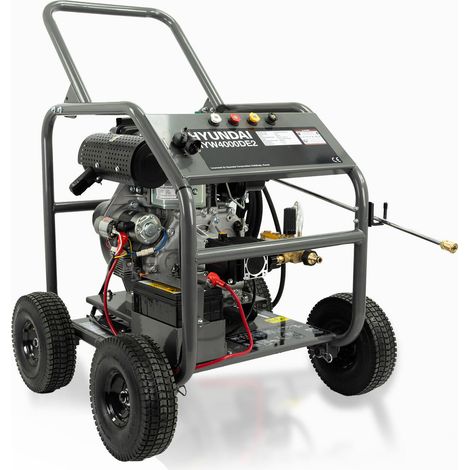
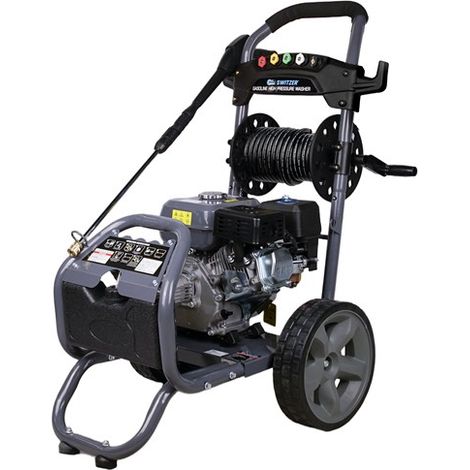
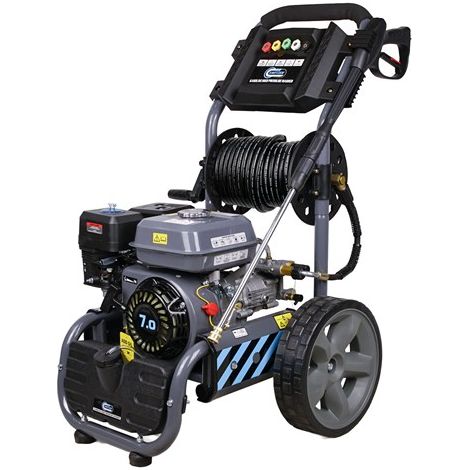
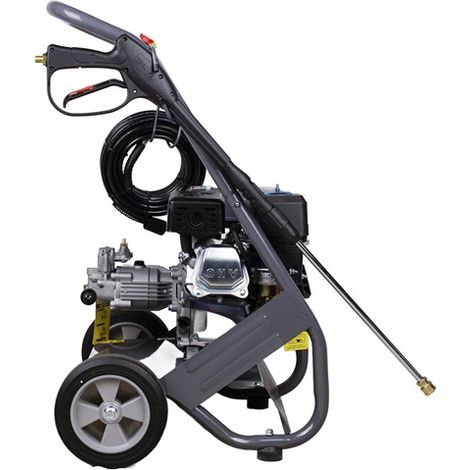
The thermal high-pressure cleaner is equipped with a gasoline or diesel engine and can use hot water for cleaning. Therefore, it is a more powerful device that can withstand prolonged use compared to an electric high-pressure cleaner. Hot water is more effective on dirt and greasy stains and penetrates deeply into the surface to be cleaned, resulting in better efficiency and excellent cleaning quality.
The thermal high-pressure cleaner is thus suitable for intensive use with a lot of equipment or surfaces to clean and in a professional environment. However, there's nothing preventing its domestic use for smaller models. The choice of a thermal high-pressure cleaner is made according to several criteria, including:
- The use of hot or cold water;
- The pressure ranging from 140 to 280 bar and facilitating the removal of grime;
- The water flow rate, which determines the performance, ranging from 400 l/h to more than 1,000 l/h;
- The power and type of engine: gasoline or diesel.
Pressure and flow rate will balance each other, as the higher the pressure, the lower the flow rate will be and vice versa. The pressure must be sufficient to remove the dirt while having a high flow rate for quick cleaning. Therefore, the nature of the surfaces and objects to be cleaned must be considered.
The power of the thermal engine is often expressed in horsepower (hp) or watts (1 hp = 375 W). It contributes to the efficiency of the cleaner, as the more powerful the engine, the less it will be solicited, and the more it will be preserved. The choice of engine depends on the cleaning and heating needs and pace. The Diesel engine is to be preferred for professional use with water heating, while thermal high-pressure cleaners with gasoline engines are less noisy and easier to maintain. Some models offer water heating.
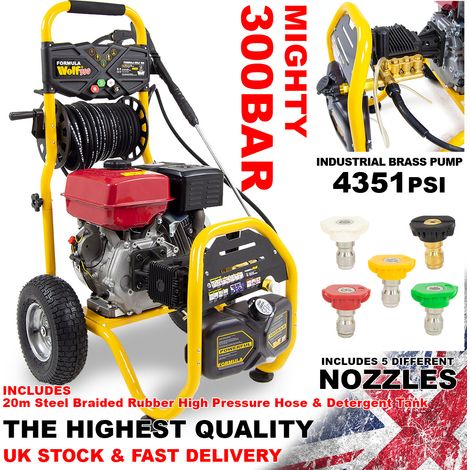
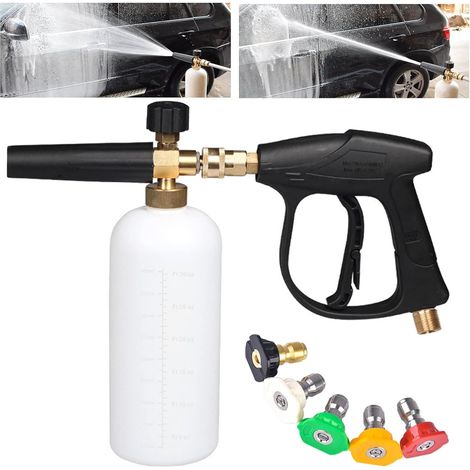
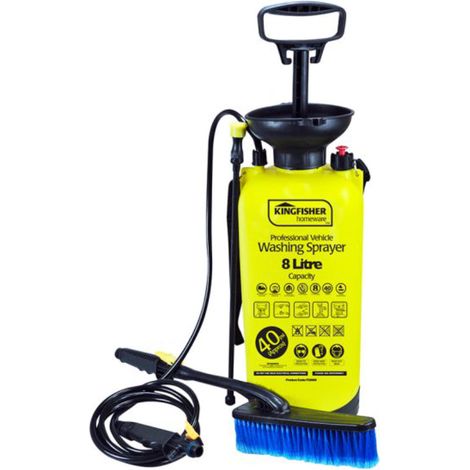
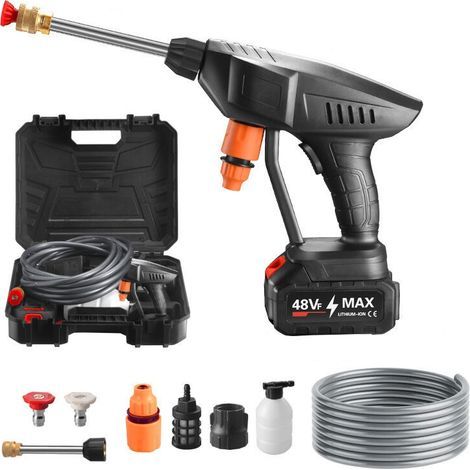
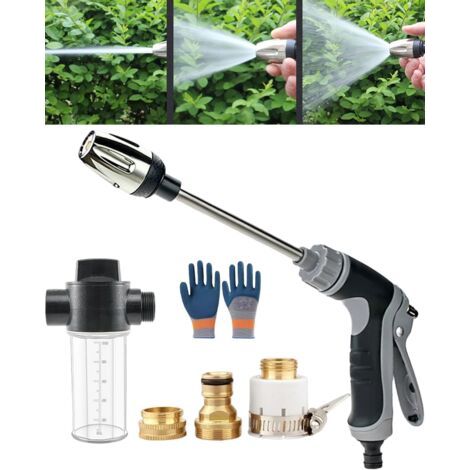
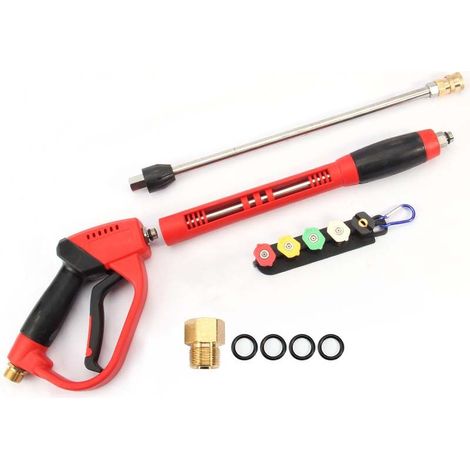
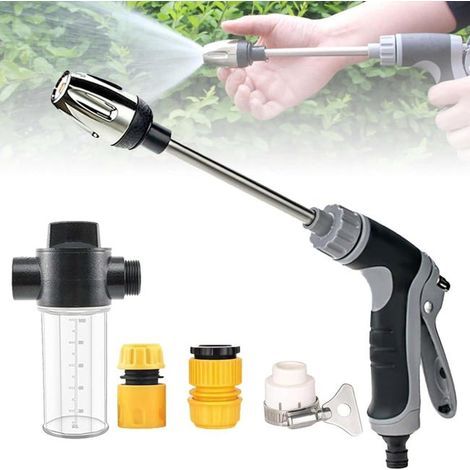
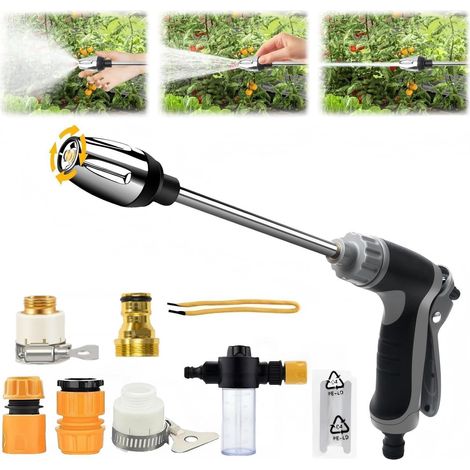
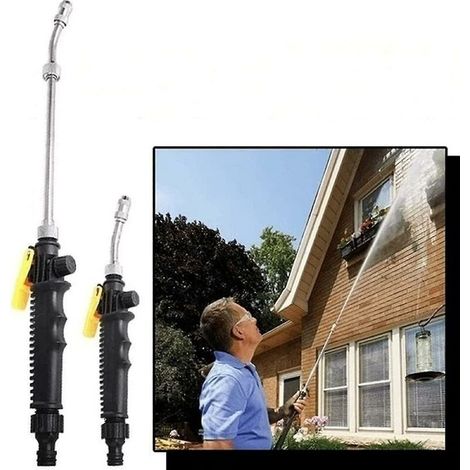
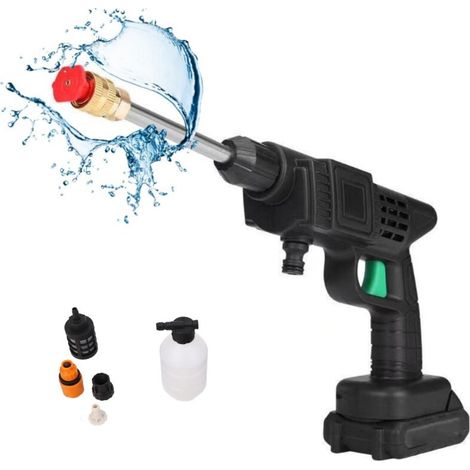
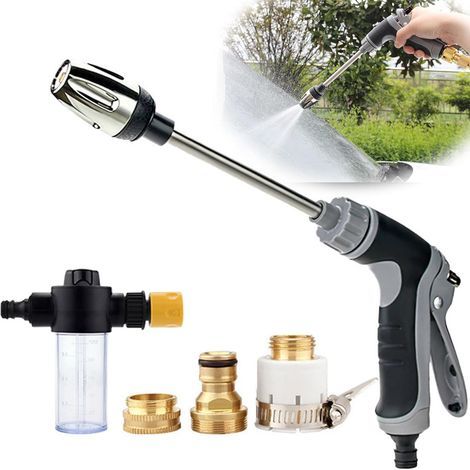
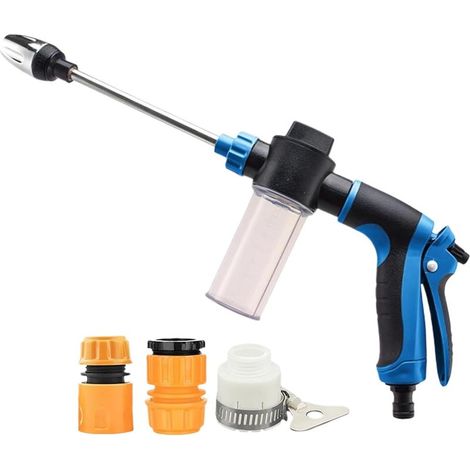
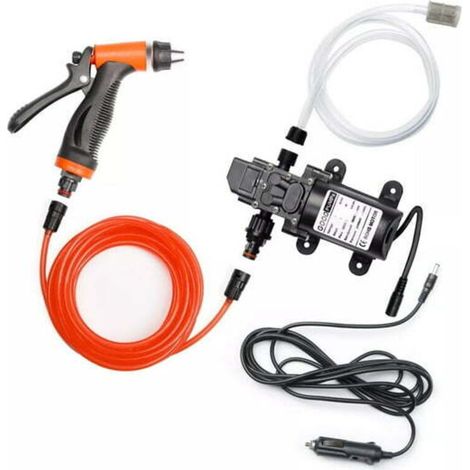
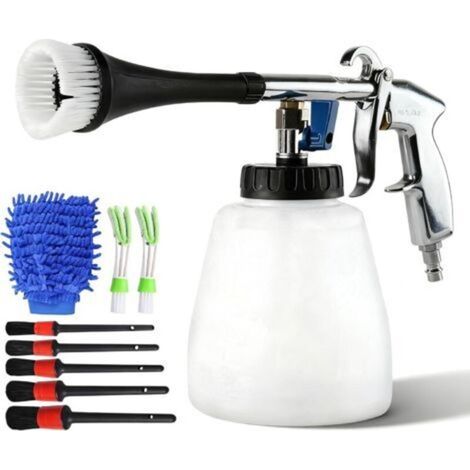
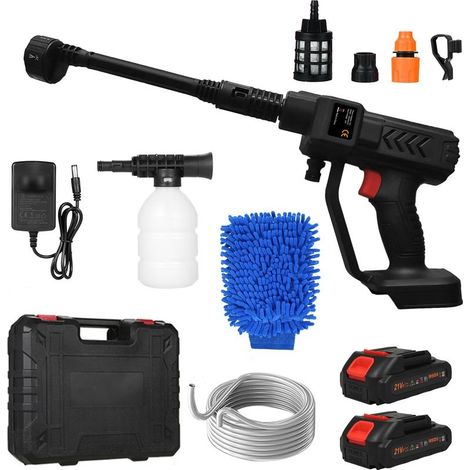
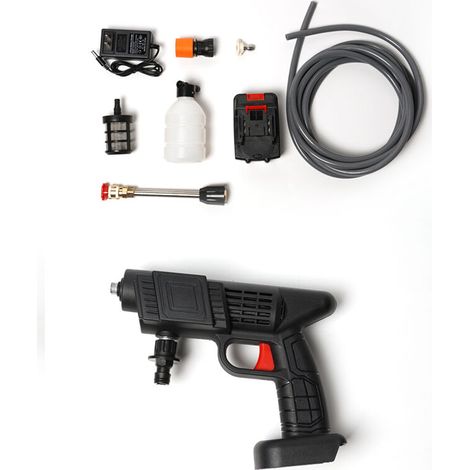
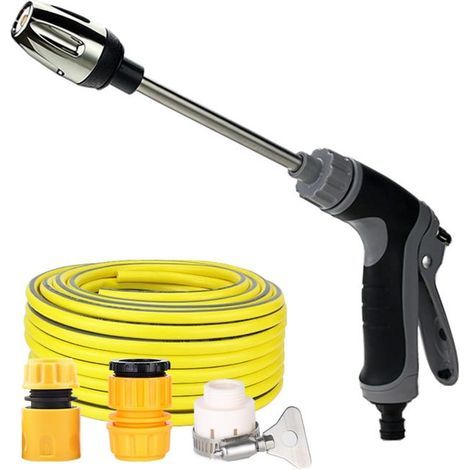
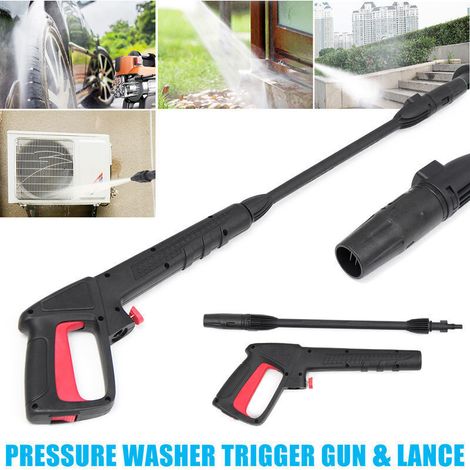
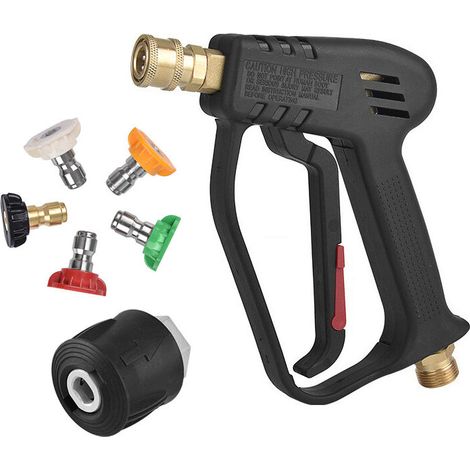
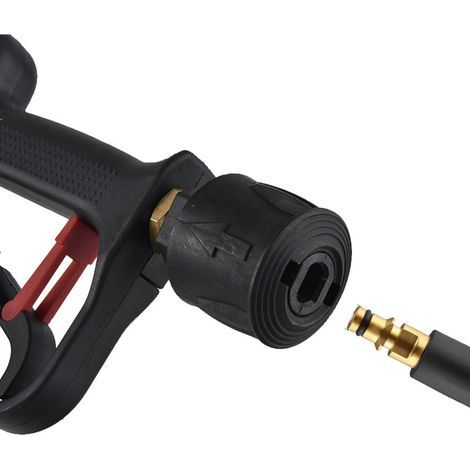
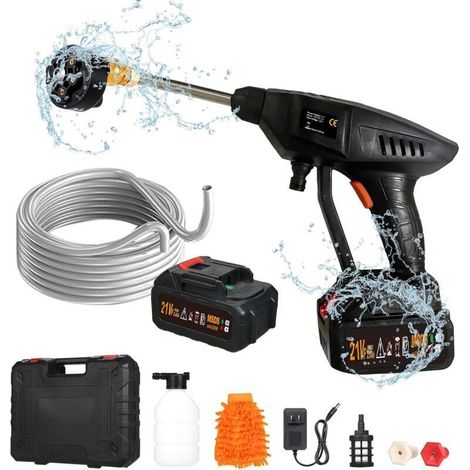
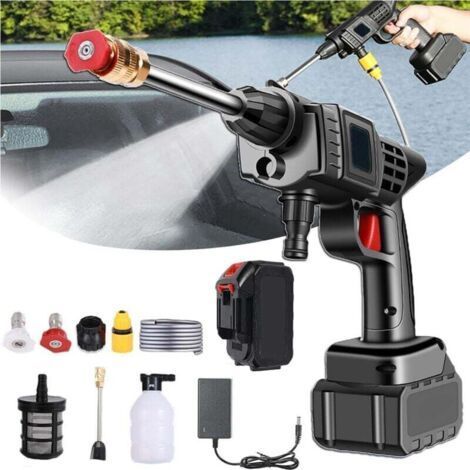
Thermal high-pressure cleaners are generally supplied with various accessories including extension hoses and/or rods, straight or rotating nozzles, and also cleaning brushes for versatile use. Using this equipment may require hearing protection due to the noise generated by the engine.
Maintenance and inspection of the thermal high-pressure cleaner should be carried out regularly, especially regarding the air filter, oil level, and spark plug. It's also important to check the condition of the hoses and the engine's oil change.
















'/%3E%3C/svg%3E)
'/%3E%3C/svg%3E)