The circular saw is essential for any DIY enthusiast or professional wishing to quickly cut wood and composite materials. It enables the user to make straight cuts with great precision.
There are three types of circular saw:
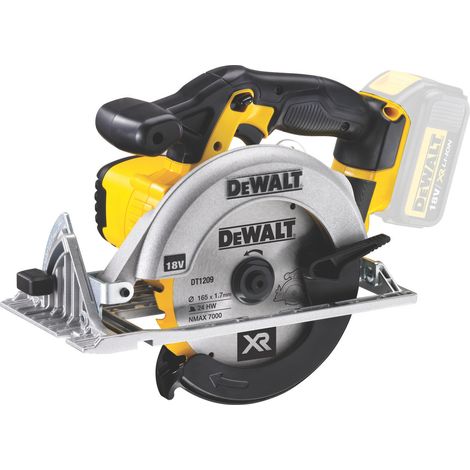
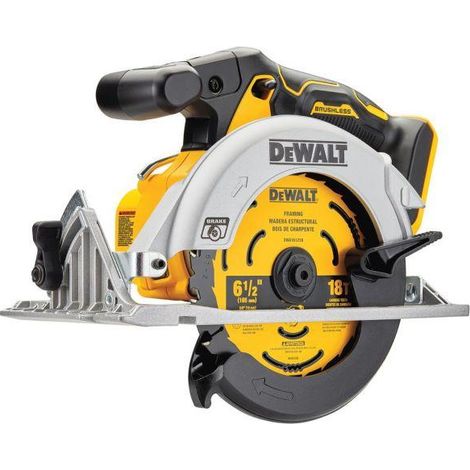
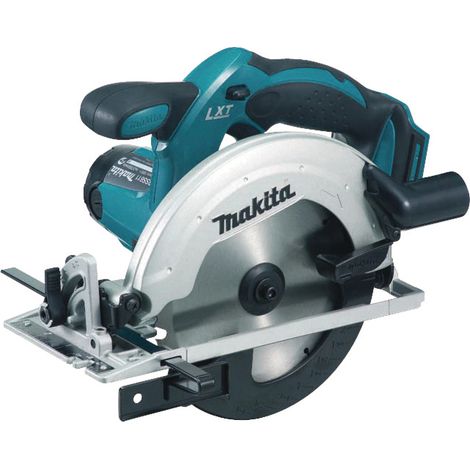
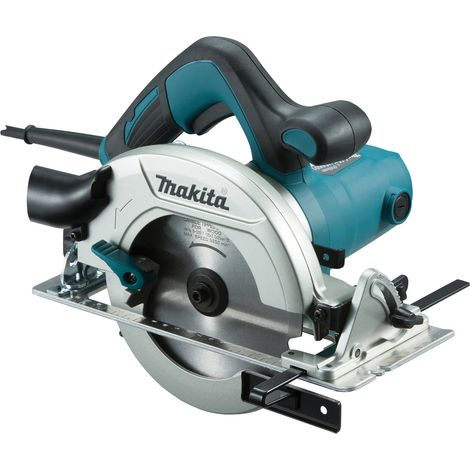
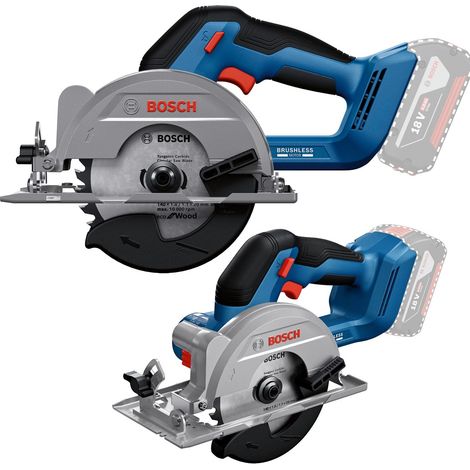
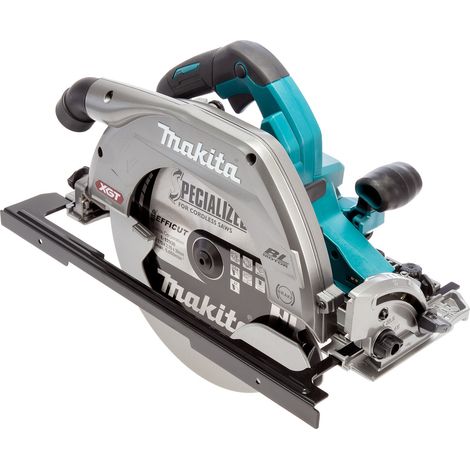
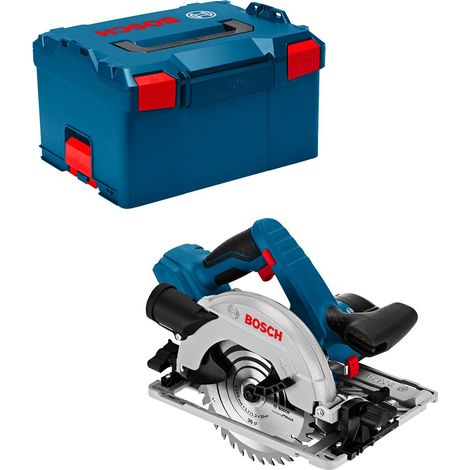
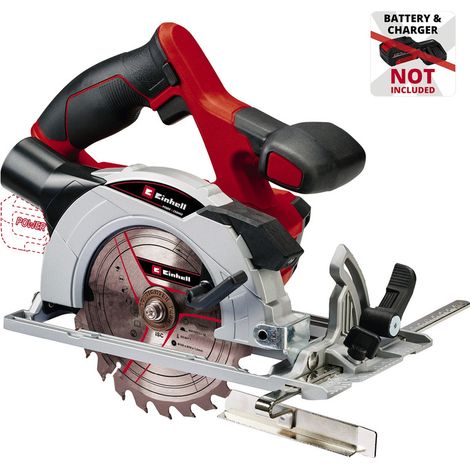
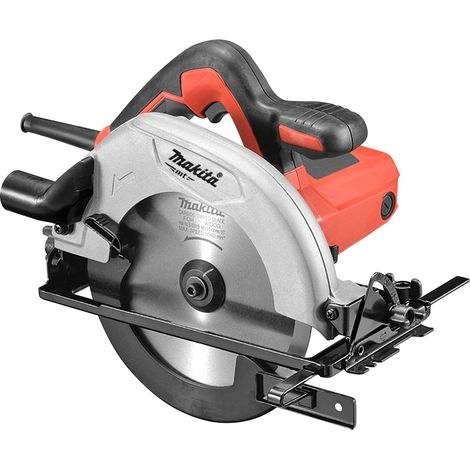
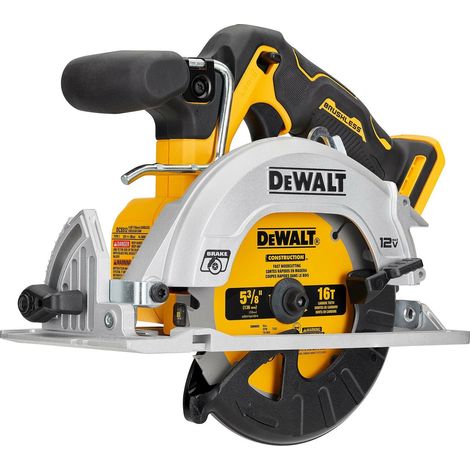
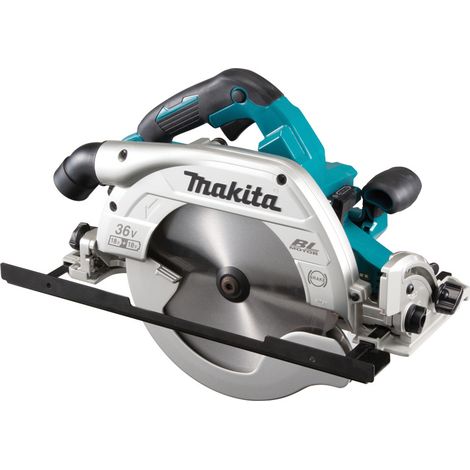
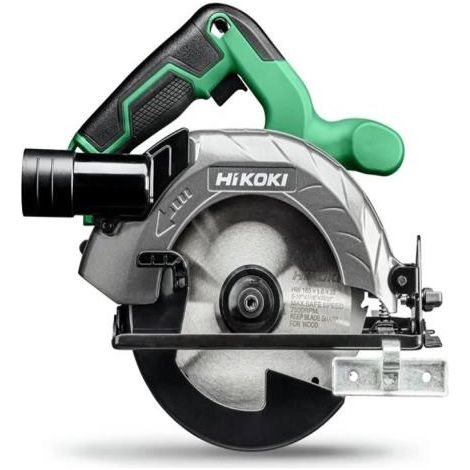
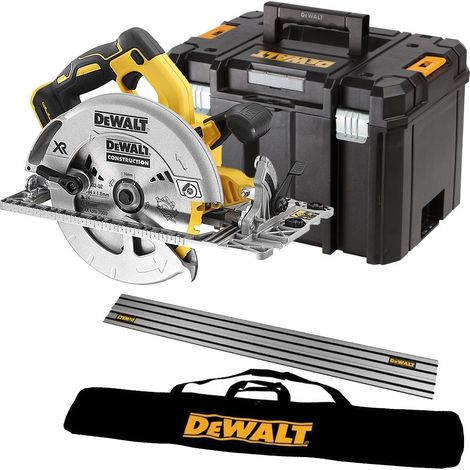
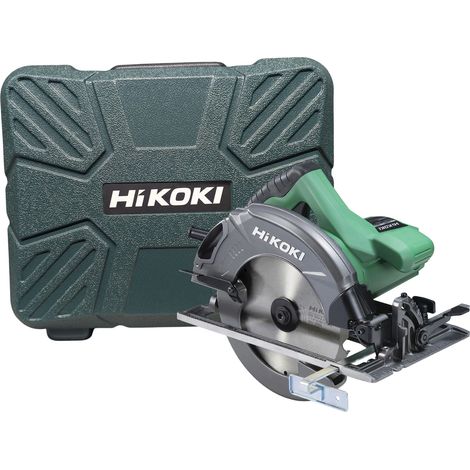
- the classic circular saw must be held with both hands by the user, one on the rear handle and the other on the front handle;
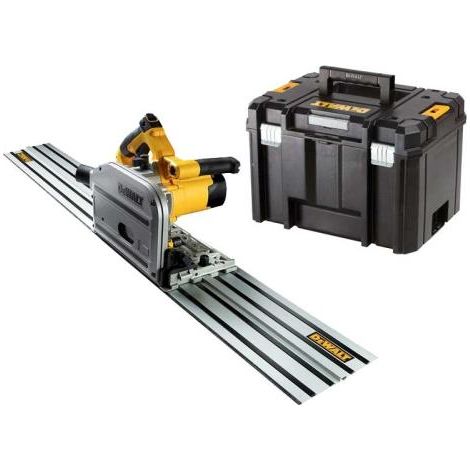
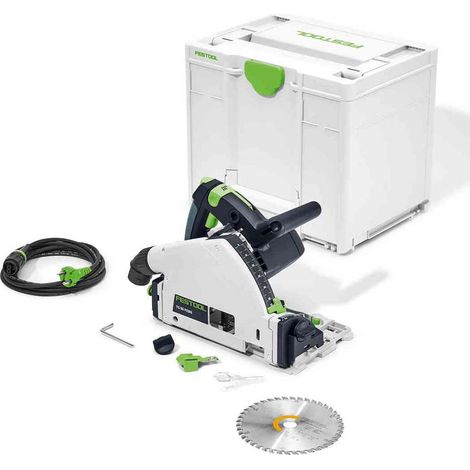
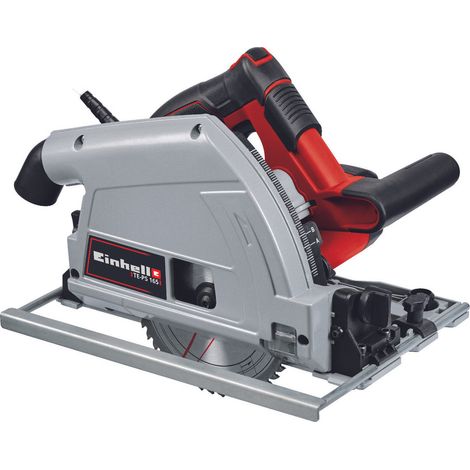
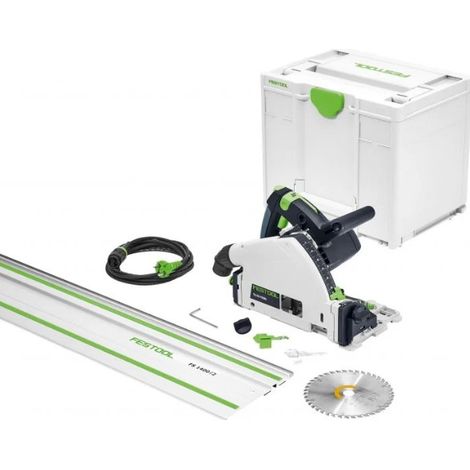
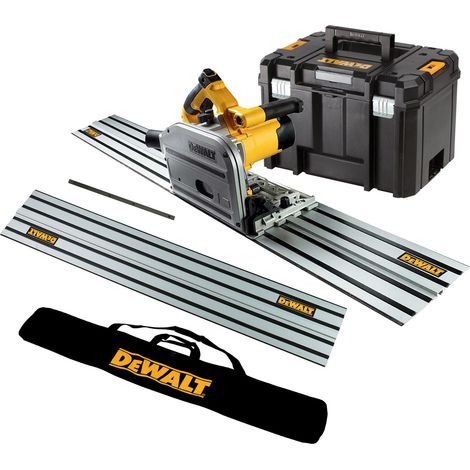
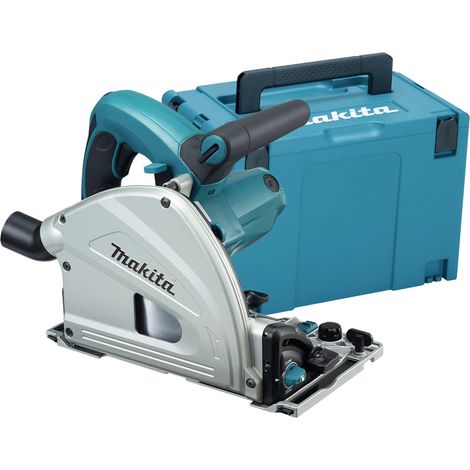
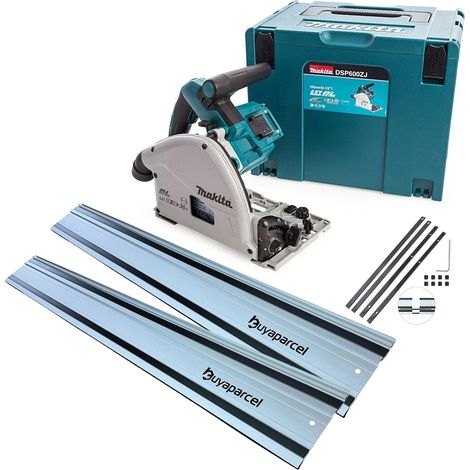
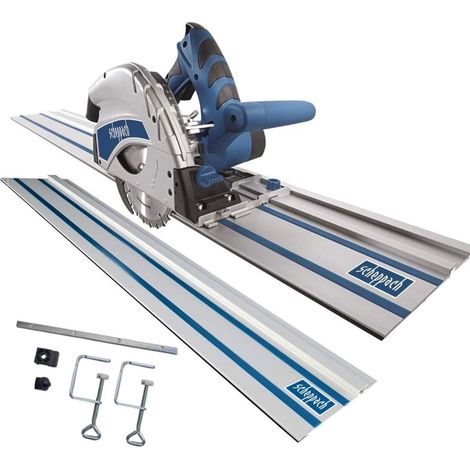
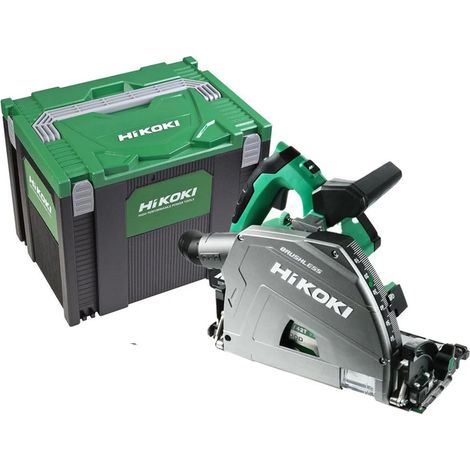
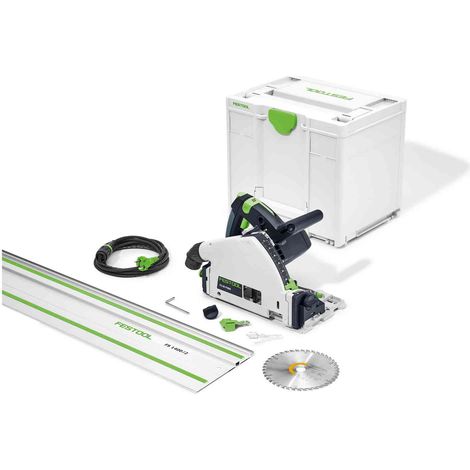
- the plunge circular saw offers the ability to start cutting from the middle of the piece;
- the circular saw mounted under a workbench: thanks to various accessories like guides, it allows for making bevel cuts. Unlike handheld saws (circular and plunge), the piece to be cut is fed into the saw rather than the other way around.
Circular saws also differ by their power source.
- The corded circular saw usually comes with a more powerful motor.
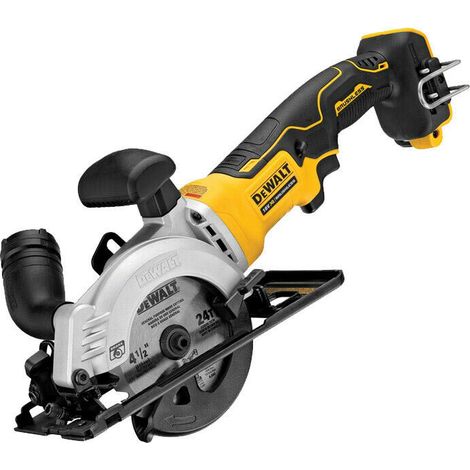
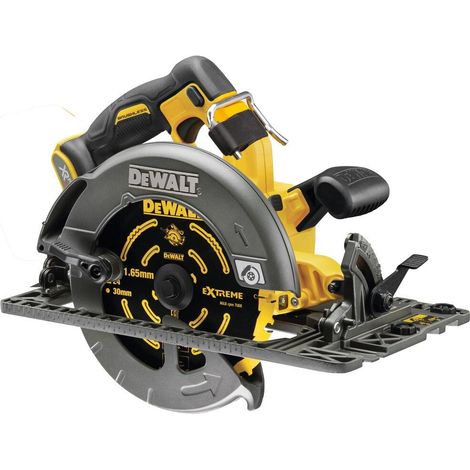
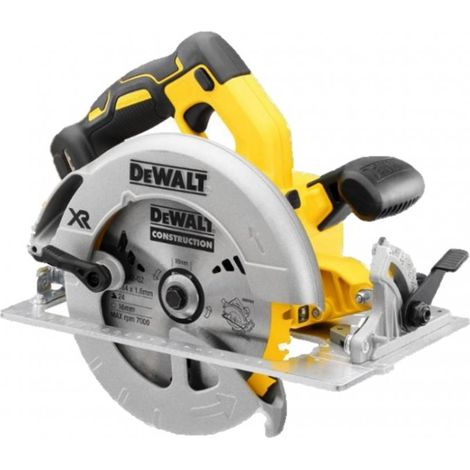
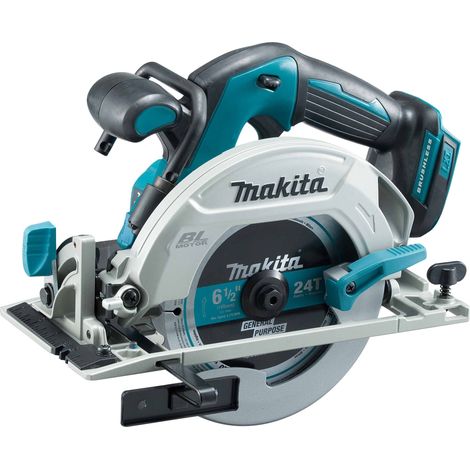
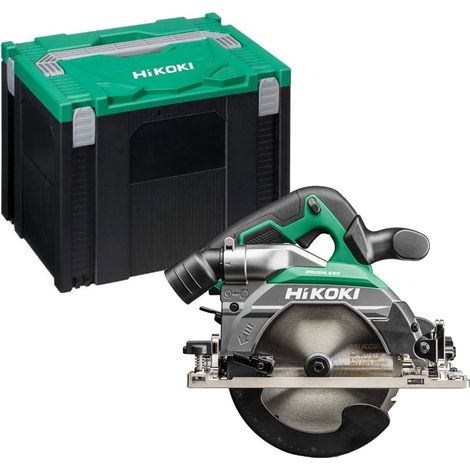
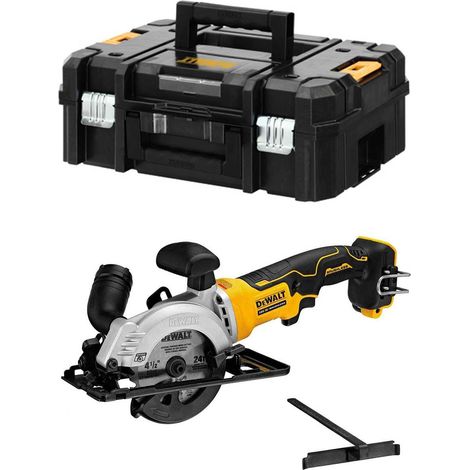
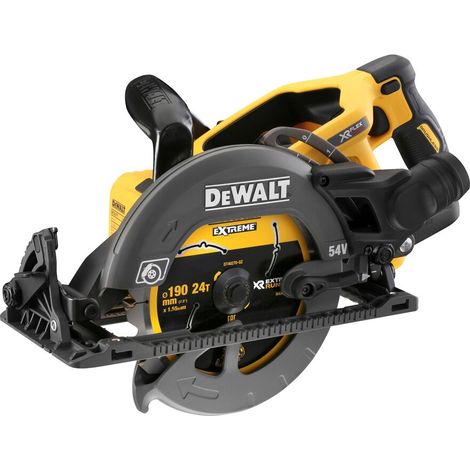
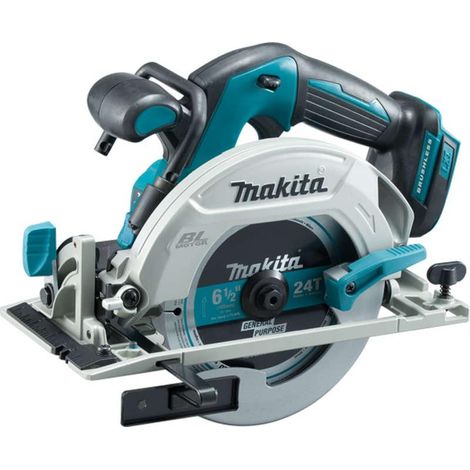
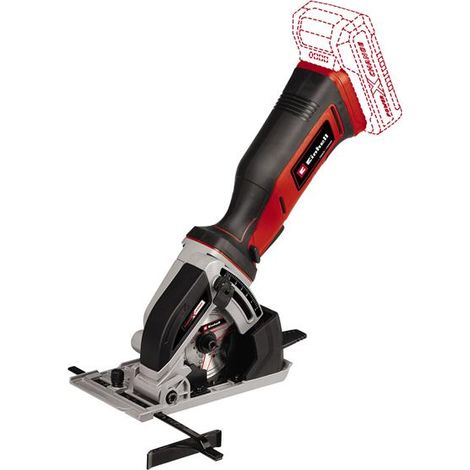
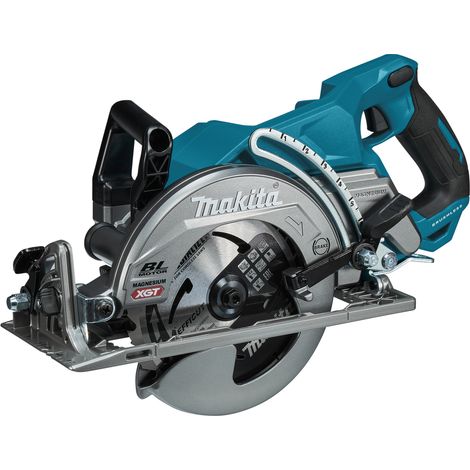
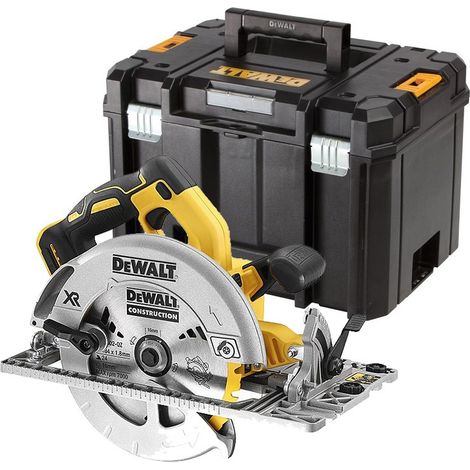
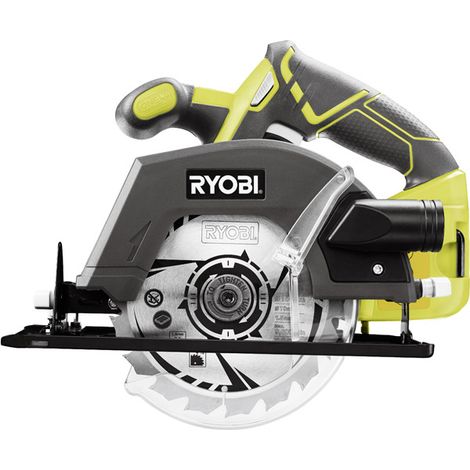
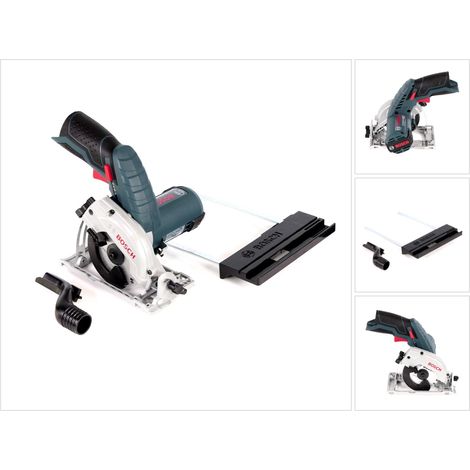
- Convenient for working in places without access to electricity, the cordless circular saw is however limited in terms of power and battery life.
The power of the circular saw determines its ability to cut through material. It depends on its use.
- For occasional DIY tasks, an output of 1,050 W is sufficient.
- For regular use, a tool with a power of around 1,200 W is recommended.
- A circular saw of 1,600 W is a minimum for intensive use.
The blade is specific to each circular saw. Three parameters should be considered.
- The depth of cut depends on the blade's diameter. Thus, a blade of 160 or 170 mm in diameter provides a cut depth of 55 mm versus 85 mm for a Ø230 mm blade.
- Saw blades come with 10 to 48 teeth. The higher the number, the neater the cut.
- The materials to be cut: some blades are intended for cutting softwood, while others can handle hardwood, plastic, or non-ferrous metals like aluminum.
Various accessories can facilitate and secure the DIYer's work:
- the guide fixed to the sole optimizes cutting precision;
- the laser guide helps follow a straight line, but precision still depends on the DIYer's dexterity;
- the riving knife prevents the cut piece from jamming the blade;
- the blade brake reduces the stop time to 3 seconds;
- as its name suggests, the safety cover's function is to protect the blade;
- the tiltable sole is useful for making angled cuts;
- connecting to a vacuum cleaner allows for cleaner work.
The choice of a circular saw depends on the nature and characteristics of the material to be cut, the frequency of use, and the desired degree of precision.


























'/%3E%3C/svg%3E)
 team
team'/%3E%3C/svg%3E)
'/%3E%3C/svg%3E)
'/%3E%3C/svg%3E)