Do you need to fix a framework or fix rails? Come and discover our complete range of lag screws in stainless steel, zinc-plated steel or chromated steel. You will find the best prices for Viswood, Vissal, Vynex products available in all the sizes you need.
This tool, the lag screw, made famous in the 19th century during the construction of railways in the United States by the First Transcontinental Railroad (golden spikes), has now become an indispensable tool for fixing frameworks and, of course, rails on wooden planks.
But what is a lag screw?
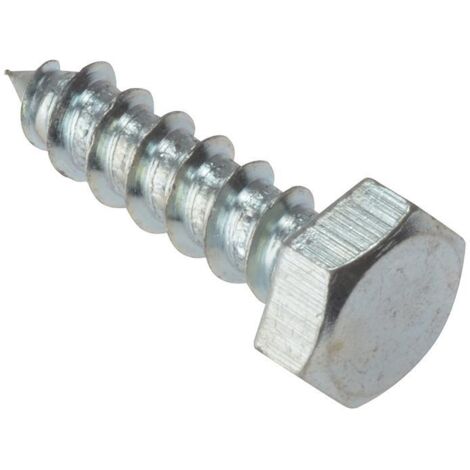
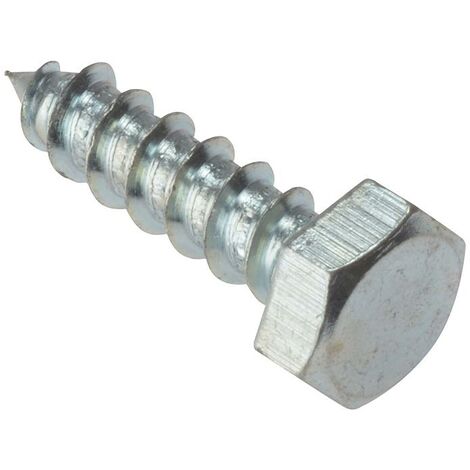
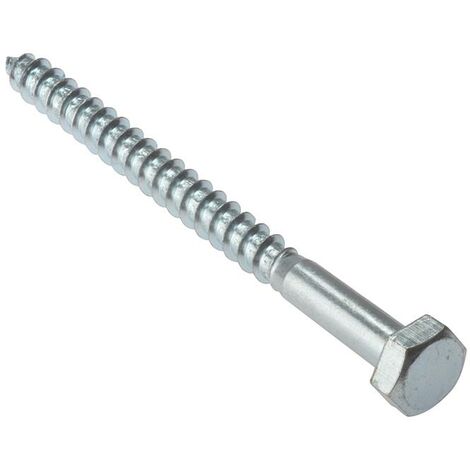
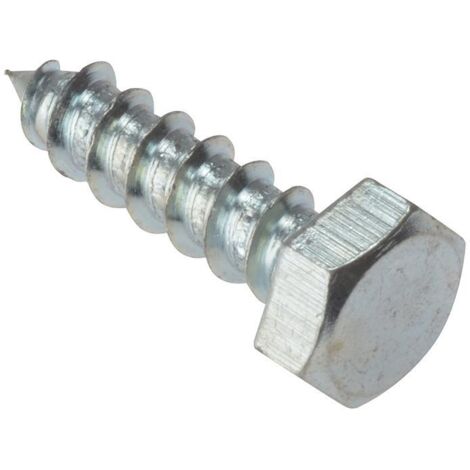
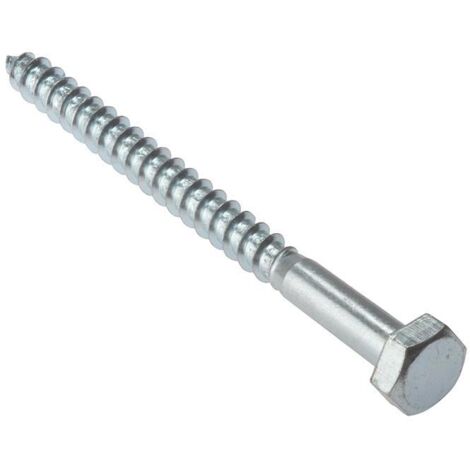
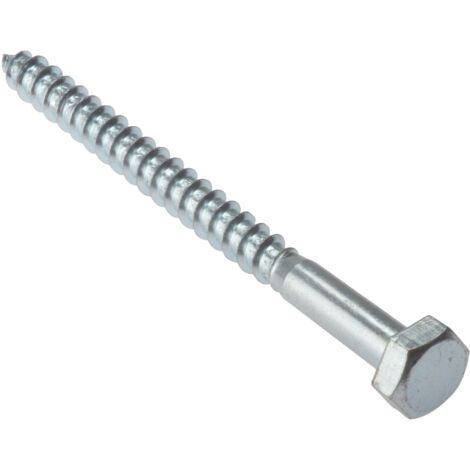
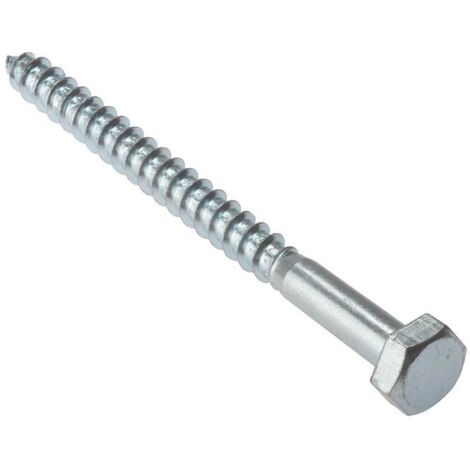
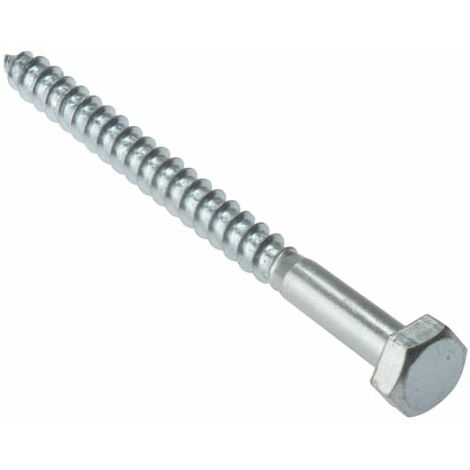
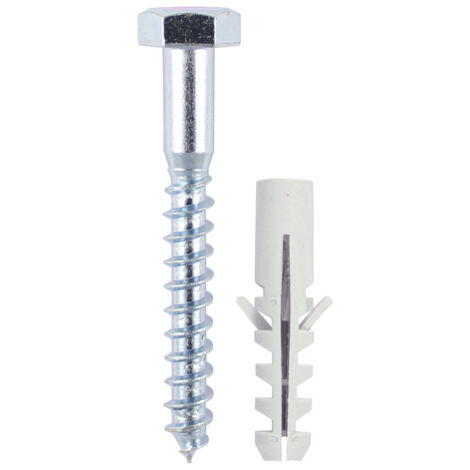
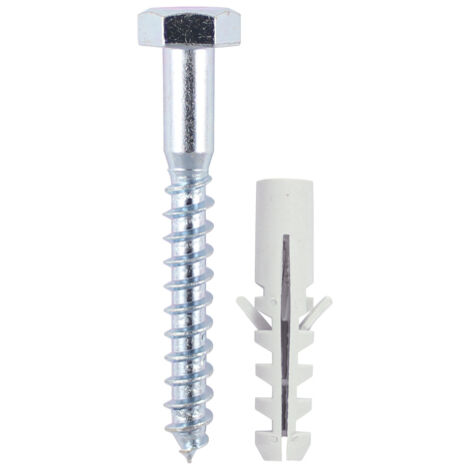
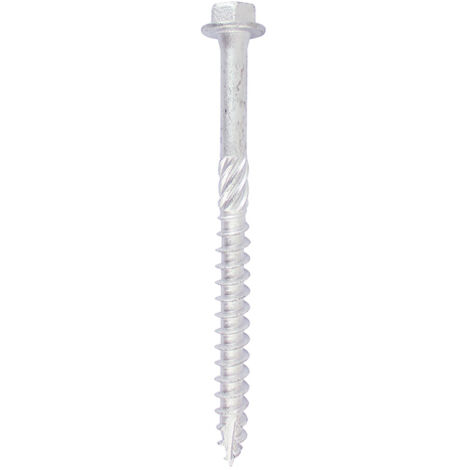
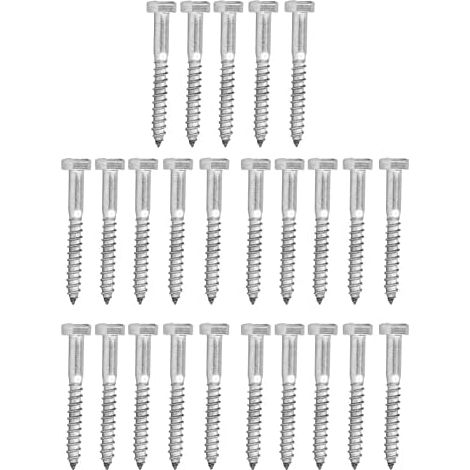
A lag screw is composed of a partially threaded body, with the threads not reaching the area under the head, and a hexagonal-shaped head.
Several steps must be followed if you want to use it properly.
First, you must pre-drill the support (wood) on which you will fix your piece (metal or wood). Pre-drilling is effective when the drill diameter is equal to the diameter of the lag screw minus the depth of its threading. The thickness of the piece to be fixed should not be greater than the length of the smooth segment of the lag screw's shaft. Indeed, this smooth part allows for a flexible fastening and better compression of the two pieces to be assembled. If the support is too dense or too hard, it is preferable to grease your lag screw before inserting it. This will prevent it from overheating and deforming, as well as speed up your work. Finally, to tighten it, you must use either a box-end wrench, very practical because it provides grip on the 6 sides of the lag screw head, or an adjustable wrench, appreciated for being adjustable to fit any head size. These two tools provide excellent torque for tightening.







'/%3E%3C/svg%3E)
'/%3E%3C/svg%3E)