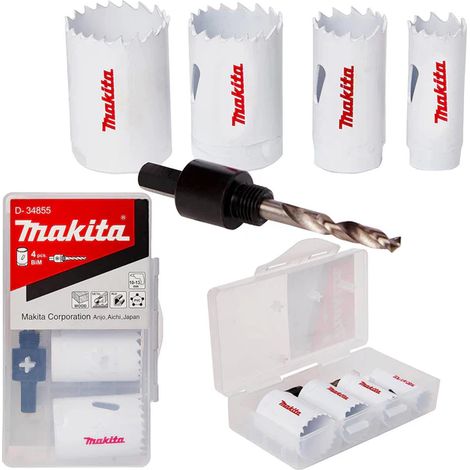
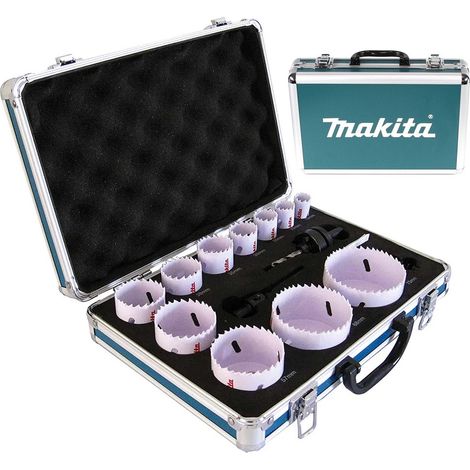
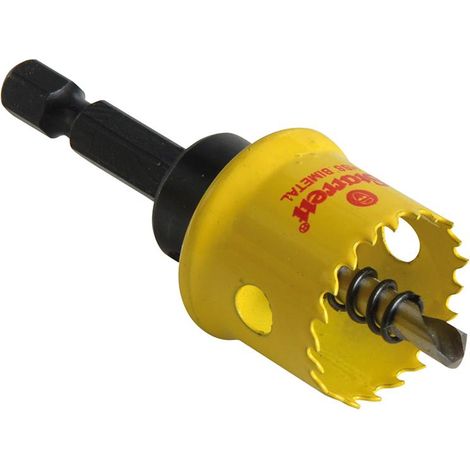
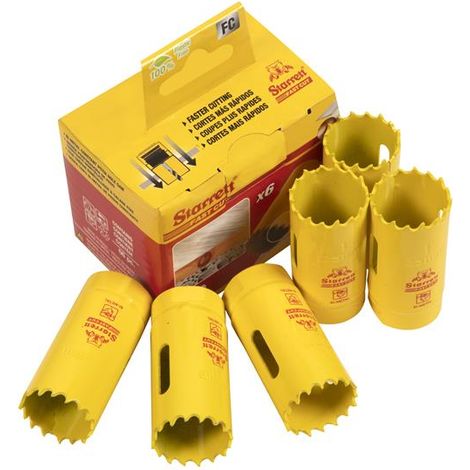
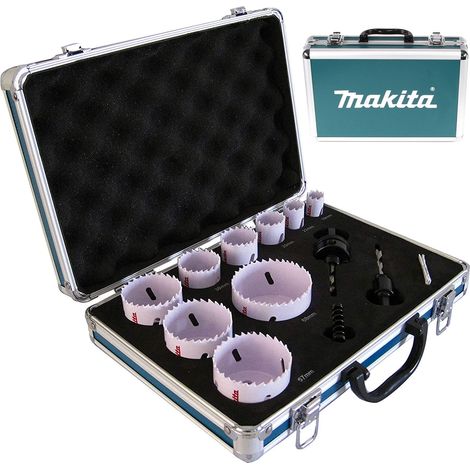
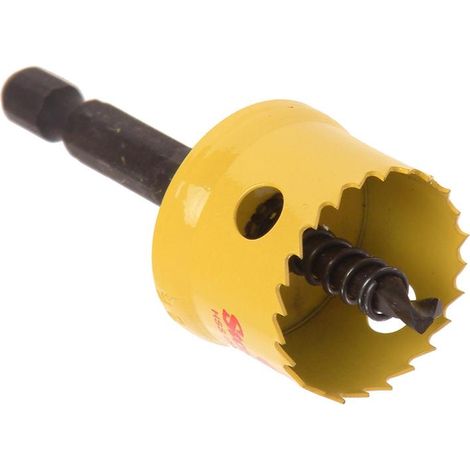
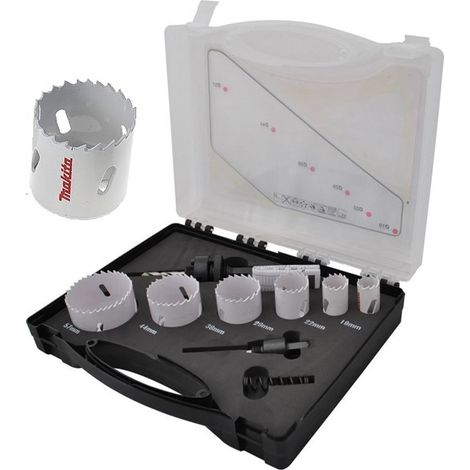
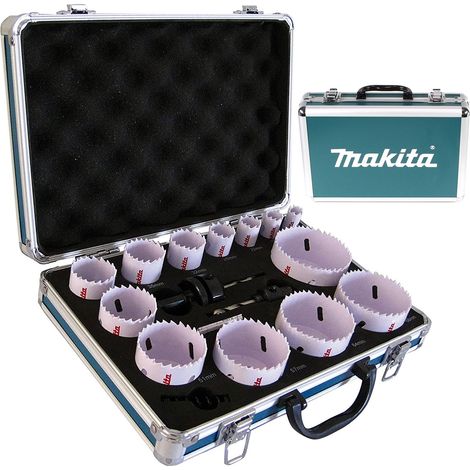
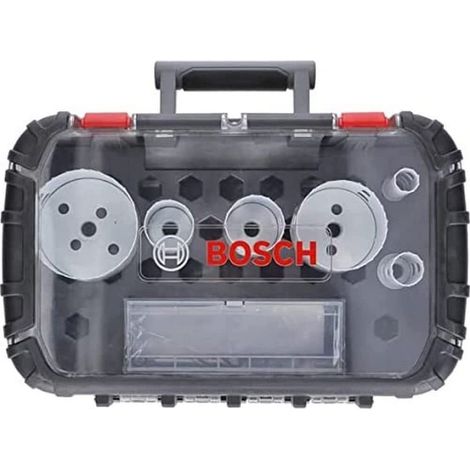
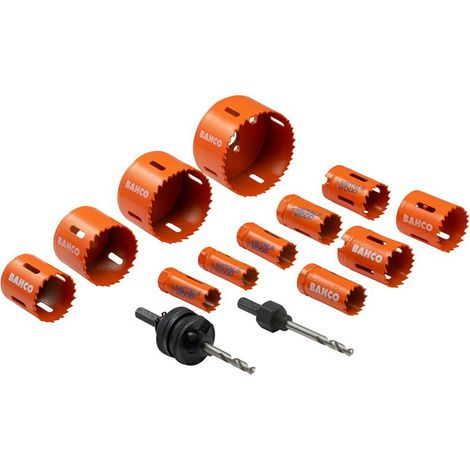
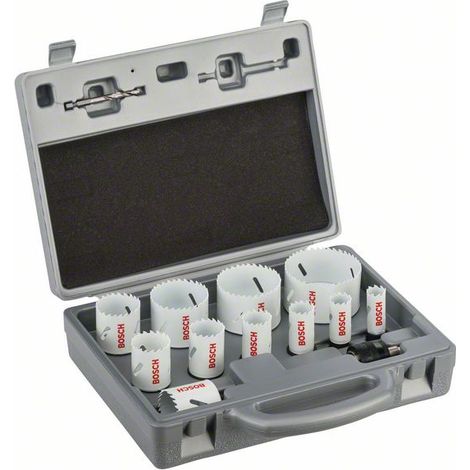
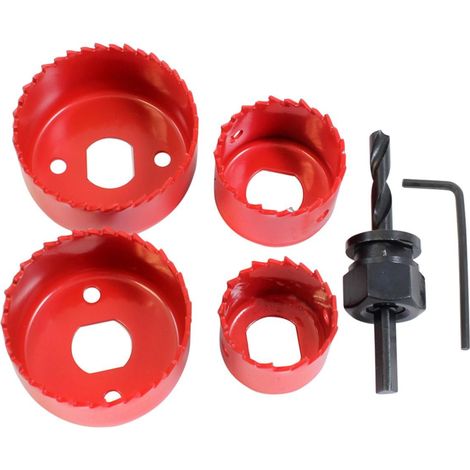
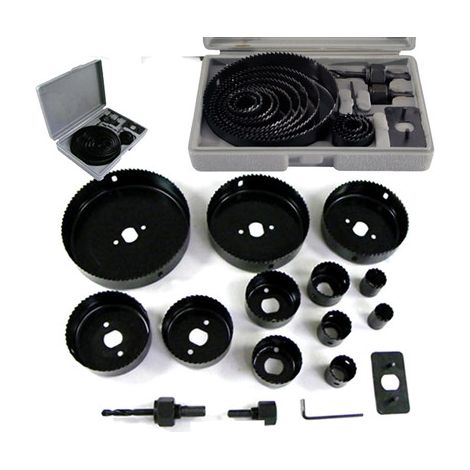
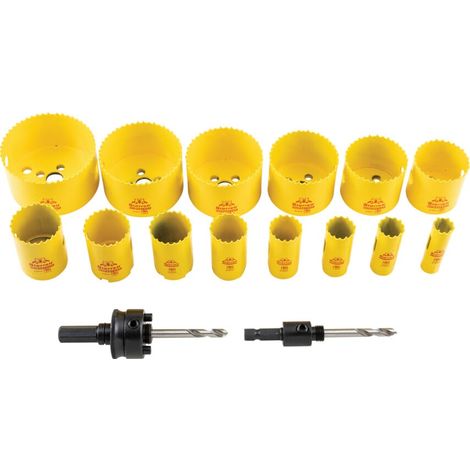
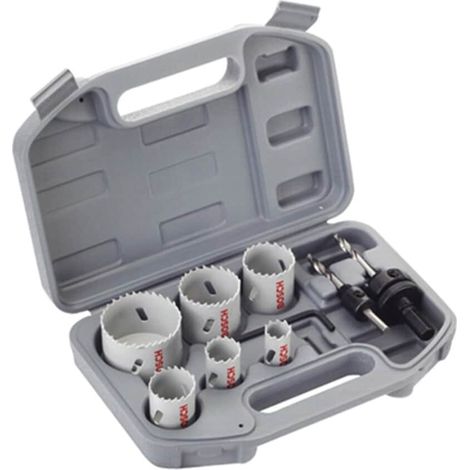
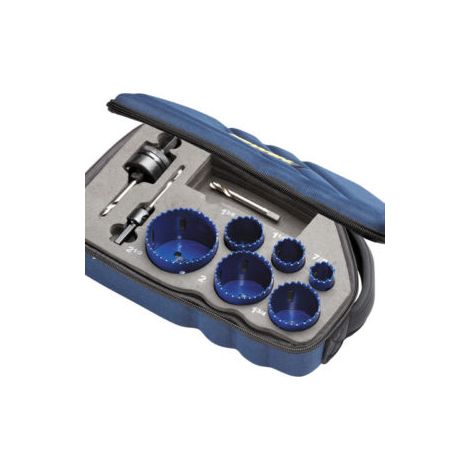
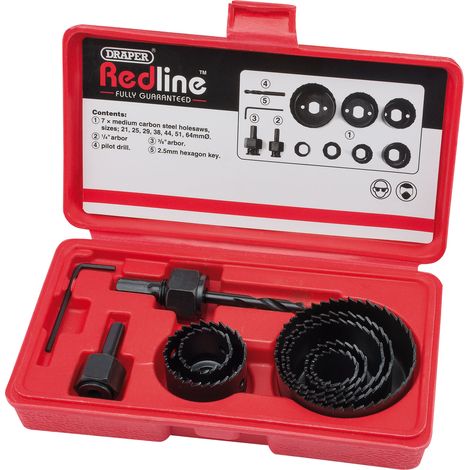
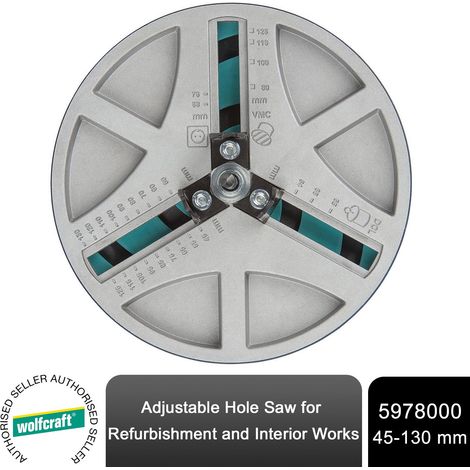
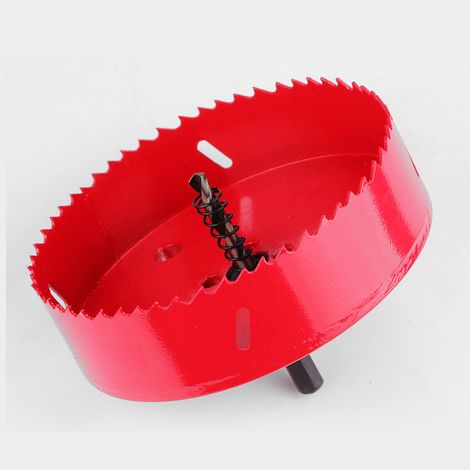
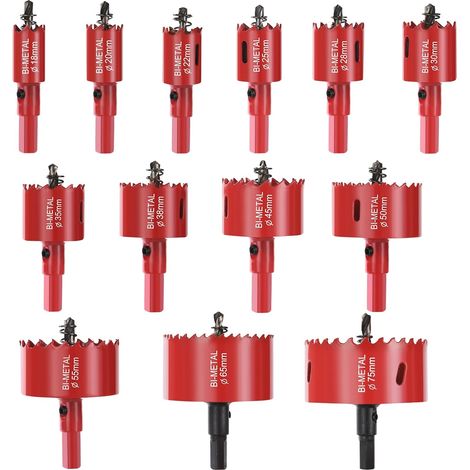
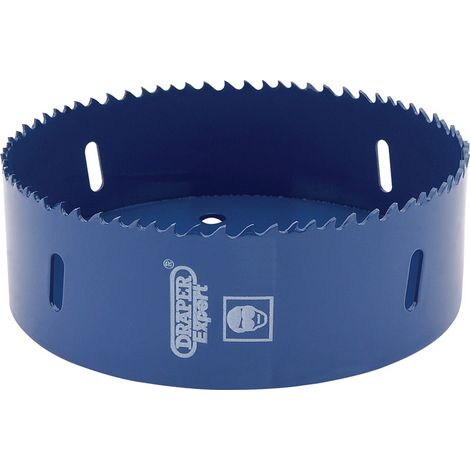
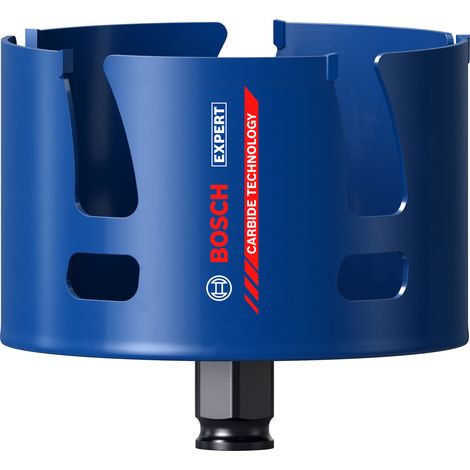
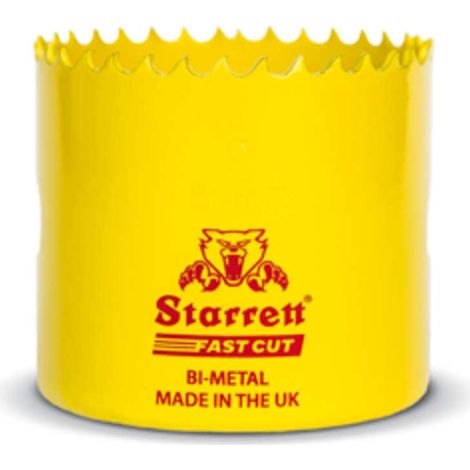
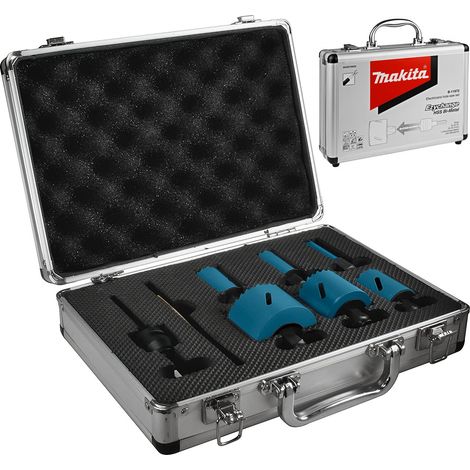
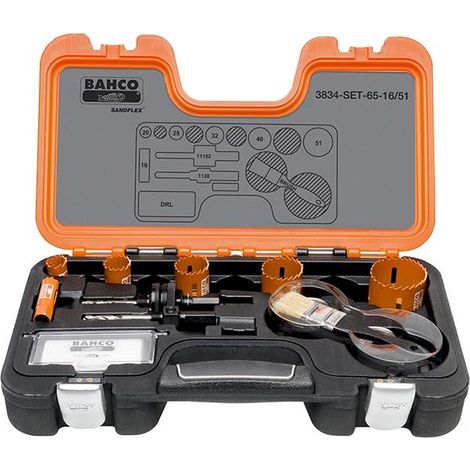
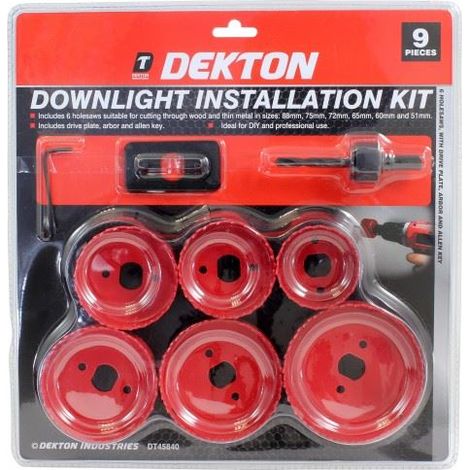
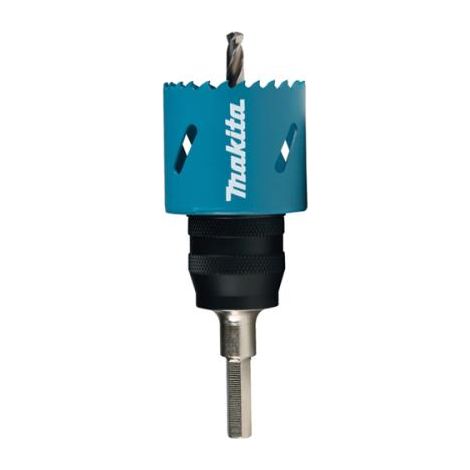
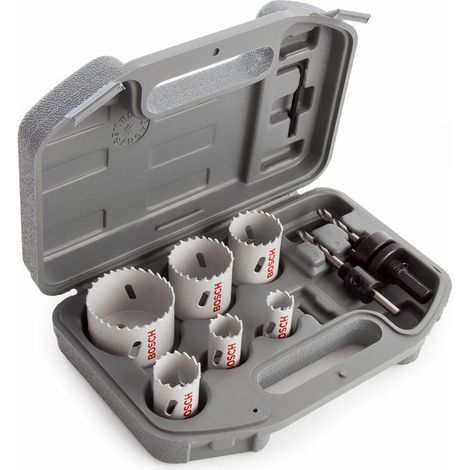
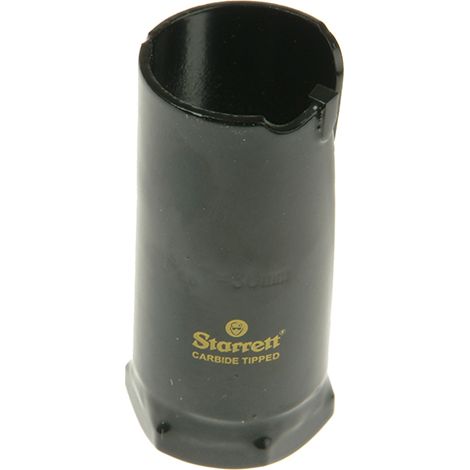
The hole saw is used to drill holes in wooden, plastic, and concrete supports. It is often used when installing a recessed spot, a wall socket, or a switch.
The available devices vary by their use.
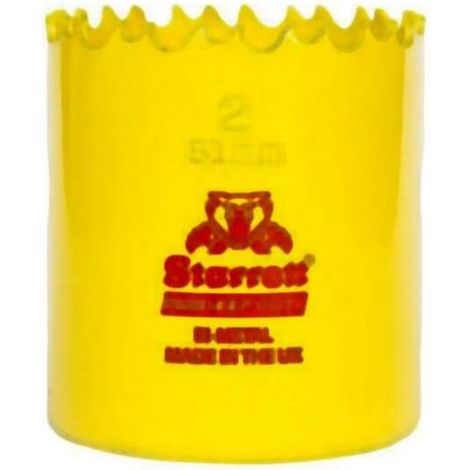
- The hole saw is often used to drill materials of low hardness. This is particularly the case with plaster, wooden boards, or plastic. However, it is also suitable for drilling tiles.
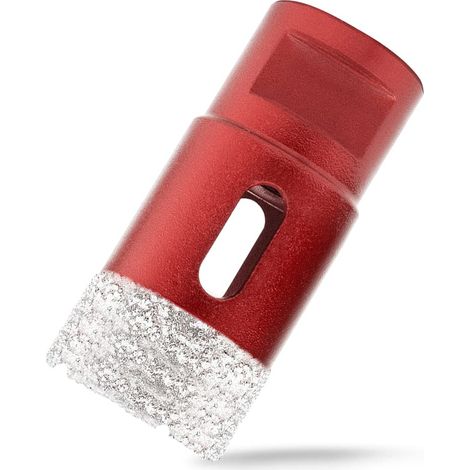
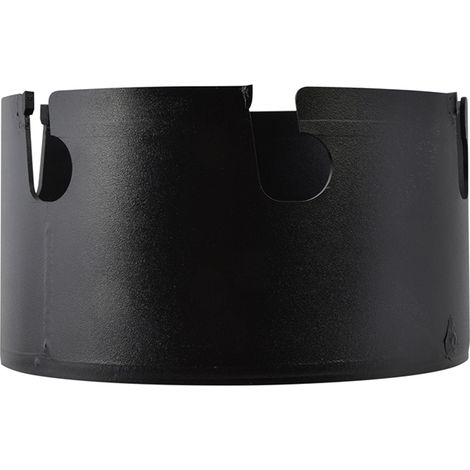
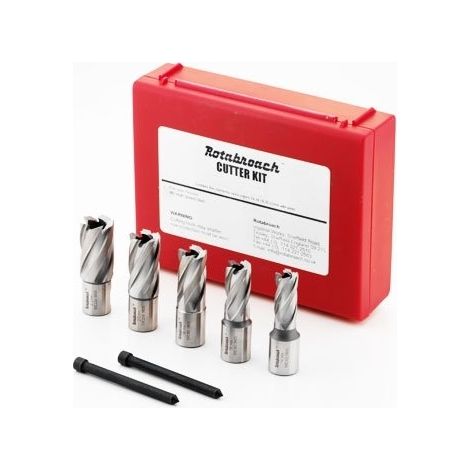
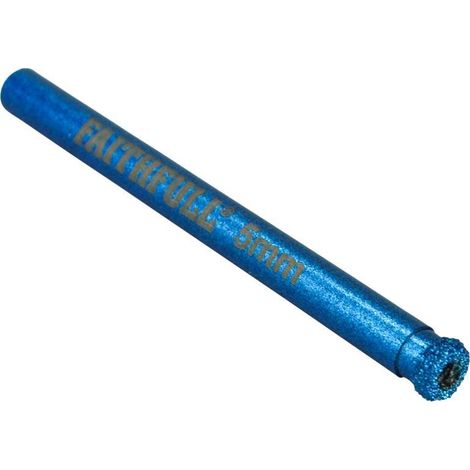
- The core drill is necessary to drill hard materials such as concrete or stone.
The hole saw has characteristics to know:
- it is attached to the drill's chuck;
- it allows you to make holes of 20 to 63 mm in diameter;
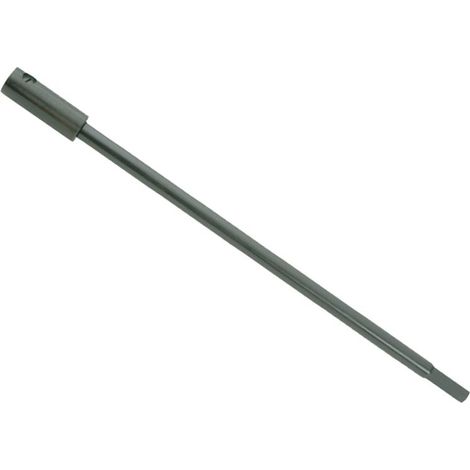
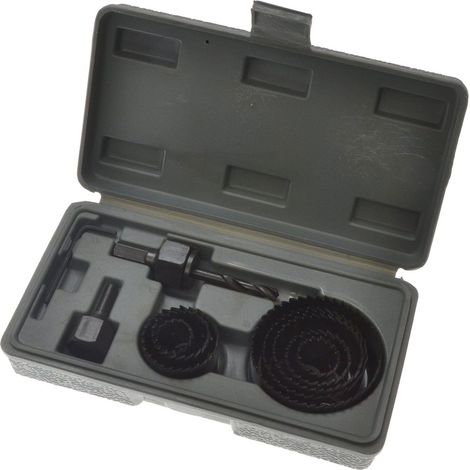
- a centering drill bit allows the device to drill regular holes by keeping the blade in its imprint.
Some tips are useful for proper use:
- one-piece versions equipped with a welded or screw-on HSS centering drill bit are recommended for sustained use;
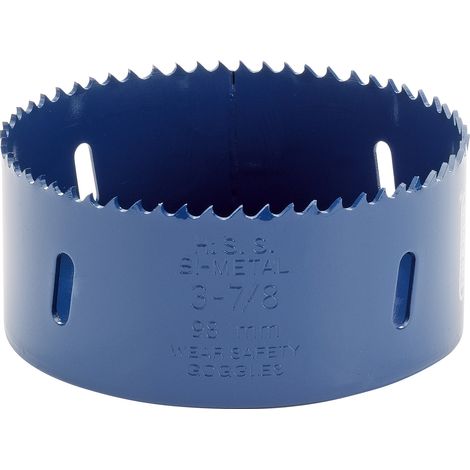
- HSS bi-metal models are suitable for drilling both plywood and plastic, plasterboards, or non-ferrous metals;
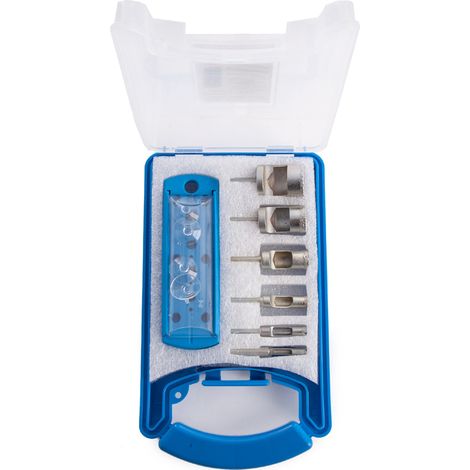
- the drilling of tiles is performed at a reduced speed with a diamond blade and water;
- the drilling of metals is carried out at reduced speed and requires cutting oil;
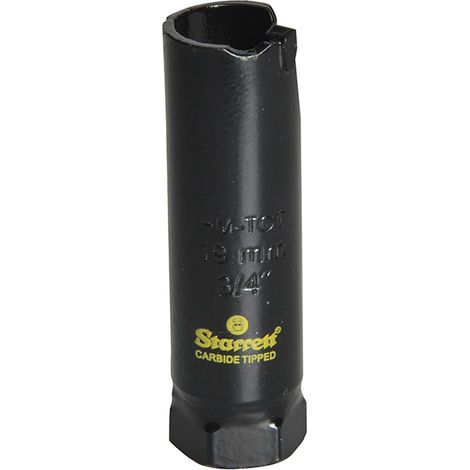
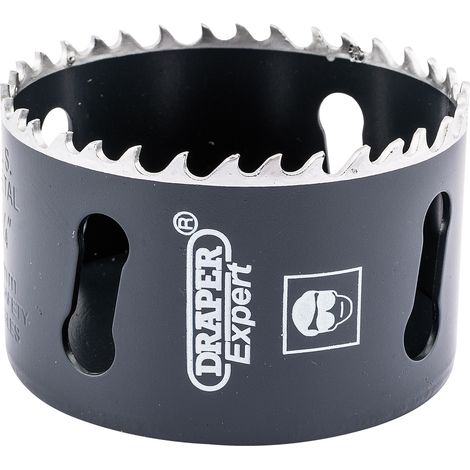
- models made with cobalt and tungsten carbide (8%) are more resistant;
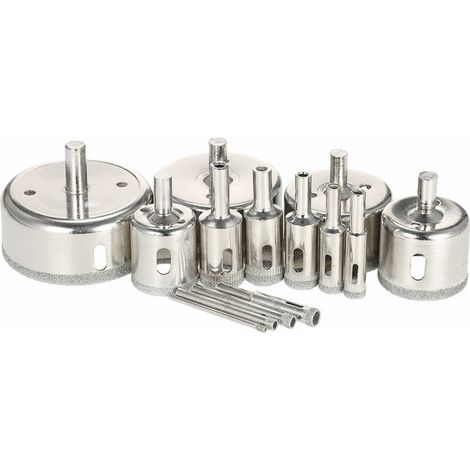
- diamond accessories are recommended for drilling brick or tiles.
Core drills also have specific characteristics:
- quality models are equipped with diamond or tungsten carbide segments;
- they come with a core drill adapter, the most common thread type being M16;
- they are equipped with a centering drill bit for making precise holes;
- they are attached to a drill chuck through a smooth or SDS-type shank.
The choice of a hole saw or a core drill therefore depends on the material to be drilled and the frequency of use. In any case, it is advised not to exceed the revolutions per minute of the model used in order to avoid premature wear.

















'/%3E%3C/svg%3E)
'/%3E%3C/svg%3E)