A roof exit is necessary when implementing a heating system for a single-family home. To be connected to the chimney flue, it serves to expel emissions at the level of the house's roofing.
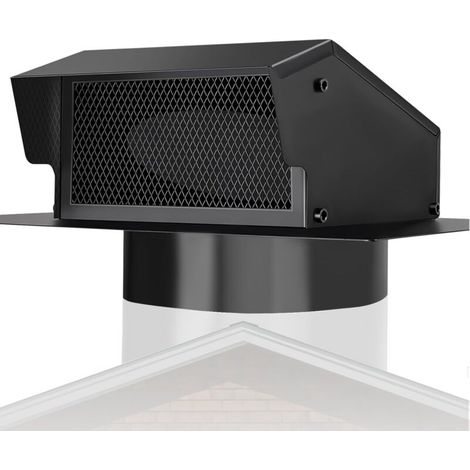
Also called a chimney stack, the roof exit allows the smoke to exit through the house's covering. Most often, it is:
- made of galvanized steel;
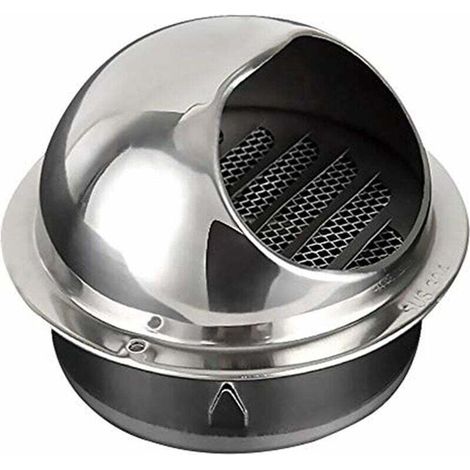
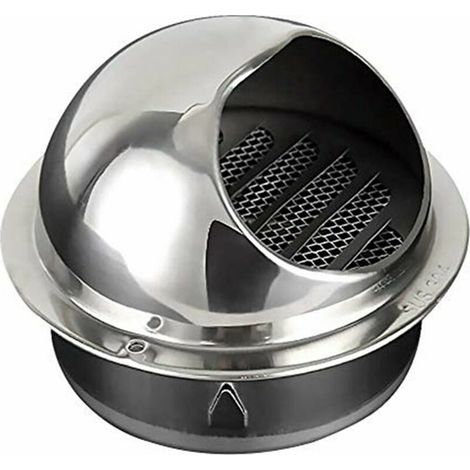
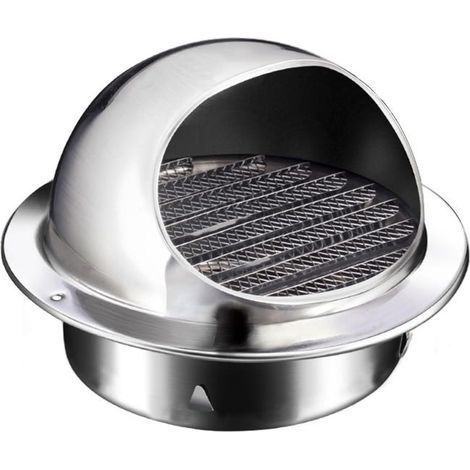
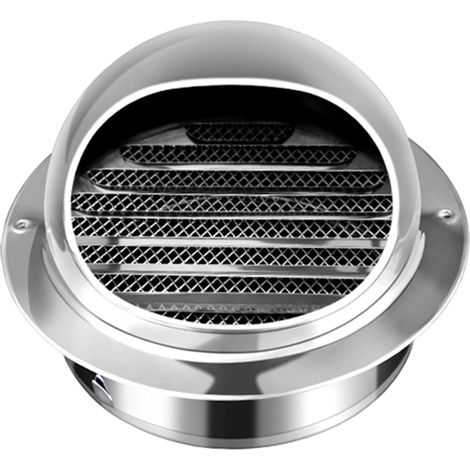
- equipped with a stainless steel cap;
- provided with a roughcast, smooth, or brick-like finish.
An essential element for the efficiency of the draft, this architectural element performs various functions, including:
- the evacuation of smoke outside the building;
- the protection of the flue against inclement weather (infiltration of rainwater, penetration of snow, etc.);
- the prevention of flue blockage by potential foreign bodies (branches, bird nests, etc.);
- the decoration of the flue and the roof in general.
There are several types of chimney stacks:
- the traditional models, fairly complex to implement;
- the masoned and prefabricated versions;
- the ready-to-use metal models. Pre-assembled at the factory, they do not require additional frame reinforcement or significant masonry work. They are generally installed dry and do not require any additional sealing system.
The implementation of a roof exit must comply with the DTU 24.1 recommendations. Moreover, it must:
- extend at least 40 cm above the roof's ridge;
- be installed above and at 8 m (at least) from any construction to optimize the evacuation of smoke through its outlet;
- expel gas parallel to the prevailing winds (the smoke must not exit in an overpressure zone);
- emerge at 1.20 m (at least) above its exit point, in the case of roofs with a slope less than 15° or flat roofs;
- be systematically checked during chimney sweeping and repaired if necessary;
- be installed in a way to avoid siphoning;
- be installed to facilitate cleaning and chimney sweeping of the flue.
The roof exit is the visible part of a flue. It must be chosen according to the configuration of the heating system used and the architecture of the building. It is also essential to refer to the standards applicable to this element to facilitate smoke evacuation and avoid long-term problems.










'/%3E%3C/svg%3E)