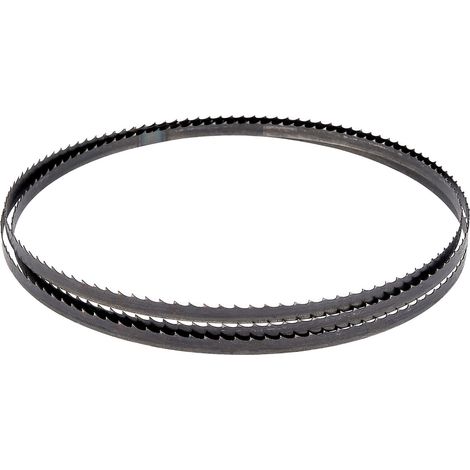
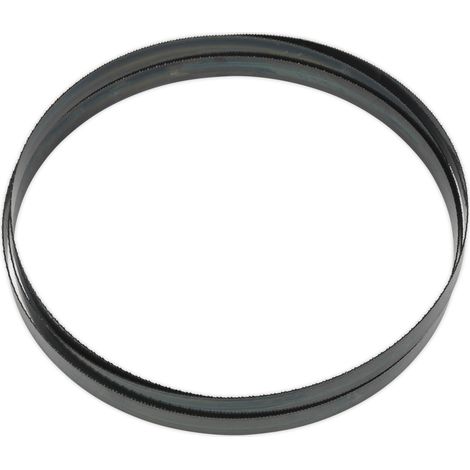
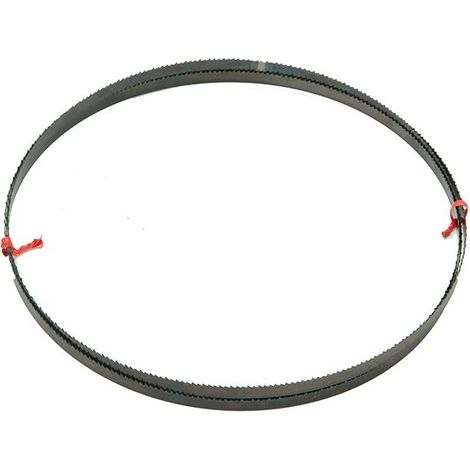
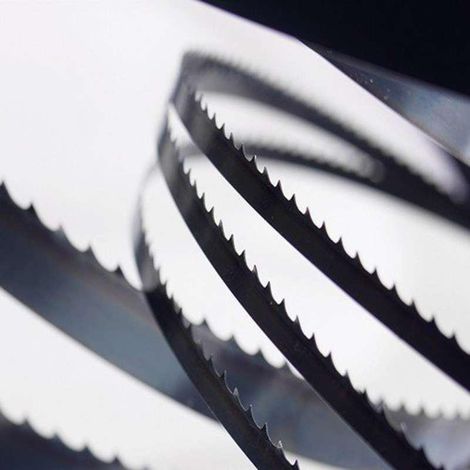
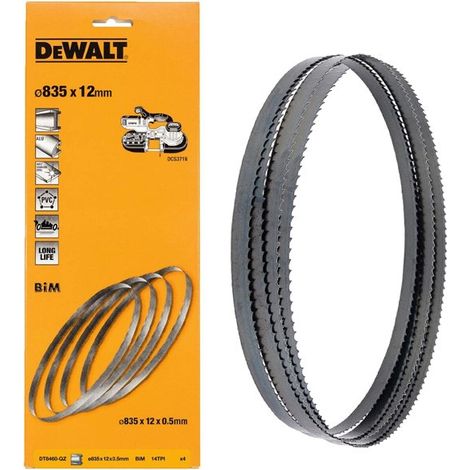
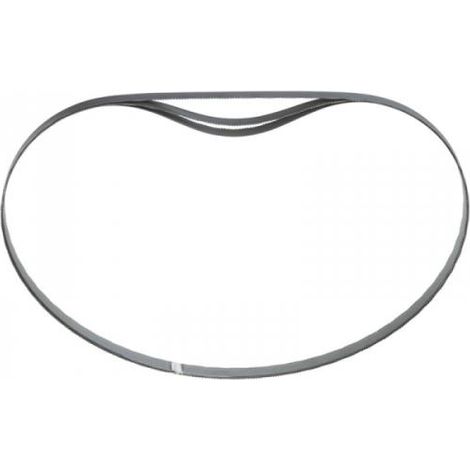
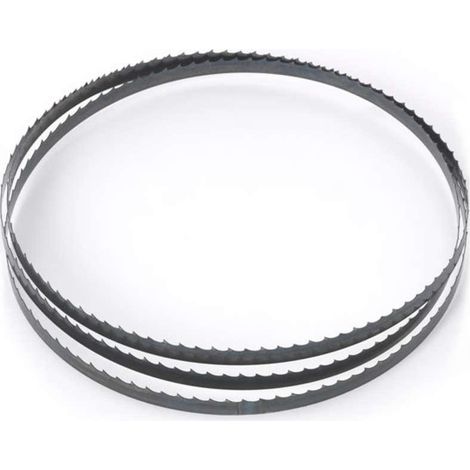
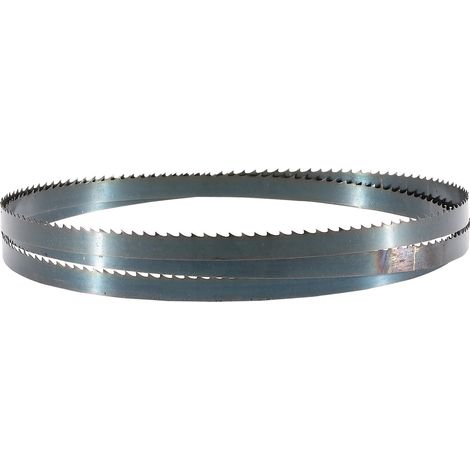
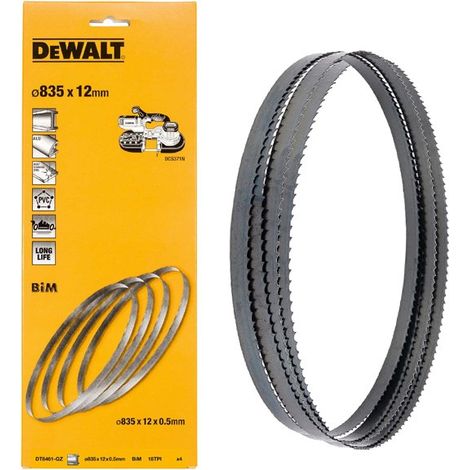
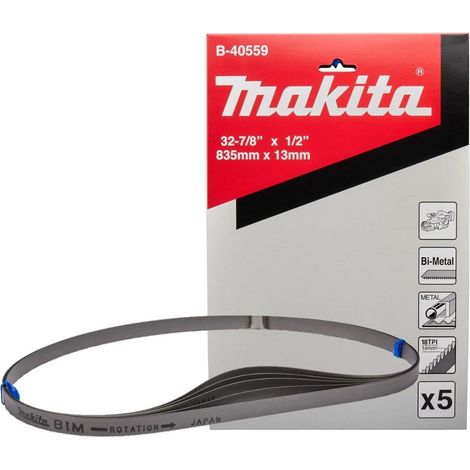
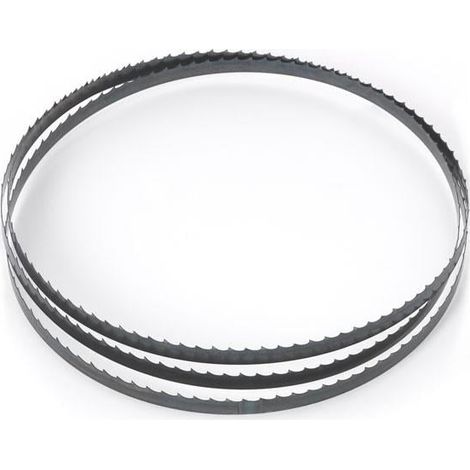
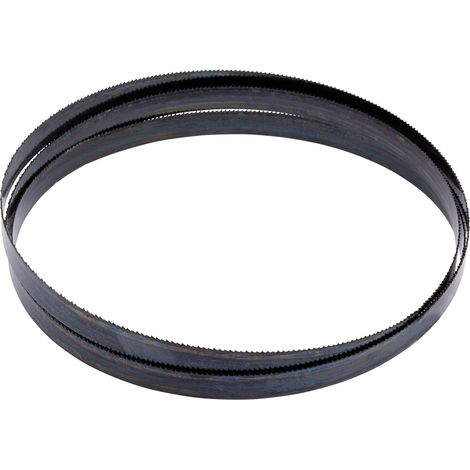
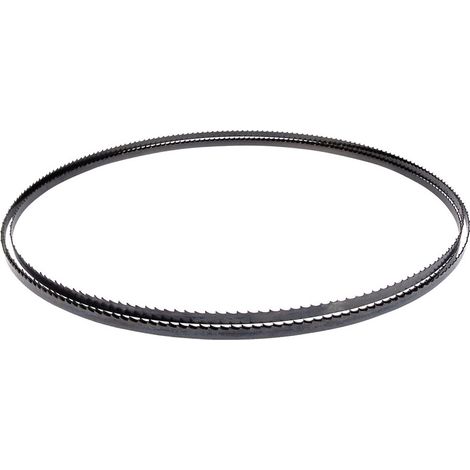
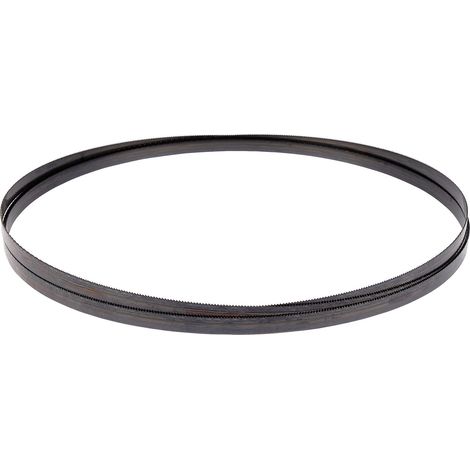
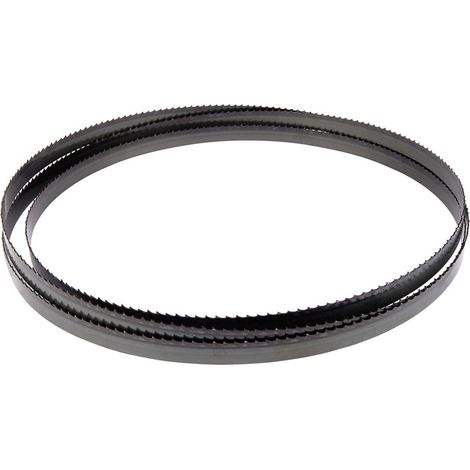
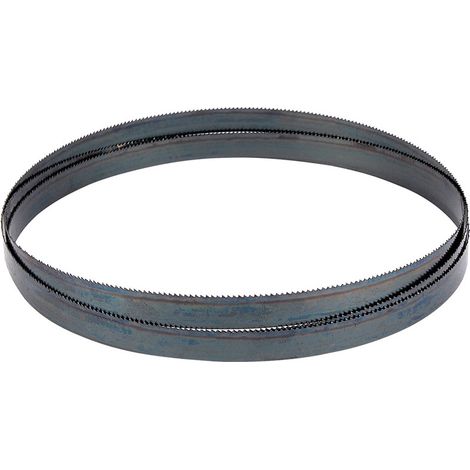
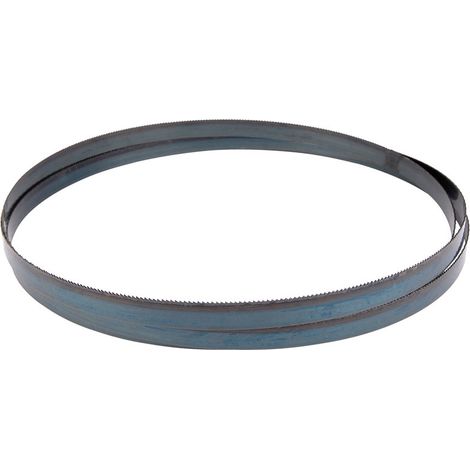
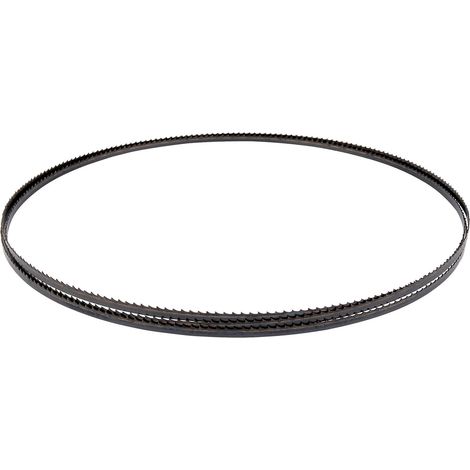
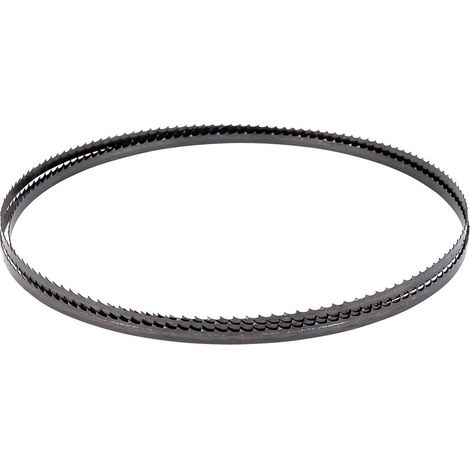
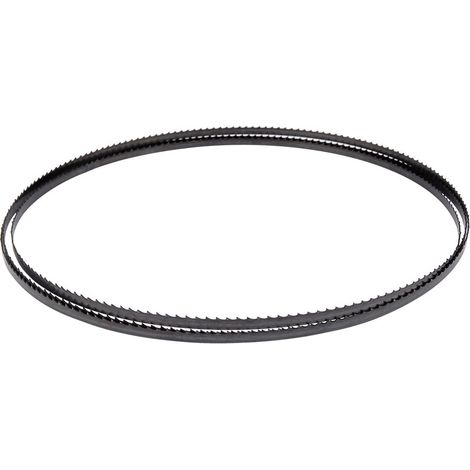
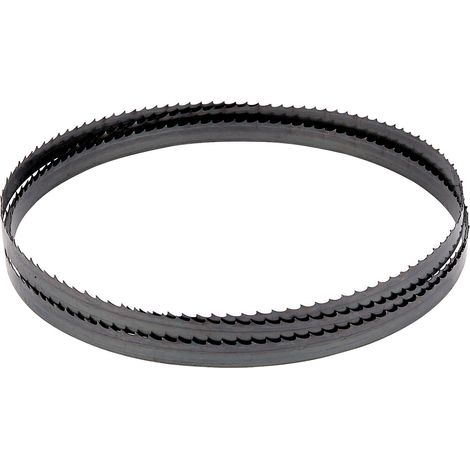
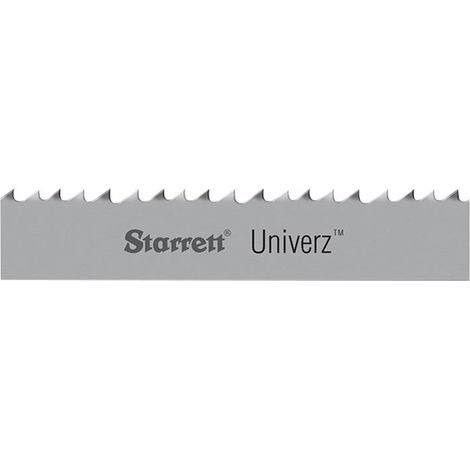
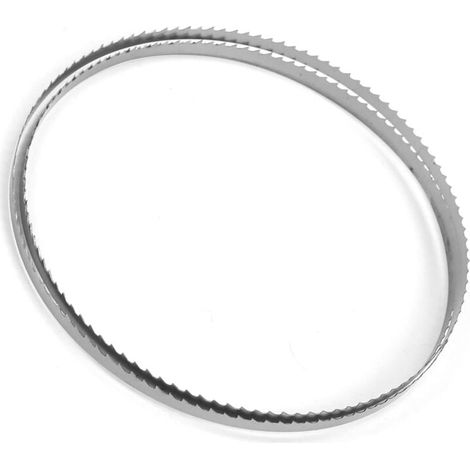
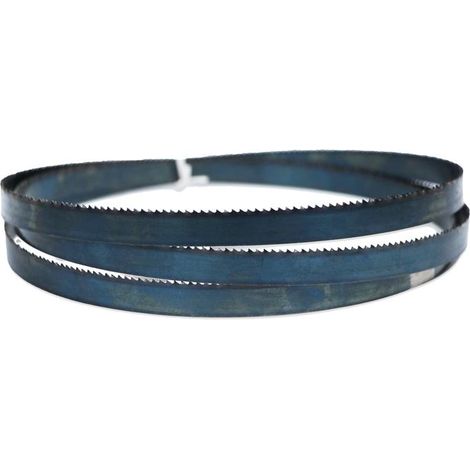
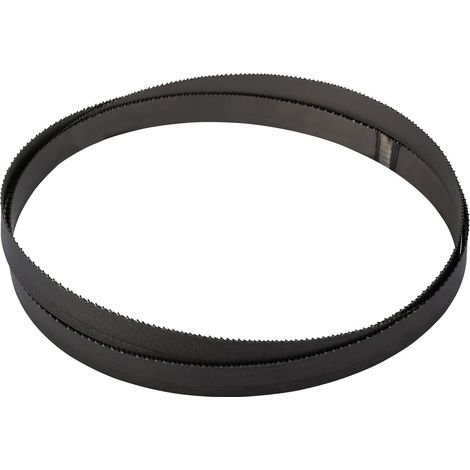
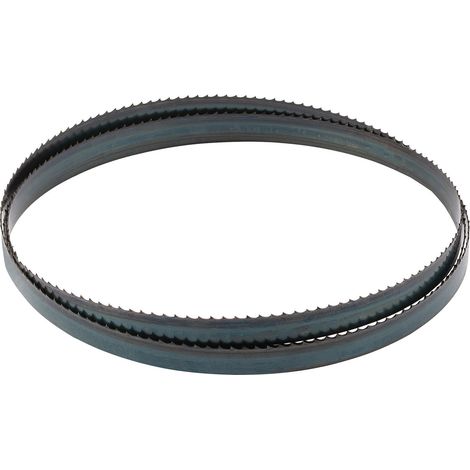
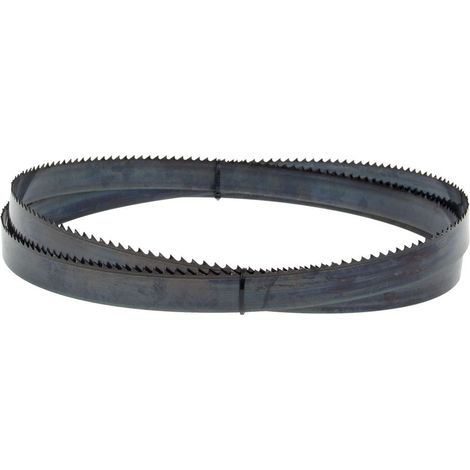
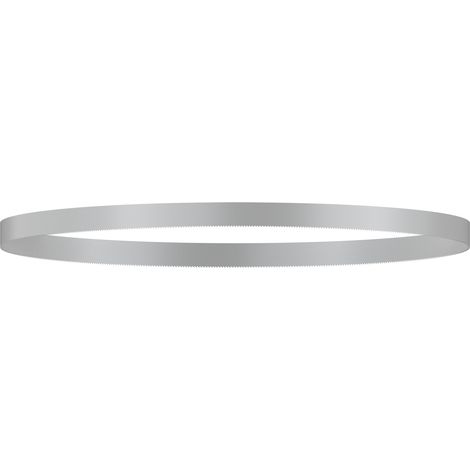
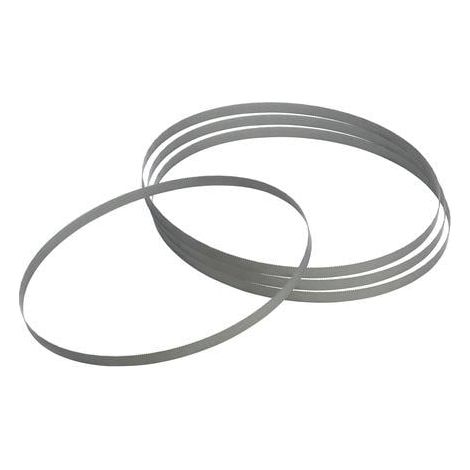
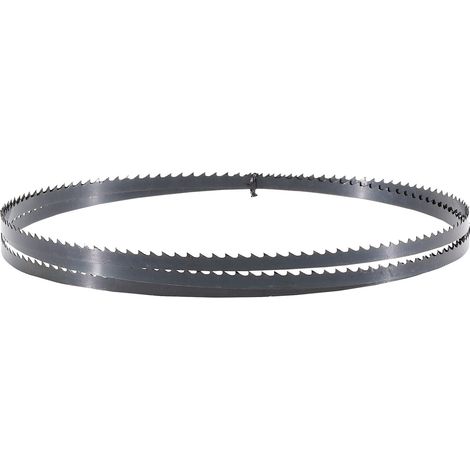
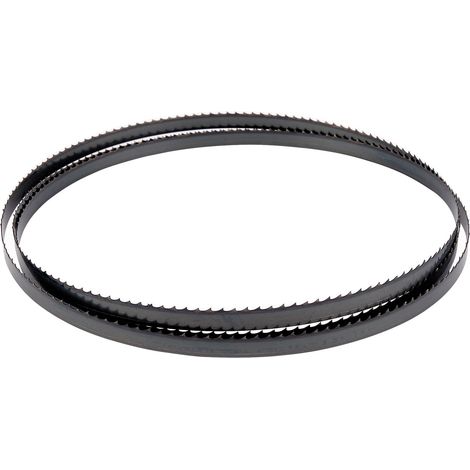
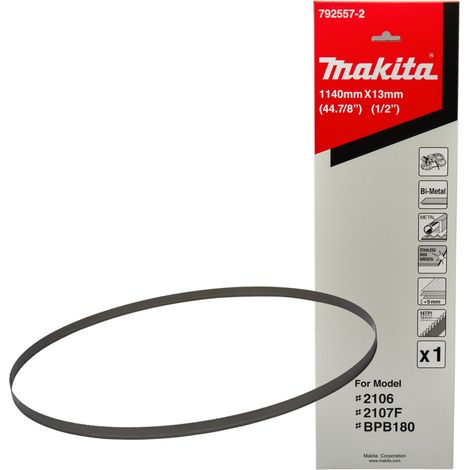
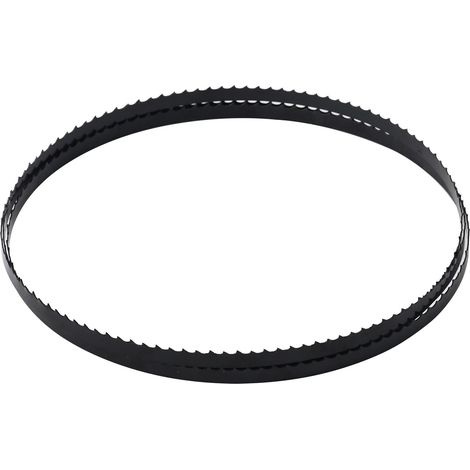
Commonly, the term "band" refers to the blade of a band saw. This tool is most often presented in the form of a long steel or carbon band, whose robustness is guaranteed. The teeth are alternately inclined to the right and left. Be aware that any blade used without following the instructions can damage the tool, spoil the work undertaken, and even cause injury.
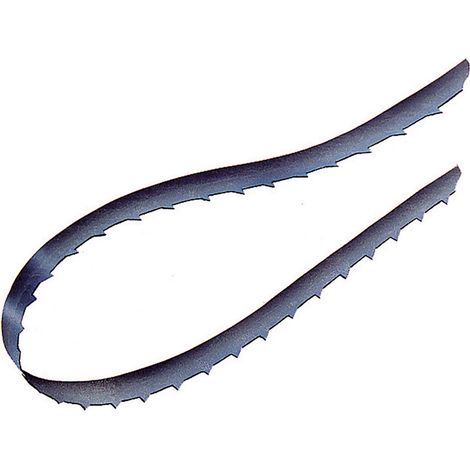
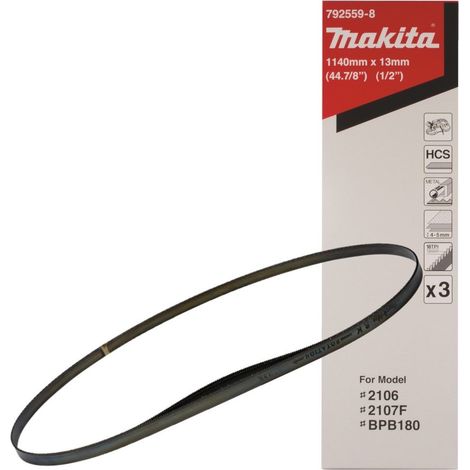
To choose a band, you need to consider the width, length, and shape of the teeth. The adequate width for your machine is calculated based on the rim of the saw. The key is to measure it without the teeth and to never exceed the width of the rim. The length of the band varies according to the model, but generally, it corresponds to 2 or 3 meters. However, choosing the maximum length of band offered by each model allows you to recut the blade in case of damage (to a few teeth, for example). On the other hand, the material to be sawed as well as the fineness of the sawing sought determines the shape of the teeth. For example, laid-down triangular teeth are suitable for materials of low and medium thickness. Then, a hook tooth pattern is intended for thick materials. When mounting the band, the teeth must be directed towards the direction of rotation of the wheels. When the machine is stopped, place the blade and turn it using the wheels so that it positions correctly on the rim. It should be noted that adjusting the tension and the quick-release lever allows for perfect precision. The tension adjustment knob is accessible from the housing of the saw, while the quick-release lever applies to the tension of the band. It is enough to turn them to the left or right to determine this. However, be aware that too much tension harms the elastic device, while not enough tension affects the precision of the sawing. Finally, to know the precise characteristics of each sense or adjustment feature of your machine, consult the manufacturer's instructions.













'/%3E%3C/svg%3E)
'/%3E%3C/svg%3E)