Filter by
Hi vis clothing
323 products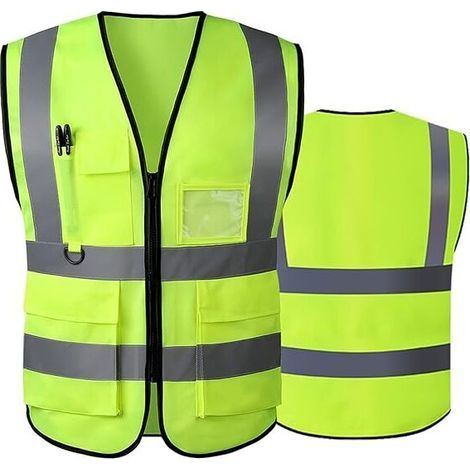
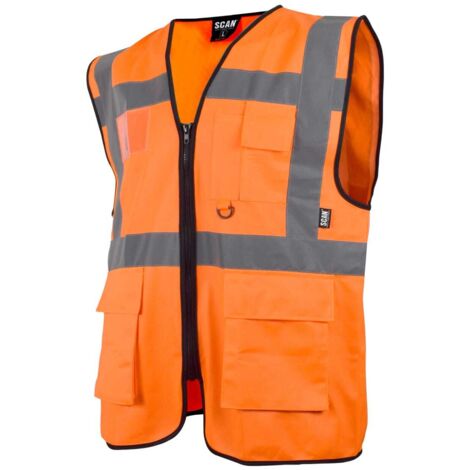
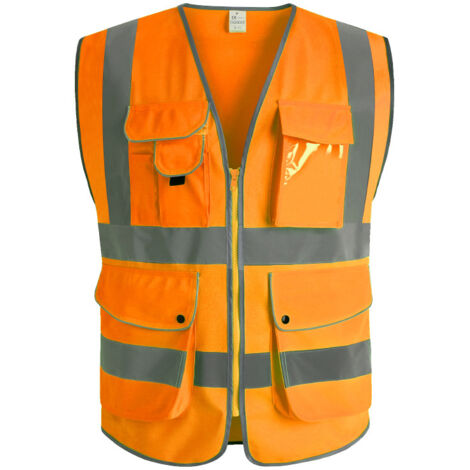
High-visibility reflective safety vest with zippered front pockets – meets ANSI/ISEA standards (size: L)
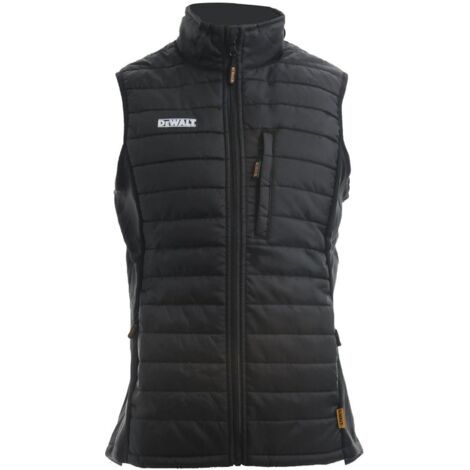

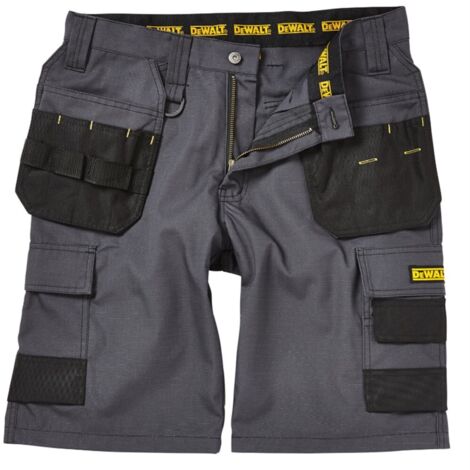
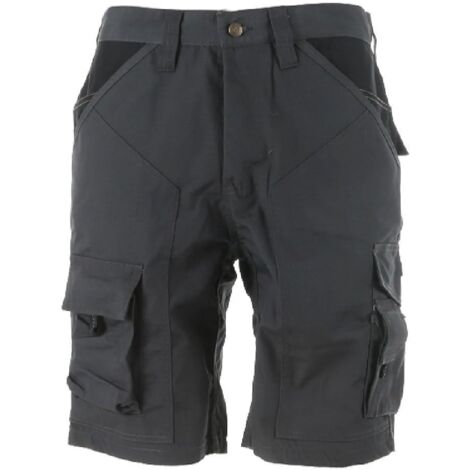
DEWALT Cheverley Lightweight Grey Polycotton Shorts Waist 40in DEWCHEV40W
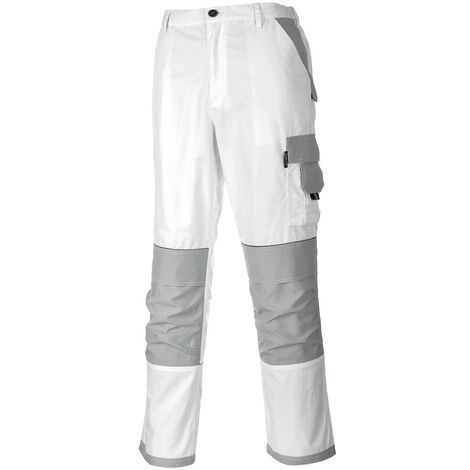
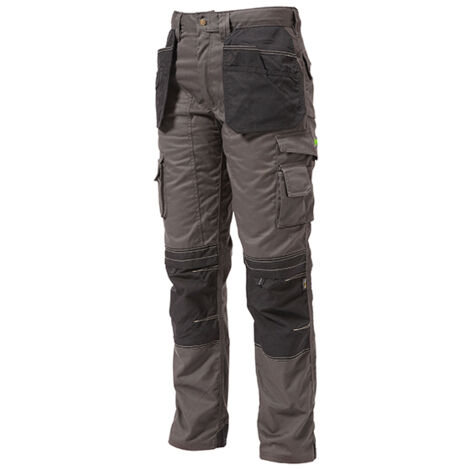
Portwest Pro Painters Decorators Trousers Slim Fit 10 Pockets + Hammer Loop XL

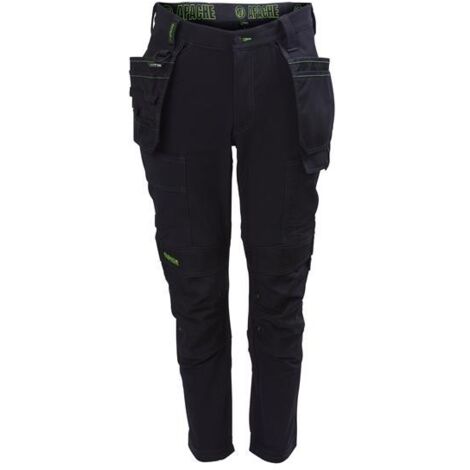
Apache APKHTBLACKGREY Black & Grey Holster Trousers Waist 42in Leg 31in APAHTG3142
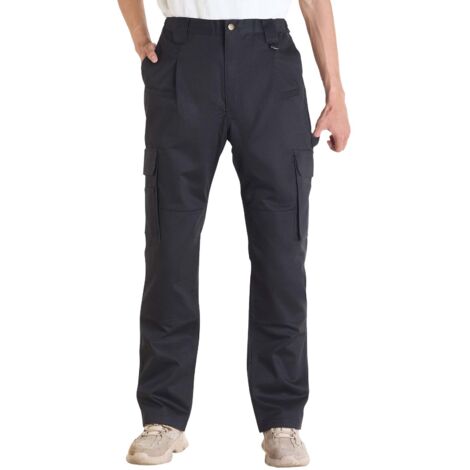
Apache Calgary Black Stretch Holster Trousers Waist 38in Leg 31in APACALG3138
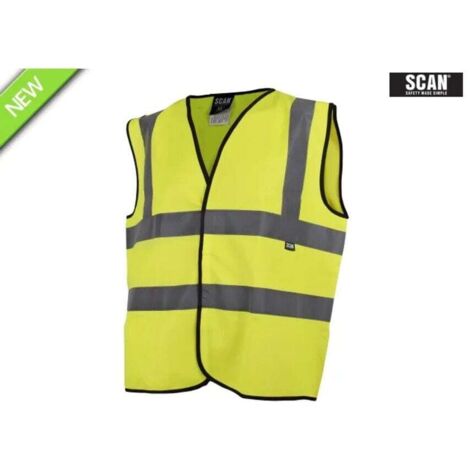
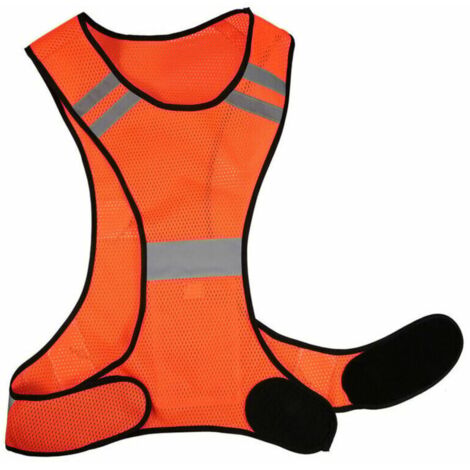
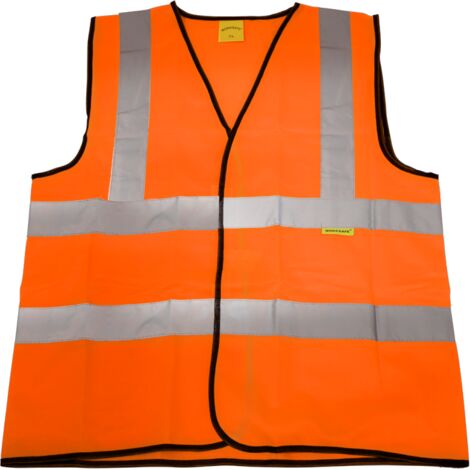
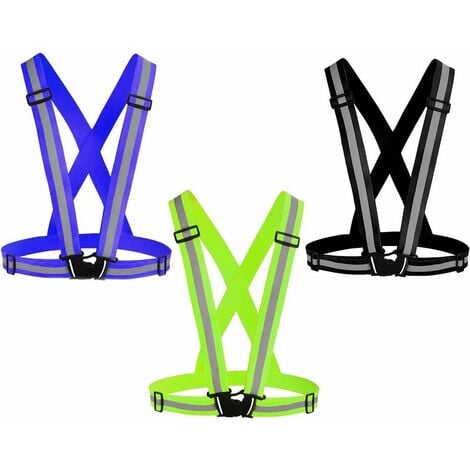
Lightweight Breathable Mesh High Visibility Reflective Vest, High Visibility Safety Vest for Running, Walking, Cycling, Jogging, Orange
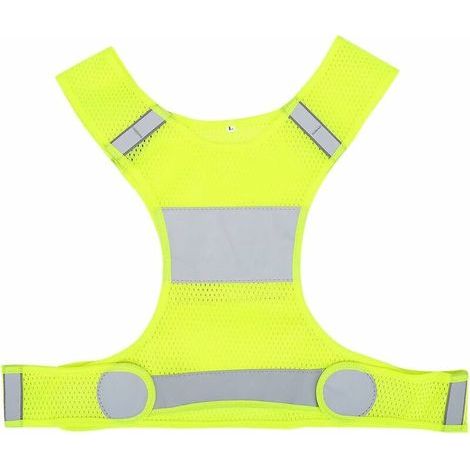

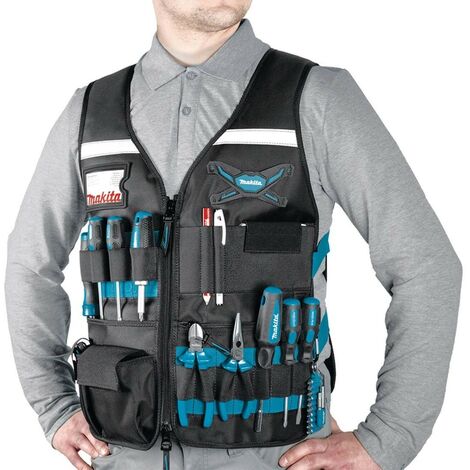
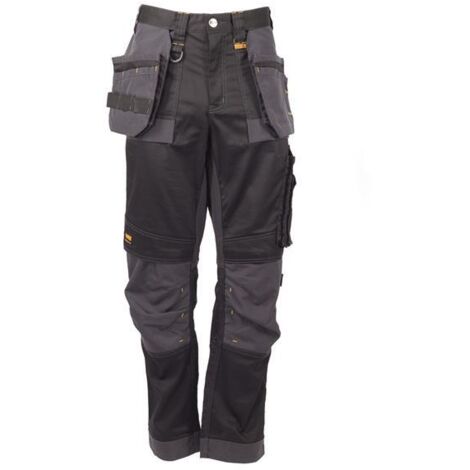
Dewalt HARRISON TROUSER 32W 31L Harrison Pro Stretch Trousers Waist 32in Leg 31in DEWHARR3231
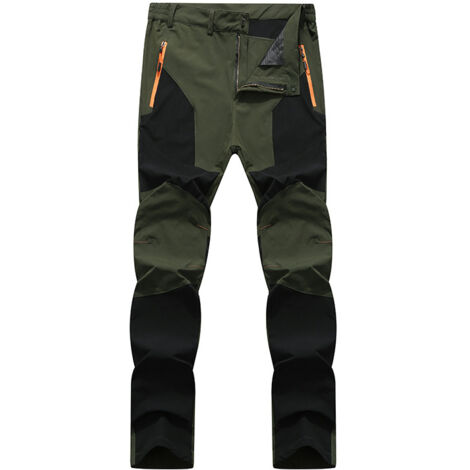
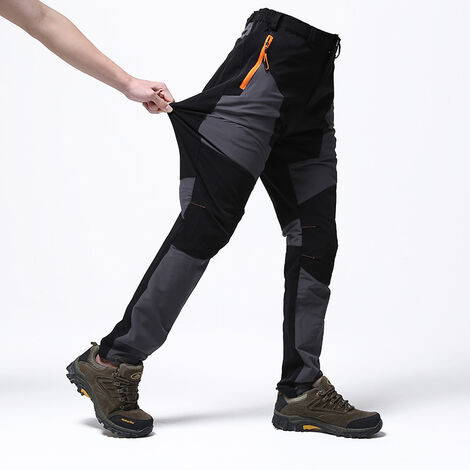
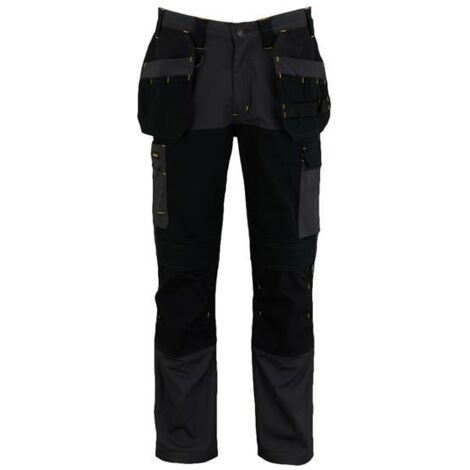
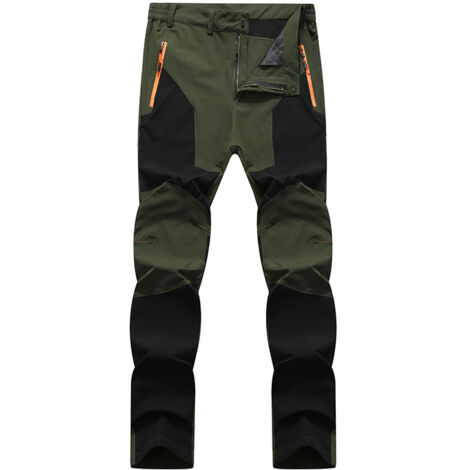
Work trousers with black-grey reinforcements - Size: XL, black-green cap - RWPardenning trousers
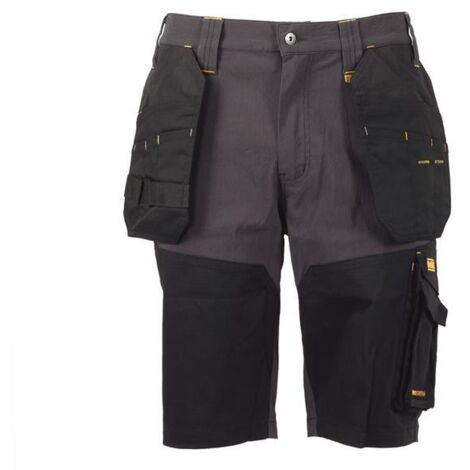
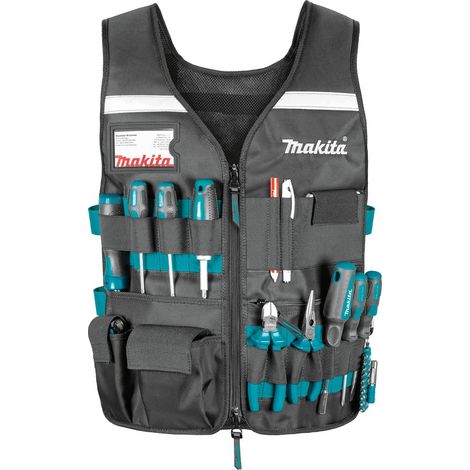
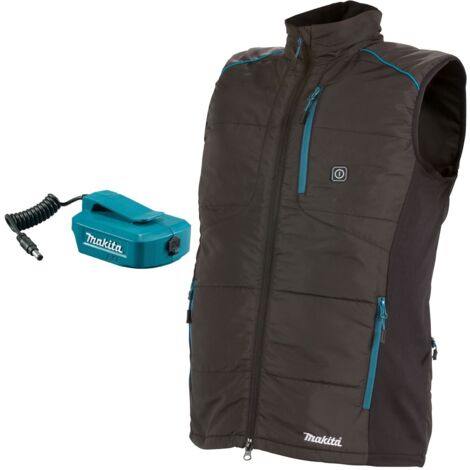
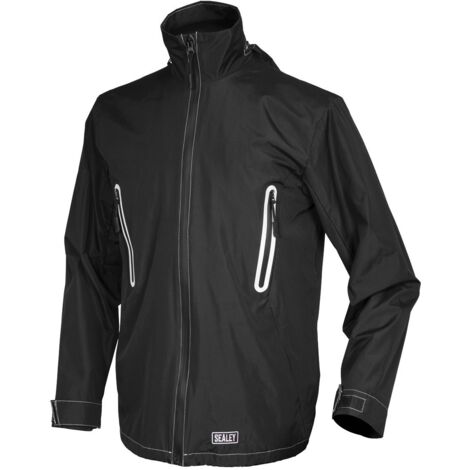
Makita DCV202ZL LXT 18v Cordless Battery Heated Jacket Vest Gilet - Black Large
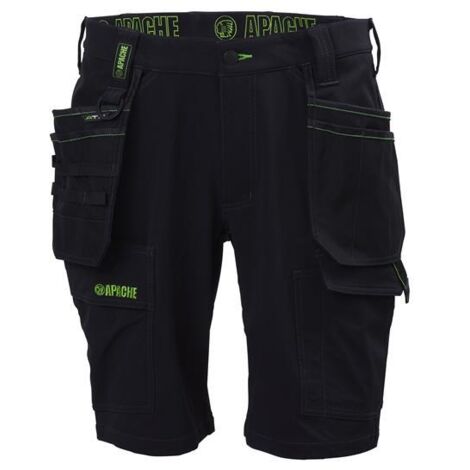
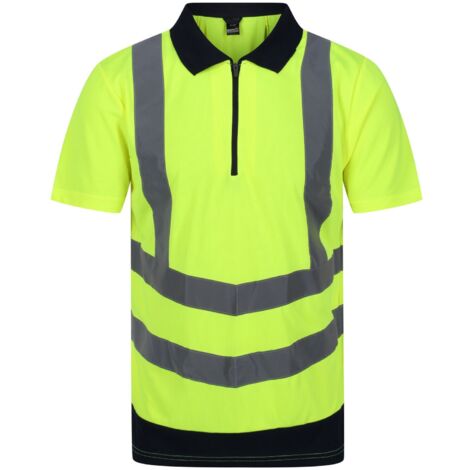
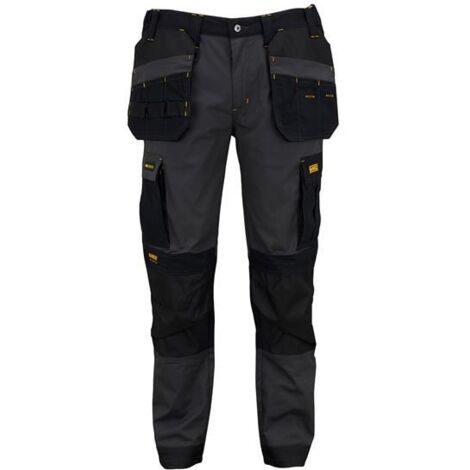
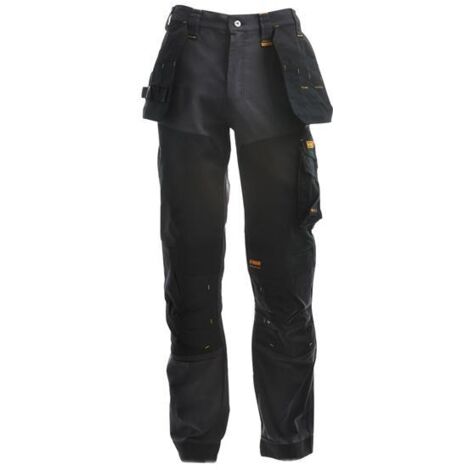
Dewalt MEMPHIS TROUSER 38W 33L Memphis Holster Trousers Waist 38in Leg 33in DEWMEM3833
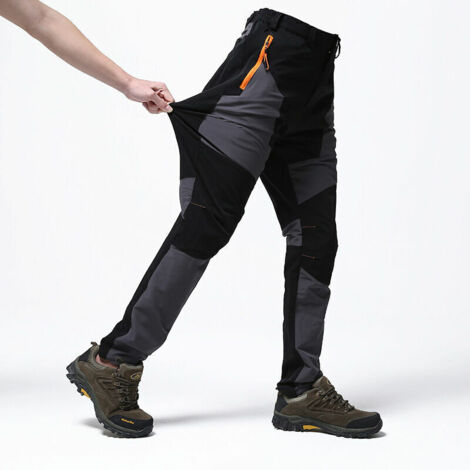
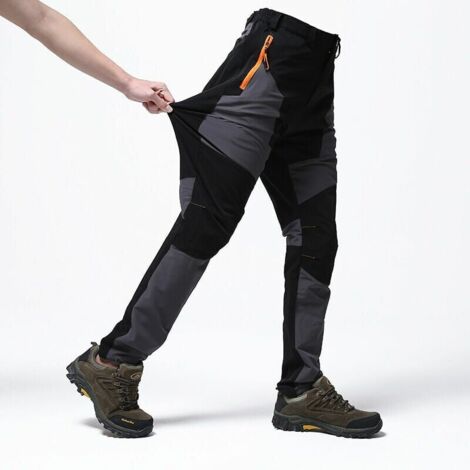
Work trousers with black-grey reinforcements. Gardening trousers - Size: L, dark grey
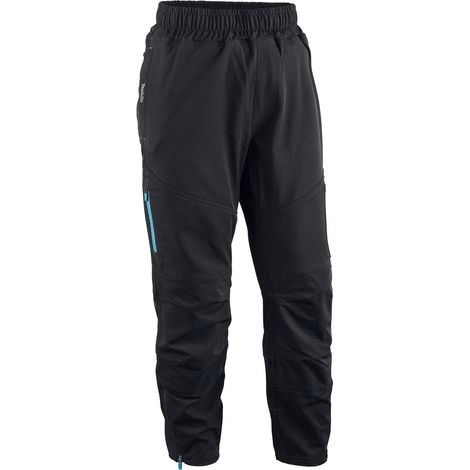
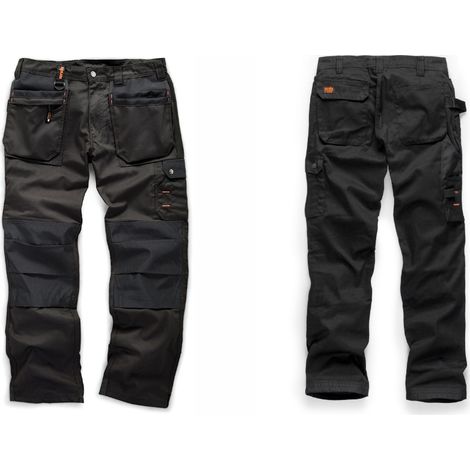

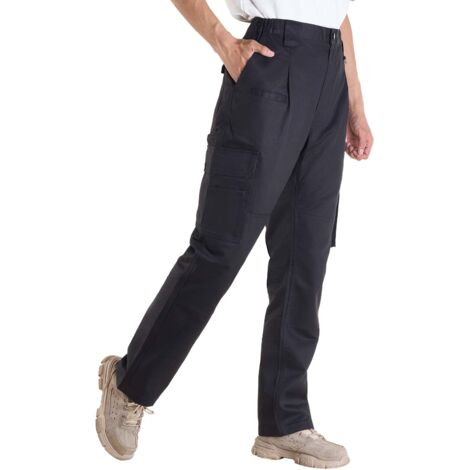

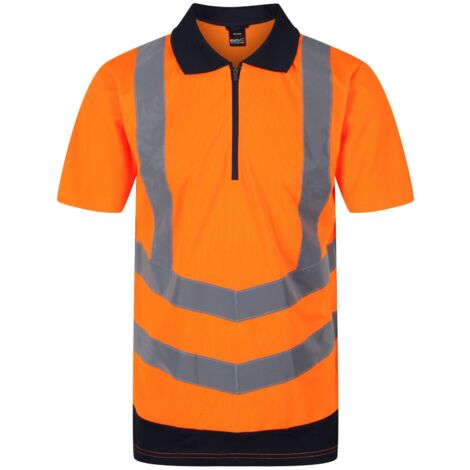
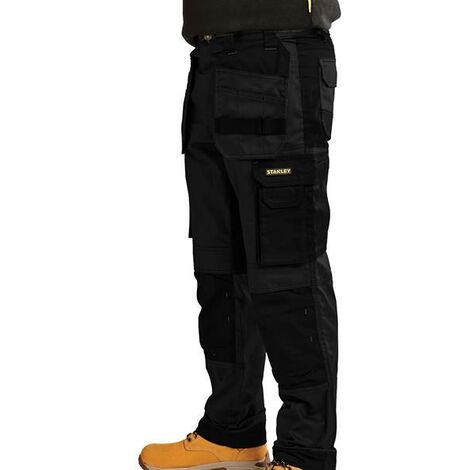

Stanley Clothing STW40022-001 Omaha Slim Fit Holster Trousers Waist 34in Leg 31in STCOMAHA3431
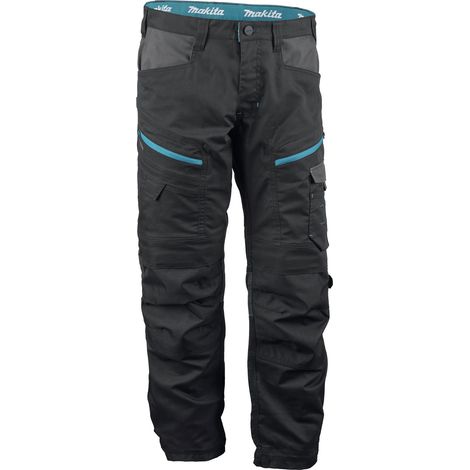

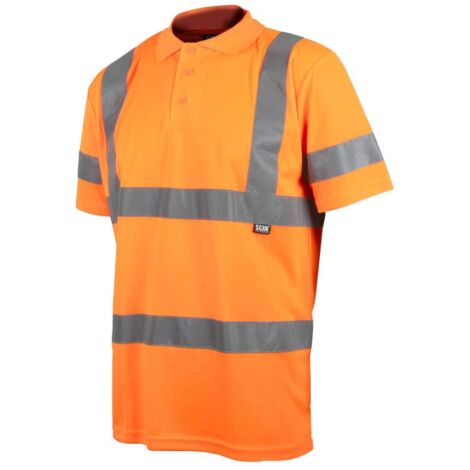
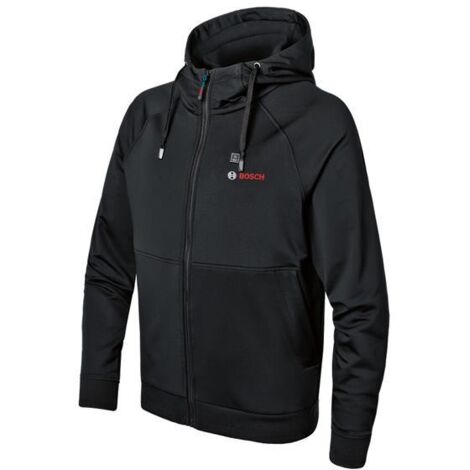
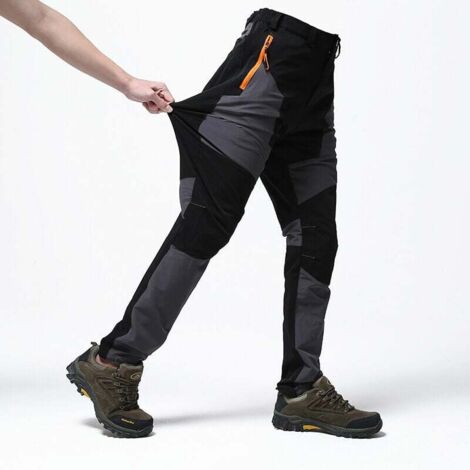
Work trousers with black-grey reinforcements - Size: XL, dark grey - RWPardenning trousers
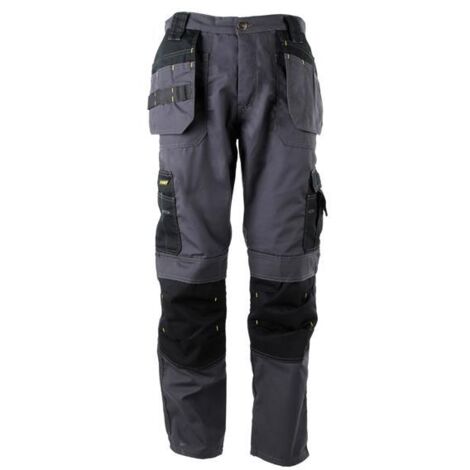


'/%3E%3C/svg%3E)
'/%3E%3C/svg%3E)