1/4
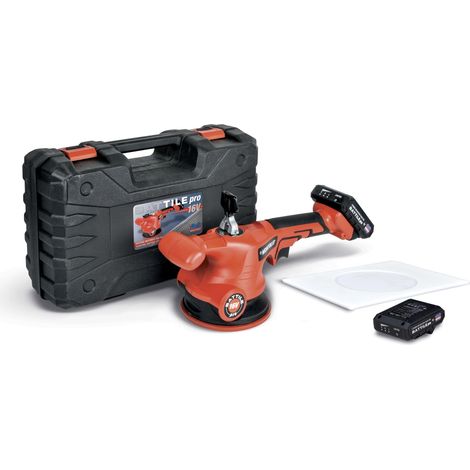
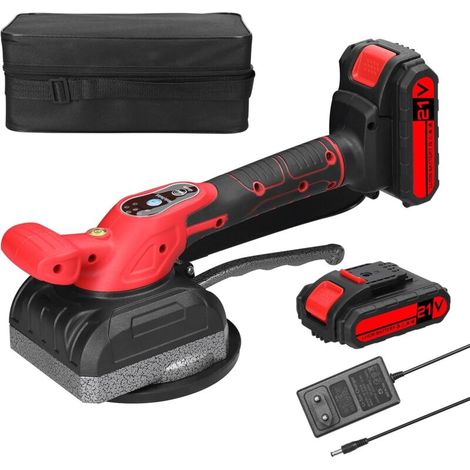
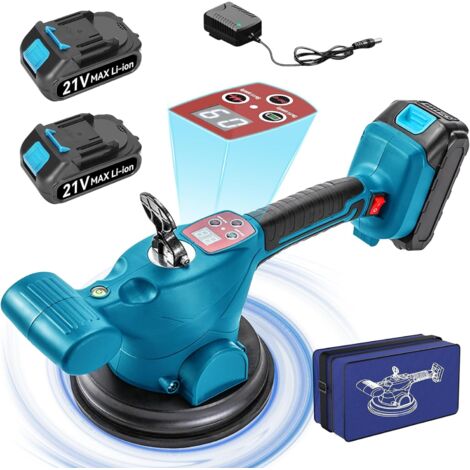
Tile Vibrator, Max. 13500 RPM, Electric Tile Suction Cup, 5 Adjustable Speeds, 130mm Suction Cup & 2 Batteries – Precise and Durable Tool for Walls and Floors
Of which environmental contribution £0.10 including VAT.
Sold by Sinocor GmbH
You may also like











Compare with similar items
Product information
Description
General Description
The tile vibrator is a powerful and durable electric tool designed to facilitate the installation of tiles on walls and floors. With its robust metal and plastic construction, it offers excellent wear resistance and a high load capacity. Equipped with a high-tenacity rubber suction cup, it ensures a firm grip on flat and smooth surfaces, making tiling more efficient and precise.Technical Specifications
- Vibration Speed: 1,000-13,500 rpm
- Vibration Frequency: 1,000-13,500 rpm
- Suction Cup Size: 130 mm
- Operating Range: 60-150 cm
- Adsorption Force: 30 kg
- Product Size: 30 x 13 x 15 cm
- Battery: 2 x 1,300 mAh Li-ion Batteries
Compatibility and Accessories
- Suitable for installing floor and wall tiles
- Ideal for Glass and mirror handling
- Package list: 1 x tile setter, 2 x batteries, 1 x battery charger, 1 x storage bag
Installation
For optimal use, ensure the surface is clean and smooth before applying the suction cup. Position the tile setter horizontally using the built-in spirit level to ensure accurate installation.Usage
Use the tile vibrator to apply vibrations to the tiles to ensure even and flat placement. Adjust the vibration speed to suit your needs with the 5 adjustable speeds, indicated by LED lights.Features
- BrandTEHTUY
- Power sourceCordless
- Availability of spare parts1 year(s)
- Warranty1 year(s)
- Hose length30 cm
Advice from
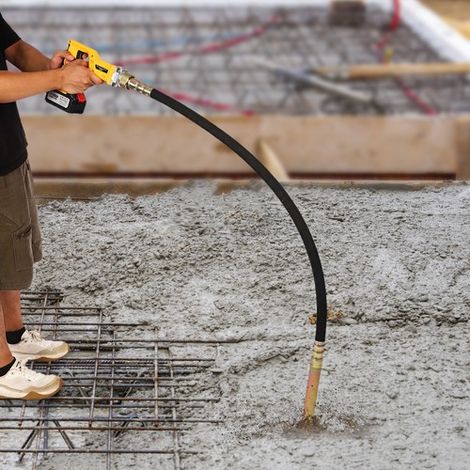
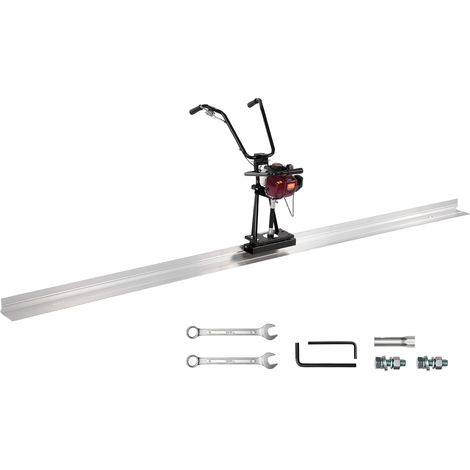
How to vibrate concrete with a needle vibrator or mechanical trowel
In construction, vibrating concrete is an effective way to remove air bubbles and improve its strength. Depending on the volume and / or surface area you're working with, you might use a needle vibrator, vibrating rule or mechanical trowel. Vibration rates, volumes in m³, needle diameters: here's what you need to know.
'/%3E%3C/svg%3E)
You are here:
'/%3E%3C/svg%3E)