Installing fencing contributes to optimizing the security of the house by preventing intrusions. It also helps to delineate the property. Posts and various accessories are useful for setting up the mesh.
The posts for fencing differ by their manufacturing material and their mode of fixing.
- Wood models are available in different species. They are often treated for outdoor use. They are driven into the ground with a sledgehammer or using an auger.
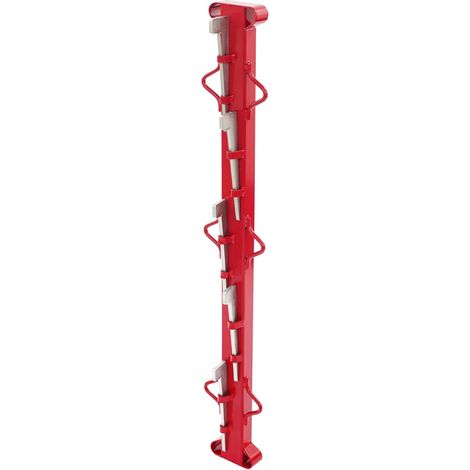
- Iron models, just like the wooden ones, are suitable for flexible fences. They are also suitable for the installation of rigid panels. This type of post must be cemented to ensure the installation's solidity.
The cementing of iron posts is carried out in a few steps:
- the first step consists of digging a hole (30 x 30 x 30 cm) at the location where the post will be installed;
- the second consists of preparing the concrete;
- the third and last step is the placement of the post and the pouring of the concrete.
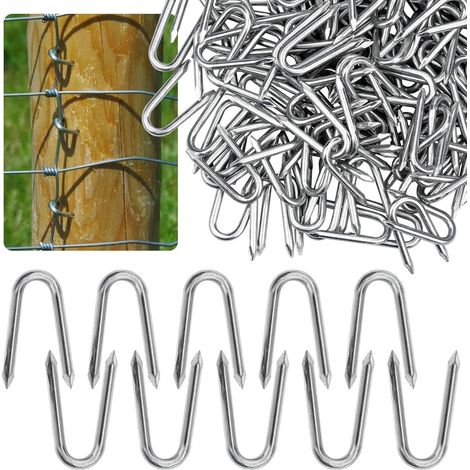
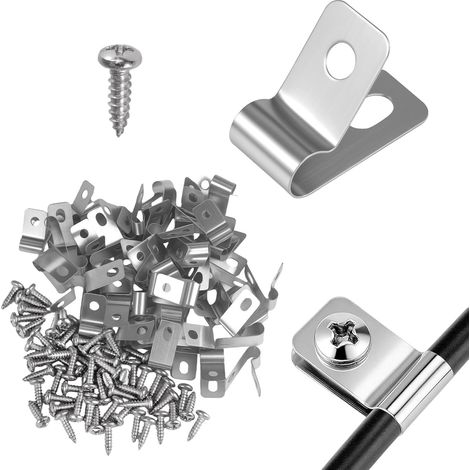
Some accessories are useful during the installation of a fence.
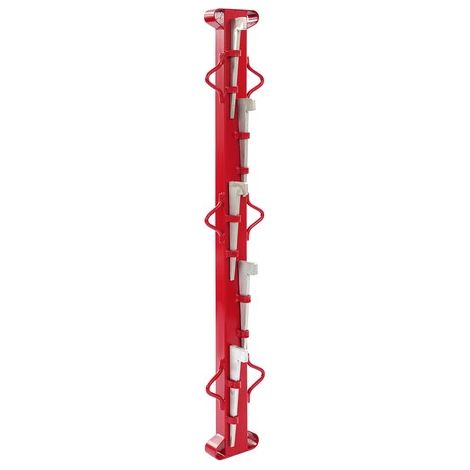
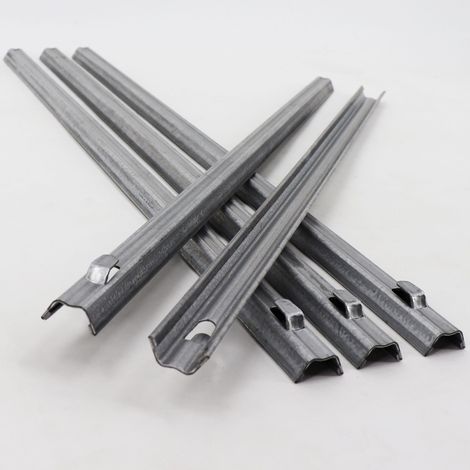
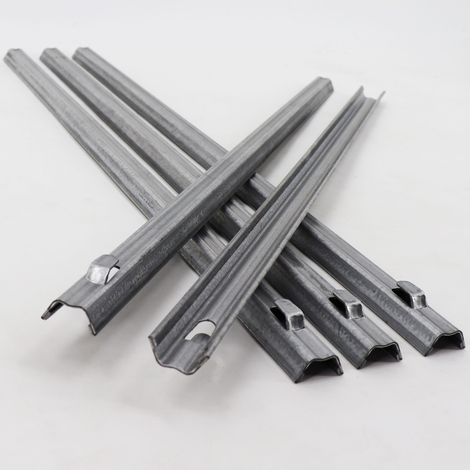
- Bracing legs guarantee the solidity of the installation. They should be installed on the first anchor post and on the intermediate posts. It is preferable to cement them.
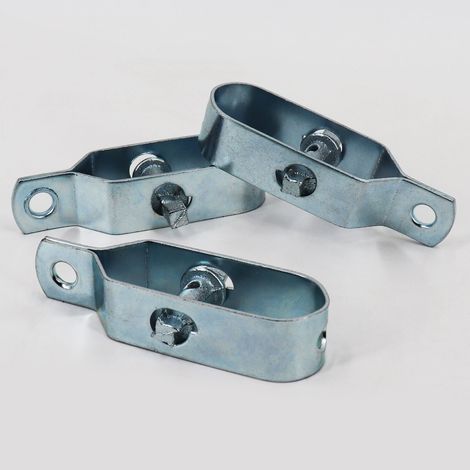
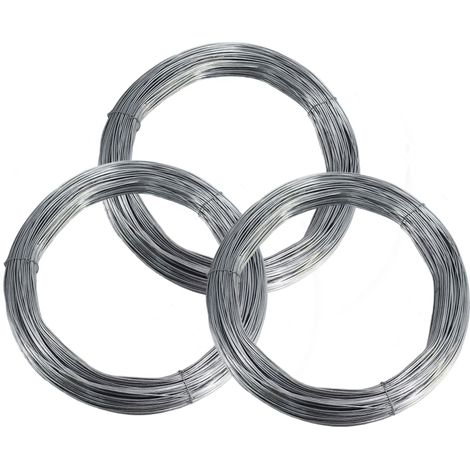
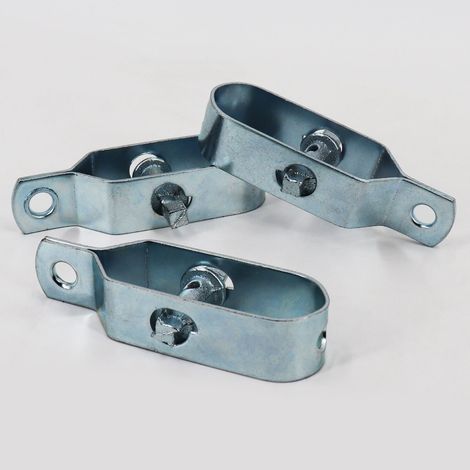
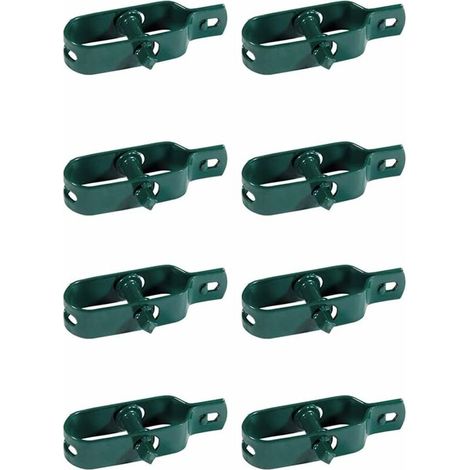
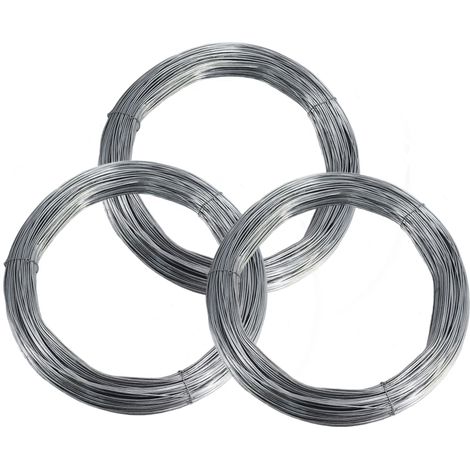
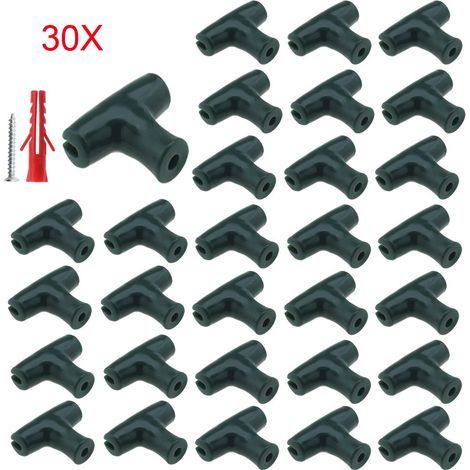
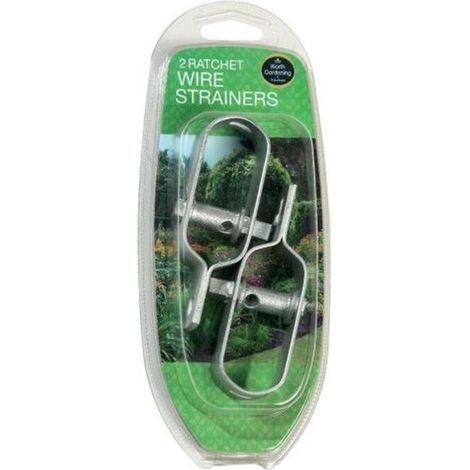
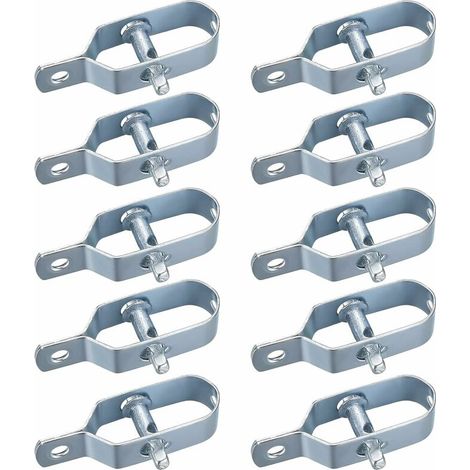
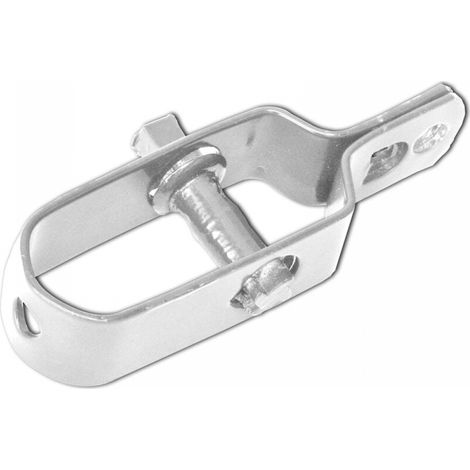
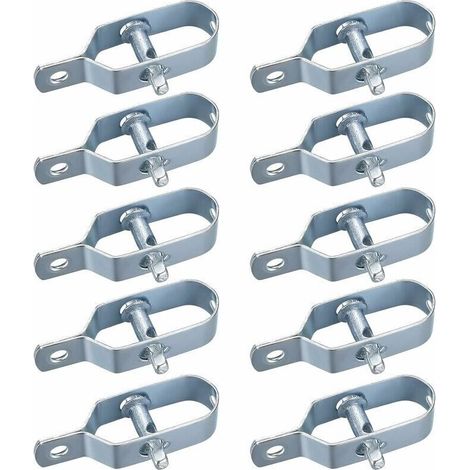
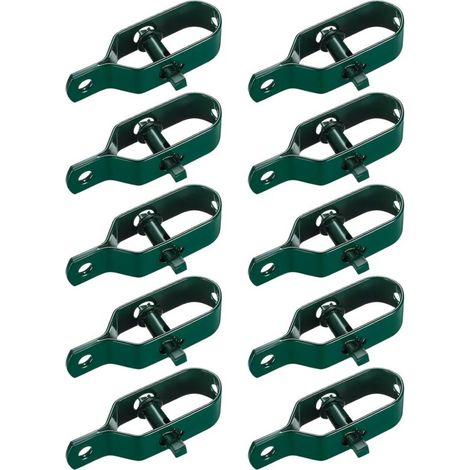
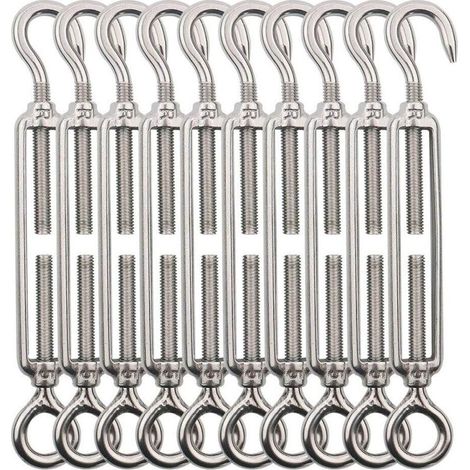
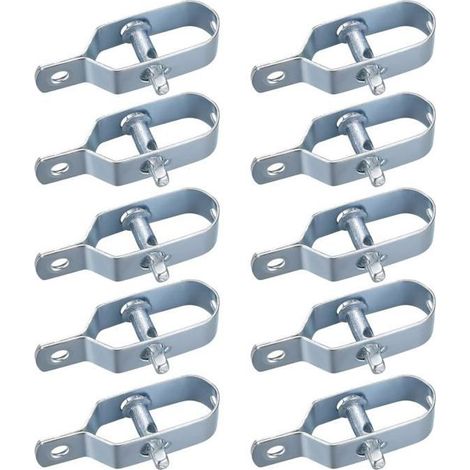
- Tensioning wires are necessary to strengthen the first and last posts during the installation of a flexible fence. These accessories are not useful for the installation of a rigid fence.
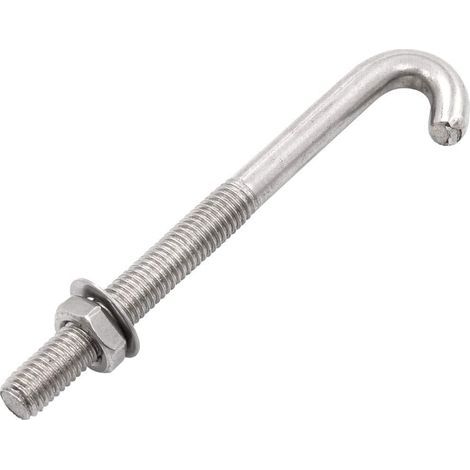
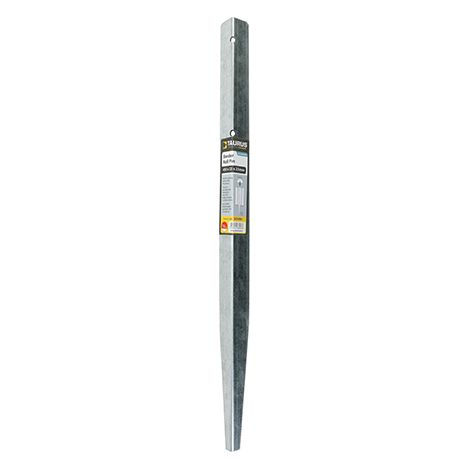
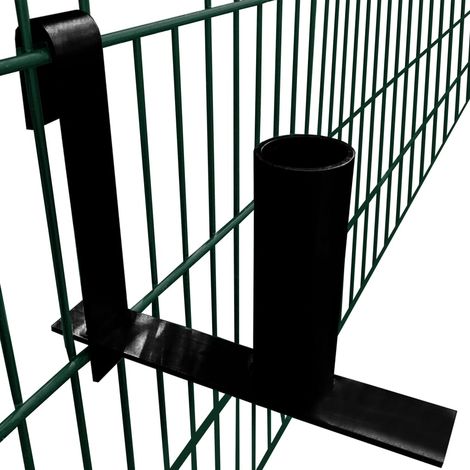
- Bolt-down feet, also called baseplates, make it easier to set up posts on a hard material. Anchors and studs are useful for fixing them to the ground.
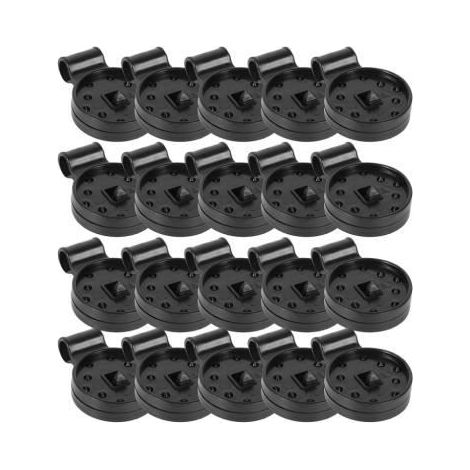
- Post caps optimize their protection against the weather.
Finally, the choice of posts and accessories depends on the type of fencing to be installed and the nature of the soil.






















'/%3E%3C/svg%3E)