To secure an electrical installation, grounding is important. Indeed, it helps prevent electrocution or damage to electrical equipment by sending any excess current to the ground. To do this, the use of grounding sockets is recommended. Such an installation must be connected to grounding rods by copper wires and to a differential circuit breaker.
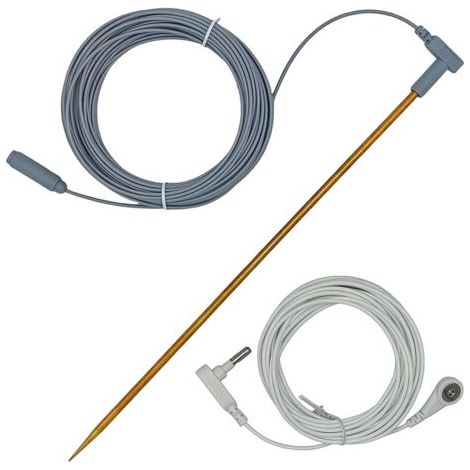
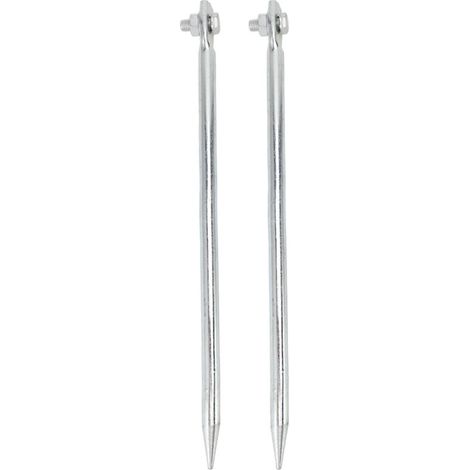
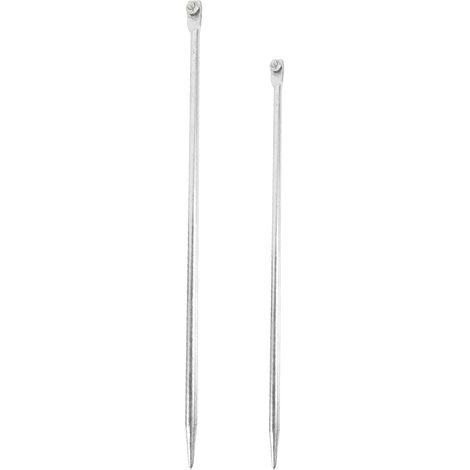
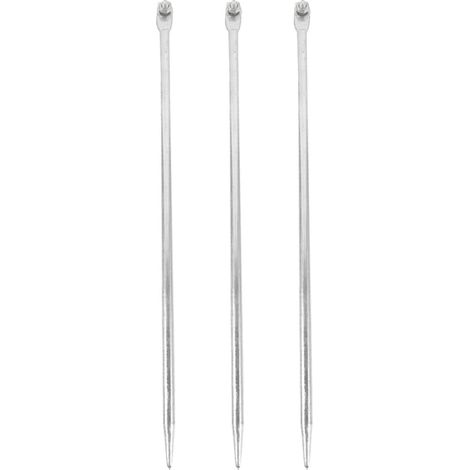
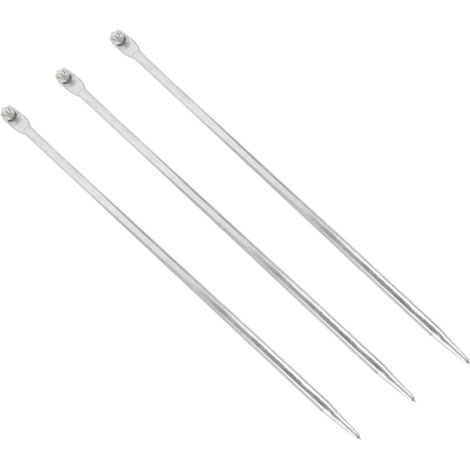
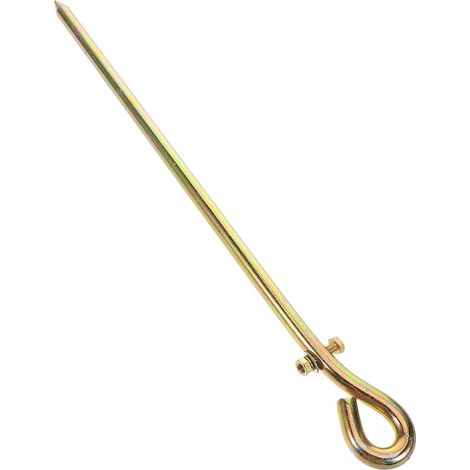
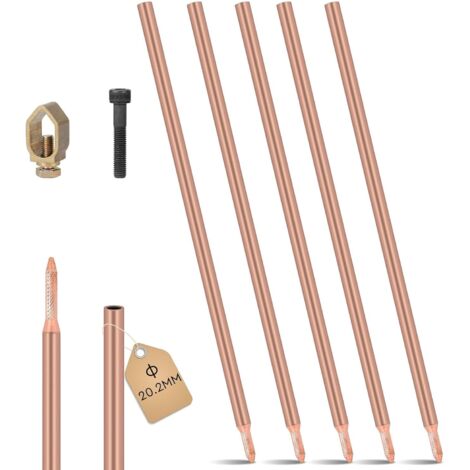
Any electrical installation must be grounded to isolate it and thus avoid inconveniences. These inconveniences occur in various cases: when lightning strikes a house, for example, or when a wire is exposed due to a mouse bite. There is then a high risk of short circuit and electrocution for users of the electrical installation in question. The solution to isolate the electrical circuit through grounding is simple: the current comes from a source and is sent throughout the installation via cables; but in addition to these power cables, another cable is used to send any excess current to the ground. This latter cable is connected to an isolation circuit directly connected to the ground, away from any moisture (usually in a concrete block buried underground) and to a differential circuit breaker that cuts off the current in the event of such a risk. Various types of grounding rods can be found on the market to send this excess current to the ground. These rods differ in their dimensions: generally, they are 1 meter high, but models of greater height can also be found. There are sometimes rod models supplied with a considerable cross-section connection cable for perfect security.
The DIY, home and garden specialist
Reliable delivery
Flexible payment options
More than 7 million individual and professional customers



![Replacement Plugs Sockets [4 Pack] Standard Male Electrical, 4 X Rubber Earthing Contact Electrical Plugs (250V/16A), IP44 Waterproof Power Sockets, Black (1/5)](https://cdn.manomano.com/pim-media/images/medium/86ffcf96bd32bc2fe21d679d373924e685704525.jpg)





'/%3E%3C/svg%3E)