Choosing between cat food based on fish or meat, with or without grains, for seniors or kittens, etc., is not always easy. However, the quality of a feline companion's food affects its health. It is therefore important to pay particular attention to it.
Compared to other pets, the cat is characterized by a fairly strict diet. It has a vital need for animal proteins to get the amino acids necessary for its good health (arginine, taurine, etc.). Thus, the cat requires a diet:
- composed mainly of fish or meat;
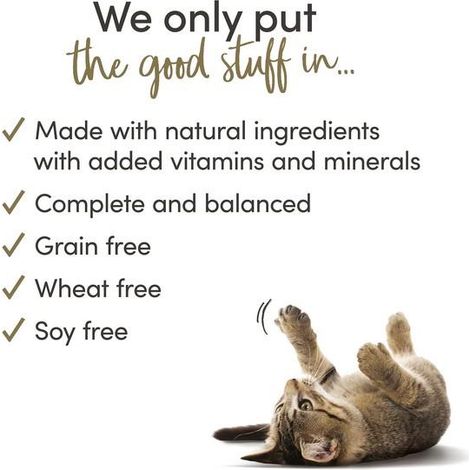
- including a reasonable amount of grains;
- including a limited carbohydrate content (less than 20%);
- free of phosphorus or any other aggressive substances for the body.
Therefore, it is essential to prioritize organic kibbles with a high rate of fish or meat.
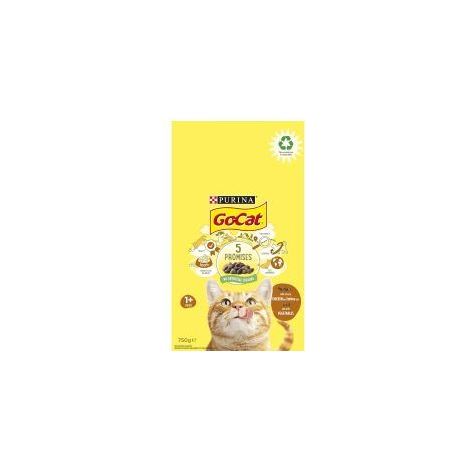
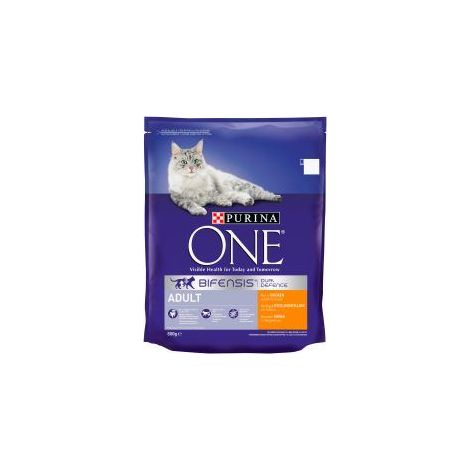
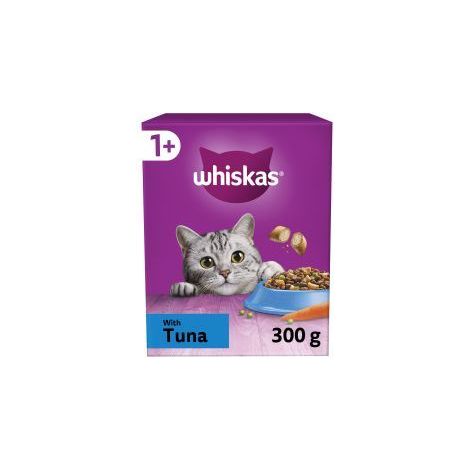
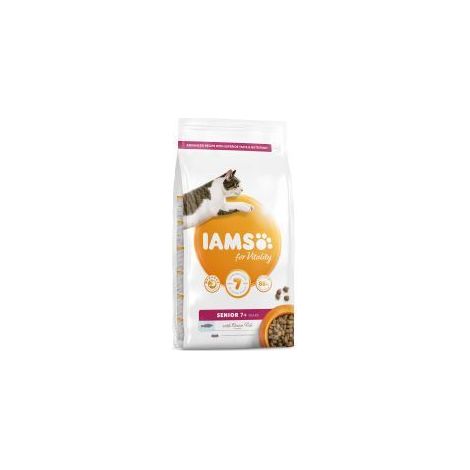
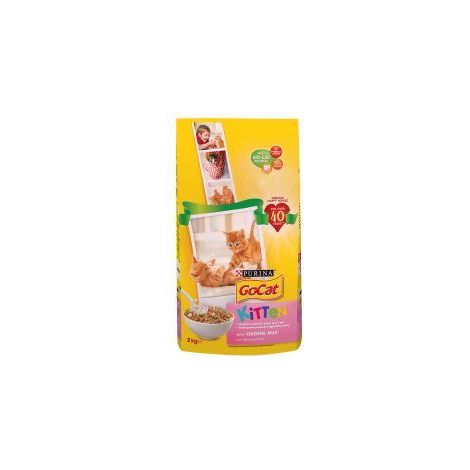
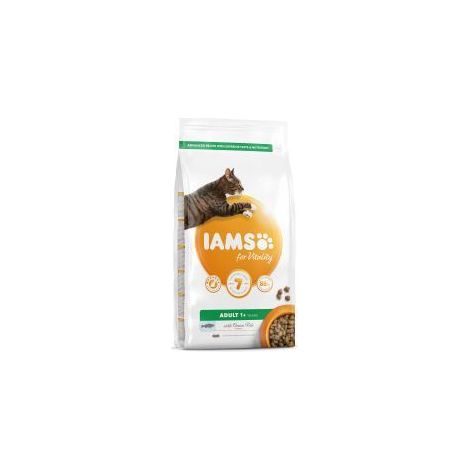
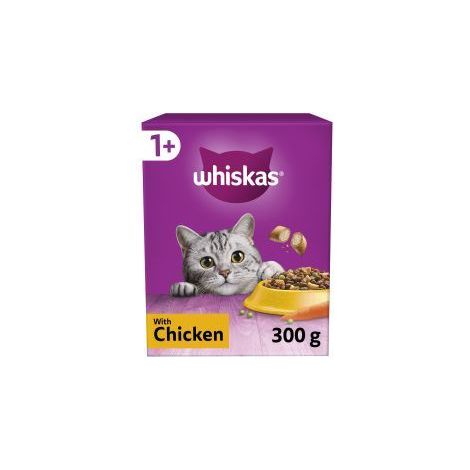
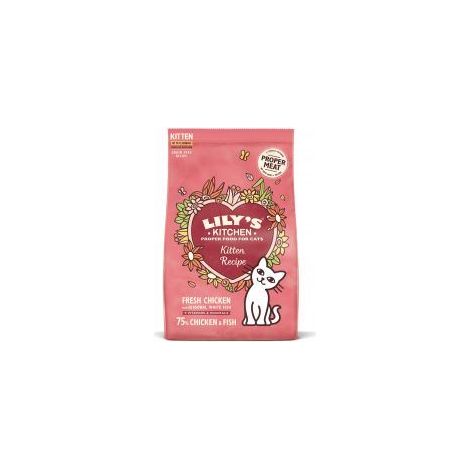
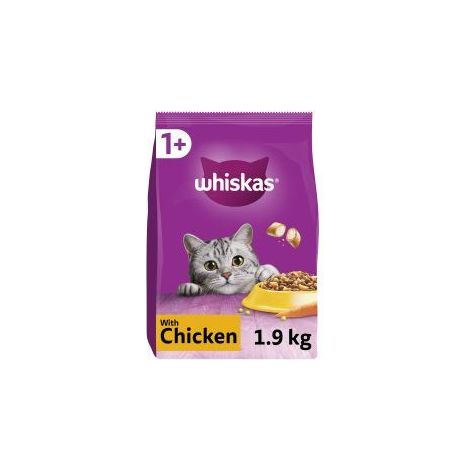
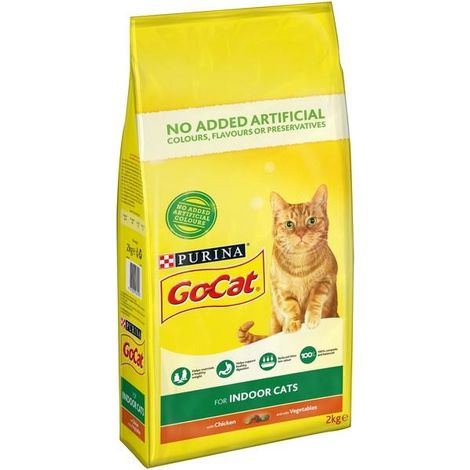
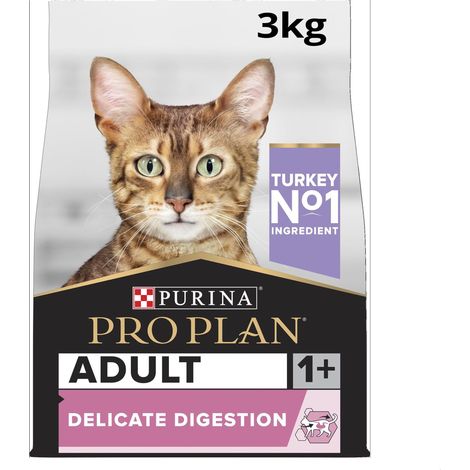
There is a wide range of kibbles for kittens and cats in specialized aisles. They are generally divided into three main families: standard products, premium or ultra-premium versions, and kibbles designed to meet specific needs.
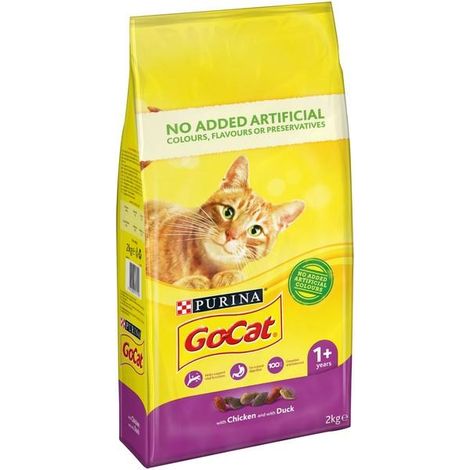
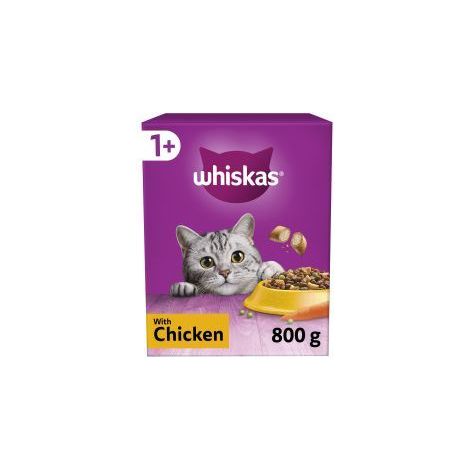
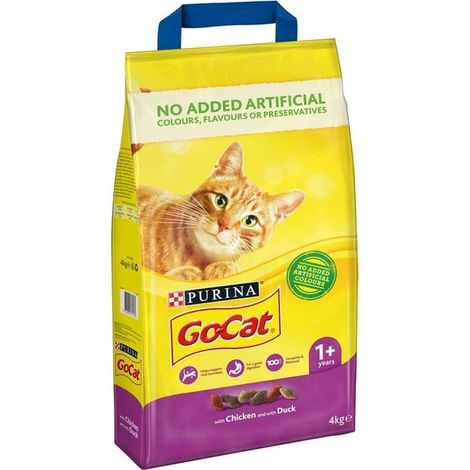
- Standard kibbles are the most common on the market. They are mostly made from inedible pieces of meat or fish for humans. Their compositions are rarely specified by manufacturers. These products can thus contain a significant amount of grains, carbohydrates, or fats as well as traces of cellulose or other plant-based substances (often harmful to all species).
- Standard cat food is often associated with urinary diseases and feline overweight. Consequently, they are generally not recommended by veterinarians and dieticians.
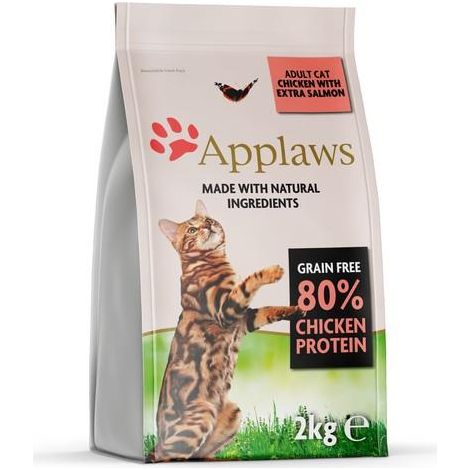
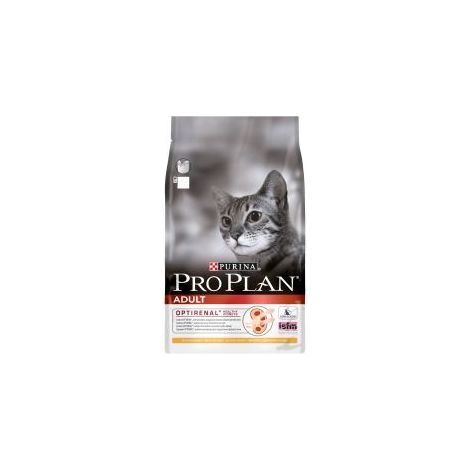
- Premium and ultra-premium cat kibbles are generally sold in pet stores, at veterinarians, or specialized shops. They are defined by their animal protein content (close to 70%) and their reasonable carbohydrate intake. Moreover, these products contain little phosphorus.
- Premium and ultra-premium ranges reproduce the nutritional intake from prey hunted by cats in their natural environment. Thus, this type of kibble puts them in optimal physical conditions. Furthermore, their ingredients benefit from better traceability.
As their names suggest, special kibbles are designed to adapt to certain metabolisms. There are products specifically dedicated to:
- allergic cats or those sensitive to allergens in nature;
- sterilized cats or breeds predisposed to obesity (light kibbles);
- cats suffering from urinary problems;
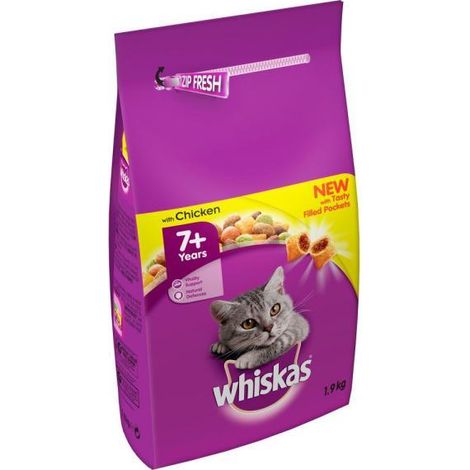
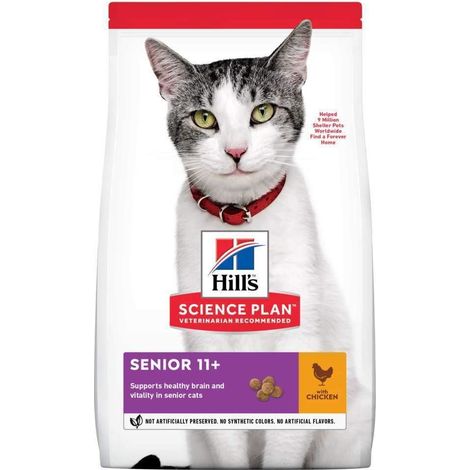
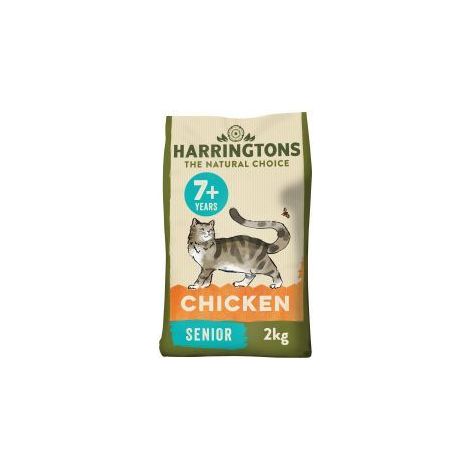
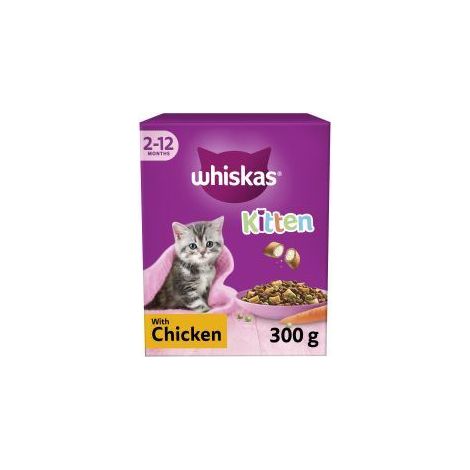
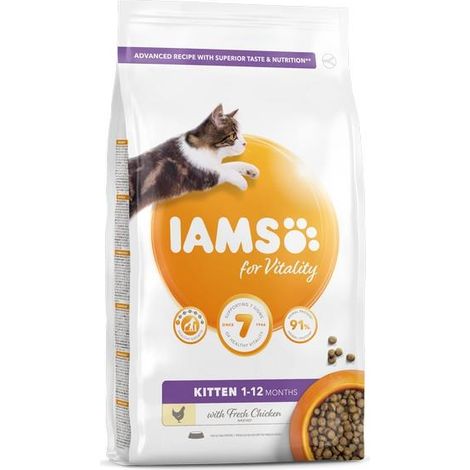
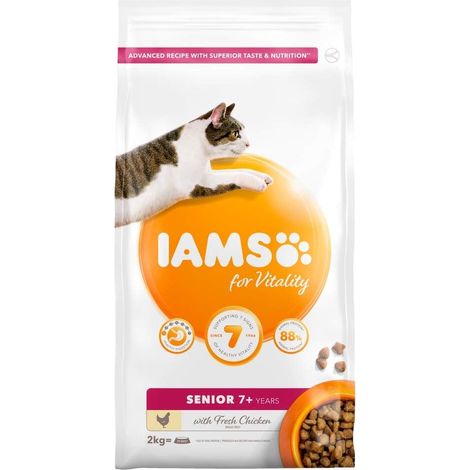
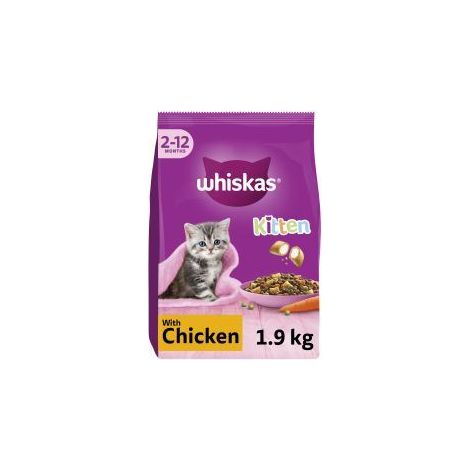
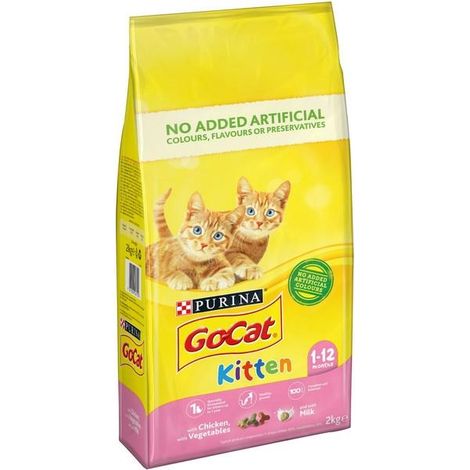
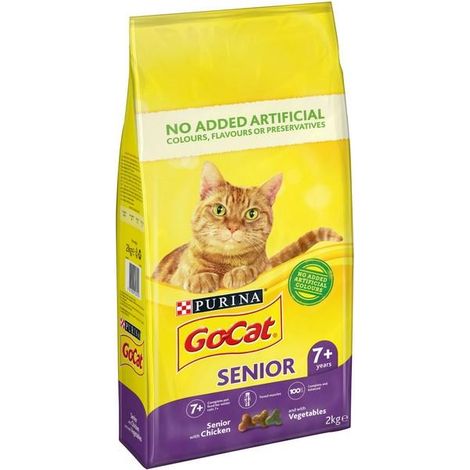
- kittens and seniors.
To find the suitable kibbles, it is better to avoid focusing on the budget. Indeed, the cheapest products are rarely beneficial for the cat. Additionally, it is strongly advised to consult a veterinarian from an early age to know the nutritional needs specific to its breed, overall health, and living conditions.









'/%3E%3C/svg%3E)
'/%3E%3C/svg%3E)