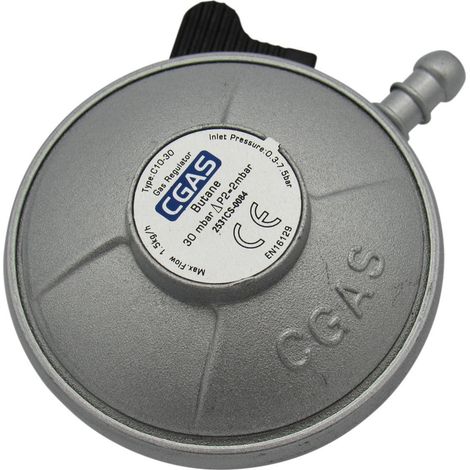
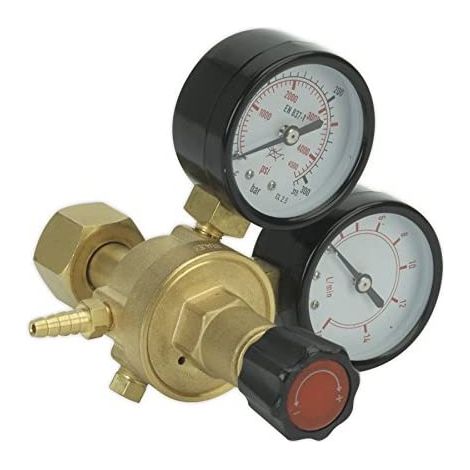
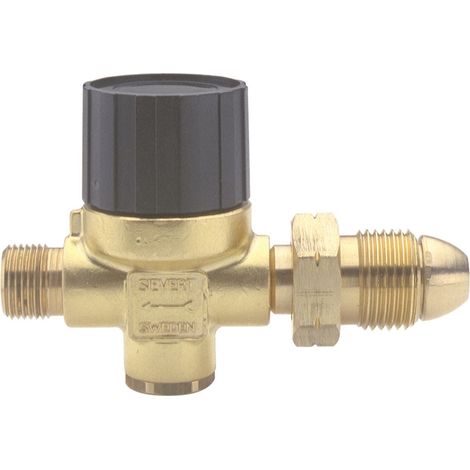
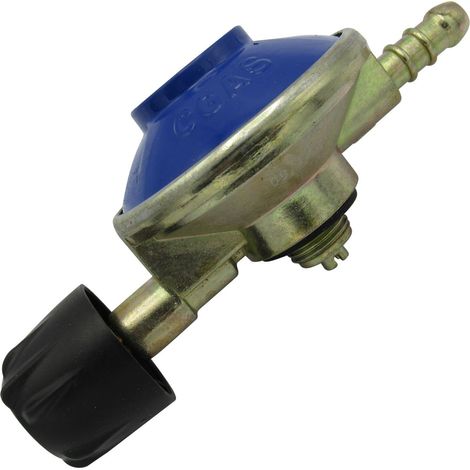
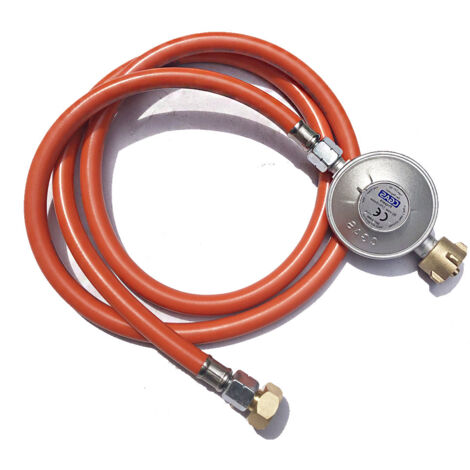
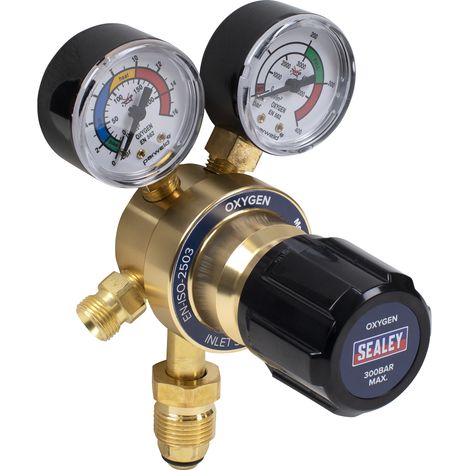
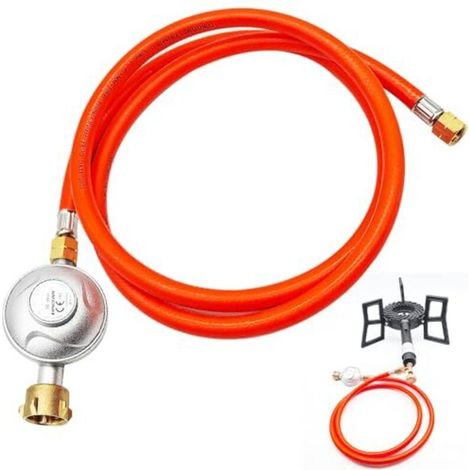
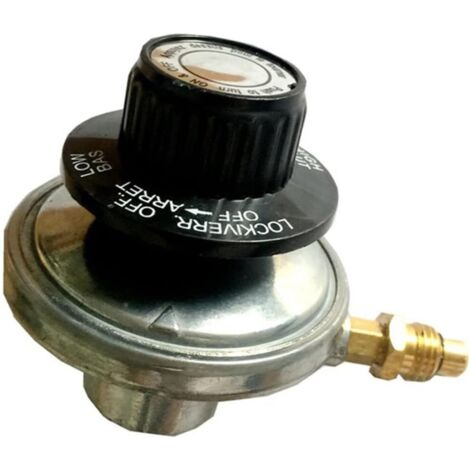
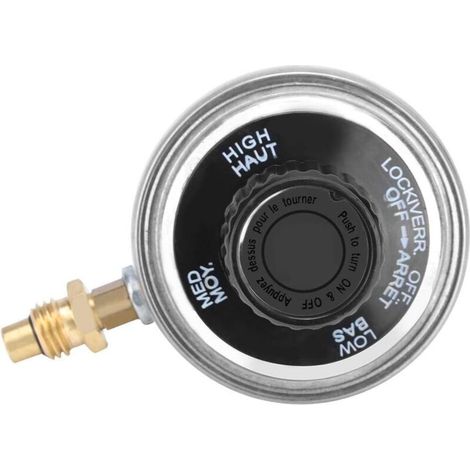
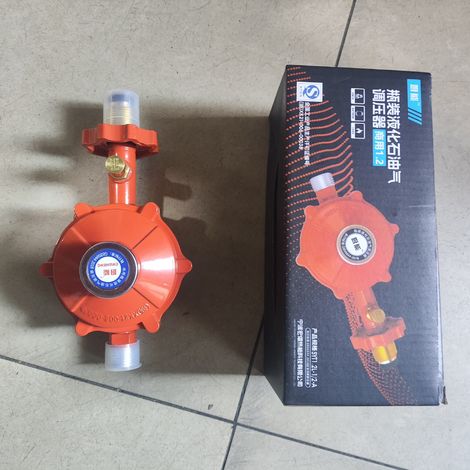
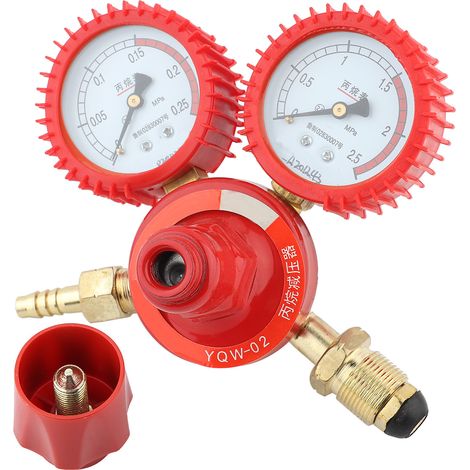
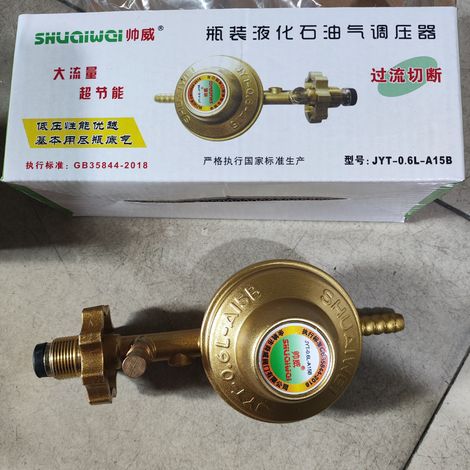
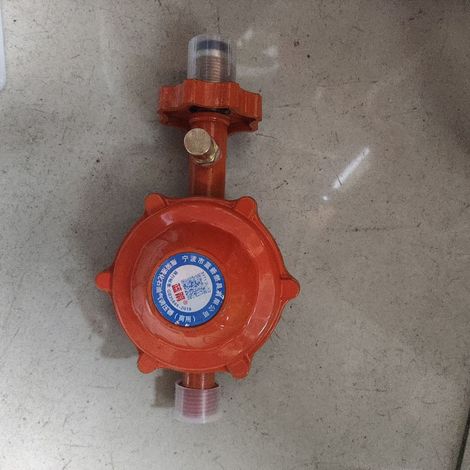
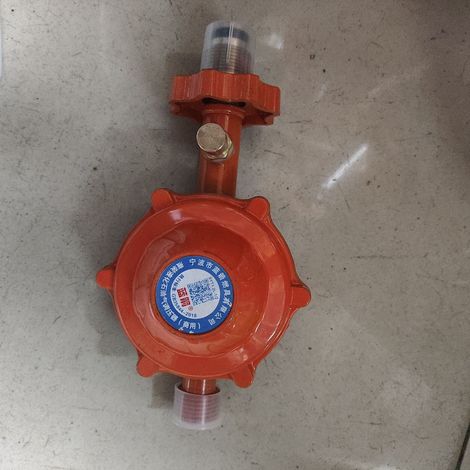
The pressure regulator is one of the essential components in connecting gas appliances. It serves to regulate the pressure coming from the cylinder. Moreover, the dimensions of the accessory must be compatible with the existing installation to ensure the safety of the users.
There are different types of regulators, the models:
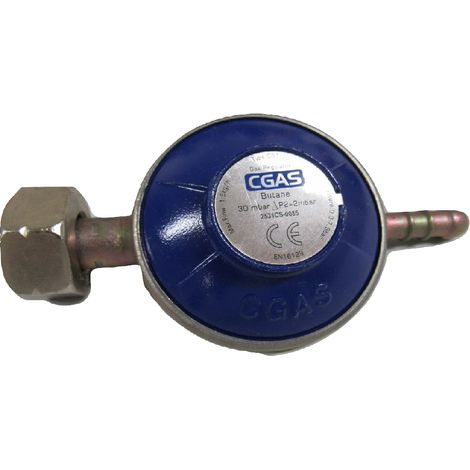
- for butane;
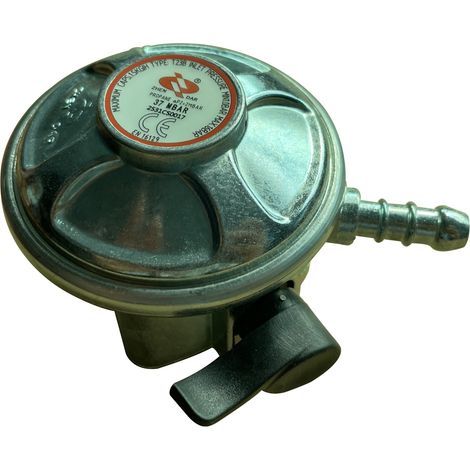
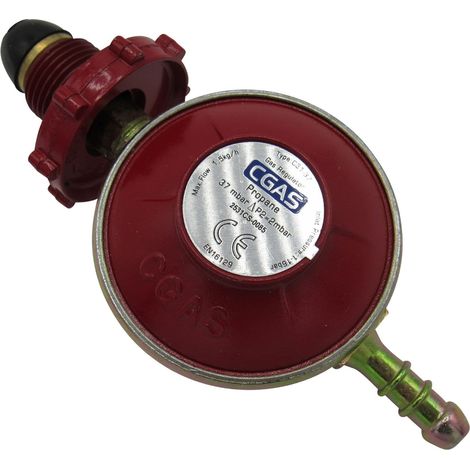
- for propane;
- 28 mbar, intended for cylinders weighing between 6 and 13 kg;
- 37 mbar, designed for cylinders from 13 to 35 kg;
- single-stage;
- double-stage;
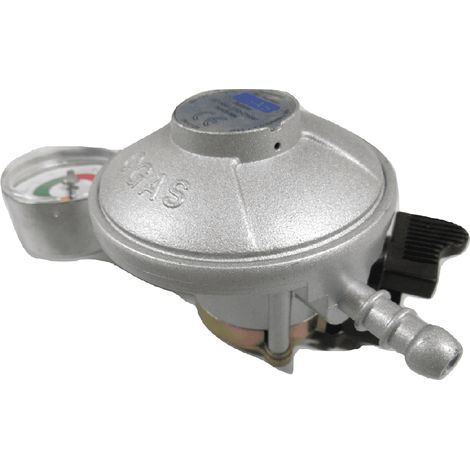
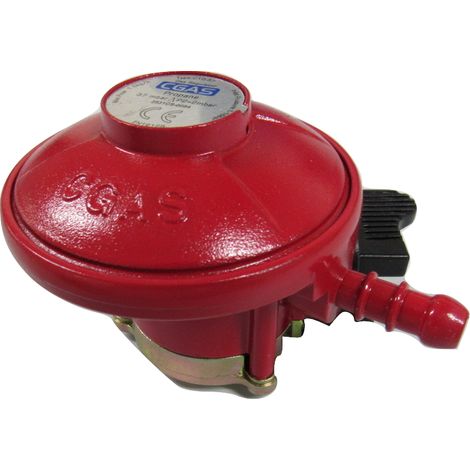
- clip-on;
- screw-on;
- with automatic connection.
The dimensions of the accessory should be chosen based on:
- the gas used, butane or propane;
- the operating pressure of the gas (varying according to the weight of the cylinder);
- the flow provided by the cylinder or the distribution network;
- the thread pitch present on the installation (most often in 20 x 150).
Regulating the gas flow, regulators are generally installed upstream of the system. They must be connected via a hose or a lyre between the equipment (heating, stove, etc.) and the gas distribution (cylinder, bulk storage, etc.). Some models are:
- equipped with an anti-dislodgement safety system;
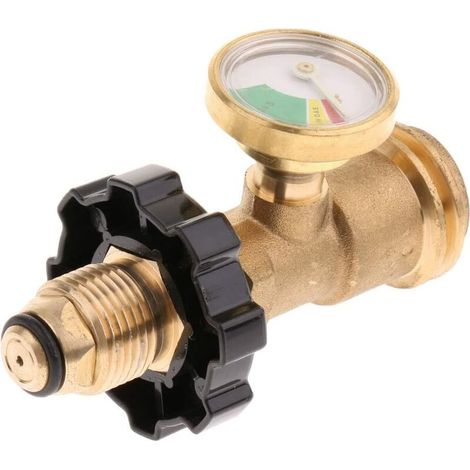
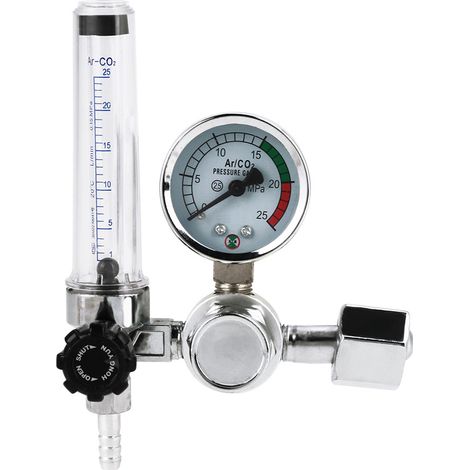
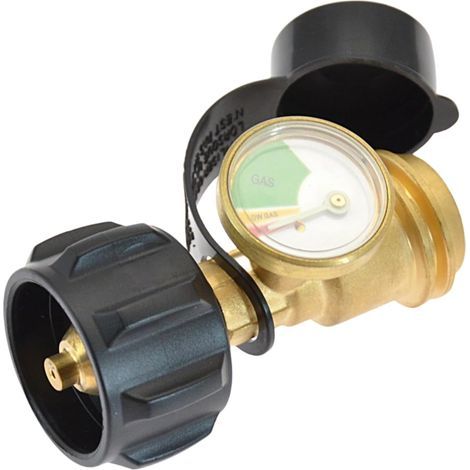
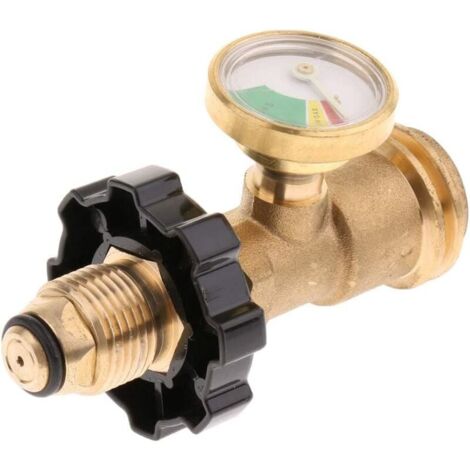
- fitted with a level indicator (or fill indicator);
- designed to cut off the gas flow if a pressure drop occurs upstream of the distribution network;
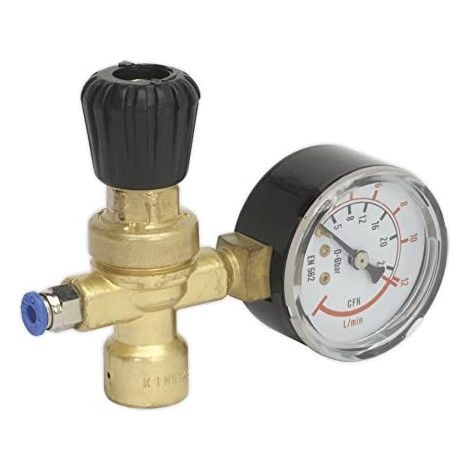
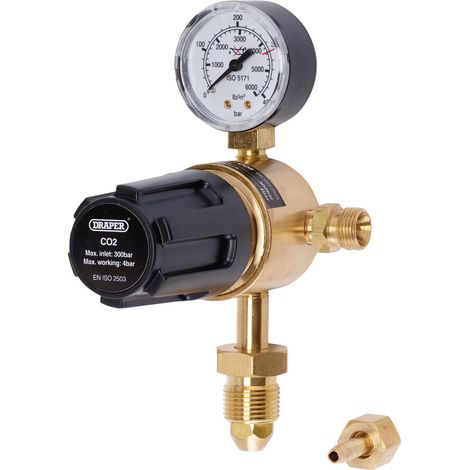
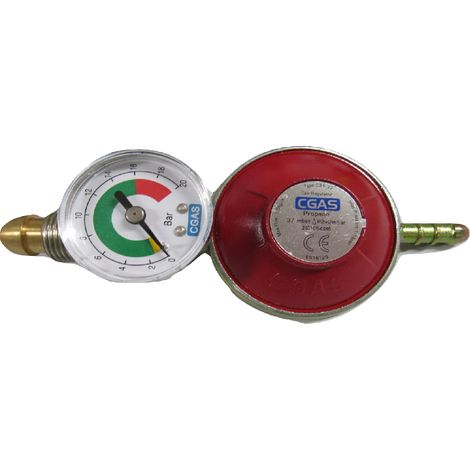
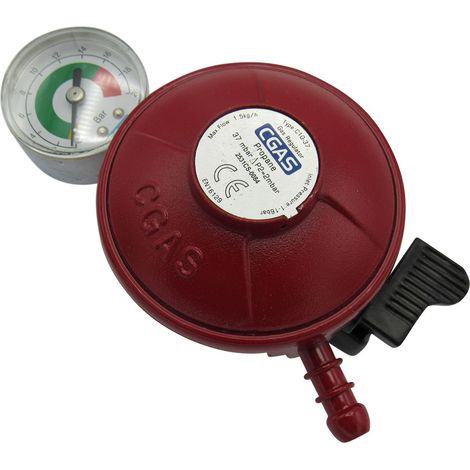
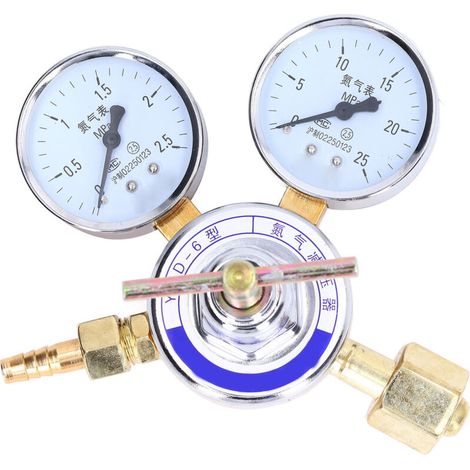
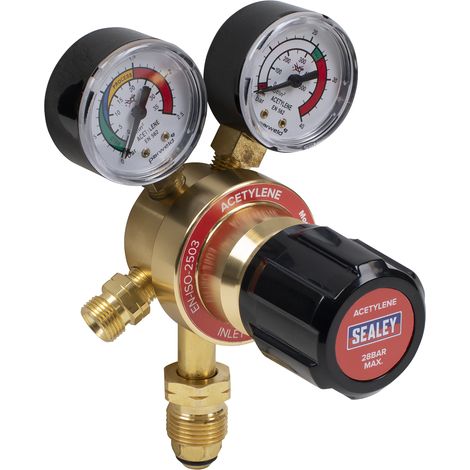
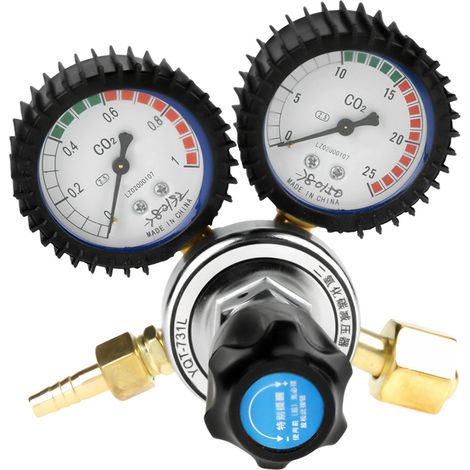
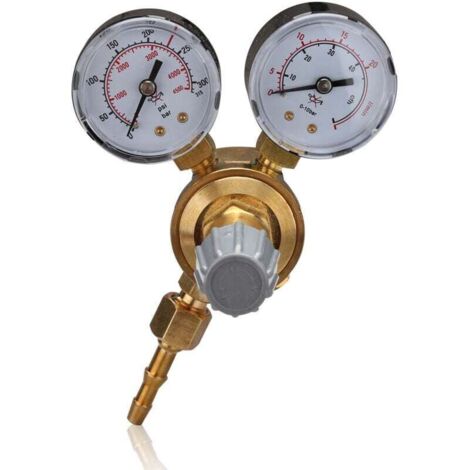
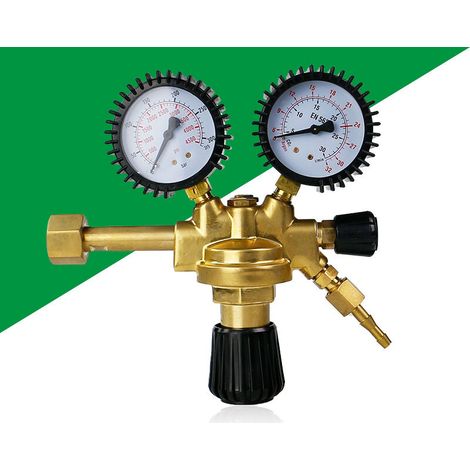
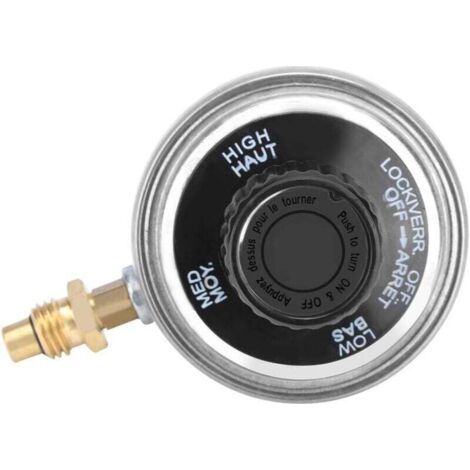
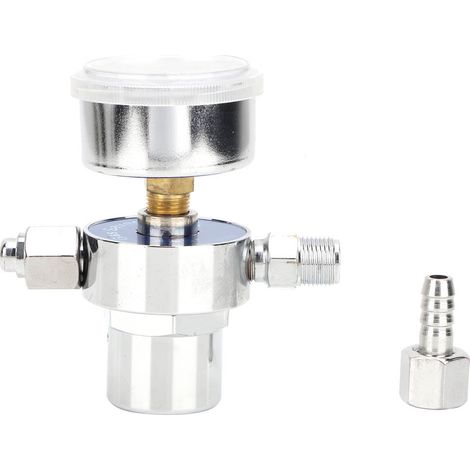
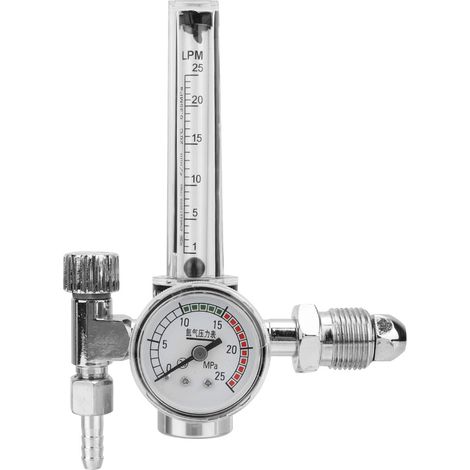
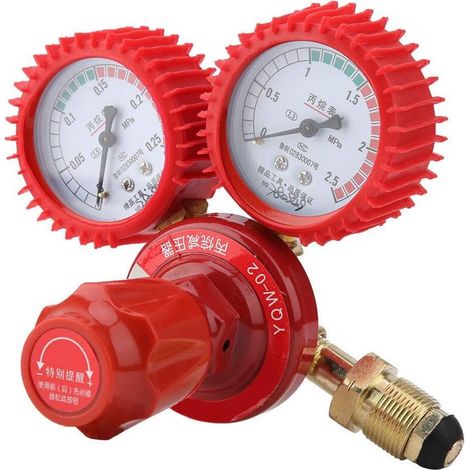
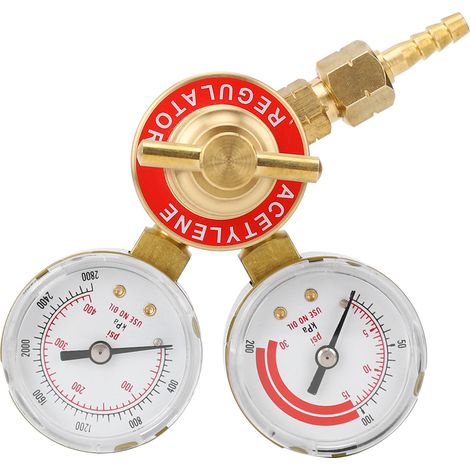
- provided with a pressure gauge to improve the safety level of the installation.
To avoid domestic accidents, it is better to opt for integrated and clip-on models. Indeed, they:
- guarantee user safety;
- immediately stop the gas flow in case of equipment dislodgement or leak;
- work only when the valve is in the closed position;
- allow the gas to pass again if the user presses the green reset button present on the device;
- are suitable for appliances running on butane and propane.
The choice of a regulator depends essentially on the type of gas used (butane or propane) and the weight of the cylinder. Moreover, it is strongly advised to opt for models equipped with an anti-dislodgement system to make the installation more secure. It is also important to ensure that all equipment in the network is NF certified. This standard indeed guarantees the safety of users and building occupants against the risks of explosion or fire.




















'/%3E%3C/svg%3E)