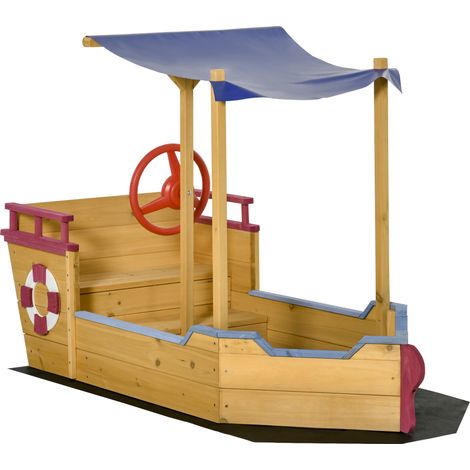
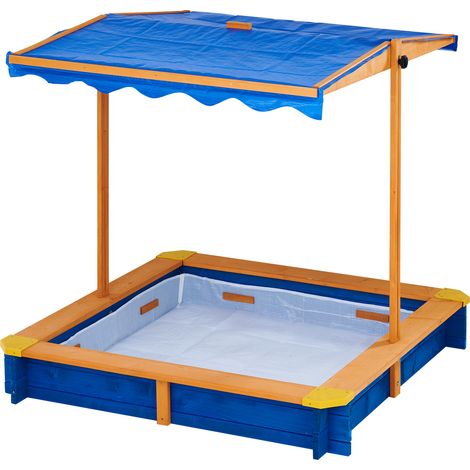
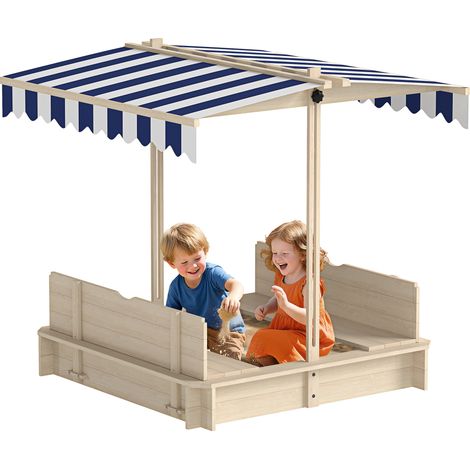
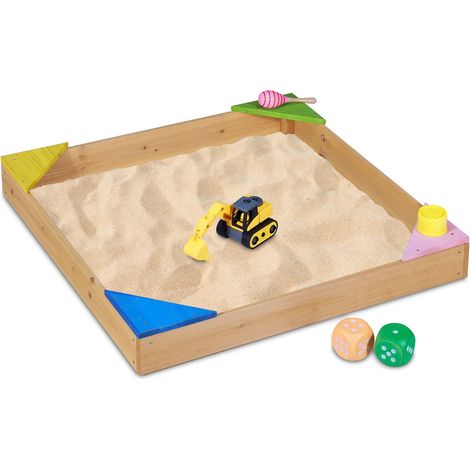
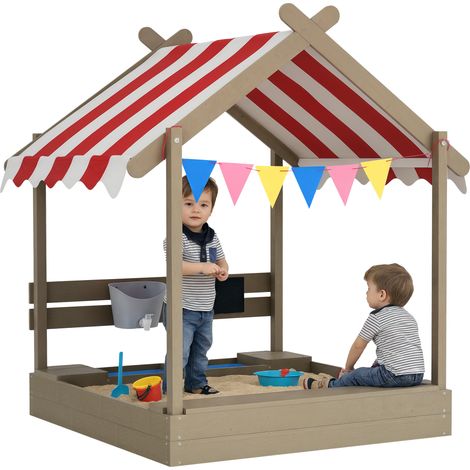
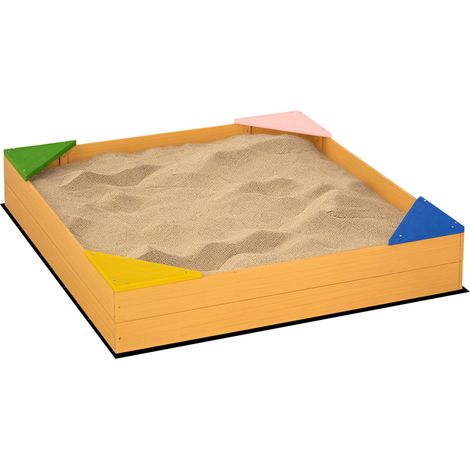
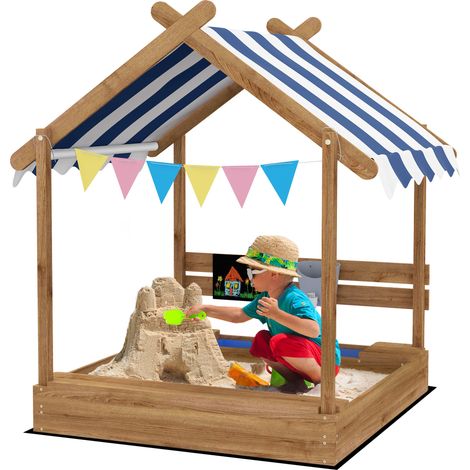
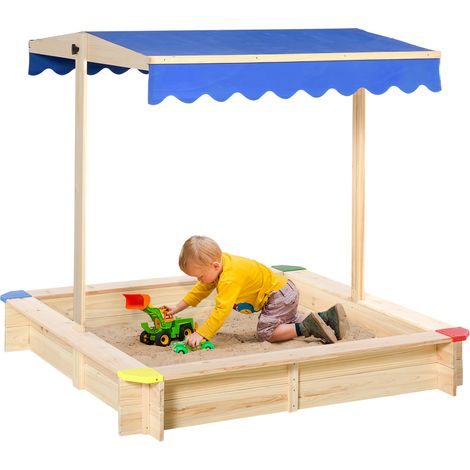
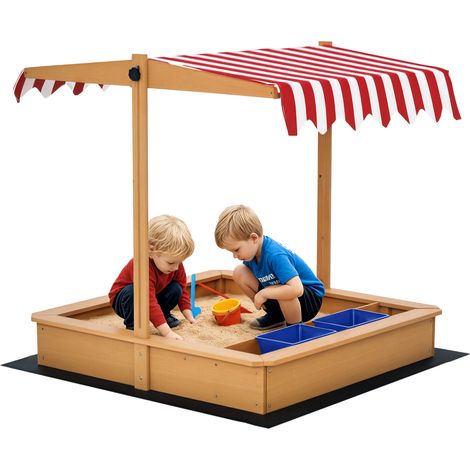
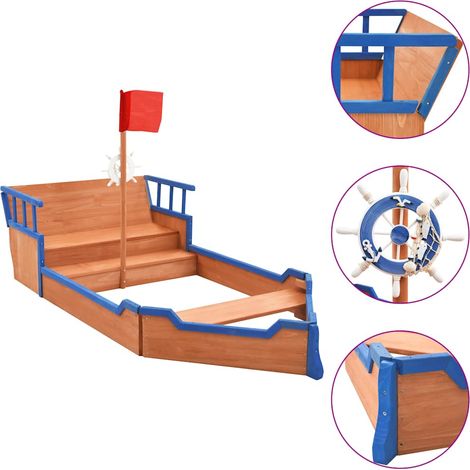
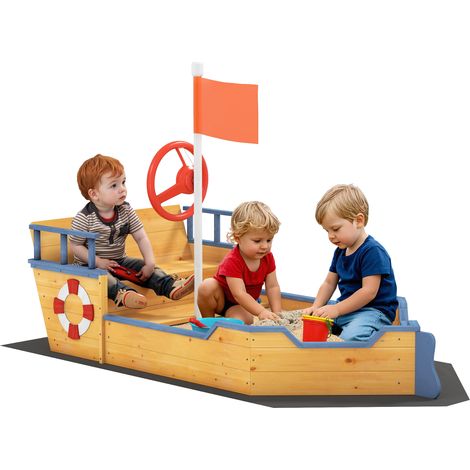
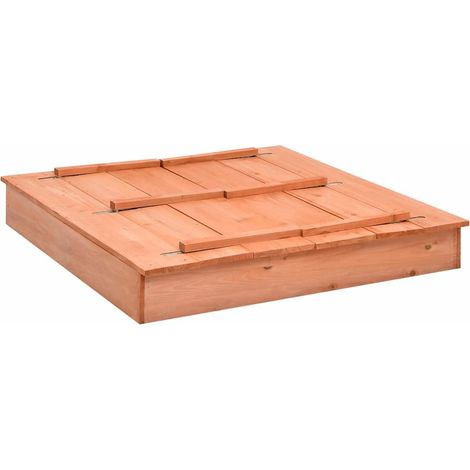
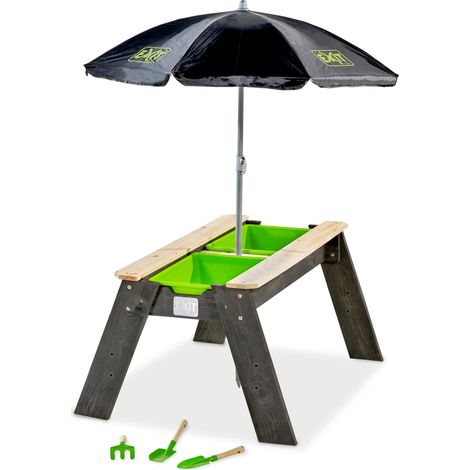
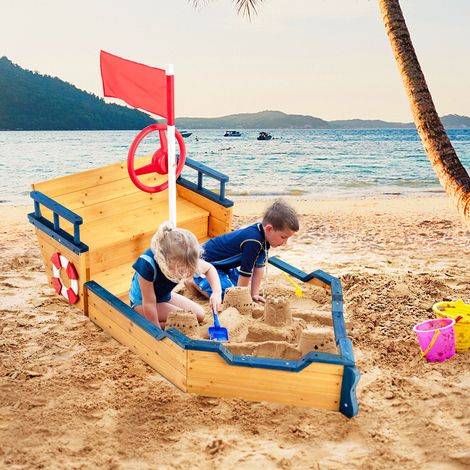
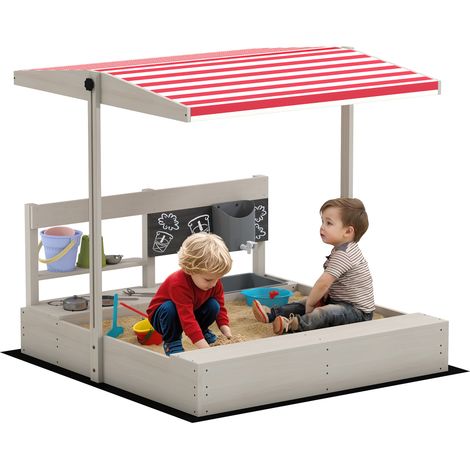
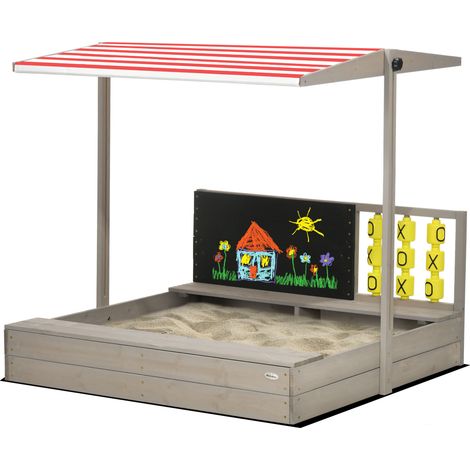
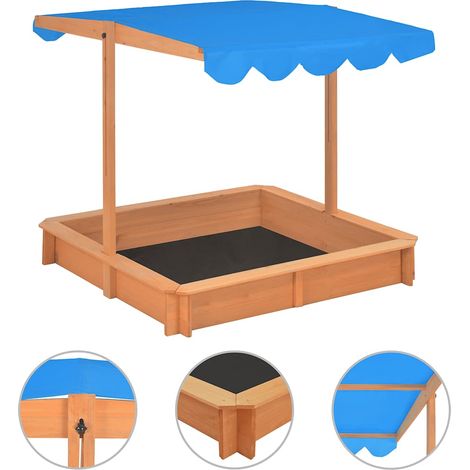
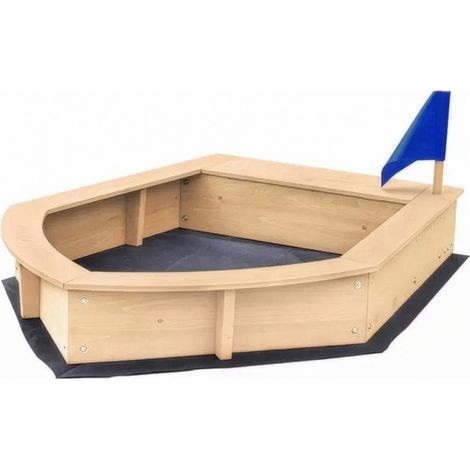
The sandbox is a playful space that allows children to play outdoors while letting their imagination run wild. Made of wood or plastic, this type of installation can be equipped with a canopy for playing in the shade, a lid, or even a storage space for toys.
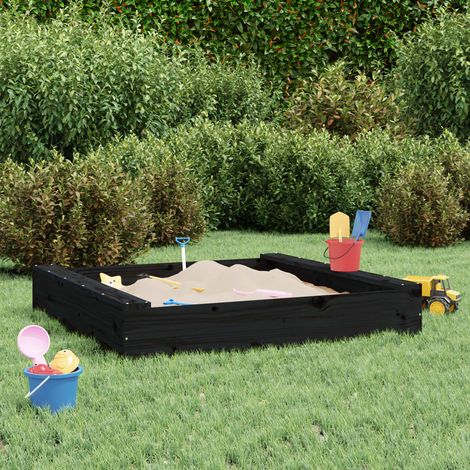
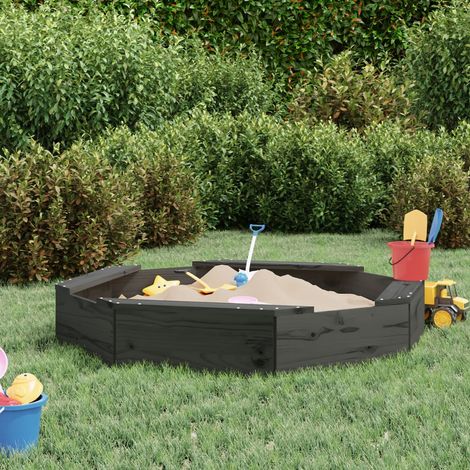
Wooden sandboxes have the following characteristics:
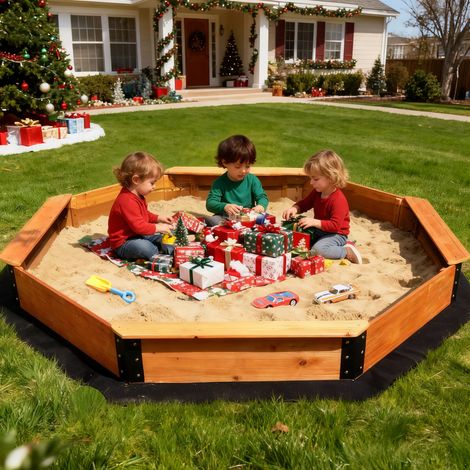
- they feature large dimensions to accommodate several children;
- they can stay outside in all seasons;
- they come with an instruction manual, thus facilitating their assembly;
- they are made from weather-resistant treated wood;
- the products used are harmless;
- the absence of a bottom facilitates the cleaning of the sand by rainwater and the drainage of moisture;
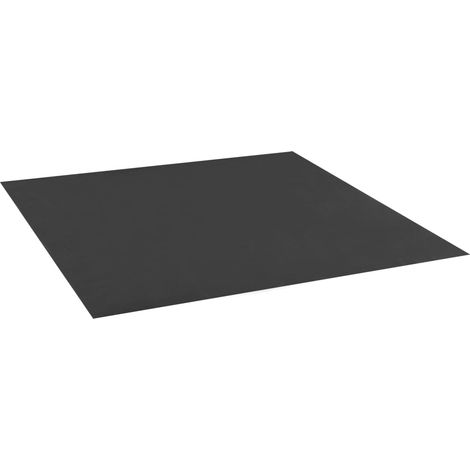
- it is necessary to cover the bottom of the sandboxes with a root barrier fabric to limit the growth of weeds.
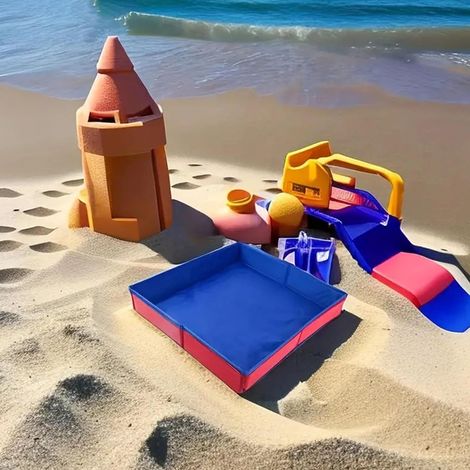
Here are the points to know about plastic sandboxes:
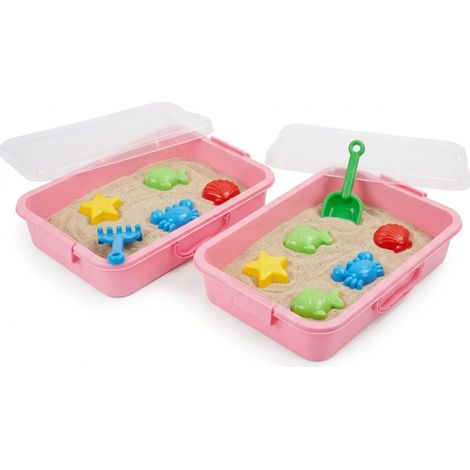
- they come with a lid;
- they are easy to store and move;
- it is possible to choose between different dimensions;
- their installation is carried out on a flat surface;
- once filled with water, they turn into small pools.
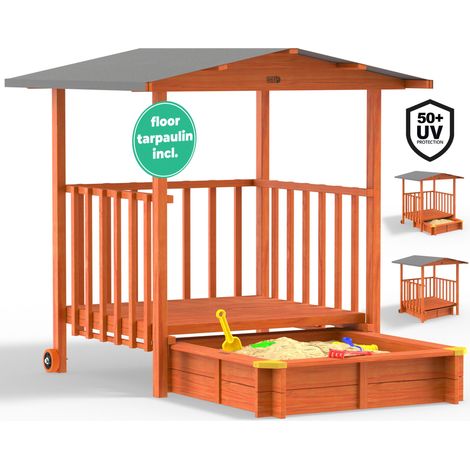
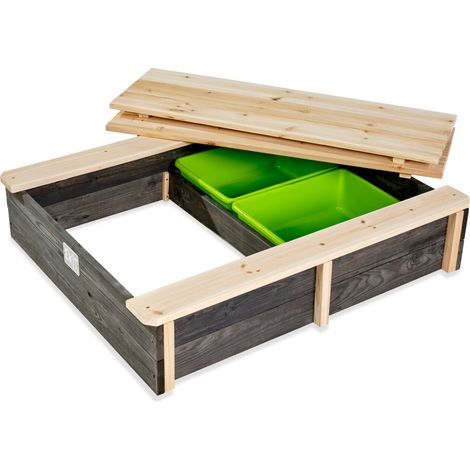
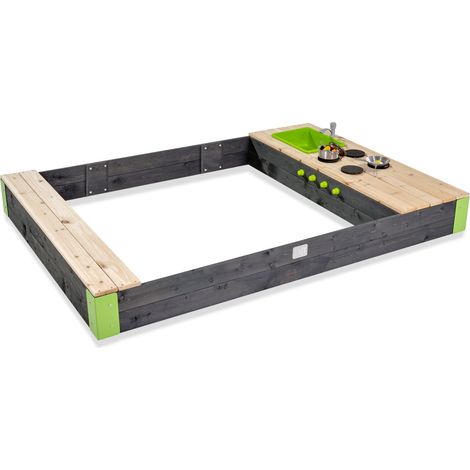
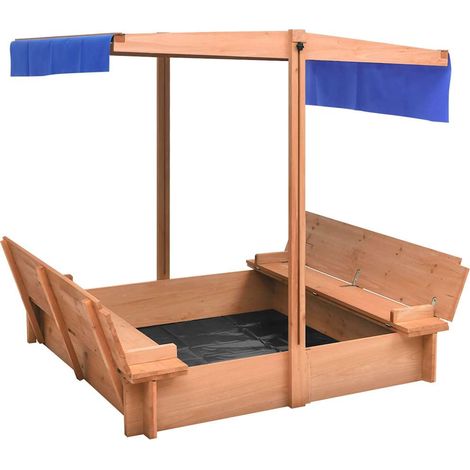
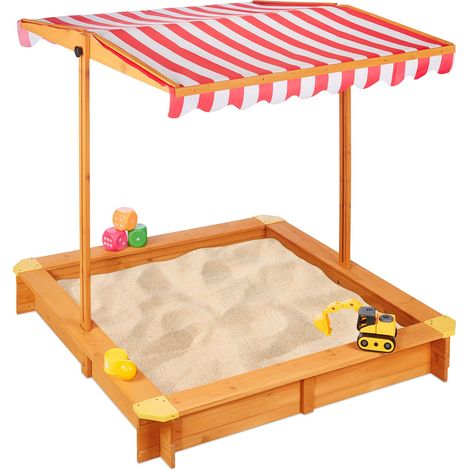
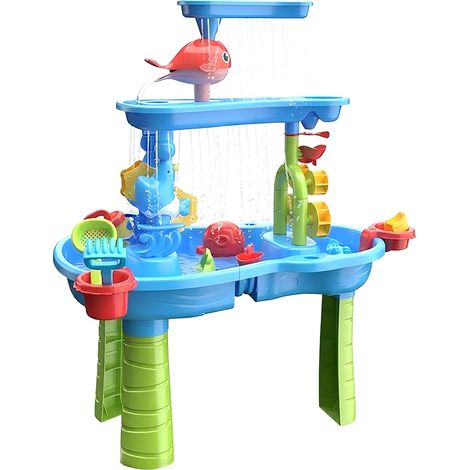
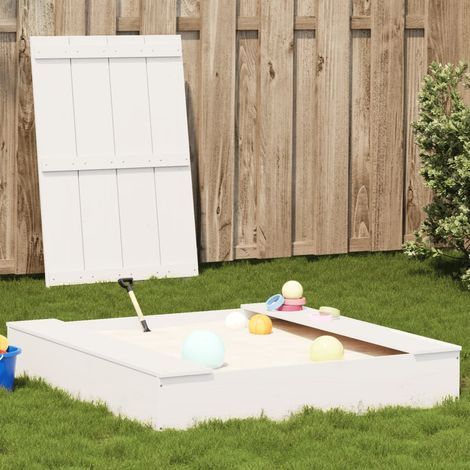
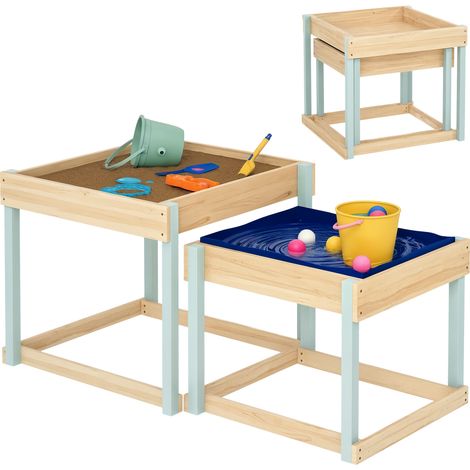
Like other outdoor games such as slides, swings, or trampolines, sandboxes have characteristics to consider when purchasing. Wooden models are sometimes equipped with a foldable roof (serving as a lid), swiveling and/or adjustable in height. Others come with integrated benches. Moreover, sandboxes on legs can be installed on a terrace or balcony.
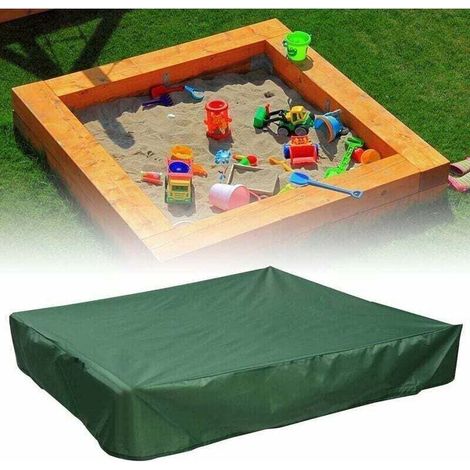
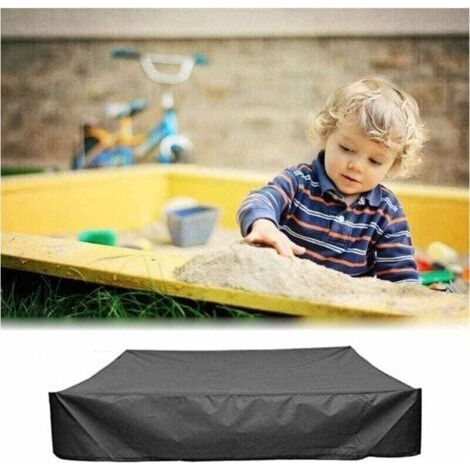
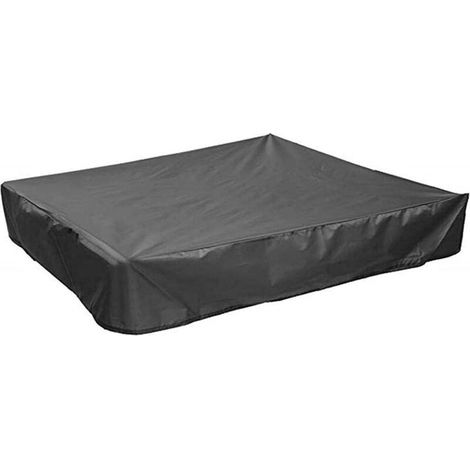
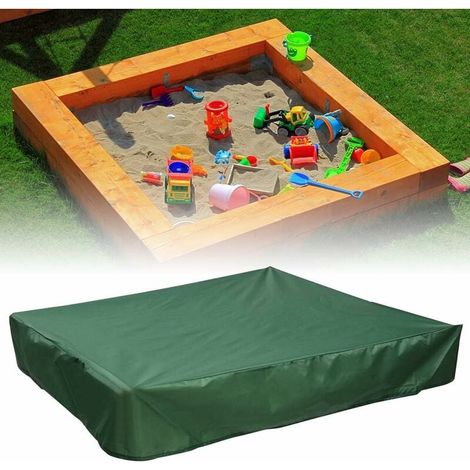
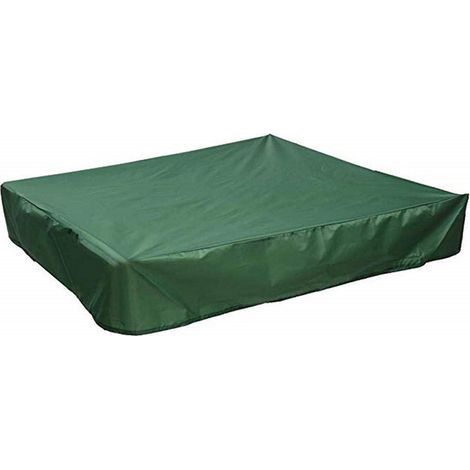
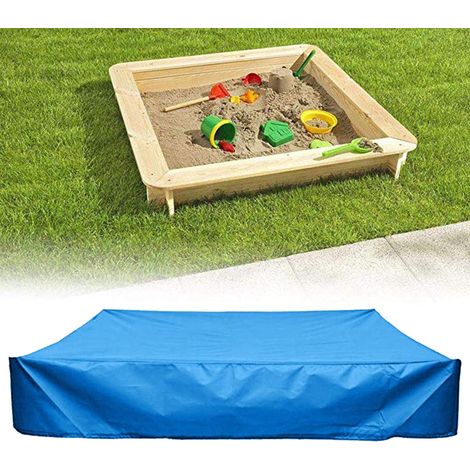
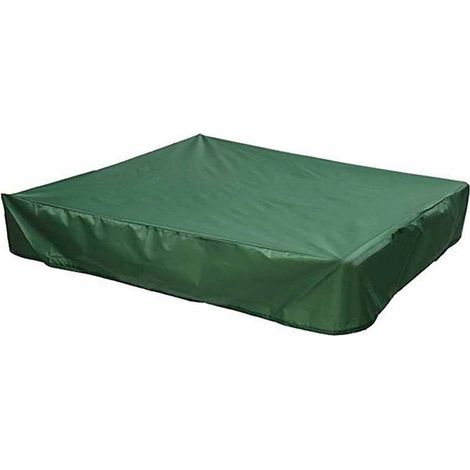
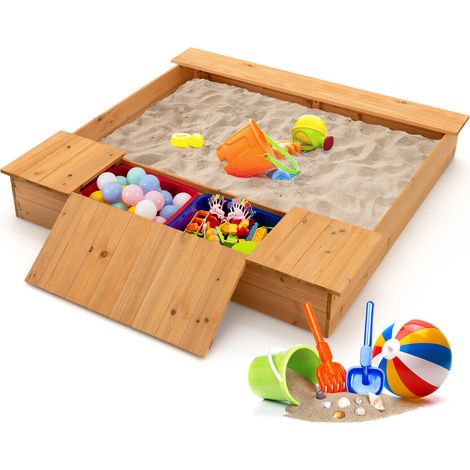
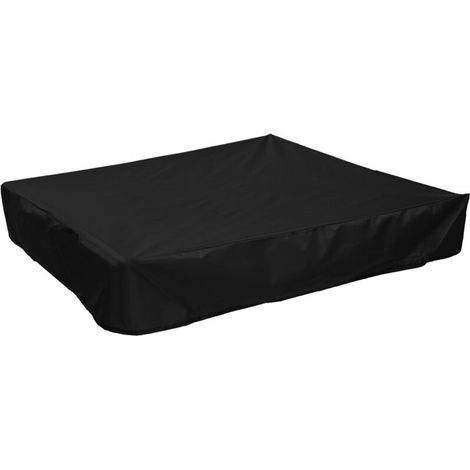
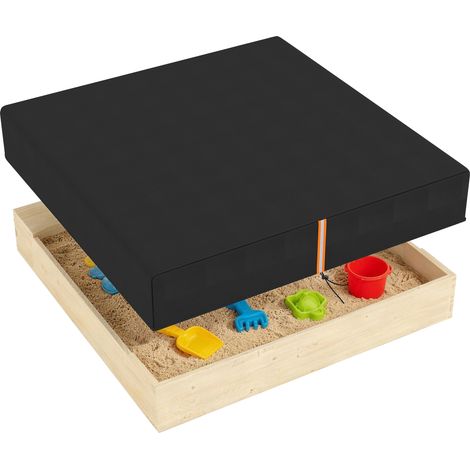
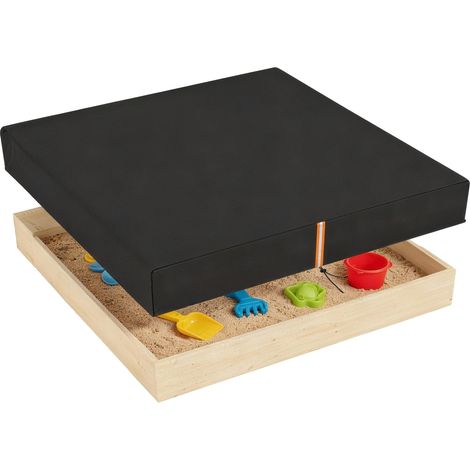
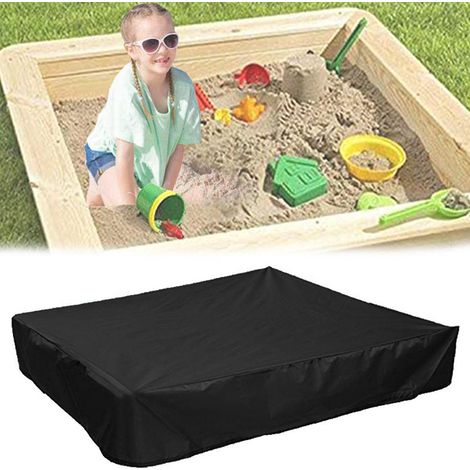
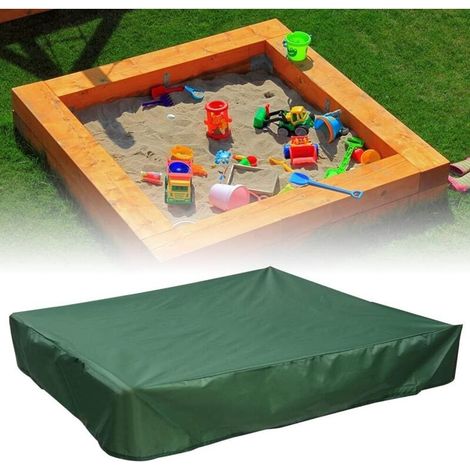
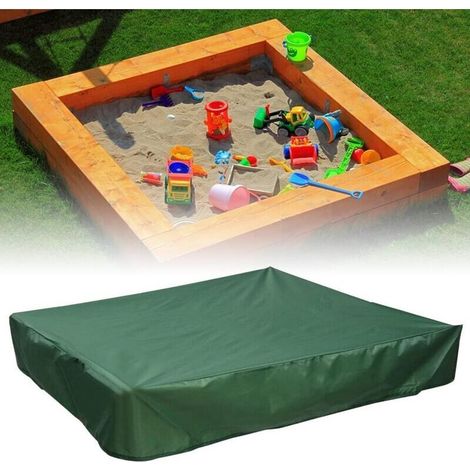
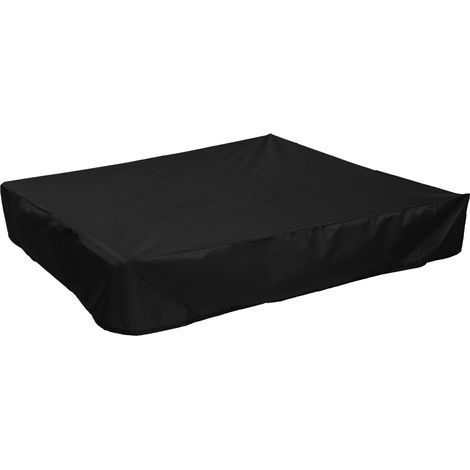
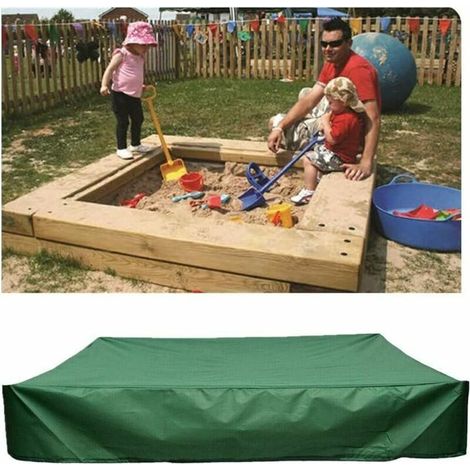
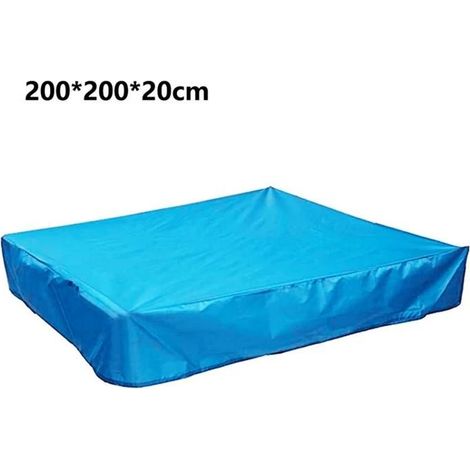
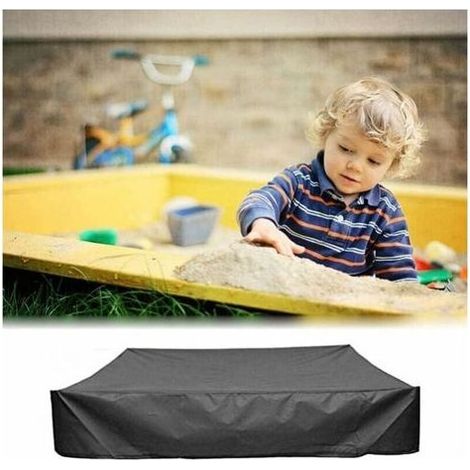
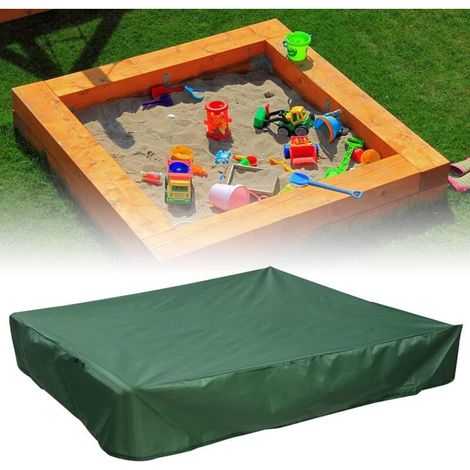
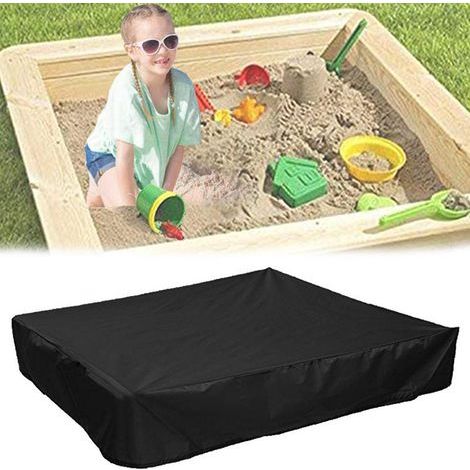
The presence of a lid is particularly beneficial. This accessory protects the sand from moisture while preventing the intrusion of animals. For convenience, some versions have compartments for storing toys, shovels, buckets, and rakes.
Thus, the ideal sandbox depends on the available space, the age, and the number of children. As for its installation, it is appropriate to choose a location within sight, protected from moisture and UV rays.
















'/%3E%3C/svg%3E)
'/%3E%3C/svg%3E)