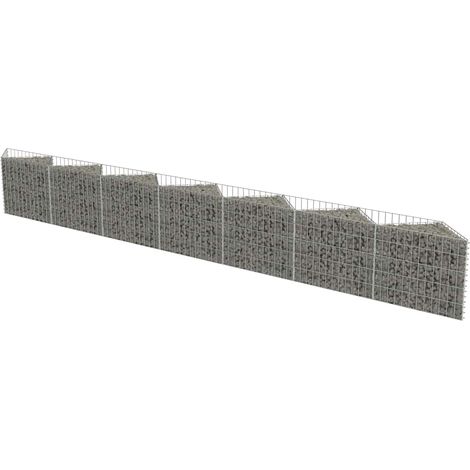
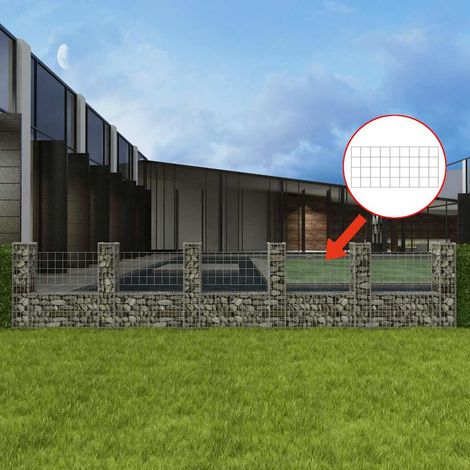
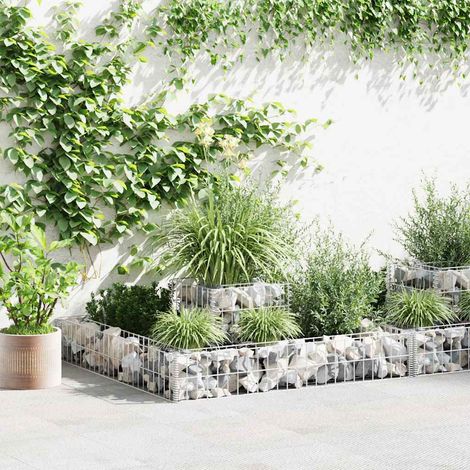
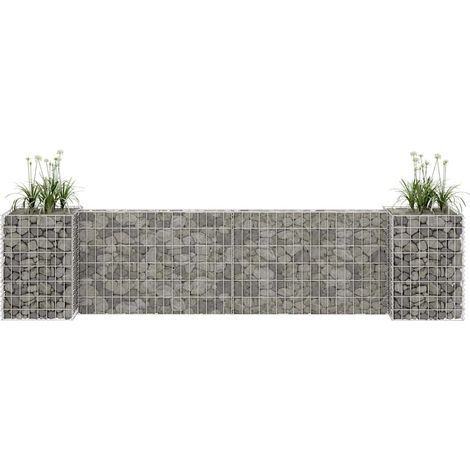
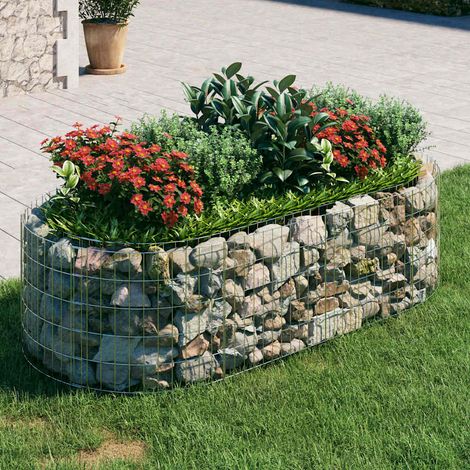
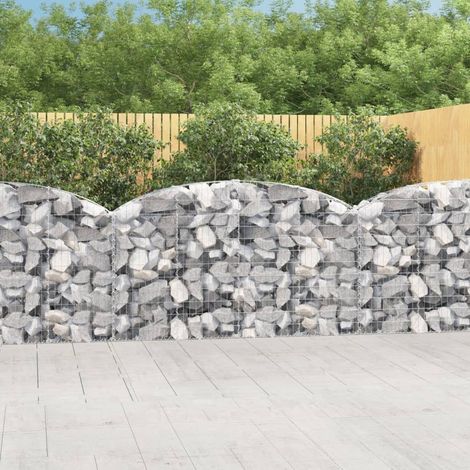
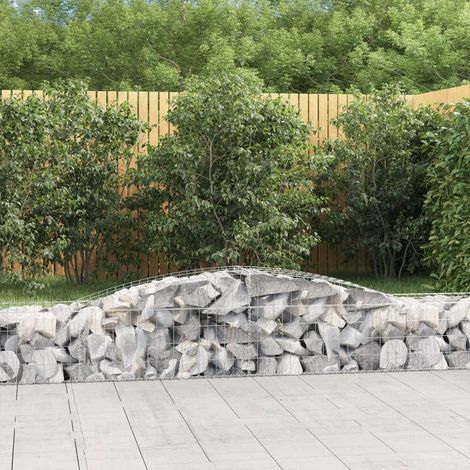
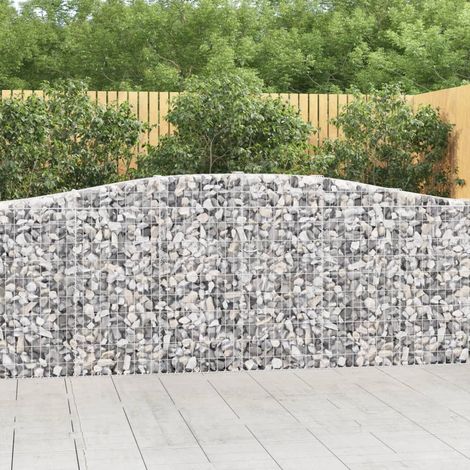
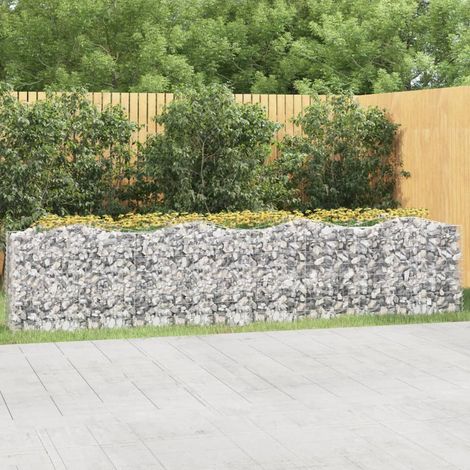
Gabions are now used to erect a retaining wall, a separation wall, or a screening wall. They also bring originality to the outdoor decoration of the house. The choice depends on the work to be done.
First and foremost, it is important to understand what a gabion wall is. It is made up of various elements.
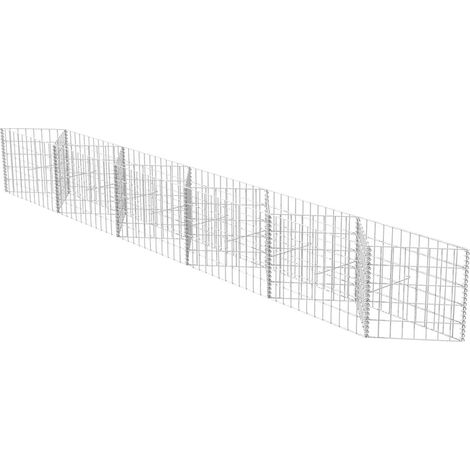
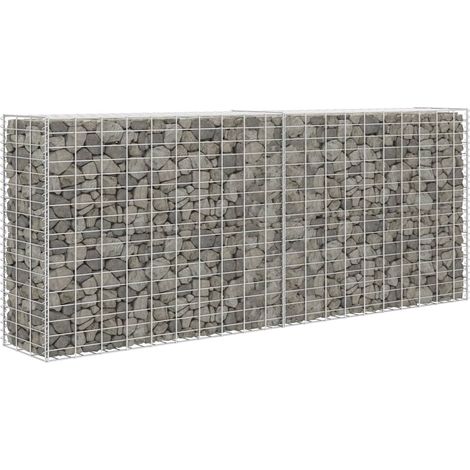
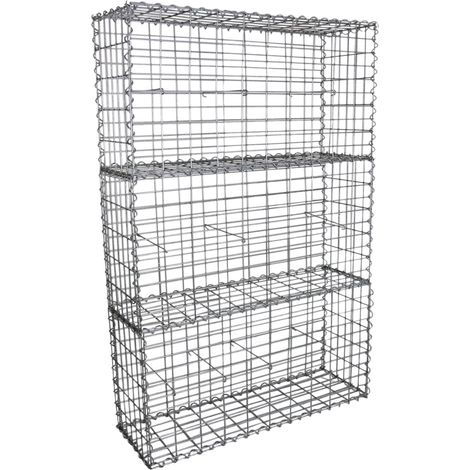
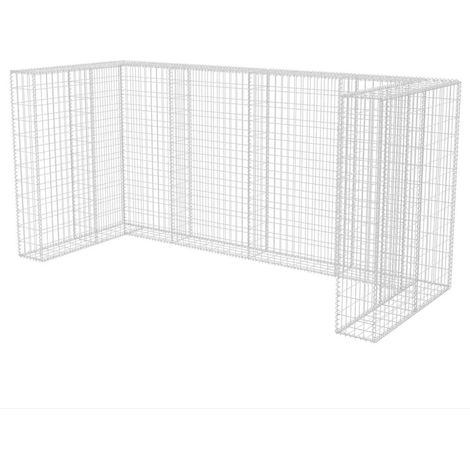
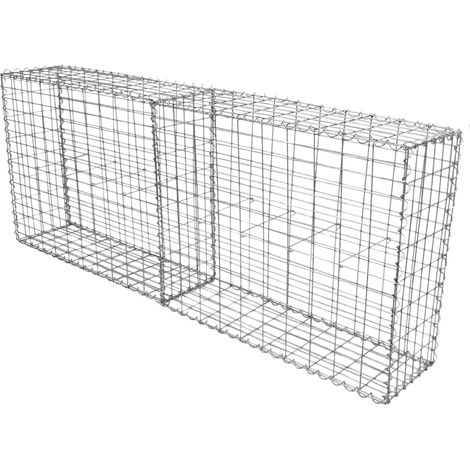
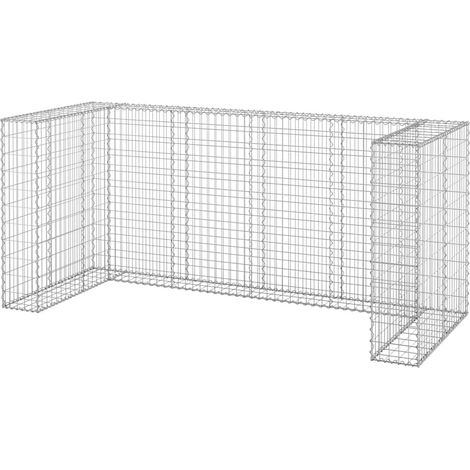
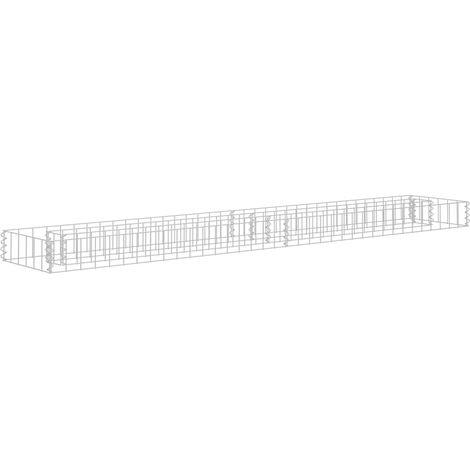
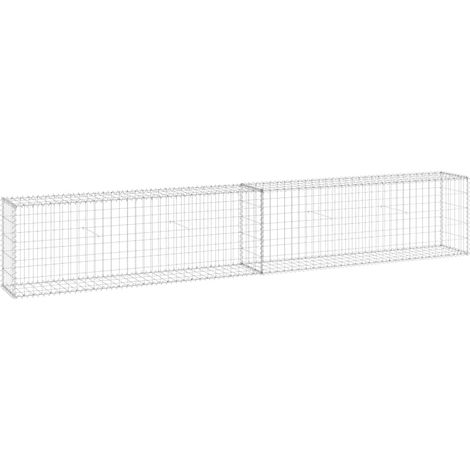
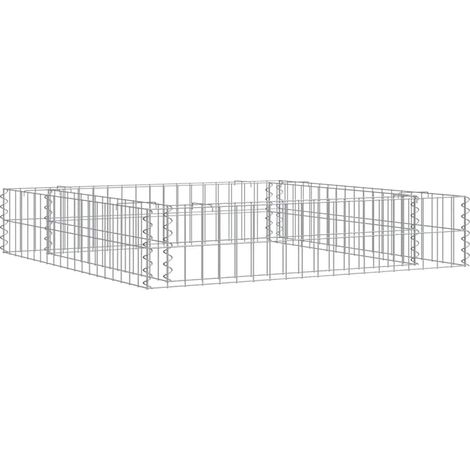
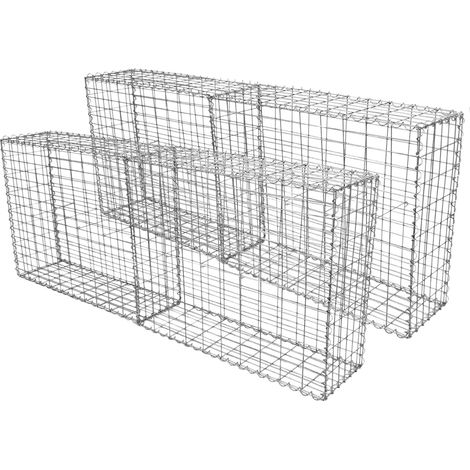
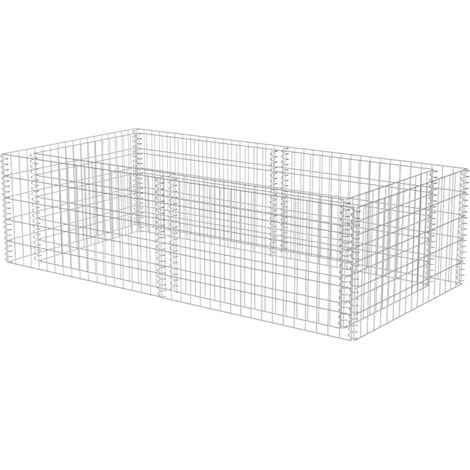
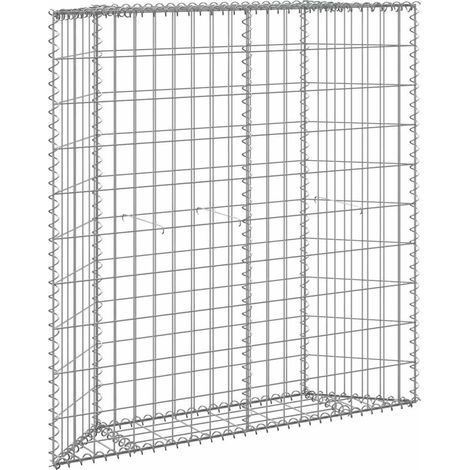
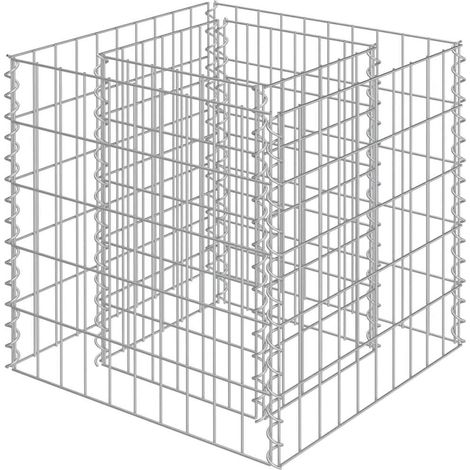
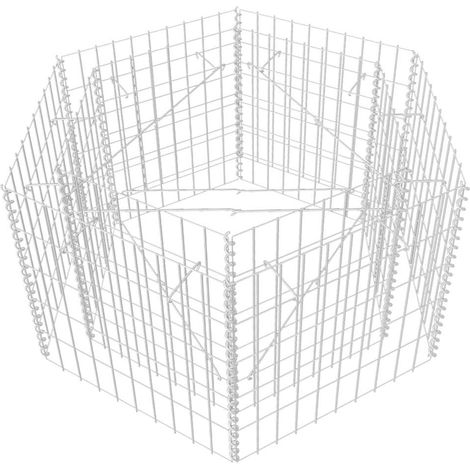
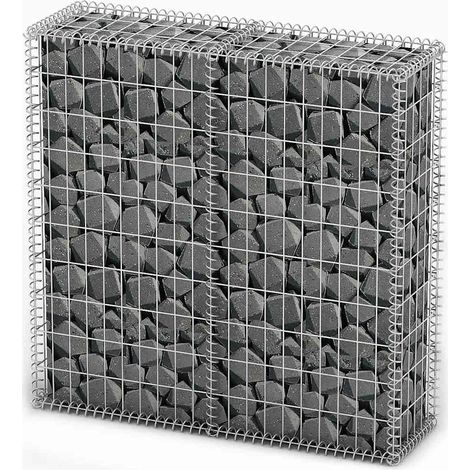
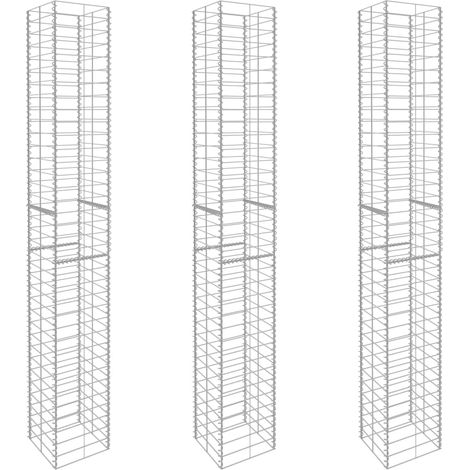
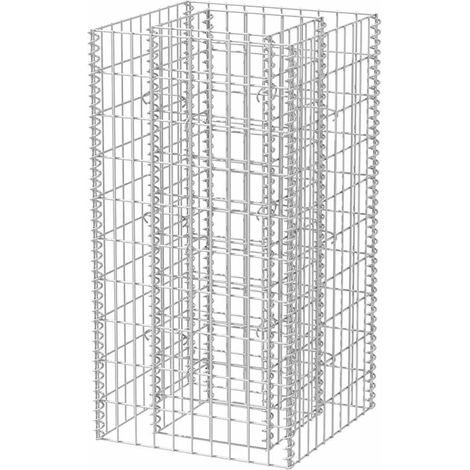
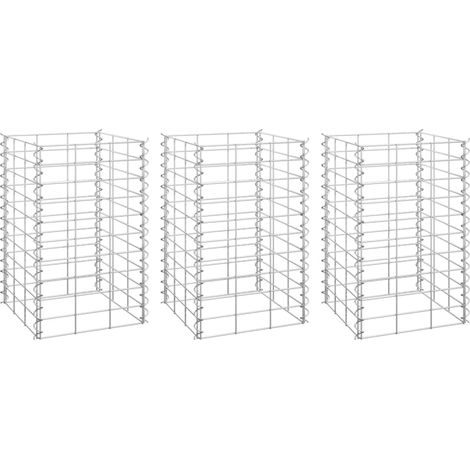
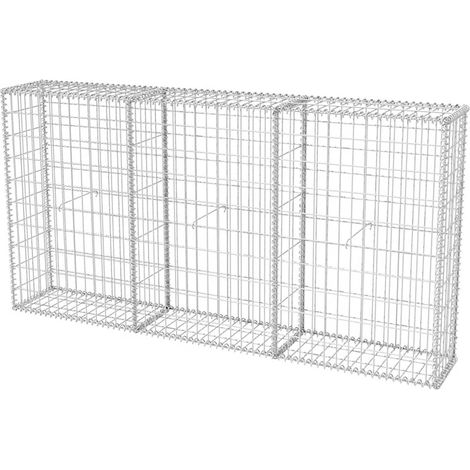
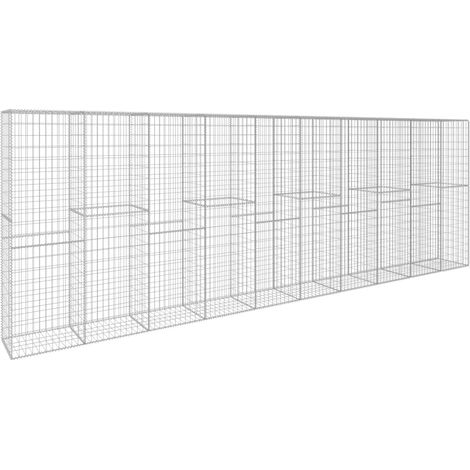
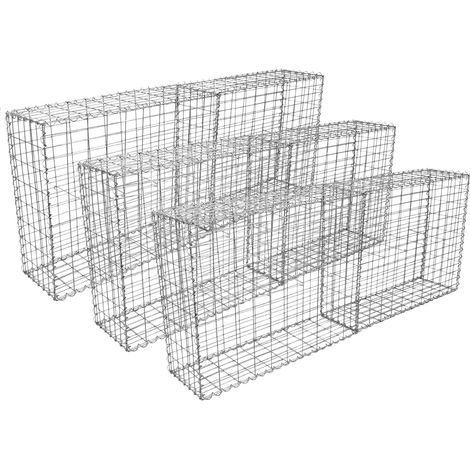
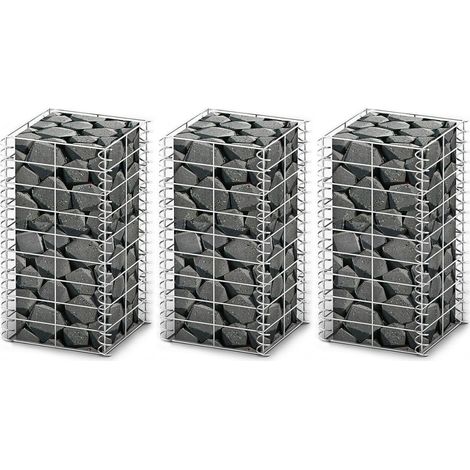
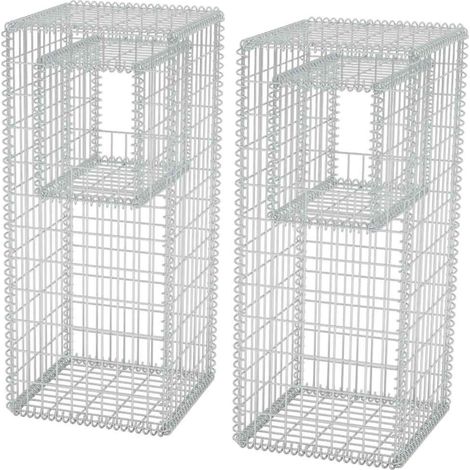
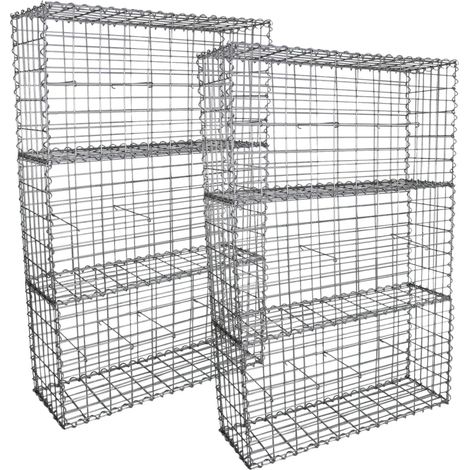
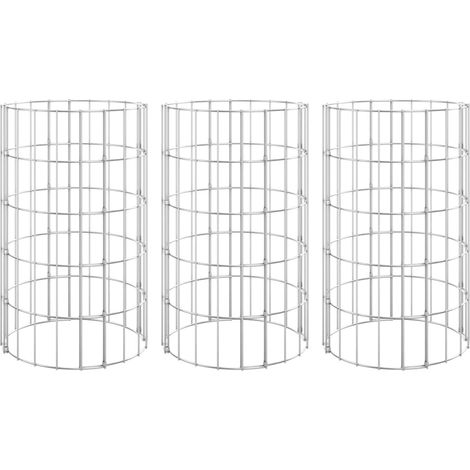
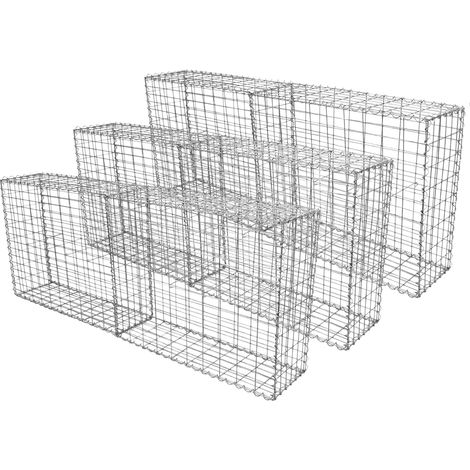
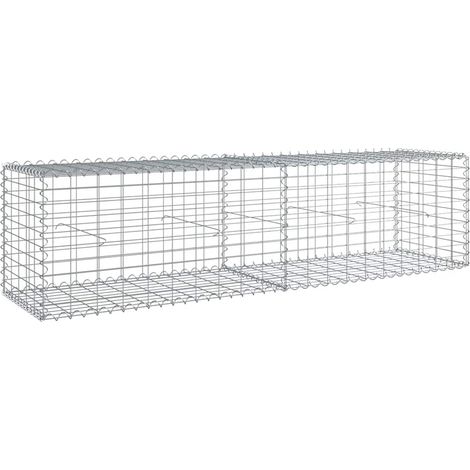
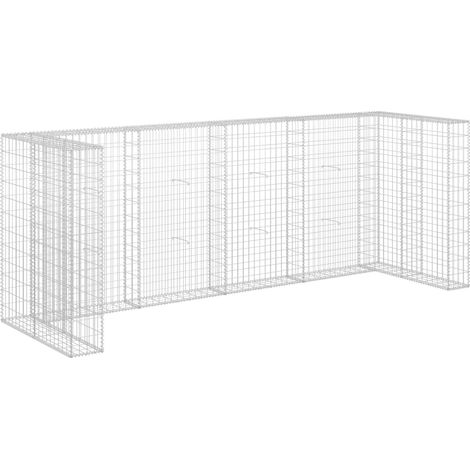
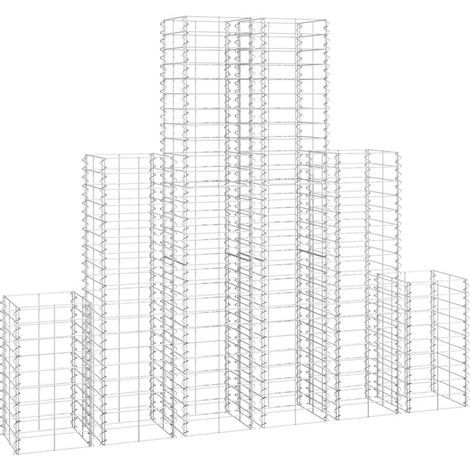
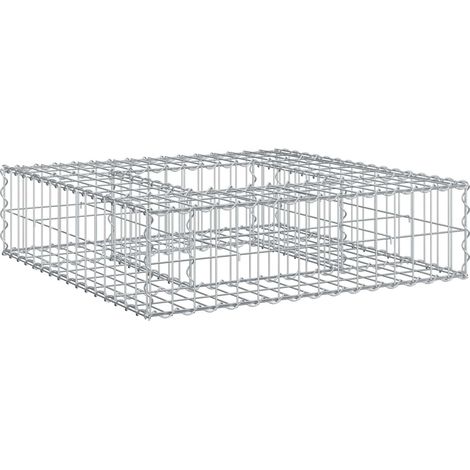
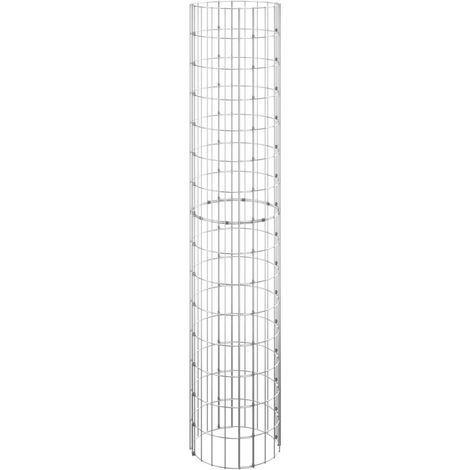
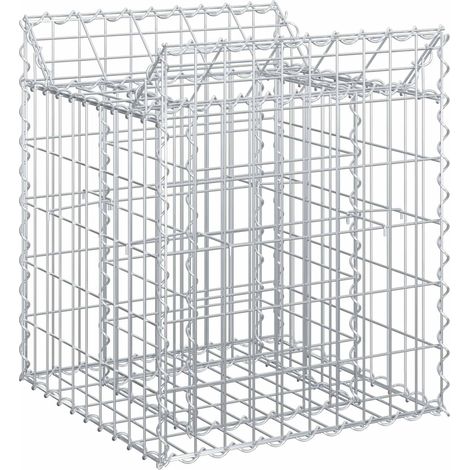
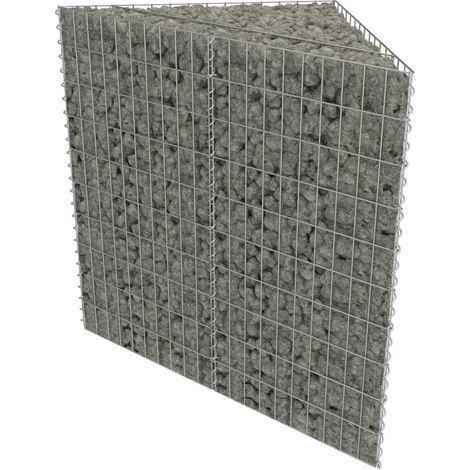
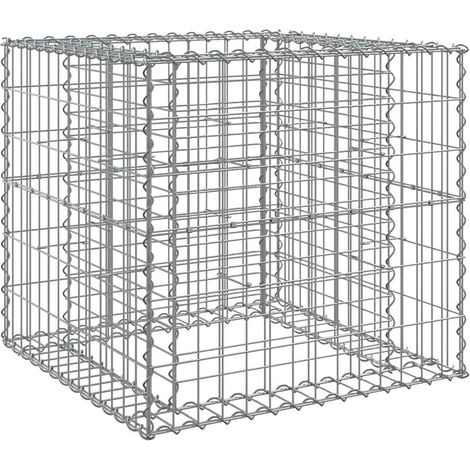
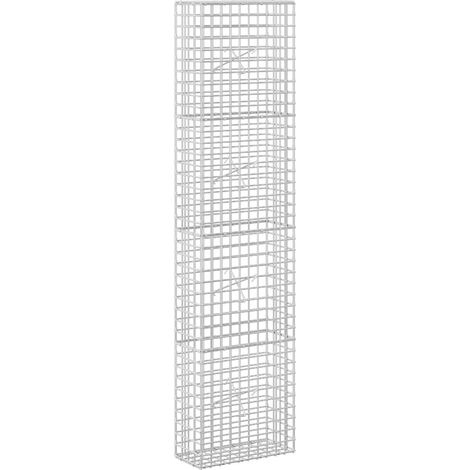
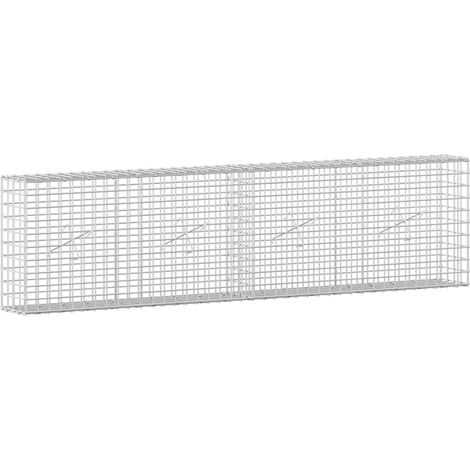
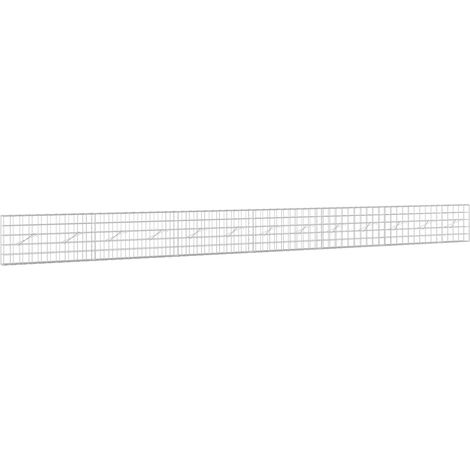
- Metal cages made of welded panels. Sometimes, many cages connected by staples are necessary to build a wall.
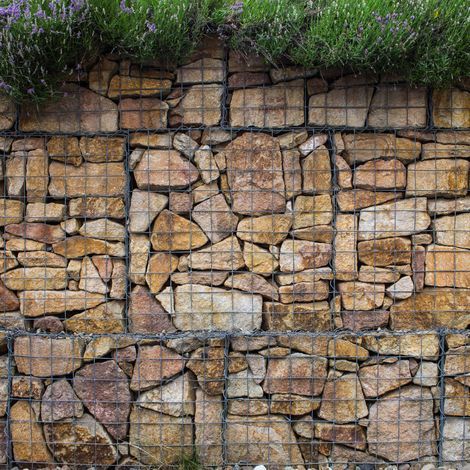
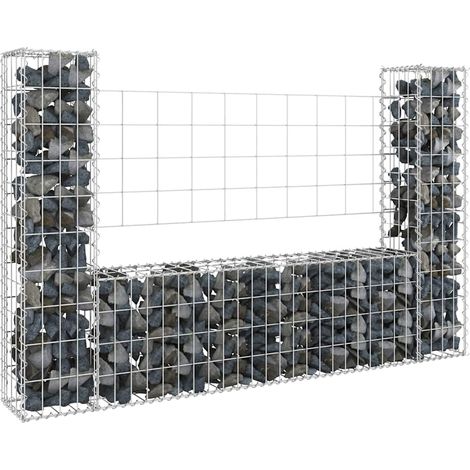
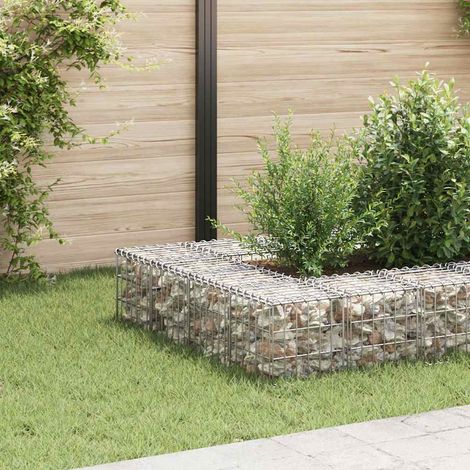
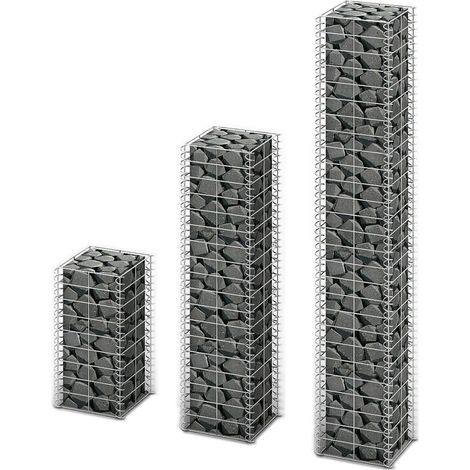
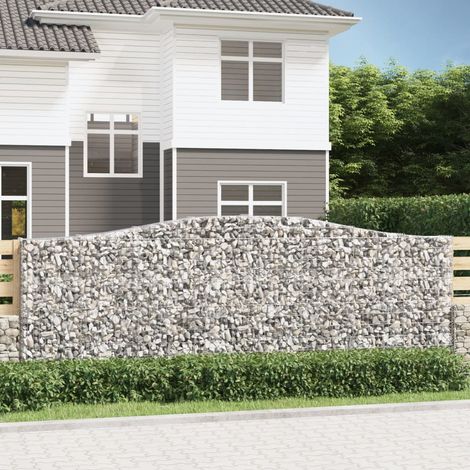
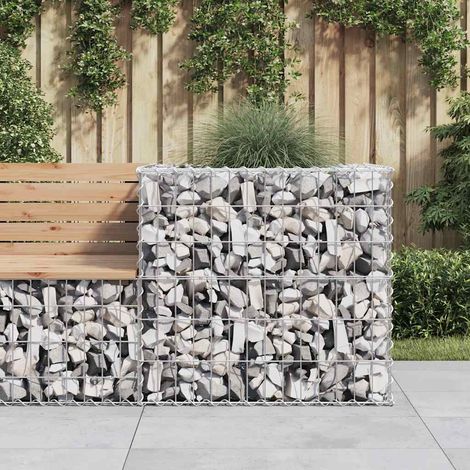
- In most cases, the cages are filled with pebbles which come in different sizes and colors. Some users opt for wood or recycled glass for more originality. It is also possible to fill the cages with soil, but this option requires a geotextile fabric.
The choice of gabion wall primarily depends on its use.
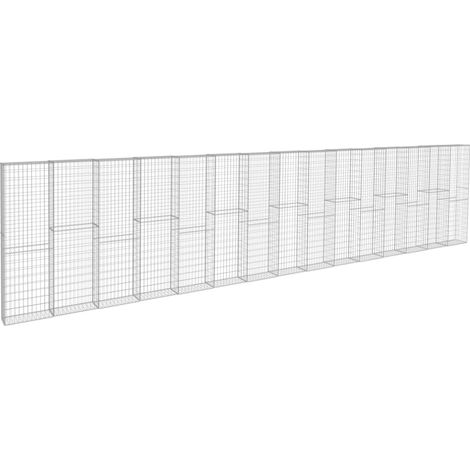
- Most often, the gabion is used as a retaining wall to hold back the soil on uneven terrain.
- It can serve as a fence, especially for properties located along a road. Indeed, a gabion wall filters noise.
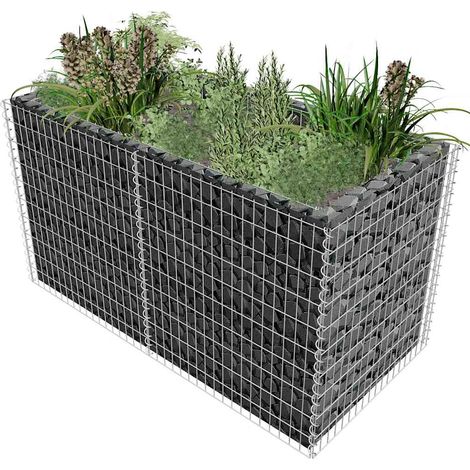
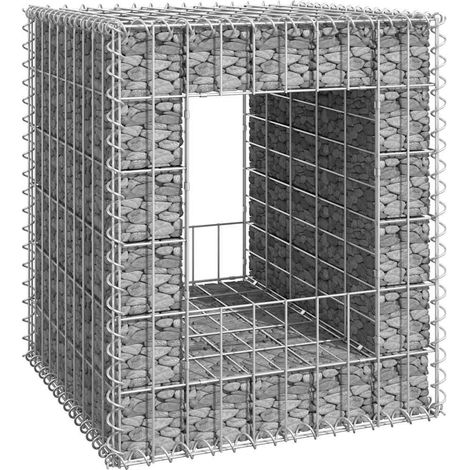
- The gabion can be used to make outdoor furniture.
Gabions are available in various dimensions to suit different uses.
- The height of the gabion wall varies from 60 to 240 cm. Cages can be stacked for a taller structure.
- The length varies from 20 to 200 cm.
- The width ranges from 20 to 50 cm.
The assembly of a gabion wall is done step by step.
- Level and stabilize the ground with sand and fine gravel. Check its flatness with a spirit level.
- Set up the walls and join them using spirals.
- Install stiffeners to strengthen the structure.
- Fill the cages before closing the lid using spirals.
For a wall made up of numerous gabions, it is better to fill each cage progressively to optimize the stability of the structure.
The choice of the gabion wall depends on the structure to be built and the desired aesthetic. While its installation is relatively easy for basic tasks, the involvement of a professional is recommended for taller structures.


'/%3E%3C/svg%3E)
'/%3E%3C/svg%3E)